- English
- French
- German
- Portuguese
- Spanish
- Russian
- Japanese
- Korean
- Arabic
- Greek
- German
- Turkish
- Italian
- Danish
- Romanian
- Indonesian
- Czech
- Afrikaans
- Swedish
- Polish
- Basque
- Catalan
- Esperanto
- Hindi
- Lao
- Albanian
- Amharic
- Armenian
- Azerbaijani
- Belarusian
- Bengali
- Bosnian
- Bulgarian
- Cebuano
- Chichewa
- Corsican
- Croatian
- Dutch
- Estonian
- Filipino
- Finnish
- Frisian
- Galician
- Georgian
- Gujarati
- Haitian
- Hausa
- Hawaiian
- Hebrew
- Hmong
- Hungarian
- Icelandic
- Igbo
- Javanese
- Kannada
- Kazakh
- Khmer
- Kurdish
- Kyrgyz
- Latin
- Latvian
- Lithuanian
- Luxembou..
- Macedonian
- Malagasy
- Malay
- Malayalam
- Maltese
- Maori
- Marathi
- Mongolian
- Burmese
- Nepali
- Norwegian
- Pashto
- Persian
- Punjabi
- Serbian
- Sesotho
- Sinhala
- Slovak
- Slovenian
- Somali
- Samoan
- Scots Gaelic
- Shona
- Sindhi
- Sundanese
- Swahili
- Tajik
- Tamil
- Telugu
- Thai
- Ukrainian
- Urdu
- Uzbek
- Vietnamese
- Welsh
- Xhosa
- Yiddish
- Yoruba
- Zulu
How to install aluminum two track sliding windows step-by-step
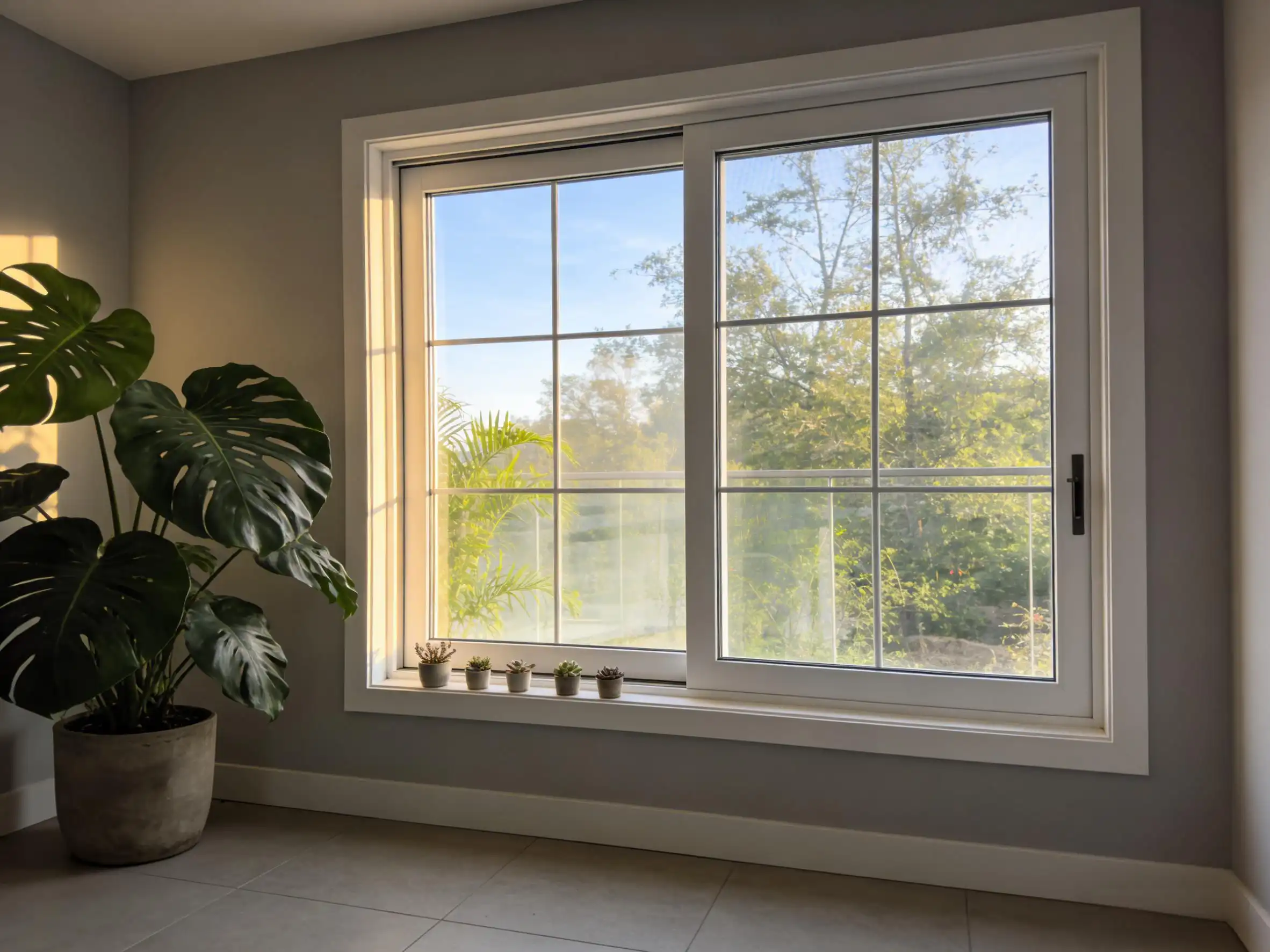
You need to be careful, use the right tools, and pay attention to the structure in order to install aluminum two track sliding windows the right way. These windows have glass panels and screens that move on their own tracks. This makes them easy to use, and the thin frames let in as much natural light as possible. One of the alloys used to make them is 6063-T5, which is very strong. The profile lengths run from 1.4mm to 2.0mm. When paired with toughened or double-glazed glass, they last a long time and use little energy. Simple steps like putting the frame in place, making sure it's firmly fastened, fitting the panels, and closing them will make sure the system works well for a long time in home, business, and high-rise projects.
Understanding Aluminum Two Track Sliding Windows
What Makes Two-Track Systems Different?
An aluminum two-track sliding window has two tracks that run parallel to each other. These tracks allow two horizontal sliding panels to move past each other within the same frame. Casement or awning windows need space to open, but this form can work in buildings with a lot of people because it doesn't need that much space. Because it has two tracks, the glass panel and the bug screen are separated. This lets them move around and see what's outside without any issues. Because they are good for the structure, these windows are often chosen for apartment buildings, office buildings, and hotel projects that need to make the most of the space inside.
Core Components and Material Properties
These things are put together with architectural-grade metal extrusions. The best strength-to-weight ratio is found in 6063-T5 metal, which also doesn't rust in seaside or humid places. AAMA/WDMA/CSA 101/I.S.2/A440 says that the profile thickness should be between 1.4 mm and 2.0 mm. Powder coating, anodizing, and PVDF are used to finish the outside, and they meet the requirements of AAMA 2604 and 2605 for weather protection. It is safer because it has multiple closing points and heavy-duty stainless steel twin rollers that make sure the door opens and closes easily. If you order these windows with thermal break strips and Low-E glass, they meet strict energy rules and stop a lot of heat from moving.
Applications Across Project Types
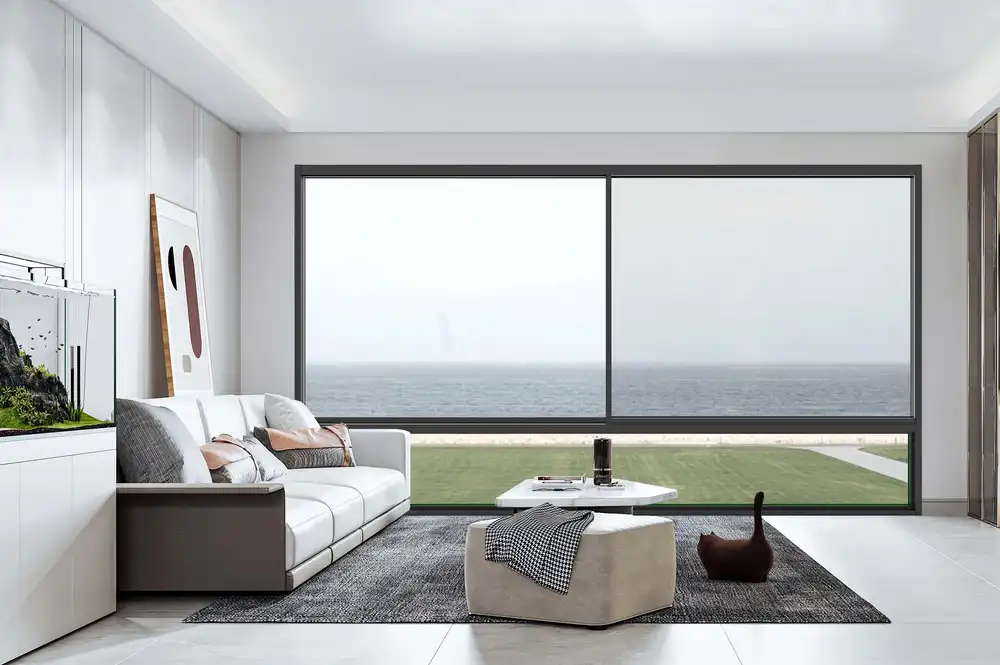
This is the window way that project managers choose for many situations. Because they are strong against wind loads and have a safe shape, they are good for high-rise apartment buildings. The moving system stays in place even under a lot of pressure, so there is no risk of falling. Hardware made of 316-grade stainless steel is used on business projects near the coast to keep the frames from rusting from salt spray. Accessibility standards are met, but natural air can still flow through. Schools and hospitals like how easy it is to use and how it doesn't block internal airflow paths. There are two panels on these windows that work well together to control air flow. This makes them good for normal homes, modern offices, and business centers in a wide range of temperature zones.
Preparing for Installation: Pre-Installation Considerations
Site Assessment and Measurement Accuracy
The first step to a good installation of an aluminum two track sliding window is a careful study of the spot. You should measure the rough hole three times, once across and once down, to make sure the frame fits. Take note of the smallest number. The hole should be straight, level, and square. Use a builder's level and frame square to make sure of this. If the difference is more than 3 mm, it might need to be fixed before going on. Find out if the wall is made of concrete, stone, or wood frame. This will help you figure out the best way to hold it. Make sure the structure hole is big enough to fit the frame and give yourself extra room for shimming.
Essential Tools and Materials Checklist
Putting something together goes faster if you have the right tools. You will need safety gear like gloves and eye protection, a digital level, a caulking gun, a measure tape, a tool knife, shims, and a digital level. There should be expanding foam padding, fixing screws or bolts that match the wall material, and weatherstripping if it's not already there. So make sure you have those things ready. When moving bigger items, especially through gaps wider than 1500mm, it's better to have someone help you.
Quality Inspection Upon Delivery
Before the work starts, do a full check. Check to see if the metal frame is straight with a straightedge. A bow that is more than 2 mm per meter could mean that it was broken while being shipped. If there are any holes in the corner joints, make sure they are mechanically sealed the right way. Make sure that the EPDM seals are all the way in their holes. To make sure the rollers work, slide panels along their lines. It should be quiet and easy to move. Check that all of the gear, like the locks and buttons, works well. Look at the papers from the seller to find out how to protect the product and where to put it. These steps help make sure that the installation goes smoothly and works well in the long run.
Step-by-Step Installation Process of Aluminum Two Track Sliding Windows
Step One: Remove Existing Windows and Prepare the Opening
Before you put in new windows, carefully take out the old ones. Cut through the glue on the inside with a pocket knife to get rid of the inside trim. When you take the frame off, be careful not to damage the wall finishes around it. Get rid of all the dirt, old caulk that's still there, and loose materials that are in the rough hole. Assemble or fix any broken bricks or frames. Put waterproof tape or a membrane around the edge of the hole to keep water out. Make sure that the sides of the tape meet in the right way. Make sure the hole is still straight, level, and square before going on.
Step Two: Position and Secure the Frame
Help someone put the metal frame in the hole. Put shims in the floor, the jambs, and the head to center the frame in the rough hole. Use a level to make sure the floor is level and the jambs are straight. If you make any changes that need to be made now, the door will not stop working right later. In order to shim and insulate, all sides of the frame should have about 10 to 15 mm of space. There are already holes in the frame that are about 300 to 400 mm apart. Use these to mark where the pin points will go. Make sure you use the right bits for the base material when you make test holes in the wall. Awning screws need to go through the frame and into the wall. While slowly tightening the screws, you should check to see if the frame is level and straight. Making the metal extrusions too tight can bend them, so be careful. Again, measure, and if you need to, fix the shims. It is important that the frame stays square so that the moving panels can move easily along their lines.
Step Three: Install Sliding Panels and Verify Operation
Take the moving panels out of their protective packaging and make sure the rollers are in the right place. Tilt the top of the first panel into the upper track before putting it down on the rollers in the bottom track. Do it again for the second panel on the track that was given to it. To make sure the panels slide easily, move each one all the way to the end of its range of motion. The frames are not lined up right if any of the panels stick together. This needs to be fixed. Most of the time, the screws that let you change the roller height are at the bottom corners of the panels. The panels should be able to move freely and close all the way against the weather seals.
Step Four: Apply Weatherproofing and Insulation
Fill the gaps between the window frame and the rough hole with low-expansion polyurethane foam insulation. Start at the bottom and work your way up to the top. Don't put too much foam in it, because that can make the frame bend. Read the directions on the package and let the foam set before cutting off any extra that sticks out past the frame. Make sure there is a steady bead of high-quality exterior-grade silicone sealant along the outside edge, where the frame meets the wall. Shape the sealant with a tool so that it is smooth and slopes down. This will keep water out of the joint. Watch out for the sill area and make sure that any flashing or weep systems fit right.
Step Five: Final Quality Inspection and Adjustment
Make sure that the tasks are done right. Open and close each panel a few times to make sure they move easily and don't get stuck or need too much force. On the multi-point locking device, make sure that all of the locking points are fully engaged. Check the weather seal contact for force when the panels are closed. In the closed state, look for holes in the seals around the edges. Light that can be seen shows where the plugs need to be put in place. If the extra screen installation comes with the package, make sure that it slides easily along its own track. Get rid of any fitting dirt that's on the tracks and glass. Make a note of the date of installation and save all of the warranty information for later use.
Disclaimer: Please keep in mind that official testing results and technical paperwork from the manufacturer are the best ways to prove specific performance traits, load limits, and working specifications.
Maintenance Tips to Extend Window Lifespan
Routine Cleaning and Track Maintenance
It's better to fix things on a regular basis because they last longer and work better. To clean metal frames once a month, mix some mild soap with water and use a soft cloth. Do not clean with rough products that hurt the shine on the surface. Clean the tracks of any dirt that has gathered by using a vacuum with a brush attachment. Then use a damp cloth to clean them. It is harder to do work when there is a lot of dirt and dust on the rollers. The rollers and track should be oiled with dry silicone lube once a year. Solutions that are built on oil tend to pull dirt in. This easy maintenance job will make sure the window works well for as long as it does.
Addressing Common Operational Issues
For an aluminum two track sliding window, if it's hard for the panels to move, clean the tracks and make sure there are no broken rollers. Sometimes water getting in means the sealing didn't work or the weep holes aren't set up right. Make sure the sealer stays in place and the drainage paths stay clear. If the window makes noise while it's running, it means that the rollers are worn out or the tracks are not lined up properly. These parts need to be fixed or changed. That's because the seal on insulated glass units has broken if fog forms between the panes of glass. The glass needs to be changed. These issues need to be fixed right away to keep the energy economy running smoothly and avoid bigger issues.
Seal Inspection and Energy Efficiency Monitoring
Weatherstripping and seals keep heat in or out based on how well they are kept in. Each year, look at EPDM seals for any signs of cracks, separating, or tension set. Any seals that aren't working right should be replaced to keep the air and water out. If your heating or cooling costs go up, it could mean that the windows aren't working as well as they used to. Keep an eye on energy efficiency by keeping track of these changes. These days, tracking tools like thermal imaging cameras can find the ways that air is leaking around frames. This makes repair work more focused. Window systems that save energy are protected by the seals, so make sure they stay in good shape.
Strategic Procurement and Supplier Guidance
Evaluating Manufacturer Credentials
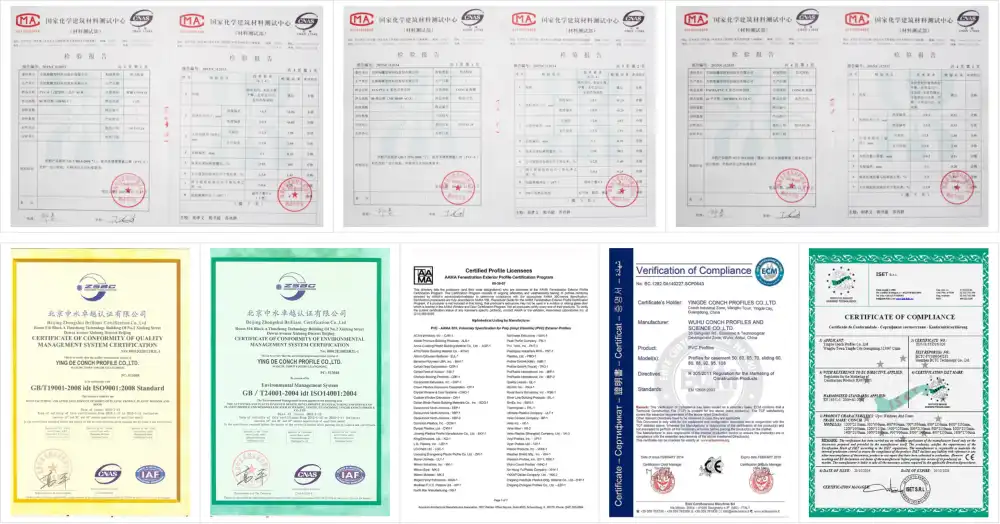
Checking out sellers carefully can help you decide what to buy. Check to see if the companies that make the goods have the right licenses, such as ISO quality control systems and building rules that are in line with the goods. Ask for proof that the building has been tested to meet ASTM standards for structural performance, water entry (E331), and air leaks (E283). Case studies that show how installations went well in projects like yours that were in your target market are a good place to start. If the seller has worked on projects in your area before and has experience selling, you can feel safer buying from them. They can also make sure that the quality of their products meets local standards.
Understanding Cost Structures and Bulk Advantages
Aluminum two-track sliding window systems cost different amounts depending on the profile series (70, 80, or 90 series), the type of glass used, the quality of the hardware, and the finish you choose for the outside. By buying in bulk, you can save money. For instance, ordering in bulk for projects with more than one building or for distributors can cut unit costs by a lot. Prices are usually higher for custom sizes and setups, but they don't need to be changed in the field. It's helpful to get quotes that break down the costs of the frame, glass, hardware, and finishing. This way, you can make a precise budget for the job and weigh the costs of different providers.
Leveraging Technical Support and Service Capabilities
Besides the things they sell, you should also check out the professional tools they let you use. Talking to an engineer during the planning phase makes sure that the right product is picked for the performance and structure needs. Less mistakes and guarantee claims happen when installation teams have help, like clear technical directions or training that takes place on-site. Make sure that the service providers have enough extra parts, such as wheels, locks, and weatherstripping, on hand to handle your long-term repair needs. To find out the total cost of ownership, these care costs are often just as helpful as the initial price of the item.
Conclusion
Aluminum two track sliding window systems are useful in many different building situations because they save space, are strong, and use less energy. To properly install something, you need to carefully clean the area, put the frame exactly where it needs to go, close it the right way, and check the quality several times. Cleaning the tracks, lubricating the rollers, and checking the seals are all simple maintenance jobs that make sure the machine works well for a long time. When you buy things strategically, you focus on how reliable the sellers are, how much you can save by buying in bulk, and how the expert support goes beyond the price. If these business and technical aspects are known to builders, developers, and marketers, they can pick and install window systems that meet the needs of the project and give the best return over time.
FAQ
Q1: Can aluminum sliding windows achieve high energy efficiency ratings?
A: Aluminum two-track sliding windows keep heat out very well when they are made with polyamide thermal break strips and Low-E covered insulated glass. U-values go down and humidity stops, so the mix meets strict energy standards. Energy efficiency is even better when things are installed properly and all air leaks are constantly sealed. How well it works varies on the temperature zone and the type of glass used.
Q2: How does the drainage system prevent water infiltration?
A: Professional ones have a sill form with steps and check valves and weep holes built in. This gravity-fed drainage system takes water back out to the outside when it gets into the track system. It also stops wind-driven rain. For as long as the window lasts, the water management system will work well as long as the weep holes are kept clear.
Q3: What size limitations exist for sliding panels?
A: How big the panel is is based on the profile width and the roller load ability. Strong 2.0 mm profiles can be used to make systems that can handle doors that are up to 1500 mm wide and 2400 mm high. You might need better roller systems or stronger frames for bigger rooms. By checking the manufacturer's specs, you can be sure that the system is safe to use and that the hardware won't break down too quickly when running big apps.
Q4: How often should the tracks be oiled?
A: Once a year, a dry silicone spray is used to keep the moving action smooth. Installations that get a lot of use or places where a lot of dust and dirt fly around may need to be checked on more often. Stay away from oils made from petroleum because they make dust build up, which speeds up wear. With this care plan and cleaning the tracks every three months, the system will work well for many years.
Q5: Are these windows suitable for coastal environments?
A: It's important to pick the right products for jobs near the coast. When you use 316-grade stainless steel for the parts and PVDF finishing on the surfaces, they are less likely to rust from salt spray. Things made of aluminum alloys don't rust as easily as things made of iron. If it is put in properly and fully weatherproofed, it protects against the harsh conditions that are typical in coastal areas.
Partner with Haolv Building Materials for Your Aluminum Two Track Sliding Window Supplier Needs
To make big projects work, they need a factory partner with a supply chain they can trust and professional skills that have been proven. Haolv Building Materials has been making UPVC and aluminum two-track sliding windows for business developers, general builders, and building material sellers in North America for 18 years. Our state-of-the-art factories use both automatic building systems and precise CNC cutting technology. In this way, we can keep quality control high for both standard product runs and difficult special specs.
Before they are sent out, we test each aluminum two-track sliding window carefully for structural performance, air and water tightness, and hardware durability. Our quality management system is ISO-certified with strict rules. Our engineering team can help you with everything from coming up with an idea to putting it into action. They will give you free expert advice and make a solution that is just right for your project. We keep enough of each item in stock and can always deliver within 25 to 30 days, which means that project delays are kept to a minimum. Write to kristin@haolvwindows.com to talk to our expert sales team about what you want to buy in the future and get specifics that are made to fit your project.
References
1. American Architectural Manufacturers Association. (2021). AAMA/WDMA/CSA 101/I.S.2/A440: Standard/Specification for Windows, Doors, and Unit Skylights. Schaumburg: AAMA Publications.
2. ASTM International. (2020). ASTM E283-04: Standard Test Method for Determining Rate of Air Leakage Through Exterior Windows, Curtain Walls, and Doors. West Conshohocken: ASTM Standards.
3. Carmody, J., Selkowitz, S., Lee, E., Arasteh, D., & Willmert, T. (2004). Window Systems for High-Performance Buildings. New York: W.W. Norton & Company.
4. National Fenestration Rating Council. (2019). NFRC 100: Procedure for Determining Fenestration Product U-factors. Silver Spring: NFRC Technical Publications.
5. Patterson, M. R. (2018). Structural Glazing Design Guide for Commercial Buildings. London: Construction Industry Publications.
6. Wigginton, M., & Harris, J. (2002). Intelligent Skins: Architecture and Technology. Oxford: Architectural Press.
Fast simple channel to send demands lock favorable price for building window door bulk purchases.