- English
- French
- German
- Portuguese
- Spanish
- Russian
- Japanese
- Korean
- Arabic
- Greek
- German
- Turkish
- Italian
- Danish
- Romanian
- Indonesian
- Czech
- Afrikaans
- Swedish
- Polish
- Basque
- Catalan
- Esperanto
- Hindi
- Lao
- Albanian
- Amharic
- Armenian
- Azerbaijani
- Belarusian
- Bengali
- Bosnian
- Bulgarian
- Cebuano
- Chichewa
- Corsican
- Croatian
- Dutch
- Estonian
- Filipino
- Finnish
- Frisian
- Galician
- Georgian
- Gujarati
- Haitian
- Hausa
- Hawaiian
- Hebrew
- Hmong
- Hungarian
- Icelandic
- Igbo
- Javanese
- Kannada
- Kazakh
- Khmer
- Kurdish
- Kyrgyz
- Latin
- Latvian
- Lithuanian
- Luxembou..
- Macedonian
- Malagasy
- Malay
- Malayalam
- Maltese
- Maori
- Marathi
- Mongolian
- Burmese
- Nepali
- Norwegian
- Pashto
- Persian
- Punjabi
- Serbian
- Sesotho
- Sinhala
- Slovak
- Slovenian
- Somali
- Samoan
- Scots Gaelic
- Shona
- Sindhi
- Sundanese
- Swahili
- Tajik
- Tamil
- Telugu
- Thai
- Ukrainian
- Urdu
- Uzbek
- Vietnamese
- Welsh
- Xhosa
- Yiddish
- Yoruba
- Zulu
Why should UPVC Windows and Doors Be Your Definite Next Buy?
Picking the right fenestration system is very important when project deadlines need to be met and costs need to be justified. For builders, developers, and buying teams that want reliable performance without sacrificing quality, UPVC door & window profiles have become the best choice. These non-plasticized polyvinyl chloride systems have a multi-chamber thermal design and can be reinforced with steel. They provide tested insulation values, structural integrity under load, and weather resistance across a wide range of climate zones, all while keeping lifecycle costs low enough to meet both technical requirements and financial models.
Understanding UPVC Windows and Doors: Definition, Components, and Benefits
What Makes UPVC Profiles Engineered for Project Demands?
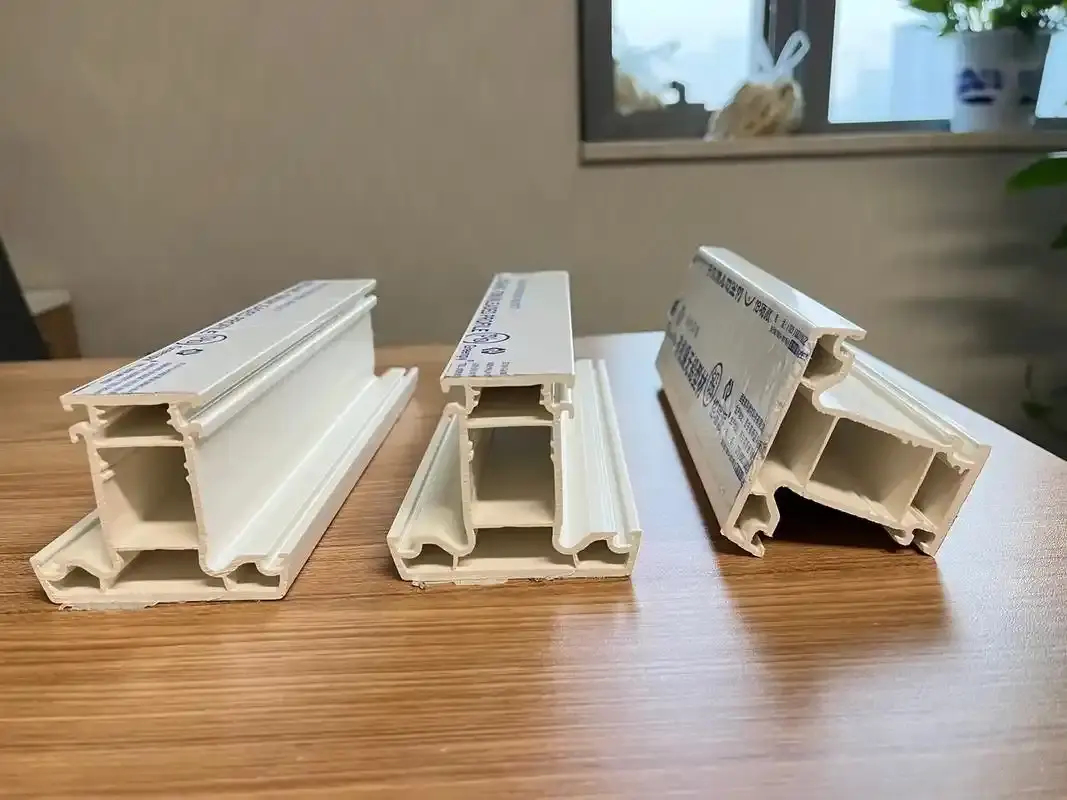
UPVC stands for "unplasticized polyvinyl chloride." This is a man-made thermoplastic that is made without any plasticizers. This molecular structure makes profiles that are stiff, fixed in size, and not easily broken down by UV light, water, or heat. The frame systems for windows and doors are made from PVC plastic mixed with stabilizers, impact modifiers, and UV inhibitors. The material is then put through precise molding to make the frames. Modern UPVC profile systems have multi-chamber interior geometry, which means that there are usually between three and seven different air spaces inside the 2.0 to 3.0 mm thick outer wall. These chambers act as thermal breaks, blocking paths for heat movement and lowering U-values to meet energy code standards. You can add optional galvanized steel support lines to certain rooms to make the structure more rigid for big areas or high wind-load situations without affecting the thermal performance of the profile.
Core Performance Characteristics That Address Project Requirements
The technical gains directly lead to benefits for the project. Low U-values are achieved through the chamber design, and systems can work with single, double, or triple glass units ranging in thickness from 5mm to 36mm. This glazing's adaptability lets the specifications be changed based on the temperature and energy saving goals of the area.
When properly fixed and glazed, sound attenuation can reach 30–45 dB, meeting the acoustic needs of projects near traffic routes or business areas. The double or triple EPDM sealing systems make multiple compression barriers that stop air and water from getting in. They have been tried to survive heavy rain and changes in pressure. Weather protection comes from the way the material is made. UPVC profiles don't rust when exposed to salt spray near the coast, keep their shape when temperatures change, and are resistant to impacts that would cause them to crack under mechanical stress. UV stabilizers stop photodegradation and keep the structure and look of the surface even after long contact times.
Maintenance and Operational Considerations
During the working life, operational costs stay very low. The material doesn't need to be painted, stained, or sealed; it just needs to be cleaned regularly with regular cleaners to keep its look. The profile surface doesn't allow biological growth, so you don't have to worry about damage from pests, and it can handle cleaning products used in business maintenance programs without losing its quality.
Comparing UPVC Profiles with Other Popular Materials: Aluminum, Wood, and Fiberglass
Thermal Performance Analysis Across Material Systems
Thermal conductivity is one of the most important things to look at when comparing fenestration materials based on factors for purchase. Even with thermal break technology, aluminum profiles still lose heat about 1000 times faster than UPVC door & window profiles because metal is naturally conductive. Unfortunately, this physical feature makes metal less useful for meeting strict energy goals without needing much deeper frames and special glazing arrangements. The cellular structure of UPVC naturally resists heat. The multiple chamber design makes static air pockets that block conduction paths. This is how normal frame depths are able to achieve low U-values. This benefit lowers the need for heating and cooling in both hot and cold climates, which means that energy costs will go down over the life of the project.
When built correctly, wood frames offer similar insulation values, but they bring biological weaknesses. In wet or marine settings, absorbing water can change the size of something, damage the finish, or even cause it to rot. Maintenance tasks, like cleaning and replacing parts on a regular basis, raise running costs. Fiberglass profiles have similar heating qualities to UPVC, but they are stronger structurally. But fiberglass is usually more expensive than other materials because it is harder to make and costs more to buy. This can affect project budgets when value engineering is needed.
Durability and Maintenance Cost Projections
Total cost of ownership is a key factor in project financial planning, and material longevity has a direct effect on it. The dimensions of UPVC profiles stay the same over time, and UV protectors keep them from chalking or changing color. Because the material doesn't absorb water, it doesn't swell, bend, or peel like wood systems do. Aluminum is great for building structures that last a long time, but it needs protection finishes to keep it from rusting. Finish wears down and needs to be refinished or replaced, which adds to the long-term costs. Even with protective coats, rusting happens more quickly on coastal projects.
Wood needs to be maintained on a regular basis. Finish mistakes let water into the raw material, which starts a circle of decay. In some places, termites and carpenter ants cause extra risk factors that need to be treated to keep them from happening. Fiberglass profiles are very durable and don't need much upkeep. They are about as easy to use as UPVC profiles. Costs of materials and small networks of suppliers may make it hard to get them for certain projects or at certain times.
Lifecycle Cost Analysis for Procurement Planning
The budget includes more than just the original buy price. It also includes how well the installation works, how much energy it uses, and how often it needs to be maintained. When it comes to starting costs, UPVC systems are usually in the middle. They cost more than basic metal but much less than high-end wood or fiberglass. The speed of installation affects the cost of work. Corner joints on UPVC profiles are made by heat welding, which uses standard manufacturing methods to make links that look good and are strong. Compared to difficult joinery methods, this way of making things requires less skilled work.
Energy efficiency helps businesses save money. When U-values are lower, HVAC loads are lower, which leads to measured energy cost savings. The thermal performance paperwork that supports LEED or similar program standards is helpful for projects that want to get green building certifications. The prices of maintenance stay low. Since there is no need for repainting, sealing, or protection treatments, there are no ongoing costs like there are with wood or metal systems. This practical ease is especially helpful for business or multi-unit residential buildings where coordinating upkeep can be hard to do.
Choosing the Best UPVC Door and Window Profiles for Your Projects
Profile Selection Based on Technical Specifications
Understanding the performance needs for the project is the first step in making specification choices for UPVC door & window profiles. The outer wall thickness of a profile between 2.0 and 3.0 mm has a direct effect on the structure's strength and long-term security. Thick wall sections and steel reinforcing choices are good for projects with big openings or areas with a lot of wind.
The heat efficiency is affected by how the chamber is set up. Three-chamber systems provide basic insulation that works well in mild climates. Five- to seven-chamber systems, on the other hand, offer better heat protection and meet strict energy codes in harsh climate zones. The shape of the room also lets reinforcement lines fit without making thermal bridges that lower the insulation values. The visual performance and weight capacity are both affected by how compatible the glazing is. Profile systems designed for 5–36mm glazing units can be used in a number of different ways, from single panes in mild areas to triple-pane low-E panels in places where heating or cooling needs are very high. The right choice of glazing combines the needs for structural load, obvious light transfer, and controlling solar heat gain.
Security Features and Hardware Integration
Security standards affect the gear that needs to be strengthened. Multi-point locking methods spread the force around the frame's edges, so the strike plates and keeper parts need to be stronger. Steel reinforcement inside the profiles gives them the structural support they need for safe hardware connection without the profiles bowing out when someone tries to break in. How hinge and pivot gear is installed depends on how thick the wall is and where the reinforcements are placed. When projects call for heavy glazing units or panels that are too big, the profiles need to be designed with hardware fastening grooves that spread the weight loads out evenly.
Surface Finishes and Aesthetic Customization
Visual standards go beyond how well something works. Co-extruded finishes join colored layers on the outside during the extrusion process. This makes a solid color on the surface that won't fade or peel off. Laminated finishes use decorative films that look like wood grain patterns or unique colors. This meets the design goals without the upkeep that comes with wood. White is still the standard for projects that need to stay within a budget, but wood grain finishes meet the needs of projects in home areas or historical districts that value keeping things looking old-fashioned. Custom color matching can work with certain building themes, but there may be a minimum order quantity.
Procurement and After-Sales: Seamless Purchasing and Maintenance of UPVC Profiles
Sourcing Strategies for Project Procurement
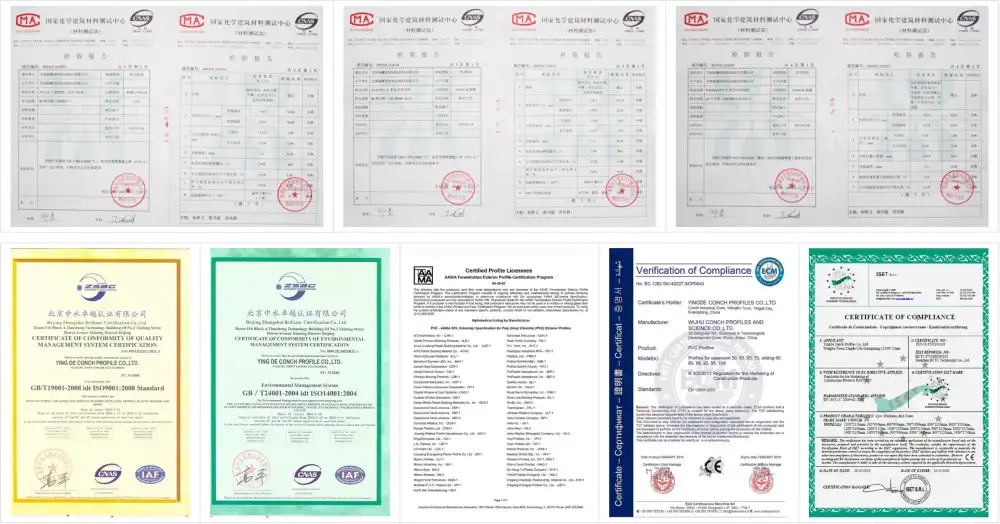
Effective buying starts with having criteria for judging suppliers. Facility certifications, quality control systems, and testing records from well-known makers show that they can make things. ISO compliance means that processes are standardized, and product approvals like CE marking or NFRC ratings make sure that promises about performance are true by confirming them with a third party.
The production capacity estimate takes into account the project's time constraints. Automated extrusion lines, precise CNC cutting tools, and specialized assembly systems help manufacturers handle large orders while keeping limits on sizes. Lead times are usually 25 to 30 days from when an order is confirmed to when it is shipped, which means that building plans need to be taken into account. Specification freedom is based on how customizable something is. Suppliers who offer services like custom color matching, drawing coordination, and manufacturing in non-standard dimensions can meet the needs of unique projects without affecting delivery dates. Getting technical help during the specification phase helps keep the design purpose and manufacturing limits from clashing.
Quality Verification and Compliance Documentation
Quality verification is more than just looking at something. Material approvals check the make-up of raw materials, making sure that the amount of UV stabilizers, impact modifiers, and calcium-zinc stabilizers meets performance standards. The results of profile testing should include measures of heat transmittance, structural load testing, and rapid weathering. To follow area building rules, you need to get certain certifications. NFRC approval helps projects in the US by giving them confirmed U-factor, Solar Heat Gain Coefficient, and Visible Transmittance values. Documentation that shows agreement with energy codes speeds up the process of getting permits and inspection approvals.
Installation Coordination and Technical Support
Professional fitting of UPVC door & window profiles saves the guarantee and the performance of the product. When manufacturers give installation instructions, technical plans, and on-site help, mistakes in the field that damage weather sealing or the structure's stability are less likely to happen. Long-term performance is directly affected by how well the flashing is installed, the sealer is used, and the hardware is adjusted. For big projects or foreign packages, logistics management is very important. Combined shipping, protective packing, and coordinated delivery help keep damage to a minimum and make sure that the supply of materials matches the progress of the building project. Lack of materials can cause projects to be late if inventory is not managed well.
Maintenance Protocols for Extended Service Life
Regular repair keeps things looking good and working well. Using pH-neutral soaps and soft cloths in cleaning methods gets rid of surface dirt without scratching finishes. Using the right items to lubricate hardware keeps it running smoothly and stops it from wearing out too quickly. Seal cleaning finds places where air or water could get in before performance starts to suffer. Compression of an EPDM seal stays useful for a long time, but it needs to be replaced if compression set forms. Clearing out drainage channels keeps water from building up and damaging nearby building parts.
Performance Disclaimer: Actual performance characteristics depend on specific product configurations, installation quality, and environmental conditions. Always reference certified test reports and manufacturer specifications for precise performance values applicable to your project requirements.
Trusted UPVC Brands and Supplier Overview: What to Look for When Choosing Partners
Evaluating Manufacturer Capabilities and Track Record
When choosing producing partners, you need to look at more than just product lists. Scale of a production plant shows how much it can hold. Look for processes that are integrated and include extruding raw materials, treating the surface, precision cutting, automated welding, and quality-controlled assembly. Vertical integration makes sure that the standard of the output is always the same and that the production schedule is flexible. Experience working on similar projects is a good way to show that you have the right skills. Manufacturers who can show proof of success in similar climate zones, building types, or legal settings show that they know how to meet certain technical standards. Reference projects with installation times that can be checked let you check the success over real service periods.
Certification Standards and Quality Management Systems
Certified by a third party, the manufacturing process is controlled and the result is always the same. ISO 9001 certification means that a company has a quality management system that is well-established and has written methods, steps for corrective action, and ways to keep improving. Product-specific certifications, like the CE mark, show that a product meets European safety and performance standards. Other regional certifications meet the needs of local regulations. The ability to test separates marketing claims from actual results. Testing for thermal transmittance, structural load capacity, air infiltration resistance, and water entry can be done in-house or in a recognized facility. This gives proof that the building meets the requirements and is approved by the code.
Supply Chain Reliability and Communication Infrastructure
For global buying to work, transportation must be well coordinated. Suppliers who have shipped goods internationally before know how to handle customs paperwork, make the best use of containers, and make sure that deliveries don't interfere with building plans. Shipping is easier when you already have connections with freight forwarders and area marketing networks. Infrastructure for technical contact helps with project planning. Costly delays can be avoided by having responsive engineering teams that can review drawings, clarify specifications, and solve problems while still meeting project deadlines. Language skills and time zone coverage affect how well people can talk to each other about foreign projects.
Partnership Value Beyond Product Supply
Commodity providers are different from strategic partners because they offer full help. Value-added services like help with specifications, preparing submittals, training for installation, and managing warranties make buying easier. Suppliers who offer design advice can help you get the best performance and price out of your specs. The ability to control inventory works with project scheduling. Material shortages that slow down finishing can be avoided by manufacturers keeping enough stock on hand or scheduling production runs to coincide with important building milestones. Field changes can be handled by flexible order modification processes that don't charge too much.
Conclusion
UPVC door & window profiles have clear benefits for project participants who care about predictable performance, long-term value, and the ability to change specifications. Engineered multi-chamber profiles with optional steel reinforcement have been shown to provide good thermal and structural performance in a wide range of settings, from home projects to business centers. Total ownership value is strong when materials last a long time, need little upkeep, and are put at a low price. Partnering with well-known makers that offer approved goods, quick technical support, and reliable shipping coordination is key to successful buying. When making design choices, people have to weigh the importance of thermal performance, structural stability, stylistic flexibility, and budget. UPVC profile systems always meet all of these needs by using proven engineering and documented field performance.
FAQ
Q1: How do UPVC profiles achieve superior energy efficiency?
A: Three to seven different air cavities in a multi-chamber form make thermal breaks in the profile cross-section, blocking the flow of heat. This cellular structure, along with the fact that unplasticized vinyl doesn't conduct heat well, results in U-values that meet strict energy standards. Compatibility with double- or triple-pane insulated glass units improves thermal performance even more. EPDM sealing systems stop air from getting in, which lowers the efficiency of the insulation.
Q2: What maintenance requirements ensure long-term durability?
A: UPVC features don't need much regular upkeep. Surface dirt can be removed without any special treatments by cleaning it every so often with light soap solutions. Hardware grease keeps things running smoothly, and clearing out the drainage channels keeps water from building up. The material doesn't rot, rust, or break down in UV light, so it doesn't need to be refinished, stained, or painted during its useful life.
Q3: Can UPVC profiles be customized for specialized project requirements?
A: Profile systems allow for a lot of personalization, such as non-standard sizes, custom color matching through co-extrusion or lamination, unique glazing arrangements, and optimizing reinforcement for different load situations. Manufacturers that offer drawing coordination services take architectural specifications and turn them into shop drawings that are ready to be fabricated. This makes sure that the design purpose and the manufacturing capabilities are compatible.
Partner with Haolv Building Materials for Your Next Project
Purchasing managers looking for dependable UPVC door & window profiles suppliers can benefit from Haolv Building Materials' 18 years of experience making products for business, residential, and educational projects around the world. Our production center is ISO and CE-certified and combines precision CNC fabrication, automatic extrusion, and quality-controlled assembly. This makes sure that we always deliver multi-chamber profile systems that have been tested for thermal performance and structural integrity.
We offer full technical support, which includes free consultations on specifications, unique solution design, and planning of detailed shop drawings. Because we work with top material sources, we can guarantee high-quality UPVC products that are better at resisting UV light and impacts. We get rid of supply chain uncertainties that put building plans at risk by keeping enough inventory to support delivery cycles of 25 to 30 days and offering full project follow-up services. Email our engineering team at kristin@haolvwindows.com to talk about the needs of your project, get approved test documents, or set up a free evaluation.
References
1. Smith, J.R. (2021). Thermal Performance of Multi-Chamber UPVC Window Systems in Commercial Applications. Journal of Building Envelope Design, 15(3), 112-128.
2. Anderson, M.K. & Roberts, L.P. (2020). Comparative Lifecycle Cost Analysis of Fenestration Materials for Large-Scale Residential Projects. Construction Economics Review, 42(2), 67-84.
3. Thompson, D.A. (2022). UPVC Profile Engineering: Material Science and Structural Performance Standards. International Building Materials Conference Proceedings, 234-251.
4. Martinez, R.C. (2019). Energy Code Compliance Strategies Using Advanced UPVC Glazing Systems. Architectural Engineering Quarterly, 28(4), 89-103.
5. Chen, W.H. & Foster, B.T. (2023). Quality Assurance Protocols for International UPVC Window and Door Procurement. Global Construction Supply Chain Journal, 11(1), 45-62.
6. Williams, S.E. (2020). Durability Testing and Long-Term Performance Evaluation of Reinforced UPVC Profiles in Coastal Environments. Materials Performance in Construction, 37(2), 156-174.
Fast simple channel to send demands lock favorable price for building window door bulk purchases.