- English
- French
- German
- Portuguese
- Spanish
- Russian
- Japanese
- Korean
- Arabic
- Greek
- German
- Turkish
- Italian
- Danish
- Romanian
- Indonesian
- Czech
- Afrikaans
- Swedish
- Polish
- Basque
- Catalan
- Esperanto
- Hindi
- Lao
- Albanian
- Amharic
- Armenian
- Azerbaijani
- Belarusian
- Bengali
- Bosnian
- Bulgarian
- Cebuano
- Chichewa
- Corsican
- Croatian
- Dutch
- Estonian
- Filipino
- Finnish
- Frisian
- Galician
- Georgian
- Gujarati
- Haitian
- Hausa
- Hawaiian
- Hebrew
- Hmong
- Hungarian
- Icelandic
- Igbo
- Javanese
- Kannada
- Kazakh
- Khmer
- Kurdish
- Kyrgyz
- Latin
- Latvian
- Lithuanian
- Luxembou..
- Macedonian
- Malagasy
- Malay
- Malayalam
- Maltese
- Maori
- Marathi
- Mongolian
- Burmese
- Nepali
- Norwegian
- Pashto
- Persian
- Punjabi
- Serbian
- Sesotho
- Sinhala
- Slovak
- Slovenian
- Somali
- Samoan
- Scots Gaelic
- Shona
- Sindhi
- Sundanese
- Swahili
- Tajik
- Tamil
- Telugu
- Thai
- Ukrainian
- Urdu
- Uzbek
- Vietnamese
- Welsh
- Xhosa
- Yiddish
- Yoruba
- Zulu
Should Bathroom Glass Shower Doors Swing In or Out for Maximum Safety
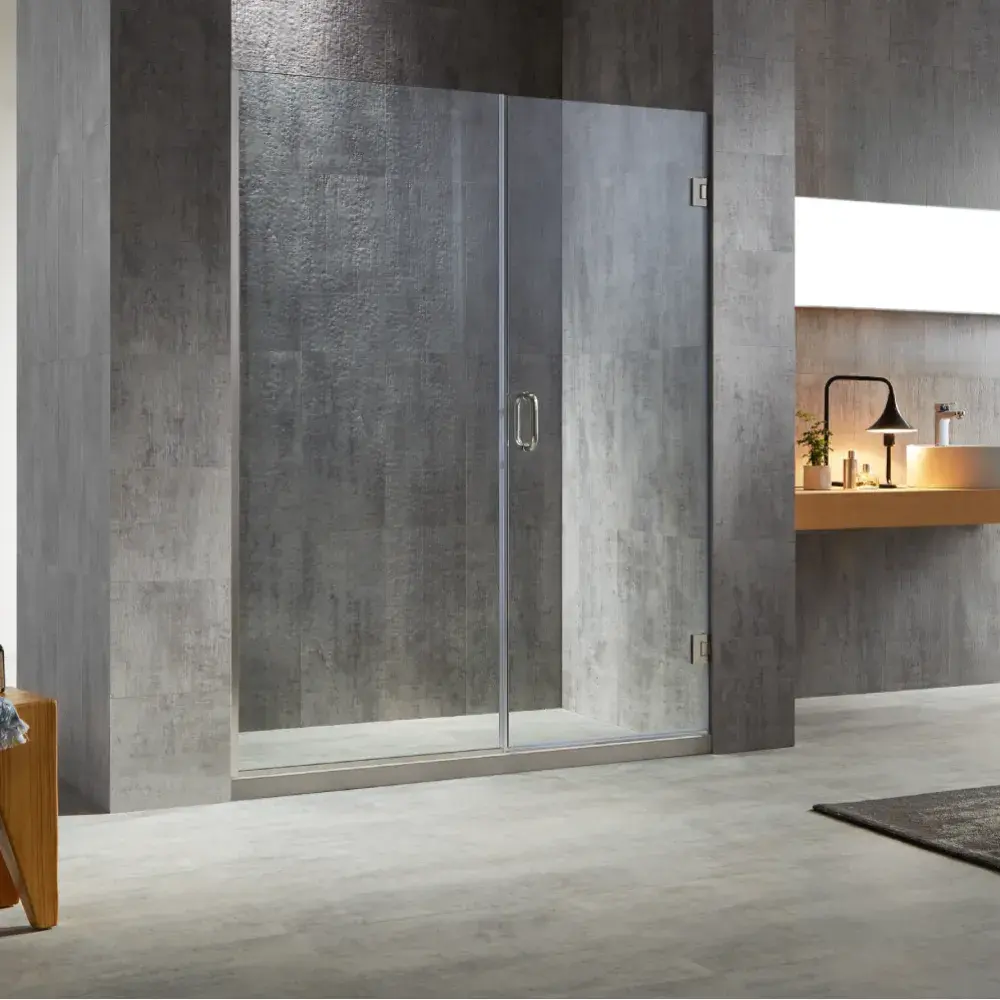
When choosing glass shower walls for homes or businesses, the way that the door swings has a direct effect on safety, accessibility, and the user experience. When installing a Frameless Swing Glass Shower Door, choosing whether to open it inward or outward is not just a matter of style; it's also a matter of safety. Most of the time, outward-swinging doors are better for emergency exits because they let people quickly leave if they fall or need help right away inside the area. But inward-swinging designs work better in small bathrooms with limited space for the outside. The best choice relies on how the bathroom is laid out, how often people use it, code compliance, and the users' unique needs. When procurement teams and project managers know about these things, they can make specifications that combine safety and usefulness.
Understanding the Safety Implications of Door Swing Direction
Emergency Accessibility and Egress Requirements
Safety rules and building standards put a high priority on being able to quickly leave wet places where people often slip and fall. Outward-swinging bathroom doors are easier to get through in an emergency because they don't need any space inside to open. When someone falls against an inward-swinging door, it's very hard for help to get in. This situation is especially bad in places like hotels, assisted living homes, and multi-family housing, where liability worries are very high.
The Americans with Disabilities Act (ADA) and the International Building Code (IBC) say which way the door should turn in bathrooms that are accessible, but shower barriers aren't always required. A lot of safety experts say that backward swing is the best way to go, especially in barrier-free wet rooms that are made for everyone. Talking to local code officials about a project during the planning stage makes sure that it follows local rules that may be stricter than federal rules.
Collision Risks and User Convenience
When doors swing inward, they can cause accidents. When people get out of the shower, they might pull the door in on themselves by accident, especially if they can't see because of the steam or water. This danger is greater in bathrooms that are small and hard to turn around in. This worry is gone when the door swings outward, but it also brings up a new problem: the door could hit fixtures, cabinets, or people outside the cage.
Planning for space needs to take into account how far the door can swing. In order to pull open, a normal 32-inch door needs about 36 inches of space. Outward swing may get in the way of circulation in places with a lot of foot traffic, like hotel bathrooms or fitness center dressing rooms. Engineers and builders often make detailed floor plans that show where doors will swing open and closed so that any problems can be found before the building is built.
Water Containment and Splash Control
The way of the door swing changes how water is managed. When doors that swing outward are opened, they naturally direct water back into the shower bowl, which keeps the floor from getting wet. The door's weight and gravity help the seal stay in contact with the threshold sweeps and vertical seals while it is being used.
When an inward-swinging door is opened, water may drip onto the bathroom floors, especially if the closing systems aren't chosen or kept correctly. These problems can be solved with high-performance closing devices. When paired with magnetic caps, PVC sealing strips reliably keep water inside, no matter which way the swing is facing. But buying teams should make sure that the sealing systems they choose work with the way the door swings and that installation crews know how to fit the seals correctly.
Key Features and Benefits of Frameless Swing Glass Shower Doors
Structural Composition and Material Standards
Tempered safety glass made to strict standards is used in modern Frameless Swing Glass Shower Doors. When controlled heat is applied to tempered glass, the surface is compressed, making it four to five times stronger than regular annealed glass. The glass breaks into small, mostly harmless grains instead of dangerous shards, which meets the safety standards set by ANSI Z97.1 and ASTM C1048.
You can choose glass thicknesses between 8mm and 12mm. Thicker glass makes things more rigid and looks better, but it also makes hardware loads higher. An 8mm panel is good for home use and smaller structures, while a 10mm panel is a good compromise between strength and cost for projects in the middle range.
Commercial installs in hotels and high-end projects often choose 12mm glass because it feels solid and blocks out noise better than other types. Hardware methods must match the size and weight of the glass and the door. High-quality hinges made from 304-grade stainless steel can hold up the heavy weight of open panels and keep working smoothly for thousands of turns. Each pair of hinges can usually hold up to 50 kilograms, and self-closing mechanisms work within a 15–25 degree range to make sure the doors are securely closed after each use.
Design Flexibility and Aesthetic Integration
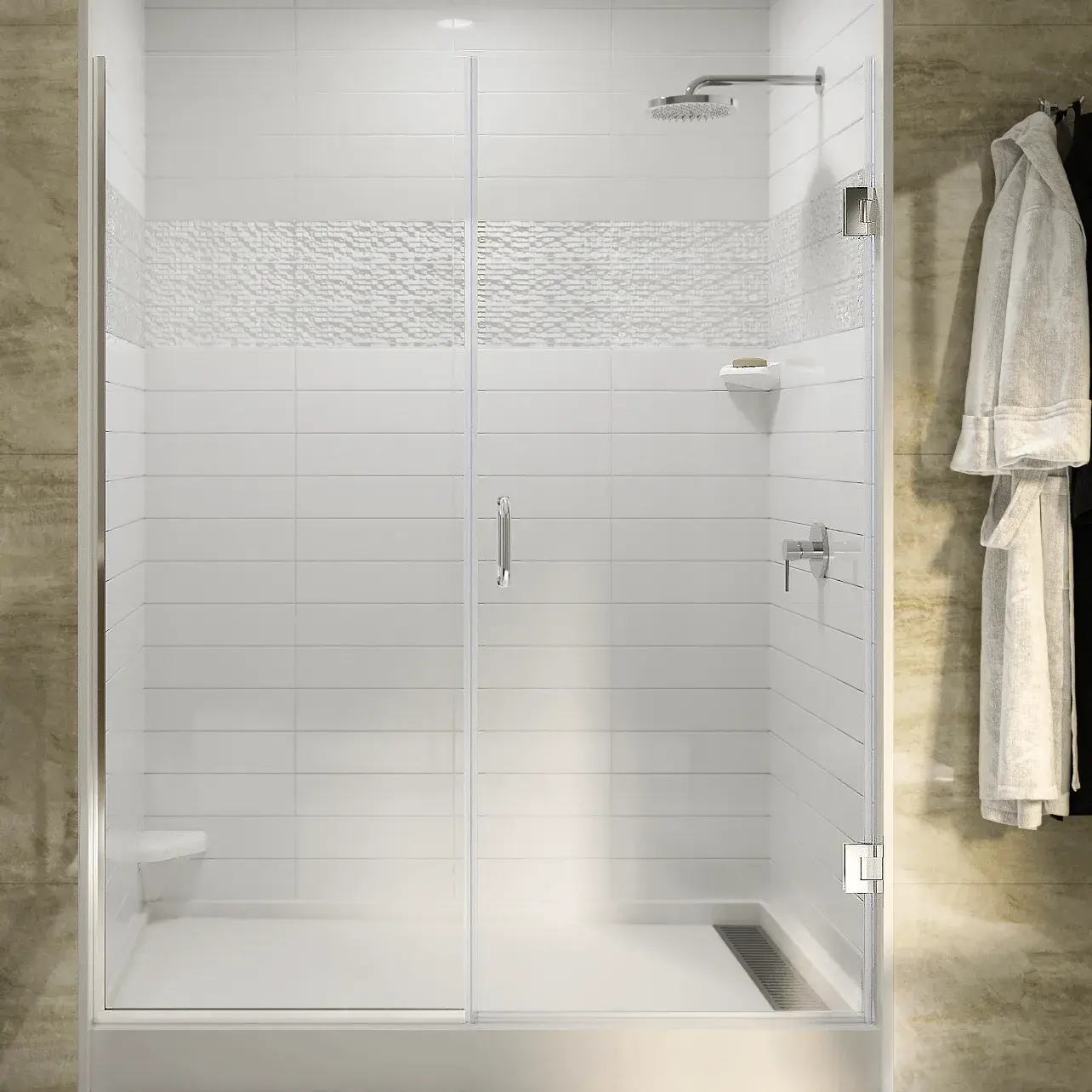
Frameless design gets rid of big frames and tracks that can be seen. This creates a smooth visual flow that makes bathrooms look bigger and more elegant. Few metal parts, like joints, handles, and sometimes support bars, keep the structure strong without getting in the way of visibility. This method shows off high-quality tile work, natural stone, and artistic elements that boxed systems would hide.
Stainless steel gear comes in a variety of finishes that make it easier to match with other design styles. Chrome finishes have a classic shine that goes well with traditional styles, while brushed nickel finishes have a gentle beauty that goes well with modern styles. In current luxury projects, matte black hardware has become popular because it looks great with light-colored tiles. Gold and brass finishes are used in high-end hotel projects that want to make a statement visually.
There are more design choices for glass than just clear walls. Frosted glass gives you privacy without blocking light, which makes it perfect for bathrooms that are shared or walls that can be seen from living rooms. Tinted glass adds warmth to the color, and patterned glass like rain glass or reeded textures makes the window look more interesting. These versions can be ordered separately or all together in one enclosure to meet special needs for function and style.
Durability and Lifecycle Performance
Frameless shower systems last longer if they are properly installed and cared for. Since there are no metal frames, there are no worries about rusting, anodizing degradation, or the growth of microbes that happens in framed track systems. This lower need for upkeep means lower lifetime costs, which is an important thing for procurement professionals to think about when they are looking at the total cost of ownership for hotels or multi-unit residential projects. Hardware that is of good quality goes through strict testing procedures.
As required by ASTM B117, salt spray testing shows that finishes can survive 48 to 96 hours of rapid rusting, which is like years of being in a humid bathroom. When hinges and handles are put through cycle life testing, they are opened and closed between 20,000 and 50,000 times. This proves that they work well over decades of normal use. These testing standards give buying teams clear data that they can use to compare different specifications.
Disclaimer: For each project, specific performance qualities should be checked by looking at product testing records and manufacturer certifications.
Installation Versatility Across Project Types
Frameless designs can be used in a variety of bathroom layouts. Wall-to-wall systems cover gaps between two parallel walls. They have a simple layout and keep water inside. Corner layouts use two walls that are not parallel to each other to make triangle or neo-angle enclosures that make the best use of space in small bathrooms. Three-wall recesses, which are the most common plan in home building, are perfect for alcove installs.
Customization options take into account unusual situations that often come up in remodeling projects and adaptive reuse developments. Precision manufacturing lets manufacturers work with wall curves that aren't straight, situations where the walls aren't plumb, and differences in size. This makes it easier to make changes in the field and saves money on work, but it needs exact measurements of the site and communication between the general contractor, glazier, and plumber trades.
How Door Swing Direction Affects Installation and Operational Efficiency?
Installation Complexity and Field Coordination
The right way to put a Frameless Swing Glass Shower Door starts with making sure the rough hole is correct. To hold hardware mounting loads, wall surfaces must be straight, level, and physically sound. When doors swing outward, they put different stress on wall anchors than when doors swing inward. This changes how anchors are chosen and placed. Installers with a lot of experience look at the type of base (like tile over cement board, solid brick, or framed walls) and choose the right fasteners.
Putting in a hinge needs accuracy. To avoid binding or holes that make water sealing less effective, vertical alignment must be exact. Placing something horizontally takes into account the width of the glass, the size of the reveal you want, and the space between it and other features. Installers use laser levels and special tools to make sure that the results are the same on all units in business projects. This cuts down on callbacks and keeps projects on schedule.
When describing outward-swinging doors, working together with other trades becomes even more important. Plumbing elements, towel bars, vanities, and electrical plugs must be out of the way of the door's swing path. For this to work, general builders need to look over detailed shop plans before the fabrication starts. Changes found during coordination meetings are a lot less expensive than changes found in the field during installation.
Space Utilization and Accessibility Compliance
The layout of the bathroom affects which way the swing goes. Five- to six-foot-wide bathrooms often don't have enough space for the door to swing outward without hitting walls or appliances on the other side. In these limited areas, the inward swing is the best option, even though it makes it harder to get to in an emergency. As a way to make up for it, you could ask for bigger door panels to make the space wider or add panic hardware that lets the door swing both ways.
Accessible design standards say that there must be at least 20 cm of clear floor space next to shower doors. ADA rules say that there must be a 30-by-48-inch clear floor space that can be set up for a parallel or perpendicular approach. These rules mostly apply to roll-in bathrooms and not to transfer-type shelters with curbs. Universal design principles go beyond just following the basic code requirements. They also suggest large clearances that make room for movement aids, caregivers, and people who want to age in place.
Operational Cost Considerations
There are several ways that the direction of door swing affects long-term running costs. Outward swing usually takes up less floor space inside the shower area, which could mean that the shower size is smaller and fewer tiles are needed. This benefit might be cancelled out, though, by the fact that the bathroom floor space needs to be bigger to handle the door's wider outward swing radius.
How well a seal works affects how much water damage is prevented and how much it costs to fix. Better closing systems keep working well no matter which way the swing goes, but the quality of the fitting becomes very important. If the magnetic seals aren't lined up right or the threshold sweeps aren't strong enough, there will be constant leaks, damage to the floorboards, and mold growth. These are all expensive problems in multi-family buildings where water gets into multiple units.
When it comes to climate-controlled bathrooms, energy saving is important, especially in business settings with heating or cooling systems. Shower walls with good sealing keep wetness from moving into conditioned areas, which lowers the need for dehumidification and the energy used for it. The direction of the door swing doesn't have much of an effect on direct energy, but the quality of the closing systems chosen for each design does.
Making an Informed Choice: Decision Framework for Swing Direction Selection
Evaluating Project-Specific Requirements
Clearly defining the project boundaries is the first step in making a decision. When you build something new, you have the most freedom because you can plan the layout of the bathroom around the best way for the door to turn. Renovation projects have limitations like pipe locations that can't be moved, structural walls, and fixed light positions that may determine the swing direction, even if the designer would like to choose a different direction. The type of occupancy has a big effect on safety concerns.
Single-family baths are used by known people who follow regular schedules, so an inward swing is fine when space is limited. Multifamily housing, restaurants, and healthcare facilities all have a wide range of users with different abilities, which makes outward swing even more important for emergency exits. Professionals in charge of buying things should make sure that the door specs match the occupancy classification and the potential risk that comes with it.
The project price limits the choices that can be made. High-end luxury models have better hardware, thicker glass, and more advanced sealing systems that make them look better and work better. Standard configurations offer solid performance at lower prices, making them ideal for value-driven projects that aim to minimize capital costs. Knowing how these levels of performance vary helps buyers choose choices that meet the needs of the project without adding extra costs that aren't necessary.
Comparative Analysis: Inward vs. Outward Swing
There are clear benefits to each arrangement for a Frameless Swing Glass Shower Door. In an emergency, outward-swinging doors are the best because they keep splashes under control better and allow for smaller shower interiors. They're best for bigger bathrooms with enough space around the outside, and they're also the choice for business settings where safety is very important. When proper planning is done during the design steps, installation difficulty is about the same as inward swing.
When there isn't enough room outside, inward-swinging doors work well in small bathrooms. People outside the area are not at risk of impact, and people who are used to using regular doors may find them easier to use. But they need bigger shower rooms so that the door doesn't hit people when they enter and leave.
They aren't as good for vulnerable people or high-reliability business settings because they can't be used in emergencies. Procurement teams should write down the reasons why they chose a certain swing direction, especially when they chose an inward swing even though it was not safe. This paperwork shows that the work was done properly and can be used as a guide if any questions come up during the review of the plan or the evaluation after the move-in.
Industry Standards and Expert Recommendations
Professional groups and safety experts usually recommend backward swing when the conditions on the spot allow it. The National Kitchen & Bath Association (NKBA) says that outward swing is best for planning, but it understands that limited room may mean that inward layouts are needed. When the building code doesn't say specifically what way a shower door should swing, officials usually follow these best practices in the business.
When specifications are being made, manufacturer expert support teams are very helpful. Manufacturers with a lot of experience have put thousands of units in a wide range of situations and can use project drawings and site photos to spot possible problems. Using these tools early in the design process, before sending in shop plans for approval, keeps changes from being too expensive and delays from happening on time.
Maintenance and Long-term Performance Considerations
Routine Maintenance Protocols
Cleaning tempered glass panels on a regular basis is important to keep them clear and stop mineral deposits from building up. Using a squeegee every day after a shower gets rid of water drops before minerals settle on glass. Cleaning the windows once a week with pH-neutral glass cleaner gets rid of soap buildup and body oils. If you stay away from rough tools and cleaning pads, you can keep the glass surface from getting scratches that damage it and make places for minerals to gather.
Hardware parts should be checked and oiled on a regular basis. Every three months, you should check your hinges for loose screws, worn bushings, and self-closing systems that don't have too much spring force. A drop of silicone-based lube on the hinge pins keeps them running smoothly and stops them from squeaking. It is important to make sure that the fixing of handles and support bars is secure. This is especially important in business settings that get a lot of use, since repeated stress can loosen wall anchors.
Depending on the direction of the swing, sealing systems need extra care. When doors swing outward, they put different amounts of stress on the entryway sweeps than when doors swing inward, which could lead to earlier wear. Checking the magnetic seals once a month makes sure they are aligned and in touch correctly. Check the ends of the PVC sealing strips for tears, distortion, or coming off. Replacement seals are usually available from the maker and are a cheap way to keep your system in good shape and stop water damage that costs a lot to fix.
Addressing Swing-Specific Wear Patterns
Doors that swing outward are subject to gravity stress, which changes the orientation of the hinges over time. The door panel may slightly sag over time, leaving gaps at the top of the container or binding at the bottom. This problem can be fixed by moving the mounting places of the hinges or changing any worn-out hinge parts. Inspections done on a regular basis find early signs of imbalance before they become big problems. People who accidentally pull inward-swinging doors into themselves or things put inside the shower area are more likely to damage them when they hit them. Although toughened glass is very strong against contact, it can still break when heavy things are dropped on it or when the door is opened quickly. These risks can be reduced by teaching users about them and putting protection covers on walls.
Replacement Parts Sourcing and Upgrade Timing
Keeping extra parts on hand makes sense for big business projects with a lot of setups that are exactly the same. Most of the time, people repair hinges, handles, and closing parts. Especially for custom finishes or unique hardware systems, procurement contracts should spell out when parts will be available and how much they cost. Companies that offer good after-sales service usually keep extra parts for items made in the last ten years in stock. Whether to fix or replace whole cases relies on how bad the damage is and how old the product is.
Most of the time, broken glass panels should be replaced instead of being fixed. Hardware wear that affects many parts may be reason enough to replace the whole case, especially if new design changes can fix the performance problems that were there in the first place. Purchasing teams that are in charge of handling a portfolio of facilities should keep an eye on the upkeep costs per unit to find goods that have high lifecycle costs that should be replaced during future renovations.
Conclusion
To choose between inward and outward swing for a Frameless Swing Glass Shower Door, you have to weigh safety concerns, space limitations, and functional needs. When the bathroom measurements allow enough clearance, the outward swing is the best option because it provides better emergency entry and water management. Inward swing is still possible in small plans where limited outside room is more important than other factors. To write a good design, you need to carefully consider things like the type of occupancy, code compliance, installation difficulty, and long-term upkeep needs. Procurement pros and project managers can choose shower door configurations that make users safer and provide reliable performance over longer service lives by using structured decision frameworks and involving manufacturer knowledge during the planning stages.
FAQ
Q1: What building rules say about which way a shower door can swing?
A: Most building rules don't make it clear which way a private shower enclosure has to turn. Commercial buildings have to follow accessibility rules like the Americans with Disabilities Act (ADA), which deal with things like clear floor space and approach angles instead of swing direction. Local governments may have extra rules, so it's best to talk to code officials during the plan review process. Even though there aren't any general code requirements, safety best practices tend to favor backward swing.
Q2: Can an open bathroom door be turned around after it has been installed?
A: To change the direction of the swing after installation, the hinges have to be moved to the other side of the cage. This is usually not possible without drilling new holes in the glass panel, which can break the glass and cancel the warranty. This problem can be avoided by choosing the right swing direction during the initial design. Some makers make hardware systems that can be turned around and used for field adjustment, but these are still less common than setups that stay in one place.
Q3: How does the width of the glass change the direction of the swing?
A: Panels with thicker glass are heavier, which changes the hardware load needs but doesn't naturally favor swinging in or out. Self-closing hinges with stronger spring systems may help heavier doors close properly no matter which way they turn. Concerns about the structure have more to do with how strong the hinges are and how to attach them to the wall than with the direction of the swing. Both configurations can hold 8mm to 12mm glass as long as the right hardware is used.
Partner with Haolv Building Materials for Your Frameless Shower Door Projects
Every Frameless Swing Glass Shower Door supplier relationship that Haolv Building Materials works with is backed by more than 18 years of specialized production experience. Our cutting-edge production center has precise CNC cutting, automated assembly systems, and strict quality control methods that make sure that even big projects are completed correctly. We make bathroom doors with high-quality hardware made of 304 stainless steel and Xinyi tempered safety glass that meets 3C, CE, and ANSI standards. This gives procurement workers the dependability they need.
Our engineering team offers free technical advice and solution design services to help you with things like choosing the swing direction, making sure the product is accessible, and meeting the needs for custom sizes in complicated setups. You can choose from 8mm, 10mm, and 12mm thicknesses with clear, frosted, tinted, and patterned glass. Whether you want high-end models with matte black finishes and 12mm patterned glass, or cheaper standard setups for multi-unit projects, we can meet your needs.
We keep enough stock on hand and send finished orders within 25 to 30 days. This helps you stay on schedule with your projects by giving you complete product solutions that include hardware systems, closing parts, and fully customizable sizes. Email kristin@haolvwindows.com to talk about your unique needs and get full specifications for your next project that cover safety, performance, and cost.

References
1. National Kitchen & Bath Association. (2020). Bathroom Planning Guidelines with Access Standards. Hoboken: Wiley Publishing.
2. International Code Council. (2021). International Building Code: Chapter 11 - Accessibility. Country Club Hills: ICC Publications.
3. Glass Association of North America. (2019). GANA Glazing Manual: Shower and Tub Enclosures. Topeka: GANA Technical Publications.
4. American National Standards Institute. (2016). ANSI Z97.1: Safety Glazing Materials Used in Buildings - Safety Performance Specifications and Methods of Test. Washington: ANSI Standards.
5. Barrier Free Environments. (2018). Universal Design in Housing: Best Practices for Bathroom Safety. Raleigh: Center for Accessible Housing.
6. ASTM International. (2020). ASTM C1048: Standard Specification for Heat-Strengthened and Fully Tempered Flat Glass. West Conshohocken: ASTM Technical Standards.
Fast simple channel to send demands lock favorable price for building window door bulk purchases.