- English
- French
- German
- Portuguese
- Spanish
- Russian
- Japanese
- Korean
- Arabic
- Greek
- German
- Turkish
- Italian
- Danish
- Romanian
- Indonesian
- Czech
- Afrikaans
- Swedish
- Polish
- Basque
- Catalan
- Esperanto
- Hindi
- Lao
- Albanian
- Amharic
- Armenian
- Azerbaijani
- Belarusian
- Bengali
- Bosnian
- Bulgarian
- Cebuano
- Chichewa
- Corsican
- Croatian
- Dutch
- Estonian
- Filipino
- Finnish
- Frisian
- Galician
- Georgian
- Gujarati
- Haitian
- Hausa
- Hawaiian
- Hebrew
- Hmong
- Hungarian
- Icelandic
- Igbo
- Javanese
- Kannada
- Kazakh
- Khmer
- Kurdish
- Kyrgyz
- Latin
- Latvian
- Lithuanian
- Luxembou..
- Macedonian
- Malagasy
- Malay
- Malayalam
- Maltese
- Maori
- Marathi
- Mongolian
- Burmese
- Nepali
- Norwegian
- Pashto
- Persian
- Punjabi
- Serbian
- Sesotho
- Sinhala
- Slovak
- Slovenian
- Somali
- Samoan
- Scots Gaelic
- Shona
- Sindhi
- Sundanese
- Swahili
- Tajik
- Tamil
- Telugu
- Thai
- Ukrainian
- Urdu
- Uzbek
- Vietnamese
- Welsh
- Xhosa
- Yiddish
- Yoruba
- Zulu
OEM Aluminum Corner Windows for Custom Building Projects
When custom building projects need unique design features, corner windows are more than just useful parts; they change how buildings interact with light and the outside world. Aluminum Corner Windows get rid of the need for standard corner posts, making glass crossings that are smooth and let in a lot of natural light while keeping the structure strong.
OEM options give B2B procurement professionals in charge of multi-unit home developments, business office towers, or luxury villa projects the exact customization they need to meet strict design requirements. This guide talks about the technical details, buying strategies, and supply chain issues that purchasing managers, project engineers, and building material dealers need to think about when they are choosing Aluminum Corner Windows for custom buildings.
Understanding Aluminum Corner Windows in Custom Construction
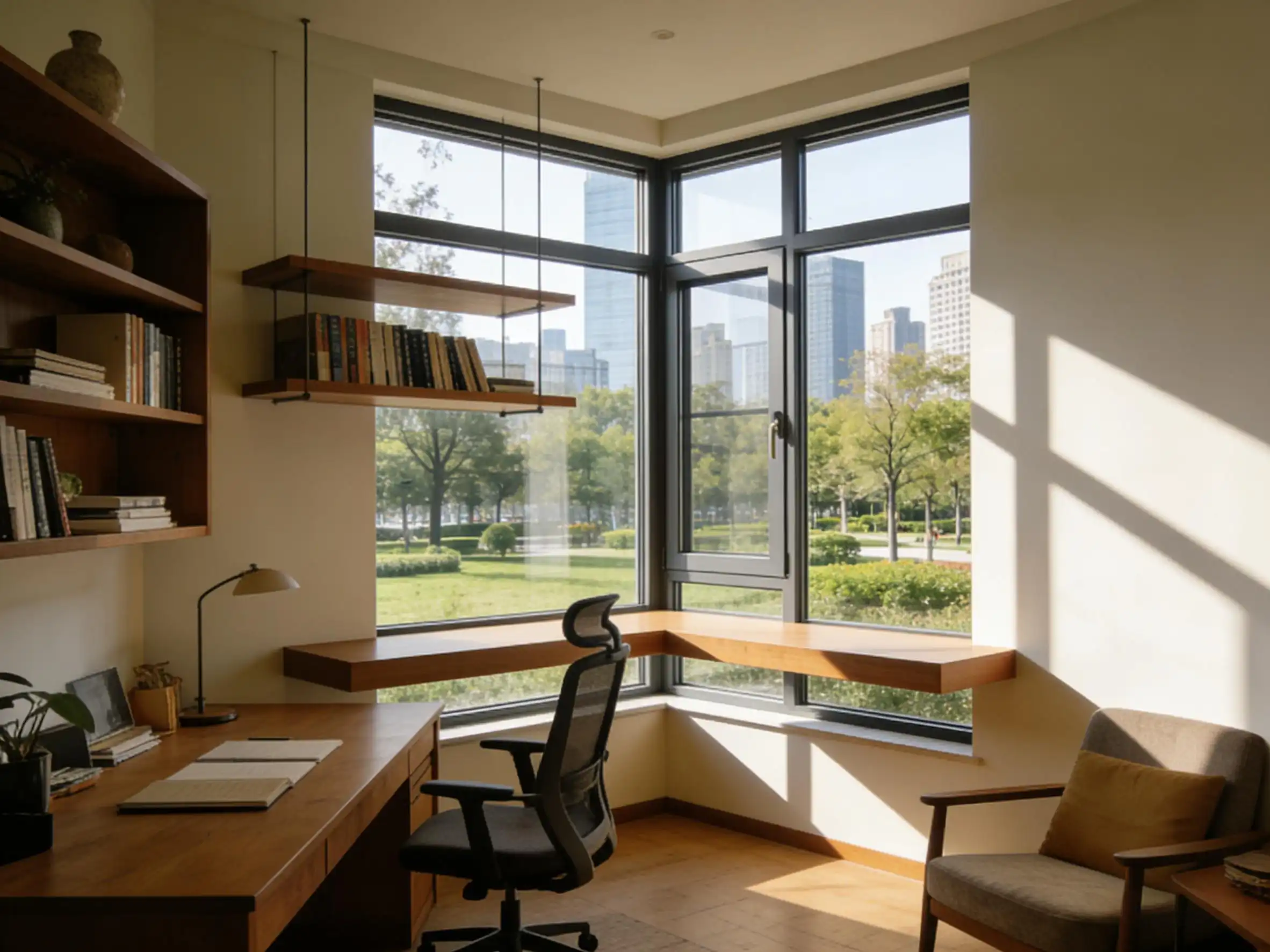
Aluminum Corner Windows are unique ways to design buildings where two glass planes meet at the corners without the need for heavy support beams. High-strength 6063-T5 aluminum alloy frames are used in these configurations. They are made to hold a lot of glass while keeping the visual continuity across the corner junction.
Architectural Applications Driving Demand
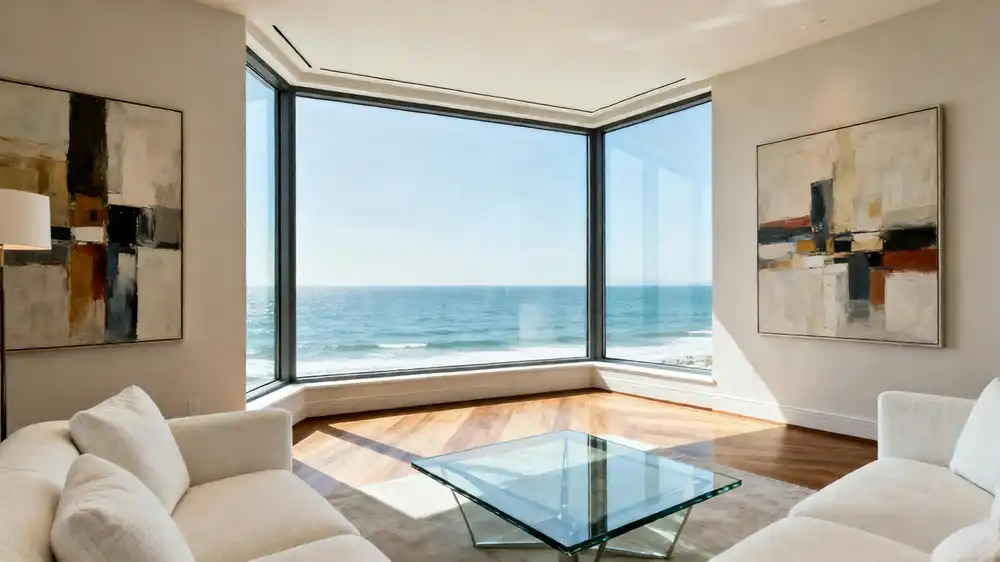
In high-end private penthouses, Aluminum Corner Windows are used in open-plan layouts where fixed and operable panels meet, blurring the lines between indoor living areas and outdoor patios. When working with floor-to-ceiling glass that weighs more than 200 kilograms per linear meter, precise leveling is very important. Commercial office buildings that are cantilevered tend to use these systems to make unique corner executive suites. The glazing in these suites must be able to survive wind pressures greater than 2.4 kPa, which can be proven by ASTM E330 testing protocols. Coastal hospitality projects use marine-grade anodized finishes and impact-resistant laminated glass to meet building rules for storm zones and make the most of views of the ocean.
Technical Composition and Performance Parameters
Architectural-grade aluminum extrusions with wall thicknesses ranging from 1.4 mm to 2.0 mm form the foundation of the building. They provide the rigid support needed for large glass panels. Polyamide PA66 thermal break strips make thermal performance much better by lowering thermal bridging to get U-values of 1.2 to 1.6 W/m²K. Specifications for glass usually allow for double- or triple-pane toughened units with a thickness of 6mm to 12mm. For better insulation, these units often have Low-E finishes and argon gas filling. Surface processes that meet the requirements of AAMA 2604 or Qualicoat Class 2 make sure that the product will last for more than 20 years, even when exposed to UV light and ocean rust.
Post-less designs that can withstand high winds and keep their weathertight seals are possible with advanced mechanical corner pinching methods and structural silicone bonding. Multi-layer EPDM gaskets and hidden drainage channels keep water out, which is important for installations in places where there are freeze-thaw cycles or tropical storms.
Key Factors to Consider When Procuring OEM Aluminum Corner Windows
For procurement strategies to work, they need detailed project documentation that spells out things like finish requirements, Aluminum Corner Windows performance requirements, and tolerances for sizes. This makes it clear for OEM manufacturers to make products that are in line with the architecture's goals without having to make expensive changes in the field.
Defining Technical Requirements and Customization Parameters
The project specs should list the corner angles, whether they are normal 90-degree angles or special shapes that fit the building envelope. The type of Aluminum Corner Windows you choose affects both the thermal performance and the cost of the project. For moderate conditions, double-glazed units (5+12A+5mm configuration) provide basic insulation, while triple-glazed systems (5+9A+5+9A+5mm) meet strict energy rules in northern states. Tempered glass meets safety standards, laminated choices add security and soundproofing, and combos meet more than one performance requirement at the same time.
There are different frame finish choices that aren't just for looks; they can also be functionally durable. Powder coating gives installations inside stability in color and protection to scratches, while PVDF finishes can handle harsh seaside or industrial settings. Anodized treatments give Class I architectural finishes that are more resistant to wear, and wood grain transfers meet the needs of projects that need the look of natural materials while still benefiting from aluminum's structural advantages. Aluminum Corner Windows complement these finishes by offering seamless visual transitions and expanded glazing areas, making them an ideal choice for modern designs that maximize both aesthetics and performance.
Evaluating Manufacturer Capabilities and Certification Compliance
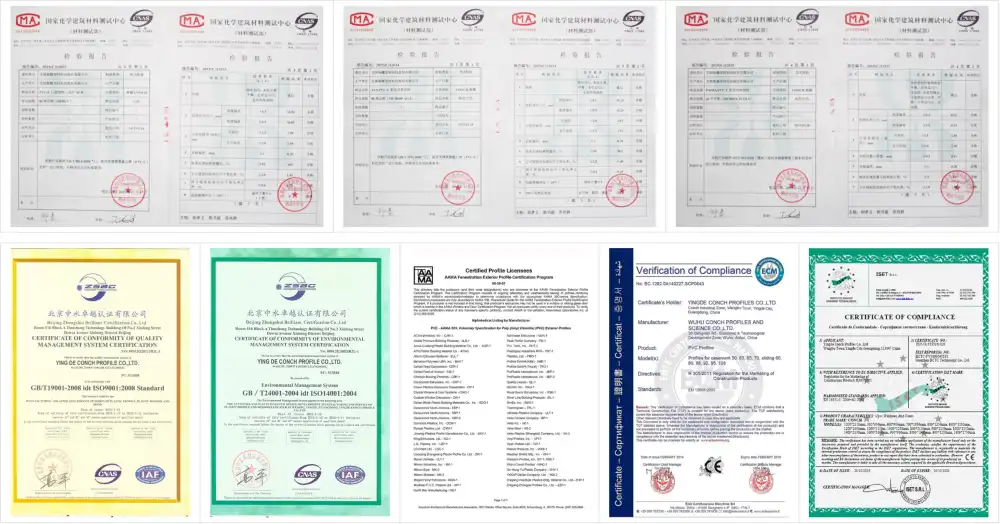
When looking at suppliers, you should focus on their manufacturing infrastructure that can handle big projects. For example, automated assembly systems, precise CNC cutting equipment, and integrated extrusion-to-finishing processes show that they can keep quality high across large orders. Following North American performance standards, especially AAMA/WDMA/CSA 101/I.S.2/A440 for window performance classification, is shown by ISO-certified quality control systems and access to the AAMA testing center.
When projects need NFRC labels to meet energy code requirements or third-party proof of structure performance scores, certification paperwork is a must. Manufacturers who have been exporting to North American markets for a long time know how to handle shipping operations, customs paperwork, and how important it is to package goods in a way that keeps the finish from getting damaged during ocean freight travel.
Managing Lead Times and Logistics Efficiency
Standard Aluminum Corner Windows usually ship 25 to 30 days after an order is confirmed. However, for complicated custom angles or unique glazing designs, the time frame may be extended to 8 to 12 weeks. Logistics costs can be cut by as much as 30% or more if procurement managers ask for knock-down (KD) shipping configurations. In these, frames are shipped unassembled and glass panels are packed separately. This method makes the best use of containers, lowers shipping costs based on volume, and makes handling easier on-site.
By coordinating arrival times with installation milestones, you can avoid expensive storage fees and the risk of being exposed to the weather. Setting clear communication protocols for order changes, inspection procedures, and how to fix defects protects project timelines from problems in the supply chain.
Performance and Design Optimization for Aluminum Corner Windows
To get the most out of Aluminum Corner Windows, you have to balance concerns about how they look with those about how well they keep out the cold and the weather and how long they last. Inhabitant comfort, energy use, and lifetime purchase costs are all directly affected by these factors.
Enhancing Energy Efficiency Through Glazing and Thermal Breaks
Using thermal break technology, low-conductivity nylon strips are put between the inside and outside aluminum shapes. This stops heat from moving in ways that would otherwise hurt the insulation. When thermal break frames are used with Low-E coated glass and inert gas fills, they lower heating and cooling loads by 15–25% compared to assemblies that aren't thermally improved. This means that the building will use less energy over its lifetime, which is especially helpful in places where the weather changes a lot from season to season.
Triple-glazed designs offer better insulation for projects that want to meet LEED or Passive House standards, but the extra weight of the glass means that the frame needs to be strengthened and hardware needs to be stronger. When making a procurement choice, the extra costs of materials should be weighed against the expected savings in energy and the rules that must be followed for each project site.
Weatherproofing and Acoustic Performance
When installing Aluminum Corner Windows, keeping out the weather can be tricky because there aren't any corner posts to support the structure and squeeze the seal. Multi-chamber EPDM gasket systems with corner-welded joints keep water out all the time, and pressure-equalized drainage holes safely send water that seeps in to the outside weep paths. These technical features are very important in high-rise situations where rain driven by the wind and differences in air pressure make normal sealing methods difficult.
In cities where noise levels outside are higher than 65 dBA, acoustic shielding is especially important for business projects. Laminated glass interlayers stop sound from traveling. Asymmetric double-glazing configurations (two layers of different thicknesses) are better at blocking resonant frequencies than symmetric ones. Choosing the right gasket and compressing it properly have a big effect on the general sound gearbox class (STC) ratings. Compared to normal installs, they often improve performance by 3–5 points.
Maintenance Protocols for Extended Service Life
Aluminum doesn't need much upkeep because it doesn't rust naturally, but regular checks make sure it keeps working well. Cleaning the drainage weeps every three months keeps them from getting clogged, which could make water management less effective. Lubricating the hardware on an annual basis keeps the movable panels running smoothly. Aluminum Corner Windows require special attention during these inspections, as their joint seals and corner brackets are critical to structural integrity and weather resistance. Checking the gaskets every 5 to 7 years can find compression set or UV damage before the seals fail.
The length of time a surface finish lasts relies on how it is exposed to the environment. Installations near the coast should be rinsed with fresh water every six months to get rid of salt buildup, while installations in cities need to be cleaned of industrial pollutants on a regular basis. In mild areas, powder-coated finishes usually keep their look for 10 to 15 years. However, harsh conditions may mean that they need to be refinished after a long time of use. These maintenance issues should be taken into account when talking about warranties during the buying process.
Performance parameters referenced here reflect typical industry ranges. Actual specifications should be verified against manufacturer test reports and third-party certifications relevant to specific product selections.
Comparing Aluminum Corner Windows with Alternative Materials
When choosing materials for Aluminum Corner Windows, you need to think about how strong they are, how well they keep heat in, how well they look, and how much they cost over their whole life. Aluminum has clear benefits in custom building situations where big glass areas and design flexibility are the most important factors.
Structural Strength and Span Capabilities
Aluminum's high strength-to-weight ratio lets it have thinner shapes that can hold up large glass panels without using mullions in the middle. A 6063-T5 aluminum frame with walls that are 1.8 mm thick can safely span 2.4 meters across while keeping structural displacement within L/175 limits when wind loads are applied. Vinyl (uPVC) frames need steel support inside to reach the same spans, which makes the profile 20–30% bigger and lowers the looks of the sightlines. Even though wood frames are naturally warm, they have trouble with moisture movement in corners, where different expansions can weaken the seal.
The thermal efficiency and strength of fiberglass extrusions are excellent, but the material costs are usually 40–60% higher than those of aluminum, and there aren't as many color choices with aluminum as there are with powder coating. Aluminum's mechanical properties make it perfect for projects that want to use as much glass as possible while keeping the frame out of sight.
Thermal Performance Across Materials
When thermal breaks are added to aluminum frames, they get U-values that are on par with vinyl and fiberglass. For double-glazed systems, these values are usually between 1.4 and 1.8 W/m²K. Vinyl frames naturally insulate better because of the way the material is made, with U-values close to 1.2 W/m²K. However, with triple glazing, where glass dominates overall thermal performance, the difference is much smaller. Wood frames offer similar insulation, but they need regular upkeep to keep working well, especially in Aluminum Corner Windows that are open to weather on two sides at the same time.
It is important to pay close attention to the thermal bridge effect at corner joints. Aluminum's conductivity needs careful detailing to avoid condensation, while vinyl's fusion-welded corners remove thermal discontinuities. This problem is fixed by thermally broken aluminum systems, which have corner key plates that keep the junction thermally separate, making the performance the same as with other materials.
Lifecycle Cost and Durability Considerations
Because aluminum doesn't rust and keeps its shape, it doesn't need much maintenance over its 30–50-year service lives that are common in commercial construction. Vinyl frames can change color or break if they are exposed to UV light for a long time, especially in south-facing corners that get a lot of sun. Wood needs to be refinished every so often to keep it from breaking down from water damage, which can cost a lot over many years.
At first glance, the prices of materials show that aluminum is 10–20% less expensive than fiberglass and 15–30% more expensive than vinyl for the same level of performance. When you add up the lifetime upkeep, replacement frequency, and maintained aesthetic quality, aluminum has a competitive economics that is especially valued in business and high-end home markets where long-term performance supports the initial investment.
Procurement and Supply Chain Management for OEM Aluminum Corner Windows
Building relationships with suppliers based on technical know-how, consistent quality, and reliable logistics is key to completing a project successfully. Aluminum Corner Windows demand precise fabrication and timely delivery, so aligning with suppliers who understand these specific requirements directly supports on-site installation schedules. Strategic procurement methods lower the risks that come with supply lines for customized Aluminum Corner Windows.
Selecting Qualified OEM Manufacturing Partners
When judging a manufacturer, you should look at how much they can make compared to the size of the project. Facilities that can process more than 50,000 square meters of window systems every year show that they have the equipment needed for multi-building developments. When extrusion, fabrication, glass processing, and assembly are all done at the same time, this is called vertical integration, and it makes quality control and meeting deadlines easier. Companies with export departments that know about North American building codes, shipping paperwork, and packaging standards make it easier for procurement teams to coordinate.
Ask for detailed capability statements that list the precision of the CNC equipment (minimum tolerances of ±0.5 mm), the quality standards for surface treatment (powder coating thickness of 60–120 microns), and the quality testing protocols (sample rates, destructive testing frequency, and performance verification methods). Site trips or virtual tours of factories are great ways to learn about how products are made, how to keep machines in good shape, and how to train workers, all of which affect how consistent the products are.
Structuring Warranties and After-Sales Support
A full warranty should cover both problems with the material and how it works. Typical structures have 10-year warranties on aluminum extrusions and finishes, 5-year warranties on hardware and gaskets, and 2-year warranties on glass units (or pass-through warranties from the glass manufacturer). Set clear paperwork standards and reaction times for warranty claims, and make it clear who is responsible for what when it comes to maker defects and installation-related problems.
Technical support after the sale is very helpful when changes need to be made to the installation in the field or when building inspectors raise questions about performance. When manufacturers offer installation directions, detailed parameter sheets, and assembly videos, it's easier for contractors to work together. Being able to talk to engineering staff who can look over shop plans or do structural math for permit applications shows that the commitment goes beyond just delivering the product.
Implementing Efficient Logistics and Installation Coordination
By using knock-down shipping setups to make the best use of containers, distributors and builders can cut freight costs by a large amount. Frames that aren't put together and have their glass packed separately usually get 30–40% better container utilization than fully built units. This method needs clear assembly instructions and maybe the ability to do the glazing on-site, but the savings in logistics often make it worth the extra work, especially for projects with more than one unit.
Setting up phased delivery plans that work with the order of building stops the job site from getting crowded and exposes workers to the weather. Working with the general builders to make sure there is enough rough opening preparation, temporary weather cover, and staging areas for the amount of products that will be coming in. Pre-installation talks that make clear how to handle the product, how to install it, and how to check it lower the risk of confusion and extra work in the field.
As more building parts are made ahead of time, knock-down window systems are carefully placed within lean construction processes. This allows for just-in-time delivery that matches the productivity rates of installation teams without the need for a lot of storage space on-site.
Conclusion
Aluminum Corner Windows have grown into complex building parts where precise engineering meets the idea of the builder. The success of procurement depends on carefully crafting specifications, choosing the right manufacturers, and using transportation plans that balance saving money with keeping to schedules. When it comes to custom building projects that need to look good and work well, aluminum is the best material because it can be used for structure, design, and durability over time.
Professionals in procurement can deliver Aluminum Corner Windows solutions that increase building value while meeting tight project deadlines and budgets by aggressively handling thermal optimization, weatherproofing details, and supply chain coordination.
FAQ
How do corner window systems perform in extreme weather conditions?
When corner assemblies are properly designed, they can resist hurricane-force winds, heavy snow loads, and temperature changes. This is done by using structural formulas that are specific to the building's height and exposure classification. Wind resistance is checked using ASTM E330 standards, and air infiltration rates stay below 0.3 cfm/ft² at 75 Pa pressure difference using ASTM E283 methods. Water doesn't get in when it rains because of the wind because of multi-layer closing systems and pressure-equalized drainage holes.
What lead times should procurement teams anticipate?
Standard 90-degree corner configurations with popular glazing choices usually ship 25 to 30 days after the order is confirmed. Custom angle shapes, unique finishes like wood grain transfers, or triple-glazed assemblies may make the lead time 8 to 10 weeks. For projects that need structural engineering estimates for permit submissions, the front end handling takes an extra two to three weeks. Shipping containers from Asian factories to ports in North America takes three to four weeks, plus the time needed for overland freight and customs clearance.
How does aluminum compare to vinyl for energy efficiency?
U-values for thermally broken aluminum frames are between 1.4 and 1.6 W/m²K, which is better than vinyl frames' U-values of 1.2 to 1.3 W/m²K. With triple glazing, where glass properties control how well the window works overall, the difference is less important. Because aluminum is stronger than steel, it can have bigger glass areas with thinner frames. This could increase the solar heat gain rates, which is good in places that are mostly hot.
Partner With a Trusted Aluminum Corner Window Manufacturer
Haolv Building Materials has been making specialized products for 19 years and can help with custom building projects that need carefully engineered Aluminum Corner Windows solutions. Our ISO, CE, and AAMA-certified factory uses strict quality control standards and automatic construction systems to make sure that every window unit meets the structural and performance requirements that are necessary for the project to succeed. We offer full technical support, which includes detailed parameter sheets, installation videos, and assembly instructions that make it easier for contractors to work together and lower the risk of mistakes in the field.
Contact our technical sales team at kristin@haolvwindows.com to discuss your project requirements. We'll provide detailed quotations, performance documentation, and supply chain solutions tailored to your timeline and budget parameters. Visit haolvbuilding.com to explore our complete product range and discover why leading contractors choose Haolv as their Aluminum Corner Windows supplier for projects demanding both precision and dependability.
References
1. American Architectural Manufacturers Association. (2020). AAMA/WDMA/CSA 101/I.S.2/A440-17: North American Fenestration Standard/Specification for Windows, Doors, and Skylights. Schaumburg, IL: AAMA.
2. Johnson, M. & Chen, L. (2019). Thermal Performance of Aluminum Window Systems with Polyamide Thermal Breaks. Journal of Building Physics, 43(2), 156-178.
3. National Fenestration Rating Council. (2021). NFRC 100-2020: Procedure for Determining Fenestration Product U-factors. Greenbelt, MD: NFRC.
4. Patterson, R. (2018). Modern Glazing Systems in High-Rise Construction: Structural and Weatherproofing Considerations. Architectural Engineering Quarterly, 12(4), 89-107.
5. Stevens, D. & Martinez, A. (2022). Lifecycle Cost Analysis of Window Frame Materials in Commercial Construction. Building Economics Review, 28(1), 34-52.
6. Zhang, H., Thompson, K., & Rodriguez, P. (2021). Corner Window Design and Installation in Coastal Environments: Engineering Best Practices. Coastal Construction Technology, 15(3), 112-131.
Fast simple channel to send demands lock favorable price for building window door bulk purchases.