- English
- French
- German
- Portuguese
- Spanish
- Russian
- Japanese
- Korean
- Arabic
- Greek
- German
- Turkish
- Italian
- Danish
- Romanian
- Indonesian
- Czech
- Afrikaans
- Swedish
- Polish
- Basque
- Catalan
- Esperanto
- Hindi
- Lao
- Albanian
- Amharic
- Armenian
- Azerbaijani
- Belarusian
- Bengali
- Bosnian
- Bulgarian
- Cebuano
- Chichewa
- Corsican
- Croatian
- Dutch
- Estonian
- Filipino
- Finnish
- Frisian
- Galician
- Georgian
- Gujarati
- Haitian
- Hausa
- Hawaiian
- Hebrew
- Hmong
- Hungarian
- Icelandic
- Igbo
- Javanese
- Kannada
- Kazakh
- Khmer
- Kurdish
- Kyrgyz
- Latin
- Latvian
- Lithuanian
- Luxembou..
- Macedonian
- Malagasy
- Malay
- Malayalam
- Maltese
- Maori
- Marathi
- Mongolian
- Burmese
- Nepali
- Norwegian
- Pashto
- Persian
- Punjabi
- Serbian
- Sesotho
- Sinhala
- Slovak
- Slovenian
- Somali
- Samoan
- Scots Gaelic
- Shona
- Sindhi
- Sundanese
- Swahili
- Tajik
- Tamil
- Telugu
- Thai
- Ukrainian
- Urdu
- Uzbek
- Vietnamese
- Welsh
- Xhosa
- Yiddish
- Yoruba
- Zulu
Flush Sash Aluminium Windows for Modern Architecture
Flush sash aluminium windows are a revolutionary way to add glass to modern buildings because the opening sash lines up perfectly flush with the outer frame, doing away with the need for traditional lips that stick out. The 6063-T5 aluminium alloy used in this fine architectural detail gives it a smooth, simple look while still providing excellent structural performance. These systems are made for B2B buying workers who are in charge of large projects.
They combine clean lines that are reminiscent of the past with modern thermal efficiency, security compliance, and flexible installation methods. The knock-down shipping method greatly reduces the size of the containers, which lowers the cost of freight while maintaining quality throughout the supply chain.
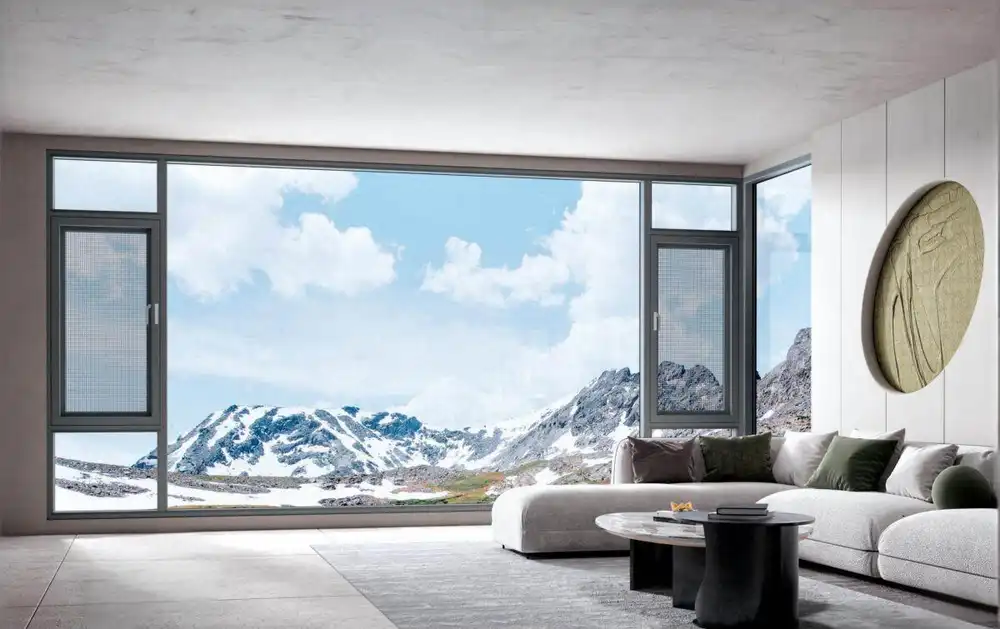
Understanding Flush Sash Aluminium Windows: Design and Functionality
What Defines the Flush Sash Configuration?
The sash and frame of flush sash aluminium windows are flat against each other, which is what makes it unique. In regular casement windows, the opening panel crosses or goes past the set frame. But in flush sash systems, both parts are on the same vertical plane. To get both smooth operation and a consistent look, this engineering method needs very precise manufacturing tolerances, usually within 4mm shadow gaps. The 6063-T5 aluminium alloy used in these profiles has a very high tensile strength and can be extruded into complicated, multi-chambered shapes that can hold glazing gaskets and thermal breaks.
Operational Mechanisms and Customization Options
It is possible for flush sash windows to open inwards or outwards, so they can be installed in a variety of ways. Inward-opening designs make it easier to maintain the outside of high-rise buildings, while outward-opening designs make the best use of inner room in small urban developments. The hinges use friction stays that are designed to hold gaps that are fully 90 degrees, which lets in the most air. Profile thicknesses that range from 1.4mm to 2.0mm give design freedom based on the wind pressure and structural loads needed for each project site.
Surface treatments can also be customised. Powder painting lets you match colours exactly to RAL or Pantone standards, and it won't fade even after decades of UV exposure. Anodised finishes protect against rust better in seaside areas where salt spray speeds up the breakdown of materials. There are different types of glazing, from single-pane tempered glass for mild areas to double-glazed units with low-E finishes and argon fills that are good for energy-efficient buildings.
Integration with Contemporary Building Envelopes
Modern building standards call for glass systems that are less noticeable while still working well. The flush design gets rid of the shadow lines and profile buildup that come with older window styles. This makes it possible for luxury residential towers and small commercial spaces to have clear sight lines. Multi-chambered frame sections fit perfectly with cavity wall construction, meeting the requirements for air barrier and insulation continuity set by modern building codes. The smooth outside shape also lowers wind turbulence across facades, which lowers whistle noise and pressure differences that make exposed areas less weathertight.
Why Choose Flush Sash Aluminium Windows for Modern Architecture?
Energy Efficiency and Thermal Performance
Flush sash aluminium windows use polyamide thermal breaks inside aluminium shapes to make breaks that stop heat from moving through them. Thermal management is an important thing to think about when buying something because it has a direct effect on how much energy a building uses for operations over its entire life. These systems can reach U-values close to 1.2 W/m²K when paired with double-glazed units that have 16mm cavities filled with argon. This helps meet LEED certification goals and lowers HVAC load estimates by measurable percentages.
The EPDM multi-chamber sealing system found in high-quality flush sash windows stops both air and water from getting in and out. Triple-gasket designs make extra barriers against air leaks, which is what causes up to 40% of heating losses in buildings that aren't sealed well. This weathertightness helps keep the temperature inside stable, which lowers the number of times the thermostat needs to be reset and increases the time between mechanical system servicing. When looking at lifecycle cost models, procurement teams should compare these practical saves to the higher costs of materials at the start.
Security Features and Regulatory Compliance
B2B buyers put a high value on security certifications that meet insurance requirements and safety standards for occupants. Aluminium windows with flush sashes usually meet PAS 24 standards by having multiple locking points spread out around the close edge. The lack of outward lips makes it harder for people to use leverage during forced-entry attempts, and steel-reinforced frame parts with strengthened keeper plates stop people from jimmying. As an optional extra, you can get shoot-bolt systems that go into the head and sill tracks. These give you the right amount of resistance for both business shopfronts and ground-floor residential uses.
Compliance goes beyond security and includes grades for wind loads on structures. Protocols for testing make sure that the system works well in hurricane-like conditions, with classifications up to AE2400 for high-exposure coastal zones. When you measure water penetration resistance under pressurised spray conditions, you can be sure that water won't get in through flush joints, which is a common way for poorly designed coplanar systems to fail. Instead of just depending on what the maker says, procurement documents should check third-party testing certificates.
Maintenance Considerations and Longevity Expectations
The amount of upkeep needed affects the total cost of ownership, especially for property managers who are in charge of big residential or business companies. Aluminium is naturally resistant to corrosion, so it doesn't rot or attract pests like wood does. It also doesn't have the problems with UV damage and temperature growth that uPVC systems do. As part of regular upkeep, silicone-based products should be used to grease friction stays and multi-point locks once a year, and drainage lines should be cleaned every so often to keep water from pooling.
As long as they are properly installed and maintained, flush sash aluminium windows should last more than forty years. When Qualicoat-certified powder coats are used, surface finishes keep their colour and gloss, so they don't need to be painted over and over again like other materials do. When hardware parts are bought from well-known brands, they have operating cycle rates of more than 20,000 openings, which means they can be used every day for decades before they need to be replaced. Lifecycle analysis models that buying teams use to compare different material systems should be based on these longevity factors.
Disclaimer: The exact performance metrics depend on the configuration of the product, the type of glazing chosen, and the quality of the installation. Check claims with certified test results that are in line with regional standards before making any final decisions about buying.
Flush Sash Aluminium Windows vs Other Window Types: A Rational Choice Approach
Material Comparisons: Aluminum, uPVC, and Timber
The choice of material has a big impact on how well windows work, how much care they need, and how they look. Flush sash aluminium windows offer a better strength-to-weight ratio, which lets them have thin sightlines that make the most of the glazing area, which is important for designs that want to let in lots of light and keep views. In contrast to uPVC, which experiences creep and thermal movement when temperatures change, aluminium stays the same size in all climate zones. This trait is very important for large-format windows because frame racking would weaken the seal and make it harder to use.
Timber is historically accurate, which is important for repair projects, but it needs to be painted, inspected for rot, and treated against termites on a regular basis. The flush sash aluminium option looks like traditional windows because it has powder-coated finishes that look like wood grain textures. It gives a heritage look without the maintenance issues that come with it. Concerns about the environment now favour aluminum's ability to be recycled—up to 95% of the material can be recovered without any loss of performance—compared to uPVC's limited recycling infrastructure and the carbon sequestration debates surrounding timber harvesting practices.
Operational Method and Climate Suitability Evaluation
When compared to slide systems, where airflow is limited to 50% of the window opening, casement operation methods that come with flat sash designs allow for better ventilation control. Cross-ventilation techniques that depend less on mechanical cooling are possible with full-opening windows. This is especially useful for projects in warm climates that want to use passive design principles. In colder places, inward-opening configurations keep snow from building up on the outside hinges and make it easier to check the weatherstrip during regular maintenance.
When adapting to regional climate change, it's important to think about condensation risk and thermal bridging. For cold climates, building codes should require thermal breaks with conductivity levels below 0.3 W/mK and warm-edge spacer bars in glazing units to raise the surface temperature above the dew point levels. Light-colored powder coats help hot, dry places by reflecting sun radiation. This keeps the frame from getting too hot, which speeds up seal degradation and makes cooling more difficult. For installations near the coast, marine-grade anodising or special powder formulations that stop chloride ions from penetrating are needed.
Procurement Insights: Pricing Structure and Value Analysis
The price of flush sash aluminium windows depends on a number of factors, such as the profile series chosen, the glass standard, the hardware grade, and the number of windows ordered. Low-cost options to mid-range uPVC products include entry-level systems that use 50-series profiles, standard hardware, and single-glazed tempered glass. Premium 60-series setups with thermal breaks, triple glazing, and upgraded stainless steel hardware have prices that are comparable to high-end wood options and offer better longevity ratings.
Buying in bulk can lead to savings of scale that have a big effect on unit costs. When you buy a container load, the amount of freight you have to pay is less per unit, and manufacturers often offer bulk discounts of about 15 to 20 percent off list prices. Knock-down shipping, in which frames, sashes, and glass are sent without being put together, can cut the number of container cubes needed by about 30%. This can save a lot of money on shipping across oceans. This method needs to be put together on-site, but it saves money on projects with skilled installation teams or when buying glass locally cuts down on shipping weight.
Procuring Flush Sash Aluminium Windows: How to Choose the Right Supplier and Product
Essential Certification and Quality Verification
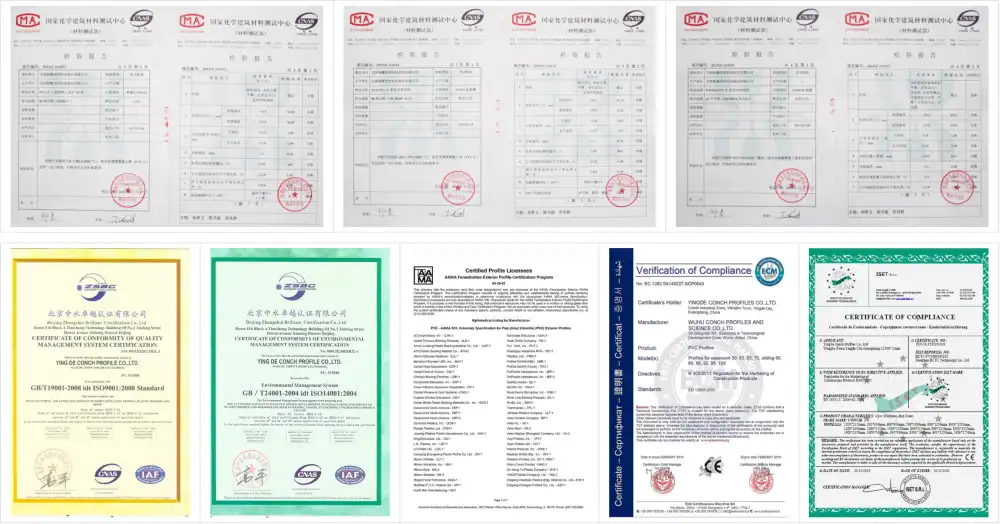
Before shortlisting sellers, B2B procurement processes for flush sash aluminium windows should require full certification documents. ISO 9001 certification checks that production standards are met by quality management systems, and ISO 14001 certification shows that environmental management rules are followed. Product-specific approvals, such as AAMA tests for the North American market, show that the structure, temperature, and weather performance meet established standards. For European markets, a CE mark means that a product meets the Essential Requirements for building goods. However, buyers should check the Declarations of Performance that come with the product instead of just relying on the mark.
Factory checks give you more information about how well the company makes things and how strict their quality control is. Check the capacity of the extruder line, the surface treatment facilities, and the accuracy of the assembly by looking at pictures and reading through the process documents. CNC cutting machines make sure that the dimensions are exact, which is important for flush sash tolerances.
Automated corner welding systems make sure that the thermal weld quality is consistent, which stops air from getting in. Testing tools like water spray chambers and structural load frames show that the manufacturer is committed to verification that goes above and beyond what is required by third-party certification.
Evaluating Customization Flexibility and Technical Support
Customisations that go beyond standard product catalogues are often needed because of the needs of a specific project. If a supplier has an in-house engineering department, they can change profile sections to fit oddly shaped holes in structures, work with curtain wall systems, or add special hardware for controlled operation. The ability to review drawings helps find problems with the design early on, before they happen in the field during installation. This lowers the cost of changes and slows the schedule.
Technical support includes help with performance modelling, and suppliers provide temperature test data to back up paperwork for energy code compliance. Installation training programs make sure that contractor teams know how to put together flush sashes in a way that is different from how traditional casements are put together and sealed. Having aftermarket parts available for as long as a product lasts keeps it from becoming obsolete. This is especially important for phased improvements where guarantee service may last for more than one year.
Lead Time Management and Delivery Reliability
Standard lead times for making flush sash aluminium windows are 25 to 30 days from the time the order is confirmed. However, if you have specific needs, the lead time could be 35 to 45 days, depending on how long it takes to get the materials and make the tools. When buying from other countries, B2B buyers should set clear production schedules that are in line with the order of building. They should also take into account the time it takes to ship and clear customs.
Strategies for combining containers help keep schedules flexible while lowering shipping costs. Combining orders for windows with orders for related products, like curtain wall components or access systems, makes the best use of containers and cuts down on the amount of freight that needs to be sent for each unit. Regional storage suppliers offer extra stock to help with project launches that happen in stages, but they usually need a minimum order quantity to cover the costs of stocking.
Video installation guides, technical parameter sheets, and assembly instructions make work easier on-site by cutting down on the time it takes to do it and the number of mistakes that happen. These tools are especially helpful for project teams that are working with flush sash systems for the first time. They make sure that the right gaskets are placed, the drainage channels are set up correctly, and the hardware is adjusted correctly, all of which affect how well the system works in the long term.
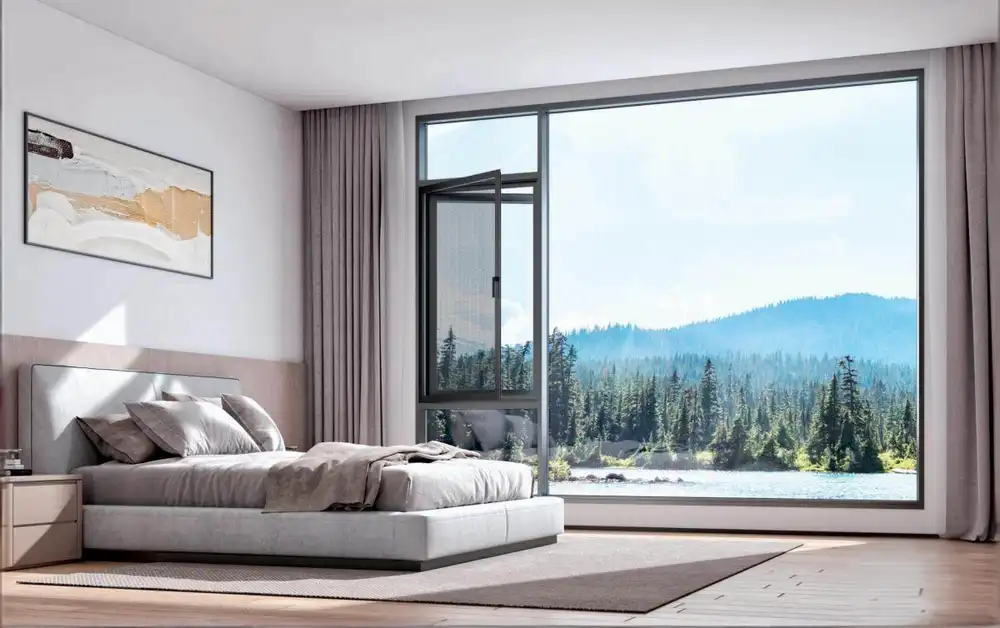
Installation, Maintenance, and Longevity: Ensuring Sustainable Performance
Professional Installation Best Practices
If you install flush sash aluminium windows correctly, they will work as well as they were meant to. Before anchoring, vertical measures must be used to make sure the frame is square. If the frame isn't square, the sash won't move smoothly and the weatherseal won't stick properly. To keep the reveals around the perimeter of the sash uniform, shimming and levelling must be done with great care. Deviations create binding points or too many gaps, which speed up seal wear.
When applying sealant at the frame-to-wall interface, it's important to know how the joint moves. Because aluminium expands when it gets hot, backer rod sizes and sealant depth-to-width ratios need to be able to adapt to changes in seasonal dimensions without failing to stick. The placement of the drainage weep holes must line up with the internal water management channels. This keeps water from building up in the frame spaces and spreading to the finishes inside or threatening the integrity of the thermal break.
Routine Maintenance Protocols and Troubleshooting
Annual maintenance schedules should address friction stay lubrication, multi-point lock adjustment, and drainage channel clearing. Silicone spray lubricants applied to hinge pivot points and locking mechanisms maintain smooth operation while repelling moisture that accelerates corrosion. Gasket inspection identifies compression set or tearing requiring replacement before infiltration issues develop. Drainage channel cleaning removes accumulated debris that blocks water egress, preventing overflow into interior spaces during heavy rain events.
Hardware that isn't lined up right or frame settlement that moves into the window assembly can cause common operational problems. Adjustable hinge systems let you move the door in three dimensions to fix problems like binding or bad weatherseal compression. Adjusting the lock keeper plate allows for small changes in the frame, which restores safe contact without having to replace any hardware. When trained professionals make these small changes, they extend the time between services and keep parts from breaking down early because of operational stress.
Understanding Return on Investment
A lifecycle cost analysis should weigh the initial material premiums against the money saved on operations and the time saved on replacements. Energy modelling shows that better thermal performance lowers energy costs. For example, in temperate areas, a 0.3 W/m²K drop in the U-value of a window can cut heating costs by 8–12%. The fact that aluminium systems don't need as much maintenance as wood systems adds measurable value, and the fact that they last longer means that the capital investment is spread out over longer periods of depreciation.
As the circle economy ideas catch on, choices about what to buy are influenced more and more by residual value. Aluminium windows still have value when they reach the end of their useful life. Recovering the scrap can pay the costs of removal and even make salvage money. This feature is different from uPVC's limited recycling markets and wood's heavy disposal load. This makes the financial case for specifying aluminium in projects that focus on sustainable metrics beyond basic energy performance stronger.
Conclusion
Through designed performance, aesthetic refinement, and useful project execution benefits, flush sash aluminium windows meet the stringent requirements of modern B2B building procurement. Their coplanar sash-frame design gives them a simple look while still allowing for a variety of ways to operate, better heat management, and strong security features that meet current safety standards. Durability of the material and low maintenance needs support good lifecycle cost profiles, and the ability to be customised ensures that it fits with a variety of architectural visions.
The knock-down shipping method provides real transportation benefits that lower freight costs without lowering the quality of the results. When purchasing glazing systems for modern projects, procurement professionals should look at flush sash aluminium windows based on a wide range of factors, such as performance testing, supplier capabilities, and long-term value delivery, rather than just comparing costs at first.
FAQ
Are flush sash aluminium windows suitable for cold-climate applications?
When installed correctly, flush sash systems work well in cold places as long as they have thermal breaks with conductivity values below 0.3 W/mK and double or triple glazing units with low-E coatings. When the frame is made of aluminium, it doesn't bend during freeze-thaw cycles like uPVC does. This is because aluminium is more stable in terms of its dimensions. When managing condensation risk, it's important to pay attention to warm-edge spacer bars and making sure the frame is deep enough to accommodate the thermal break width. This keeps the surface temperatures inside above dew point levels during very cold events.
What lead times should procurement managers expect for bulk orders?
Orders for standard flush sash aluminium window orders usually take 25 to 30 days from the time the order is confirmed until they are delivered. Custom specs could make the wait time 35 to 45 days. Shipping takes an extra 15 to 40 days, based on where it comes from and where it's going, and clearing customs adds even more variation. Container-load orders benefit from consolidated shipping schedules, but buyers should make sure that delivery times don't clash with construction schedules to avoid having to pay for storage on the job site. Establishing framework agreements with providers makes it easier to assign production slots during busy building times.
How do flush sash aluminium windows compare in cost to traditional casement systems?
Different prices are caused by differences in how complicated the product is to make and what materials are used, not by differences in how it works. Because of the tighter production tolerances needed for coplanar sash-frame alignment, basic flush sash configurations using 50-series profiles are 10-15% more expensive than standard casements of the same size. But buying in bulk and shipping at a discount can make up for these extra costs by lowering the cost of sending each unit. When you add thermal breaks and better hardware to premium specs, the price difference between flush sash aluminium and high-end wood alternatives gets smaller, and the longevity gets better.
Partner with a Trusted Flush Sash Aluminium Windows Supplier
Haolv Building Materials has a wide range of products that are good for purchasing managers, builders and wholesalers who need reliable glazing solutions backed by deep technical knowledge and top-notch manufacturing. We have been making aluminium and uPVC fenestration systems for 19 years and have ISO, CE, and AAMA certifications that show we are committed to quality standards throughout the production process. Our flush sash aluminium windows are made of 6063-T5 alloy and have a profile thickness of 1.4 to 2.0mm. They also have EPDM multi-chamber sealing systems and can be opened in a variety of ways to meet the needs of different projects.
We give you all the technical information you need, like performance parameter sheets, installation video lessons, and assembly instructions that make work easier on-site and lower the chance of mistakes. Profile sizes, RAL/Pantone colour matching, hardware updates, and glazing specs that are specific to the needs of the local environment can all be customised. Through our knock-down shipping method, we're able to use about 30% fewer container cubes, which cuts down on logistics costs for international projects without sacrificing quality.
Standard delivery times of 25 to 30 days from order confirmation help keep building schedules on track. Additionally, our engineering team offers free technical consultations on performance modelling, code compliance verification, and installation problems. Contact kristin@haolvwindows.com to talk about your project's requirements and get personalised quotes that take volume and standard details into account. Explore our complete product range at haolvbuilding.com to see how our glazing solutions can help you realise your architectural vision with proven results and dependable execution.
References
1. Architectural Aluminum Manufacturers Association (AAMA). Performance Standards for Windows, Doors, and Skylights: AAMA/WDMA/CSA 101/I.S.2/A440. Schaumburg: AAMA Publications, 2017.
2. Button, David and Brian Pye. Glass in Building: A Guide to Modern Architectural Glass Performance. Oxford: Butterworth Architecture, 1993.
3. Carmody, John, Stephen Selkowitz, Dariush Arasteh, and Lisa Heschong. Residential Windows: A Guide to New Technologies and Energy Performance. New York: W.W. Norton & Company, 2007.
4. Herzog, Thomas, Roland Krippner, and Werner Lang. Facade Construction Manual. Munich: Institut für internationale Architektur-Dokumentation, 2004.
5. Pfundstein, Margit, Rainer Gellert, Martin Spitzner, and Alexander Rudolphi. Insulating Materials: Principles, Materials, Applications. Munich: Detail Business Information, 2012.
6. Wigginton, Michael and Jude Harris. Intelligent Skins. Oxford: Architectural Press, 2002.
Fast simple channel to send demands lock favorable price for building window door bulk purchases.