- English
- French
- German
- Portuguese
- Spanish
- Russian
- Japanese
- Korean
- Arabic
- Greek
- German
- Turkish
- Italian
- Danish
- Romanian
- Indonesian
- Czech
- Afrikaans
- Swedish
- Polish
- Basque
- Catalan
- Esperanto
- Hindi
- Lao
- Albanian
- Amharic
- Armenian
- Azerbaijani
- Belarusian
- Bengali
- Bosnian
- Bulgarian
- Cebuano
- Chichewa
- Corsican
- Croatian
- Dutch
- Estonian
- Filipino
- Finnish
- Frisian
- Galician
- Georgian
- Gujarati
- Haitian
- Hausa
- Hawaiian
- Hebrew
- Hmong
- Hungarian
- Icelandic
- Igbo
- Javanese
- Kannada
- Kazakh
- Khmer
- Kurdish
- Kyrgyz
- Latin
- Latvian
- Lithuanian
- Luxembou..
- Macedonian
- Malagasy
- Malay
- Malayalam
- Maltese
- Maori
- Marathi
- Mongolian
- Burmese
- Nepali
- Norwegian
- Pashto
- Persian
- Punjabi
- Serbian
- Sesotho
- Sinhala
- Slovak
- Slovenian
- Somali
- Samoan
- Scots Gaelic
- Shona
- Sindhi
- Sundanese
- Swahili
- Tajik
- Tamil
- Telugu
- Thai
- Ukrainian
- Urdu
- Uzbek
- Vietnamese
- Welsh
- Xhosa
- Yiddish
- Yoruba
- Zulu
Horizontal Sliding UPVC Window Buying Guide for Global Buyers
To find the right Horizontal Sliding UPVC Window system, you have to balance your performance needs with your project's budget and schedule. Procurement managers, general contractors, and building material distributors can use this guide to learn about the technical details, comparative advantages, and supply chain strategies that make up successful bulk window procurement. You can make sure your home or business project meets energy codes without sacrificing cost-effectiveness or installation speed by learning about multi-chamber profile construction, hardware durability standards, and customisable glazing configurations.
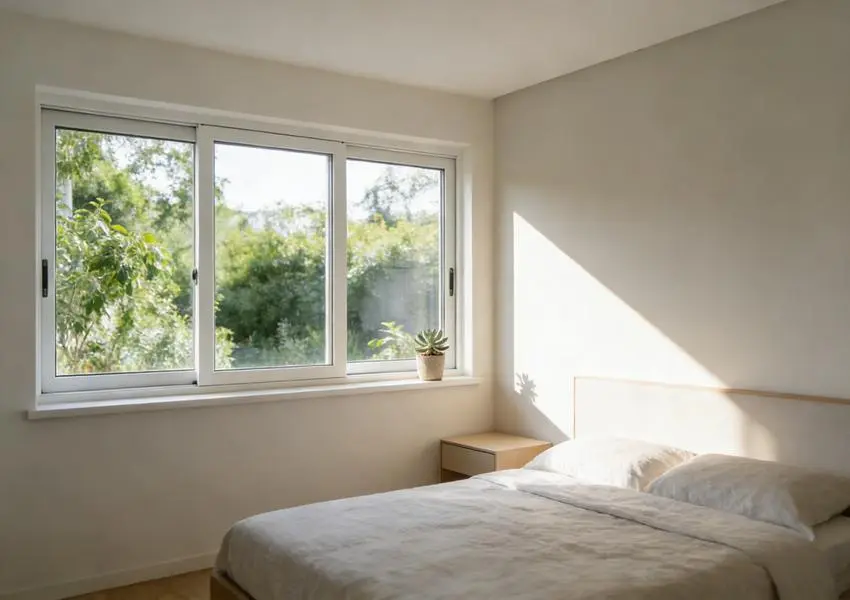
Understanding Horizontal Sliding UPVC Windows
What Defines a Horizontal Sliding UPVC Window System
A Horizontal Sliding UPVC Window has sashes that move horizontally along tracks that were carefully designed and built into a multi-chamber UPVC frame. Heavy-duty roller systems are used instead of hinges, which makes the way it works very different from casement or tilt-and-turn designs. This parallel-sliding motion doesn't need any clearance space on the outside or inside. This makes it very useful for balcony applications, high-rise apartment buildings and small urban developments where every square metre is valuable.
Core Technical Components
The frame shape has hollow chambers with steel reinforcements inside them to meet the structural load standards set by ASTM E330 wind pressure tests. Brush seal systems and anti-lift security devices work together to keep out unwanted guests and keep the weather out. Modern drainage channels have offset weep holes that move water away from the tracks inside, which solves the problem of water getting in during heavy rain. The heat conductivity of insulated glass units with low-E double glazing is usually between 1.0 and 1.8 W/m²K, but this depends on the width of the units and the material of the spacer bars.
Why Sliding Vinyl Windows Suit Large-Scale Projects
General contractors who work on apartment buildings with multiple units like how easy these devices are to install. The fixed-frame design lets the windows be pre-assembled in a controlled workshop setting, which cuts down on the time needed to put the windows together on-site by about 40% compared to alternatives that have to be put together in the field. Welded corner joints are tested for leaks in the factory before they are shipped, which makes quality control easier for developers who have to stick to tight construction schedules. The process saves room and meets accessibility standards because it only needs a little hand strength to work, which is important for healthcare projects and senior living facilities.
Key Factors for Evaluating Horizontal Sliding UPVC Windows
Profile Thickness and Structural Integrity
The long-term stability of the frame and its ability to fight thermal growth depend on the thickness of the walls. The minimum thickness for Class A profiles stays at 2.5 mm, but for Class B profiles, it drops to 2.0 mm. It is better for thicker walls to resist corrosion from coastal salt spray and keep their shape when temperatures change from -40°F to 140°F. The placement of steel reinforcements inside the profile chambers needs to match the local wind load figures. This is especially important for projects in hurricane-prone areas along the Gulf Coast or in the Pacific that have been hit by typhoons.
At corner points, fusion welding makes molecular links that are stronger than mechanical connections. Manufacturers of good products use damaging corner pull tests to check the strength of their welds and make sure that joins can withstand forces of more than 3,000 Newtons without coming apart. Because the structure is so strong, air doesn't get in, which can happen with frames that are only mechanically joined after three to five years of UV damage and temperature changes.
Glass Configuration and Energy Performance
Most industrial uses still use double glass, but U-values can be cut by 25–30% by selecting low-E coatings and argon gas fills. The width of the insulated glass unit (IGU) affects both how well it keeps heat in and how well it blocks noise. Heavy-duty profiles made for Series 80 systems can hold units up to 40 mm, but standard designs can only fit 20 mm to 28 mm IGUs. When noise control is important, like in hospital buildings next to highways or hotel developments near airports, laminated glass with uneven air gaps between panes can get sound transmission class (STC) ratings higher than 38.
Building rules say that tempered safety glass can be used on the ground floor and in places that are 18 inches or less from walking areas. Laminated glass meets ASTM E1996 standards for projects that need to be resistant to impact in storm-prone places while still being clear. Horizontal Sliding UPVC Window systems, when specified with the appropriate glazing, must also be evaluated under these same safety and performance criteria. It is important for procurement teams to check that the supplier's standard glazing package meets NFRC certification requirements in the US. This is because meeting energy code requirements directly impacts when projects can be approved.
Hardware Durability and Operational Lifespan
The roller assembly supports the weight of the sash and lets it move smoothly side to side. Stainless steel rollers and sealed ball bearings keep the operation smooth for 25,000 opening cycles, which is about 15 to 20 years of daily use. Installers can fix any frame settlement or minor alignment issues that come up during construction by using adjustable roller housings. This keeps the rollers from wearing out too quickly. There are three or more places along the frame's edge where multi-point locking mechanisms connect. This spreads the force equally and meets PAS 24 security standards against forced entry.
Anti-lift blocks stop the sash from being taken off from the outside, which is a regular problem with older folding window designs. Test results showing that the sash edge can withstand 300 pounds of upward force should be required as part of the procurement requirements. These safety features directly meet the needs of insurance companies that cover business properties and multifamily projects.
Comparing Horizontal Sliding UPVC Windows with Other Window Types
Sliding Windows Versus Casement Systems
Casement windows let in more air because they can open all the way to let in cross-breezes, while sliding windows can only let in half as much air when one sash is fully open. But casement hardware needs areas that are clear of furniture, plants, and porches that are next to it. In high-rise buildings, casements that open outward can be dangerous during high winds, but slide systems completely remove this risk.
Different styles have very different levels of maintenance difficulty. Moving pivot points on casement hinges and crank mechanisms wear out over time and usually need to be adjusted or replaced every eight to ten years. When you use sliding systems for the same amount of time, the mechanical stress is spread out among the roller assemblies, so they wear out less quickly. Coastal systems are also less likely to rust because there is no hardware placed on the outside.
Sliding UPVC Versus Aluminum Sliding Frames
Aluminium frames move heat 1,000 times faster than UPVC frames, which creates thermal bridging that makes HVAC systems work harder and leads to condensation inside during the winter. Thermal-break aluminium systems help with this problem, but they cost 20–30% more in materials than multi-chamber vinyl profiles, which get the same U-values just by being made of different materials.
Galvanic corrosion happens to aluminium frames in salty air, especially when metals that are not the same touch each other inside the assembly. UPVC doesn't react chemically with air pollutants, acid rain, or salt spray, so it doesn't break down. This chemical stability means lower maintenance costs over the lifecycle of the building, which is an important factor when figuring out the total cost of ownership over 25 to 30 years.
Cost-Benefit Analysis for Procurement Decision-Making
When projects are trying to stick to a budget, they often compare the upfront costs of materials. But experienced procurement managers look at the fixed costs, which include labour, insurance coverage, and long-term upkeep. When comparing similar performance specs, Horizontal Sliding UPVC Windows usually cost 15 to 25 percent less than casement windows of the same size. The easier construction process cuts down on labour hours, and the corrosion-resistant material means that there are no costs for cleaning or refinishing.
Lead times also affect how a job is scheduled. Standardised Horizontal Sliding UPVC Window shapes keep production processes short—usually 25 to 30 days from when the order is confirmed to when the container is loaded—because extrusion lines run nonstop for large frame sizes. Custom casement designs with non-standard hinge positions or speciality hardware can add two to three weeks to the manufacturing process, which could push back the handover date of the project.
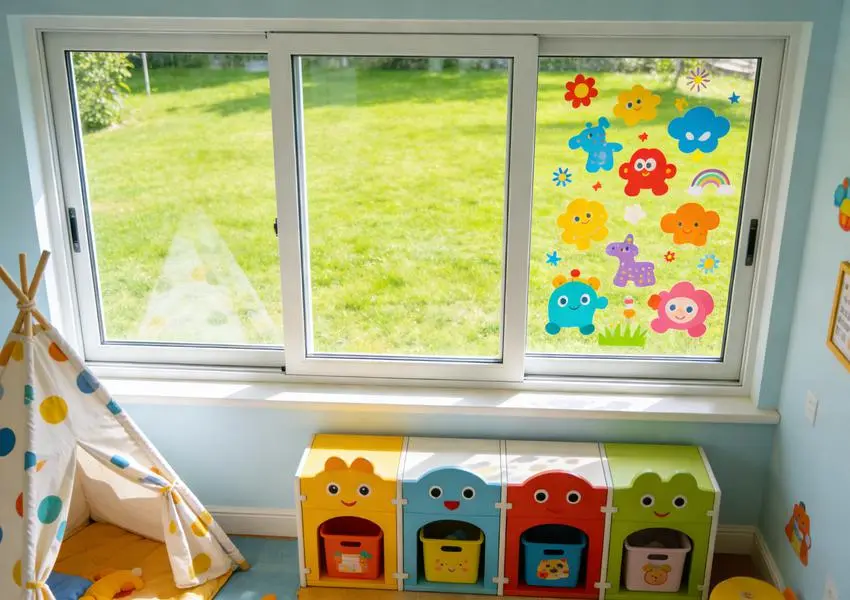
Procurement Guide for Horizontal Sliding UPVC Windows
Supplier Selection Criteria for B2B Buyers
If a supplier can handle project volumes between 500 and 5,000 units without missing delivery dates, that's an indication of their manufacturing capacity. Check the daily output rates and capabilities of the extrusion line, especially during busy building seasons when demand is high. Strategic relationships between suppliers and profile suppliers like CONCH help keep material quality constant and prevent supply chain problems like the ones that happened during recent resin shortages.
When dealing with foreign logistics and customs paperwork, export knowledge is important. Suppliers who have been in the U.S. market for a while know how to get NFRC certification, what AAMA testing is needed, and how energy codes vary from state to state. They keep English-speaking support teams working in time zones that overlap to cut down on contact delays during the project planning phases. They also provide technical data sheets that are formatted for American building officials.
Customization Capabilities and Engineering Support
About 70% to 80% of home projects can be solved with standard product lines. However, business projects often need non-standard sizes or performance upgrades. Check to see if the maker offers custom profile colours besides white and wood-grain finishes. This is especially important for building projects that need brand-specific colour schemes. During the design development stages, being able to change glazing configurations—for example, by choosing decorative grilles between glass panes or replacing single-pane IGUs with triple-pane ones—adds flexibility.
Engineering support goes beyond just helping you choose a product. Expert manufacturers offer reviews of shop drawings, thermal performance calculations for energy modelling software, and structural load confirmations that meet the needs of an engineering stamp. Some suppliers offer on-site installation training or video documentation that shows how to properly install flashing, handle drainage, and apply sealant. These tools help cut down on mistakes and callback costs.
Optimizing Logistics Through Knockdown Packaging
Shipping fully completed window units takes up too much room in containers; the average load size for a 40-foot high-cube container is 180 to 220 windows. By separating frame parts from sashes and hardware, knockdown packing methods make containers 30–40% denser. This method cuts down on freight costs per unit by a large amount, which is a big help when managing landed cost budgets for projects that need thousands of windows.
It takes a little longer to put together—trained installers can usually do it in 12 to 15 minutes per unit—but the cost of labour is still very small compared to the savings in transportation. The knockdown method also lowers the risk of damage during shipping because the different parts nest safely in protective packaging instead of stacking fragile completed units. Buyers should make sure that providers offer both illustrated assembly directions and video lessons that show the right way to connect components.
Warranty Coverage and After-Sales Support
Standard warranties that cover material flaws for five years are the most basic form of protection. However, complete plans cover defects for ten years and include the cost of labour to fix them. Carefully read through the warranty's exclusions, as some companies won't cover problems caused by using unapproved glass sources or gear that isn't the original during installation. Find out if the warranty covers broken glass seals, which can happen with dual-pane IGUs that are exposed to big differences in temperature.
How responsive after-sales support is has an effect on business relationships that last a long time. Test the communication routes during the first stages of the inquiry process. Response times longer than 24 hours for technical questions are a sign that teamwork may be hard during the production stages. Suppliers with customer service teams or regional representatives in the U.S. can solve problems faster than those whose communications must go through offices overseas that work in different time zones.
Maintenance Tips and Longevity Maximization
Routine Cleaning and Track Maintenance
Cleaning the tracks every three months keeps dirt from building up and making it hard to slide. Both the top and lower track lines can be cleaned with a hoover attachment to get rid of sand, dust and debris. After that, use a damp cloth to wipe away any leftover dirt. Do not use harsh chemical cleaners, as they can damage UPVC surfaces or weatherstripping. Keeping the drainage weep holes clear lets water drain properly and stops wetness from building up, which can damage the seal.
Spray oils made from silicone should be used to grease roller systems once a year. Don't use items that are made from oil because they attract dirt and leave behind a sticky film. Put oil on the roller wheels and adjustment screws directly, and then open and close the sash several times to make sure the coating is spread out evenly. For Horizontal Sliding UPVC Window units, this same lubrication routine is especially effective because their heavier sash panels rely on smooth roller movement for daily operation. This easy upkeep step keeps rollers from breaking down too soon, which extends their life.
Weatherstripping Inspection and Replacement
Brush seals and EPDM gaskets keep out air and water, but UV light and changing temperatures wear them down over time. Every year, check the weatherstripping for cracks, compression set or coming off of the fixing channels. Changing the weatherstripping on a window usually doesn't cost more than $15 and doesn't require any special tools. This makes it an easy, low-cost maintenance job that keeps your home energy efficient.
Visible daylight gaps when the window is fully closed, more outside noise, or water getting in during rainstorms are all signs that the weatherstripping needs to be replaced right away. Take care of these problems right away, because letting air in for a long time raises heating and cooling costs, and letting water in for a long time can cause water damage and mould growth inside.
Environmental Factors Affecting Performance
Even though UPVC doesn't rust, salt spray means that hardware needs to be checked more often in coastal installations. Every three months, rinse the outside with clean water to get rid of salt buildup that can form crystals inside the locking devices or roller housings. In dusty areas, where there is a lot of dust, the tracks need to be cleaned more often to keep the rough grit from scratching the roller surfaces.
Performance Disclaimer: Specific thermal, acoustic, and structural performance values depend on individual product configurations, installation quality, and environmental conditions. Always reference certified test reports and engineering calculations specific to your project requirements rather than relying solely on generalized performance ranges.
Conclusion
For strategic window buying to work, technical requirements, supply chain logistics, and total lifetime costs must all be balanced. Horizontal Sliding UPVC Windows have been shown to work well in a wide range of building types when they come from producers with strong quality control and quick tech support. Procurement teams keep costs low and risk to a minimum by focusing on profile thickness, hardware longevity, and glazing designs that work with the climate zones of each project.
Customising frame colours, glass specs, and using knockdown packaging gives developers and general builders the freedom they need to get complicated projects done quickly. Long-term partnerships that work well are built on building relationships with providers who offer clear warranty coverage, thorough technical documents, and help with installation.
FAQ
How does a sliding vinyl window perform in extreme temperatures?
Titanium dioxide stabilisers are added to UPVC formulations to stop them from breaking down at temperatures between -40°F and 140°F. The multi-chamber profile design traps air spaces that keep heat from moving, and the steel support keeps the structure rigid during rounds of expansion and contraction. Problems with performance in harsh conditions can be avoided by installing properly with the right seals and flashing.
Can these windows support triple glazing for enhanced insulation?
Series 80 profile systems can handle insulated glass units that are up to 40 mm thick, which means they can be used in triple-pane configurations that are common in northern climates. Because of the extra weight, heavy-duty roller assemblies with higher load capacities are needed. This should be confirmed with the manufacturer while the specifications are being made. When low-E coatings and krypton gas fillers are added to triple windows, U-factors can drop to 0.8 W/m²K or less.
What security standards do these systems meet?
If your Horizontal Sliding UPVC Windows have multi-point locking systems and anti-lift blocks, they meet PAS 24 compliance, which is the UK standard for better security. The locking system works in at least three frame locations, making the whole perimeter harder to break into. Options like tempered or reinforced windows give you more protection against broken glass.
How do drainage systems prevent water intrusion?
Integrated weep hole systems use hidden drainage paths to send water that gets into the frame cavity back out to the outside. The shape of the staggered weep holes keeps wind-driven rain out while letting any trapped wetness escape. The water management system is finished with sill flashing and exterior caulking that are installed correctly and meet the standards for ASTM E331 water penetration testing.
What maintenance frequency ensures optimal performance?
Cleaning the tracks every three months and lubricating the rollers once a year keep the machine running smoothly for as long as the product is made. Every year, you should check the weatherstripping and replace it if you see any cracks or compression set. Coastal systems should be rinsed with fresh water every three months to get rid of salt buildup. If you follow these upkeep steps, the service will last longer than 25 years.
Partner with Haolv Building Materials for Your Next Project
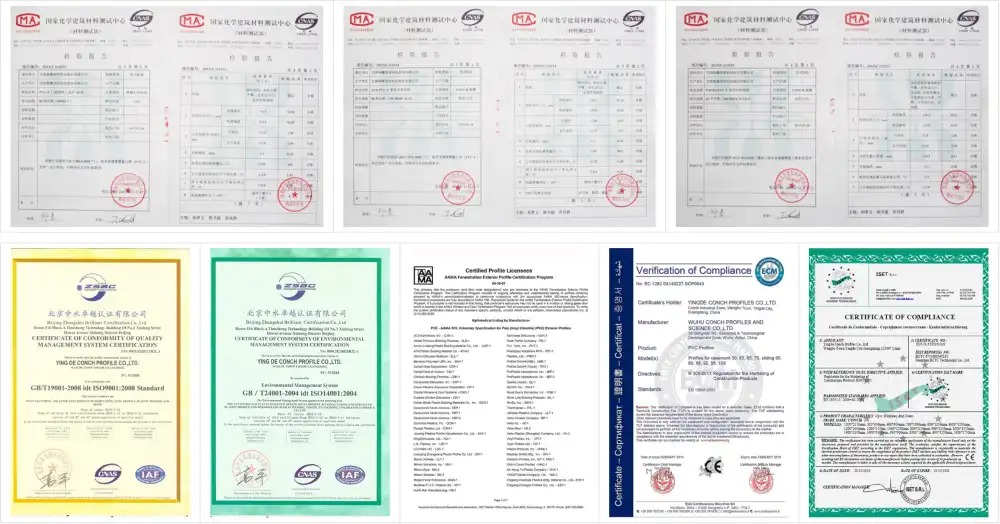
Haolv Building Materials can help you with your window buying problems because they have been making specialised products for 19 years. As a reliable Horizontal Sliding UPVC Window supplier, we know that a project's success depends on more than just low prices. It also needs reliable shipping schedules, full technical support, and consistent products for big orders. Our ISO and CE-certified factory follows quality control rules at every step of the manufacturing process, from extruding the profiles to final assembly and loading the containers.
We can completely customise your order, including non-standard sizes, custom colour matching, and glazing options that can be changed to fit the climate in your area. We do more than just sell products. We also offer detailed technical parameter sheets, installation video tutorials, and illustrated assembly guides that cut down on mistakes in the field and speed up project timelines. Our knockdown packing solutions cut 30% off of transportation costs while keeping the quality of the product while it's being shipped internationally.
Email our expert team at kristin@haolvwindows.com to talk about the details of your project, ask for proof of performance, or set up shipping of samples. Let us show you how smart partnerships with suppliers can turn procurement from a cost center into a competitive edge.
References
1. American Architectural Manufacturers Association. (2021). AAMA 101: Voluntary Standard for Aluminum, Vinyl (PVC) and Wood Windows and Glass Doors. Schaumburg: AAMA Publications.
2. Carmody, J., Selkowitz, S., Lee, E., Arasteh, D., & Willmert, T. (2004). Window Systems for High-Performance Buildings. New York: W.W. Norton & Company.
3. International Code Council. (2021). 2021 International Energy Conservation Code. Country Club Hills: ICC Publications.
4. Lstiburek, J. (2006). Builder's Guide to Cold Climates: Details for Design and Construction. Westford: Building Science Press.
5. National Fenestration Rating Council. (2020). NFRC 100: Procedure for Determining Fenestration Product U-factors. Silver Spring: NFRC Technical Publications.
6. Straube, J., & Burnett, E. (2005). Building Science for Building Enclosures. Westford: Building Science Press.
Fast simple channel to send demands lock favorable price for building window door bulk purchases.