- English
- French
- German
- Portuguese
- Spanish
- Russian
- Japanese
- Korean
- Arabic
- Greek
- German
- Turkish
- Italian
- Danish
- Romanian
- Indonesian
- Czech
- Afrikaans
- Swedish
- Polish
- Basque
- Catalan
- Esperanto
- Hindi
- Lao
- Albanian
- Amharic
- Armenian
- Azerbaijani
- Belarusian
- Bengali
- Bosnian
- Bulgarian
- Cebuano
- Chichewa
- Corsican
- Croatian
- Dutch
- Estonian
- Filipino
- Finnish
- Frisian
- Galician
- Georgian
- Gujarati
- Haitian
- Hausa
- Hawaiian
- Hebrew
- Hmong
- Hungarian
- Icelandic
- Igbo
- Javanese
- Kannada
- Kazakh
- Khmer
- Kurdish
- Kyrgyz
- Latin
- Latvian
- Lithuanian
- Luxembou..
- Macedonian
- Malagasy
- Malay
- Malayalam
- Maltese
- Maori
- Marathi
- Mongolian
- Burmese
- Nepali
- Norwegian
- Pashto
- Persian
- Punjabi
- Serbian
- Sesotho
- Sinhala
- Slovak
- Slovenian
- Somali
- Samoan
- Scots Gaelic
- Shona
- Sindhi
- Sundanese
- Swahili
- Tajik
- Tamil
- Telugu
- Thai
- Ukrainian
- Urdu
- Uzbek
- Vietnamese
- Welsh
- Xhosa
- Yiddish
- Yoruba
- Zulu
Single Slide vs Dual Slide Shower Doors: Which Offers Better Durability and Access?
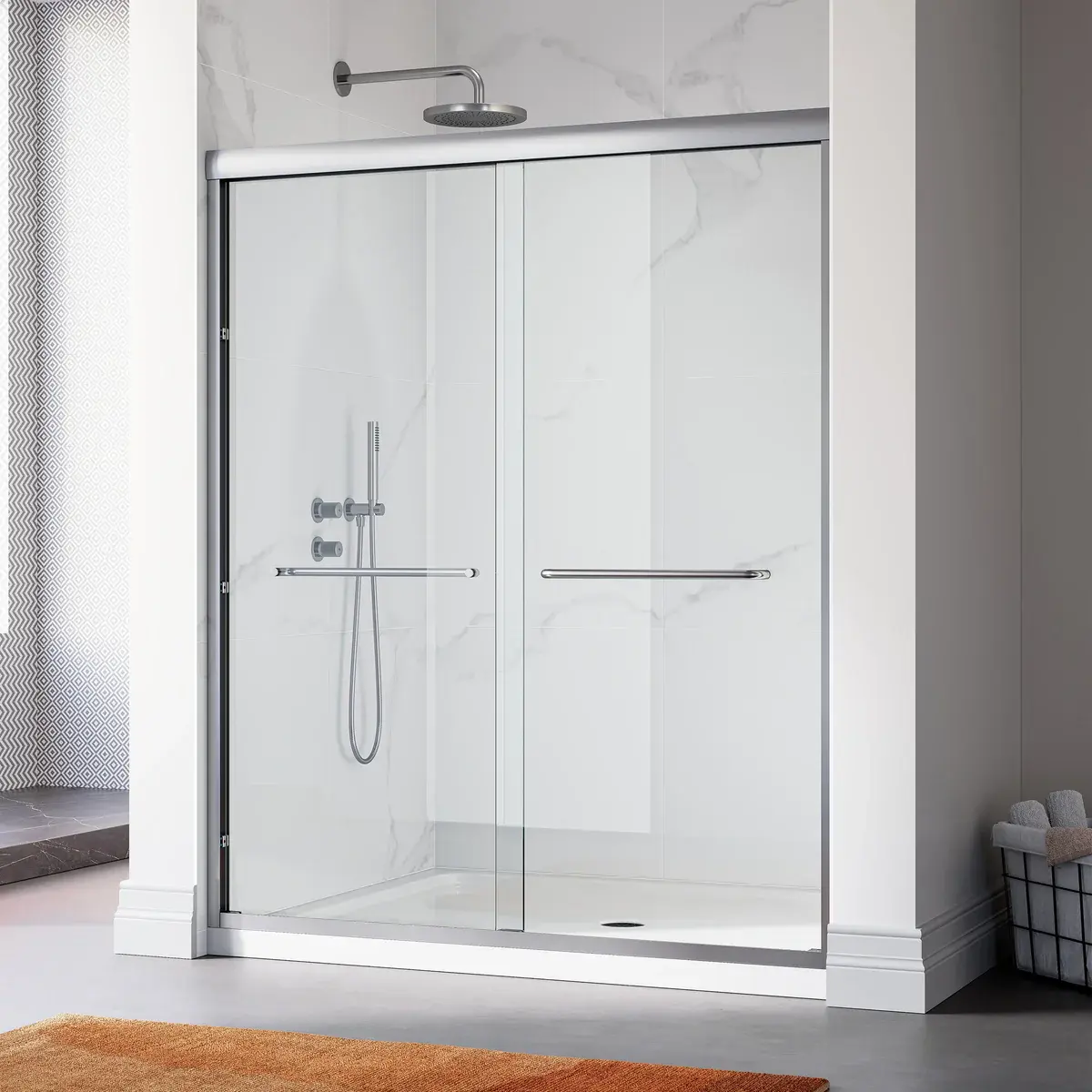
When looking at enclosure options for business and private buildings, the choice between single slide and dual slide configurations affects both how long the enclosure will last and how well it works. A Double Slider Shower Door has two panels that can move separately on parallel tracks. This lets you enter from either way and gets rid of the restrictions that come with fixed panels.
This design lets you use space more effectively, makes it easier to do maintenance, and works with different plumbing layouts that traditional swing or single-slide systems can't. Understanding the structural, mechanical, and logistical differences between these designs lowers procurement risk and makes sure that product specs match the needs of the site. This is especially important for procurement managers who are in charge of large projects.
Understanding Single Slide and Dual Slide Shower Doors
Defining Single Slide Systems
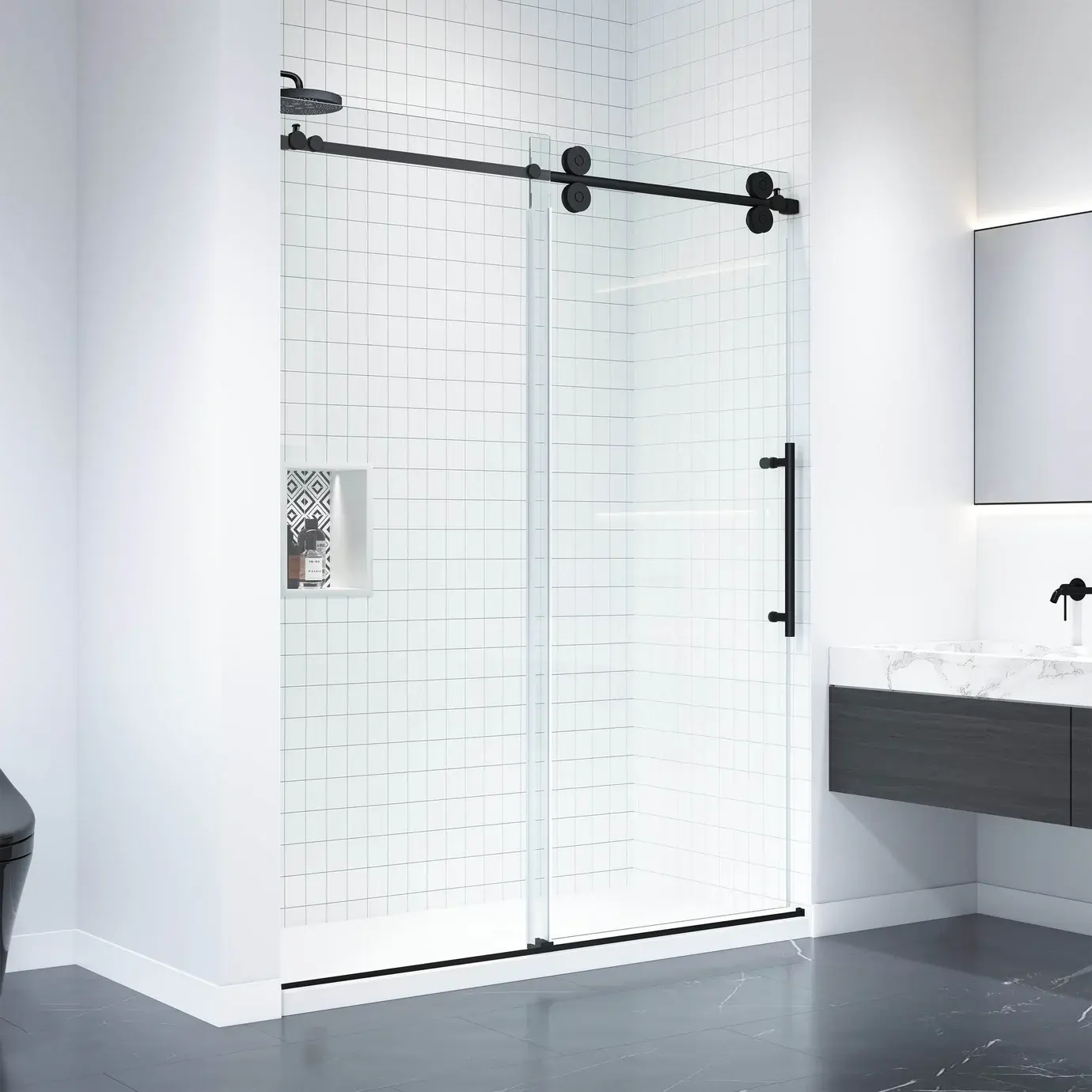
One panel of a single slide door can be moved, and the other panel stays in place and is attached to the frame. The moving mechanism is held in place by a rail system on top and guides at the bottom. These systems are good for simple installations where space limits don't let you use a swing door and the fixed panel only lets one side in. Standard toilets in homes and small hotel rooms are common places to use them, where cost and ease of use are more important than entry flexibility.
Defining Dual Slide Systems and Bypass Configurations
Dual slide systems, which are also sometimes called "bypass" doors, have two panels that move separately along shared or parallel lines. In traditional bypass designs, one panel may have a limited moving range, which makes this arrangement stand out. In order to provide entry points from either side, a true Double Slider Shower Door allows both panels to move freely. This solves important design problems in non-standard layouts where vanities, toilets, or plumbing fixtures block access from one side. The two-action system also makes cleaning easier by letting the panel move all the way around without having to take it apart.
Key Structural Components
Aluminum metal frames, stainless steel roller sections, and tempered glass panels are the building blocks of both systems. However, the hardware complexity of each system is different. For dual slide configurations to work, the track systems must be in sync and the seals must interlock at the panel overlap zone. The best implementations use 6063-T5 aluminum extrusions that don't rust and 304-series stainless steel wheels that are rated to last for a long time. The width of the glass is usually between 6mm and 10mm, and it has to be approved under ANSI Z97.1 or EN 12150 safety standards to make sure it doesn't break when it hits something.
These differences in structure have a direct effect on decisions about procurement. Dual slide systems are better for projects that need to follow universal design guidelines or make the best use of space, while single slide systems may be more important for projects that need to stay within budget. When technical teams know about these trade-offs, they can match enclosure requirements with architectural limitations and user accessibility needs.
Durability Comparison: Single Slide vs Dual Slide Shower Doors
Frame Material and Corrosion Resistance
Commercial enclosures are mostly made with aluminum metal frames because they are strong for their weight and don't break down in damp conditions. The anodization process adds a protective oxide layer that doesn't break down when exposed to water for a long time. In healthcare or hospitality areas with a lot of foot traffic, the wall width affects how long the frame lasts.
Premium systems use 1.2mm to 1.5mm profiles to keep the frames from bowing after repeated use. In dual slide configurations, the stress is spread out over two separate panels, but in single slide configurations, the load is concentrated on one movable element. When quality hardware is used in dual systems, they show more even wear trends over working lifetimes of more than 100,000 cycles.
Glass Strength and Safety Ratings
Modern shower walls must use tempered safety glass, which is four to five times stronger than annealed glass when it comes to impact resistance. The tempering process makes the surface tighten, which breaks the metal into small, flat pieces in a controlled way. This is a key safety feature required by ANSI and EN standards. The thickness of a panel affects both its structural integrity and how well it blocks noise.
8mm glass is stiff enough for most setups, while 10mm glass is best for high-end projects that need better soundproofing and visible weight. To keep the seals working properly at panel overlap areas, dual slide systems need the glass to be perfectly lined up. Tolerances in manufacturing of less than 0.5mm make sure that the contact pressure stays the same at magnetic or brush seal interfaces.
Hardware Longevity and Maintenance Requirements
In moving enclosures, roller systems are the main part that wears out. Stainless steel wheels with high-density nylon or PEEK shells make the machine quiet and don't rust from mineral deposits and soap waste. Double Slider Shower Door systems, in particular, benefit from this design because their dual-panel movement places higher demands on track alignment and wheel durability. Quality systems are tested 100,000 times according to ASTM standards to make sure they keep working well without bearings breaking or tracks deforming.
With two slides, there are twice as many active roller assemblies, which should mean more maintenance points. But if they are installed correctly and the tracks are oiled and debris is cleaned up, both single and dual systems will keep working smoothly for a long time. The important thing is that the hardware is easy to get to—tool-free roller adjustments and wear parts that can be replaced make the system last longer and cause less service interruptions.
To keep performance at its best, maintenance plans should include cleaning the track every three months and checking the rollers once a year. When projects call for dual slide systems, it's best to choose providers that offer full service guides and replacement parts. This way, the systems will be able to be serviced for a long time, which is good for facility management.
Note: The exact performance measures rely on the testing results for each product and the conditions in the environment. For exact information on how long something will last, look at the manufacturer's approvals and third-party proof.
Access and Functionality Analysis
Spatial Efficiency in Compact Layouts
Dual slide systems work great in bathrooms that aren't very big or where the placement of fixtures makes it hard for some people to get to other parts of the bathroom. These enclosures get rid of the "dead zone" that comes with single-slide designs by letting people in from both sides. This is very important for tub-to-shower changes where the plumbing stays the same or for high-end hotel plans where saving room lets you put storage or vanity units next to the enclosure. The two-way entry is also good for ergonomics because users can reach the shower controls or get things without going all the way into the wet area, which lowers the risk of slipping on wet surfaces.
Compliance with Accessibility Standards
Universal design principles and ADA rules stress that bathing facilities should have no barriers to entry and plenty of space for people to move around. Dual slide systems make compliance easier by making the holes bigger when both panels are fully retracted. Even though neither option meets ADA standards by itself—they need extra design elements like curbless entryways and transfer benches—dual panels are more flexible and can accommodate assistive devices and carer help more easily than fixed-panel options. Healthcare and multi-family projects are specifying dual slide setups more and more to be ready for changes in regulations and population trends toward older populations.
Installation Complexity and Service Access
Due to the need to align the tracks and put together two sets of rollers, installing a dual slide system usually takes 10 to 15 minutes longer than installing a single slide system. Verticality tolerances for walls become more important; conditions that are more than 10mm out of plumb need shimming or adjustable mounting brackets to stop panels from sliding on their own. Professional workers with laser levels and dial markers finish jobs on time according to standard building plans.
The long-term benefit shows up during maintenance and replacement cycles: dual panels make it easy to get to all interior surfaces without taking the whole thing apart, which makes re-caulking, replacing seals, and deep cleaning easier. This serviceability means less downtime and lower labour costs for site managers who are in charge of rental homes or hotel renovations.
When project managers are choosing between designs, they should look at the limitations of the site, such as the type of wall material, the size of the rough-in, and the availability of trained installation workers. Suppliers who offer installation support services and pre-made adjustment parts lower the risks that come with completing a difficult job.
Procurement Considerations for B2B Clients
Pricing Structures and Volume Discounts
Unit costs for dual slide systems are usually 20% to 35% higher than those for single slide systems. This is because they need more hardware, seals, and precise manufacturing. But buying in bulk for multi-unit developments opens up tiered pricing structures that make this difference smaller. When you order more than 50 units, you can negotiate prices with manufacturers to cut the cost of each unit by 15% to 25%.
This is especially helpful when standardizing configurations across a portfolio of projects. For example, specifying a Double Slider Shower Door across multiple projects allows purchasing teams to consolidate orders and leverage volume discounts more effectively. Purchasing teams should ask for detailed quotes that break down the frame, glass, and metal parts so that they can find ways to save money by choosing which changes to make or which finishes to choose.
Customization Capabilities and Lead Times
Large projects need enclosures that can be made in a variety of sizes, with different finishes and glass treatments. Well-known companies keep extrusion tools for standard shapes and can also make unique sizes within certain tolerances. Usually, the customization process includes sending building plans to be looked over by engineers, getting approved CAD-verified shop drawings, and finalizing production schedules.
From the time an order is confirmed until it is delivered, the lead time is 25 to 30 days for standard configurations and 35 to 40 days for custom sizes or finishes like matte black or brushed nickel. Suppliers who have their own lines for making glass and extruding aluminum show better control over schedules than dealers who rely on outside suppliers.
Logistical Efficiency Through Modular Packaging
Knock-down packing strategies that lower volumetric weight and container utilization are very helpful for international shipping. When shipped as parts, with frames, glass panels and hardware kits packed in their own boxes, enclosures save 30% to 35% on freight costs compared to units that are already put together. This flexible method also lowers the risk of damage during transport and makes it easier to store things on-site when there isn't a lot of room.
Suppliers who offer assembly directions, installation videos, and technical parameter sheets make sure that on-site workers get the same level of quality, even if they aren't familiar with the product line. When procurement managers are in charge of multi-phase developments, building partnerships with makers that offer these support resources cuts down on the work that needs to be done to coordinate the projects and speeds up the building process.
Evaluating supplier capabilities should include verification of ISO 9001 quality management certification, review of warranty terms covering hardware and glass, and assessment of after-sales support infrastructure. When compared to direct-import arrangements that don't have local technical support, suppliers with North American distribution hubs or service networks are more responsive.
Making the Right Choice: Which Door Meets Your Business Needs?
Industry-Specific Use Cases
Different market groups value different housing characteristics:
Hospitality Projects: Both small boutique hotels and mid-range chains put a lot of emphasis on good design and easy maintenance. Modern bathroom designs look great with dual slide systems that come in chrome or brushed nickel finishes. These systems also make it easy for housekeepers to get to all areas during changes.
Healthcare Facilities: Assisted living and rehabilitation centers need to be designed to be easy for people with disabilities to use. Supporting international design requirements, the two panels make it possible for wheelchair moves and carer help.
Residential Developments: Building multiple homes at the same time is a good way to combine cost concerns with lasting needs. Single slide systems are enough for standard units, but dual configurations are better for premium units or units that need to be accessible because of fair housing laws.
Wholesale Distribution: When it comes to wholesale distribution, companies that bring in building materials and area distributors can meet the needs of a wide range of contractors and projects by keeping both versions in stock.
Customization Options for Differentiation
Modern enclosures can be changed in a lot of ways to meet brand standards or architectural goals. Besides basic chrome, there are other surface finishes like brushed bronze, matte black powder coating, and gold tones that are made by PVD and don't fade. Standard clear toughened glass can be changed to low-iron ultra-clear, frosted obscure, or patterned glass, all of which offer privacy without blocking natural light.
Frame profiles can handle different thicknesses of glass thanks to adjustable channel systems. This means that changes can be made in the future without having to replace the whole case. Magnetic sealing strips with different durometer ratings help keep water in even when the water pressure changes. For a Double Slider Shower Door, these sealing and adjustability features are especially critical, as the dual-panel movement creates more dynamic stress on the frame and seals over time. These factors should be spelt out in the procurement specs early on in the planning process to make sure that the manufacturer's skills match the needs of the project.
Comparative Performance Summary
| Attribute | Single Slide | Dual Slide |
|---|---|---|
| Entry Flexibility | Entry from one side only | Access in both directions |
| Hardware Complexity | Roller assembly made easier | Dual roller systems with tracks that move in sync |
| Time for Installation | Complexity as usual | 10% to 15% more time for setup |
| Maintenance Access | Panel movement is limited | Full access to the inside without taking it apart |
| Cost Differential | Standard prices | 20% to 35% more (volume discounts available) |
| Ideal Applications | Standard home projects that are careful with the budget | Universal design, layouts that don't take up much room, and expensive parts |
These differences help project teams find configurations that meet both functional needs and budget constraints. Technical discussions with sellers can help narrow down these choices based on factors unique to the site and the amount of goods being bought.
Long-Term Maintenance Planning
With regular upkeep, good shelters can work for another 15 to 20 years. Setting up preventive care routines, such as inspecting the seals every three months, lubricating the rollers once a year, and applying glass treatments, keeps the machine's performance and look. To cut down on service calls, facilities management teams should keep extra seals, rollers, and handle parts on hand. When suppliers offer maintenance kits with pre-sized parts that are designed to fit specific installed configurations, it makes buying things easier for companies with a lot of properties.
New technologies include nano-coated glass surfaces that don't let mineral deposits stick to them and antibacterial metal finishes that can be used in healthcare settings. Choosing these high-tech features when you buy something protects setups against changing cleanliness standards and increases the time between cleanings.
Conclusion
In conclusion, when choosing between single slide and dual slide shower enclosures, you have to think about how long you want them to last, how easy they are to get into, and how much money you have to spend. Dual slide systems offer more space flexibility and easier access for maintenance, which justifies their higher cost in situations that need to follow universal design guidelines or make the best use of space. For simple installations that value ease of use and low cost, single slide configurations are still a good choice.
When bought from companies that use high-quality products, precise engineering, and tried-and-true testing methods, both systems last about the same amount of time. When making purchasing decisions, it's important to look at things like a supplier's ability to customize, their help with logistics, and their after-sales service infrastructure. Double Slider Shower Door systems, for example, are no exception—they benefit from the same durability standards when sourced from reputable suppliers. This will make sure that the decisions are in line with corporate risk management and project delivery timelines.
FAQ
What maintenance cost differences exist between single and dual slide shower doors?
There are more hardware parts in dual slide systems, like double the roller assemblies and longer sealing contacts, which should make new parts more expensive. But the real costs of upkeep rely more on how often they are used and the environment than on the type of configuration. Both systems need to be cleaned in similar ways and have their seals replaced on a regular basis. The main cost benefit of dual slide systems comes from saving on labour. Because all interior surfaces can be reached without removing panels, service time is cut by 20% to 30%, which more than makes up for higher parts costs in high-volume facility management situations.
How do safety performance standards apply to commercial shower enclosures?
In the United States, all business enclosures must use tempered safety glass that meets ANSI Z97.1 or CPSC 16 CFR 1201 guidelines for impact protection. These rules say that when something breaks, it has to break into certain shapes, and the pieces can't be bigger than certain sizes to keep people from getting cut. In dual slide systems, you need to pay extra attention to areas where panels meet, because if they aren't lined up right, they could create pinch points. Good designs have chamfered edges and anti-derail devices to keep panels from coming loose. For projects that need to show proof of safety, CE and ISO certificates are third-party proof of compliance.
Can dual slide systems accommodate heavy glass panels exceeding 10mm thickness?
Hardware systems made for 10mm glass usually have roller bearings that are stronger and track lines that are bigger to handle the extra weight. Some makers make heavy-duty configurations that can hold 12mm panels, but installations need solid wall backing that can handle loads that are spread out. When buying ultra-thick glass, procurement teams should check the load ratings from the supplier and ask for engineering calculations to confirm that the wall attachment is strong enough. This is especially important for drywall-mounted installations that need blocking or steel stud reinforcement.
Partner with a Trusted Double Slider Shower Door Manufacturer
Haolv Building Materials has been making specialized building materials for 18 years and works on commercial and residential enclosure projects all over the world. Our factories use automated aluminum extrusion, precise CNC cutting, and quality control systems that are ISO-certified to make enclosures that meet the strict performance needs of North American builders, developers, and wholesalers. For our Double Slider Shower Door systems, we use tempered safety glass that comes in 6mm, 8mm, and 10mm thicknesses, stainless steel roller assemblies that can be used 100,000 times, and waterproof sealing systems that use magnetic and brush seal technologies. You can choose from chrome, matte black, and brushed nickel for the surface finish to fit different design needs.
Our technical team offers free project meetings that include reviewing CAD drawings, providing installation videos, and giving clear instructions on how to put things together in a way that makes them easier to ship and lowers the cost of shipping by 30%. With enough inventory and streamlined production schedules, we can keep lead times between 25 and 30 days from order confirmation to delivery, which helps meet tight construction deadlines.
Customization options include sizes that aren't standard, special glass treatments, and private-label packing for wholesalers who want to build a brand presence in their area. To get detailed parameter sheets, sample shipments, and bulk price that fits your project portfolio, email kristin@haolvwindows.com or visit haolvbuilding.com and ask for a procurement expert. Find out how our network of Double Slider Shower Door suppliers makes sure that deliveries are made on time and that engineers are available to help with multi-phase projects.

References
1. National Glass Association. (2021). Glazing Manual: Tempered Glass Standards and Safety Performance in Commercial Applications. Fairfax, VA: NGA Technical Publications.
2. American Architectural Manufacturers Association. (2020). AAMA 513-18: Voluntary Standard for Sliding Glass Doors in Wet Environment Applications. Schaumburg, IL: AAMA Standards Press.
3. BuildingGreen, Inc. (2019). Durability and Lifecycle Assessment of Aluminum-Framed Shower Enclosures in Multi-Family Housing. Brattleboro, VT: BuildingGreen Research.
4. International Code Council. (2021). 2021 International Building Code: Chapter 24 - Glass and Glazing Safety Requirements. Washington, DC: ICC Publishing.
5. Freedonia Group. (2022). Shower Doors and Enclosures: United States Market Analysis and Forecast to 2026. Cleveland, OH: The Freedonia Group Industry Studies.
6. Hanley Wood, LLC. (2020). Specifying Sliding Shower Enclosures: Hardware Performance and Maintenance Considerations for Commercial Projects. Washington, DC: Hanley Wood Professional Publications.
Fast simple channel to send demands lock favorable price for building window door bulk purchases.