- English
- French
- German
- Portuguese
- Spanish
- Russian
- Japanese
- Korean
- Arabic
- Greek
- German
- Turkish
- Italian
- Danish
- Romanian
- Indonesian
- Czech
- Afrikaans
- Swedish
- Polish
- Basque
- Catalan
- Esperanto
- Hindi
- Lao
- Albanian
- Amharic
- Armenian
- Azerbaijani
- Belarusian
- Bengali
- Bosnian
- Bulgarian
- Cebuano
- Chichewa
- Corsican
- Croatian
- Dutch
- Estonian
- Filipino
- Finnish
- Frisian
- Galician
- Georgian
- Gujarati
- Haitian
- Hausa
- Hawaiian
- Hebrew
- Hmong
- Hungarian
- Icelandic
- Igbo
- Javanese
- Kannada
- Kazakh
- Khmer
- Kurdish
- Kyrgyz
- Latin
- Latvian
- Lithuanian
- Luxembou..
- Macedonian
- Malagasy
- Malay
- Malayalam
- Maltese
- Maori
- Marathi
- Mongolian
- Burmese
- Nepali
- Norwegian
- Pashto
- Persian
- Punjabi
- Serbian
- Sesotho
- Sinhala
- Slovak
- Slovenian
- Somali
- Samoan
- Scots Gaelic
- Shona
- Sindhi
- Sundanese
- Swahili
- Tajik
- Tamil
- Telugu
- Thai
- Ukrainian
- Urdu
- Uzbek
- Vietnamese
- Welsh
- Xhosa
- Yiddish
- Yoruba
- Zulu
Sliding Windows: what they are and When to Choose Them
One or more screens slide horizontally along tracks in sliding windows, making them a useful way to let light in. They are also easy to operate and don't block the view. The aluminum two track sliding window is the most popular choice in business and industry settings. It has two parallel tracks that can hold glass panels and, if desired, bug screens. This design allows for good air flow while keeping the structure strong, which makes it a good choice for builders, contractors, and marketers who want fenestration systems that work well. Knowing how these windows work and what they're used for helps buying teams make sure that project goals and price limits are met.
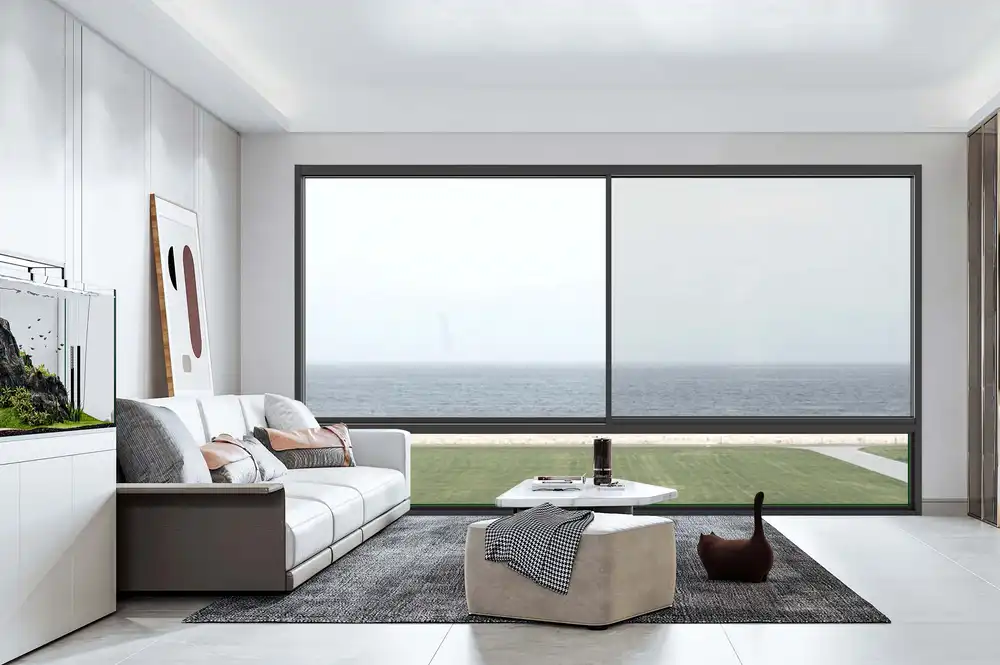
Understanding Aluminum Two Track Sliding Windows
What Defines a Two-Track Configuration?
A aluminum two track sliding window system has two different rail tracks inside the frame. This lets the glass sashes and screens move separately. This split keeps things running smoothly without any problems, which are common with single-track options that don't have this separation. Durable nylon rollers are usually fixed on stainless steel axles in this design, which makes rolling easy and quiet even when it's used a lot.
Using 6063-T5 aluminum alloy and profile widths between 1.4mm and 2.0mm gives the strength needed to hold big glass units without warping over time. This structural accuracy is very important for business projects because operational longevity and stability of dimensions have a direct effect on upkeep costs and the happiness of building occupants.
Core Components and Technical Specifications
The structure of a metal slide window system shows that it was carefully designed. Frames made of 6063-T5 metal are strong and easy to work with at the same time. This lets them be extruded into thin shapes that let the most light in. Single-glazed toughened glass or double-glazed units with air gaps between 12mm and 20mm are both choices for glass. These gaps help keep heat in and noise out. Multi-point locking systems, which usually have hook bolts that engage with guard plates, are safer than simple latch systems.
EPDM gaskets placed around the edges of the sashes create weathertight seals. Integrated weep systems with check valves stop condensation and rain from getting in by letting water drain naturally. Technical staff can check if a certain series, like 70, 80, or 90 profiles, meets project load standards and performance thresholds by understanding these specs. Profile series numbers usually go with frame depth, which affects the maximum width of the glass and the ways that thermal breaks can be integrated.
Customization Capabilities for Diverse Projects
The needs of projects are very different, from standard home builds to custom business installations. Aluminum two track sliding window systems can handle this range of conditions by offering many design choices. The sash can be up to 1500 mm wide and 2400 mm high, as long as the roller load rates match the glass weight estimates. Surface treatments like powder coating, anodizing, or PVDF treatments keep the color consistent and protect against rust, making them good for seaside or industrial settings. Hardware choices, like wheel types and lock setups, change based on the amount of security and how often the system is used. This adaptability is very important for wholesalers who have a lot of different clients and for contractors who are in charge of organizing multi-phase projects.
Key Benefits of Aluminum Two Track Sliding Windows for B2B Clients
Durability and Structural Longevity
Aluminum's natural features make it a good choice for a number of problems that come up when buying aluminum two track sliding windows. Because it doesn't oxidize, the material stays strong in wet or salty environments where ferrous metals would rust. Aluminum doesn't bend, rot, or attract pests like wood does, so it lasts longer and requires fewer replacements and guarantee claims. When you combine extruded shapes with corner joining methods like hydraulic crimping with two-component adhesives, you get frames that can handle wind loads and changes in temperature without compromising the integrity of the seals. These qualities lead to lower lifecycle costs, which is an important thing for real estate companies to think about when they are handling properties with long ownership terms.
Energy Efficiency and Thermal Performance
Thermal bridging is a big problem for windows with metal frames. Polyamide thermal breaks are put between the inside and outside metal parts of advanced aluminum two track sliding window systems to stop heat from flowing in the right direction. U-values can drop below 2.5 W/m³K when Low-E coated double glass is added. This meets strict energy rules in all of North America. Less heat movement means less work for the HVAC system, which saves money on utilities over the life of the building. These performance measures become very important when bulk buyers are looking for green building certifications or energy-efficient housing programs.
Another benefit that is related to energy is acoustic protection. Sound Transmission Class (STC) scores of about 35dB are reached by double-glazed units with uneven air gaps. This lowers noise pollution in office towers and hotel projects in cities. This feature makes people more comfortable without adding extra pieces of glass, which saves money on projects and meets the requirements of the specifications.
Cost-Effectiveness in Large-Scale Procurement
When used on a large scale, aluminum devices are cost-effective. Extrusion methods make it possible to make profiles consistently, which lowers the cost per unit as the number of orders rises. This is a big benefit for contractors who need to buy hundreds of units for apartment buildings. Recyclability of materials is in line with environmental standards and helps recover value at the end of their useful life. Unlike wood or composite options that need to be refinished on a regular basis, aluminum only needs to have its tracks cleaned and rollers oiled every so often. This means that property managers don't have to spend as much on running costs. All of these things make the value offer stronger for importers and wholesalers who are negotiating prices with end customers.
Comparing Aluminum Two Track Sliding Windows with Other Window Types
Material Performance: Aluminum vs. Vinyl and uPVC
Vinyl and uPVC windows are popular in some home markets because they are cheaper up front, but aluminum two track sliding windows are better in many ways. Aluminum frames stay the same size over a bigger range of temperatures, which keeps the sash from warping, which can happen with vinyl systems in harsh regions. The material's strength-to-weight ratio lets sightlines be thinner, which increases glass area and natural light flow, which is a modern architectural choice in business design. Vinyl is naturally insulating, but metal with thermal breaks is just as good at keeping heat in while holding the heavier glass loads needed for floor-to-ceiling installations.
Operational Advantages Over Single-Track Systems
Because only one sash can move at a time, single-track setups make it harder to change how things work. Aluminum two track sliding window systems let each panel move on its own, which means that up to 50% of the hole can be seen through, compared to 33% for single-track designs. This better airflow is very important in places like factories that need to move air quickly or homes that focus on natural cooling methods. With the separate screen track, you don't need to use removable aftermarket mesh options. This makes upkeep easier and keeps the overall look consistent.
Supplier Landscape and Procurement Considerations
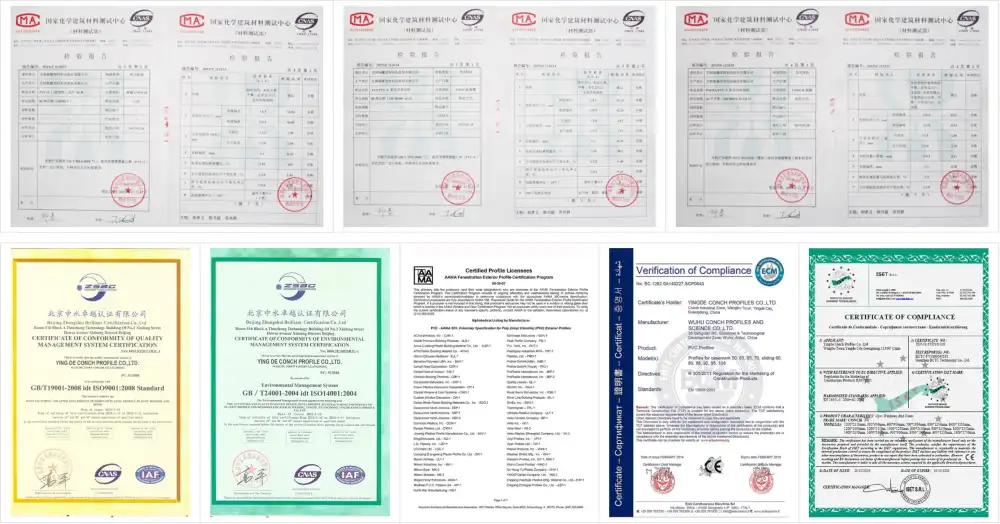
To find the right provider, you need to know about their quality control and manufacturing skills. Reputable makers use ISO-certified methods for testing raw materials, making sure extrusion limits are met, and checking the assembly. By buying directly from the factory, you can avoid the markups that distributors add, which helps wholesalers and contractors make more money and keeps track of what they're buying. When evaluating suppliers, you should look at their international experience, how much they can produce to meet shipping dates, and case studies from projects that are similar to yours. This research lowers the risk of buying things and sets up reliable supply lines for orders that will be placed again and again.
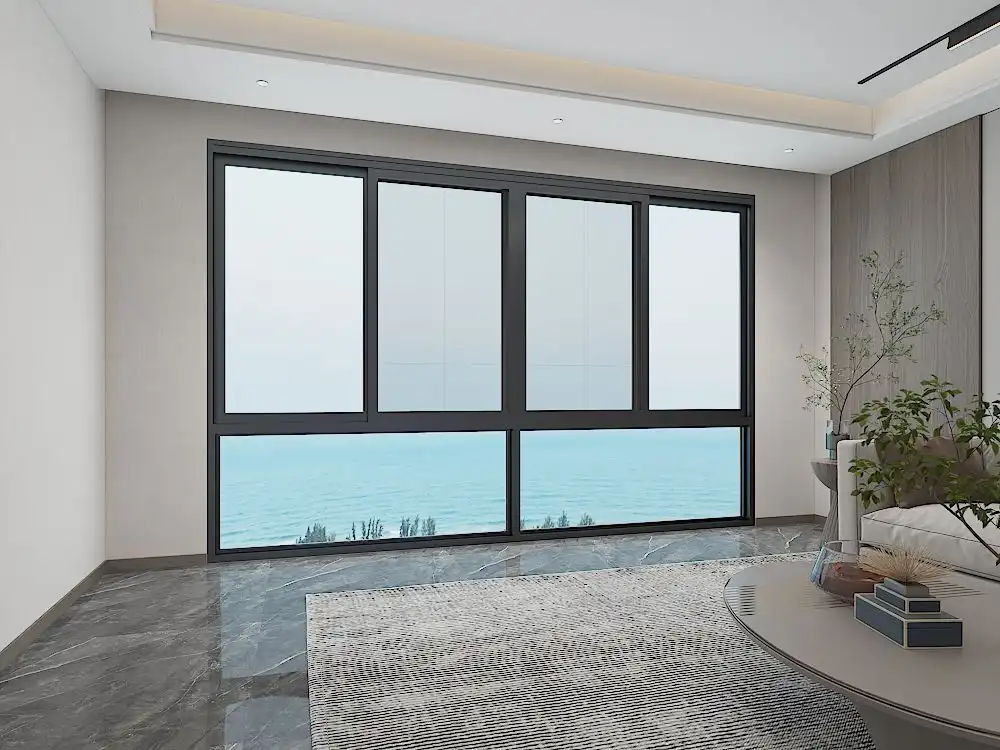
Installation, Procurement, and Customization Guide
Installation Best Practices and Common Challenges
To install a aluminum two track sliding window correctly, you must first accurately measure the rough hole and check that the frame is straight. For wind load transfer, aluminum frames need structural support that is strong enough. This is usually done by fixing brackets to reinforced studs or concrete bases. Shimming makes sure that everything is level and straight, which stops practical binding and seal compression failures. Problems that often happen are bad sill flashing, which lets water in, and not placing enough backer rods at border joints, which makes the sealing less effective. To solve these problems, glazing contractors and general builders need to work together, which shows how important pre-installation talks and detailed shop plans are.
Procurement Strategies for Bulk Orders
Buying in bulk means finding a balance between saving money and making sure the quality is good. Before placing a big order, asking for samples lets the technical team check the smoothness of the rollers, the tightness of the gaskets, and the quality of the finish. When setting prices, containerization benefits should be taken into account. Full-container-load (FCL) exports are more cost-effective per unit than less-than-container-load (LCL) plans. It's important to carefully read over payment terms and warranties. Reliable sellers usually offer performance warranties that cover flaws in materials and labor for five to ten years. Setting clear delivery dates with penalties helps keep project deadlines safe from factory delays.
Customization Options and After-Sales Support
Customization goes beyond changing the size of something; it also includes making it work better. Hardware upgrades, like stainless steel rollers for use near the coast or hidden locking systems for a more basic look, can be used to make windows fit their surroundings. Color matching to building themes through RAL or custom powder coating makes sure that the design stays the same on all of the faces. Distributors who work with a wide range of contractors can benefit from technical support services like structural estimates, thermal modeling, and assembly training. Post-delivery support, which includes finding new parts and helping with problems, builds long-term ties with suppliers and lowers risk for everyone.
When to Choose Aluminum Two Track Sliding Windows: Decision-Making Factors
Project-Specific Performance Requirements
Criteria for selection must match how the building will be used. Wind resistance and water tightness are important for high-rise domestic projects, so the aluminum two track sliding window must be tested to ASTM E283 and E331 standards. When commercial companies want to save energy and keep noise down, they specify frames that are thermally broken and glass units that are sealed. In industrial settings, longevity and low upkeep may be more important than aesthetic appeal, and standard finishes may be accepted in exchange for strong building. When window specs are matched to practical needs, there is no over-specification or under-specification.
Cost-Benefit Analysis and Long-Term ROI
The total cost of ownership includes the cost of buying the item, paying someone to install it, saving money on energy costs, and repairs. Aluminum two track sliding window systems may cost more up front than plastic ones, but they last longer and need less upkeep, so they usually give better returns over 20 years. Every year, thermal breaks and energy-efficient windows save enough energy to cover the original costs of the installation. The terms of the warranty affect how the risk is distributed; full coverage lowers the risk of having to pay for repair costs caused by defects. To explain their choices to stakeholders, procurement teams should use project-specific factors to model these variables.
Regulatory Compliance and Future-Proofing
As time goes on, building rules get tighter about safety and energy use. Choosing windows that meet the latest National Fenestration Rating Council (NFRC) marking rules and any local changes makes sure that the building permit is approved and keeps you from having to pay for expensive repairs. Choosing systems that can meet future requirements is based on predicting regulation trends, like limits on embodied carbon or better storm resistance. Suppliers who have testing licenses and technical paperwork can speed up the compliance check process, which makes it easier for architects and engineers to get approvals.
Conclusion
Aluminum two track sliding windows are good for business, industrial, and domestic use because they are structurally strong, work well, and can be designed in a variety of ways. Their two-track design, strong 6063-T5 metal build, and ability to be customized meet the most important requirements for B2B procurement: dependability, low cost, and stable supply chain. Technical staff, buying managers, and project planners can make choices that are in line with project requirements and budget limits when they compare different material options and know what needs to be done during installation. Buying from reputable companies that have a track record of making things and offer a wide range of support services lowers the risk of buying things and makes sure that fenestration systems work as planned for their whole life.
Disclaimer: Certain performance traits, like thermal transmittance values, acoustic rates, and structural load capacities, depend on the specific design of the product and should be checked against approved test reports and engineering data sheets that makers provide.
FAQ
Q1: What maintenance steps keep sliding mechanisms operating smoothly?
A: Cleaning the tracks once a year gets rid of the dust and dirt that builds up and makes them less slippery. Using a vacuum with a crevice tool to clean out drainage pathways keeps water from pooling. By using dry silicone lube on roller parts instead of oil-based ones that attract dirt, the smooth gliding action is kept up. Weathertight seals can be kept up by checking EPDM gaskets for compression set and replacing old parts.
Q2: How do thermal breaks improve energy efficiency?
A: Thermal breaks are made up of low-conductivity polyamide strips that separate the inside and outside metal parts. These strips block the flow of heat. This lowers the frame's total U-value, which means that less heat is lost through thermal bridges. When mixed with Low-E double glazing, systems meet or beat the energy efficiency standards set by the IECC and ASHRAE 90.1.
Q3: Can these systems accommodate insect screens?
A: The two-track form naturally supports installing an integrated screen. One track holds the glass panels, and the track next to it holds a moving mesh screen. This way, you don't need any removable or extra screening options. This combined method keeps the look consistent and makes things easier to do.
Q4: What maximum dimensions are feasible for sliding sashes?
A: The largest size of a sash is limited by its profile series and roller load ratings. When paired with heavy-duty tandem rollers, systems with wall thickness profiles of 1.8mm to 2.0mm can usually handle sashes that are up to 1500mm wide and 2400mm high. If you go beyond these limits, you have to do structure calculations to make sure the building can handle the wind load and is safe to use.
Q5: Are there choices for customization for big business orders?
A: Non-standard sizes, custom RAL color matches, hardware improvements, and glazing specs that meet acoustic or thermal performance goals are just some of the many ways that the product can be customized. Manufacturers with in-house technical support can work with project teams to create shop drawings and structure studies that make sure windows fit in perfectly with the rest of the building.
Partner with Haolv Building Materials for Reliable Aluminum Sliding Window Solutions
To streamline your fenestration procurement, you need a source with both manufacturing knowledge and quick technical help. Haolv Building Materials has been making aluminum two track sliding windows for more than 18 years and has state-of-the-art casting equipment and quality control that is ISO-certified. Our relationship with top material sources guarantees stable profile quality, and automatic assembly systems make sure accuracy on a large scale, which is very important for builders who have to stick to tight project schedules.
Our engineering team can help you with technical questions, performance estimates, and thorough shop drawings, whether you need standard layouts for housing developments or unique solutions for business complexes. Email our experts at kristin@haolvwindows.com to talk about requirements, get certified test data, or set up shipping of samples for testing. We offer affordable price systems made for bulk purchases to wholesalers, distributors, and builders all over North America.
References
1. American Architectural Manufacturers Association. Fenestration Systems Performance Testing Standards: AAMA/WDMA/CSA 101/I.S.2/A440-17. Schaumburg: AAMA, 2017.
2. Carmody, John, Stephen Selkowitz, Eleanor S. Lee, Dariush Arasteh, and Todd Willmert. Window Systems for High-Performance Buildings. New York: W.W. Norton & Company, 2004.
3. National Fenestration Rating Council. NFRC 100-2020: Procedure for Determining Fenestration Product U-factors. Greenbelt: NFRC, 2020.
4. Lstiburek, Joseph W. Builder's Guide to Cold Climates: Details for Design and Construction. Westford: Building Science Press, 2006.
5. Straube, John, and Eric Burnett. Building Science for Building Enclosures. Westford: Building Science Press, 2005.
6. Glass Association of North America. GANA Glazing Manual. Topeka: GANA, 2019.
Fast simple channel to send demands lock favorable price for building window door bulk purchases.