- English
- French
- German
- Portuguese
- Spanish
- Russian
- Japanese
- Korean
- Arabic
- Greek
- German
- Turkish
- Italian
- Danish
- Romanian
- Indonesian
- Czech
- Afrikaans
- Swedish
- Polish
- Basque
- Catalan
- Esperanto
- Hindi
- Lao
- Albanian
- Amharic
- Armenian
- Azerbaijani
- Belarusian
- Bengali
- Bosnian
- Bulgarian
- Cebuano
- Chichewa
- Corsican
- Croatian
- Dutch
- Estonian
- Filipino
- Finnish
- Frisian
- Galician
- Georgian
- Gujarati
- Haitian
- Hausa
- Hawaiian
- Hebrew
- Hmong
- Hungarian
- Icelandic
- Igbo
- Javanese
- Kannada
- Kazakh
- Khmer
- Kurdish
- Kyrgyz
- Latin
- Latvian
- Lithuanian
- Luxembou..
- Macedonian
- Malagasy
- Malay
- Malayalam
- Maltese
- Maori
- Marathi
- Mongolian
- Burmese
- Nepali
- Norwegian
- Pashto
- Persian
- Punjabi
- Serbian
- Sesotho
- Sinhala
- Slovak
- Slovenian
- Somali
- Samoan
- Scots Gaelic
- Shona
- Sindhi
- Sundanese
- Swahili
- Tajik
- Tamil
- Telugu
- Thai
- Ukrainian
- Urdu
- Uzbek
- Vietnamese
- Welsh
- Xhosa
- Yiddish
- Yoruba
- Zulu
Why Aluminum Casement Windows Boost Home Curb Appeal?
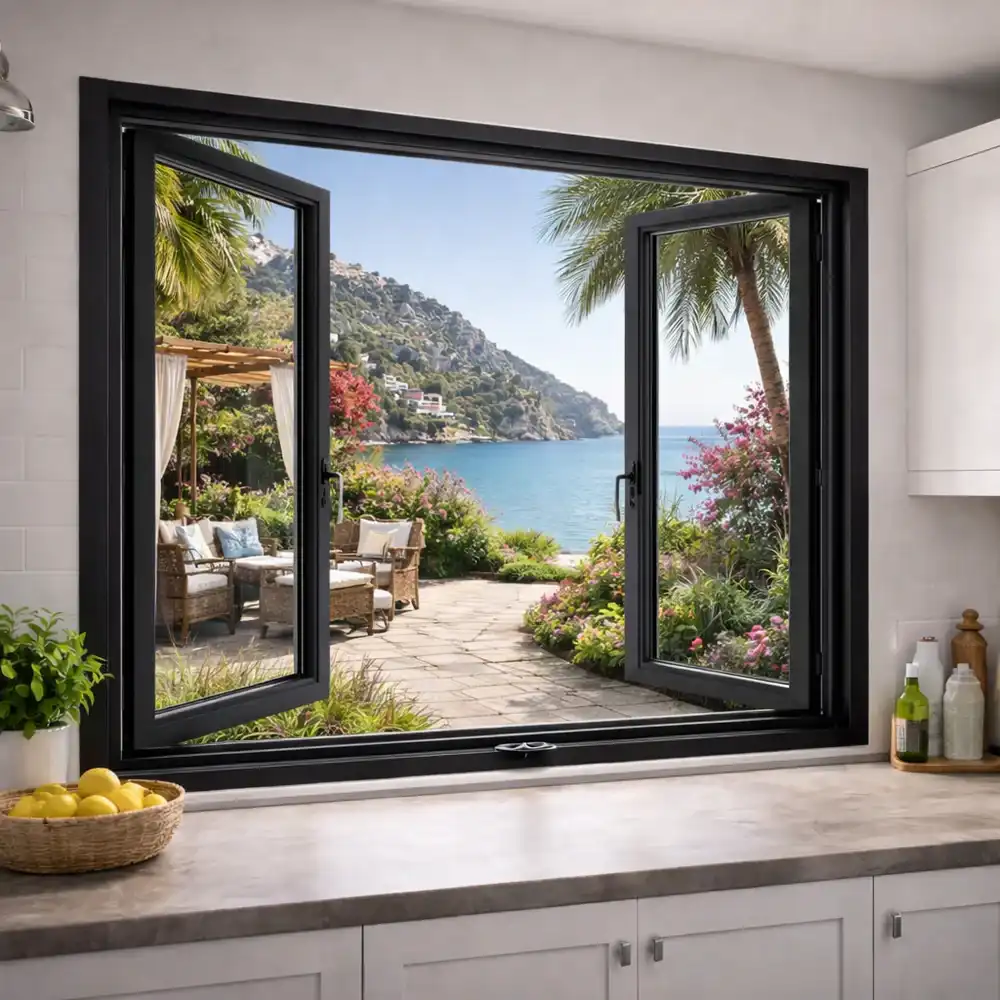
Aluminum flush windows and casement windows are now the most popular choice for builders and developers who want to improve the look of a building while still meeting performance standards. The flush sash design makes the outside shape smooth and clean, and it lines up perfectly with the frame. This gets rid of any visible clutter and makes the most of the glass area for natural light. These windows are made from 6063-T5 aluminum alloy and are 1.4–2.0 mm thick. They are structurally stable and resistant to corrosion, which makes them perfect for modern home and business projects where public appeal affects property value and marketability.
Understanding Aluminum Casement Windows and Their Unique Features
Aluminum casement and flush windows made of aluminum are flexible options that meet both structural needs and design goals. Because of how the material is naturally made, it can have thin profiles without affecting its structural stability, which is very important when large glass areas are needed.
The Engineering Behind Flush Sash Design
When you close a window with flush sash design, the window sash is level with the outside frame, making a single surface. This design technique does two things: it looks like old-growth wood while also using current thermal break technology. The precisely designed 6063-T5 aluminum extrusions keep their shape even when the temperature changes, which stops the bending problems that come with using other materials. A profile thickness of between 1.4mm and 2.0mm gives enough strength-to-weight ratios to survive wind loads while allowing thinner sightlines than uPVC options.
Casement Operation and Ventilation Efficiency
Casement windows can open inwards or outwards and don't block air flow like slide systems do. Almost the whole frame can be used as an air path thanks to the opening system. This makes cross-ventilation work well in homes and businesses. Multi-point locking systems with shoot-bolt mechanisms keep the sash in place along the frame's edge at several spots. This spreads the stress evenly and keeps the weather seal strong over time.
Material Advantages Over Traditional Options
The fact that aluminum doesn't rot like wood does means that it costs less to maintain over its lifetime. Unlike uPVC, which can change color or break when exposed to UV light for a long time, powder-coated or anodized metal keeps its color and surface structure. The material can be recycled, which meets LEED certification standards and helps reach sustainable goals without lowering efficiency. Powder coating, anodizing, wood grain finishes, and PVDF are some surface treatment choices that can be used to make the product fit the needs of the project while also protecting it from external damage.
Key Benefits of Aluminum Casement Windows for Enhancing Curb Appeal
The way Aluminum flush windows look has a big effect on how people think about a home, especially in competitive real estate markets where style differences are important. Aluminum casement windows add to the curb appeal of a home in more ways than one, and these factors go beyond how they look on the outside.
Slim Profiles and Maximum Glass Area
Modern metal systems have sightlines that are less than 60 mm, which means that 15–20% more glass is visible than with standard frames. This increased openness makes the inside brighter and gives the outside a more polished look. The thin profiles go well with modern architecture styles that value clean lines and few visual distractions. This is a style that is becoming more and more common in high-end residential and business developments.
Customizable Finish Options
Standard powder painting in white, black, gray, or custom RAL colors is one of the surface treatments that can be used. Other options include wood grain transfers that look like real wood and anodized finishes that look like metal. Because of this, window systems can be used to accent or match the building's current elements. Different finishes on the inside and outside of the panel allow it to match both inner and exterior design themes without changing the way it looks from the outside.
Thermal Performance and Energy Efficiency
Optional thermal breaks made of PA66 polyamide strips put up a wall between the inside and outside metal sides to stop heat from moving. When you use double glass (5+12A+5) with argon or air-filled cavities, you can meet current energy rules and make the building more comfortable for the people who live or work there. Better thermal performance lowers the load on the HVAC system, which lowers prices and helps with environmental standards. When used in business, these energy qualities often lead to higher property values and faster lease-up rates.
Durability in Challenging Environments
Aluminum doesn't rust, which makes it a great choice for projects near the coast or in industrial areas where salt spray or pollution can speed up material breakdown. Tested to EN 12208 Class 9A standards, EPDM gasket closing systems stay airtight and watertight even when it rains hard and in the wind. Because the material is dimensionally stable, seals don't shrink or gaps form over time. This means that performance traits stay the same throughout the lifecycle of the building. This makes it last longer, which cuts down on upkeep and replacement needs, which are important factors that buying professionals consider when figuring out the total cost of ownership.
Performance Note: The exact thermal, structural, and weather resistance values rely on the design of the product. For project-specific uses, these values should be checked against maker test results and certifications.
Comparative Analysis: Aluminum Casement vs. Other Window Types
When making choices about what to buy, it helps to know how aluminum casement windows compare to other materials in a number of ways that affect the results of the job and its long-term value.
Structural Comparison with uPVC Systems
uPVC windows are less expensive to install and work well enough for most situations. But Aluminum flush windows offer higher moment of inertia, which stops the sash from dropping over time—a typical way for uPVC systems to break after 10 to 15 years of use. Aluminum's structural strength lets single sashes be bigger without needing to be reinforced on the inside. This makes manufacturing and installation easier and lowers the risk of thermal bridges. For projects that need a stable look across different hole sizes, metal profiles stay the same size, while uPVC profiles need to be heavier.
Maintenance Requirements Versus Timber
Timber flush windows have a real vintage look, but they need to be painted or refinished every so often, usually every couple of years based on how much they are used. Aluminum systems with factory-applied finishes get rid of this need for upkeep, which lowers lifetime costs even though they cost more up front. Because the material doesn't swell, shrink, or rot, working limits and the efficiency of the weather seal don't need to be changed. For property managers who are in charge of more than one building, this means lower running costs and fewer problems for tenants.
Lifecycle Considerations
The choice of material affects when to change it and how many resources are used over the life of the building. Aluminum's sturdiness can make it last a lot longer than vinyl or normal uPVC, which can delay the cost of replacing windows. The material can be recycled over and over again without losing any of its quality. This supports the ideas of the circular economy and makes it appealing to makers who want to get environmental approvals. Not only should buying workers look at the cost of the materials, but they should also think about how often they will need to be installed, how often they will need to be maintained, and how they will be thrown away when they are no longer useful.
Procurement Insights: How to Source and Purchase Aluminum Casement Windows
Strategic supplier selection and specification creation are key to successful buying because they help balance performance needs, budget limits, and project timelines. When setting up sourcing models that lower risk and guarantee project success, think about the following things.
Identifying Qualified Manufacturers
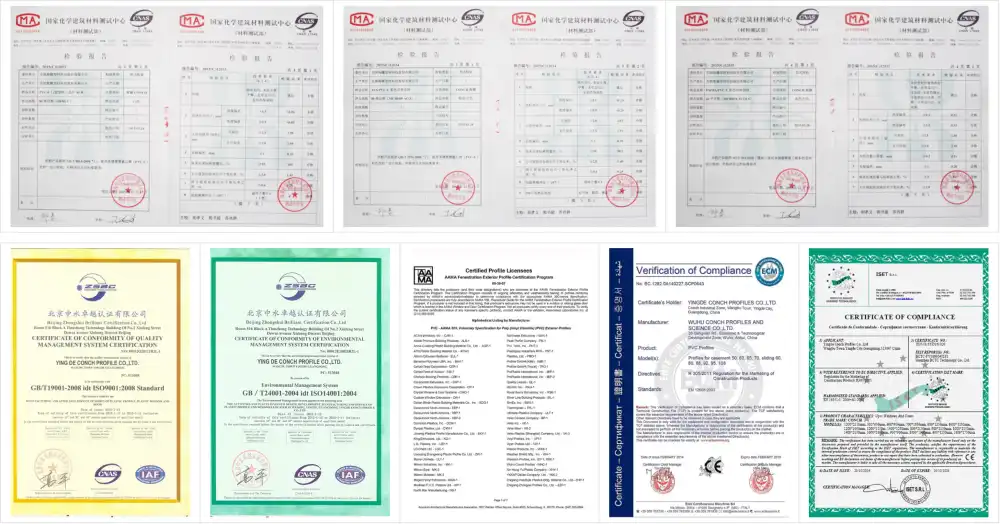
Through ISO certificates and testing records, certified producers show that they meet international quality standards. Verification of production capabilities, such as extrusion lines, CNC cutting equipment, and automated assembly systems, shows that the company can regularly handle large project numbers. When a maker has worked with similar types of customers in the past, it shows that they understand local building rules, climate issues, and aesthetic tastes. Before placing big orders, make sure the production quality systems are solid by asking for facility checks or inspection reports from a third party.
Specification Development and Customization
Clear instructions for Aluminum flush windows keep people from misunderstanding each other and make sure that the goods provided meet the needs of the project. Early on in the buying process, decide on the profile series (60, 70, or 80 series, depending on performance needs), glass options (tempered, laminated, or double-glazed), hardware quality levels (standard vs. premium), and finish types. When it comes to complicated projects, manufacturers that offer deep customization can make standard systems fit non-standard opening sizes or work with certain curtain wall systems, which adds value. Technical advice during the creation of specifications helps find possible problems or ways to make things better before they are made.
Pricing Structure and Volume Considerations
When you buy in bulk, the price per unit usually goes down by 10 to 25 percent, though this depends on the size and complexity of your order. Ask for detailed quotes that break down the prices of materials, finishing, hardware, and packing to find out what drives costs and where you can negotiate. Lead times from order confirmation to delivery are usually between 25–30 days for basic setups. If you want custom finishes or hardware, this time frame may be longer. Set clear payment terms, delivery dates, and checking procedures in purchase deals to avoid problems with quality or delays.
Warranty and Post-Sale Support
Full guarantees that cover flaws in the materials, finish wear, and hardware function lower the risk. Standard guarantee terms depend on the parts and can be anywhere from 2 to 10 years. More expensive systems may offer longer coverage. Check to see how quickly the maker responds to technical questions, whether installation instructions are available, and whether they can provide new parts. Building connections with suppliers that offer ongoing help during and after the project's execution cuts down on the time needed to solve problems and keeps the project moving forward.
Case Studies and Real-World Success Stories
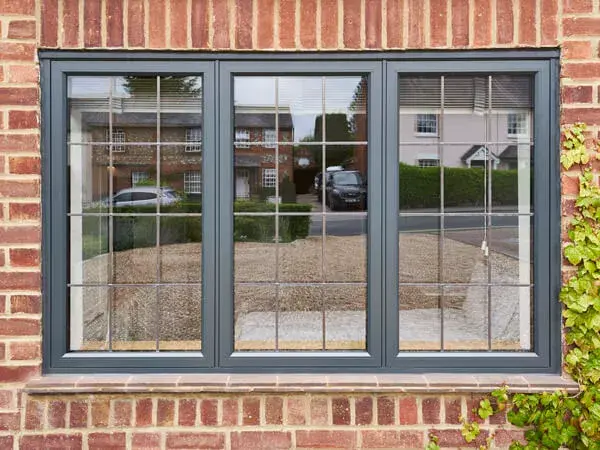
Real-life examples show that aluminum casement windows can offer measured results in a wide range of project types and market groups. This gives procurement teams confidence when they are looking at different specification choices.
Commercial Office Renovation Project
Single-pane steel windows were replaced with aluminum flush casement systems with thermal breaks and double glass in a mid-rise business building in the Midwest. The makeover cut the heating loads in the outer zones by 30% and made the front of the building look a lot better. Surveys of tenants showed that they were happier with the amount of natural light and the amount of road noise. The flush outer profile kept the building's traditional look while also passing current energy rules. This kept the building from having to file expensive variance applications. When the project was finished at the same time as the rental rounds, the effects of vacancies were kept to a minimum, and the investment paid off within the first lease term.
Coastal Residential Development
Marine-grade powder-coated metal casement windows were chosen for a high-end home project near the coast so they could withstand salt spray and rain driven by the wind. The flush sash design went well with modern architecture, and the corrosion-resistant finish got rid of the upkeep issues that came with older wood window installs. After three years of service, yearly checks showed that the finishes or seals were still working well, which proved that the right materials were chosen. Homeowners said they didn't have to do much maintenance, which increased property worth and buyer happiness in a high-end market category.
Multi-Unit Housing Complex
A builder who was making 200 apartments chose metal casement windows so that they would look the same on all unit kinds and elevation treatments. The manufacturer's ability to handle big orders with custom colors for accent pieces made sure that the goods were delivered on time, in line with the schedule for building. The assembly teams said that the light profiles were easier to work with and took less time to put together than projects that used heavier materials in the past. After the building was finished, energy tracking showed that it met the thermal performance standards set by the designers. This supported the development's green building approvals and marketing positioning.
Conclusion
Aluminum flush windows, especially those with smooth sashes, have a lot of benefits for projects that need to look good and work well. The mix of thin profiles, finishes that can be customized, good energy efficiency, and long life makes them useful in both business and domestic settings. The qualities of the material allow for design freedom that is hard to find in wood and uPVC, and they also require little upkeep over long service lives. Strategic buying that focuses on certified makers, clear specs, and full support systems makes sure that projects are completed successfully. Investing in high-quality metal systems pays off by making a property look better, lowering operating costs, and ensuring that the building continues to meet the needs of the market as it changes.
FAQ
Q1: Are aluminum flush windows suitable for cold climates?
A: Using PA66 polyamide strips for thermal break technology stops heat from moving between the inside and outside metal faces, getting U-values that meet energy codes for cold climates. Adding double or triple glazing makes heat insulation even better. If you choose the right thermal break level and glazing units, your building will work well in areas that are mostly heated.
Q2: How does sound insulation compare to other window types?
A: Sound reduction is mostly determined by the shape of the glass and not by the material of the frame. A lot better soundproofing is achieved with laminated glass or uneven double-glazing systems. When the right glass is used, the airtight sealing given by EPDM seals stops flanking noise from traveling. This means that metal systems are as good as or better than other options.
Q3: What warranty coverage should be expected?
A: Standard warranties usually cover flaws in the manufacturing process for two to five years. Premium finishes come with a warranty that protects against fading or chalking for ten years or more. Hardware parts usually come with their own guarantees that cover how they work mechanically. Before choosing a provider, make sure you carefully read the warranty terms to understand what the coverage doesn't cover, how to file a claim, and what the upkeep requirements are.
Partner with Haolv Building Materials for Your Aluminum Window Needs
Every Aluminum flush windows project that Haolv Building Materials works on is backed by 18 years of experience in the business. Our cutting edge factories use CNC machines for precise work, automated assembly systems, and strict ISO-certified quality control to give North American general builders, developers, and system providers consistent results.
We are a seasoned maker of Aluminum flush windows, and we can make any RAL color you want them in powder painting, anodizing, or wood grain. Because we work with top material sources, we can guarantee that the 6063-T5 aluminum alloy meets the requirements for structural strength and rust resistance. In addition, our engineering team offers free technical advice and CAD drawing coordination.
We regularly support project plans by keeping enough inventory on hand and delivering within 25–30 days. To talk about your needs, get product samples, or set up a factory check, email our buying experts at kristin@haolvwindows.com. Let us show you how our Aluminum flush windows can improve the look and function of your next job.
References
1. Architectural Aluminum Manufacturers Association (AAMA). "Performance Standards for Aluminum Fenestration Systems." Technical Manual Series, 2021.
2. National Fenestration Rating Council (NFRC). "Energy Performance Certification for Window and Door Products." Industry Guidelines, 2022.
3. Building Research Establishment (BRE). "Thermal Performance of Metal-Framed Window Systems with Thermal Breaks." BRE Digest Series, 2020.
4. American Institute of Architects (AIA). "Material Selection Criteria for High-Performance Building Envelopes." Architectural Practice Guidelines, 2021.
5. Construction Specifications Institute (CSI). "Aluminum Window and Door Specification Best Practices for Commercial Projects." MasterFormat Division 08, 2022.
6. International Code Council (ICC). "Energy Conservation Requirements for Fenestration in Commercial and Residential Buildings." International Energy Conservation Code Commentary, 2021.
Fast simple channel to send demands lock favorable price for building window door bulk purchases.