- English
- French
- German
- Portuguese
- Spanish
- Russian
- Japanese
- Korean
- Arabic
- Greek
- German
- Turkish
- Italian
- Danish
- Romanian
- Indonesian
- Czech
- Afrikaans
- Swedish
- Polish
- Basque
- Catalan
- Esperanto
- Hindi
- Lao
- Albanian
- Amharic
- Armenian
- Azerbaijani
- Belarusian
- Bengali
- Bosnian
- Bulgarian
- Cebuano
- Chichewa
- Corsican
- Croatian
- Dutch
- Estonian
- Filipino
- Finnish
- Frisian
- Galician
- Georgian
- Gujarati
- Haitian
- Hausa
- Hawaiian
- Hebrew
- Hmong
- Hungarian
- Icelandic
- Igbo
- Javanese
- Kannada
- Kazakh
- Khmer
- Kurdish
- Kyrgyz
- Latin
- Latvian
- Lithuanian
- Luxembou..
- Macedonian
- Malagasy
- Malay
- Malayalam
- Maltese
- Maori
- Marathi
- Mongolian
- Burmese
- Nepali
- Norwegian
- Pashto
- Persian
- Punjabi
- Serbian
- Sesotho
- Sinhala
- Slovak
- Slovenian
- Somali
- Samoan
- Scots Gaelic
- Shona
- Sindhi
- Sundanese
- Swahili
- Tajik
- Tamil
- Telugu
- Thai
- Ukrainian
- Urdu
- Uzbek
- Vietnamese
- Welsh
- Xhosa
- Yiddish
- Yoruba
- Zulu
Thermal break casement window solutions suitable for coastal homes with salt air exposure
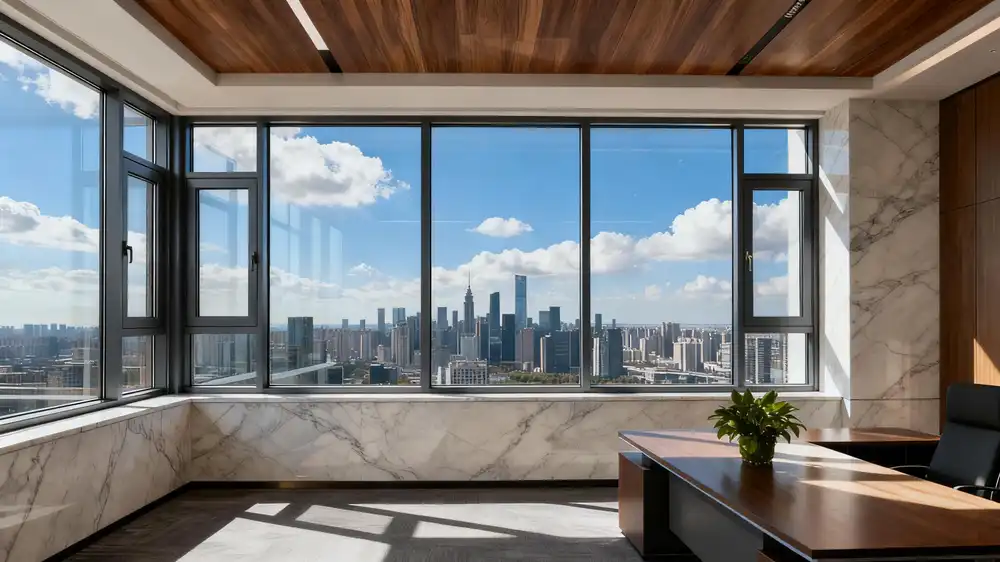
Coastal properties demand fenestration solutions engineered to withstand aggressive environmental conditions while maintaining superior energy performance. A Thermal Break Casement Window represents a critical advancement for salt air exposure scenarios, integrating a polyamide thermal barrier within reinforced aluminum profiles to interrupt thermal conductivity while simultaneously resisting corrosive elements. This specialized construction addresses two fundamental challenges: preventing heat transfer that drives energy costs upward and combating chloride-induced degradation that shortens window service life in marine environments. Our 18-year manufacturing experience at Haolv Building Materials has demonstrated that properly specified thermal break systems can reduce replacement frequency while delivering measurable energy savings across residential, commercial, and hospitality projects situated in demanding coastal zones.
Understanding Thermal Break Casement Windows and Their Benefits for Coastal Environments
The Core Principle Behind Thermal Break Technology
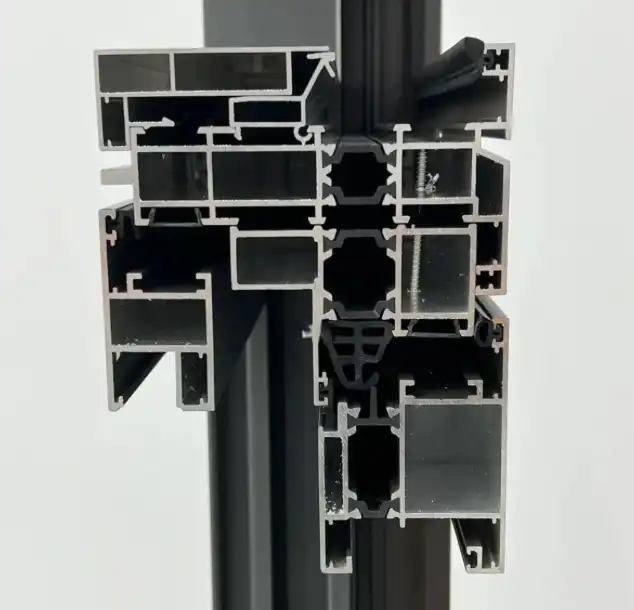
The main improvement in Thermal Break Casement Window design is the way its metal profiles are put together from different parts. Traditional metal frames made of a single piece conduct heat quickly, leaving cold spots in the winter and letting heat in during the summer. The thermal break stops this path by putting a polyamide strip (usually PA66GF25 strengthened with glass fiber) between the metal parts on the inside and outside. When paired with the right glass packages, this low-conductivity barrier lowers the U-factor by a large amount, often to values below 0.30 Btu/(hr·ft··°F). The 6063-T5 aluminum material we choose has the structural strength for bigger window designs and can be treated on the outside in a number of ways that protect it from ocean wear and tear.
Energy Performance in Marine Climates
Changing temperatures are worse along the coast because of the winds and the closeness of big bodies of water. Thermal break windows keep the temperature on the inside of the window more stable, which lowers the risk of dampness that can cause mold to grow and damage to the frame. Testing from sites along the Atlantic and Gulf Coasts shows that HVAC loads are cut by 28 to 42% compared to options that don't have thermal breaks. With compression seals at the sash-frame contacts, the multi-layer EPDM sealing system we use keeps air out at rates below 0.10 cfm/ft² at 25 mph wind pressure, much higher than what the building code requires. This lack of air flow immediately leads to lower operating costs over the life of the building.
Corrosion Resistance Through Integrated Design
Chloride ions are carried by salty air and speed up the rusting process in metals that are not protected. The thermal break design protects by keeping the inside parts from being directly exposed to salt, and the outside areas get special treatments. Our powder coating method, which meets AAMA 2604 standards, makes a finish that lasts and isn't damaged by UV light or chemicals. When metal is anodized, a protected oxide layer grows right on top of it. This is another tried-and-true method for places with a lot of exposure. The polyamide thermal bridge is not made of metal and can't be damaged by galvanic rust. This gets rid of a common way that older window designs fail. Marine-grade stainless steel alloys are used in hardware parts so they can keep working properly even after being exposed to salt water all the time.
Challenges of Coastal Environments and How Thermal Break Casement Windows Solve Them?
The Chemistry of Salt Air Deterioration
Sodium chloride particles that are floating in the air near the coast settle on building surfaces, including those of a Thermal Break Casement Window. When wind, rain, or humidity adds water, an electrolyte solution is made. This salty climate speeds up electrical processes between metals that are not the same and weakens protective layers by increasing osmotic pressure. In harsh naval environments, standard metal windows that don't have enough surface protection start to pit and rust within 3 to 7 years. When salt crystals form under coats, they break down paint systems by causing cracking and delamination. As rust products raise friction and weaken load-bearing parts, mechanical parts like doors, locks, and operators become stuck and break before they should.
Comparative Performance: Thermal Break vs. Standard Systems
In coastal applications, Thermal Break Casement Windows that don't have thermal break technology have two major flaws that make them less secure. While the continuous metal shape transfers heat, it also forms a cold bridge where humidity inside the structure condenses, keeping the moisture inside and speeding up rusting from the inside. When the outside temperature drops below 45°F and the inside humidity rises above 40%, condensation problems usually happen on windows that don't have thermal breaks. Our thermal break window systems get rid of this cold bridge, which keeps the inside of the frame warmer and stops water from building up. Comparing similar window sizes in tests done by a third party showed that thermal break units cut heat loss by 55–65% and increased the corrosion-free service life in areas with direct salt spray by 8–12 years.
Advanced Surface Treatments for Marine Durability
Choosing the right surface finishes is still very important for seaside windows to last a long time. Electrostatically charged polymer particles are used in our normal powder coating process. These particles cure into a continuous film that is thicker than 60 microns, which is a lot thicker than most paint treatments. Polyvinylidene fluoride (PVDF) coats are the best choice because they keep colors better and are more resistant to chemicals. This was proven in tests that mimicked 20+ years of Florida weather. When you anodize aluminum, you make an oxide layer that is built into the metal and can't be separated. The 6063-T5 metal makeup we choose gives constant anodizing effects and great protection to rust. Architectural bronze, champagne, and black finishes are all available and keep their look even in tough environments.
Material Selection Impact on Long-Term Value
The total cost of ownership is directly affected by the choices made about procurement during the project design phase. In 2018, we were hired to build a seaside lodge. The elevations that faced the ocean needed PVDF-coated thermal break casements, and the sides that were protected needed powder-coated units. After five years of exposure, the PVDF units don't show any change in color or surface wear and tear. In contrast, similar buildings with windows that don't block heat needed a lot of upkeep. We use multi-layer EPDM seals that don't break down in UV light and stay flexible at all temperatures, unlike cheaper rubber materials that harden and crack after 4 to 6 years. Changing hardware to marine-grade stainless steel costs a little more up front, but it saves money in the long run because you won't have to repair rusted operators and locks or deal with the problems they cause.
Disclaimer: Specific performance characteristics and service life expectations depend on individual product testing, installation quality, local exposure conditions, and maintenance practices. Consult technical data sheets and third-party test reports for project-specific validation.
Selecting the Best Thermal Break Casement Windows for Coastal Homes
Critical Decision Criteria for B2B Procurement
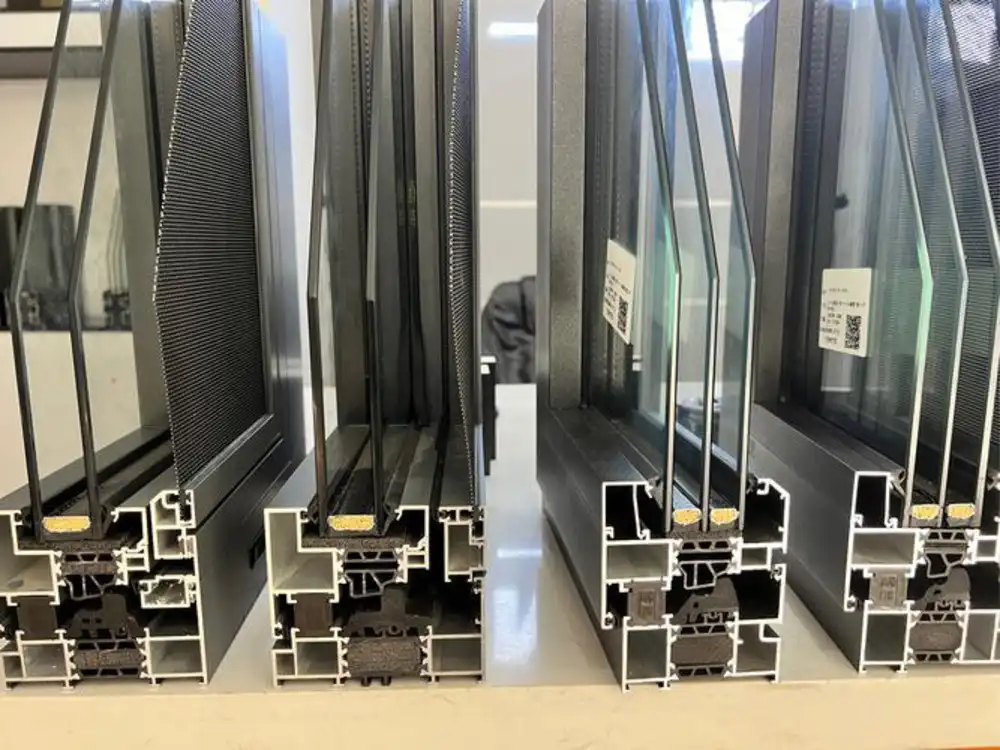
When technical staff are looking at Thermal Break Casement Windows for use in coastal settings, they should put a number of performance factors at the top of their list. Profile width, which ranges from 1.4 mm to 2.0 mm, affects how well the structure can hold up against bigger gaps and wind loads that are typical in coastal areas that are exposed to the elements. The thermal break width—usually 20 to 30 mm in our 70, 80, 100, and 120 series—has a direct effect on thermal performance. Breaks that are bigger have lower U-factors. Specifications of the glass are very important. Double glazing with low-emissivity coats works well in mild temperatures, while triple glazing saves money in places where heating or cooling needs top 4,000 degree-days per year. Laminated glass choices protect against storm damage and make high-value seaside homes safer.
Certification Requirements and Compliance Standards
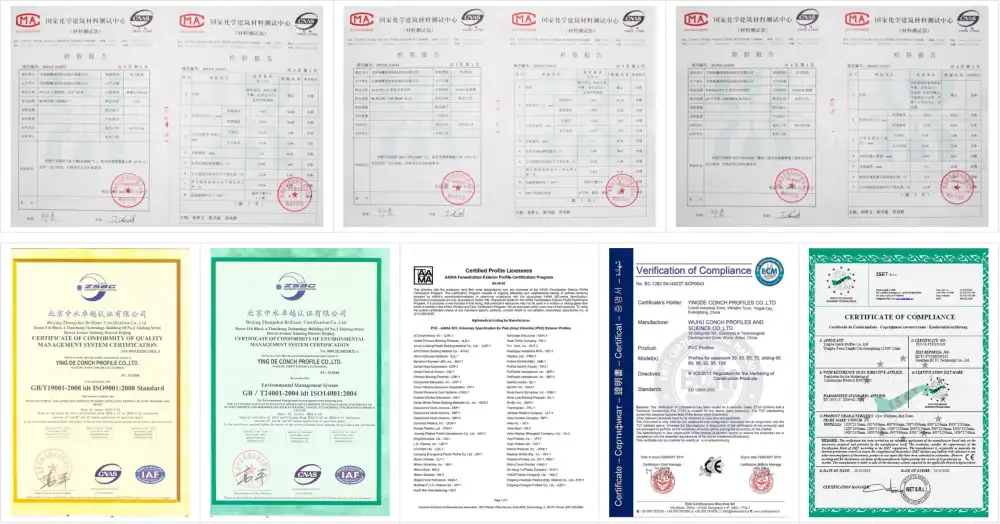
For energy efficiency proof, U.S. projects need windows that pass NFRC (National Fenestration Rating Council) testing guidelines. Our production includes NFRC-certified designs for a number of different shape types. This gives purchasing managers verified U-factor, Solar Heat Gain Coefficient, and Visible Transmittance data. The American Architectural Manufacturers Association (AAMA) sets basic requirements for structural strength, water entry, and air leakage in standards 101 for performance testing and 611 for optional specifications. Building rules say that areas along the coast that are called "Wind-Borne Debris Regions" must have impact-resistant glass and more thorough structure testing. ISO 9001 certification shows that the company manages quality in its manufacturing processes, and testing paperwork for each product helps meet the standards for submissions during the bids and permit stages.
Comparing Window System Alternatives
Knowing how thermal break casement windows stack up against other types of windows helps support decisions about specifications:
- Thermal Break Casement vs. Non-Thermal Break Aluminum: The thermal bridge cuts heat flow by 60–70% and protects against rust by isolating components. In climate-controlled buildings, price increases of 25–35% are recouped in energy saves in 6–9 years.
- Thermal Break Casement vs. uPVC Windows: Aluminum systems are stronger for bigger spaces and stay the same size across a wider range of temperatures. uPVC can turn yellow in coastal areas with a lot of UV light, and it doesn't come in as many colors as metal, which can be finished in a wide range of colors.
- Thermal Break Casement vs. Sliding Systems: Casement setups have better air penetration rates because they contract all the way around the outside. Sliding windows use brush or fin seals, which let more air leak out and make climate-controlled areas less energy efficient.
- Thermal Break Casement vs. Fiberglass: Both materials are good at keeping rust away. Aluminum thermal break systems have thinner sightlines, which increases the amount of glass and views, and more customization choices for business projects that need specific design features.
The casement style of operation gives you more control over ventilation than fixed or folding options. You can direct airflow where it's needed while keeping the window weathertight when it's closed.
Evaluating Manufacturers and Distribution Networks
Choosing the right supplier has a big effect on the success of a project. When compared to providers who haven't worked in a marine setting before, established makers with proven seaside sites lower purchase risk. Some important things to look at when judging a company are its ability to meet tight deadlines for projects, its ability to be customized for non-standard sizes or shapes, and its expert help during the whole process of specifying and installing the product. With local stock, regional distribution networks cut down on wait times and shipping costs while speeding up warranty service. Ask for case studies from coastal projects that are similar to yours, as well as references from general builders or developers who can confirm timely delivery, product quality, and response to support requests after installation.
Installation and Maintenance Best Practices for Coastal Thermal Break Casement Windows
Corrosion-Resistant Installation Techniques
If you follow the right steps for installing Thermal Break Casement Windows, they should work as intended when exposed to cold air. When preparing a rough hole, sealing materials must be used that fit into the window's outer frame or lip and form a continuous drainage plane. For screws that go through metal frames, you should use stainless steel screws with neoprene or EPDM caps to keep water out of the connection points. Picking the right sealant is very important. Silicone or polyurethane mixtures that are rated for marine exposure keep their stickiness and flexibility even when exposed to UV light and salt water.
Do not use steel bolts, metals that are not the same without isolating them, or lubricants that are not rated for use outside near the coast. These common mistakes cause galvanic rust cells or let water in, which lowers the performance of the window. Shimming the frame correctly keeps it straight, which makes sure that the sash is aligned and the seal is compressed evenly around the window's edge. Installing teams should check that the trim can be opened and closed and that the weatherstripping is in touch before finishing the inside and outside.
Routine Maintenance Protocols
Coastal sites do better with cleaning and inspections every three months. When you rinse frames, hardware, and glass with fresh water, you get rid of salt deposits before they build up and speed up rust. Mild detergents get rid of organic buildup without hurting seals or protection coats. Hardware parts like hinges, locks, and operators need to be oiled with moisture-resistant grease on a regular basis to keep them running smoothly and stop salt from building up and binding them. Although quality EPDM seals usually last 15 years or more in coastal settings, they should be checked for damage or compression set.
Drainage weep holes at the sill need to stay clear so water can get out. Blocked weeps cause water to build up inside the frame, which can damage the wall parts. Every year, thorough checks should be done to note any harm to the paint, seals that are wearing out, or hardware problems that need to be fixed. Taking care of small problems right away keeps them from getting worse and needing expensive fixes or replacement before they're due.
Warranty Coverage and Support Services
Standard guarantees for thermal break windows usually cover metal parts for 5 to 10 years, the stability of the frame and sash for 10 to 15 years, and failure of the protected glass seal for 10 to 20 years. Coastal locations may have different guarantee terms because they are exposed to tougher conditions. Carefully read the warranty paperwork to understand what it covers and what it doesn't cover. Companies that offer longer guarantees for water settings show that they are sure their products will last. Support services should include expert help during installation, quick responses to guarantee claims, and new parts that can be found for as long as the product is expected to work. These support factors have a big effect on the total cost of ownership, especially for bigger business or multi-family home projects where broken windows can make it hard to work.
Procurement and Cost Considerations for B2B Buyers
Price Structure and Budget Optimization
Pricing for Thermal Break Casement Windows is based on a number of factors that purchasing managers can adjust to get the best results. Base costs rely on which profile series you choose. For example, 70 series units with 20mm thermal breaks are cheaper than 120 series units with 30mm breaks, even though the 120 series units use less energy. The type of glass has a big effect on the price. Standard double glazing is the base price; low-E finishes add a modest amount of cost; triple glazing or laminated impact-resistant glass raises prices by 40 to 65%. When it comes to price, surface treatments go in order: powder coating is the least expensive, anodized finishes cost 15–25% more, and PVDF coats cost 35–50% more.
When a job involves more than 100 to 150 units, volume savings are possible. There are also price breaks for basic setups instead of full custom specs. If you choose the right materials, like marine-grade stainless steel gear, the price goes up 8 to 12 percent, but you won't have to pay for replacements in the future. Casement versus tilt-turn working hardware is another cost decision point. Tilt-turn mechanisms add complexity and cost, but they can do two things at once, which is useful in some situations.
Lead Times and Delivery Logistics
Standard shape setups from well-known manufacturers usually ship 25 to 30 days after the order is confirmed. Lead times can go up to 6 to 10 weeks if you need custom colors, sizes that aren't standard, or changes to the specifications. This depends on how long the production queue is. When setting delivery windows, coastal projects should think about how long it takes for goods to travel and any delays caused by bad weather. For bigger orders, sending by container to port towns is cheaper, but truck freight is faster for smaller orders or places in the middle of the country.
With U.S. warehouses or regional delivery hubs, suppliers can cut down on wait times and provide extra stock for building plans that are broken up into stages. Coordinating delivery windows, the state of the building's weatherproofing, and the availability of the installation crew stops delays that cost a lot of money or bad storage that could damage goods before they are installed. Manufacturers can plan their production well and meet critical path standards when they have clear information about project timelines during sourcing.
Assessing Supplier Reliability and Reducing Risk
When looking at possible providers, you should check their manufacturing certifications (ISO 9001, product-specific NFRC labels), make sure they can meet your production needs, and see if they are financially stable. Ask for full product specs along with technical sketches that show how the thermal break is built, how the seal works, and what the metal parts are. Case studies of finished coastal projects show what the seller can do and how well the product works in the right circumstances. Talk to sources directly. Project managers and general contractors can give you honest information about how suppliers communicate, how problems are solved, and the quality of the work that may not be in official documents.
Ask providers about how they test for defects, what tools they use, and how often they do this. Find out how the mix of stock parts to custom production affects lead times and freedom. For future service needs, make sure you understand the guarantee terms, how to file a claim, and what parts are available. Technical help from suppliers during standard development, shop plan review, and installation advice adds a lot of value that goes beyond the cost of the product itself. Clear conversation about strengths, weaknesses, and reasonable delivery times helps find trustworthy partners who stick to project plans and budgets.
Conclusion
When choosing the right Thermal Break Casement Windows for seaside areas, you need to think about how well they work in terms of energy efficiency, resistance to rust, and long-term value. The built-in temperature shield lowers operating costs by providing better insulation, and the complex design keeps inside areas from being exposed to salt air. Marine-grade gear, advanced surface treatments, and high-quality closing systems make these windows last a lot longer than regular metal windows.
When making a purchase choice, people should compare the original costs to the total costs of ownership. They should also keep in mind that higher standards often provide better value by reducing the need for upkeep and replacement more often. Coastal projects gain from working with experienced makers who know how to deal with problems in the sea environment and can offer expert help during the planning, installation, and management phases of the building.
FAQ
How do thermal break windows reduce energy costs in coastal buildings?
The nylon thermal barrier stops heat from moving through the metal frames, which cuts thermal transfer by 60–70% compared to designs that don't have thermal breaks. When combined with the right glass, this lowers U-factors to below 0.30 Btu/(hr·ft··°F), which means that HVAC loads are greatly reduced. Multi-layer EPDM plugs keep air from leaking in, so conditioned air doesn't escape. Coastal structures usually use 28–42% less energy, and the return time is less than ten years.
What makes thermal break casement windows resistant to salt air corrosion?
The thermal break design separates the metal parts inside and outside, preventing direct salt contact. Protective surface processes, like powder coating, anodizing, or PVDF, stop chloride ions from getting through. Marine-grade stainless steel gear doesn't rust. The polyamide thermal bridge can't rust on its own. This multiple-layer security method greatly increases the corrosion-free service life compared to metal systems that have not been fixed.
What kind of upkeep do coastal thermal break windows require?
Cleaning every three months with clean water gets rid of salt buildup. Mild cleanser gets rid of organic buildup. Hardware needs to be oiled with grease that doesn't get wet every so often. Checking the seal's stability, the state of the coating, and the drainage weep's clearance should all be done once a year. If you do the right care, your seaside equipment should last for 15 to 20 years without any problems.
Partner with Haolv Building Materials for Superior Coastal Window Solutions
People in charge of buying things who need a reliable Thermal Break Casement Window maker will find Haolv Building Materials to be a great deal. Because we've been providing aluminum and UPVC fenestration systems for 18 years, we can make goods that are perfect for harsh ocean areas. We keep complete production facilities with automatic assembly lines, precise CNC cutting equipment, and built-in extrusion capabilities that make sure the quality of both standard and fully customized orders is always the same.
Our thermal break casement window line includes strengthened 6063-T5 aluminum shapes in 70, 80, 100, and 120 series configurations to meet the needs of a wide range of projects, from mid-rise domestic buildings to high-end coastal developments. Our quality control systems are certified by ISO, and we have compliance documents from NFRC and AAMA to help you with the licensing and design processes. We have cheap batch price models that help bigger projects stay within their budgets without sacrificing performance factors that are important for salt air exposure uses.
Technical advice services help buying teams make decisions about which profiles to use, how to set up the glass, how to treat the surfaces, and what hardware upgrades are best for the amount of ocean exposure. Our engineering team reviews shop drawings and helps with planning, which keeps installation problems from happening and speeds up project plans. Standard lead times of 25 to 30 days from order to delivery, along with the ability to change colors, sizes, and combinations, make it possible to meet specific design needs while still staying on schedule with construction. Contact kristin@haolvwindows.com to discuss your coastal project specifications. We provide detailed product catalogs, technical data sheets, and case studies that show how well they work in marine settings.
References
1. American Architectural Manufacturers Association. (2022). AAMA 101: Voluntary Performance Specification for Windows, Skylights and Glass Doors. Schaumburg, IL: AAMA Publications.
2. Carmody, J., Selkowitz, S., Lee, E. S., Arasteh, D., & Willmert, T. (2004). Window Systems for High-Performance Buildings. New York: W.W. Norton & Company.
3. National Fenestration Rating Council. (2021). NFRC 100-2020: Procedure for Determining Fenestration Product U-factors. Greenbelt, MD: NFRC Technical Publications.
4. Straube, J. F., & Burnett, E. F. P. (2005). Building Science for Building Enclosures. Westford, MA: Building Science Press.
5. Lstiburek, J. W. (2018). "Window Installation and Flashing Integration in Coastal Construction." Journal of Building Enclosure Design, 15(3), 42-58.
6. Zahner, L. W. (2017). Architectural Metals: A Guide to Selection, Specification, and Performance (6th ed.). Hoboken, NJ: John Wiley & Sons.
Fast simple channel to send demands lock favorable price for building window door bulk purchases.