- English
- French
- German
- Portuguese
- Spanish
- Russian
- Japanese
- Korean
- Arabic
- Greek
- German
- Turkish
- Italian
- Danish
- Romanian
- Indonesian
- Czech
- Afrikaans
- Swedish
- Polish
- Basque
- Catalan
- Esperanto
- Hindi
- Lao
- Albanian
- Amharic
- Armenian
- Azerbaijani
- Belarusian
- Bengali
- Bosnian
- Bulgarian
- Cebuano
- Chichewa
- Corsican
- Croatian
- Dutch
- Estonian
- Filipino
- Finnish
- Frisian
- Galician
- Georgian
- Gujarati
- Haitian
- Hausa
- Hawaiian
- Hebrew
- Hmong
- Hungarian
- Icelandic
- Igbo
- Javanese
- Kannada
- Kazakh
- Khmer
- Kurdish
- Kyrgyz
- Latin
- Latvian
- Lithuanian
- Luxembou..
- Macedonian
- Malagasy
- Malay
- Malayalam
- Maltese
- Maori
- Marathi
- Mongolian
- Burmese
- Nepali
- Norwegian
- Pashto
- Persian
- Punjabi
- Serbian
- Sesotho
- Sinhala
- Slovak
- Slovenian
- Somali
- Samoan
- Scots Gaelic
- Shona
- Sindhi
- Sundanese
- Swahili
- Tajik
- Tamil
- Telugu
- Thai
- Ukrainian
- Urdu
- Uzbek
- Vietnamese
- Welsh
- Xhosa
- Yiddish
- Yoruba
- Zulu
What Is a Horizontal Sliding Aluminum Window?
Horizontal sliding aluminum windows are a type of building glazing in which one or more window screens move laterally along top and bottom tracks to make holes that don't stick out or in. These windows are made from 6063-T5 aluminum alloy and have a profile thickness of 1.4 to 2.0 mm. They are useful in places with limited room because they keep the structure strong and protect against the weather. Their working part depends on high-quality rollers and precision-engineered track systems that come in either single or double setups. This makes sure that the movement is smooth and quiet over thousands of running cycles.
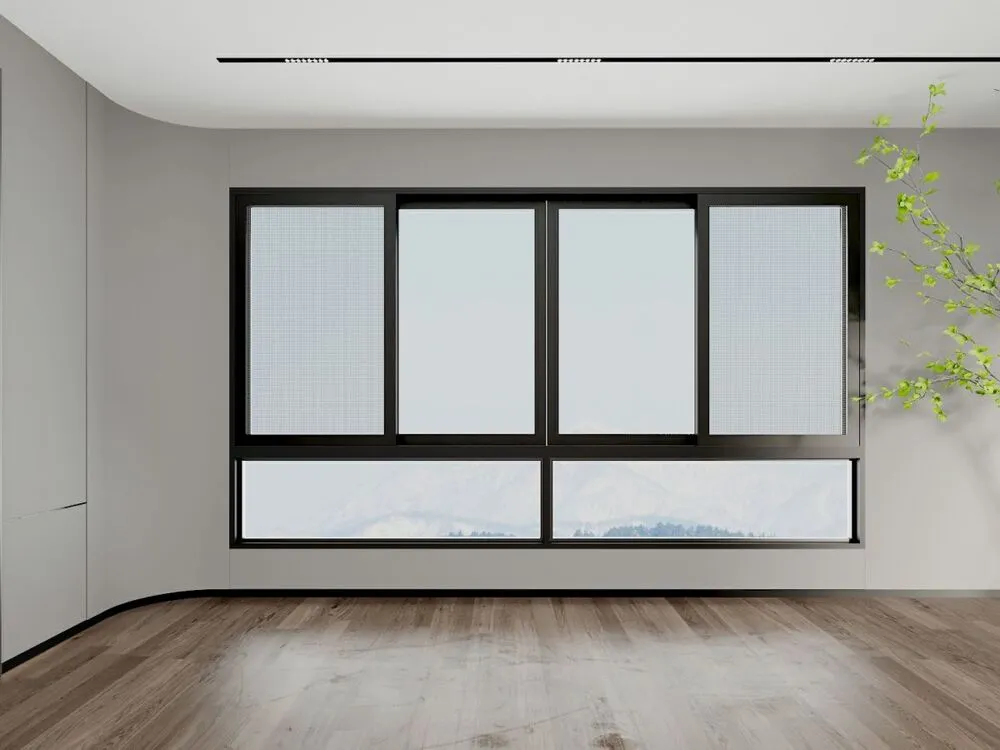
Understanding Horizontal Sliding Aluminum Windows
This section clarifies core design principles and functional mechanics that define modern sliding window systems, helping procurement professionals evaluate suitability for specific project requirements.
Core Components and Operational Mechanics
The way horizontal sliding aluminum windows work depends on four built-in systems working together. The track system is the base, and either a single or double track layout is housed in cast metal tubes. Single-track systems are good for normal home uses because they let one sash drop while the other stays in place. Double-track designs let multiple screens work on their own, which gives business settings more control over air.
Good rollers, made from stainless steel or strengthened nylon, support the weight of the sash and make it easier to move side to side. These parts are put through load tests to make sure they can handle repeated use without breaking down. The closing method uses brush seals and EPDM rubber gaskets to make overlapped walls that stop air, water, and dust from getting in. This two-seal method fixes common speed problems that come up with single-seal systems.
Profile shape is a very important part of how well a structure works. The 6063-T5 metal has the best strength-to-weight ratio, which lets designers make thin profiles while still keeping the structure strong. The numbers in the series—60, 70, 80, and 90—represent the frame's depth in millimeters. Frames with deeper shapes can hold bigger window units and perform better in terms of insulation.
Comparing Window Operation Types
When designing a building, different window layouts are used for different purposes. Casement windows, which open outward on springs, need clear spaces around them and can be dangerous in places with a lot of foot traffic or next to paths. Fixed windows don't let air flow through them, so they can only be used for letting light in. Even though vertical moving windows save room, they often need more force to open because gravity pushes against the device.
Horizontal sliding systems don't have to worry about projection at all, which makes them useful for porches, patios, and ground-floor setups that don't have a lot of outdoor room. Their horizontal motion takes very little working force—usually less than 10 pounds for well-kept units—so even people with limited strength can use them easily. The lack of outer swing also makes it easier to install screens, since moving mosquito nets can be added without getting in the way of the window working.
Standard and Customizable Dimensions
The size standards for commercial and private projects are very different. As a general rule, domestic rooms are between 900mm and 1800mm wide and 1000mm to 1500mm tall. For commercial uses, spans up to 3000 mm wide and 2400 mm tall are often needed to make the most of natural light and draw attention to the architecture.
Customization options go beyond simple measurements. Specific needs for a project could include non-standard forms, custom glass arrangements, or the ability to work with curtain wall systems. CNC cutting accuracy lets manufacturing processes handle these differences, allowing for measurement errors of up to 0.5 mm. With this level of accuracy, the fit is perfect during fitting, and the performance stays the same even when big orders are placed.
Powder coating, anodizing, wood grain transfer, and PVDF coating are some of the color and finish choices that can be used on aluminum. These options let architects coordinate the look of the aluminum without affecting its rust resistance. These processes for the surface also make it more resistant to UV light, which keeps colors from fading in high-exposure placements.
Key Benefits and Performance Features
Understanding performance characteristics helps procurement teams evaluate how sliding aluminum windows address specific project challenges while meeting energy codes and occupant comfort requirements.
Energy Efficiency and Thermal Performance
How well horizontal sliding aluminum windows keep out heat depends a lot on how the frames are made and what kind of glass is used. Standard metal shapes let heat pass through them easily, making thermal bridges that make insulation less effective. Advanced designs use thermal breaks, which are polyamide strips placed between the inside and outside metal parts. These breaks cut heat flow by up to 70% compared to designs that don't use thermal breaks.
The choice of glazing has a big effect on how well the window works generally. While tempered glass is safe, it doesn't give much in the way of protection. Double-glazed units, which have two panes of glass divided by spaces filled with air or gas, keep heat in much better. Both temperature and auditory efficiency are affected by the spacing width, which is usually between 12 and 16 mm. Options for laminated glass make it safer and slightly better at blocking sound through the interlayer's calming effect.
Even though U-factor numbers are different depending on the setup and testing conditions, projects that use correctly defined units can meet the standards of their local energy code. Instead of making general claims, approved testing results should be used to prove actual performance.
Durability and Corrosion Resistance
Aluminum can be used in a wide range of climates because its natural metal layer protects it from rusting. These qualities are especially useful near the coast, where salt air speeds up the breakdown of other materials. Marine-grade surface treatments improve this natural resistance, which means that the item doesn't needs to be serviced as often and doesn't need as much upkeep.
The 6063-T5 alloy standard lists a tempering process that makes the metal stronger while still letting it be worked. This temper grade makes sure that the frame can stand up to wind loads and structural stresses for the whole life of the building. Aluminum doesn't change size when it comes in contact with water like some other materials do. It stays the same size even when the temperature or humidity changes.
Acoustic Performance and Noise Reduction
How well sound is blocked depends on a number of things, such as the thickness of the glass, how well the frame is sealed, and how well it was installed. Because they block noise through an enclosed area, double-glazed units work better than single-pane ones. Increasing the gap depth and using reinforced glass make the soundproofing even better.
How well the closing system works has a direct effect on how well the sound works. When you combine brush seals with EPDM gaskets, you get multiple barriers that stop sound waves from traveling through frame joints and window surfaces. Installing these seals correctly and keeping up with their upkeep will keep them working well over time, stopping wear and tear that weakens both their weather and soundproofing abilities.
Maintenance Requirements and Service Life
Compared to other options, aluminum window systems don't need as much upkeep. Aluminum doesn't rust, so it doesn't need to be painted or refinished. Powder-coated or anodized treatments keep their look without needing to be renewed every so often. Regular upkeep includes cleaning the tracks, checking the rollers, and checking the state of the seals.
To keep rollers from wearing out and to make sure the system runs smoothly, the track lines should be cleaned out every three months. Dirt that builds up causes rough conditions that speed up the breakdown of parts. Every year, roller systems should be checked for damage or worn bearings that could make them hard to move. It is important to check EPDM seals for tension set or breaking, and if damage is seen, they should be replaced.
Expected service life depends on the surroundings, how often it is used, and how well it is maintained. If you keep your units in good shape and live in a reasonable environment, they should last for many decades. However, you shouldn't make exact estimates about their lives because real-life conditions can change.
Comparative Analysis for Strategic Procurement
Procurement decisions benefit from understanding how aluminum sliding windows compare to alternative materials and configurations, particularly regarding total cost of ownership and functional performance.
Material Comparison: Aluminum vs. Alternatives
The choice of material affects both the short-term costs of buying it and the long-term costs of owning it. UPVC windows are cheaper to buy and keep out heat, but they aren't as strong or run as long as other types of windows. Large holes need steel support, which makes things more complicated and raises the risk of rusting. UPVC also expands and contracts when the temperature changes, which can make it hard to use in cold or hot weather.
Window frames made of wood look nice, but they need to be painted, sealed, and sometimes repaired when they get ruined by water. They don't work well in places with a lot of humidity because rot and bending happen all the time. Vinyl substitutes are similar to UPVC in that they are cheaper, but they only come in a few colors and can break easily in cold regions.
Aluminum has a better strength-to-weight ratio than any other material, which lets it have thin shapes that make the most of windows and natural light. The material's physical stability means that it can be used in all climates without the problems that come with plastics expanding. These qualities are especially useful in business settings where long-term value is driven by consistent looks and low upkeep. It's helpful to know how horizontal sliding aluminum windows stack up against other materials and styles, especially when it comes to the overall cost of ownership and how well they work.
Track System Configuration Options
Single-track systems put both fixed and moveable windows in the same plane, which makes them easy to use and saves money. This arrangement works well when air flow isn't very important and the whole opening width isn't needed. The set sash acts as a constant wall, letting only half of the window's width through.
In double-track setups, the screens are in different tracks, which lets each panel work on its own. This setup gives you options for controlling the air flow and lets you see the whole opening when both sashes slide to one side. The extra track doesn't add much to the cost, but it does improve usefulness in a way that makes it worth the money in many business situations.
Glazing Options and Performance Implications
The type of glass you choose is a big cost factor that has direct effects on how well it works. Tempered glass meets safety standards and works well enough in warm conditions, but it doesn't give much protection. Double-glazed units cost more up front, but they save you money on energy costs over time because they are better at keeping heat out.
How the economy works changes depending on the temperature zone and the cost of energy. Upgraded glass usually pays for itself in a short amount of time in places that need a lot of heating or cooling. The gap fill—air vs. argon—is another choice where small increases in cost lead to noticeable gains in performance.
Concerns about security and safety are eased by laminated glass's ability to not break. This makes it suitable for installs on the ground floor or in high-risk areas. Even though there are some sound benefits, they should usually not be given more weight than safety.
Cost Considerations and Bulk Procurement Benefits
The price of a window depends on a number of factors, such as the series chosen, the type of glass, the surface treatment, and the quality of the hardware. Larger frame depths allow for better-performing glass units, but they cost more in materials. Standard choices are cheaper than custom colors and styles, but they cost more.
Multiple ways make it possible for volume purchasing to save money in a useful way. Longer production runs of the same specs make manufacturing more efficient by cutting down on setup time and waste. Shipping more at once lowers the cost of shipping per unit. When you place a lot of orders with the same supplier, you may get better prices and faster shipping during times of high demand.
Disclaimer: Actual performance characteristics depend on specific product configurations and should be verified through certified testing reports. The information provided offers general guidance rather than guaranteed specifications.
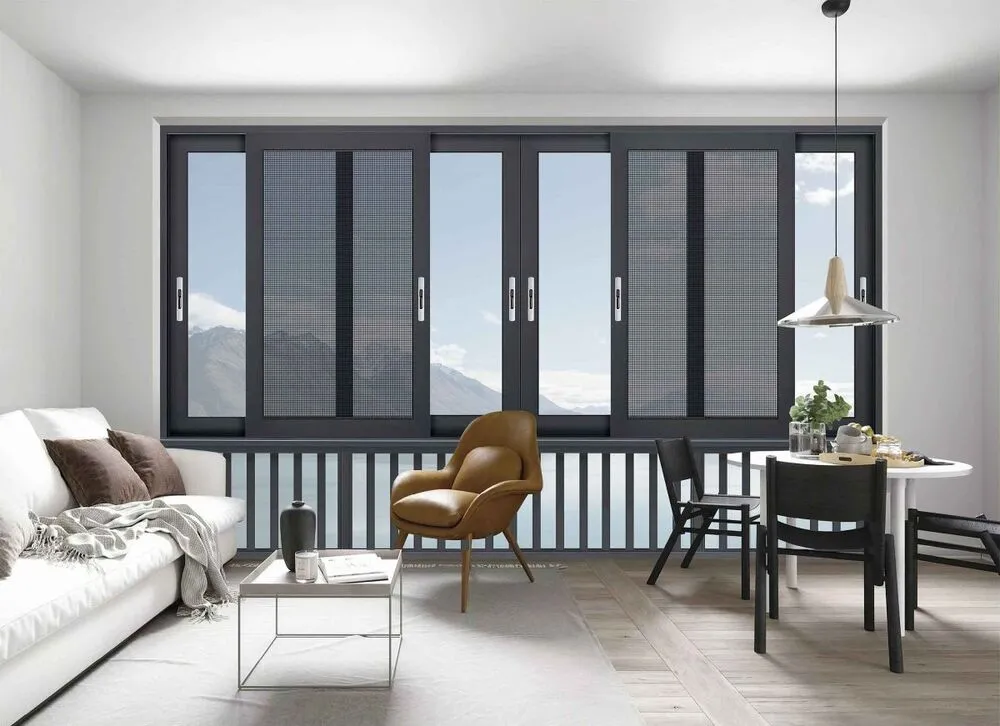
Installation and Maintenance Guide for Procurement and Facilities Teams
Proper installation and ongoing maintenance directly impact window performance, occupant satisfaction, and total cost of ownership throughout the building lifecycle.
Installation Best Practices for Commercial Projects
Preparing the rough hole correctly is the first step to a successful fitting. Openings must keep their square shape within a 3 mm range and have enough space for shimming and adjusting. The outer support must be able to handle the load needs for the window size and building height.
The installation steps are organized in a way that makes sense. Installers place the frame using shims at the right distances—usually 300mm to 400mm along the jambs and head—after checking the opening dimensions. Before any fasteners are put in place, the level and straight are adjusted using precise tools to make sure the orientation is correct. At regular intervals determined by wind load estimates, fasteners go through frame mounting plates and into the structural framing.
Sealing is the most important step because it makes the structure weatherproof. For a full cover, several materials must be put on together in an organized way. Weatherproofing layers cover framing and air barriers and connect the window system to the building shell. When applying sealant at the point where the frame meets the rough hole, suitable materials that can handle heat movement without breaking the bond are used.
Maintenance Protocols and Troubleshooting
When you do regular maintenance on horizontal sliding aluminum windows, small problems don't get worse and cause speed problems or expensive fixes. Track conditions should be recorded every three months, and damage or debris buildup should be looked for. Harsh chemicals can damage finishes or break down seals, so only light soap and water are needed to clean.
The roller feature has a direct effect on how the person feels. An annual check finds worn bearings, damaged rollers, or the need for adjustments. For smooth operation, the sashes need to be lined up correctly in the tracks, which may move a little as buildings settle. There are adjustment screws in the corners of the sash that let you fix the vertical placement and get the right openings back.
Infiltration protection and energy efficiency are based on the state of the weather seal. Compression set, cracks, or split from frame lines can be seen with the naked eye. You can usually get replacement seals as repair parts. To put them in, take off the sash and press the new seals into the slots that hold them in place.
Common practical problems include locking while moving, needing too much force, or not closing all the way. Track dirt or imbalance is often the cause of binding, which can be fixed by cleaning and adjusting the track. If the working force goes up, it could mean that the rollers or tracks are damaged and need to be replaced. Incomplete closing can be caused by either seal interference or a misaligned latch. Both of these problems can be fixed by making small changes.
Supplier Evaluation Criteria
Choosing dependable sellers lowers the risk of buying things and makes sure that products are the same across big orders. A manufacturing capability review should look at how much can be made, how complex the equipment is, and how well quality control systems work. The uniformity of dimensions is usually better in factories with automatic cutting and assembly tools than in factories where work is done by hand.
Credentials for certification provide clear proof of skills and quality standards. Getting ISO 9001 approval proves that you follow organized quality management practices. Performance is proven by independent tests that are part of product-specific approvals, such as the AAMA guidelines in North America. The CE mark shows that a product meets European standards and can be used as proof of quality support for projects outside of the EU as well.
After-sales help is what sets partners involved in the success of a project apart from providers who just deliver goods. Technical advice during the creation of specifications helps keep design mistakes from being too expensive to fix. Respondent customer service quickly handles questions and concerns, which cuts down on purchase delays. The warranty terms and how claims are handled show that the company behind the product is sure of its quality and ready to stand behind it.
Reports of tests and inspections should be sent with packages to show that certain production lots meet certain standards. These reports let you check things before they are installed and give proof that you are following the building code.
Making an Informed Purchase Decision
Strategic window selection balances immediate procurement costs against lifecycle performance and maintenance requirements while addressing specific project functional needs.
Selection Criteria for Project Requirements
Different uses have very different needs when it comes to durability. Marine-grade surface treatments and better closing systems are needed for coastal sites so they can handle the salt air. Products for high-rise buildings need to be checked and rated for high wind forces. Heavy-use business settings benefit from tools and parts that are stronger and can handle a lot of use.
Specification choices are often based on energy efficiency goals. In order to get green building approval, a project must meet certain heat performance standards. Regional energy rules set basic standards that are different for each temperature zone. Life-cycle cost analysis compares the higher prices of better-performing goods to the money they could save on energy costs and any possible utility rebates.
Design freedom takes into account building needs like coordinating colors, minimizing sightlines, and being able to span. Custom manufacturing can handle measurements and shapes that aren't normal. For integration with curtain wall systems or other building parts, it may be necessary to work with more than one trade or maker.
Technological Advancements in Sliding Window Systems
Manufacturing technology keeps improving the quality and powers of products. Precision that can't be reached by hand is possible with CNC manufacturing of horizontal sliding aluminum windows, which makes sure that big quantities of products fit and work properly. Automated assembly makes joints stronger and cuts down on mistakes made by people that can weaken weather protection.
Surface cleaning methods make things look better and work better. Powder coating formulas now offer great protection to UV light and scratches. Wood grain transfer methods make realistic copies of natural materials that don't need much upkeep. PVDF finishes are the most durable when exposed to harsh circumstances.
New hardware makes operations and protection better. Multi-point locking systems work at multiple frame positions at the same time, making the door more secure and reducing the pressure of the weather seal. Designs with hidden technology look better while still working properly. Soft-close systems keep things from hitting and keep parts from wearing out.
Future Trends and Things to Think About for Sustainability
As the building industry changes, higher standards for window efficiency are being set. As energy rules get stricter, they require buildings to have better temperature properties. As cities get denser and noise levels rise, acoustic sound gets more attention. Window monitors that work with HVAC systems to improve air and temperature control may someday be a part of smart building integration.
Beyond practical energy efficiency, sustainability measures also look at things like stored carbon and how easy they are to recycle. Aluminum is good at being recycled because it keeps its qualities after many rounds of recycling, and using a lot of recovered material in its original production is also a plus. Environmental product statements give clear information about a product's lifetime effects, which is something that more complex purchasing processes need.
Conclusion
When projects need to save room, last a long time, and require little upkeep, horizontal sliding aluminum windows are a useful choice. Their horizontal movement saves room and works well in setups with limited space. Their strong construction can handle a wide range of weather conditions. Material benefits like resistance to rust and steadiness in dimensions reduce the need for ongoing upkeep. The comfort of occupants and compliance with building codes are affected by performance qualities such as heat efficiency, noise control, and weather protection. To make smart choices that balance current costs with long-term value in both business and household settings, procurement teams need to know about design options, installation requirements, and source evaluation criteria.
FAQ
Are horizontal sliding aluminum windows suitable for large commercial facilities?
When properly defined for the project needs, horizontal sliding aluminum windows work well in business settings. Large-span features allow for large spaces that let in a lot of natural light, which is great for offices and stores. Heavy-duty wheel choices and frames that are strengthened can handle high-frequency use in public places. Commercial energy codes can be met in all temperature zones with the right thermal break designs and window choices.
How do aluminum sliding windows perform in coastal environments?
Aluminum doesn't naturally rust, so it's a good material for naval use as long as the right surface processes are used. Anodizing or marine-grade powder finish adds more defense against salt air. Faster wear can be avoided by doing regular repair on drainage ducts and hardware. In these tough situations, stainless steel parts in metal systems make them last even longer.
What are typical lead times for customized sliding window orders?
Custom orders usually take 25 to 30 days to make, from the time the order is confirmed until it is finished. This amount of time allows for reviewing the specifications, getting the materials, making the product, inspecting it for quality, and packing it up. Shipping takes extra time depending on where it's going and how it's being delivered. To make room for production ability, longer plans may be needed for large orders. Early involvement of suppliers in planning the project helps make sure that shipping times are in line with building plans.
Partner with Haolv Building Materials for Premium Sliding Window Solutions
Haolv Building Materials has 18 years of experience in the horizontal sliding aluminum windows business, so procurement workers can trust them. We can make everything, from extruding metal to precise CNC cutting, surface treatment, and final assembly. This way, we can make sure that the quality of both standard and special orders is the same. We provide projects around the world with goods that are certified by CE, ISO, and AAMA. These products come with full professional support and solution creation services.
Our "one-stop" method makes buying easier because we combine frames, glass, and hardware from well-known suppliers, such as CONCH materials. Email our team at kristin@haolvwindows.com to talk about the details of your project, get scientific information, or set up shipping of samples. With a large enough collection and dependable shipping times of 25 to 30 days, we can meet your deadlines while still giving your business or home projects the quality and performance they need.
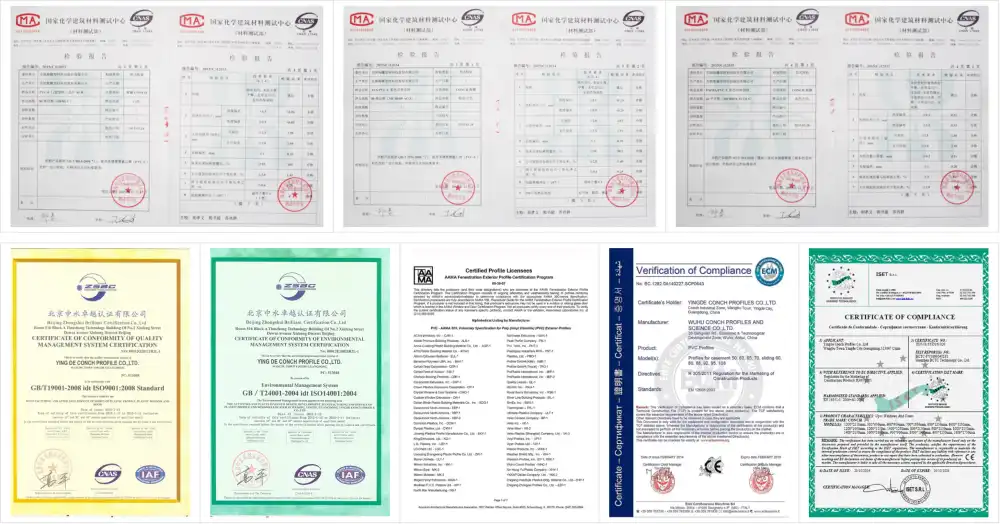
References
1. American Architectural Manufacturers Association (AAMA). "Performance Standards for Aluminum Windows and Doors." AAMA Technical Publications, 2022.
2. Building Science Corporation. "Thermal Performance of Window Frames: Material Comparison and Design Strategies." Building Science Digest, 2021.
3. National Fenestration Rating Council. "Energy Performance Testing and Certification Protocols for Commercial Window Systems." NFRC Technical Guidelines, 2023.
4. International Aluminum Institute. "Aluminum in Building Construction: Properties, Applications, and Sustainability Metrics." IAI Research Report, 2022.
5. Construction Specifications Institute. "Window and Door Specification Guide for Commercial Projects." CSI MasterFormat Division 08, 2023.
6. Lawrence Berkeley National Laboratory. "Advanced Window Technologies: Performance Analysis and Life Cycle Assessment." LBNL Environmental Energy Technologies Division, 2021.
Fast simple channel to send demands lock favorable price for building window door bulk purchases.