- English
- French
- German
- Portuguese
- Spanish
- Russian
- Japanese
- Korean
- Arabic
- Greek
- German
- Turkish
- Italian
- Danish
- Romanian
- Indonesian
- Czech
- Afrikaans
- Swedish
- Polish
- Basque
- Catalan
- Esperanto
- Hindi
- Lao
- Albanian
- Amharic
- Armenian
- Azerbaijani
- Belarusian
- Bengali
- Bosnian
- Bulgarian
- Cebuano
- Chichewa
- Corsican
- Croatian
- Dutch
- Estonian
- Filipino
- Finnish
- Frisian
- Galician
- Georgian
- Gujarati
- Haitian
- Hausa
- Hawaiian
- Hebrew
- Hmong
- Hungarian
- Icelandic
- Igbo
- Javanese
- Kannada
- Kazakh
- Khmer
- Kurdish
- Kyrgyz
- Latin
- Latvian
- Lithuanian
- Luxembou..
- Macedonian
- Malagasy
- Malay
- Malayalam
- Maltese
- Maori
- Marathi
- Mongolian
- Burmese
- Nepali
- Norwegian
- Pashto
- Persian
- Punjabi
- Serbian
- Sesotho
- Sinhala
- Slovak
- Slovenian
- Somali
- Samoan
- Scots Gaelic
- Shona
- Sindhi
- Sundanese
- Swahili
- Tajik
- Tamil
- Telugu
- Thai
- Ukrainian
- Urdu
- Uzbek
- Vietnamese
- Welsh
- Xhosa
- Yiddish
- Yoruba
- Zulu
UPVC Bow Window vs Bay Window: Which One Is Better?
When building material distributors face renovation projects requiring projecting windows, the choice often narrows to two classic options. UPVC Bow Windows offer distributors a cost-effective solution through their gentler curved profile—typically featuring 4-5 casements arranged in a smooth arc—which appeals to homeowners seeking softer visual lines in traditional American and British residential styles.
Compared to bay windows with their sharp angular projections, bow window configurations reduce installation complexity at corner joints while maintaining the expanded interior space clients desire. The multi-panel assembly also allows for disassembled shipping, cutting logistics expenses by up to 30% compared to fully assembled units—a critical advantage for small distributors managing tight project budgets.
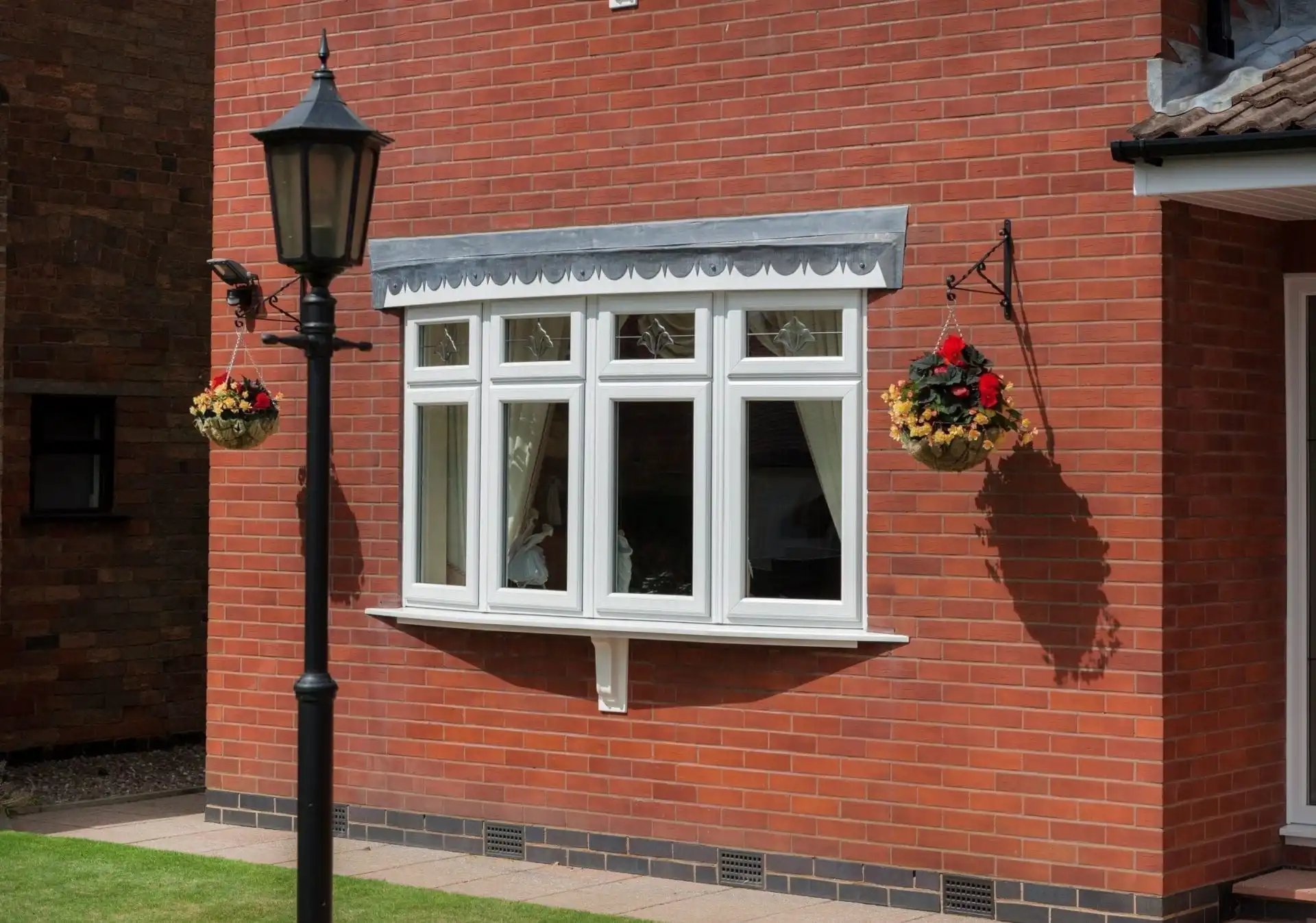
Introduction to uPVC Bow Windows and Bay Windows
In North America and the UK, residential architecture has been defined by projecting window systems for many years. Outward extensions of the bow and bay shapes from the building shell make more space inside and offer views that regular flat windows can't match.
Bay windows have an angular design. They usually have three window panels placed at 30° or 45° angles to make a box-like extension. With this geometric approach, you can make clear sight lines and interior corners that look good in modern designs. The sharp curves make it easy to build, but the corners need to be sealed perfectly so that water doesn't get in at the joints.
uPVC Bow Windows use a curved layout of four to six separate casements to make a smooth circle that softens the outside of the building. The flowing radius looks great on Victorian, Colonial, and Craftsman-style houses that need to keep their look. The multiple-panel design spreads the opening's structural loads more evenly, but panel-to-panel joinery needs to be carefully watched to keep the weather out.
Choosing the right materials is also very important for long-term success. Polyvinyl chloride profiles that haven't been plasticized don't absorb water, so wood frames in wet places don't rot. When combined with multi-chamber extrusion designs, the polymer's low thermal conductivity makes thermal breaks that stop heat from moving. Distributors who work with the renovation market say that uPVC's ability to keep its shape even when temperatures change keeps it from breaking down like aluminum systems that aren't taken care of and are exposed to salt air near the coast.
Which of these window types you choose affects project timelines, the amount of work needed for placement, and how happy the end user is. Knowing how they are put together, how they work, and what buying them means helps companies that sell building materials match products to customers' wants while keeping costs low.
Dimensional Comparison: Structure, Design, and Aesthetics
Structural Composition and Profile Engineering
The main change is how the geometry is used. Bay window frames have strong corner posts that hold up the angled panels and make each junction a load-bearing point. A standard three-panel design has a big fixed lite in the middle and two casements or double-hung sashes on either side. Corner mullions have to work with different panel planes while still keeping the structure strong. This is harder to do when the projections are deeper than 600 mm.
Bow shapes spread the weight over several smaller pieces that are joined together by continuous head and floor members. The curved assembly gets rid of the sharp interior corners, which makes the flow between panels smoother. In a five-panel bow window, each casement is usually between 800 and 1000 mm wide. This means that standard extrusion shapes can be used instead of special corner pieces. When panels are next to each other, the angle between them rarely goes above 15°. This makes weatherproofing at joints easier than at 90° or 135° turns in bay assemblies.
Customization Capabilities and Design Flexibility
Modern uPVC extrusion technology lets you make a lot of changes to both types of windows. Profile systems with three to five internal rooms provide paths for steel reinforcement, which are galvanized tubes with a width of 1.2 mm to 2.0 mm that keep the frame from bowing in the wind. A frame wall thickness of 2.0 mm to 2.8 mm meets Class A or B structural standards, making sure that the structure is strong enough without being too heavy.
You can choose from colors other than white, like woodgrain laminates and basic tones like cream, gray, and anthracite. Co-extrusion methods attach ornamental layers to the core profile and make surface finishes that look like oak, mahogany, or walnut. Titanium dioxide protectors in these finishes keep the colors from fading because they don't react with UV light. This is especially important for south-facing areas that get a lot of sun.
Specialized fabrication skills are needed to make custom shapes like arched tops, trapezoid shapes, or compound curves. Precision CNC cutting makes sure that the miter angles at corners are correct, and automated welding systems make joints that are as strong as straight profiles and don't show any gaps. Manufacturers can make fully customized profiles cut to non-standard forms for historic buildings or high-end domestic projects that need unique designs. However, these take longer to make and cost more to tool.
Architectural Integration and Visual Impact
UPVC Bow Windows give the outside of a building a softer, more natural look that goes well with traditional architectural styles. When compared to bay windows of the same width, the curved projection makes them look smaller, which makes them good for smaller surfaces where angular projections might stand out too much. There are no sharp edges inside, which makes it easier to place furniture along the curved window seat without leaving empty areas.
Bay windows make bigger geometric statements and work with both modern and traditional styles. The defined angles divide the space inside in a natural way, making it perfect for dividing reading nooks or show areas from the main rooms. When you have a bow design, the view is split up between several casements, but when you have a flat center panel, the view is continuous. This difference is important to keep in mind when placing windows to frame certain views of the city or the landscape.
Both configurations let more natural light in. The projecting shape lets light in from different directions all day, so less artificial lighting is needed. When installed correctly, Low-E glass coverings keep heat inside during the winter and reduce the amount of heat gained from the sun in the summer. This balance affects the size of the HVAC system and how much it costs to run.
Performance and Functional Benefits Analysis
Energy Efficiency and Thermal Performance
uPVC profiles with multiple chambers work as built-in heat shields. The 3-5 chamber shape traps air inside, which makes insulating areas that stop heat from moving. When combined with Low-E double glass, good uPVC Bow Window systems can get U-values as low as 1.6 W/m²K. This meets or beats the Energy Star standards for climates in the north. Triple-glazed units improve performance to 0.8 to 1.0 W/m²K, but they are heavier, so they need stronger hardware and reinforcements.
As important as the performance of the glass is the continuous weatherstripping system. When EPDM gaskets are pressed between the sash and frame, they make flexible covers that let heat expand while keeping air out. Multiple closing points spread the clamping force around the whole sash edge, making sure that the seal is always compressed. Single-point locks, on the other hand, might let gaps form between locking points, which can lead to thermal bridges that lower insulation values.
Bay windows with fewer but bigger panels usually have slightly better overall thermal performance because they have shorter perimeters. This is because less frame area means more insulated glass. However, the corners of bay assemblies can become thermal weak spots if they are not properly designed with thermal breaks and continuous weatherseals at angle changes.
Acoustic Insulation and Noise Reduction
The amount of sound that is lost depends on the thickness, lamination, and cavity width of the glass. Standard double glazing with two 4mm glass panes and a 16mm air gap between them cuts noise by about 30 to 32 decibels, which is enough for suburban neighborhoods. When you upgrade to layered glass with acoustic PVB interlayers, the performance goes up to 35–38 dB, which is a big improvement for reducing road noise in cities.
The UPVC frame itself makes a big difference in how well the soundproofing works. The density and multi-chamber structure of the polymer make it better at damping vibrations than hollow aluminum extrusions. When combined with the right glazing, units that are properly installed and have continuous perimeter sealing can cut noise by 40 to 45 decibels. This means that they can be used in places near airports, trains, or busy business districts.
Bow windows, with their many smaller panels, form a longer outer seal, which could make them slightly better at blocking noise than bay windows. Each panel-to-panel joint has weatherstripping that stops sound from traveling. Bay windows, on the other hand, have fewer but longer glass surfaces that aren't joined together, which may let in more vibration.
Weather Resistance and Durability
Installations near the coast or in harsh weather need strong water control. The sill of a good bow window has stepped draining channels that collect condensation and seeping water and send it out through weep holes that are hidden. The exterior sill's slope keeps water from standing still, which could freeze and damage the seals. The constant curved sill of a bow window makes designing a drainage path easier than the angled parts of a bay window, which need careful corner details.
It gets harder for wind to hit a frame as the reference points get farther apart. The galvanized tubes from 1.2mm to 2.0mm gauge that are built into luxury uPVC profiles act as steel reinforcements to keep the frames from rattling during storms. UPVC Bow Window designs spread the force of the wind across many panels and connection points, which lowers stress levels in certain areas. Bay windows put a lot of weight on the corner posts, so they need strong support at these key points.
Long-term efficiency is affected by how stable a material is when temperatures change. UPVC stays the same size from -40°C to +60°C and doesn't expand or contract like metal does or swell like wood does when it gets wet. The material doesn't rust when exposed to salt spray, industrial pollutants, or acid rain, so the structure and look stay the same without having to be refinished every so often.
Cost-Effectiveness Over Product Lifecycle
Bow windows usually cost 15 to 25 percent more to install at first than bay windows of the same size because they have more panels and are harder to put together. A standard five-panel bow unit could cost between $2,800 and $4,500 for the supply-only, while a three-panel bay with the same overall width could cost between $2,200 and $3,600. These numbers change depending on the type of glazing, the quality of the hardware, and the level of customization needed.
Less energy use leads to operational savings that add up over time. If you choose the right projecting window, it can cut your heating and cooling bills by 12–18% compared to older single-glazed units. In moderate areas, the payback time is 7–10 years. Payback time is cut down to 5 to 7 years in places with extreme weather or high energy rates.
The amount of maintenance needed for both types of windows stays low. UPVC doesn't need to be painted or sealed; it just needs to be cleaned and the hardware oiled every so often. During regular service calls, it usually costs less than $150 per window to replace weatherstripping or change multi-point locks. This is very different from wood systems, which need to be repainted every 4 to 6 years, which costs more than the initial savings on materials.
With proper fitting and simple upkeep, a good uPVC projecting window should last between 25 and 35 years. During this time, frames keep their shape and look, but hardware and seals may need to be replaced every 15 to 20 years, based on how often they are used. Aluminum systems last about as long, but they cost more at first. Wood, on the other hand, needs a lot of constant maintenance to get close to the same service life.
Disclaimer: Actual performance characteristics depend on specific product testing and installation conditions. Consult certified test reports and manufacturer specifications for projects with stringent performance requirements.
Comparative Procurement Considerations for B2B Buyers
Pricing Structures and Volume Economics
The base price of uPVC projecting windows is based on the type of material used, how hard it is to make, and the hardware requirements. Standard white profiles with basic double glazing and entry-level hardware start at about $180 to $250 per square meter for three-panel bay units. Base prices go up by 25 to 40 percent when you add woodgrain finishes, expensive multi-point locks, and Low-E glass. Due to the need for more panels and curvy assembly, uPVC Bow Windows cost 15 to 20 percent more than bay windows of the same size.
Ordering in bulk can save you a lot of money. When an order is for more than 50 units, makers often offer savings of 12 to 18% to spread the costs of setting up tools and buying materials. Distributors who are working on various projects at the same time can hit sales goals by combining orders. Lead times also get shorter when you place a bigger order, because makers give more production time to customers who place large orders.
Shipping things that are already put together is a great way to save money. Bow windows that are shipped as separate panels with hardware for joining them together take up 35–45% less space in containers than fully assembled units. There are about 180–220 disassembled bow window units that can fit in a normal 40-foot container, but only 120–140 completed ones. This means that on trans-Pacific lines, the cost of freight per unit drops from $85–110 to $50–65. This method works best for distributors who already have a network of contractors because it takes installation teams with a lot of experience who are happy putting things together on-site.
Supplier Evaluation and Quality Assurance
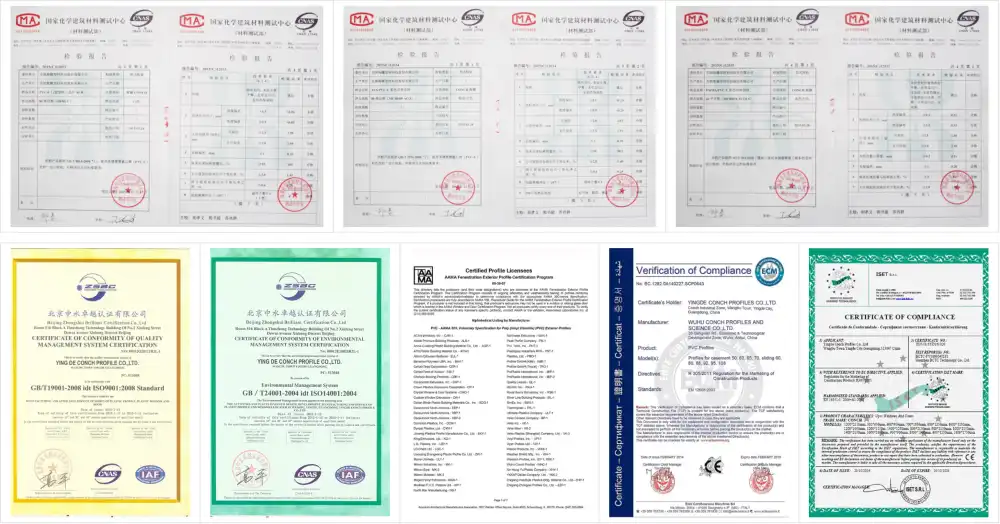
Credentials of the manufacturer have a big effect on the long-term success of the project. ISO 9001 approval means that quality control is done in a planned way, from checking the raw materials to testing the finished product. The CE mark shows that the product meets European safety and performance standards, and the AAMA mark shows that it meets North American architectural standards. These licenses give objective proof that goes beyond marketing claims.
Transparency in where materials come from is important for maintaining quality. Reputable makers choose fresh UPVC resin over recycled polymers that don't last as long or fight weather. They often find suppliers by brand name, like CONCH. Specifications for steel reinforcement should include galvanization standards (at least a Z275 coating) and wall thickness (1.2 to 2.0 mm) to make sure the structure works well. Glazing units need to have argon fill retention rates that can be proven and seal guarantees that cover failed edge seals.
Scheduling a project is affected by production capacity and the dependability of wait times. Manufacturers who have dedicated extrusion lines, automated corner welding stations, and climate-controlled assembly areas can keep the quality of their products high. For a UPVC Bow Window, standard lead times of 25 to 30 days from order confirmation give most remodeling jobs enough time to plan. Facilities that can speed up shipping times by 15 to 20 days give you choices in case project deadlines get shaved short.
After-Sales Support and Warranty Coverage
Full warranty plans move the risk from the dealers to the makers. Frame warranties usually cover profile wear, color fading, and welded joint failures for 10 to 15 years. Hardware guarantees that last between 5 and 7 years cover problems with the locking device and the operation. The guarantees for glazing units that cover broken seals and gas loss last between 5 and 10 years. If the warranty time is shorter or there are exceptions for business installations, you should be extra careful when choosing a provider.
During installation and commissioning, technical support services are very helpful. When manufacturers offer detailed installation guides, instructional videos, and phone consultations, they help the installation teams of wholesalers avoid making common mistakes that void warranties. Some suppliers offer on-site installation training or help with commissioning for big projects. These services are worth the small price increase because they cut down on call-back costs and speed up the project completion.
Long-term serviceability is ensured by the supply of replacement parts. When suppliers keep weatherstripping profiles, hardware parts, and hinge assemblies in stock, repairs can be made quickly without having to wait for custom production. When parts are compatible across generations of products, older window models don't become useless because parts have been taken off the market.
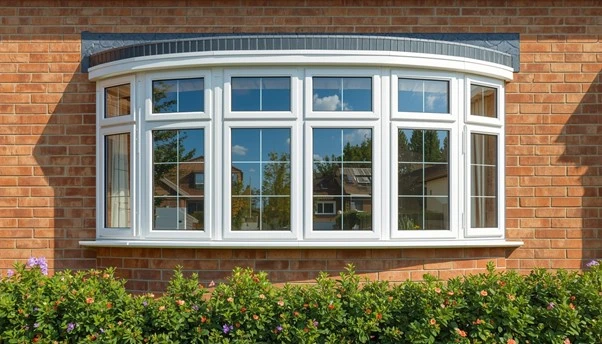
Decision Support for Choosing Between UPVC Bow and Bay Windows
Project-Specific Selection Criteria
The architectural setting determines the first window type. uPVC Bow Windows, which have curved shapes that look like old-fashioned building features, go well with Victorian, Colonial, and Tudor Revival styles. In modern and contemporary designs, the clean geometric lines of bay windows go well with simple styles. Matching window style to building character increases market acceptance and selling value, which are important things to think about for spec homes and remodeling projects that are aimed at specific groups of buyers.
The weather affects how success is prioritized. Coastal places with salty air and heavy rain put a lot of emphasis on corrosion protection and water management. This is where uPVC really shines, no matter what shape it is in. In the north, where winters are harsh, thermal performance is important, so triple-glazed windows and the deepest frames possible are preferred for protection. In the south, controlling sun heat gain with Low-E surfaces and making sure there is enough air flow are important.
Because of limited funds, a clear cost-benefit analysis is needed. Bay windows have lower starting costs, but they don't look as good as bow windows. However, high-end renovations can explain bow windows' higher prices by making the room look better. Shipping logistics are very important for projects that are far away. For distributors serving remote markets, the lower freight costs of disassembled bow units may make up for their higher base costs.
Matching Technical Specifications to End-User Needs
Goals for energy efficiency help choose the right glazing and shape. For homes that want to be LEED certified or meet passive house standards, U-values must be less than 1.4 W/m²K. This means that they must have triple glazing with warm-edge spacers and thermally broken frames. For standard home renovations, double glazing with a performance level of 1.6 to 1.8 W/m²K is usually specified, weighing performance against cost. Values of solar heat gain coefficients (SHGC) between 0.25-0.35 work well in climates that tend to cool, while values between 0.40-0.50 work well in climates that tend to heat up by collecting passive solar gain.
Different places have different sound reducing needs. Laminated acoustic glass and gasketed frames can help properties near airports, roads, or entertainment areas cut noise by 38 to 42 decibels. 30-35 dB is usually enough for residential areas in the suburbs, and it's possible to get that with standard double glazing and good weatherstripping. Specifying too much sound performance raises costs without delivering any real comfort benefits.
The choice of tools is affected by operational tastes. Multiple operable sashes in bow shapes—usually alternating fixed and casement panels—help homeowners who value natural ventilation. Bay windows with casements on either side and a set lite in the middle let in enough air at a lower cost. Although it costs an extra $75 to $120 per operable sash, tilt-and-turn hardware can be used for both safety cleaning and ventilation in different positions.
Scenario-Based Recommendations
Bow windows are often used in traditional home renovations in established neighborhoods. The softer shape fits in well with period building, and the curved window seat makes an attractive focal point inside. Shipping costs are lower when items are delivered disassembled. This is especially important for wholesalers who serve markets that are far from production centers. The multi-panel design lets you mix moveable and set parts to meet ventilation needs while staying within your budget.
Bay windows are often used in modern building projects and adds because they make the architecture more clear. The sharp angles make strong shadow lines that give the wall more depth, and the geometric shape goes well with modern building materials like metal panels and fiber cement. The simpler three-panel design cuts down on building time, which is helpful when the cost of work is higher than the cost of materials. Fully assembled delivery works well for local projects where the distance of the freight is short.
Premium bow window specifications are needed for high-end custom homes and historic building restorations. Triple glazing, longer guarantees, and fully customized shapes make the extra cost worth it because they last longer and work better. For projects of this size, parts are usually pre-assembled in the workshop and then installed on-site by qualified teams. This makes sure that the project is fully weatherproof and runs smoothly. The visual impact and energy efficiency make a big difference in the value of the property as a whole.
Conclusion
Choosing between UPVC Bow Windows and bay windows depends on project requirements, budget considerations, and architectural goals. While bay windows provide a cost-effective solution with strong geometric appeal, UPVC Bow Windows offer superior design flexibility, smoother aesthetics, efficient shipping advantages, and excellent long-term performance. For distributors and building professionals, evaluating thermal efficiency, durability, customization options, and supplier reliability is essential to delivering the right solution. With proper specifications and installation, both window systems can enhance residential value, comfort, and energy performance.
FAQ
What advantages do bow windows offer over bay configurations?
Bay windows are more angular, while uPVC Bow Windows have a softer, more traditional curve that goes better with those styles. The multi-panel layout makes internal changes smoother by removing sharp corners, which gives you more options for where to put your furniture. Logistics costs for wholesalers who handle long-distance freight drop by 30 to 35 percent when items are shipped disassembled. The spread out structural loading makes installation easier on different wall types because there is no stress at one anchor point.
How do installation costs compare between these window types?
Because they are made of three panels and have fewer connection points, bay windows usually go up 15 to 20 percent faster. Bow windows need more precise panel alignment and more weatherstripping at the joints, which adds to the work hours. However, this gap is only 10–12% when skilled crews know how to place bows. Site-assembled bow units require more skill, but they save shippers money on shipping costs, which often covers the extra cost of labor on projects that need freight over 800 kilometers.
Are eco-friendly uPVC options available for commercial applications?
Modern uPVC production uses recovered materials in parts that can't be seen and new polymer in parts that will be exposed to the weather. Lead-free stabilizer systems and water-based surface treatments are better for the environment and don't hurt performance. A lot of companies take part in recycling programs for old products. When windows are sent in, they are mechanically separated so that the materials can be recovered. Window assemblies with U-values less than 1.4 W/m²K can earn LEED points for energy efficiency, which helps commercial projects get sustainable building certifications.
Partner with a Trusted UPVC Bow Window Manufacturer
Distributors looking for reliable projecting window sources will find that Haolv Building Materials' 19 years of manufacturing experience solves many of the problems that distributors face when they try to buy things for repair projects. Our uPVC Bow Window assemblies are made with 3-5 chamber UPVC profiles and frame walls that are 2.0–2.8 mm thick. They are reinforced with 1.2–2.0 mm galvanized steel to meet severe weather standards for wind resistance. Thanks to the precision-welded frames and EPDM gasket systems, the U-values are as low as 1.6 W/m²K, and the Low-E double or triple window choices cut sound by 30 to 45 dB.
Our shipping setups come disassembled, which cuts the cost of your containers by 30–40%. They also come with thorough installation videos and assembly instructions that make building on-site easier. You can use technical parameter sheets, custom sizing options, and color samples to help you show to your clients, and our 25–30 day production plan fits in with most makeover schedules. Our quality promises are backed by ISO, CE, and AAMA certifications for both standard and special orders.
Email our team at kristin@haolvwindows.com to get custom product brochures or quotes that are made just for your project. We'll give you technical advice on how to make the best window specifications for the climate and style preferences of your market. This will help you make more competitive bids and win more renovation contracts.
References
1. Anderson, J.M. (2021). Thermal Performance of Residential Window Systems: A Comparative Analysis. Building Science Press.
2. Collins, R.T. & Whitmore, D.A. (2020). uPVC Fenestration Engineering: Materials, Design, and Installation Standards. Architectural Components Institute.
3. Henderson, S.K. (2022). Historic Window Replacement Guidelines for North American Residential Architecture. Preservation Technology Journal, Vol. 48, pp. 112-128.
4. Martinez, L.P. (2019). Cost-Benefit Analysis of Energy-Efficient Windows in Renovation Projects. Journal of Building Economics, Vol. 34, No. 3, pp. 245-267.
5. Thompson, G.R. & Liu, H. (2021). Polymer Window Frame Durability in Coastal Environments: A 15-Year Field Study. Construction Materials Research Quarterly, Vol. 29, pp. 78-94.
6. Williams, E.J. (2020). Projecting Window Configurations: Design Impact on Residential Property Values. Real Estate Development Review, Vol. 42, No. 2, pp. 156-173.
Fast simple channel to send demands lock favorable price for building window door bulk purchases.