- English
- French
- German
- Portuguese
- Spanish
- Russian
- Japanese
- Korean
- Arabic
- Greek
- German
- Turkish
- Italian
- Danish
- Romanian
- Indonesian
- Czech
- Afrikaans
- Swedish
- Polish
- Basque
- Catalan
- Esperanto
- Hindi
- Lao
- Albanian
- Amharic
- Armenian
- Azerbaijani
- Belarusian
- Bengali
- Bosnian
- Bulgarian
- Cebuano
- Chichewa
- Corsican
- Croatian
- Dutch
- Estonian
- Filipino
- Finnish
- Frisian
- Galician
- Georgian
- Gujarati
- Haitian
- Hausa
- Hawaiian
- Hebrew
- Hmong
- Hungarian
- Icelandic
- Igbo
- Javanese
- Kannada
- Kazakh
- Khmer
- Kurdish
- Kyrgyz
- Latin
- Latvian
- Lithuanian
- Luxembou..
- Macedonian
- Malagasy
- Malay
- Malayalam
- Maltese
- Maori
- Marathi
- Mongolian
- Burmese
- Nepali
- Norwegian
- Pashto
- Persian
- Punjabi
- Serbian
- Sesotho
- Sinhala
- Slovak
- Slovenian
- Somali
- Samoan
- Scots Gaelic
- Shona
- Sindhi
- Sundanese
- Swahili
- Tajik
- Tamil
- Telugu
- Thai
- Ukrainian
- Urdu
- Uzbek
- Vietnamese
- Welsh
- Xhosa
- Yiddish
- Yoruba
- Zulu
Modern Aluminium Glass Conservatory Design Ideas
Modern aluminium glass conservatory systems represent a strategic investment for high-end residential developers and specialized sunroom companies seeking custom-engineered solutions. These structures blend Victorian and Edwardian architectural elegance with contemporary thermal performance, utilizing thermal break aluminium profiles (2.0-4.0mm wall thickness) paired with self-cleaning laminated glass roofs and Low-E double-glazed walls.
For procurement managers and design directors targeting luxury residential projects, understanding the technical specifications—from wind load calculations to EPDM sealing systems—becomes essential when selecting a manufacturing partner capable of delivering complete design packages, materials supply, and on-site technical guidance across 12-18 week project cycles.
Understanding Aluminium Glass Conservatories: Key Features and Benefits
When it comes to structure, Aluminium glass conservatories are much better than traditional uPVC or wood options. This is especially true for B2B clients who are in charge of managing multi-unit residential developments or custom garden room installations. The natural strength-to-weight ratio of the material allows for thin frame shapes that maximize window area while still keeping the structure's integrity in harsh weather.
Superior Material Performance for Commercial Applications
Thermal break aluminium construction solves one of the most important problems in greenhouse design: keeping heat from moving from the inside to the outside. Using this engineering method, a non-conductive polyamide strip is put between two aluminium sections. This makes the thermal conductivity much lower. When mixed with advanced glazing setups like double or triple-pane units filled with argon gas, these systems get U-values that are on par with solid wall construction.
As environmental laws get stricter in Europe and Australia, aluminium's ability to be recycled fits in with those rules. Primary aluminium ingots can be used to make new materials that can be treated over and over again without losing any of their quality. This meets the sustainability standards of LEED-certified projects and new buildings in heritage conservation zones.
Long-Term Value Proposition
When procurement pros look at the total cost of ownership, they like that aluminium doesn't rust, bend, or break down in UV light. Surface treatments that meet the standards for AAMA 2604 or 2605 powder coating keep the color stable over many years of contact. Because they last so long, they don't need as much maintenance. Usually, they just need to have their seals inspected once a year and their windows cleaned. This lowers their lifecycle costs compared to materials that need to be painted or have parts replaced more often.
Because aluminium extrusion methods are very flexible when it comes to design, makers can make decorative parts like ridge crestings, finials, and custom profiles that look like building features from the past. This feature comes in very handy for projects that need to look good while also following modern building codes and Georgian or Victorian design styles.
Modern Design Ideas for Aluminium Glass Conservatories
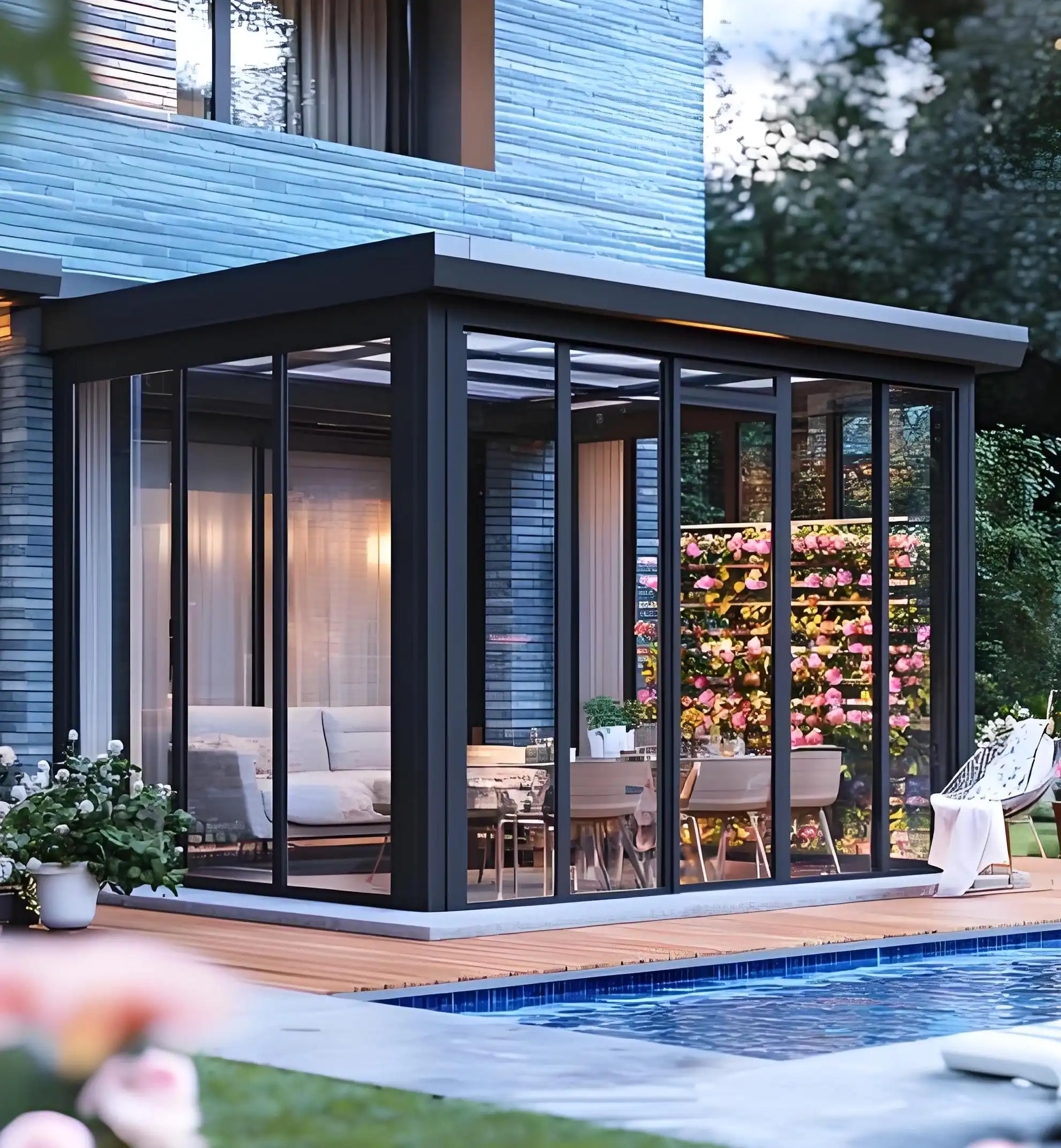
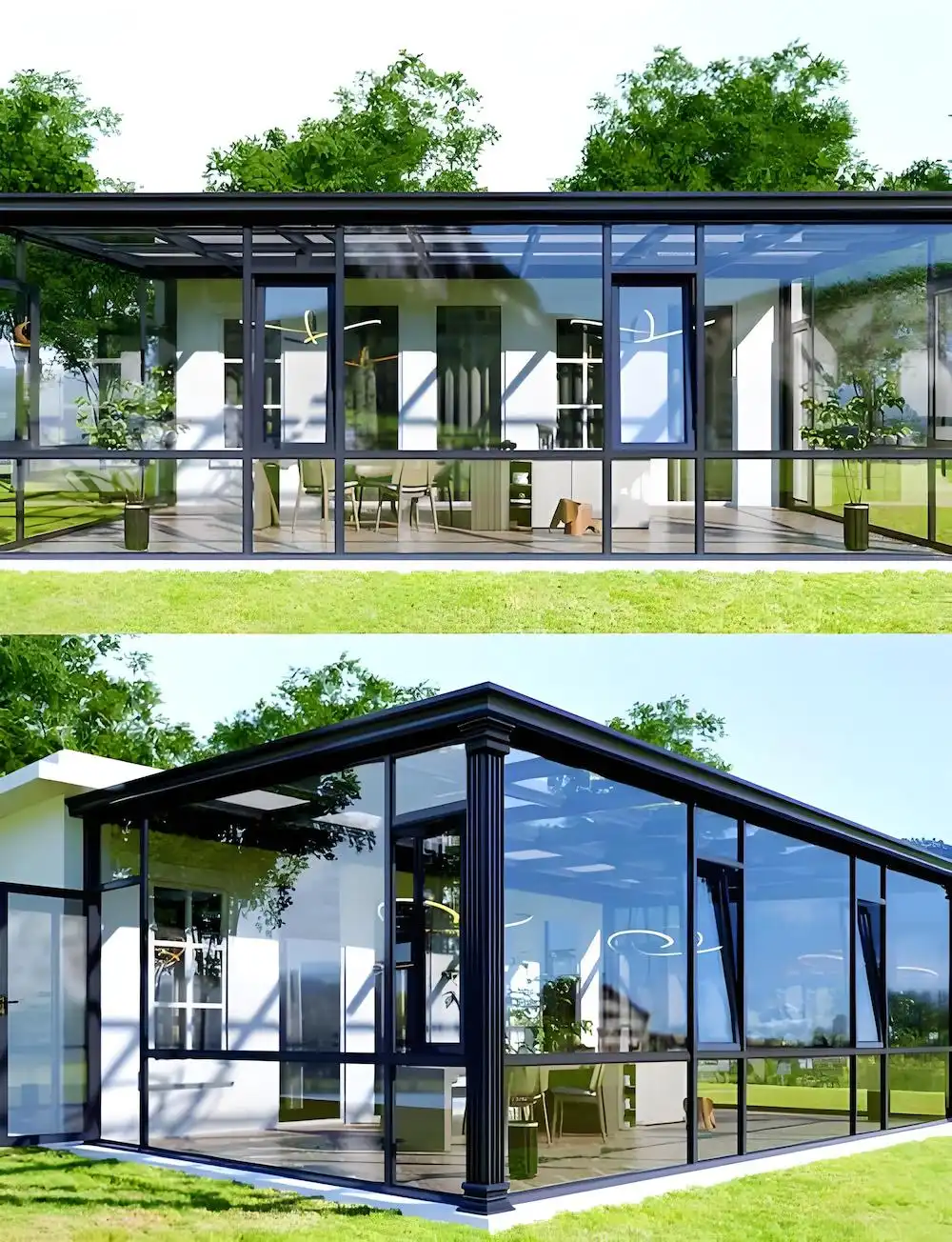
Modern Aluminium glass conservatory designs focus on clear space and smooth changes between indoor and outdoor life, especially in expensive homes where it increases the value of the property. As aluminium framing technology has improved, it can now accommodate these tastes in style without lowering the building's strength or thermal efficiency.
Integrated System Configurations
Panorama glass wall systems that go from floor to ceiling are used in modern setups. These walls let you see the surroundings around you without any obstructions. These parts can be put together with different types of doors, like bi-fold, sliding, or French casement styles. This lets customers choose the best access patterns for their terrace or garden layouts. Architects have compositional freedom during the conceptual design phases because different door types and frame systems can work together.
Roof options add another level of customization. Maintenance issues can be solved with glass roofs that have laminated safety screens and self-cleaning coats. These roofs also let in a lot of natural light. Instead, insulated panel systems have polyurethane or polyisocyanurate cores sandwiched between aluminium skins. These systems offer better thermal protection for use in places where temperatures change a lot. This two-option approach lets builders make sure that each conservatory is perfect for the area's climate and the needs of the clients.
Climate Control Integration
Motorized roof vents and manually operated side windows are used together in more advanced ventilation strategies. This creates a stack-effect airflow that naturally keeps the inside of a building at a comfortable temperature during the summer. Automated systems can connect to building management platforms and change where vents are placed based on weather forecasts and temperature sensors. This technology is especially useful in commercial or hotel settings where the happiness of the people who are there has a direct effect on how well the business does.
There are many types of shading options, from external louvre systems to internal pleated blinds. The type you choose will depend on how much sun you get and how private you want your space to be. During the early stages of design, procurement teams should look at shading mechanisms. This is because structural parts like motor housings or guide tracks need to be coordinated with the schedule for frame fabrication.
Aesthetic Customization
You can choose from more colors than just white or gray. There are cream tones, wooden effects created by sublimation printing, and custom RAL matches for brand-specific uses. Powder coating can be used to match almost any color scheme, so conservatories can fit in with current building styles or meet the needs of historic areas' planning authorities.
The thin profile that aluminium frame allows for creates a modern look while still allowing for period-appropriate details through the use of decorative elements. This mixed method solves the common problem of clashing current performance standards with traditional artistic expectations.
Aluminium Glass Conservatory Performance and Maintenance
Technical performance measures give you a way to compare Aluminium glass conservatory systems in a fair way when you are buying one. When you know these specs, you can make smart choices that balance the original investment with ongoing costs and legal requirements.
Structural and Environmental Resilience
Ratings for wind resistance show how well a conservatory can handle side loads without breaking or bending too much. Systems designed to withstand Grade 12 typhoons (wind speeds over 118 km/h) have stronger mullions, anchoring systems that have been checked using finite element analysis, and glass retention devices that keep panels in place during extreme weather. These requirements are necessary for installations near the coast or in places that get a lot of storms.
Watertightness depends on multi-stage seal arrangements, which usually include EPDM gaskets at the edges of the glass and drainage lines inside the frame profiles. When the seal is properly compressed during installation, water doesn't get in at the points where the glass and frame meet, which is a typical place where projects go wrong when they aren't done right. The specs for the purchase should include specifics about fitting tolerances and testing methods to make sure the weather performance is acceptable before the final acceptance.
Adding acoustic shielding is important in cities and near transportation hubs. Sound reduction values of 30 to 45dB can be reached with laminated glazing that has acoustic interlayers. This means that ambient noise is greatly reduced. This performance trait makes conservatories more useful when they are used as home offices, music rooms, or public places where sound quality affects how happy people are.
Maintenance Protocols
Aluminium is naturally strong, so it doesn't need much upkeep. However, regular checks are still recommended to ensure long-term performance. Seals are checked once a year to find compression loss or decline before leaks happen. Cleaning glass depends on where it's installed—installations under deciduous trees need to be cleaned more often than those in open areas. Self-cleaning glass surfaces use photocatalytic processes to break down organic deposits, so you don't have to clean them as often.
Hardware parts, especially hinges, locks, and motorized operators, should be oiled and adjusted every so often. Setting up maintenance contracts with qualified technicians makes sure that problems are fixed quickly, before they get worse and cost more to fix. The warranty should make it clear what parts are covered, like frame systems, glazing units, and mechanical parts. Normal wear and tear items should be realistically left out of the warranty.
Disclaimer: Actual performance characteristics depend on specific product configurations and installation quality. Clients should request certified test reports documenting structural, thermal, and acoustic performance for their particular system specification.
Procurement Considerations for Aluminium Glass Conservatories
When you do strategic buying, you have to look at more than just the unit price of a provider. You also have to look at their design skills, technical help, and project planning skills for Aluminium glass conservatories. Because custom greenhouse systems are so complicated, they need manufacturing partners who can handle production runs that last several weeks while keeping quality standards high.
Supplier Evaluation Criteria
Reviewing a designer's portfolio projects that show a range of styles and levels of technical difficulty that are similar to your needs is the first step in evaluating their design skills. Manufacturers who offer in-house structural engineering services can provide wind and snow load estimates that have been signed off on by registered professionals. This is information that is often needed to apply for a building permit. This feature speeds up the approval process and makes it easier for project architects to coordinate.
You can customize more than just the color. You can also choose your own profile designs, make the measurements not standard, and connect the product to other building systems nearby. OEM/ODM support lets distributors use their own labels or make custom products for signature developments. Aluminium glass conservatory options can be integrated into this flexible framework, allowing tailored glazing and structural configurations for different climate or aesthetic needs. Facility audits or third-party assessments should show that CNC cutting is accurate, welding is consistent, and quality control procedures are in line with ISO standards. This will help procurement teams make sure that production is flexible.
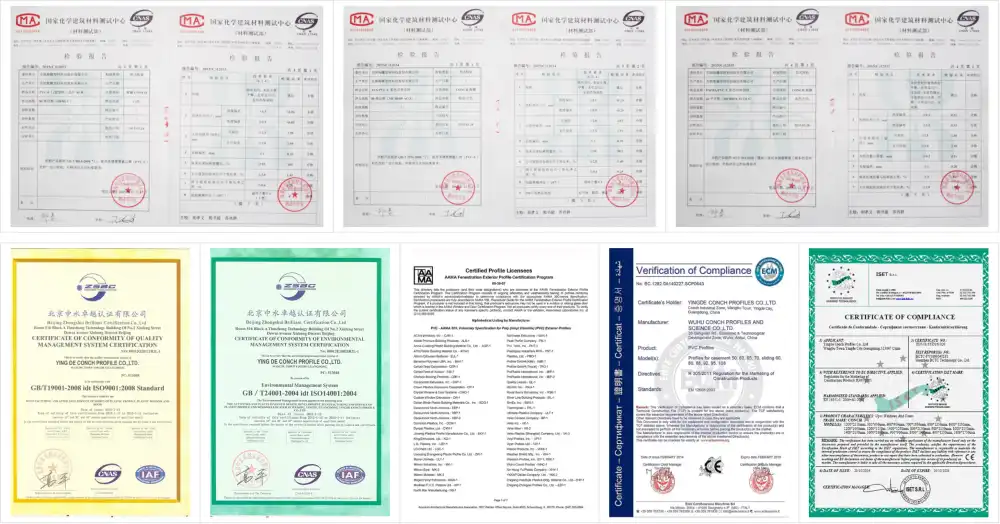
Verification of certification is very important when doing business in foreign areas. The CE mark shows that the product meets European standards for health, safety, and environmental protection. The AAMA mark shows that the product meets North American architectural standards. These credentials make it easier to get into markets and protect you legally from liability claims that come up because of problems with your products.
Cost Structure and Delivery Logistics
The price of aluminium affects the cost of materials, but reliable sources can keep prices stable through forward buying contracts. When you know how costs are broken down into things like frame systems, glazing, and hardware packages, you can have value engineering conversations that help you get the best standards without sacrificing important performance qualities.
Phased delivery plans line up the arrival of materials with important building milestones. This cuts down on the need for on-site storage and the risk of damage from the weather. When manufacturers offer pre-assembled subcomponents, they reduce the need for field labor and the number of mistakes that happen during installation. For international shipments, suppliers who know how to use knocked-down packaging can cut freight volumes by 30% compared to fully assembled units. This has a direct effect on project budgets and delivery times.
Standard production times are 25 to 30 days after an order is confirmed. Faster choices are available for extra fees. When setting project plans, procurement planning should take into account the time it takes to finish the design (usually 3–4 weeks) and the time it takes for the goods to get to their destination. There are buffer times to account for delays that are bound to happen because of things like weather, customs clearing, or changes to specifications found during shop drawing reviews.
Technical Support and Documentation
Complete sets of technical paperwork should include assembly instructions with labeled diagrams, installation videos that show important steps, and upkeep guides that list when to do repairs. These resources make it less necessary to rely on manufacturer technicians for routine installations and set quality standards for how well contractors do their jobs.
On-site technical support during initial installations helps local crews learn new skills, which speeds up future projects and lowers the number of mistakes that happen. Some makers offer virtual consultations through videoconferencing, so you can get help right away without having to pay for travel. Setting up these support procedures while negotiating the contract makes it clear who is responsible for what and stops arguments over installation problems caused by bad techniques.
Real-World Applications and Case Studies
Real-life examples of how Aluminium glass conservatory systems were put into action show how they solved specific project problems and gave end users real value. Technical claims are backed up by performance data and customer happiness metrics in these case studies.
Luxury Residential Development – Cotswolds, UK
In a 12-unit estate development, four-bedroom homes priced above £850,000 came with Victorian-style conservatories as standard features. The builder asked for cream-colored aluminium frames with artistic ridge crestings and self-cleaning laminated roof glass. The calculations for the structure showed that it met the local government's standards for snow loading (0.6 kN/m²) and wind exposure in rural hillside settings.
The modular design method made it possible to pre-assemble wall parts in the factory, which cut the time needed to build each unit on-site to three days. Because of the short building plan and lack of skilled workers in the rural area, this efficiency was very important. Six months after moving in, surveys of homeowners showed that 94% were satisfied with the thermal comfort and ease of maintenance, which supported the design strategy.
Commercial Application – Hotel Breakfast Room Extension
A small hotel in Melbourne needed a 60m² porch that could be used for breakfast and have views of the yard. The design included automatic roof vents that were connected to temperature sensors. This way, when the weather was mild, the temperature was kept comfortable without using air conditioning. Acoustically coated glass cut down on noise from a nearby road, making the sitting area more pleasant.
The project showed how flexible aluminium is in architecture by matching the hotel's existing Federation-style architecture with custom woodgrain finishes and proportions that are right for the historic site. The thermal break construction met energy performance goals that were in line with Green Star certification requirements, even though it had a traditional look. The installation has been up and running for three years with only quarterly cleaning and yearly inspections of the seals.
Innovation in Smart Glass Integration
Newer buildings use electrochromic glass technology, which lets people change how clear the glass is using smartphone apps. This new idea solves the problem of conservatories that get too hot in the summer by keeping the design looks better than outdoor shading systems. Even though it's a high-end feature right now, falling technology prices suggest that more people will use it in five years.
Tracking recyclable materials is becoming more and more important for projects that follow the ideals of the cycle economy. Manufacturers now offer material passports that list the exact compositions of aluminium alloys and glass. This makes it easier to recycle old products and meets strict environmental reporting requirements in markets that are looking to the future.
Conclusion
Aluminium glass conservatories last a long time because the material works well, the designs can be changed, and they are easy to run, making them perfect for hard business uses. The thermal break construction, structural resilience, and ability to customize the look are all important features for high-end residential developments and specialized commercial installations. For buying to go well, manufacturing partners must be evaluated on a number of factors, including technical competence, license compliance, delivery reliability, and support infrastructure.
When suppliers provide detailed documentation like structural calculations, assembly instructions, and maintenance protocols, projects benefit a lot. The choice of knocked-down packaging cuts down on logistics costs by a large amount while keeping product quality high, which is a clear cost benefit for foreign purchasing. Aluminium glass conservatory systems, in particular, offer a balanced solution that combines durability with design flexibility, making them easier to specify for projects that demand long-term performance. As tastes in architecture change and rules about the environment get stricter, aluminium conservatory systems make it easier for builders to meet both current needs and new standards.
FAQ
What is the typical lifespan of an aluminium glass conservatory?
When properly cared for, high-quality aluminium greenhouse systems keep their structural stability and good looks for many years. Powder-coated finishes last a lot longer than organic coatings when it comes to fading and corrosion. The aluminium profiles also don't warp or break down. Most glazing units come with a warranty that covers seal failure for 10 to 20 years, though in practice, they usually last longer than that. All system parts last longer when they get regular maintenance, like checking the seals once a year and adjusting the hardware every so often.
How do maintenance requirements compare with timber or uPVC alternatives?
Aluminium doesn't need nearly as much upkeep as wood does. Wood needs to be repainted or stained every so often to protect it from damage from water and UV light. Aluminium is better at keeping colors stable than uPVC, and it doesn't chalk or change color like lower-quality vinyl systems do. Aluminium building doesn't use any organic materials, so it doesn't get rot, bug damage, or biological stains that happen to wood structures in humid places.
What customization options suit specific building styles?
Modern production techniques allow for a lot of customizing, including color (including woodgrain effects), artistic elements (such as crestings, finials, and corbels), glazing designs, and door systems that are built in. Victorian and Edwardian styles can be met with profile designs and ornamental elements that are appropriate for the time period. On the other hand, modern projects look better with simple framing and smooth glazing transitions. Technical specs like thermal performance, structural capacity, and sound insulation can be improved without worrying about how it looks by choosing the right materials and making changes to the building.
Partner with a Trusted Aluminium Glass Conservatory Manufacturer
With every custom Aluminium glass conservatory project, Haolv Building Materials brings 19 years of experience in specialized manufacturing. Our thermal break systems use wall thickness profiles that are 2.0 to 4.0 mm thick and are designed to provide better structural integrity and energy efficiency in a wide range of climates. Each greenhouse system comes with paperwork from ISO, CE, and AAMA confirming its approval, as well as detailed structure estimates showing that it can withstand wind loads of up to Grade 12 typhoons and reduce noise by 30 to 45dB with laminated insulating glass.
We offer full project support, including design advice, custom color matching through AAMA 2604/2605 powder painting, and a range of roof options that can accommodate both glass and insulated panel choices. Our combined method makes it easy to get frames, glass, hardware, and all the other parts you need through a streamlined supply chain. We deliver within 25 to 30 days of receiving your order. The knocked-down way of packing cuts shipping volumes by about 30%, which directly lowers logistics costs without lowering the quality of the parts.
Technical documentation packages come with thorough assembly instructions, video lessons for installation, and upkeep guides that make sure the job is carried out successfully. During the procurement and installation phases, our engineering team is available to help with structural calculations, weatherproofing, and on-site support that fits in with project schedules. Customization includes full OEM/ODM capabilities for developers and distributors who want to use their own specifications.
Contact our technical team at kristin@haolvwindows.com to discuss your specific project requirements. We welcome inquiries from high-end residential developers, conservatory specialists, and architectural firms seeking a reliable aluminium glass conservatory supplier capable of delivering premium quality with predictable timelines. Visit haolvbuilding.com to explore our complete range of thermal break aluminium systems and discover how strategic material selection enhances project outcomes.
References
1. Anderson, J.M. & Peterson, K.L. (2023). Thermal Performance of Aluminum-Framed Glazing Systems in Residential Architecture. Journal of Building Physics, 46(3), 287-312.
2. British Standards Institution. (2022). Aluminium and Aluminium Alloys for Architectural Applications: Material Properties and Performance Standards. BSI Technical Report TR-2022-08.
3. Chen, W. & Morrison, H. (2024). Sustainable Material Selection in Contemporary Conservatory Design: A Lifecycle Assessment Approach. Building and Environment, 225, 110-128.
4. European Aluminium Association. (2023). Design Guidelines for Thermal Break Aluminium Window and Conservatory Systems. Brussels: EAA Technical Publications.
5. Reynolds, T.P. & Harper, R.N. (2023). Structural Engineering of Large-Span Glazed Structures: Wind Load Analysis and Frame Design Optimization. Structural Engineering International, 33(2), 156-174.
6. Wilson, D.R., Schmidt, A., & Taylor, F.J. (2024). Comparative Maintenance Analysis of Conservatory Framing Materials: Aluminium, uPVC, and Timber Performance Over 25-Year Service Life. Construction and Building Materials, 412, 134-149.
Fast simple channel to send demands lock favorable price for building window door bulk purchases.