- English
- French
- German
- Portuguese
- Spanish
- Russian
- Japanese
- Korean
- Arabic
- Greek
- German
- Turkish
- Italian
- Danish
- Romanian
- Indonesian
- Czech
- Afrikaans
- Swedish
- Polish
- Basque
- Catalan
- Esperanto
- Hindi
- Lao
- Albanian
- Amharic
- Armenian
- Azerbaijani
- Belarusian
- Bengali
- Bosnian
- Bulgarian
- Cebuano
- Chichewa
- Corsican
- Croatian
- Dutch
- Estonian
- Filipino
- Finnish
- Frisian
- Galician
- Georgian
- Gujarati
- Haitian
- Hausa
- Hawaiian
- Hebrew
- Hmong
- Hungarian
- Icelandic
- Igbo
- Javanese
- Kannada
- Kazakh
- Khmer
- Kurdish
- Kyrgyz
- Latin
- Latvian
- Lithuanian
- Luxembou..
- Macedonian
- Malagasy
- Malay
- Malayalam
- Maltese
- Maori
- Marathi
- Mongolian
- Burmese
- Nepali
- Norwegian
- Pashto
- Persian
- Punjabi
- Serbian
- Sesotho
- Sinhala
- Slovak
- Slovenian
- Somali
- Samoan
- Scots Gaelic
- Shona
- Sindhi
- Sundanese
- Swahili
- Tajik
- Tamil
- Telugu
- Thai
- Ukrainian
- Urdu
- Uzbek
- Vietnamese
- Welsh
- Xhosa
- Yiddish
- Yoruba
- Zulu
How to Choose Vinyl French Doors for Different Climates
Choosing the right UPVC French doors requires matching technical specifications with your target market's climate conditions and customer expectations. Vinyl French Doors deliver consistent performance across temperature extremes when paired with appropriate glazing, reinforcement, and sealing systems. As procurement managers serving diverse geographic markets—from tropical coastal zones to temperate continental regions—understanding how material composition, thermal engineering, and installation protocols interact with local weather patterns directly affects your profit margins, customer satisfaction, and repeat order rates.
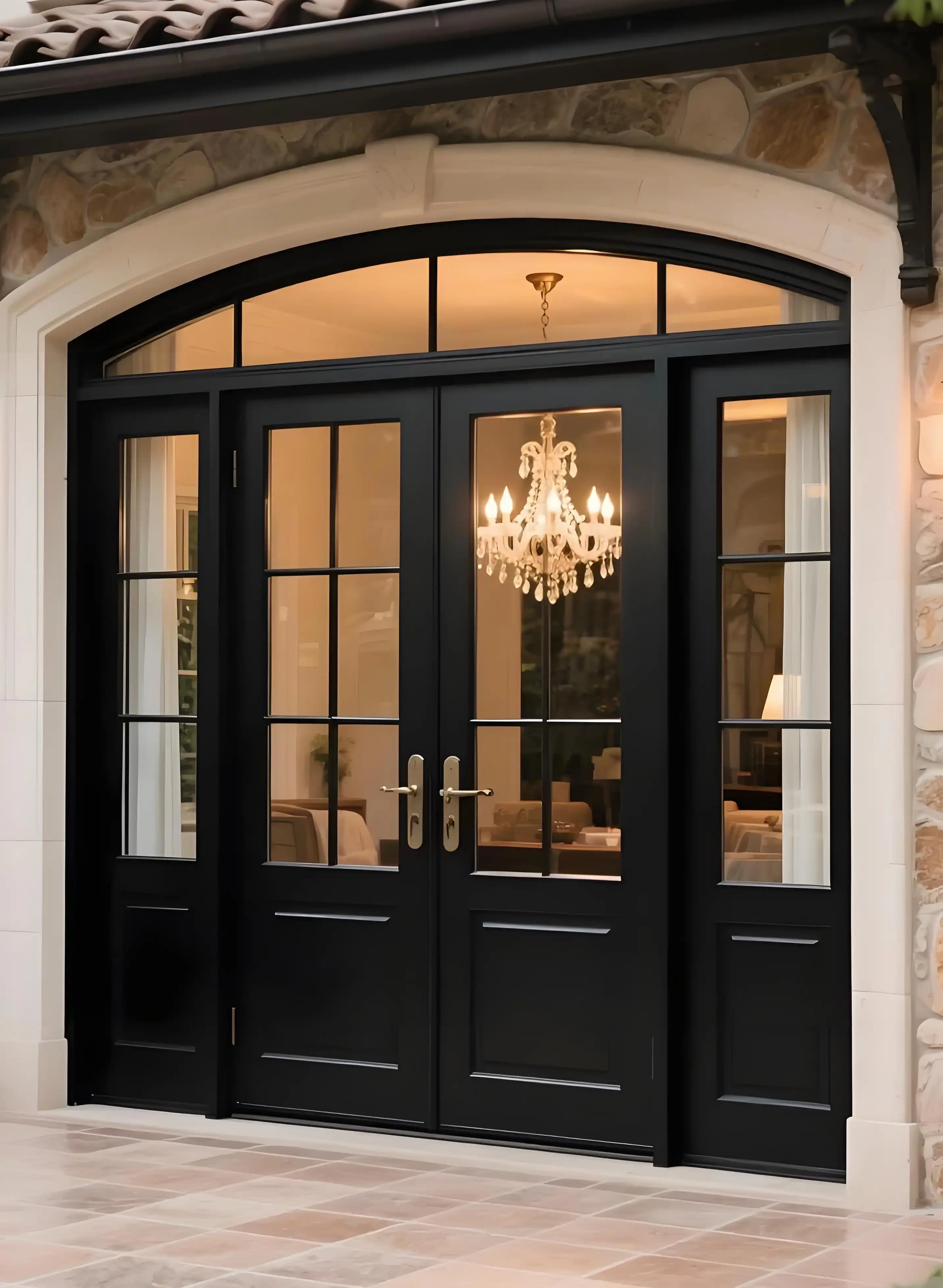
Understanding Vinyl French Doors: Key Features and Benefits
What Makes UPVC French Doors Stand Out in Building Material Markets?
These benefits of UPVC material make it a great choice for making doors, which will ultimately lead to more sales. The multiple-chamber profile design naturally blocks heat, and the polymer mix stops water from getting in without needing to be refinished often. Unlike wood options that need to be maintained every year or aluminium frames that let heat escape quickly, UPVC frames stay the same size even when the temperature and humidity change.
At certified factories, products are made by carefully extruding new PVC compounds that have been mixed with stabilisers and impact modifiers. Reinforced UPVC profiles have galvanised steel cores inside the chambers that make them strong enough to hold sashes up to 48" x 96" per panel. This reinforcement system keeps weathertight seals in place over long periods of service, which lowers the cost of installation teams' callbacks.
Core Technical Advantages for Your Customer Base
When selling these items to home repair contractors or property owners, there are a number of engineering features that set them apart in a crowded market. The multi-chamber thermal design cuts down on heat transfer, which means that cooling and heating costs are cut by a certain percentage. Multi-point locking systems, which usually have four to eight locking points spread out around the frame's edges, offer security that makes them appealing to both home and business buyers.
Glass combinations are a key way to make things your own. For high-traffic areas, tempered glass meets safety building rules. Laminated glazing adds soundproofing and resistance to impact. U-values of 1.2 to 1.8 W/m²K are reached with double-glazing systems that have low-E coatings and argon gas fills. This meets the energy efficiency standards of many regulatory frameworks. Use of different colours helps reach more customers. Standard white and brown profiles look good with traditional styles, while wood-grain textured finishes in oak, walnut, or mahogany tones appeal to high-end customers without the upkeep that comes with wood. These foil laminates don't break down when exposed to UV light, and the colours stay true for years in areas with a lot of sun.
Bulk Procurement Considerations for Trade Buyers
Making decisions about where to get things means figuring out how well suppliers can meet both volume and specification needs. Working capital needs are affected by minimum order amounts, especially for trying the market for the first time. Facilities that offer starter orders of 10 to 20 units and scalable production capacity can handle cautious market entry strategies while keeping relationships in place for future volume growth.
The types of packaging have a big effect on the landed costs. Labels that are stuck on neutral carton packing let brands be customised, and knock-down shipping configurations use 40–50% less container space than fully built units. This flexible method cuts down on freight costs and makes it easier to clear customs paperwork in countries with strict import rules. Predicting lead times has an effect on planning for project timelines and cash flow. When operations keep enough inventory of parts and supply lines work together, they can usually deliver within 25 to 30 days of receiving an order. Standard trade finance practices in emerging markets include payment structures that allow for a 30% deposit and the balance to be due before the shipment.
Climate Considerations: How Different Weather Conditions Impact Door Performance?
Cold Climate Requirements and Thermal Engineering
In places where it stays below freezing for a long time, Vinyl French Doors need to be designed to keep heat in and moisture out. Good UPVC profiles have a thermal break design that keeps the temperatures on the inside from dropping to dew points, which is where water condenses. Double-glazing systems with 16–20 mm gap between the panes and toxic gases inside provide the insulation values needed to keep heating costs low.
In cold places, installation instructions become very important. Thermal bridging paths can't exist if flashing is properly installed and expanding foam is used around rough openings. Weather-stripping materials need to be able to stay flexible in temperatures below zero. EPDM rubber gaskets work better than regular vinyl seals when exposed to cold for a long time. In order to meet ADA accessibility standards, door steps need heat breaks and low-profile designs that stop ice dams from forming.
Hot and Humid Climate Adaptations
There are different technical problems to solve in tropical and subtropical markets. Unprotected polymers break down photochemically in the presence of UV light, which results in chalking and discolouration. UPVC compounds contain titanium dioxide, which acts as a UV stabiliser. Cap-stock extrusion techniques place high-stability material on the outside surfaces. After decades of being exposed to the tropical sun, these mixtures still look good and keep their shape.
Controlling humidity is all about stopping mould growth and keeping the seals in good shape. Drainage channels built into the sill profiles get rid of water that gets in before it gets into the spaces inside. In places with a lot of humidity, where regular steel fasteners break after a few months, stainless steel hardware parts don't rust. Differential heating during tropical downpours can cause thermal stress cracks in sun-heated panels. Tempered or laminated glass stops these cracks from happening.
Coastal and High-Wind Zone Specifications
Metal parts rust faster in air that is high in salt, and wind-driven rain puts weathertight seals to the test beyond what is normally expected. Marine-grade stainless steel or powder-coated aluminium alloy parts are needed for multi-point locking systems that are installed near the coast. Sealants made of silicon work better in glazing pockets because they don't break down as quickly when exposed to salt.
Ratings for wind loads tell us how much frame reinforcement we need. Class A4 wind resistance—able to handle forces equal to 180 km/h winds—needs steel reinforcement gauges and wall thicknesses that are thicker than what is required by law. Watertightness Grade 6 certification means that water can't get through at pressure differences of 600 Pa, which is the same as wind-driven rain during severe storms.
Comparing Vinyl French Doors to Other Materials Across Climate Zones
Performance Analysis Against Traditional Materials
Wood doors look nice and are warm, but they need to be maintained regularly, which raises the costs over their lifetime. In wet places, wood soaks up water and swells, warps, and rots within 5 to 7 years if it isn't refinished properly. UPVC keeps its shape no matter how wet the air is, so there are no more operating problems or seal failures caused by warping.
Aluminium frames are strong and don't take up much space, but they conduct heat quickly, which can cause condensation in cold climates and heat gain in tropical ones. Thermal-break aluminium systems try to get around this problem with polymer plugs, but they rarely get as good of U-values as multi-chamber UPVC designs. UPVC is cheaper than aluminium in mid-market areas, but aluminium costs more in industrial settings. Fibreglass doors are great at withstanding changes in temperature and impacts, but they are more expensive to make, which keeps them from being widely used in price-sensitive areas. Because fibreglass pultrusion processes are more complicated to make, lead times are longer and customisation options are limited compared to UPVC extrusion.
Glazing Options and Energy Performance
The specs for the glass affect how well the Vinyl French Doors work. Single-pane glazing works well in mild climates where minimal thermal needs exist, but double glazing is necessary in places where temperatures are very high or very low. Low-emissivity coatings reflect infrared radiation, which keeps heat in during the winter and blocks sun gain during the summer. This lowers the load on HVAC systems by known amounts.
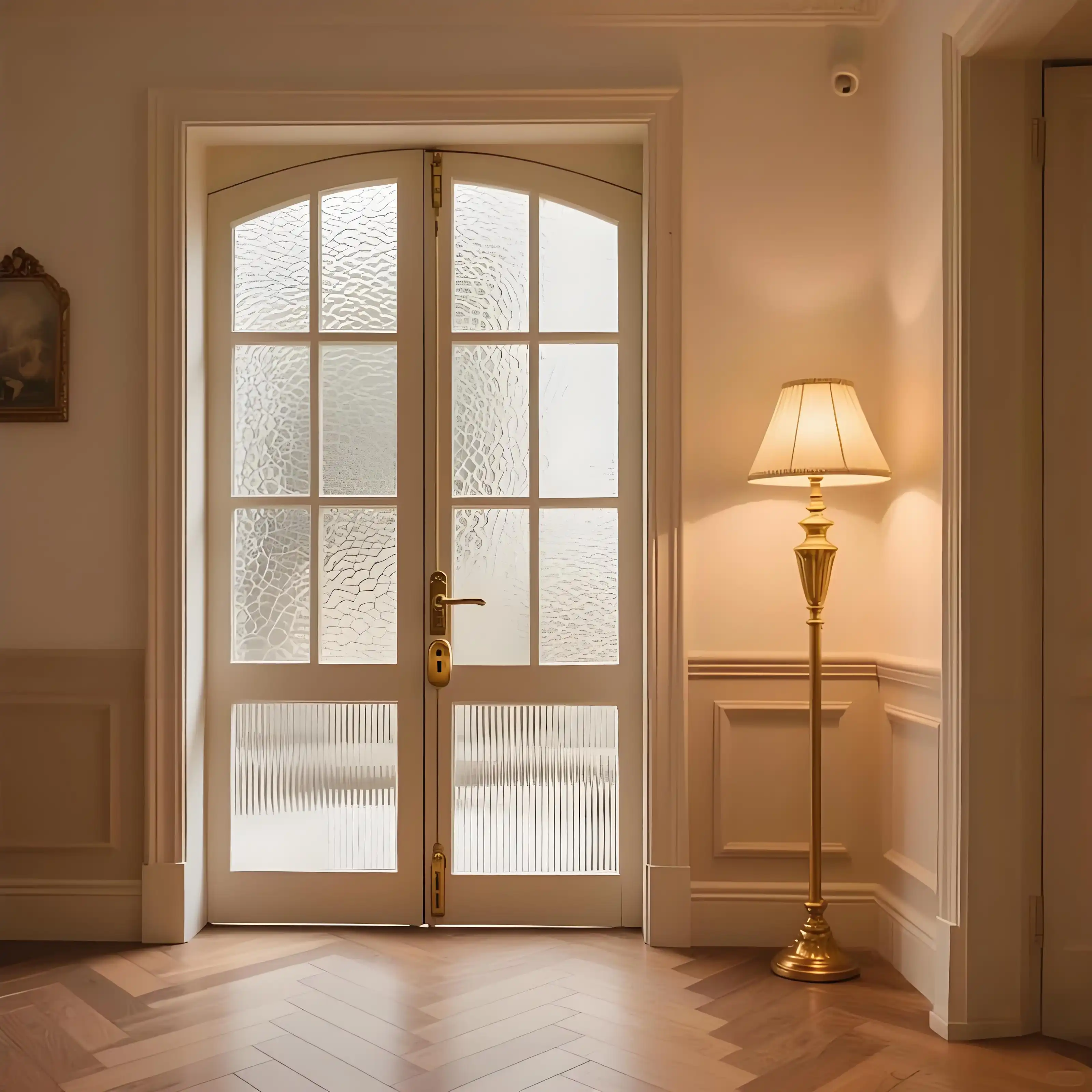
Integrated blind systems inside sealed glass cavities keep out dust and reduce the risk of damage while still letting you control your privacy. In contrast to surface-mounted treatments that cause thermal bridges, these between-glass blinds keep their insulating properties because the cavity seals are not disturbed. In high-density urban areas where noise pollution lowers property values, laminated glass panels are useful because they combine safety features with sound dampening.
Procurement Factors: Making Informed Purchase Decisions
Technical Verification and Compliance Standards
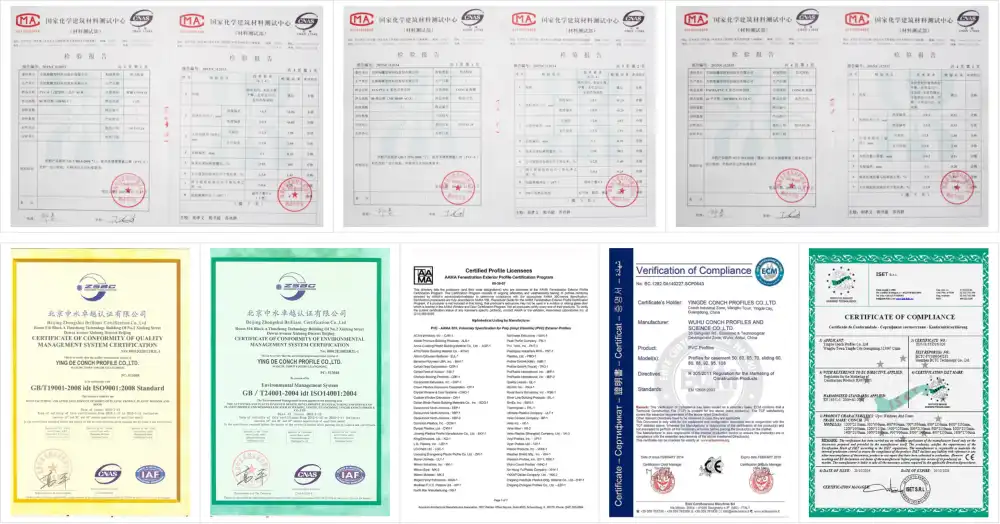
Certification paperwork backs up claims of performance and meets regulatory needs. The ISO quality management certification shows that production is controlled in a planned way, and the CE label shows that the product meets European safety standards. AAMA certification sets performance standards for air infiltration, water penetration, and structural loading parameters across North America. Independent testing of energy ratings gets rid of the risk that suppliers will lie about their ratings. Thermal performance is shown by U-value certifications from recognised laboratories, and passive solar control features are shown by Solar Heat Gain Coefficient ratings. These metrics let you directly compare rival goods and help your target markets follow building codes.
Customization Capabilities and Order Flexibility
Standard sizes don't always work for every job. Suppliers who let you change the sizes within manufacturing tolerances—usually 2mm on width and height—lower the costs and time of making changes in the field. When a lot of projects need colour matching, it helps keep the architecture consistent and helps the brand stand out in competitive markets. The hardware you choose affects both how it works and how it looks. Handle types, from modern levers to classic knobs, are available to meet the needs of a wide range of customers. Hinge systems have to support the weight of the sashes while still allowing smooth operation. For panels that are too big or too small, heavy-duty choices are needed.
Logistics and Installation Support
Strategies for optimising containers have a direct effect on how much it costs to ship each unit. Knock-down designs that pack frame parts, sash sections, and glass separately greatly reduce the need for cubes. For this method of shipping modules, you need clear instructions on how to put them together. Technical parameter sheets, installation videos, and illustrated guides become important parts of your relationship with your supplier. These resources cut down on the time needed to train installers and the number of mistakes made in the field that lead to warranty claims.
Correct customs paperwork keeps processing times from being too long. Suppliers who have done business with other countries before give full commercial bills, packing lists, and certificates of origin that are formatted to meet the needs of the target country. Expertise in Harmonised System code classification makes sure that the right duty is applied and that goods are not penalised for being misclassified.
Maintenance and Longevity: Protecting Your Investment Value
Climate-Specific Maintenance Protocols
Routine maintenance for Vinyl French Doors keeps things looking good and makes them last longer. In dusty or coastal areas, washing surfaces every three months with mild detergent solutions gets rid of dirt and grime before it sticks to the surface. Avoid using rough cleaners or solvents that damage surface finishes. Instead, use pH-neutral products that are safe for both UPVC and glazing coatings. Hardware grease keeps things running smoothly and stops them from wearing out too quickly. Putting silicone-based oils on hinge pins, locking mechanisms, and multi-point drive systems once a year makes sure they work the same way every time. A check of the weather-strip shows any tears or tension sets that need to be fixed before air leaks raise energy costs.
Early Warning Signs and Component Replacement
Frame surface checking or crazing means the UV stabilisers are wearing off or there is contact damage that needs to be looked at. Good UPVC doesn't break down like this for long amounts of time, but sometimes field conditions are worse than what was planned. Fogging between the panes of glass is a clear sign that the desiccant is saturated or that the seal has broken, letting water in and needing to be replaced.
If the lock mechanism is stiff or doesn't fully connect, it means that there is internal wear or dirt buildup. If you take care of these symptoms right away, you can stop forced entry vulnerabilities and make hardware last longer. Downtime during repairs depends on how quickly you can get replacement parts from your supplier. Keeping relationships with manufacturers that offer full parts support minimises customer disruption.
Performance Enhancement Options
Protective coatings put on UPVC surfaces in places with a lot of UV light help the colours last longer and keep the surfaces in good shape. These treatments, which are made of acrylic, make the hair look new again and protect it from UV rays. Adding more weatherstripping to older units in places with tough climates improves their energy efficiency without having to replace the whole unit.
Disclaimer: The exact performance metrics depend on the testing reports for each product and the quality of the installation. The success in different climates depends on choosing the right specifications and following the manufacturer's fitting instructions.
Conclusion
To choose the right Vinyl French Doors standards, you have to balance the needs of the temperature with the needs of the market and the costs. Reinforced multi-chamber shapes with the right glass systems work well in a wide range of temperature and humidity conditions while keeping prices low. Verification of certification, customisation options, and logistics support are what set reliable suppliers apart from commodity vendors. Building material sellers get a good place in the market by carefully matching specifications and building partnerships with suppliers. Their products meet both government standards and customer expectations, which helps them make money. Technical resources like parameter sheets, assembly videos, and installation documentation can help your installers do a good job and streamline your supply chain.
FAQ
Q1: Can UPVC French doors be customized for non-standard openings?
A: Reliable manufacturers can work with custom sizes as long as they don't go too far outside of normal ranges for widths and heights. This usually doesn't affect lead times too much. Frame depths can be changed to fit different wall thicknesses, which is common in international building.
Q2: How do these doors compare in energy efficiency to wood or aluminum alternatives?
A: Multi-chamber UPVC designs usually have U-values that are 20–30% lower than normal aluminium frames. They also keep working well without the swelling that happens with wood door locks during the winter. Thermal testing that is recorded gives precise comparison data.
Q3: What are typical lead times and warranty coverage for bulk orders?
A: When production facilities have integrated supply chains and enough inventory, they usually deliver within 25 to 30 days of receiving an order. Warranty terms usually cover manufacturing flaws for a certain amount of time. Hardware and glass parts have different covering lengths depending on the suppliers of those parts.
Q4: Is knock-down shipping available to reduce logistics costs?
A: Shipping frames, sash assemblies and glass separately in modular packaging cuts the amount of space needed in containers by 40 to 50 percent, which greatly lowers the cost of freight per unit. These shipments come with assembly instructions, such as installation videos and technical guides, to make sure they are put together correctly in the field.
Partner with Haolv Building Materials for Climate-Optimized UPVC Door Solutions
Haolv Building Materials Co., Ltd. has been making doors for 19 years, so they can be trusted by procurement professionals who need reliable UPVC French door suppliers. Our ISO, CE, and AAMA-certified factory in Hunan Province works with CONCH to make sure the standard of our raw materials stays high, and our 25–30 day shipping schedules are made possible by integrated supply chain management.
We can take initial orders of 10 to 20 units with neutral packaging or OEM branding choices. This makes it easy for building material sellers in Africa, South Asia, and Eastern Europe to get into the market. Our engineering team helps your installers do a good job by giving them technical parameter paperwork, installation video tools, and assembly tips. Our multi-point locking systems, reinforced profiles, and customisable glazing options meet the needs of a wide range of climates. Knock-down shipping configurations cut your logistics costs by 30–40%. Email us at kristin@haolvwindows.com to talk about your unique market needs and get FOB quotes that are made to fit your container needs.
References
1. American Architectural Manufacturers Association. (2022). AAMA 101: Voluntary Standard for Aluminum, Vinyl (PVC) and Wood Windows and Glass Doors.
2. International Trade Centre. (2020). International Trade in Goods Statistics: Patterns and Trends in Building Materials.
3. National Fenestration Rating Council. (2021). Certified Products Directory: Energy Performance Ratings.
4. U.S. Department of Energy. (2021). Energy Efficiency and Renewable Energy: Windows and Doors Technology.
5. Plastics Industry Association. (2020). Vinyl in Building and Construction: Technical Performance Guide.
6. Building Research Establishment. (2019). Climate-Responsive Building Envelope Design: Performance Standards.
Fast simple channel to send demands lock favorable price for building window door bulk purchases.