- English
- French
- German
- Portuguese
- Spanish
- Russian
- Japanese
- Korean
- Arabic
- Greek
- German
- Turkish
- Italian
- Danish
- Romanian
- Indonesian
- Czech
- Afrikaans
- Swedish
- Polish
- Basque
- Catalan
- Esperanto
- Hindi
- Lao
- Albanian
- Amharic
- Armenian
- Azerbaijani
- Belarusian
- Bengali
- Bosnian
- Bulgarian
- Cebuano
- Chichewa
- Corsican
- Croatian
- Dutch
- Estonian
- Filipino
- Finnish
- Frisian
- Galician
- Georgian
- Gujarati
- Haitian
- Hausa
- Hawaiian
- Hebrew
- Hmong
- Hungarian
- Icelandic
- Igbo
- Javanese
- Kannada
- Kazakh
- Khmer
- Kurdish
- Kyrgyz
- Latin
- Latvian
- Lithuanian
- Luxembou..
- Macedonian
- Malagasy
- Malay
- Malayalam
- Maltese
- Maori
- Marathi
- Mongolian
- Burmese
- Nepali
- Norwegian
- Pashto
- Persian
- Punjabi
- Serbian
- Sesotho
- Sinhala
- Slovak
- Slovenian
- Somali
- Samoan
- Scots Gaelic
- Shona
- Sindhi
- Sundanese
- Swahili
- Tajik
- Tamil
- Telugu
- Thai
- Ukrainian
- Urdu
- Uzbek
- Vietnamese
- Welsh
- Xhosa
- Yiddish
- Yoruba
- Zulu
How to Choose Energy Efficient Vinyl Sliding Patio Doors?
Choosing energy-efficient Vinyl Sliding Patio Doors starts with understanding thermal performance metrics and how they impact your retail customers' heating and cooling bills. For building materials distributors serving the North American renovation market, selecting doors with low U-values (ideally ≤ 0.28 W/m²K), appropriate Solar Heat Gain Coefficients, and quality multi-chamber PVC profiles translates directly into competitive advantages.
When these products also arrive in knock-down packaging that reduces shipping volume by nearly one-third, your margin improves while your warehouse footprint shrinks—a combination that makes energy-efficient patio doors one of the most strategic product lines for wholesalers targeting residential retrofit projects.
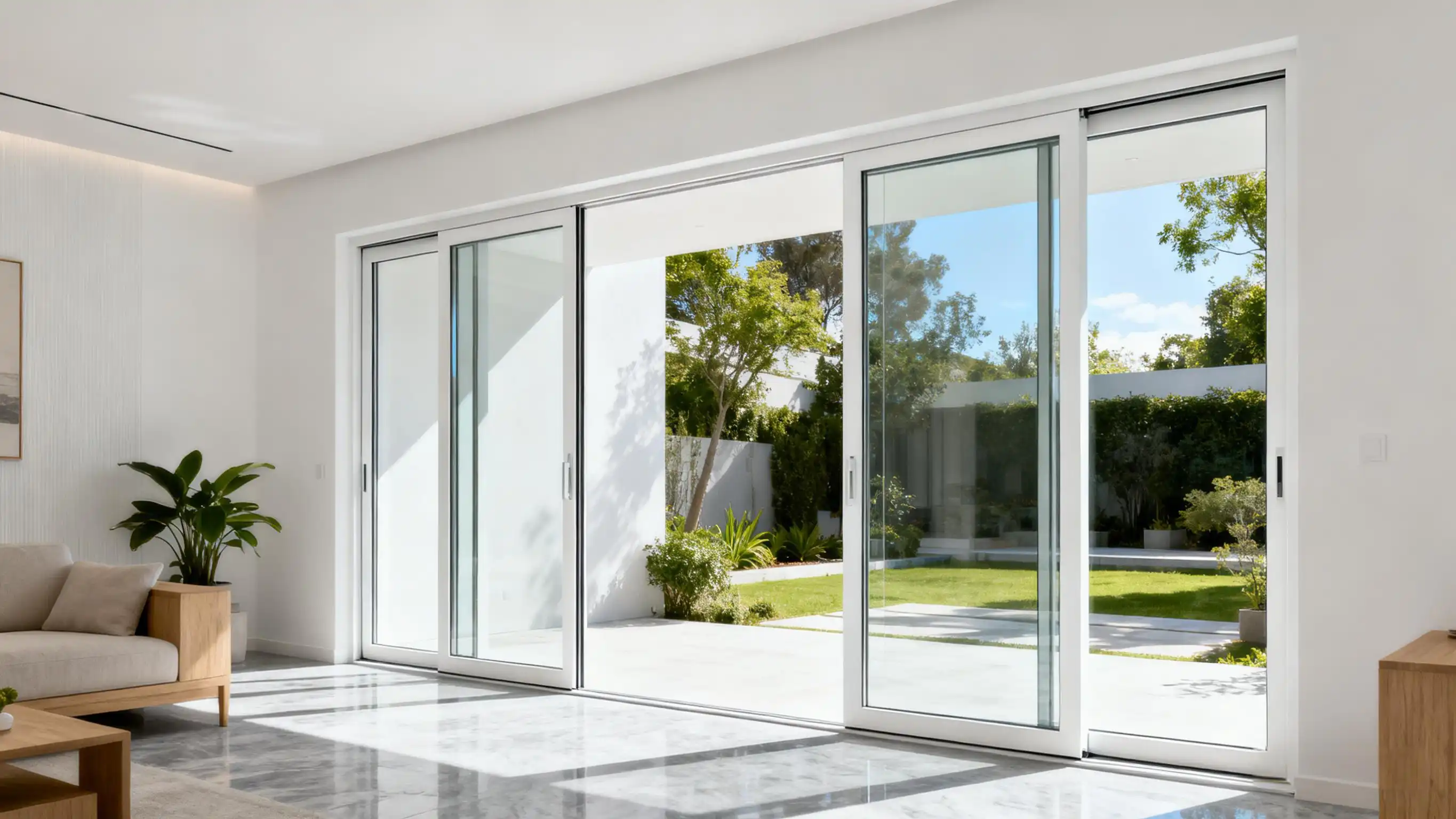
Understanding Energy Efficiency in Vinyl Sliding Patio Doors
Depending on how energy-efficient these Vinyl Sliding Patio Doors are, your retail customers may see them as high-end options or cheaper alternatives. The U-factor is the most important number because it shows how well a door keeps heat inside. Insulation is better when the number is lower. U-values of 0.30 W/m²K or less are required by strict energy codes in North America. They also qualify for electricity rebates that your users will enjoy.
The Role of Multi-Chamber PVC Profiles
Vinyl frames with more than one chamber create air pockets that keep heat out. When galvanized steel plates are used to strengthen these spaces, the shape stays strong even when temperatures change without losing its insulation. Profiles with depths between 70 mm and 88 mm are flexible. Thicker profiles work best in colder places where thermal performance is very important, while standard depths work well in mild climates. This chamber design cuts down on condensation on the inside, which is a common problem that leads to warranty claims and hurts customer trust.
Glazing Options That Impact Performance
As of now, everyone expects double-glazed units with Low-E finishes and argon gas fills. Triple glazing improves thermal performance even more, but it costs more and is heavier, so it's only good for high-end markets. Standard safety glass is tempered glass, but laminated choices offer better security and sound reduction, which are important to people who live near busy streets or in areas where break-ins are a worry. The amount of glass to frame is also important. Doors with bigger areas of glass need stronger thermal breaks and better weatherstripping to keep working well overall.
Weatherstripping and Air Infiltration Control
If air gets in around the frame, even the best glass won't work. Good weatherstripping materials, usually EPDM or silicone, should compress evenly and keep their elasticity over years of seasonal expansion and contraction. Distributors can be sure that a product will work as promised by testing it against ASTM E283 standards for air entry. This certification answers one of the main questions buyers have, which is whether imported doors can be as airtight as well-known North American brands at 60–70% of the price. When procurement teams understand these technical basics, they can confidently tell retail sales staff about value propositions and ask the right questions when evaluating suppliers.
Core Criteria for Selecting Energy Efficient Vinyl Sliding Patio Doors
When choosing Vinyl Sliding Patio Doors for your inventory, you need to balance thermal metrics with practical factors like how easy they are to install, how reliable the hardware is, and how quickly the seller responds. The goal is to find goods that work consistently in a variety of installation situations and still have healthy profit margins.
Thermal Performance Metrics Beyond U-Factor
The Solar Heat Gain Coefficient (SHGC) tells you how much heat from the sun gets thru the glass. Lower SHGC values lower the need for air conditioning in places like the southern U.S. where cooling is the main climate. In northern areas that rely on heating, modest SHGC lets passive solar gain cover the cost of heating. Distributors that work with a lot of different climate zones need suppliers that can offer glazing options that meet the energy codes of each area without needing separate SKU systems that make managing inventory harder.
Frame Material Comparisons
Vinyl is better than wood at resisting water, and it doesn't need to be painted, which is a big plus for busy homeowners. Vinyl is better than metal because it doesn't need polyamide thermal breaks, which are more expensive and harder to use. Although fiberglass frames are strong, they are more expensive, which makes it harder for them to break into the market in the volume retrofit section, which is where wholesalers make steady cash flow.
Hardware Quality and Security Features
Multi-point locking systems keep doors safe at several points along the frame. This spreads out the force and stops attacks that use lift-outs. The 100,000-cycle test on the stainless steel rollers makes sure that the machine works smoothly years after it was installed, which cuts down on callback complaints. Anti-lift blocks keep doors from being pried off their tracks.
This is a security feature that insurance-conscious homeowners like and that passes checks before a home is sold. These factors make up a list that makes comparing suppliers easier. When clear communication about lead times and minimum order quantities is added, it speeds up the decision-making process during the critical evaluation phase.
Evaluating Vinyl Sliding Patio Doors: Market Options and Supplier Brands
Well-known brands in North America include Andersen, Pella, and Jeld-Wen. These brands charge higher prices because they have been in the market for decades. Because of exclusive dealer agreements and high minimum purchases, it can be hard for smaller distributors to stock these brands. This gap makes it possible for direct-sourcing methods to offer similar performance levels for Vinyl Sliding Patio Doors at prices that most people can afford.
Comparing Supplier Capabilities
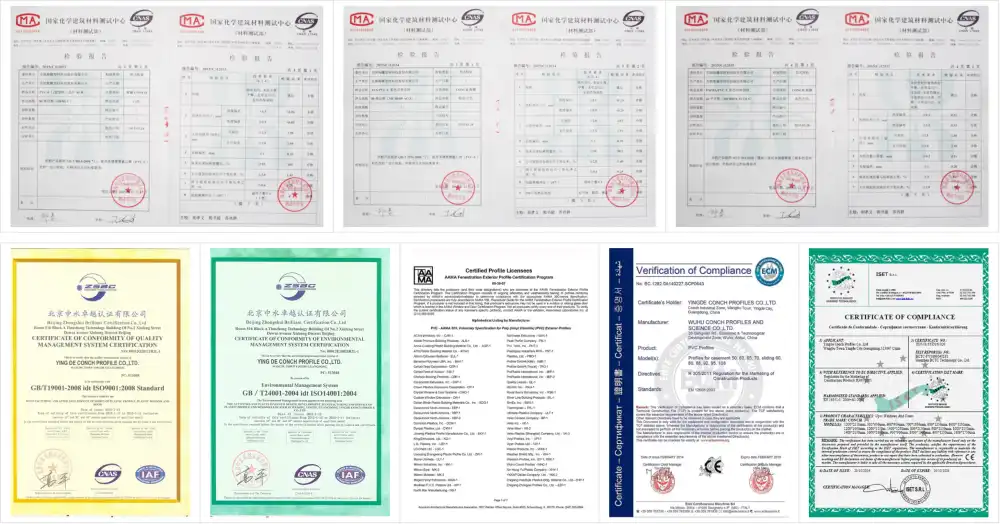
The best makers get AAMA and WDMA certificates, which show that their products meet North American standards for structural performance, water penetration resistance (ASTM E331), and forced entry resistance. These licenses are necessary to get into the market, but they don't guaranty that operations will run smoothly. Teams in charge of buying things should look at production capacity, quality control systems, and support services after the shipment all on an equal level.
Customization and Standard Sizing
Standard rough openings for home building in North America are 5 feet, 6 feet, and 8 feet wide and 80 inches high. When suppliers have these sizes in stock, lead times are shorter and special orders are easier to handle. When working with builders on high-end projects or historical renovations with non-standard openings, the ability to customize is important. On these higher-value, lower-volume orders, being able to change sightlines, handle finishes, and glass tints without having to charge full custom price saves the margin.
Packaging and Logistics Efficiency
Traditional fully assembled door packaging takes up a lot of space in containers and makes it more likely that things will break during ocean freight. About 30% less shipping is needed with knock-down packaging methods, where frames, panels, and hardware are sent separately to be put together at the job site or delivery center. This method greatly lowers the cost of freight per unit, especially for wholesalers who run lean warehouses and whose profits are directly affected by how well they use storage space.
With this model, installation contractors must have access to detailed assembly directions, video lessons, and quick technical help in order to achieve factory-level quality during field assembly. When looking at responsiveness during peak season demand, flexibility on payment terms for growing accounts, and openness about production schedules when shortages of raw materials affect lead times, you can really tell one supplier from another.
Installation and Maintenance for Optimal Energy Efficiency
How well the Vinyl Sliding Patio Doors are installed has a big impact on how well they work. Even doors that meet or beat the energy code become less efficient if they are placed incorrectly. When distributors give their contractor customers best practices for installation, guarantee claims go down and the distributor gets a good name for providing reliable solutions.
Professional Installation Best Practices
Making sure the rough opening is plumb, level, and square within 1/8 inch on all sides is part of the right way to prepare it. Shims must always hold up the frame so that it doesn't sag and stop the sliding mechanism from working. When used correctly, expanding foam insulation can fill in holes, but too much of it can cause the frame to bow, which can damage the weatherstripping. Exterior caulking needs to let water drain thru weep holes while also keeping water out. To find the right mix, you need to know how the track system is designed.
Maintenance Protocols That Extend Service Life
Tracks collect dirt and other things that cause friction and speed up roller wear. Cleaning it every three months with a vacuum and a damp cloth stops buildup. Every year, you should check the weatherstripping for cracks or compression set. Replacing it early keeps it working well and doesn't cost much. Seals don't break down when you use silicone spray to grease rollers and lock points instead of products made from petroleum. When explained in the care guides that come with each door, these simple rules set careful distributors apart from rivals who are only interested in making the first sale.
Common Installation Errors and Corrections
If you don't attach the frame to the supporting parts, it can move, which can damage the weatherstripping. Not installing sill pans leaves openings open to water damage that shows up months later as mold or rot. If the joint where the panels meet is not lined up correctly, air can leak thru and defeat the heat performance that was built into the product.
Distributors who give contractors installation checklists and offer phone support during installations build loyalty, which leads to more orders. Distributors are seen as partners instead of just sellers when they give customers access to installation videos, technical parameter sheets with exact rough opening measurements, and troubleshooting flowcharts. These tools are especially helpful for workers when they are working in the field and have to change how they normally do things.

Cost Analysis and Financing Options for Energy Efficient Vinyl Sliding Patio Doors
Knowing the total cost of ownership helps distributors tell retail customers about value propositions that make price differences between Vinyl Sliding Patio Doors product levels make sense. This method of consulting builds trust and helps upscale placement against alternatives like big-box stores.
Upfront Costs Versus Long-Term Savings
Entry-level doors that are 40% less expensive than elite names may appeal to people who are trying to save money, but they may need to be replaced in 15 to 20 years because the frame will break down or the seal will fail. Mid-range products with reinforced multi-chamber profiles and high-quality hardware parts last 30 to 40 years with proper maintenance, which lowers the yearly cost even tho they cost more at first. Over decades, better insulation compounds have saved a lot of energy, especially in harsh areas where heating and cooling are big costs for homes.
Evaluating Return on Investment
Distributors who work with contractors can give their clients ROI tools that show how long it will take to get their money back based on local weather and energy rates. In moderate conditions, a door that cuts energy use by 15% in a normal 2,500-square-foot home saves $150 to $300 a year. This saves between $3,750 and $7,500 over the life of 25 years, which more than makes up for the difference in price between cheap and mid-range choices. This approach, which is based on data, helps sales teams get past price objections and show that energy-efficient doors are investments, not costs.
Bulk Purchasing and Payment Terms
When distributors buy container loads, they can often get 5–10% volume savings and longer payment terms that help their cash flow. Seasonal pre-booking programs let companies secure inventory at lower prices during slow production periods. This lowers the pressure on margins during the busy spring installation season. Some sellers let first-time buyers set up consignment agreements, which lowers risk and builds a history that can support bigger promises.
Note: The actual thermal performance, structural ratings, and service life will depend on the tests results for each product, the quality of the installation, and the factors in the surroundings. When evaluating a supplier, distributors should ask for test results from a third party and data on how well the product performed in the field. Smaller wholesalers trying to get a bigger part of the market can buy energy-efficient doors thanks to flexible financing options, and big players who reinvest in more inventory are rewarded with sales bonuses.
Conclusion
To choose energy-efficient Vinyl Sliding Patio Doors, you need to look at thermal performance measures, frame building quality, hardware reliability, and the supplier's skills all at the same time. When distributors master these technical details, they become trusted guides for stores and builders who are trying to figure out the ever-changing energy code requirements. Knock-down packaging innovations cut down on logistics costs by a lot while keeping the integrity of the product.
This creates margin advantages that help keep prices low without lowering quality. Building materials distributors gain a competitive edge in the high-volume residential renovation market by working with manufacturers that offer full technical support, flexible customization, and reliable delivery schedules. Because these goods save energy, last longer, and make transportation easier, they are strategic anchors for distributors in the North American market who want to see long-term growth.
FAQ
What U-value should distributors target for energy-efficient patio doors?
If the U-value is at or below 0.30 W/m²K, it meets Energy Star standards for temperatures in the northern U.S. and most state energy codes. Doors that get 0.28 W/m²K or less can get utility rebates in many places. These rebates give customers money off their purchases, which makes them easier to make. Specifics of the climate zone matter. For example, low SHGC is more important in the south than high U-factor performance for Vinyl Sliding Patio Doors.
How does knock-down packaging affect installation complexity?
Nowadays, knock-down systems come with frames that have already been punched and parts that are numbered and have visible assembly guides. This makes field assembly much faster, taking only 30 to 45 minutes for skilled workers. Questions that come up during the initial installation can be answered by video tutorials and technical support hotlines. The method only needs simple tools and skills similar to putting together pre-hung entry doors, so most home contractors can do it.
What certifications are essential for North American market access?
AAMA/WDMA/CSA 101/I.S.2/A440 (NAFS) approval is the basic requirement to show that the structure is adequate and that it doesn't let water or air in. Certain performance claims are backed up by ASTM E283, E331, and E330 tests. Energy Star certification is not required, but it makes goods much easier to sell and qualifies them for rebate programs that affect people's choices to buy.
How can distributors verify supplier quality before large commitments?
Ask for test reports from reputable labs that show compliance with ASTM standards. Order sample units to be tested in the field by local fitters who will give you honest feedback on how easy it is to put together, the quality of the parts, and how smoothly the system works. When it's possible, visiting production sites shows ways of checking quality and making things that can't be fully explained in writing.
Partner with a Vinyl Sliding Patio Doors Manufacturer Built for Distributor Success
It has been 19 years since Haolv Building Materials started making Vinyl Sliding Patio Doors that are especially designed for North American markets. Our multi-chamber PVC profiles are strengthened with galvanized steel, and when combined with Low-E glazing, they achieve U-values of 0.28 W/m²K. This means they meet strict energy rules in all temperature zones. Each door has multi-point locking systems with anti-lift protection and stainless steel tandem rollers that have been tested to 100,000+ cycles.
This gives your retail customers the security and durability they want. We make doors in standard widths of 5 feet, 6 feet, and 8 feet, and heights of 80 inches. This makes sure that they fit North American rough openings, but we can also make them to fit specific needs. ISO, CE, and AAMA licenses show that you meet foreign quality standards, which is what your buyers want when they want to enter a new market. Our knock-down packing method cuts the volume of containers by 30%, which saves you a lot of money on freight costs and makes handling them in the warehouse easier.
Strategic partnerships with top material suppliers allow production cycles of 25 to 30 days, with full OEM/ODM customization options to support both stock programs and project-specific needs. Every order comes with technical parameter sheets, installation movies, and assembly instructions. This gives your installation teams the tools they need to do a good job in the field every time. Email kristin@haolvwindows.com to talk to Haolv Building Materials about how our flexible manufacturing approach and service model that focuses on distributors can help you reach your market expansion goals.
References
1. American Architectural Manufacturers Association. AAMA/WDMA/CSA 101/I.S.2/A440: North American Fenestration Standard/Specification for Windows, Doors, and Skylights. 2017.
2. National Fenestration Rating Council. Certified Products Directory: Energy Performance Ratings for Windows, Doors, and Skylights. 2023 Edition.
3. U.S. Department of Energy. Energy Efficient Window Coverings and Attachments: Consumer Guide to Energy-Efficient Fenestration Products. Office of Energy Efficiency and Renewable Energy, 2022.
4. ASTM International. ASTM E283-04: Standard Test Method for Determining Rate of Air Leakage Through Exterior Windows, Skylights, Doors, and Curtain Walls Under Specified Pressure Differences Across the Specimen. 2019.
5. Canadian Standards Association. CSA A440.5-16: Energy Performance Evaluation of Fenestration Systems – Test Method and Rating Procedure. 2021.
6. Building Science Corporation. Thermal Performance of Residential Window Frames and Sashes: Field Study of Installed Performance. Research Report Series, 2020.
Fast simple channel to send demands lock favorable price for building window door bulk purchases.