- English
- French
- German
- Portuguese
- Spanish
- Russian
- Japanese
- Korean
- Arabic
- Greek
- German
- Turkish
- Italian
- Danish
- Romanian
- Indonesian
- Czech
- Afrikaans
- Swedish
- Polish
- Basque
- Catalan
- Esperanto
- Hindi
- Lao
- Albanian
- Amharic
- Armenian
- Azerbaijani
- Belarusian
- Bengali
- Bosnian
- Bulgarian
- Cebuano
- Chichewa
- Corsican
- Croatian
- Dutch
- Estonian
- Filipino
- Finnish
- Frisian
- Galician
- Georgian
- Gujarati
- Haitian
- Hausa
- Hawaiian
- Hebrew
- Hmong
- Hungarian
- Icelandic
- Igbo
- Javanese
- Kannada
- Kazakh
- Khmer
- Kurdish
- Kyrgyz
- Latin
- Latvian
- Lithuanian
- Luxembou..
- Macedonian
- Malagasy
- Malay
- Malayalam
- Maltese
- Maori
- Marathi
- Mongolian
- Burmese
- Nepali
- Norwegian
- Pashto
- Persian
- Punjabi
- Serbian
- Sesotho
- Sinhala
- Slovak
- Slovenian
- Somali
- Samoan
- Scots Gaelic
- Shona
- Sindhi
- Sundanese
- Swahili
- Tajik
- Tamil
- Telugu
- Thai
- Ukrainian
- Urdu
- Uzbek
- Vietnamese
- Welsh
- Xhosa
- Yiddish
- Yoruba
- Zulu
Best Aluminum Thermal Break Folding Door Supplier Guide 2026
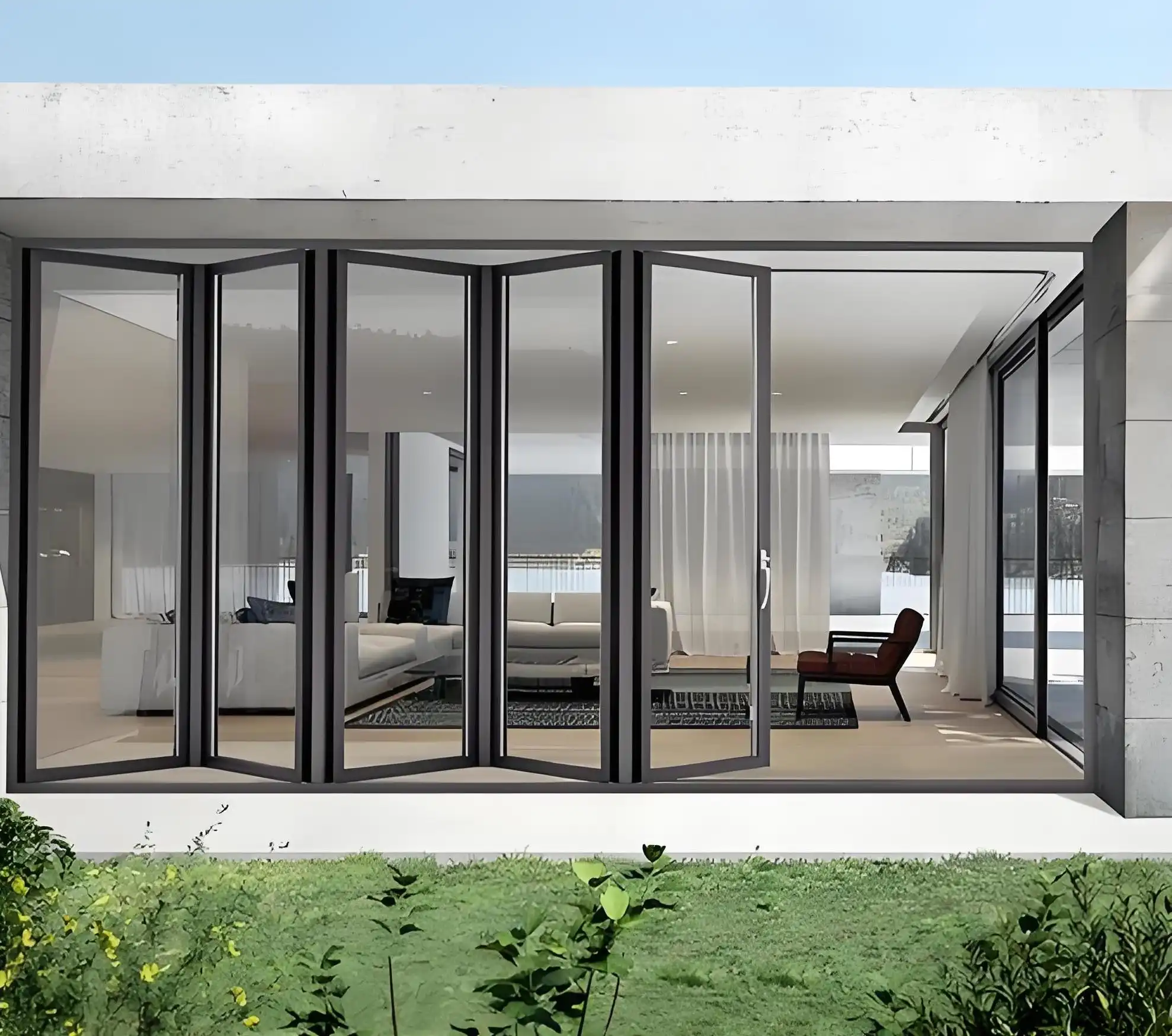
When specifying large-scale access solutions for commercial complexes or luxury residential towers, procurement managers face a persistent challenge: balancing thermal performance requirements with project timelines and shipping constraints. Aluminum Thermal Break Folding Door systems have emerged as a preferred response to this dilemma, but the right supplier delivers not only certified energy efficiency but also modular assembly systems that slash logistics expenses and accelerate on-site installation. This guide explores the critical evaluation criteria, technical benchmarks, and sourcing strategies that help building contractors and project directors make confident decisions in 2026.
Understanding Aluminum Thermal Break Folding Doors
Polyamide (PA66) insulating strips are built into the aluminum profile of Aluminum Thermal Break Folding Doors. These create a physical barrier that stops heat from moving across the frame. This way of engineering lowers thermal bridging, which is a weakness in most aluminum doors, while keeping the structure strong even when it's being used every day and under heavy wind loads.
How Thermal Break Technology Works
The insulating strip is placed between the inside and outside aluminum pieces, creating a continuous barrier that drops the U-value by a large amount. With double or triple glazing and doors that have this technology, the thermal performance drops below 1.8 W/m²K. This meets strict energy codes like ASHRAE 90.1 and helps you earn LEED v4.1 credits. Unlike systems that don't break heat, these doors stop condensation from forming on the inside of the frame, which increases their service life and lowers the number of upkeep tasks that need to be done.
Key Performance Advantages
Thermal break folding doors have benefits that can be measured that go beyond saving energy. Soundproofing goes up to 35 to 50 decibels, which is very important for meeting rooms next to busy city streets or hospitality places that need sound privacy. Heavy-duty track systems can hold panels that weigh up to 150 kg, so they can be used with large areas of glass without affecting how smoothly they work. Industrial-grade hardware can be used 20,000 to 50,000 cycles, so it will work reliably for decades in busy commercial settings.
These benefits meet the needs of MEP engineers and building consultants who need performance data that can be checked during technical evaluations. Selecting a system that has been shown to be thermally efficient, structurally strong, and long-lasting lowers lifecycle costs and cuts down on warranty repair calls.
Key Criteria for Selecting the Best Aluminum Thermal Break Folding Door Supplier
There's more to picking the right manufacturer than just looking at price lists. To make sure everything goes smoothly from planning to installation, procurement teams have to look at technical skills, quality assurance methods, and project support infrastructure for an Aluminum Thermal Break Folding Door.
Certifications and Compliance
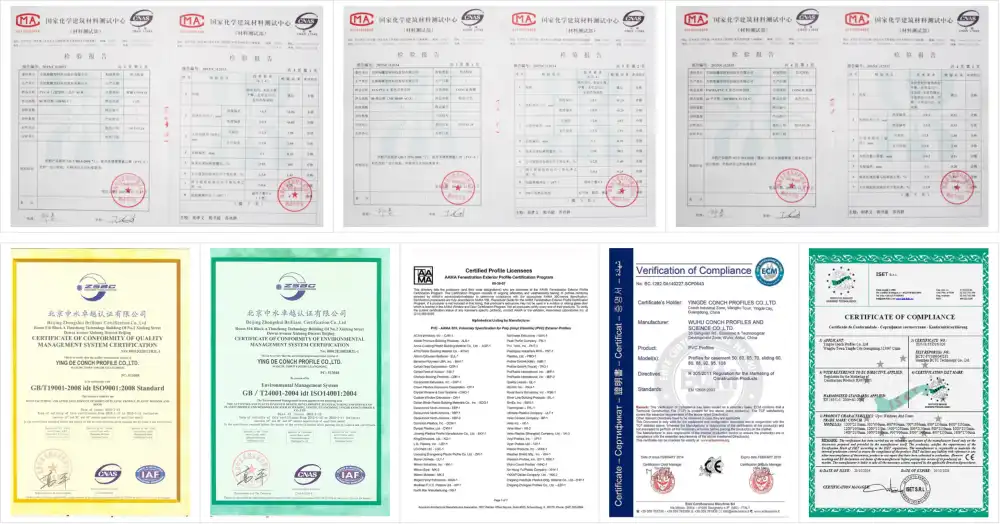
Third-party approvals, such as CE marking and AAMA (American Architectural Manufacturers Association) standards, are held by sellers who are known to be reliable. These credentials show that the goods meet well-known standards for safety, structure, and function. As proof that they follow local building rules, suppliers to North American markets should give NFRC grades and Miami-Dade NOAs for areas that are prone to hurricanes.
Customization and Engineering Support
Customized solutions are needed for big projects. The best suppliers offer panel layouts with anywhere from 4 to 10 parts and the choice to fold on either one or two sides, so they can fit a wide range of architectural needs. They make shop drawings, do structural calculations, and write up technical parameter reports that architects and consultants need for the permitting and design review stages. This teamwork between engineers keeps changes to the field from being too expensive and makes sure that systems fit perfectly with building openings and facade elements.
Production Capacity and Delivery Reliability
Planned wait times are important for keeping projects on track. Suppliers with established production lines can get finished units to customers 25 to 30 days after an order is confirmed, while small-batch makers often have to wait longer. Aluminum Thermal Break Folding Door systems, in particular, benefit from this efficiency because their complex profiles and sealing requirements demand precise fabrication. Having enough aluminum extrusions, hardware parts, and glazing materials on hand lets you make adjustable schedules that are in line with building goals. Clear communication about the state of production and plans for handling builds trust and lowers the risk of a project.
After-Sales Service and Warranty Terms
Full warranty coverage keeps your investment safe. Look for providers that offer warranties of at least 5 years on the frame's integrity and the hardware's ability to work. The warranties should have clear terms about what faults cover, how to repair them, and how to get expert help on-site. Long-term performance is ensured by having access to replacement parts, maintenance guides, and remote troubleshooting support. Downtime during the operational phase is kept to a minimum.
Comparison of Aluminum Thermal Break Folding Doors with Other Materials
Being aware of the trade-offs between materials helps procurement teams defend their choices and make sure that the products they choose are in line with the project's goals regarding Aluminum Thermal Break Folding Doors.
Aluminum vs. uPVC
When it comes to structural strength and design flexibility, aluminum profiles with thermal breaks are better than uPVC. uPVC doesn't conduct heat well, but it can't handle the heavy panels and big sizes needed for industrial uses without a lot of extra support. Aluminum's high strength-to-weight ratio lets glass areas be bigger and sightlines be thinner, meeting modern demands for style without sacrificing performance. Both materials don't rust, but aluminum can be powder-coated or anodized to make treatments that last longer and match design requirements.
Aluminum vs. Steel
Steel sliding doors are very secure and don't catch fire, but they are very heavy, which makes installation harder and needs stronger structure support. Aluminum systems have similar wind resistance ratings (up to 4500 Pa for Class 8A performance), but they are easier to move and put together. Because steel is more conductive, it needs thicker insulation layers that make the profile deeper and cost more. Aluminum with insulating strips is better at keeping heat in.
Non-Thermal Break vs. Thermal Break Aluminum
Standard aluminum sliding doors that don't have thermal breaks lose energy and get condensation on the inside, especially in places where temperatures change a lot. Thermal break systems lower operating heating and cooling costs, which gives a return on investment (ROI) through lower energy bills over the life of the door. Even though the initial costs go up by about 15 to 25 percent, commercial developers see the increased comfort, compliance with energy codes, and ability to get green building certifications as benefits that make the investment worthwhile.
Procurement and Installation Guide for Aluminum Thermal Break Folding Doors
Effective buying strategies make it easier to choose vendors, negotiate contracts, and carry out projects for Aluminum Thermal Break Folding Doors.
Sourcing Verified Suppliers
Start by looking for manufacturers who have a history of success in both commercial and high-end residential markets. Look at finished project portfolios, case studies, and client reviews to see how much experience the person has with similar building types and sizes. Go to trade shows like GlassBuild America or the AIA Conference on Architecture to meet suppliers, look at models in person, and compare technical details.
Aluminum Thermal Break Folding Door options are often highlighted at these events, as they represent a key innovation in modern energy-efficient building envelopes, so examining their thermal performance and hardware smoothness firsthand can guide your selection. There are lists of certified manufacturers on online business-to-business (B2B) sites and in trade groups like the National Fenestration Rating Council (NFRC).
Evaluating MOQs and Customization Flexibility
Different panel numbers, finishes, and hardware combinations are often needed for commercial jobs. Suppliers with low minimum order amounts and open tailoring can work with projects of all sizes without making buyers buy too much. Make sure the provider can make shop drawings, give you structural load figures, and work with you and the facade experts during the design development phase.
Installation Process and Timeline
Usually, installing something like this involves attaching the top-hung track system to the structural header, making sure the panels are perfectly lined up, and adjusting the roller assemblies so they work smoothly. Installing a 10-panel system can take anywhere from 3 to 5 days, depending on the conditions of the site and the size of the opening. The costs depend on the cost of labor, how easy it is to get to, and how well they work with other trades. Suppliers who offer installation films, thorough instructions, and on-site approval help cut down on mistakes and speed up the handover of the project.
Maintenance and Warranty Considerations
As part of regular care, the bottom tracks should be cleaned of dirt, silicone-based products should be used to grease the stainless steel rollers every six months, and the EPDM seals should be checked for wear. Suppliers who offer maintenance schedules and replacement parts help facility managers keep things running smoothly and avoid unplanned downtime. The warranty terms should make it clear what problems are covered, such as hardware failure, finish flaws, and loss of thermal performance. If there are any disagreements, the warranty terms should allow for a third party to check the item.
Future Trends and Innovations in Aluminum Thermal Break Folding Doors
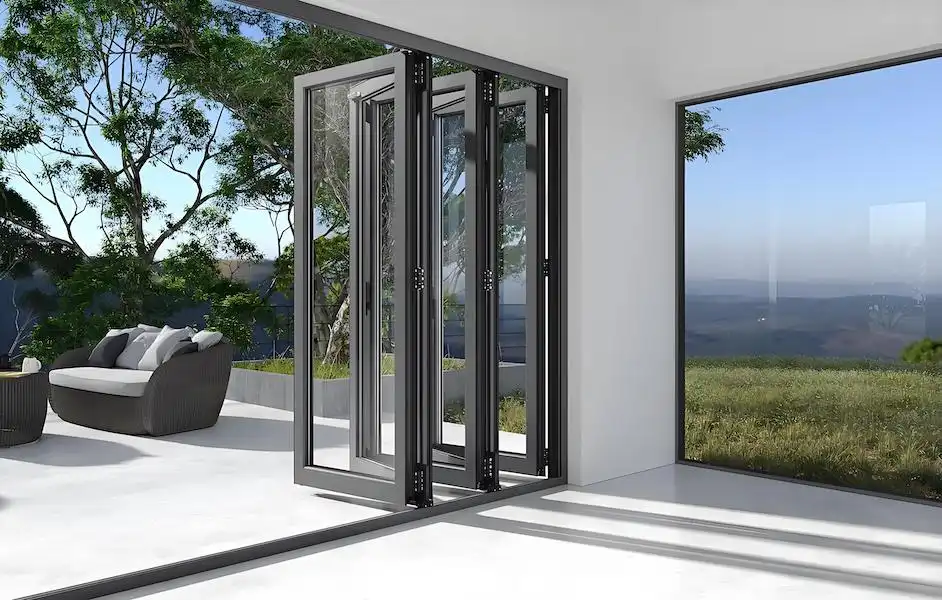
Improvements in building technology and materials science are changing what an Aluminum Thermal Break Folding Door can do and how they are bought.
Enhanced Insulation and Smart Integration
Aerogel-enhanced insulating strips and triple-glazed units with low-emissivity layers are used in next-generation thermal break systems to get U-values below 1.2 W/m²K. Aluminum Thermal Break Folding Door configurations increasingly incorporate these high-performance materials, as their large glazed areas demand superior thermal insulation to prevent heat loss and condensation issues.
When doors are connected to building management systems (BMS), they can automatically open and close based on occupancy sensors, weather data, and the best way to use the HVAC system's load. These features are in line with rules for net-zero energy buildings and help buildings meet the changing International Energy Conservation Code (IECC) standards.
Sustainable Manufacturing and Supply Chains
Because aluminum can be recycled, it works well in systems that use a circular economy. Leading providers use low-carbon extrusion methods, get aluminum that is recycled at rates higher than 70%, and put out environmental product statements (EPDs) to help with LEED and BREEAM credit estimates. Green supply chains are becoming more and more important to procurement teams, who know that they are better for business and the law when suppliers show clear signs of sustainability.
Modular Assembly and Logistics Efficiency
Shipping prefabricated panel systems as modular parts cuts down on the amount of shipping and customs duties needed, which lowers logistics costs by about 30% compared to fully assembled units. Precision-manufactured parts that are put together on-site shorten installation times and reduce the need for skilled labor. This method works especially well for international projects where shipping costs and import taxes can make the total cost of the project higher. Suppliers who offer detailed assembly guides, instructional videos, and remote technical support make it possible for contractors to do installations quickly and correctly, even if they haven't done them before.
Conclusion
In 2026, finding the right Aluminum Thermal Break Folding Door seller will require a close look at their technical skills, certifications, and project support systems. Thermal break technology meets the needs of both commercial and high-end residential projects by saving energy, reducing noise, and making structures last longer. Procurement teams can meet tight deadlines without lowering performance standards when suppliers offer open customization, clear quality assurance, and dependable delivery schedules.
Modular assembly systems add even more value by cutting down on shipping costs and making installation easier on-site. Building contractors protect the results of projects and achieve long-term operational excellence by giving preference to suppliers with proven expertise, full engineering support, and strong warranty programs.
FAQ
What is the expected lifespan of an aluminum thermal break folding door?
Systems that are well taken care of should last between 25 and 30 years, though this depends on how they are used and how exposed they are to the environment. Hardware parts that are approved for 20,000 to 50,000 cycles make sure that the Aluminum Thermal Break Folding Door works smoothly for its entire life. Marine-grade finishes and tools made of stainless steel help keep installs from rusting near the coast.
How does thermal break technology reduce operational energy costs?
Thermal breaks lower heating and cooling loads by stopping heat from moving through the frame. When buildings upgrade from non-thermally broken systems to thermally broken systems, they can save 10 to 15 percent on their annual energy costs. In places where seasonal temperature changes are common, the payback period is less than 5 years.
Can I customize panel counts and finishes for specific architectural requirements?
Yes, reliable sellers do offer configurations with anywhere from 4 to 10 panels that can be folded on one or both sides. Powder coating, anodizing, and PVDF treatments in custom RAL colors are some of the surface finishes that can be used. This lets the products blend in perfectly with building facades. Technical teams use project specs to make shop plans that make sure everything fits and works perfectly.
Partner with Haolv Building Materials for Your Next Project
It has been 19 years since Haolv Building Materials started making high-performance folding systems for business buildings, meeting halls, and high-end villas. Our list of Aluminum Thermal Break Folding Door suppliers includes designs made of 6063-T5 aluminum alloy and PA66 thermal strips. These doors have U-values below 1.8 W/m²K and can withstand winds up to 4500 Pa. We offer ISO, CE, and AAMA-certified systems with anywhere from 4 to 10 panels that can be folded on one or both sides.
The industrial-grade hardware is rated for 20,000 to 50,000 cycles. Our modular assembly method cuts shipping amounts by 30%, which speeds up installation times and lowers the cost of operations. We provide full technical paperwork, which includes shop drawings, structural formulas, assembly movies, and installation instructions. This makes sure that the job goes smoothly. We promise delivery within 25 to 30 days of order confirmation as long as we have enough inventory and production capacity.
You can talk to Haolv Building Materials about your project needs, get technical parameter tables, or set up a factory tour by emailing kristin@haolvwindows.com. You can look at our products at haolvbuilding.com and learn how our customizable solutions can help with demanding commercial applications that need to save energy, last a long time, and keep costs down.
References
1. American Architectural Manufacturers Association. (2025). AAMA 101: Standard Test Method for Thermal Performance of Windows, Doors, and Skylights. AAMA Publications.
2. National Fenestration Rating Council. (2025). NFRC 100: Procedure for Determining Fenestration Product U-Factors. NFRC Technical Standards.
3. U.S. Green Building Council. (2024). LEED v4.1 Building Design and Construction Guide: Energy and Atmosphere Credits. USGBC Publications.
4. International Energy Conservation Code. (2024). IECC 2024: Prescriptive Requirements for Commercial Buildings. International Code Council.
5. Building Research Establishment. (2025). BREEAM International New Construction 2026: Technical Manual. BRE Global Ltd.
6. Aluminum Association. (2024). Thermal Break Technology in Architectural Aluminum: Design and Performance Considerations. The Aluminum Association Technical Reports.
Fast simple channel to send demands lock favorable price for building window door bulk purchases.