- English
- French
- German
- Portuguese
- Spanish
- Russian
- Japanese
- Korean
- Arabic
- Greek
- German
- Turkish
- Italian
- Danish
- Romanian
- Indonesian
- Czech
- Afrikaans
- Swedish
- Polish
- Basque
- Catalan
- Esperanto
- Hindi
- Lao
- Albanian
- Amharic
- Armenian
- Azerbaijani
- Belarusian
- Bengali
- Bosnian
- Bulgarian
- Cebuano
- Chichewa
- Corsican
- Croatian
- Dutch
- Estonian
- Filipino
- Finnish
- Frisian
- Galician
- Georgian
- Gujarati
- Haitian
- Hausa
- Hawaiian
- Hebrew
- Hmong
- Hungarian
- Icelandic
- Igbo
- Javanese
- Kannada
- Kazakh
- Khmer
- Kurdish
- Kyrgyz
- Latin
- Latvian
- Lithuanian
- Luxembou..
- Macedonian
- Malagasy
- Malay
- Malayalam
- Maltese
- Maori
- Marathi
- Mongolian
- Burmese
- Nepali
- Norwegian
- Pashto
- Persian
- Punjabi
- Serbian
- Sesotho
- Sinhala
- Slovak
- Slovenian
- Somali
- Samoan
- Scots Gaelic
- Shona
- Sindhi
- Sundanese
- Swahili
- Tajik
- Tamil
- Telugu
- Thai
- Ukrainian
- Urdu
- Uzbek
- Vietnamese
- Welsh
- Xhosa
- Yiddish
- Yoruba
- Zulu
What Is an Aluminum Arch Window and Where Is It Commonly Used?
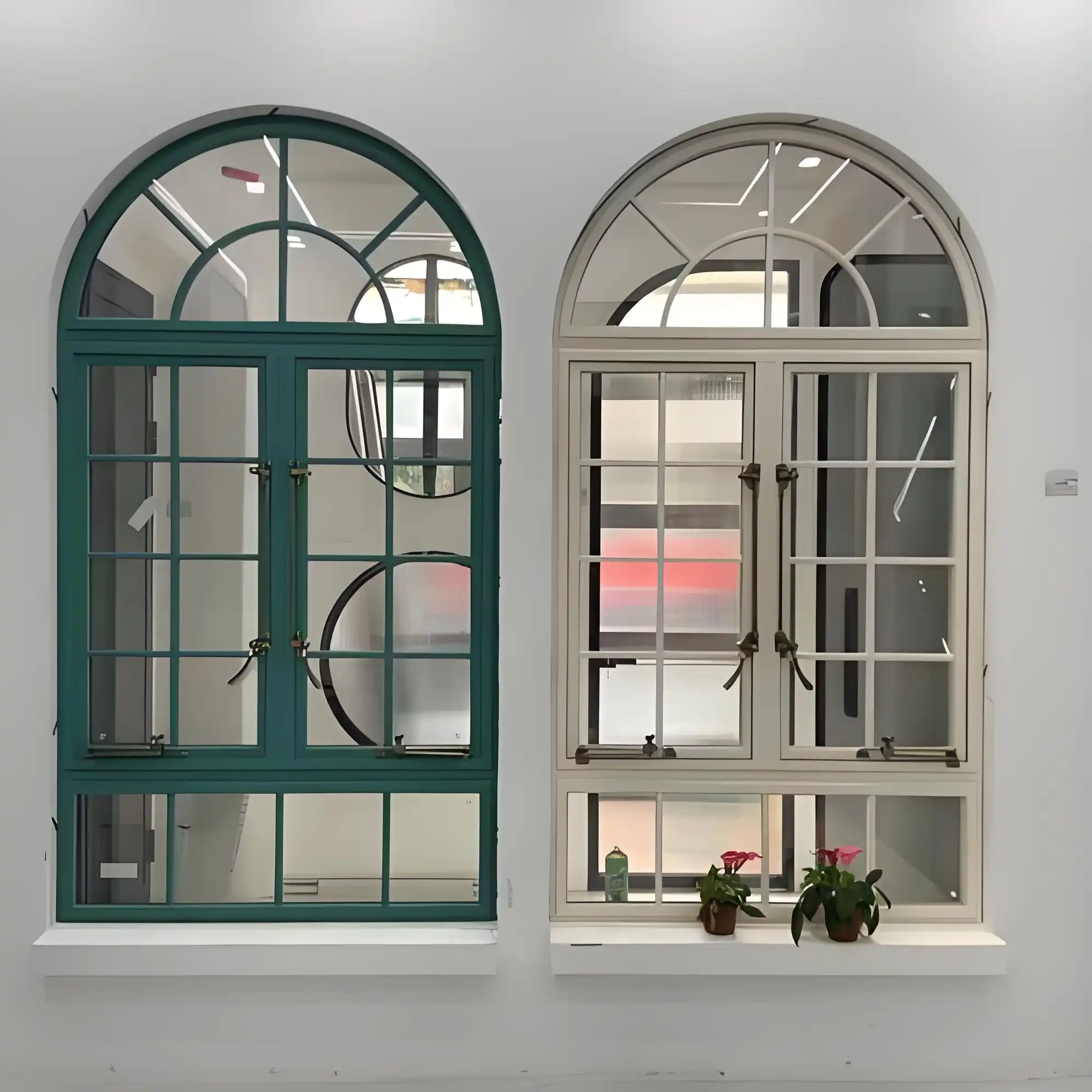
An aluminum arch window is a curved or arched fenestration product built from high-strength aluminum alloy profiles, designed to introduce both visual elegance and structural integrity to residential, commercial, and heritage restoration projects. These windows are commonly used in churches, luxury villas, historical building renovations, boutique hotels, and contemporary office complexes where architectural distinction matters. Their appeal lies in the ability to accommodate custom curvature, integrate thermally broken frames, and support curved glazing—capabilities that standard rectangular windows cannot deliver. This guide addresses the priorities of architects, custom window installers, and procurement specialists who need reliable technical information and practical sourcing strategies for small-batch, high-precision orders.
Introduction
Curved windows are now a signature feature of both modern and classical architecture, especially in cases where the design goals are high and the technical challenges are high. Aluminium Arch Windows are used for projects that need to look good and work well, like restoring historic facades or adding signature features to high-end homes.
In this market, procurement workers face unique problems: local makers often don't have the right tools for custom arc profiles; mould costs can rise quickly; and dimensional tolerances must stay tight to make sure that the parts fit on-site without having to make expensive changes. This blog gives an organised summary of product features, usage scenarios, material comparisons, and buying factors, so people who need to make decisions can source with confidence and ease. By understanding these factors, you can avoid common problems like arc-to-glass mismatch, long lead times, and budget overruns caused by non-standard manufacturing.
Understanding Aluminum Arch Windows
Aluminium Arch Windows combine the long-lasting strength of 6063-T5 aluminium metal with the design flexibility needed for openings that aren't straight lines. These units are different from regular casements or sliders because they are designed to follow exact angles, such as full arches, segmental arches, or elliptical curves, while still being structurally stable and weatherproof. Aluminium is easy to work with during construction because it is light, but it also has a high tensile strength that lets big glazing panels go through without adding too much to the frame, which keeps sightlines open and lets natural light in.
Core Design and Material Characteristics
Profile thickness is usually between 1.4 mm and 2.0 mm, which gives it the rigidity it needs to not bend when it's hit by wind. Using PA66GF25 polyamide strips for thermal break technology stops heat from moving along conductive paths across the frame. This lowers U-values and stops condensation in climates that change. When you combine multi-layer EPDM gaskets with structural silicone sealants, you get airtightness up to Class 4 and water resistance above 700Pa. This meets strict performance standards like AAMA 101 and EN standards. Powder coating or PVDF treatments with thicknesses of at least 60 micrometres are common surface finishes. These offer UV stability and corrosion protection that is important for industrial or marine settings.
Customization and Fabrication Flexibility
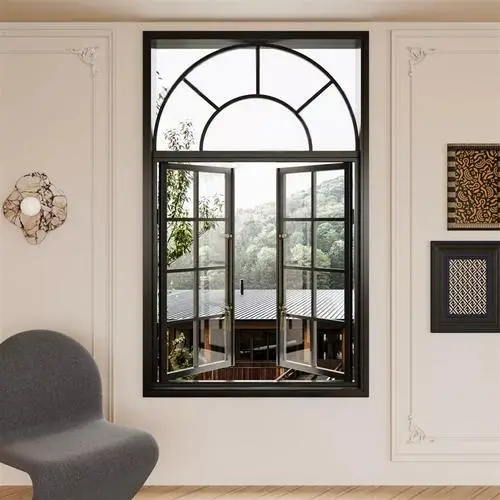
With today's CNC bending and welding methods, almost any arc shape can be made for an Aluminum Arch Window, from soft radius curves to sharp Gothic points. In addition to pure arches, makers can make shapes that are round, triangular, trapezoidal, polygonal, or completely custom-made based on building plans. For glazing, you can choose from tempered, laminated, and insulated glass units with two or three panes. Curved hot-bent glass can be made to fit the curve of the frame within ±2 mm. Different types of operation modes are available, such as fixed units, casement, and tilt-turn configurations. Hardware solutions are tailored to each project's specific needs and desired look.
Typical Applications and Where Aluminum Arch Windows Are Commonly Used
Because of its good looks, ability to meet building codes, and high performance needs, curved aluminium fenestration can be used in many different types of buildings. Each application situation has its own set of goals that affect the choice of material, the specifications for the glass, and the strategy for buying it.
Religious and Heritage Architecture
Arched openings in churches, chapels, and historical restoration projects are common. These openings need profiles that are true to the period while also being energy efficient today. Because aluminium is easy to shape, it can be used to make traditional arch shapes while also adding thermal breaks and laminated safety glass. Restoration builders like the material because it doesn't rust and doesn't need much upkeep, which lowers the long-term costs of fixing protected buildings.
Luxury Residential and Villa Projects
Arched windows are a signature design feature in foyers, wine cellars, and private libraries of high-end homes. Customisation is important to homeowners and their designers. To protect privacy and comfort, they want specific curves, custom finishes like wood-grain transfer printing, and acoustic laminated glass. Small project numbers, usually between five and twenty units per home, need suppliers who can make moulds cheaply and accommodate different order sizes.
Commercial and Hospitality Developments
Curved fenestration is used to make entrances and facades stand out in boutique hotels, high-end office halls, and store flagships. For these projects to work, local energy rules must be followed, fire ratings for laminated glass must be met, and curtain wall systems must be coordinated. Teams in charge of buying things look for manufacturers that have worked on large-scale commercial projects before, have certifications like ISO 9001, and can coordinate delivery dates with construction dates.
Coastal and Extreme Climate Regions
Aluminum Arch Window systems are naturally resistant to extremes of temperature and wetness, which makes them a good choice for buildings in hurricane-prone areas, sea environments, or desert climates. Because the metal isn't porous, it doesn't rot or warp, and improved closing systems keep the envelope's integrity even when cyclonic winds are blowing. In these areas, specifiers put a high value on water resistance ratings, impact-resistant glazing, and salt-spray test results that last more than 1,000 hours, as required by ISO 9227 protocols. When purchasing professionals know where and why curved aluminium windows are used, they can better match the skills of suppliers with the needs of the project. This lowers the chance of design errors and delivery delays.
Comparing Aluminum Arch Windows with Other Window Materials
The choice of material has a direct effect on the cost over time, the frequency of upkeep, and the environmental impact. This comparison shows the pros and cons of each option, which can help with making purchasing choices based on the needs of the job.
Aluminum Versus Wood
Wood has a classic look and is naturally insulating, but it needs to be painted, sealed, and kept dry on a regular basis to keep it from rotting, warping, and getting damaged by insects. Aluminium profiles don't need much maintenance—just cleaning them and lubricating the hardware every so often is enough. Curved wood frames need to be made with special techniques like steam-bending or laminating, which raises the cost of production and limits the complexity of the design. CNC manufacturing for aluminium allows for tighter tolerances and faster turn-around times, which is especially helpful for small unique orders.
Aluminum Versus Vinyl and uPVC
Vinyl windows are cheaper when they are standard rectangular shapes, but they don't hold up well when they are big or bent. The polymer's lower tensile strength makes it harder to span and make precise arcs. Vinyl also breaks down when it is exposed to UV light for a long time in hot or desert conditions, which makes it brittle and changes colour. Because aluminium is more stable in size and has a higher strength-to-weight ratio, it is better for projects that need to work the same way in a variety of environments.
Aluminum Versus Fiberglass
Fibreglass is strong and doesn't carry heat well, but it's still not as easy to shape into complex forms as aluminium. Custom fibreglass profiles can take a long time to make, and it's harder to fix or change them after they've been installed. Aluminium is popular for projects that care about the environment and need to be bought quickly because it can be recycled and has a well-established supply chain.
Aluminum Versus Steel
Steel is the strongest material for holding weight, but it is also heavier, conducts heat more quickly, and rusts easily without thick protective coats. Curved steel fenestration needs heavy-duty tools to install and extra support for the structure, which drives up the cost of both labour and materials. Aluminum Arch Window is strong enough, doesn't rust, is easy to work with, and works with energy-efficient thermal break systems. This makes it the best choice for most curved uses. These comparisons show that aluminium is a flexible and low-maintenance material that works well with the technical and financial limitations of custom arched window projects.
Procurement and Installation Considerations
To successfully source Aluminium Arch Windows, you need to communicate clearly, carefully evaluate suppliers, and plan ahead to reduce the risks that come with non-standard fabrication.
Supplier Selection and Certification
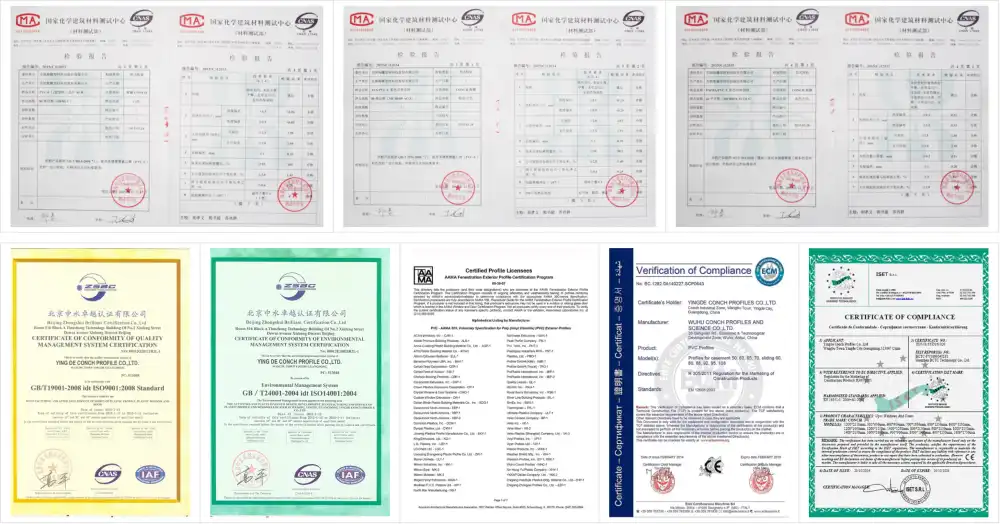
Give more weight to manufacturers who have experience with hot-bent glass coordination, curved profile extrusion, and CNC precision machining. Ask for proof of quality management that meets ISO 9001 standards, CE marking for projects in Europe, or AAMA approval for projects in North America. Check the ability and consistency by looking over sample projects, technical drawings, and performance test reports. Partnering with sellers who have smart ties with raw material providers, like working with well-known aluminium mills, guarantees stable quality and predictable lead times.
Technical Communication and Drawing Review
Early on in the question phase, you should send in detailed building plans that show the size of the arc, the radius, the elevation, and the glazing needs. Suppliers you can trust will get back to you within one to two weeks with technical feasibility assessments, mould cost estimates, and production schedules. It is important to be clear on the tolerances—an arc variation of within ±2 mm is the standard for precision work—and the glass-to-frame matching procedures. Communication that works well lowers the chance of expensive mistakes and maintenance problems.
Cost Variables and Volume Considerations
Custom mould manufacturing is an upfront cost that is usually spread out over a number of orders. Suppliers who are willing to split the cost of tools or keep mould libraries for future orders are good for small-batch projects. Ask for detailed quotes that break down the prices of the shape, making the glass, hardware, finishing the surface, and shipping. Orders of twenty or more pieces may qualify for volume discounts, but even small orders can get competitive prices if suppliers use efficient production processes.
Shipping and Packaging Strategies
Arched frames can bend while they're being shipped. Include plans for reinforced crates, internal bracing, and loading containers in a way that keeps curved sections from being pressured at one point. Some sellers sell shipping profiles, glazing, knock-down (KD) packaging, and tools separately so that they can be put together on-site. This method can cut down on the amount of freight and the costs that come with it, sometimes by a large amount, while keeping the structure intact.
Installation Support and Documentation
Ask for technical parameter sheets, installation guides, and assembly instructions for your Aluminum Arch Window that are made to fit the exact shape of the window. Clear paperwork speeds up work on-site, cuts down on mistakes, and shortens the time workers spend on tasks. When it comes to complicated multi-unit setups or projects with tight deadlines, suppliers who offer online technical advice or on-site operational support are very helpful. To protect yourself from problems you didn't expect, make sure the warranty covers both material defects and manufacturing tolerances.
Maintenance and Longevity Best Practices
Taking care of Aluminium Arch Windows regularly will make them last longer, protecting your investment value and ensuring they keep working well.
Routine Cleaning and Inspection
Every three months, wash the frames and glass with water and a mild soap. Do not use rough cleaners that scratch the shine. Check the gaskets for cracks or compression set, and look for blockages in the weep holes that stop water from draining. Every six months, use silicone-based oils to keep hinges, locks, and pivot points moving smoothly and stop hardware from rusting.
Addressing Common Issues
If there is condensation on the inside of the walls, it means that the thermal break isn't working well or there isn't enough ventilation. Check the frame specifications and think about upgrading to triple-glazed units. Most of the time, water gets in because the sealant or gasket has been damaged. If this happens, reapply structural silicone or replace the EPDM seals. Hardware that is stiff or out of line could be caused by settling or heat expansion. To fix the problem, loosen the screws that hold the hardware in place and grease the moving parts.
Performance Upgrades and Modernization
Adding improved low-emissivity coatings to existing glass is one way to improve U-values without replacing the frame. Getting multi-point locking systems makes things safer and more airtight. For projects that need to follow new energy rules, ask providers if high-performance insulated glass units and extra weatherstripping will work with the project. These small improvements make windows last longer and put off spending money on new ones.
Disclaimer: Actual results of performance rely on test reports for the product, the quality of the installation, and the conditions of the surroundings. For important applications, look at the manufacturer's documentation and do your own independent testing.
Conclusion
In order to meet the needs of projects where standard fenestration falls short, Aluminum Arch Window systems represent a convergence of design ambition and technical precision. Because they can be shaped to fit any shape, work well in harsh environments, and don't need much upkeep, they are a practical choice for heritage restorations, high-end homes, and business sites. For procurement to go well, suppliers must have proven fabrication skills, clear communication, and flexible order policies. Architects and buying managers can confidently handle the challenges of non-standard fenestration by learning how to compare materials, figure out what factors affect costs, and follow best practices for installation. This will ensure that the end results meet both their aesthetic and functional needs. When you plan carefully and work with skilled manufacturers, you can turn problems with curved windows into architectural masterpieces.
FAQ
Q1: What tolerances are achievable for custom arc dimensions?
A: Manufacturers with a good reputation keep the arc variation within ±2 mm across the radius. This makes sure that the fit is perfect when it's installed. Prior to shipping, CNC cutting and quality control procedures check the accuracy of the dimensions, which reduces the need for changes in the field.
Q2: Can arched aluminum windows meet stringent energy codes?
A: Of course. U-values are lowered to levels that meet ASHRAE 90.1 and passive house standards with the help of thermal break technology and triple-glazed insulated glass units. Ask your supplier to help you with performance data and energy modelling.
Q3: How are curved glass and aluminum frames synchronized during fabrication?
A: After frames are bent and soldered, they are measured to make models for making hot-bent glass. Both parts are made at the same time, and there are frequent cross-checks to make sure that the curvature alignment stays within the allowed ranges.
Q4: What is the typical lead time for small-batch custom orders?
A: After the mould is approved, production usually lasts for four to five weeks. The whole process of buying something takes between eight and fourteen weeks, from the time of question to delivery. Projects that need to be done quickly may be able to get faster schedules.
Partner with a Trusted Aluminum Arch Window Manufacturer
To get precision-engineered curved fenestration, you need to find a provider with a strong commitment to quality, a lot of experience with manufacturing, and open order policies. Haolv Building Materials has been making custom aluminium windows and doors for 19 years. They offer CNC-machined profiles, thermal break systems, and multi-layer EPDM sealing to meet the exact needs of architects and custom window installers. Our all-in-one supply chain can deliver full solutions in 25 to 30 days, from extruding 6063-T5 metal to finishing the surface and integrating glass.
We can handle orders for small amounts, give you thorough technical parameter sheets, installation videos, and assembly instructions, and we support knock-down packaging to cut down on shipping costs by a large amount. Our ISO, CE, and AAMA certifications show that we are dedicated to providing uniform quality and efficiency. You can email our team at kristin@haolvwindows.com to talk about the needs of your project, ask for examples, or get a full quote. Let us help you quickly and accurately turn your architectural vision into a built reality.
References
1. Building Design + Construction. (2021). Fenestration Performance Standards for Commercial Projects.
2. Architectural Record. (2022). Material Durability in Coastal and Extreme Climates.
3. Metal Architecture. (2020). Comparative Analysis of Window Frame Materials.
4. American Architectural Manufacturers Association. (2023). AAMA 101 Standard for Windows and Doors.
5. Glass Magazine. (2021). Curved Glass Fabrication Techniques and Tolerances.
6. Construction Specifier. (2022). Procurement Strategies for Custom Building Components.
Fast simple channel to send demands lock favorable price for building window door bulk purchases.