- English
- French
- German
- Portuguese
- Spanish
- Russian
- Japanese
- Korean
- Arabic
- Greek
- German
- Turkish
- Italian
- Danish
- Romanian
- Indonesian
- Czech
- Afrikaans
- Swedish
- Polish
- Basque
- Catalan
- Esperanto
- Hindi
- Lao
- Albanian
- Amharic
- Armenian
- Azerbaijani
- Belarusian
- Bengali
- Bosnian
- Bulgarian
- Cebuano
- Chichewa
- Corsican
- Croatian
- Dutch
- Estonian
- Filipino
- Finnish
- Frisian
- Galician
- Georgian
- Gujarati
- Haitian
- Hausa
- Hawaiian
- Hebrew
- Hmong
- Hungarian
- Icelandic
- Igbo
- Javanese
- Kannada
- Kazakh
- Khmer
- Kurdish
- Kyrgyz
- Latin
- Latvian
- Lithuanian
- Luxembou..
- Macedonian
- Malagasy
- Malay
- Malayalam
- Maltese
- Maori
- Marathi
- Mongolian
- Burmese
- Nepali
- Norwegian
- Pashto
- Persian
- Punjabi
- Serbian
- Sesotho
- Sinhala
- Slovak
- Slovenian
- Somali
- Samoan
- Scots Gaelic
- Shona
- Sindhi
- Sundanese
- Swahili
- Tajik
- Tamil
- Telugu
- Thai
- Ukrainian
- Urdu
- Uzbek
- Vietnamese
- Welsh
- Xhosa
- Yiddish
- Yoruba
- Zulu
Glass Roof Sunroom vs Conservatory: Which Option Fits Your Project?
When deciding between a glass roof sunroom and a conservatory, understanding their structural differences matters significantly for villa developers and custom sunroom companies. A Glass Roof Sunroom typically employs thermally broken aluminum frames combined with laminated or insulated glass panels, achieving U-values as low as 1.2 W/m²K for superior thermal performance. Conservatories, meanwhile, often feature traditional framed designs with varied roofing materials including polycarbonate or basic glass. For procurement professionals managing high-end residential projects, selecting the right system involves evaluating insulation capabilities, structural integrity, customization potential, and long-term operational efficiency to meet client expectations and regulatory standards.
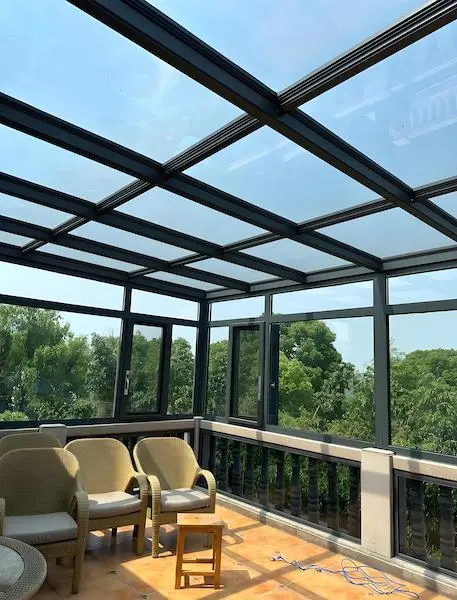
Understanding Glass Roof Sunrooms and Conservatories
Depending on the architectural intent and performance needs, modern glazed extensions are used for different things. Knowing how each system works helps procurement teams match product requirements with project needs.
What Defines a Glass Roof Sunroom?
A Glass Roof Sunroom is a modern way to create the outside of a building. It uses structural glass systems with minimal frames or no frames at all. Large, unbroken glass surfaces that let in the most light and keep the temperature comfortable all year are a top priority for these projects. The main structure is made up of thermally broken aluminium profiles with polyamide barriers inside them that stop heat from moving, along with laminated or double-glazed units. This mix fixes some of the biggest problems, like the greenhouse effect in the summer and heat loss in the winter.
The National Fenestration Rating Council said in 2021 that advanced glazing systems with Low-E coatings can cut solar heat gain by up to 40% while still letting visible light through. Integrated ventilation through operable skylights and built-in shading mechanisms improve climate control even more. These structures are perfect for villas, poolside enclosures, and luxury terrace extensions where good looks and good functionality are important.
Conservatory Construction and Characteristics
Conservatories use more traditional building materials and styles, like ornate framing systems and pitched roofs that are reminiscent of older glasshouses. The materials can be anything from wood and aluminium to UPVC. For the roof, you can choose between basic glass, polycarbonate panels, or a mix of the two. Even though standard conservatories give you a lot of design options, they may be hard to keep cool because they use older frame technology and parts that are only partially covered.
The structural method usually uses modular frame pieces to hold up glazed panels. This makes installation easier, but it can cause thermal bridges at the connection points. Conservatories can be used in both homes and light businesses, but they don't perform as well as modern sunrooms when it comes to performance measures. This is because conservatories are more focused on period beauty or cost-effective solutions.
Key Architectural and Functional Contrasts
The main difference between these systems is how they were designed and how well they are supposed to work. Through constant thermal barriers, precision-engineered drainage paths, and high-performance glazing assemblies, Glass Roof Sunrooms put an emphasis on energy economy. Conservatories like designs that are flexible and classic, even if it means sacrificing insulation values and structural complexity. These variations are caused by the materials used: thermally broken aluminium extrusions vs. standard framing; laminated safety glass vs. polycarbonate sheets; and built-in ventilation vs. additions made after the fact. By knowing these differences, procurement experts can figure out which option fits the needs of the project, the client's budget, and their standards for comfort, looks, and operating costs.
Comparing Glass Roof Sunrooms and Conservatories: Core Dimensions
A thorough comparison of structural, thermal, and economic factors makes it easier for business-to-business buyers in charge of villa developments or custom installation projects to make decisions.
Structural Elements and Material Quality
Longevity and efficiency are directly affected by the frame's construction. High-quality Glass Roof Sunrooms are made of thermally broken aluminium alloys and have fluorocarbon spray finishes that are resistant to weathering for 25 years or more. This keeps the sizes stable even when the temperature changes and the sun hits them. You can choose insulated double-glazing with low U-values thanks to argon gas fills and multiple Low-E coatings, or you can get tempered laminated units that meet safety standards and offer soundproofing.
Conservatories can have standard glass or plastic roofs with simple aluminium or UPVC shapes that don't have thermal breaks. This gives basic weather protection but not much control over temperature. In places where it snows a lot or blows very fast, the roof's load capacity is very important. High-end sunroom systems come with structural calculations that are certified to meet local building codes, while conservatory designs may need extra engineering confirmation for tough conditions.
Insulation and Energy Performance Metrics
Thermal efficiency affects how long something can be used and how much it costs to run all year. U-values for Glass Roof Sunroom systems with thermally broken frames and insulated glass are usually between 1.2 and 1.8 W/m2K. This means that the HVAC system doesn't have to work as hard and condensation doesn't build up on the inside of the walls. According to a study from the Lawrence Berkeley National Laboratory in 2020, advanced glazing assemblies can cut cooling loads by 30 to 50 percent compared to standard single-pane designs.
Conservatories with simple framing and polycarbonate roofs usually have higher U-values, often topping 3.0 W/m²K. This means they use more energy and are less comfortable when the temperature changes. Managing the Solar Heat Gain Coefficient (SHGC) through built-in shading systems like automated interior blinds or external louvres is another thing that sets premium sunroom installations apart from standard conservatory setups. This lets you precisely control solar radiation without losing natural light.
These improvements in performance lead to measurable cost savings over the lifecycle and higher property values. When procurement teams look at the long-term return on investment, they should use energy modelling data and the local environment to make specification decisions. They should also keep in mind that the starting costs of materials are directly linked to how well they work and how happy the people who live or work in the building are.
Design Flexibility and Aesthetic Variations
There are big differences in how minimalist modern sunrooms and standard conservatory types are built. Glass Roof Sunrooms can be made with curved glass panels, roof pitches at different angles and precision-fabricated transition profiles that make it easy to blend in with existing building envelopes. Customisation includes frame finishes like powder painting, anodising, or fluorocarbon treatments that match a wide range of building styles while still keeping the frame's structural integrity.
Conservatories come in a wide range of styles, from Victorian gable designs to Edwardian square profiles, making them useful for projects that need to look like they belong in a certain time period or get special planning permissions. But if the design is complicated, it might take longer to make and be harder to install than modular sunroom systems that are made for standard building processes.
Cost Factors and Installation Complexity
Budget factors include the cost of materials, the accuracy of the fabrication, the logistics, and the number of workers needed. Advanced materials and engineering, such as thermally broken profiles, laminated safety glass, integrated drainage systems, and certified structural calculations, make premium Glass Roof Sunrooms more expensive up front. Installation requires skilled workers who can keep margins of just ±3mm, which is needed for weathertightness and proper alignment. Medium-sized installs usually take 3–5 days, but this depends on the conditions at the site.
Conservatories use simpler framing and more common glazing options, which lowers the cost of materials. However, installation times are still about the same when you consider preparing the foundation and anchoring the structure. Long-term upkeep and energy costs can be very expensive. For example, conservatory designs may need more frequent frame changes and seal replacements, which can add to the overall cost. When figuring out the total value of a project, procurement professionals should use a full lifecycle cost analysis instead of just looking at the upfront prices.
Procurement Considerations and Market Solutions
To do B2B buying well, you need to know what your suppliers can do, how to make sure the quality of their work, and how to deal with the logistics that affect project timelines and results.
Sourcing Strategies and Manufacturer Selection
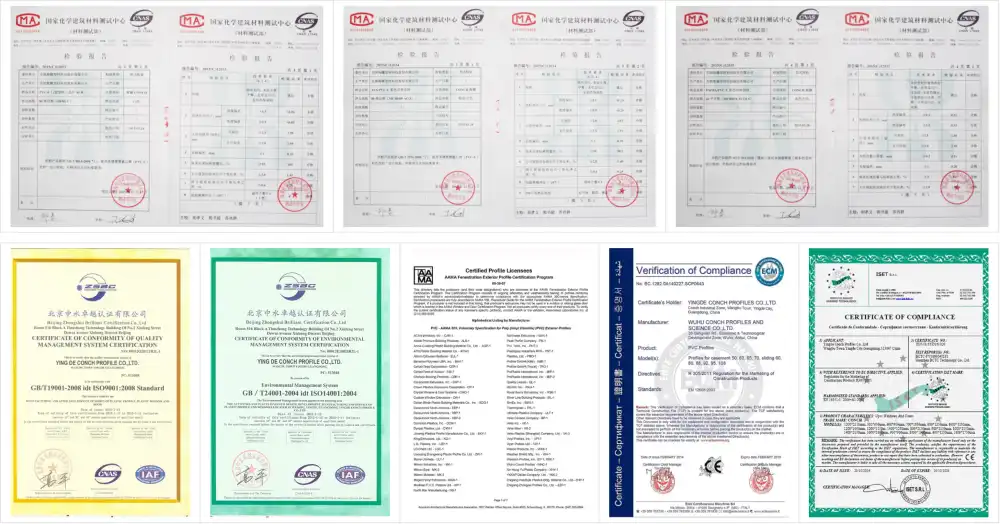
To find qualified manufacturers, you have to look at their production ability, certifications, and expert help. Glass Roof Sunroom suppliers with good reputations have ISO, CE, and AAMA certifications that show they follow international quality standards. They also have in-house engineering teams that can do structural calculations and custom design work. Working with well-known material sources, like working with top aluminium extrusion companies, makes sure that the qualities of the materials stay the same and that they can be tracked throughout the production process.
A person in charge of buying things should ask for thorough inspections of the factory, look over test results for wind load resistance and water infiltration, and make sure that there is installation support available, such as technical drawings, assembly videos, and remote consultation services. When compared to multi-vendor approaches that can have problems with compatibility, manufacturers that offer complete system packages (frames, glazing, hardware, sealing components, and shading integration) make sourcing easier and more accountable.
Pricing Structures and Value Assessment
Clear price breaks make it possible to accurately plan budgets and compare vendors. Quality Glass Roof Sunroom systems usually cost between $80,000 and $250,000 to install, but this depends on the size, glazing requirements, and level of customisation. Prices are set by the manufacturer based on the number of orders, the materials chosen, and the distance of shipping.
Conservatory packages may start at lower prices, but you should carefully look over the parts that come with them, the warranty, and the support you get after the sale to make sure there aren't any hidden costs. When procurement teams look at quotes, they should make sure that the prices include structural calculations, custom fabrication, protective packaging for international shipping, and help with installation. Volume buying deals and recurring project streams can often get you better prices and earlier production slots, which is especially helpful for villa developers who are working on a lot of projects at once.
Logistics and Delivery Optimization
Supply chain management that works well cuts down on project delays and shipping costs. Leading makers use modular component design, which lets them ship goods flat-pack, which cuts freight volumes by about 30% compared to pre-assembled units. This is an important thing to think about when buying things from other countries, where container room and customs taxes can affect the total landing costs.
Standard wait times for making a custom Glass Roof Sunroom are 25 to 30 days from the time the order is confirmed. Shipping times change depending on where the order is going and how it is being shipped. Professionals in procurement should make sure that delivery dates and site readiness are coordinated. This means making sure that the base is ready, there is enough space for big panels to fit, and there is enough lifting equipment available to match the supplier's dispatch dates. Customs paperwork, like business bills, packing lists, and certificates of compliance specific to each country, needs to be prepared ahead of time to avoid problems at the border that delay installation schedules.
Maintenance, Durability, and Long-Term Value
Total cost of ownership and customer satisfaction after the initial installation are based on lifecycle performance.
Routine Maintenance Protocols
Glass Roof Sunroom systems need to be checked and cleaned on a regular basis to keep them looking good and working well. Cleaning glass surfaces every three months with non-abrasive detergents keeps them clear and stops organic buildup that damages the photocatalytic self-cleaning coatings on high-end glass units. EPDM gaskets and structural silicone joints are checked for damage once a year, especially at high-stress connection places where heat expansion happens.
Every 12 to 18 months, lubrication and tuning are good for hardware parts like skylight operators and shading systems to make sure they work smoothly. The same care needs to be given to conservatories, plus extra attention should be paid to the state of the frames. UPVC profiles may chalk or discolour, so they need to be cleaned every so often, and wood frames need to be refinished to stop water from getting in and rotting them. Clearing the drainage channels of debris keeps water from building up, which can cause leaks and damage to the structure. This is an important maintenance task for all glazed buildings.
Durability Under Environmental Stress
How long a performance lasts depends on how resilient the materials are and how well the structure is built. High-quality aluminium profiles that have been thermally broken and finished with fluorocarbon don't rust, fade, or chalk over the course of their service life, which according to testing data is longer than 30 years under normal conditions. Impact and thermal stress can't break tempered laminated glass units, but they do break on their own at very low rates (about 0.1 to 0.3 percent of heat-soaked treated glass), which means they need to be replaced.
Different types of conservatory parts have different problems. For example, polycarbonate roofs turn yellow and become less stable after 10 to 15 years, and standard aluminium frames that don't have thermal breaks rust from condensation. Hurricanes and heavy snow loads put structural estimates to the test. Sunroom systems that are properly engineered and approved to ASCE 7 standards for local wind zones and ground snow loads are more resilient than conservatory setups that aren't designed.
Performance Disclaimer: The exact durability and functionality of a product rely on how well it was installed and the conditions of its surroundings. For project-specific performance validation, look at the manufacturer's documentation and verified test results.
Return on Investment Analysis
Financial performance includes things like saving energy, lowering maintenance costs, and raising the value of the property. According to climate modelling from the American Society of Heating, Refrigerating, and Air-Conditioning Engineers, Glass Roof Sunroom setups with U-values below 1.5 W/m2K can cut annual heating and cooling costs by 25 to 40 percent compared to uninsulated conservatories.
Lifecycle costs go down because of less maintenance needed because of durable materials and weather-resistant finishes. Aesthetic appeal and more useful space also raise property values—studies of luxury homes show that well-done glazed extensions can raise resale values by 5–8% in high-end residential markets. To make smart purchasing choices that balance up front costs with operating efficiency and asset appreciation, you need to do a full lifetime cost modelling exercise that includes local energy rates, maintenance labour costs, and property value trends that are specific to the market.
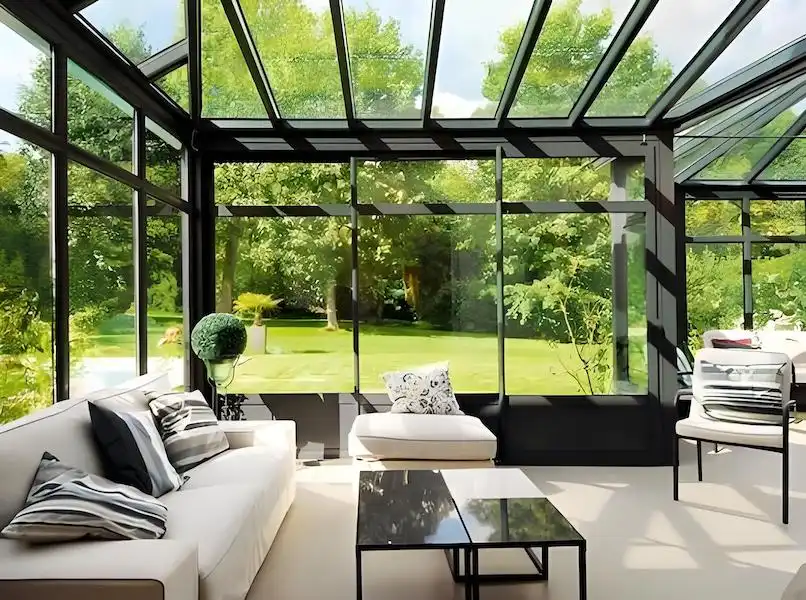
Making the Right Choice for Your Project
Strategic selection makes sure that the product's capabilities match the needs of the project, the expectations of the client, and the budgets of villa builders and people who install custom sunrooms.
Assessing Project Requirements and Climate Factors
Essential performance qualities depend on where they are used and what they are used for. Low U-values and thermal break technology are important for projects in cold climates with a lot of heating degree days to keep the inside comfortable while keeping energy costs low. In hot and muggy places, it's important to control solar heat gain with Low-E coatings and built-in shade, and strong air systems stop mould and condensation from growing.
Coastal sites need materials that don't rust and better structural estimates that take hurricane-force winds and salt exposure into account. Luxury villa developments that want to be lived in all year benefit from premium Glass Roof Sunroom systems that offer better thermal regulation and aesthetic refinement. On the other hand, conservatory solutions may be adequate for budget-conscious renovations or seasonal use applications, even though they may not perform as well.
Key Decision-Making Criteria for B2B Buyers
Purchasing managers should look at more than just price when judging a supplier. Verifying the structure's integrity with verified load estimates and testing reports from a third party lowers the risk of being sued and makes sure that local building codes are followed. A construction difficulty assessment looks at things like how hard it is to get to the site, what kind of base is needed, and how much skilled labour is available. Projects with tricky logistics tend to benefit from modular systems that are easy to put together.
Energy efficiency scores have a direct effect on running costs and environmental compliance. This is especially true in places with strict building energy codes or standards for green building certification. Environmental compliance includes where materials come from, how easily they can be recycled, and using low-VOC finishes that meet LEED or similar standards. Custom design services, the quality of technical documents (CAD drawings, installation instructions, and assembly videos), and quick customer service after the sale are all things that suppliers can do that have a big impact on how well projects go and how happy clients are.
Real-World Implementation Examples
Installations that work well show that they can be used in a variety of settings. A Miami-based luxury villa builder added Glass Roof Sunrooms with thermally broken aluminium frames and laminated Low-E glazing to areas around pools for entertaining. This made the spaces comfortable all year, even in subtropical heat, and got rid of the condensation problems that came with older polycarbonate conservatory installations.
A mountain resort in Colorado asked for sunroom systems that were designed to withstand 60 psf ground snow loads. These systems had insulated double-glazing and strong structural profiles that didn't bend or leak during record snowfall. European heritage property renovations often combine the look of a conservatory with more modern performance upgrades. For example, slim-profile thermally broken frames keep the conservatory's period look while providing modern insulation values. These examples show that the best results come from matching the system's powers to the needs of a particular project.
When evaluating vendors, procurement teams should ask for case studies, example projects, and data on past success. Manufacturers who provide full project documentation, such as thermal modelling results, structural calculations, and performance verification after installation, show dedication to quality and openness, which lowers project risk.
Conclusion
If you want to choose between a Glass Roof Sunroom and a conservatory, you will need to weigh your performance needs, aesthetic tastes, and price limits. Through improved materials and engineering, premium sunroom systems offer better thermal efficiency, structure longevity, and year-round usefulness. This makes the higher initial investment worth it for high-end developments and harsh climates. Conservatories offer more design options and lower entry costs, making them good for less demanding uses. For buying to go well, all of the supplier's skills, certifications, lifecycle costs, and organisational factors must be carefully considered. By putting an emphasis on high-quality materials, checked performance data, and dependable technical support, house builders and custom installation companies get the best results for their clients, which makes properties more valuable in a wide range of market groups.
FAQ
Q1: How long do glass roof sunrooms and conservatories typically last?
A: Lifespan depends on the quality of the material and how well it is taken care of. When properly maintained, Premium Glass Roof Sunrooms made of thermally broken aluminium and fluorocarbon finishes can last for many decades. However, the glazing units and hardware parts need to be replaced every so often. Depending on the weather and the grade of the materials, conservatories with UPVC or basic aluminium frames may need to be fixed up more often. The useful life of both systems is greatly increased by regular checks and preventative maintenance. For specific product-specific longevity estimates, look at the manufacturer's specs and test results.
Q2: Can these structures be customized to match existing architecture?
A: Both types of products can be customised in a lot of different ways. Manufacturers of Glass Roof Sunrooms offer a range of frame finishes, custom colour matching, glazing tints, and complicated geometric shapes, such as curved panels and roof systems with multiple angles. There is a wide range of styles for conservatory systems, from traditional Victorian shapes to modern designs. There are also a lot of material and finish choices to fit most architectural settings. As early as possible in the buying process, make sure that suppliers understand your unique aesthetic needs by sending them reference pictures and architectural plans.
Q3: What are typical maintenance costs for these installations?
A: Maintenance costs rely on how complicated the system is, how much service costs in the area, and how bad the weather is. The costs of routine cleaning and inspections are still low, usually between $200 and $500 a year for standard-sized setups. Component replacements, like seals, hardware adjustments, or the occasional glass panel replacement, don't happen very often with good systems. When they do, they cost an average of $500 to $1500 each time. Energy costs are ongoing operating costs, and high-performance sunrooms clearly show their benefits by requiring less heating and cooling. To get a good idea of lifecycle costs, ask suppliers for maintenance instructions and the availability of replacement parts when you place your order.
Partner with Haolv Building Materials for Premium Glass Roof Sunroom Solutions
In the Glass Roof Sunroom market, Haolv Building Materials brings 19 years of specialised production experience. They offer engineered systems that meet the demanding standards of villa developers and custom sunroom companies around the world. Our four-season sunroom systems have thermally broken aluminium profiles with U-values as low as 1.2 W/m²K. They also come with options for laminated or insulated double glazing that balance style and energy efficiency. Our relationship with CONCH gives all of our installations access to high-quality raw materials, production methods that are ISO/CE/AAMA approved, and full expert support that includes structural calculations, CAD drawings, installation videos, and assembly instructions.
We know what's important to businesses when they're buying things. For example, our modular component design lets you ship them flat, which cuts logistics costs by about 30%, and our 25–30 day production lead time lets you stick to tight project schedules. Our engineering team offers responsive consultation services to help you make the right choices when it comes to complex geometries, different colour requirements, and project-specific performance needs. Haolv Building Materials offers full system packages that include frames, glazing, hardware, drainage integration, and shading solutions. These packages can be used for luxury house projects, poolside walls, or deck additions. Our team can be reached at kristin@haolvwindows.com to get technical specs, talk about your project needs, and find out why top developers in North America, Europe, and the Middle East choose Haolv Building Materials as their go-to manufacturer for high-quality Glass Roof Sunroom installations.
References
1. National Fenestration Rating Council. (2021). Advanced Glazing Systems Performance Guide.
2. Lawrence Berkeley National Laboratory. (2020). High-Performance Commercial Building Facades: Energy Efficiency and Performance.
3. American Society of Heating, Refrigerating and Air-Conditioning Engineers. (2022). ASHRAE Handbook—HVAC Applications.
4. Glass Magazine. (2022). Structural Glazing Systems: Design and Performance Considerations.
5. Building Design + Construction. (2021). Envelope Innovations: Advanced Curtain Wall and Skylight Technologies.
6. Architectural Record. (2023). Residential Design: Sunroom and Conservatory Market Trends.
Fast simple channel to send demands lock favorable price for building window door bulk purchases.