- English
- French
- German
- Portuguese
- Spanish
- Russian
- Japanese
- Korean
- Arabic
- Greek
- German
- Turkish
- Italian
- Danish
- Romanian
- Indonesian
- Czech
- Afrikaans
- Swedish
- Polish
- Basque
- Catalan
- Esperanto
- Hindi
- Lao
- Albanian
- Amharic
- Armenian
- Azerbaijani
- Belarusian
- Bengali
- Bosnian
- Bulgarian
- Cebuano
- Chichewa
- Corsican
- Croatian
- Dutch
- Estonian
- Filipino
- Finnish
- Frisian
- Galician
- Georgian
- Gujarati
- Haitian
- Hausa
- Hawaiian
- Hebrew
- Hmong
- Hungarian
- Icelandic
- Igbo
- Javanese
- Kannada
- Kazakh
- Khmer
- Kurdish
- Kyrgyz
- Latin
- Latvian
- Lithuanian
- Luxembou..
- Macedonian
- Malagasy
- Malay
- Malayalam
- Maltese
- Maori
- Marathi
- Mongolian
- Burmese
- Nepali
- Norwegian
- Pashto
- Persian
- Punjabi
- Serbian
- Sesotho
- Sinhala
- Slovak
- Slovenian
- Somali
- Samoan
- Scots Gaelic
- Shona
- Sindhi
- Sundanese
- Swahili
- Tajik
- Tamil
- Telugu
- Thai
- Ukrainian
- Urdu
- Uzbek
- Vietnamese
- Welsh
- Xhosa
- Yiddish
- Yoruba
- Zulu
Anthracite Grey UPVC Bay Windows: Design and Specification Guide
When specifying windows for premium residential developments, anthracite grey upvc bay windows have emerged as the definitive choice for discerning architects and building material brands across Europe and Australia. The RAL 7016 shade delivers striking visual impact that white frames simply cannot match, while retaining all the performance benefits of advanced UPVC engineering. This specification guide addresses the critical design parameters, material quality standards, and procurement considerations that determine project success when integrating these contemporary fenestration solutions into high-value properties.
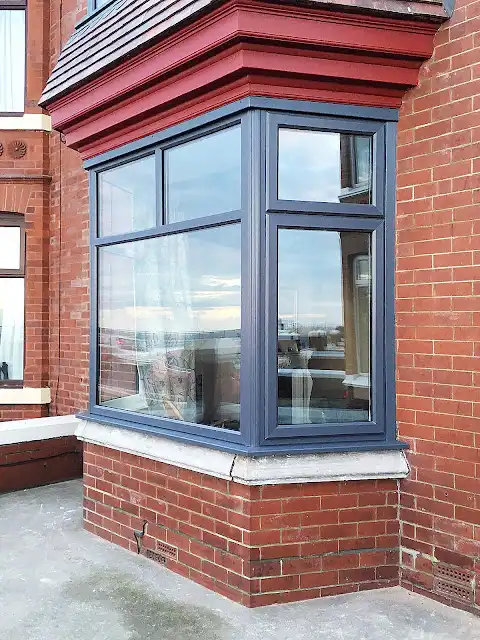
Understanding Anthracite Grey uPVC Bay Windows
A basic change in architectural language toward strong, modern statements is reflected in the anthracite grey finish, which is more than just a matter of taste. Unlike standard white UPVC, the deep charcoal colour stands out strongly against masonry, render, and cladding systems, making exterior facades more than just ordinary.
Material Composition and Performance Standards
Modern UPVC bay window systems are made of new polymer materials that are strengthened with steel or aluminium cores. If you use the right glass specs with the multi-chambered profile design, thermal breaks are made that keep U-values at or below 1.4 W/m²K. 30–45 dB of noise reduction is possible depending on the glass configuration and seal integrity. This means that these systems are good for cities with lots of traffic noise.
The anthracite grey colourant can be applied directly to the polymer matrix or through cutting-edge foil lamination methods. Surface treatments must show UV stability and colour fastness according to ISO 4892 testing guidelines so that colours don't fade over decades of exposure. Manufacturers of good products use formulas that keep the shapes of the materials stable even when they absorb solar radiation. This is important because darker colours get hotter on the surface than lighter ones.
Bay Window Configuration Options
Bay projections usually use three different sets of angles:
- 90-Degree Bay Windows: These windows have sharp, perpendicular angles that look good with modern architecture and make the best use of inner room. The strong geometry makes clear internal nooks that are great for sitting arrangements or incorporating workspaces.
- 135-Degree Bay Windows: This is the most common configuration, and it balances projections from the outside with smoother visual transitions. There is a lot more floor space because of the sharp angles, which look good with both classic and modern building types.
- Custom Angular Designs: For one-of-a-kind projects, 150-degree shapes, curved pieces, or completely odd forms may be needed. Trapezoid, polygon, arch, and round shapes can be made thanks to advanced fabrication technologies that meet the specific design needs of major buildings, religious structures, and high-end custom homes.
For each shape, the corners must be joined precisely, and the points where they meet must be reinforced with welding. The strength of multi-angle systems relies on steel reinforcements that are the right size and don't bend when wind loads and temperatures change.
Design Options and Customization for Anthracite Grey uPVC Bay Windows
High-end building material brands need to offer unique products that are priced higher in order to be successful in business. This uniqueness is achieved by anthracite grey bay windows, which can be customised in a number of ways to meet the needs of different clients.
Color Consistency and Surface Finishing
For anthracite grey upvc bay windows, colour batch difference poses the biggest quality issue. The usual reference point for the industry is RAL 7016, but manufacturing methods can cause variations. Spectrophotometric quality control is used by premium providers at several stages of production to make sure that Delta E values stay within acceptable limits between production runs and new orders in the future.
There are two main surface application methods used in modern manufacturing:
During foil lamination, heat and pressure are used to stick pre-colored polymer strips to UPVC surfaces. When properly done, this method gives better durability; lamination that lasts 10 years shows no fading and great resistance to mechanical wear. To get a seamless look at welded corners, you need to carefully control the temperature and use special tools. Bubbles, lifted edges, and delaminated corners are all signs of poor handling.
Spray coating uses electrostatic or regular spray tools to put on liquid polymer coats. Even though they require fewer tools and are cheaper for small batches, spray finishes usually don't last as long as lamination. The end quality is heavily affected by how well the surface is prepared, how regular the coating thickness is, and how long it takes to cure. Professional specifications usually recommend laminated products for jobs that need to keep their look for a long time.
Dual-Color Co-Extrusion Capabilities
Differentiating colours between the inside and outside is becoming more and more important in modern style. Anthracite grey exterior surfaces can be paired with white, cream, or wood-effect interior faces thanks to co-extrusion technology. This two-sided ability meets the needs of external building cohesion while keeping interior design freedom. Material and processing prices go up by about 25–35% for dual-color profiles compared to single-color profiles because they are harder to make. Procurement teams should decide if this extra adds enough value to the project by making it more marketable and making clients happier.
Hardware and Accessory Coordination
Visual coherence includes more than just frame colour; it also includes all hardware that can be seen. Anthracite frames are paired with black powder-coated handles, hinges, and locking mechanisms for modern specifications. For a subtle contrast, other specifications use brushed stainless steel or satin chrome finishes. For ultra-minimal looks, concealed hardware systems get rid of screws that can be seen. Multi-point locking systems spread engagement points around the whole sash perimeter, which improves security scores for installations on the ground floor of private buildings.
Glazing Specifications
The type of glass has a big effect on how well it keeps heat in or out, how loud it is, how safe it is, and how it looks. As a general rule, double-glazed units with low-emissivity finishes and argon gas fills are used. Triple-glazing is useful in harsh climates or for projects that want to get passive house certification.
Laminated glass improves protection and keeps its shape after it breaks. Tempered glass meets the safety window standards for big panes and certain areas that are set by building codes. Acoustic laminate interlayers, solar control coatings, or privacy treatments are some of the more specialised uses for these materials. For custom-shaped bays, glass pieces need to be cut to fit frames with odd shapes. Making curved pieces is more difficult and costs more because of it. When non-rectangular glass shapes are added to production schedules, lead times get longer.
Installation Process and Maintenance Tips
Whether theoretical product performance translates into actual building performance depends on how well the product is installed. When installation affects structural stability, weatherproofing, or thermal continuity, even high-end window systems don't work.
Site Assessment and Preparation
The first step in installation is to accurately measure the hole, taking into account any gaps, reveals, or interface conditions. Preparing a structural opening should include making sure there are continuous bearing surfaces, the right flashing integration points, and that the opening is square to within acceptable tolerances. In remodelling jobs, existing opening conditions may need to be fixed before new windows can be installed.
Professional Fitting Protocols
Fixings that use mechanical forces for anthracite grey upvc bay windows must engage structure parts instead of finishing materials. Fixing space, fastener type, and fitting pressure must all be done according to the manufacturer's instructions, which take wind loads into account. For perimeter sealing, compatible materials that can handle thermal movement without losing their adhesion are used. EPDM gaskets that are pressed against continuous contact surfaces are a common example of these.
The important detail is weatherproofing the corners, where three-dimensional shapes can make ways for water to get in. Installers use a mix of techniques, including corner gaskets that are already made, sealant backing, and capillary breaks that let water drain to outer drainage planes. Overall assembly performance is lower when thermal bridging happens at fixing points and outer contacts. The best way to install something is to use thermal break materials in places that could be damaged and keep direct conductive paths through the building envelope to a minimum.
Maintenance Requirements
When basic care instructions are followed, UPVC lives up to its image for being low upkeep. Using pH-neutral detergent solutions and soft cloths to clean surfaces gets rid of dirt from the air without hurting finishes. Using rough cleaning, items with solvents, or high-pressure washing can damage the surface, which speeds up the breakdown process. Hardware lubrication, drainage path cleaning, and gasket checking are easy things that can be done to make the work last longer. An annual check finds small problems before they get worse and cost a lot to fix. Good suppliers give maintenance instructions that are specific to their products and how they're finished.
Performance Note: The actual thermal performance, acoustic ratings, and service life will depend on the testing reports for each product, the quality of the installation, and the conditions in the environment. Specifiers should ask for approved test paperwork that fits the needs of their project.
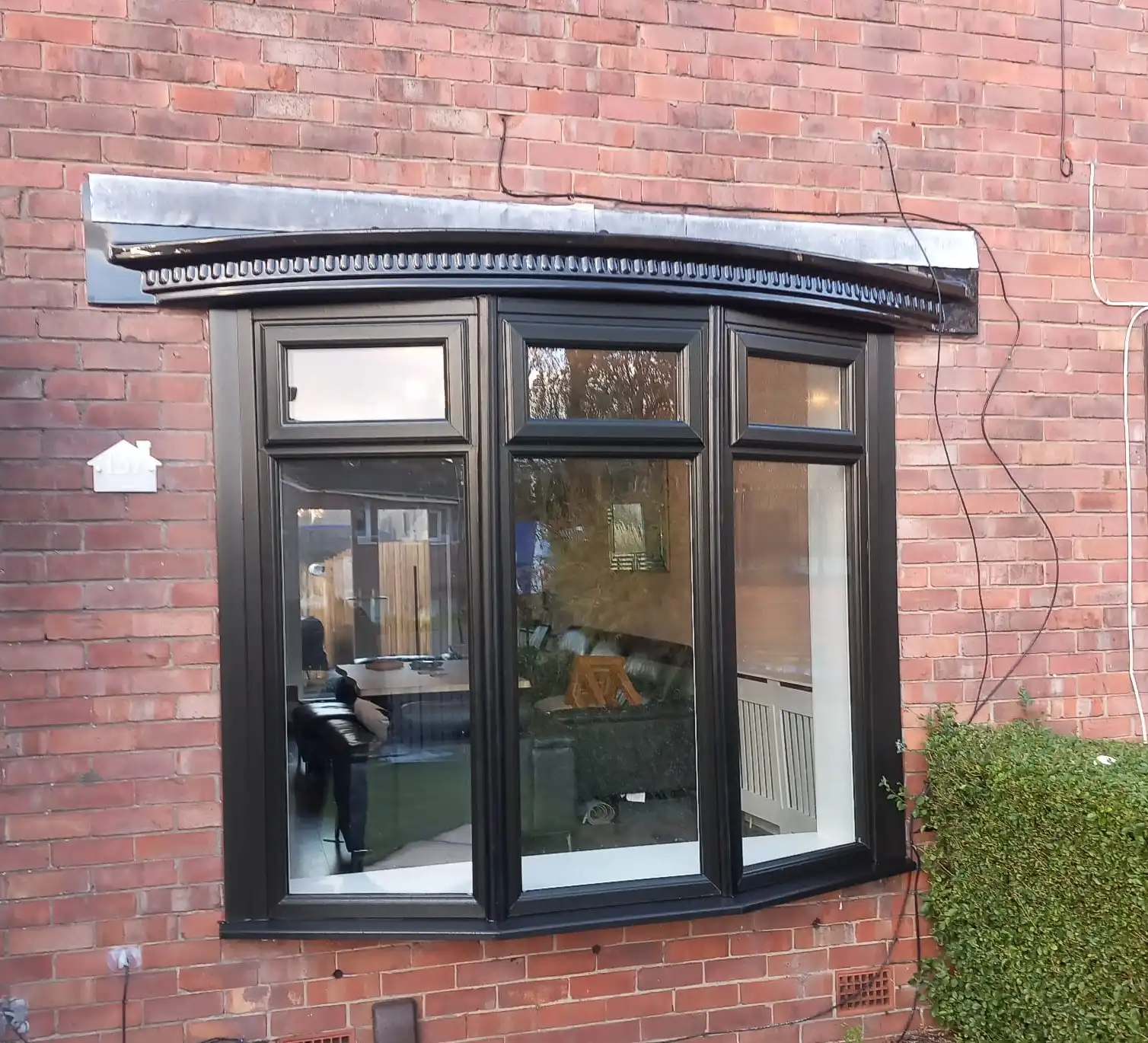
Procurement Considerations for B2B Clients
Decisions about strategic procurement involve more than just the original purchase price. They also consider the total value of the project, the reliability of the supply chain, and the possibility of forming a long-term relationship. Brands of building materials and high-end installation companies need sellers who know how businesses work and can provide steady support.
Supplier Evaluation Criteria
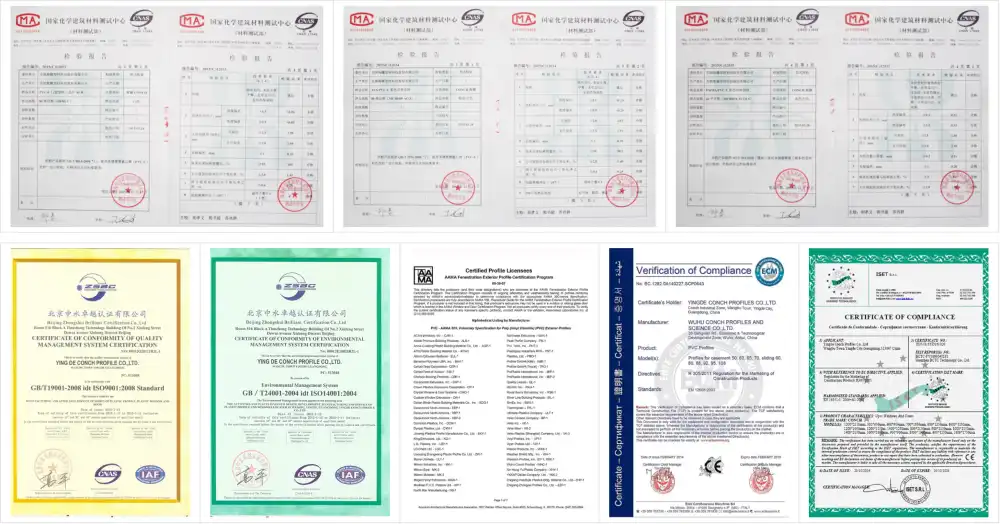
A facility inspection, either a physical visit or detailed video documentation, is the first step in figuring out how well a factory can make something. The infrastructure for production should have clear rules for matching colours, automatic quality checks, and organised ways of moving materials that lower the risk of damage. ISO certification gives you basic peace of mind, while AAMA and CE marks show that you're following the rules for certain markets.
When questions about specifications come up or site conditions mean that changes need to be made, technical help is very important. Companies that use outside consultants get slower and less accurate answers than suppliers who have their own engineering staff. Making CAD drawings, thermal modelling, and structural calculations all help with the documentation needs of a project.
Cost Structure Analysis
Anthracite grey UPVC options usually cost 30–50% more than white UPVC options of the same quality. This difference in price is due to the use of special materials, more steps in the production process, and smaller production numbers. To make an exact comparison, people who work in procurement should make sure that the prices they are given include all the parts that are needed, such as frames, glass, hardware, gaskets, and trim.
When you make a volume commitment, you can get better pricing and priority scheduling for production slots. Both parties benefit from annual supply agreements because they make it easier to predict demand and keep the relationship going. Project-based businesses can better control their cash flow when they offer flexible payment terms and staged delivery choices. Logistics of shipping have a big effect on landed costs. When compared to fully completed units, knocked-down frame parts require less freight, which could cut shipping costs by 25–30%. The buyer is responsible for putting the items together, but it may be cheaper to do so if labour costs are low in the area and the warehouse has enough space.
Lead Time and Production Scheduling
Usually, it takes 25 to 30 days from the time an order is confirmed for anthracite grey upvc bay windows until the product is ready to leave the plant. Custom specs, colours that aren't standard, or complicated shapes may make delivery times longer. Schedules for buying things should include "buffer" periods that account for shipping time, clearing customs, and possible delays. When suppliers keep their bay window inventory in standard configurations, they can respond more quickly to urgent needs. The inventory pledge is an investment by the provider that saves customers time by cutting down on wait times.
Sample Evaluation Process
Physical examples are needed to check the colour, the quality of the finish, and the hardware. Reliable suppliers will gladly send representative samples and will usually cover the costs of the samples while only charging for shipping. Not just the colour should be looked at when judging a sample; the weld quality, surface regularity, gasket fit, and gear function should also be looked at. Large-format examples or full-scale sketches let you do a full evaluation before committing to production. Putting money into a careful sample evaluation saves a lot of money when mistakes happen with large orders.
Making the Right Choice: Anthracite Grey uPVC Bay Windows in Your Projects
When making specification decisions, you have to weigh a lot of different factors that affect how the project turns out. The best choice meets all of these criteria: it performs well, looks good, fits your price, and will last for a long time.
Performance Comparison Framework
Anthracite grey UPVC mostly faces off against aluminium and wood options. Aluminium usually costs 40–60% more than UPVC specifications, but it has thinner sightlines and a wider range of colours. For thermal efficiency, polyamide thermal breaks are needed, which are more complicated and cost more. In some temperature zones, condensation resistance is hard to achieve. Timber has a real, classic look, but it needs to be carefully maintained, refinished every so often, and kept dry. The initial costs are often higher than those of UPVC, and the lifecycle costs go up because of the need for maintenance. When it comes to the environment, sustainably grown wood is best, but UPVC can be recycled up to 10 times, which gives it another green cred.
When it comes to UPVC choices, white frames are cheaper but don't stand out in terms of style. There are other shades of grey besides anthracite, such as slate grey, basalt, and a number of proprietary shades. These shades are different, but they may make it harder to match replacements in the future. Anthracite's status as the established premium standard gives people peace of mind about the color's long-term availability.
Application Suitability
Modern houses, housing developments, and high-end renovation projects are the main uses. The bold style fits with modern architectural language, and the bay shape adds both useful room and architectural interest. Concerns about street noise are eased by the soundproofing of urban townhome projects. Commercial uses include small hotel projects, executive office fit-outs, and mixed-use developments where finishes that look like they belong in a home set them apart. Restorations of religious and historic buildings are growing using UPVC materials when traditional materials are too expensive or need a lot of upkeep. Careful design is needed to make sure the materials look right, though.
Future-Proofing Considerations
When choosing materials, they should be thought of in terms of long service lives, like 25–40 years. Think about colour steadiness, the availability of new parts, and the fact that technology will eventually become outdated. When it comes to future sourcing, established colour standards like RAL 7016 give you peace of mind, while proprietary colours could become unavailable as manufacturers change their ranges.
Global standards for building function keep getting stricter. Specifications that meet the best thermal performance practices of today leave room for future changes in regulations. Energy modelling should be used to make sure that the specifications of windows meet the overall performance goals of the building over the course of their service life. Technical documentation, such as installation guides, assembly videos, and thorough specification sheets, helps with both the original installation and any upkeep that needs to be done in the future. Good suppliers give a lot of paperwork because they know that easy access to information keeps problems from happening and lets the product work well for a long time.
Conclusion
As a result of their modern look, proven UPVC durability, and wide range of customisation choices, anthracite grey upvc bay windows are a great deal for high-end residential and business projects. To be successful at procurement, you need to know about important quality parameters, like colour consistency and surface finish durability, and build relationships with manufacturing partners who can meet the needs of your project. The high price these goods command is based on their real performance benefits and ability to stand out in the market, which lead to higher property values and happy customers. Strategic standards take into account not only the initial cost of purchase, but also the total value over the product's lifetime, which includes upkeep needs, energy efficiency, and how well it keeps its look over time.
FAQ
Q1: How does the energy efficiency of anthracite grey compare to white UPVC bay windows?
A: The thermal efficiency of a window rests more on the shape of the frame profile, the type of glass used, and the quality of the installation than on the colour of the glass itself. When built with the same standard system and glass units, both anthracite and white UPVC have the same U-values. The darker colour soaks up more sunlight, which makes the surface a little hotter, but good recipes with heat-resistant compounds and steel support keep the structure stable without lowering performance.
Q2: What is the expected lifespan of anthracite grey UPVC bay windows in high-end residential settings?
A: Service life ranges from 25 to 40 years, based on the surroundings, how well it is maintained, and the quality of the materials used at the start. When basic cleaning rules are followed, premium foil-laminated finishes with UV-stable pigments keep their look for decades. The UPVC base doesn't rot, rust, or break down biologically like some other materials do. Hardware parts and seals may need to be replaced every so often because they wear out naturally.
Q3: Can you accommodate large-scale custom orders with specific branding requirements?
A: Professional manufacturers support OEM agreements by offering custom packaging, brand labelling, and changes to specifications that meet the needs of distributors. Production should be able to handle batches of any size, from small test amounts to yearly deals for supplies with special tools for repeat orders. Most of the time, commitments to buy in bulk lead to better pricing and earlier scheduling of production, which is good for both parties because it keeps the relationship going.
Partner with a Trusted Anthracite Grey UPVC Bay Windows Manufacturer
Haolv Building Materials has been making anthracite grey upvc bay windows for 19 years and has a track record of precision engineering and quick customer service. Our production facility is ISO, CE, and AAMA certified, and it only uses virgin UPVC from CONCH. This ensures consistent material quality that supports long-lasting performance. We can match colours exactly to RAL 7016 using our own foil lamination methods, which keep the look even in harsh work situations.
Our production skills allow for full customisation, from choosing the hardware to the frame geometry. Our expert teams provide CAD paperwork, thermal modelling, and installation instructions. Standard production plans allow for a 25–30-day turn-around, and our component knock-down choices help large buyers save a lot of money on shipping costs. Our engineering resources can be used for any project, whether it needs standard 135-degree bays or complex custom geometries for landmark buildings.
We know that sellers of high-end building materials need partners who will watch out for their brand's image by providing consistent quality and quick support. As part of our normal service, we offer samples, thorough technical documentation, installation videos, and ongoing help with specifications. To discuss your needs for anthracite grey upvc bay windows, get samples, or get detailed specification sheets for your upcoming project, contact our team at kristin@haolvwindows.com.
References
1. Window and Door Magazine. (2023). Acoustic Performance Standards in Modern Fenestration Systems.
2. Building Design Journal. (2022). Color Trends in Contemporary Window Specifications.
3. Construction Materials Review. (2023). Sustainability and Lifecycle Assessment of UPVC Building Products.
4. European Fenestration Standards Institute. (2023). RAL Color Standards for Building Components.
5. Architectural Specification Quarterly. (2022). Bay Window Design and Installation Best Practices.
6. International Building Performance Standards. (2023). Thermal Bridge Mitigation in Fenestration Systems.
Fast simple channel to send demands lock favorable price for building window door bulk purchases.