- English
- French
- German
- Portuguese
- Spanish
- Russian
- Japanese
- Korean
- Arabic
- Greek
- German
- Turkish
- Italian
- Danish
- Romanian
- Indonesian
- Czech
- Afrikaans
- Swedish
- Polish
- Basque
- Catalan
- Esperanto
- Hindi
- Lao
- Albanian
- Amharic
- Armenian
- Azerbaijani
- Belarusian
- Bengali
- Bosnian
- Bulgarian
- Cebuano
- Chichewa
- Corsican
- Croatian
- Dutch
- Estonian
- Filipino
- Finnish
- Frisian
- Galician
- Georgian
- Gujarati
- Haitian
- Hausa
- Hawaiian
- Hebrew
- Hmong
- Hungarian
- Icelandic
- Igbo
- Javanese
- Kannada
- Kazakh
- Khmer
- Kurdish
- Kyrgyz
- Latin
- Latvian
- Lithuanian
- Luxembou..
- Macedonian
- Malagasy
- Malay
- Malayalam
- Maltese
- Maori
- Marathi
- Mongolian
- Burmese
- Nepali
- Norwegian
- Pashto
- Persian
- Punjabi
- Serbian
- Sesotho
- Sinhala
- Slovak
- Slovenian
- Somali
- Samoan
- Scots Gaelic
- Shona
- Sindhi
- Sundanese
- Swahili
- Tajik
- Tamil
- Telugu
- Thai
- Ukrainian
- Urdu
- Uzbek
- Vietnamese
- Welsh
- Xhosa
- Yiddish
- Yoruba
- Zulu
Benefits of Aluminum Tilt And Turn Windows for Energy-Efficient Homes
When your project demands both thermal excellence and practical installation logistics, aluminium tilt and turn windows deliver measurable results that balance performance specifications with procurement efficiency. These dual-action systems originated in post-war Germany to address stringent insulation codes, and today they represent the dominant fenestration choice across continental Europe—accounting for roughly 65% of residential window installations in German-speaking markets. The unique mechanism allows the sash to tilt inward from the top for secure ventilation or swing fully open like a door, solving maintenance challenges in multi-story buildings while meeting U-values below 1.3 W/m²·K. This performance profile directly translates to lower heating bills, reduced HVAC loads, and compliance with evolving energy mandates from California Title 24 to ASHRAE 90.1 standards.
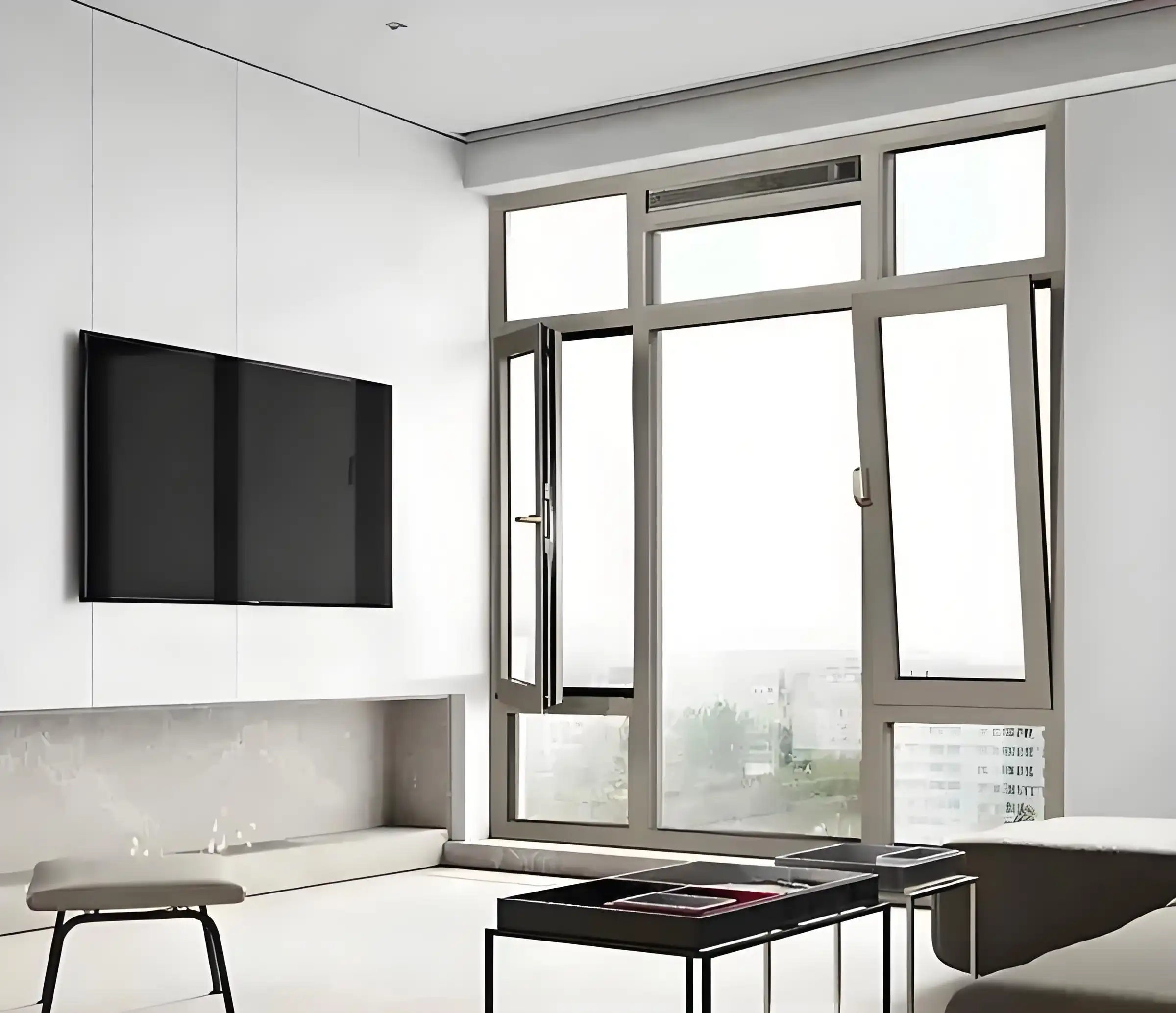
Understanding Aluminum Tilt and Turn Windows
Dual-Action Mechanism and Operational Logic
A perimeter gearing unit that is managed by a single handle is at the heart of these systems' engineering. When you turn the handle 90 degrees, the tilt mode starts. In this mode, the sash pivots inward at the top while the bottom edge stays sealed against the frame. This lets air flow at nite without losing security. When you turn the handle all the way around 180 degrees, it goes into swing mode and opens the whole sash inward, making it easier to clean the outside of the glass from the inside. For high-rise uses, this design gets rid of the need for scaffolding or outside access. This solves a major problem for facility managers and lowers upkeep costs by about 40% over the life of the structure.
Material Advantages of 6063-T5 Aluminum Alloy
Aluminium profiles made to the 6063-T5 temper standard have a tensile strength of more than 160 MPa, which means they can hold up to 130 kg of sash weight without deformation. Wall thicknesses of 1.4 to 2.0 mm give commercial-scale openings the structural rigidity they need while still allowing for thin sightlines. Unlike uPVC, which can become soft after being exposed to UV light for a long time, aluminium stays the same size at temperatures ranging from -40°C to +80°C, making it suitable for climates from the Nordic winters to the Middle Eastern summers. The natural corrosion resistance of the material, which can be improved through anodising or powder-coating, ensures long-lasting performance in coastal areas where salt spray speeds up the breakdown of ferrous metals or composite frames.
Thermal Break Technology and Insulation Performance
In metal fenestration systems, thermal bridging is always a problem. Haolv's frames have polyamide thermal breaks between the inside and outside aluminium tanks. The hollow depth of these breaks ranges from 14.8 to 24 mm. By blocking the conductive path, up to 70% less heat is transferred, which lets the assembly reach U-values that are on par with multi-chambered vinyl profiles. When paired with triple-pane Low-E glazing filled with argon gas, the complete system can reach U-values as low as 0.8 W/m²·K, surpassing passive house thresholds and contributing measurable annual energy savings documented at 15–25% in retrofit case studies across German residential stock.
Core Benefits of Aluminum Tilt and Turn Windows for Energy Efficiency
Superior Airtightness Through Multi-Gasket Sealing
25–40% of the heat that is lost through regular window frames is due to air leaks. This is stopped by Aluminium Tilt And Turn systems, which use three EPDM gaskets and brush seals to make tension zones all around the sash's edge. The multi-point locking hardware, which usually has 5 to 8 locking points, pulls the sash tightly against these seals when it's in use. This keeps air loss rates below 0.1 m³/h·m² at 50 Pascal test pressure. This level of airtightness stops leaks that mess up thermostat settings and lets HVAC systems keep temperatures where they're supposed to be with less runtime, which saves energy and wear on the parts.
Optimized Glazing Options for Climate-Specific Performance
The thermal performance goes up or down directly with the glazing specifications. U-values of about 1.4 W/m²·K are achieved with double-pane windows that have Low-E coatings and argon fill. These values are good for mild temperatures. Triple-pane assemblies with two Low-E surfaces and two gas cavities improve performance below 1.0 W/m²·K, which is important for places where heat is the main problem. Laminated glass choices add acoustic damping, which lowers noise from outside to 35–42 dB, and improve impact protection for places that are likely to be hit by storms. Choosing the glazing without considering the frame geometry lets procurement teams match the project's exact thermal, acoustic, and safety needs without having to redesign the whole fenestration system.
Ventilation Control Without Energy Penalty
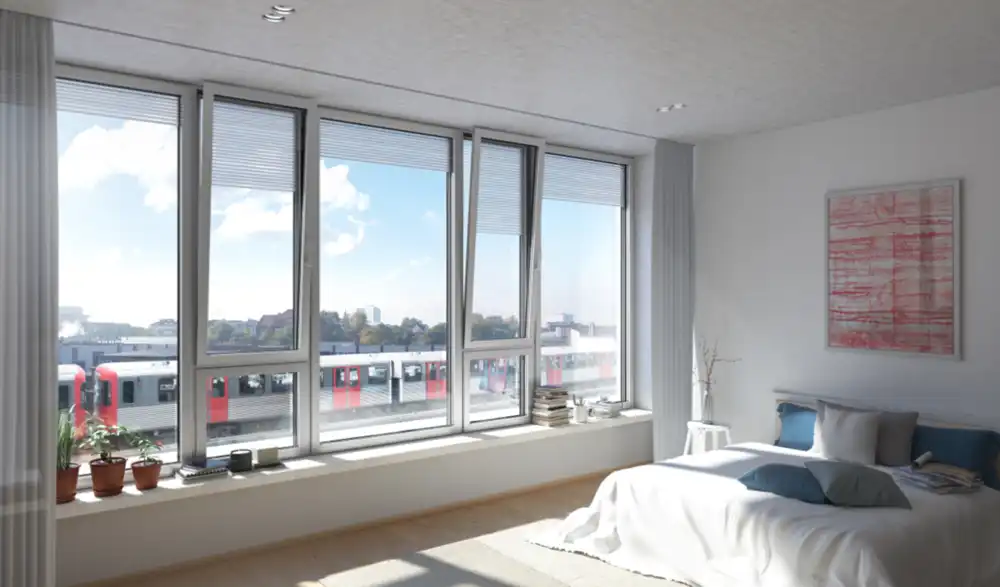
When you use traditional casement or sliding windows, you can either leave them fully open, letting the most air flow through but losing all thermal boundaries, or you can leave them fully closed. In tilt mode, there is a graduated option that lets you control the flow of air through the top opening (10–15 cm), while the lower seal stays in place. Using stack ventilation, this setup lets warm air from inside escape at the roof plane while bringing in cooler air from outside through lower vents or windows next to them. Field readings in European domestic buildings show that strategically tilt ventilation during shoulder seasons lowers the need for mechanical cooling by 18–30%. This means that natural ventilation alone can keep the building comfortable for longer.
Comparison with Alternative Window Types for Energy Efficiency
Sliding Windows: Operational Simplicity vs. Thermal Compromise
It is possible for air to get into the meeting rail because sliding mechanisms use track-based seals that only squeeze along two sides. It's rare for high-end slide systems to be more airtight than Class 2, which means they let three to five times more air leak out than tilt and turn units. Over time, dirt and other things build up on the moving gear, which makes the seal even less reliable. Sliding windows let you see straight ahead and are small enough to fit in tight spaces, but they don't work very well when it comes to heat retention, which makes them less useful for passive house or net-zero projects.
Casement Windows: Outward Operation Limitations
When they are closed, outward-swinging casements form strong compression seals that are almost as airtight as Aluminium Tilt And Turn windows. But leaving their gear out in the weather speeds up the ageing process, and the outward swing makes it hard to use outdoor screens, shutters or narrow building clearances that are popular in urban infill projects. To clean exterior glass surfaces, you have to reach out and touch them, which is unsafe above ground, or use exterior access equipment. By operating from the inside, tilt and turn systems get rid of these problems. They offer the same level of heat performance while making servicing easier and working with shading devices on the outside.
Wood and uPVC Frames: Material Trade-Offs
Wood frames look nice, are warm, and naturally insulate, but they need to be refinished every so often to keep them from absorbing water, twisting, and rotting, especially in wet places. Through multi-chambered extrusions, uPVC profiles achieve low U-values. However, they have thermal expansion coefficients that are twice as high as aluminum's, which causes seal gaps when temperatures change. UV light can also damage dark-coloured uPVC. Within 7–10 years, the surface will chalk and change colour. Aluminium is the best frame material for projects that need to balance cost over time, aesthetic flexibility, and structural performance in a wide range of environmental conditions because it stays the same size, doesn't rust, and has a high strength-to-weight ratio.
Procurement Considerations for Aluminum Tilt and Turn Windows
Customization Scope and Architectural Integration
Choosing tilt and turn windows starts with being able to change the sizes. Standard production can fit openings from 600 × 800 mm to 1,400 × 2,200 mm, and industrial curtain wall units can be made to order. Finish choices include powder-coating in RAL colours, anodising, and wood-grain laminates that look like wood but keep the performance benefits of aluminium. Hardware choices, like handle types, locking arrangements, and extras like child safety locks or built-in bug screens, make functionality fit the needs of the end user. Brand owners can choose their own glass packages, custom extrusion shapes, and even co-branded parts from suppliers who offer full OEM/ODM support. This helps their product lines stand out in competitive regional markets.
Evaluating Supplier Compliance and Certification
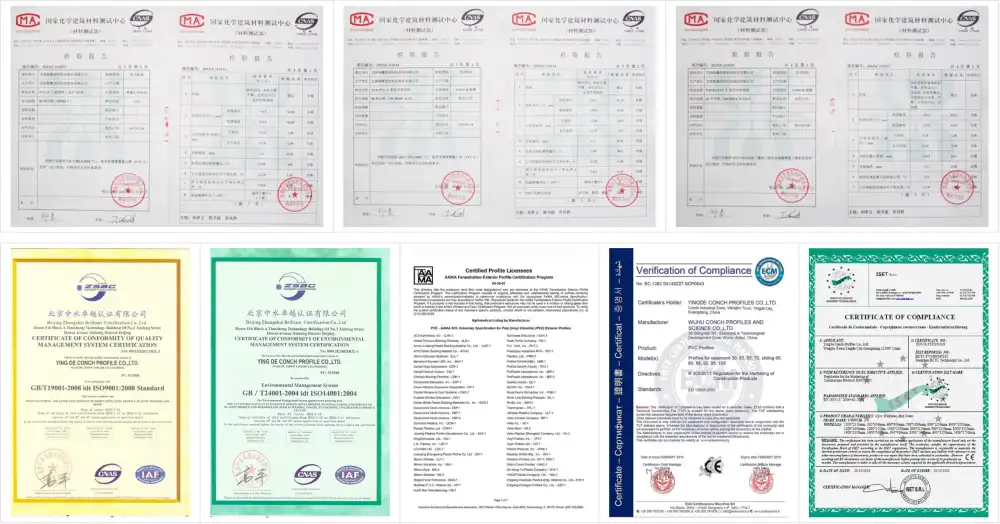
Different places have different rules and regulations, but some licenses set standards that apply everywhere. Systematic quality management is confirmed by ISO 9001, and compliance with the European Construction Products Regulation for mechanical strength, thermal performance, and durability is confirmed by CE marking, which is backed up by Declaration of Performance documents.
AAMA (American Architectural Manufacturers Association) certification proves that a building meets North American standards for wind load, air infiltration, and water penetration. This is very important for projects that will be built in hurricane zones or at high elevations. When buying from other countries, make sure that the DoP documents you send have correct thermal transmittance data, acoustic ratings, and fire resistance classifications. Mistakes in these declarations can lead to delays in the job schedule and penalty claims if they are not followed correctly.
Cost Structure and Bulk Order Economics
Prices for Aluminium Tilt And Turn windows vary by frame thickness, glazing type, and hardware grade, but are usually between $180 and $450 per square meter. Volume pledges unlock tiered discounts—orders over 500 units often get 12–18% discounts—and combining multiple SKUs into a single package makes the best use of containers. Shipping windows in a knocked-down (flat-pack) style cuts down on freight volume by about 30%.
This means lower shipping costs per unit and less space needed for storage on the job site. Detailed technical parameter sheets, installation video lessons, and foreign assembly instructions make it easier for people in the field to work together. This cuts down on the time and work that needs to be done to fix mistakes in installation, which is a common reason for warranty claims and unhappy customers.
Performance Disclaimer: The actual thermal, acoustic, and structural performance will rely on the layouts, glazing choices, and quality of installation. Before making a final decision about procurement, you should always check specifications with third-party test reports and look at engineering documentation.
Energy Efficiency Optimization Through Maintenance and Upgrades
Preventive Maintenance Protocols for Sustained Performance
If you don't regularly check on it, airtightness decreases over time. EPDM gaskets should be checked once a year to make sure they stay flexible and haven't gone through compression set. If you see cracks or permanent deformation in the gaskets, you should replace them to restore the integrity of the seal. Use silicone-based grease to lubricate exterior gears and multi-point locking systems to keep them from binding, which can cause the sash to not line up right and air gaps to form.
Clean the weep holes in the sill profile to make sure water can drain properly. Blocked weep systems let water in, which speeds up corrosion in the steel reinforcement and makes it harder for the thermal break to stick. These simple tasks, which can usually be done in 15 minutes per window, keep the design working well and make the service last longer than 25 years.
Retrofit Upgrades for Existing Installations
Targeted upgrades can make buildings with first-generation aluminium windows more energy efficient. By replacing single-pane windows with retrofit double-pane insulated glass units that are made to fit current rabbet depths, U-values can be cut by 50–60% without having to replace the whole frame. Adding extra sealing tape to the edges of the sashes stops air from leaking in places where the original gaskets have worn down. Exterior storm panels with Low-E coatings add another thermal buffer, which lowers the chance of condensation and heat transfer even more. These fixes actually save energy while putting off the cost and trouble of replacing all the windows. This makes them good choices for portfolio owners who are trying to stick to a tight budget across many properties.
Conclusion
Aluminium Tilt And Turn windows have been shown to save energy through engineered thermal breaks, multi-gasket sealing, and advanced glazing integration. They meet strict insulation standards and make upkeep easier in high-rise and industrial settings. Their two-way operation lets you precisely control ventilation, which means you don't have to rely on mechanical HVAC systems as much and your building will cost less to run over its entire life. These systems have the lowest lifecycle costs because the materials are long-lasting, the dimensions stay stable, and the finishes last a long time.
This is especially true if you buy them from a maker that lets you make any changes you want and offers clear compliance paperwork and shipping options like flat-pack. Whether they are fixing up old buildings or ordering brand-new ones, procurement teams get a lot of value by giving more weight to suppliers with certified quality systems, technical support resources, and flexible order configurations that fit the performance goals and budget of the specific project.
FAQ
Q1: Are aluminum tilt and turn windows suitable for extreme climates?
A: Frames made of aluminium that have thermal breaks work reliably in temperatures ranging from -40°C to +80°C. In warm climates like the Nordic, triple-pane glass keeps the inside cool, and in dry climates, reflective Low-E finishes keep the sun out. Marine-grade powder coats and stainless steel tools don't rust in salt-spray areas along the coast, so the materials last a long time without breaking down.
Q2: How do tilt and turn windows compare in cost to sliding or casement alternatives?
A: The initial cost is 15–25% higher than for folding windows because the hardware is more complicated and the windows are made with more care. Lifecycle cost analysis, on the other hand, favours tilt and turn systems: they require less maintenance, are better at keeping air out, which lowers yearly energy bills by $120 to $200 per window (based on U.S. residential heating costs), and last longer, which pays for themselves within 8 to 12 years.
Q3: What certifications should procurement teams require?
A: Check that the project has ISO 9001 quality management, CE marking with full DoP documentation for European markets, and AAMA certification for projects in North America. Ask for test reports from a third party that confirm the rate of air leakage, the resistance to water penetration, and the structure's load capacity. These certificates back up claims of performance, make the permitting process easier, and protect against liability from sites that don't follow the rules.
Partner with a Trusted Aluminium Tilt And Turn Supplier for Your Next Project
Every window system that Haolv Building Materials designs is based on 19 years of specialised production experience. We use precise German tilt-and-turn technology along with adjustable OEM/ODM capabilities that are tailored to brand owners and project developers. Our 6063-T5 aluminium frames come in wall thicknesses ranging from 1.4 to 2.0 mm and are shipped flat-packed. This saves you about 30% on shipping costs and makes them easier to move around on the job site. Along with installation video tutorials and multilingual assembly manuals that cut down on field labour hours and installation mistakes, each order comes with detailed technical parameter sheets that list thermal performance, load ratings, and glazing options.
We keep our ISO, CE, and AAMA certifications up to date, which means that your projects will meet local compliance standards from California Title 24 to European EnEV rules. Whether you need custom RAL finishes, proprietary glass packages, or security hardware that is built in, our engineering team works directly with your specifications to make sure that the quality of each production run is the same. We offer 25–30 day lead times and protect your brand's identity with confidential OEM agreements. You can email us at kristin@haolvwindows.com to talk about how our customised solutions and fast shipping methods can help your next energy-efficient building project.
References
1. Window and Door Magazine (2022). European Fenestration Market Trends: Tilt-Turn Dominance in Residential Construction.
2. Glass Magazine (2021). Lifecycle Cost Analysis of Window Systems in Commercial Buildings.
3. Building Science Review (2023). Thermal Performance of Aluminum Fenestration with Polyamide Thermal Breaks.
4. Energy and Buildings (2022). Natural Ventilation Strategies and HVAC Load Reduction in European Residential Buildings.
5. EN 12207 (2016). Windows and Doors – Air Permeability – Classification. European Committee for Standardization.
6. American Architectural Manufacturers Association (2023). AAMA Certification Program: Performance Standards for Fenestration Products.
Fast simple channel to send demands lock favorable price for building window door bulk purchases.