- English
- French
- German
- Portuguese
- Spanish
- Russian
- Japanese
- Korean
- Arabic
- Greek
- German
- Turkish
- Italian
- Danish
- Romanian
- Indonesian
- Czech
- Afrikaans
- Swedish
- Polish
- Basque
- Catalan
- Esperanto
- Hindi
- Lao
- Albanian
- Amharic
- Armenian
- Azerbaijani
- Belarusian
- Bengali
- Bosnian
- Bulgarian
- Cebuano
- Chichewa
- Corsican
- Croatian
- Dutch
- Estonian
- Filipino
- Finnish
- Frisian
- Galician
- Georgian
- Gujarati
- Haitian
- Hausa
- Hawaiian
- Hebrew
- Hmong
- Hungarian
- Icelandic
- Igbo
- Javanese
- Kannada
- Kazakh
- Khmer
- Kurdish
- Kyrgyz
- Latin
- Latvian
- Lithuanian
- Luxembou..
- Macedonian
- Malagasy
- Malay
- Malayalam
- Maltese
- Maori
- Marathi
- Mongolian
- Burmese
- Nepali
- Norwegian
- Pashto
- Persian
- Punjabi
- Serbian
- Sesotho
- Sinhala
- Slovak
- Slovenian
- Somali
- Samoan
- Scots Gaelic
- Shona
- Sindhi
- Sundanese
- Swahili
- Tajik
- Tamil
- Telugu
- Thai
- Ukrainian
- Urdu
- Uzbek
- Vietnamese
- Welsh
- Xhosa
- Yiddish
- Yoruba
- Zulu
What Glass Options Work Best With UPVC Bow Window?
Selecting the right glass for a UPVC Bow Window directly determines its thermal performance, structural integrity, and long-term maintenance costs. The most effective options include double glazing with Low-E coatings for energy efficiency, laminated glass for enhanced security and noise reduction, and tempered glass for safety compliance. Triple glazing suits extreme climates but increases weight and cost. The curved geometry of bow windows requires precise glass cutting and robust sealing systems, making compatibility between glass type and frame design critical for preventing leaks at multi-panel joints.
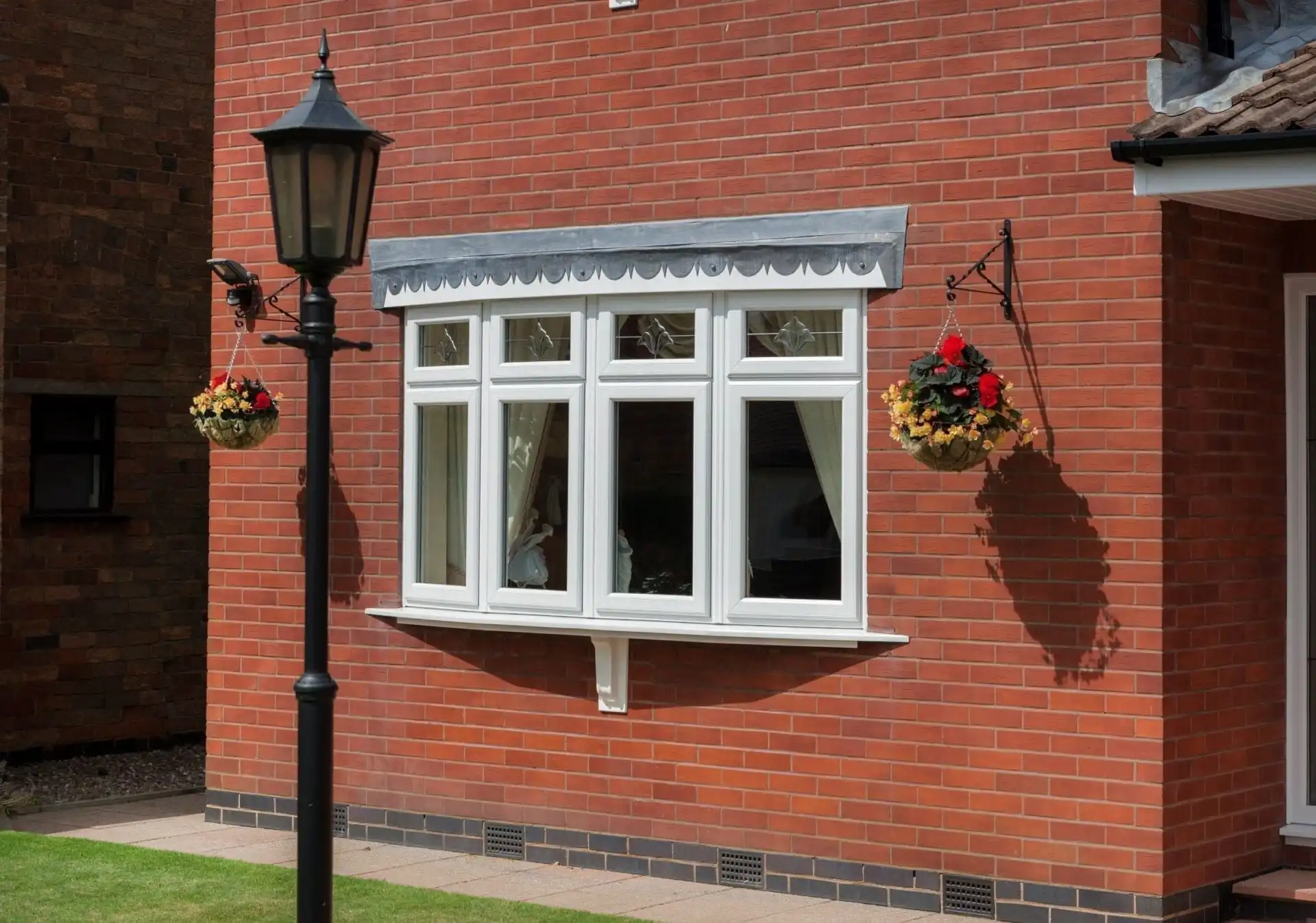
Understanding UPVC Bow Window and Its Glass Compatibility
People I work with who sell building materials in North America kept asking me the same thing: why does the type of glass mean so much for bent window designs? The answer lies in how bow windows work in terms of structure and temperature.
The Structural Demands of Curved Frames
Bow windows have a soft curve that is made up of four or five separate window units that are joined together. This bent shape makes different stress points at each point where two panels meet. Unlike flat windows, the angled connections need glass that can handle small differences in size without breaking the seal.
The multi-chambered UPVC profile, which usually has three to five internal chambers with wall thicknesses between 2.0 mm and 2.8 mm, is strong enough to hold different glazing weights. Galvanized steel reinforcement with a thickness of 1.2 mm to 2.0 mm makes wind load resistance even better, which is very important for supporting heavier triple-glazed units in open installations.
Thermal and Acoustic Performance Requirements
Bow windows have more glass that is exposed to the weather than regular flat windows because their surfaces are bent. Heat and sound travel faster through this increased exposure if the glazing isn't chosen correctly. U-values show how well a window keeps heat in or out. Lower numbers mean better insulation. When paired with the right glass configurations, good bow window setups can get U-values as low as 1.6 W/m²K. Sound reduction levels between 30 and 45 dB help make rooms more comfortable, which is especially important for homes near busy streets or business areas.
Why Frame-Glass Compatibility Matters for Longevity
Too many remodeling projects have failed because the builders didn't realize how important it was to match the UPVC frame's weight and thermal expansion qualities to the glass. When the temperature changes, the glass and frame materials grow at different rates. This causes stress to build up at the seal points and hardware sites. EPDM seals that are shaped to fit the curves give the structure the freedom it needs to keep out air and water as the seasons change. Proper fit makes products last longer and cuts down on callbacks for problems with seals or condensation.
Comparison of Popular Glass Options to Enhance Performance
Different types of glass are used for different things, and knowing the pros and cons of each helps distributors match products to the needs and budgets of each project.
Double Glazing with Low-E Coatings
In temperate climates, this combination is the best choice for home renovation projects that want to be fair. The Low-E layer blocks infrared energy while letting visible light through. This lowers the amount of heat that needs to be cooled in the summer and lost in the winter.
Two panes separated by a space filled with air or argon are much better at keeping heat in than single glazing, but they are not as heavy as triple glazing. Installers like that the weight isn't too heavy to handle, which is very important when working with the big, curved parts that come with bow windows. This choice is good for distributors who serve price-conscious renovation markets because it's a good value.
Laminated Glass for Security and Noise Control
The laminated glass structure is very helpful for urban setups. A shield made of two or more layers of glass and a plastic layer in between them stops both sound and impact. When someone tries to break in, the interlayer keeps the glass pieces together, which makes it take a lot longer to get in. This interlayer also absorbs sound waves, making the soundproofing better than standard insulated units of the same thickness.
In many places, building codes say that laminated glass must be used in certain situations, and for applications like UPVC Bow Window designs, this requirement becomes even more relevant due to the larger surface area and potential noise exposure. Knowing these rules is important for making B2B purchasing decisions.
Tempered Glass for Safety Compliance
Tempered glass goes through a controlled thermal process that makes the surface contract more. This makes tempered glass about four times stronger than annealed glass of the same thickness. Breaking glass doesn't make dangerous shards; instead, it breaks into small, mostly harmless granules. Many building codes require tempered glass in places where people could hit it. For custom bow window configurations, accurate measuring and ordering are needed because the tempering process has to happen before any cutting or drilling can happen. This production limitation changes wait times and the ability to customize.
Triple Glazing for Extreme Weather Conditions
The extra cost of triple windows is sometimes worth it for projects in cold areas or high elevations. The thermal resistance of three glass panes with two insulating cavities is very high, but it comes at the cost of more weight, less light transmission, and higher material costs. The UPVC frame profile needs to be able to fit insulated glass units that are up to 32mm or 40mm thick, which means that the extrusion design needs to have wider glass grooves. Contractors should make sure that the design of the bow window frame can hold the extra weight without falling over time. This is especially important for the bent part at the top, where gravity pulls the window down.
Before committing to a glass specification, I suggest getting detailed technical data sheets and test reports from a third party that back up performance claims in an environment that is similar to where the glass will be installed. Manufacturers should give information about how well their windows insulate, how loud they are, and how much weight they can hold for curved windows.
How Glass Options Influence Energy Efficiency and Maintenance
In addition to the initial performance requirements, the choice of glass has a direct effect on the window's operational costs and maintenance schedules over its lifetime.
Understanding U-Values and SHGC Ratings
The U-value, which is given in watts per square meter per degree Kelvin (W/m²K), tells us how fast heat moves through the whole window system. Lower values mean that the insulation works better. The sun Heat Gain Coefficient is a number between 0 and 1 that shows how much sun energy gets through glass.
Lower SHGC values lower the cooling loads, but they also lower the benefits of passive solar heating. The best balance depends on the climate zone, the direction of the building, and whether the main energy cost is for heating or cooling. In the US and Europe, energy rules set maximum U-value limits that change depending on the climate area. This makes it important to check for compliance during the procurement process.
Maintenance Considerations for Different Glass Types
To keep them from getting damaged, low-E coatings need to be cleaned in a certain way. However, modern hard-coat coatings are very durable. Laminated glass sides need to be properly sealed when they are installed so that water doesn't get into the interlayer and cause it to delaminate over time. Because tempered glass can't be changed after it's been made, any chips or damage to the edges usually mean that the whole unit needs to be replaced instead of being fixed. These maintenance features affect the cost of ownership over time and should be taken into account when end users are choosing a product.
The Role of Proper Sealing Systems
When paired with bad seals, even high-quality glass doesn't work very well. EPDM seals stay flexible at high and low temperatures and last longer against UV damage than cheaper options. Because bow windows are curved, it's important to make sure that the seals stay in place at the panel joints, which is where water entry is most likely to happen. Quality of installation is just as important as the specifications of the materials. That's why we offer detailed installation instructions and other support materials to make sure the job is done right.
Decision Criteria for Selecting the Best Glass for B2B Procurement
If you want to make smart decisions about what to buy, you need to look at more than just prices.
Climate and Environmental Conditions
When you live near the coast and are exposed to salt air, you need to think about how long the edge seal will last and how resistant the spacer bars are to corrosion. Higher elevations have stronger UV rays, which speed up the breakdown of seals and gaskets. In the north, thermal resistance is important, while in the south, solar heat rejection is more important.
The amount of wind exposure changes the structural loading needs for glass thickness and frame reinforcement, and for a UPVC Bow Window, these loading requirements are particularly critical due to its curved profile and larger surface area. Matching the glass's specs to its real installation setting keeps it from breaking too soon and making the customer unhappy.
Regulatory Compliance and Standards
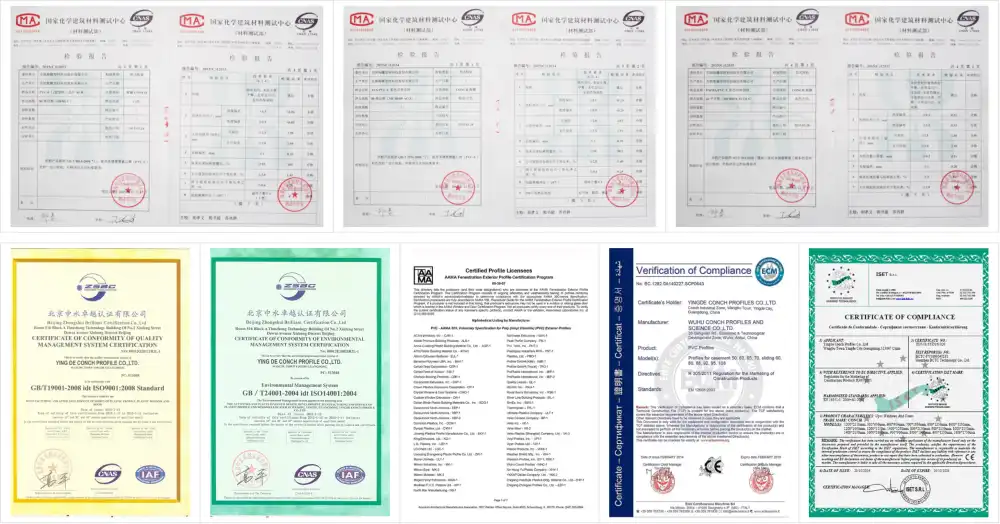
If something has a CE mark on it, it means it meets European standards for health, safety, and the environment. Performance against North American Architectural Manufacturers Association standards is checked by AAMA certification. British Standards (BS EN) set the rules for the UK market. Professionals in charge of buying things should make sure that suppliers give them the right paperwork to show that they meet the standards for the target market. When manufacturing methods are ISO certified, it gives people even more trust that the quality will stay the same from one production run to the next.
Total Cost Analysis Beyond Initial Price
The initial buying price is only one part of the total cost of owning. The cost of shipping large bow window parts has a big effect on the completed cost, especially for projects that are far away. Choosing between pre-assembly in the plant and assembly on-site affects both the cost of shipping and the number of people needed to do the work.
Pre-assembled units cut down on the time and skill needed to install them, but they cost more to ship because they come in larger packages. Knock-down configurations make shipping more efficient, but they require more technical know-how to put together in the field. We help contractor teams no matter which way they choose by giving them thorough assembly instructions and video tutorials.
Supplier Capabilities and Customization Services
Standard catalog items rarely meet the exact needs of renovation projects that involve openings that aren't the standard size. Manufacturers who offer real custom size can avoid expensive changes in the field and improve the quality of installation. Look for suppliers who can meet the specific needs of your job when it comes to the type of glass, frame color, and hardware. The time it takes to make something is also important. Usually, it takes 25 to 30 days to deliver something after an order is confirmed, but we can rush orders for projects that need to be done quickly.
Best Practices for Procurement and Installation
To be successful in the bow window market, you need to pay attention to more than just the product.
Partnering with Experienced Manufacturers
Manufacturers that have been around for a while have learned a lot, which leads to better product design and customer service. After 19 years of making UPVC windows, we know which design details keep common failure modes from happening. Multiple locking points make the frame more secure, and drainage lines built into the shape keep water away from weak spots. These improvements are the result of direct feedback loops with workers who have had problems in the real world. Manufacturers should offer expert support to help customers choose the right options for their needs.
Installation Best Practices for Curved Windows
Accurate field measurements of the existing or planned opening are the first step in a proper installation. Because bow windows are curved, these measurements are more complicated than for flat windows. Installers need to make sure that the rough openings allow enough room for shimming and adjusting while still supporting the structure across the curved span.
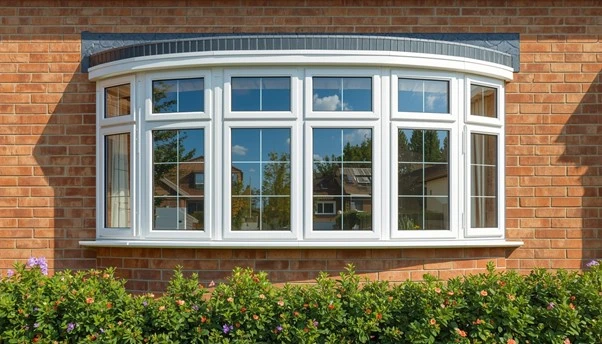
Paying attention to the flashing features at the head stops water from getting in, which is where bow window setups usually fail. When you match several panels correctly, you get even sightlines and smooth operation of all doors that can be opened and closed, and for a UPVC Bow Window, this panel matching is especially crucial because the curved arrangement amplifies any misalignment. To stop condensation and heat loss, thermal breaks must stay continuous across panel junctions.
Maintenance Programs to Maximize Lifespan
Teaching end users how to properly maintain products makes them last longer and cuts down on guarantee claims. Cleaning the drainage tracks on a regular basis keeps them from getting clogged, which can cause water to back up into the house. Lubricating moving parts keeps things running smoothly and stops hardware from wearing out too quickly. Checking the quality of the seal lets you find problems early on, before they get worse and cost a lot to fix. To help contractors help their customers throughout the ownership lifecycle, we give them maintenance guidelines that are specific to the glass and hardware configurations they work with.
The actual performance features rely on how the product is configured and how well it is installed. Distributors should ask for technical specification sheets and test results that show how well the product worked in real-world situations that are similar to those used in their markets.
Conclusion
The performance, durability, and cost-effectiveness of bow window installations are all largely determined by the glass that is used. Most renovation projects work best with double glazing that has Low-E coatings. Laminated glass, on the other hand, is best for urban areas that need better security and sound control. Tempered glass meets safety standards, and triple glazing works well in harsh conditions, even though it costs more and is heavier.
For procurement to go well, factors in the market, compliance with rules, total ownership costs, and suppliers' skills beyond original pricing must all be taken into account, and when specifying a UPVC Bow Window, these procurement factors become even more critical due to the custom sizing and curved geometry that limit interchangeable suppliers. Knowing how frame design affects glass specifications can stop common failure modes at curved panel junctions and keep customers happy for a long time.
FAQ
Can bow windows support the weight of triple glazing?
Modern UPVC Bow Window frames are made with bigger glass grooves so they can fit insulated glass units that are up to 40 mm thick when they are properly strengthened with galvanized steel. Gravitational forces are strongest at the curved top section, so it's important to make sure the structure is strong enough there. Make sure that the frame design you're using has enough support for the weight of the glass you want to use, especially for spans that are longer than normal sizes.
How do Low-E coatings affect cleaning and maintenance?
The latest hard-coat Low-E treatments are very long-lasting and can't be damaged by normal cleaning methods that use soft cloths and mild detergents. Do not use rough cleaning pads or harsh chemicals that could scratch the coating. The layer is on the inside of sealed insulated glass units, keeping it safe from the environment and lowering the number of times it needs to be cleaned compared to the outside glass surfaces.
What causes condensation between glass panes in bow windows?
When condensation forms inside sealed insulated glass units, it means that the seal has broken, letting water into the hollow. This usually happens because of problems with how the edge seals were installed, problems with the way they were made, or wear and tear from UV light in harsh environments for a long time. This risk is kept to a minimum by using high-quality materials for the edge seals and installing them in a way that keeps the seals from getting damaged during handling. Exterior condensation on glass surfaces is normal at certain temperatures and levels of humidity. It does not mean that the product is not working properly.
Do curved bow windows require special installation tools?
Most bow window jobs can be done with standard window fitting tools. Because the shape is curved, it's important to pay extra attention to shimming and aligning across multiple panels to keep the reveals uniform and the process running smoothly. Manufacturers should include full installation instructions that include steps for properly integrating flashing and aligning panels, as well as directions for how to install curved parts. Having access to expert support during installation makes it easier for workers to deal with problems that come up.
How does frame color selection affect glass performance?
Frame color affects how much heat is absorbed by the sun; darker colors absorb more heat than lighter ones. This absorbed heat moves to the glazing units, which could shorten the life of the edge seal and make it less effective at keeping heat in. White is still the most popular color for UPVC Bow Windows because it is the best at keeping heat out. Wood grain and cream color finishes give you options for how the room looks while still keeping the temperature stable. When choosing glass, you should think about how the color of the frame affects the general flow of heat, especially in hot places where darker frames might make cooling less effective.
Partner with Haolv Building Materials for Your UPVC Bow Window Supply Needs
Haolv Building Materials has been making specialized products for almost twenty years and works with building material distributors and renovation contractors in North America and the UK. Our multi-chambered UPVC profiles have frame wall thicknesses ranging from 2.0mm to 2.8mm and are strengthened with galvanized steel. They can support all of the glass options talked about in this piece, from basic double-glazed units to premium triple-glazed units. We keep our ISO, CE, and AAMA certifications up to date to make sure that our goods meet the high standards of your markets.
As a UPVC Bow Window manufacturer that focuses on business-to-business partnerships, we know how hard it is for distributors to find a good balance between quality, customization, and low prices. Because we can make things to completely custom sizes, they can fit current holes perfectly, saving you the cost of making expensive changes in the field. You can choose from pre-assembled and knocked-down shipping options, which lets you get the best handling costs for your project. Many customers have reported big savings on transportation costs by using our modular assembly method strategically.
A big part of our service approach is technical help. We offer complete installation movies, clear assembly directions, and quick support to make sure that your installation teams complete projects perfectly. Product delivery usually happens within 25 to 30 days of the confirmation of the order, as long as there is enough inventory to keep the schedule stable. Contact us at kristin@haolvwindows.com to talk about your unique project needs and find out how our customization options can help you stand out in the makeover market. Go to haolvbuilding.com to see all of our product details.
References
1. National Fenestration Rating Council. (2021). Certified Products Directory: Energy Performance Ratings for Windows, Doors, and Skylights. Silver Spring, MD: NFRC Publications.
2. British Standards Institution. (2019). BS EN 14351-1:2006+A2:2016 - Windows and Doors: Product Standard, Performance Characteristics. London: BSI Standards Publication.
3. American Architectural Manufacturers Association. (2020). AAMA 101/I.S.2/NAFS-17: North American Fenestration Standard/Specification for Windows, Doors, and Skylights. Schaumburg, IL: AAMA Publications.
4. Energy Saving Trust. (2022). Energy Efficient Glazing: Best Practice Guide for Residential Applications. London: Energy Saving Trust Research Division.
5. Canadian Standards Association. (2020). CSA A440.2-14: Energy Performance of Windows and Other Fenestration Systems. Toronto: CSA Group Standards.
6. Glass Association of North America. (2018). GANA Glazing Manual: Principles and Practices for Architectural Glass Applications. Topeka, KS: GANA Technical Publications.
Fast simple channel to send demands lock favorable price for building window door bulk purchases.