- English
- French
- German
- Portuguese
- Spanish
- Russian
- Japanese
- Korean
- Arabic
- Greek
- German
- Turkish
- Italian
- Danish
- Romanian
- Indonesian
- Czech
- Afrikaans
- Swedish
- Polish
- Basque
- Catalan
- Esperanto
- Hindi
- Lao
- Albanian
- Amharic
- Armenian
- Azerbaijani
- Belarusian
- Bengali
- Bosnian
- Bulgarian
- Cebuano
- Chichewa
- Corsican
- Croatian
- Dutch
- Estonian
- Filipino
- Finnish
- Frisian
- Galician
- Georgian
- Gujarati
- Haitian
- Hausa
- Hawaiian
- Hebrew
- Hmong
- Hungarian
- Icelandic
- Igbo
- Javanese
- Kannada
- Kazakh
- Khmer
- Kurdish
- Kyrgyz
- Latin
- Latvian
- Lithuanian
- Luxembou..
- Macedonian
- Malagasy
- Malay
- Malayalam
- Maltese
- Maori
- Marathi
- Mongolian
- Burmese
- Nepali
- Norwegian
- Pashto
- Persian
- Punjabi
- Serbian
- Sesotho
- Sinhala
- Slovak
- Slovenian
- Somali
- Samoan
- Scots Gaelic
- Shona
- Sindhi
- Sundanese
- Swahili
- Tajik
- Tamil
- Telugu
- Thai
- Ukrainian
- Urdu
- Uzbek
- Vietnamese
- Welsh
- Xhosa
- Yiddish
- Yoruba
- Zulu
What Makes Thermal Break Aluminum Sliding Window Durable?
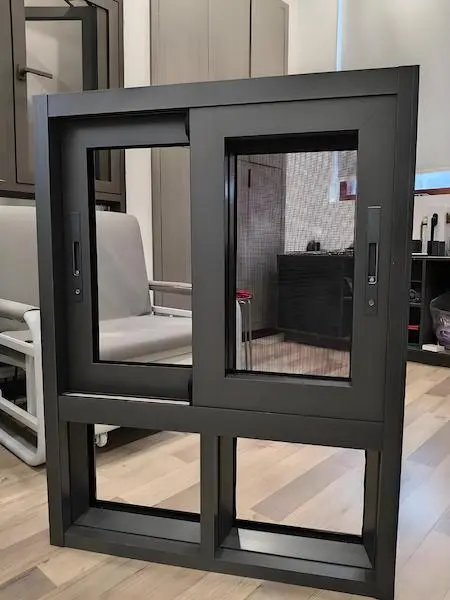
When specifying windows for commercial buildings or high-end residential projects, durability ranks as a non-negotiable criterion. A Thermal Break Aluminum Sliding Window achieves exceptional longevity through the integration of polyamide insulating strips between aluminum frame sections, effectively isolating thermal pathways that cause material fatigue.
This design reduces condensation-induced corrosion, temperature cycling, and structural failure in various climates. These windows operate reliably for 25+ years in challenging commercial situations thanks to 6063-T5 aluminium alloy profiles, precise sealing systems, and corrosion-resistant surface treatments.
Understanding Thermal Break Aluminum Sliding Windows
The engineering behind Thermal Break Aluminum Sliding Windows addresses a fundamental challenge in aluminum fenestration: thermal conductivity. Aluminum conducts heat rapidly, creating energy inefficiency and condensation risks in traditional single-material frames.
The Role of Polyamide Thermal Breaks
Thermal insulators are 24mm or wider polyamide strips strategically placed in the aluminium profile. By lowering the U-value to ≤1.5 W/m²K, this barrier meets strict energy requirements in areas like the EU and Australia. Mechanical knurling attaches polyamide to aluminium without adhesives, preventing delamination after decades of thermal expansion and contraction. With this structural fusion, project directors may evaluate long-term asset performance without a common failure point in inferior thermal break systems.
High-Grade Aluminum Alloy Construction
Aluminium alloy 6063-T5 is common for architectural window frames. This temper combines solution undergoing heat treatment and artificially created ageing for superior strength (≥160 MPa), rust resistance, and extrudability. Profile thickness of the wall from 1.4mm to 2.0mm provides 1500mm-wide sliding sashes with structural strength and narrow sightlines in contemporary architecture. For high-rise frames that must withstand EN 12210 Class C4 pressures, commercial developers use this alloy for wind load resistance.
Advanced Sealing Architecture
Brush and EPDM rubber gaskets provide redundant weatherproofing in dual-material sealing systems. While compression-molded EPDM gaskets cover static joints, brush seals along the sliding contact capture airborne particles and reduce operation noise. Water tightness above 300Pa makes this configuration appropriate for coastal or wind-driven rain. Seasonal cycling performance is assured by EPDM's UV resistance and flexibility from -40°C to +120°C.
Understanding these fundamentals helps procurement managers assess technical submissions. Manufacturers with material certifications, thermal modelling studies, and third-party test data indicate technical rigour needed for large-scale projects.
Critical Factors That Enhance Durability of Thermal Break Aluminum Sliding Windows
Durability extends beyond initial installation quality to encompass long-term resistance against environmental stressors, mechanical wear, and material degradation. Several interconnected factors determine whether Thermal Break Aluminum Sliding Windows achieve their projected service life.
Material Quality and Corrosion Resistance
Premium aluminium sliding windows use billet extrusions, not recycled alloys, for constant grain structure and mechanical qualities. Powder coating and anodising protect base metal against oxidation. Electrostatically applied and 200°C-cured powder coating creates a homogenous 60-80 micron layer with UV stability and colour retention.
Electrochemical anodising creates a 25-micron oxide layer that resists abrasion in high-traffic commercial situations. Both treatments are salt spray tested under ISO 9227, and premium finishes can resist 1,000+ hours without apparent corrosion, essential for maritime work.
Thermal Stress Mitigation
Due to aluminum's thermal expansion coefficient (23.1 × 10⁻⁶ /°C), a 3-meter frame may expand 2.8mm during a 40°C temperature change, which is common in Middle Eastern regions. The thermal break allows internal and outside aluminium elements to expand separately without stressing the profile. This design prevents thermally switched non-thermal-break window micro-cracking and gasket compression. Independent testing indicates thermal break systems preserve seal integrity over 10,000+ thermal shock cycles, imitating decades of service.
Hardware and Roller System Longevity
The roller mechanism is crucial to sliding durability. Heavy-duty tandem rollers with stainless steel axles and nylon wheels uniformly distribute sash weight over the track. Quality systems use sealed ball bearings that minimise friction and prevent grease contamination from dust infiltration. Rollers are tested under full load for 50,000+ cycles—equivalent to daily opening for 15 years—to ensure smooth functioning. Throughout its lifespan, stainless steel rails resist groove wear that causes operating binding, keeping alignment tolerances within 0.5mm.
Environmental Adaptability Features
UV-resistant coatings protect not only aluminum surfaces but also polyamide thermal breaks from photodegradation. Prolonged UV exposure can embrittle inferior plastics, compromising the thermal break's structural bond. Premium polyamide grades incorporate UV stabilizers that maintain tensile strength after 5,000 hours of accelerated weathering (equivalent to 25+ years outdoor exposure in temperate climates).
Drainage weep holes positioned at sill low points employ check valve designs that expel water during pressure events while blocking wind-driven moisture intrusion—a balance achieved through computational fluid dynamics modeling during product development.
These durability factors interact synergistically. Material quality establishes baseline resistance, thermal break design mitigates cyclical stresses, hardware engineering ensures operational longevity, and environmental treatments protect against degradation. Together, they form a comprehensive durability framework.
Thermal Break vs. Non-Thermal Break Aluminum Sliding Windows: Durability Comparison
The decision between Thermal Break Aluminum Sliding Windows and non-thermal break configurations significantly impacts long-term durability outcomes. Understanding performance differentials informs procurement strategies aligned with project lifespan expectations.
Structural Integrity Over Time
Non-thermal-break windows experience uniform thermal cycling across the entire aluminum profile, creating repetitive expansion-contraction stress patterns. Over years of service, this cycling can fatigue metal at weak points—typically around fastener penetrations and mitered corners—leading to loosened connections and frame racking. Thermal break designs isolate these stresses, with interior and exterior sections responding independently to temperature changes.
Field performance data from European commercial buildings indicates thermal break windows maintain original structural tolerances significantly longer, with frame squareness deviations remaining within ±1mm after 20 years versus ±3mm for comparable non-thermal-break installations.
Condensation-Related Degradation Prevention
Interior surface condensation represents a primary durability threat in non-thermal-break aluminum windows. When interior humidity contacts cold aluminum (conductively linked to exterior temperatures), moisture condenses at frame-wall interfaces and sill areas. Chronic condensation promotes mold growth, degrades adjacent building materials, and accelerates paint failure on aluminum surfaces.
The thermal break's insulating function keeps interior frame surfaces closer to room temperature, maintaining surface temperatures above dew point thresholds. Hygrothermal modeling demonstrates thermal break windows reduce condensation risk by approximately 80% in typical commercial HVAC environments, directly translating to extended service life for both the window system and surrounding envelope components.
Energy Efficiency Impact on Longevity
Enhanced thermal performance minimises window system operating temperature differentials. For seasonal transitions, lower U-values reduce temperature gradients between conditioned inside air and ambient outdoor air, reducing thermal stress. Minimising accumulated fatigue damage increases material service life. Despite higher initial acquisition costs, thermal break systems frequently come out ahead in lifecycle cost studies that account for replacement frequency, especially in projects with 30+ year service horizons.
Disclaimer: Actual performance outcomes depend on specific product specifications, installation quality, environmental conditions, and maintenance practices. Performance claims should be verified against manufacturer test reports and third-party certifications relevant to your project requirements.
Maintenance Practices to Maximize Durability
Even the most robustly engineered Thermal Break Aluminum Sliding Windows benefit from proactive maintenance protocols. Establishing routine care procedures protects your investment and ensures continuous performance.
Regular Cleaning and Inspection Protocols
Air pollution, salt deposits (in coastal areas), and organic material on aluminium surfaces may damage protective coatings. These pollutants are removed quarterly using pH-neutral detergents and delicate cloths to prevent etching or discolouration. Track systems need special care because dirt increases roller friction and wear. Monthly vacuuming and moist cloth cleaning keep everything running smoothly. EPDM gaskets are replaced before water infiltration via annual seal examinations that detect compression set or UV deterioration.
Lubrication and Hardware Adjustments
Roller mechanisms benefit from semi-annual dry silicone spray lubrication without dust. Product selection is important since petroleum-based lubricants damage rubber seals and collect dirt. Since temperature cycling loosens hardware fasteners, torque checking is done periodically. As buildings settle, roller assembly adjustment screws fine-tune sash alignment to maintain gasket compression around the perimeter. Minor modifications made during periodic inspections avoid serious operating concerns.
Professional Service Intervals
Professionals should regularly inspect complex thermal break systems. Certified technicians may measure seal compression, thermally image thermal break integrity, and test water penetration resistance using controlled spray racks. Three-year expert inspections discover micro-cracks in thermal break zones, incipient corrosion beneath coating faults, and drainage system obstructions before they become component failures. Window system inspections in commercial envelope maintenance programs optimise resource allocation and asset value.
Beyond physical maintenance, documentation practices matter. Maintaining service logs, including cleaning dates, inspection findings, and component replacements, creates performance records valuable for warranty claims and helps identify accelerated wear patterns indicating installation defects or unusual environmental stressors.
Choosing Durable Thermal Break Aluminum Sliding Windows: What Procurement Managers Should Know
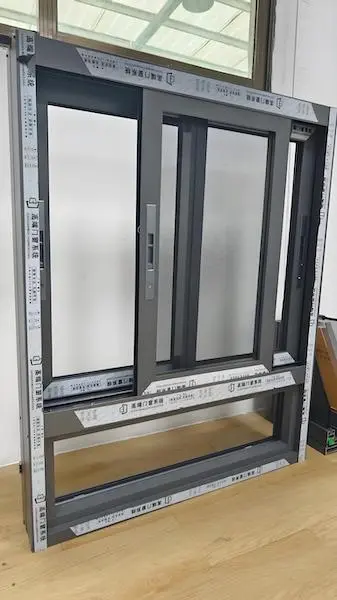
Effective procurement balances technical specifications against commercial realities—project timelines, budget constraints, and logistics complexity. Strategic evaluation frameworks ensure durable, cost-effective outcomes for Thermal Break Aluminum Sliding Windows.
Certification and Standards Compliance
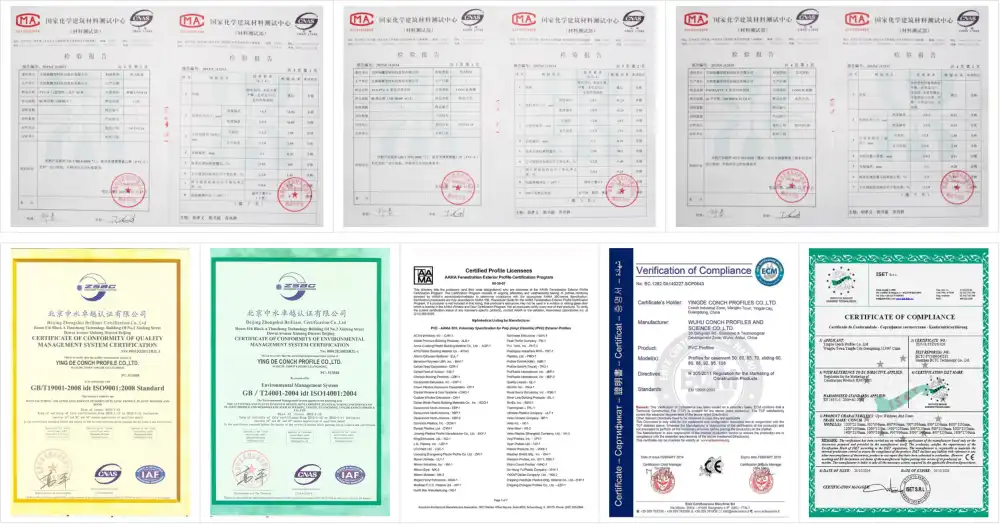
Products are certified by other parties. ISO 9001 certifies manufacturing quality. CE certification is increasingly sought by global buyers as proof of European safety, health, and environmental compliance. Products certified by AAMA meet North American air intake, the passage of water, and structural load standards. When evaluating suppliers, get current certifications and lab test reports. General comments in technical assessments with project engineers and building authorities lack evidence.
Total Cost of Ownership Analysis
Buying on unit price overlooks lifetime economics. Thermal break windows with better insulation last longer, need less maintenance, and cost less. A thorough cost model should include estimated service life (premium cooling break systems: 25+ years vs. standard systems: 12-15 years), service (0.5-1% of acquisition cost), and lower energy bills (2-4% annual HVAC reductions in retail buildings This study often reveals that 15-20% higher upfront expenses provide superior ROI over 15-year project durations.
Manufacturer Engineering Support Capabilities
Engineering cooperation is needed for large commercial projects. Project delivery is streamlined by suppliers giving structural adequacy calculation sheets, envelope integration CAD information, and installation instruction papers. Custom fabrication—customized sizes, finishes, or hardware configurations—enables design flexibility without sacrificing standardisation. Schedule hazards that cause expensive project delays are reduced by manufacturers with sufficient production capacity (500+ units per project) and predictable delivery windows (25-30 days).
Logistics Optimization Through Knockdown Configurations
International purchase is plagued by shipping costs. Progressive manufacturers send frames and glazing apart for site installation called knockdown (KD). This method cuts container volume by 30%, decreasing intercontinental freight costs. After receiving precise assembly instructions and installation videos from the manufacturer, on-site assembly improves logistics economics and quality. For multi-building or phase projects, KD shipments offer buffer inventories and scheduling flexibility without high storage expenditures.
Procurement managers should seek technical parameter sheets including material specs, performance test results, and dimensional tolerances. Contractor teams may follow appropriate assembly methods regardless of language using installation videos and instructions. Customization—from powder coat colours matching architectural palettes to hardware options meeting accessibility requirements—enables product standardisation across varied project types, streamlining supplier relationships and simplifying specification procedures.
Conclusion
Durability in Thermal Break Aluminum Sliding Windows emerges from engineered synergy between premium materials, sophisticated thermal isolation, robust sealing architecture, and corrosion-resistant surface treatments. The polyamide thermal break eliminates thermal stress cycling that degrades conventional aluminum systems, while 6063-T5 alloy profiles provide structural resilience across decades of service.
Advanced roller mechanisms and dual-seal systems maintain operational smoothness and weatherproofing integrity through tens of thousands of operation cycles. Proactive maintenance protocols and informed procurement practices—emphasizing certifications, lifecycle costing, and manufacturer engineering support—maximize return on investment for commercial projects demanding long-term performance assurance.
FAQ
What thermal break width is optimal for commercial applications?
Polyamide thermal breaks measuring 24mm or wider provide the insulation performance necessary for Thermal Break Aluminum Sliding Windows to achieve U-values ≤1.5 W/m²K, meeting stringent energy codes in North America, Europe, and Australia. Wider breaks (30mm+) offer incremental performance gains beneficial in extreme climates but require careful structural analysis to maintain frame strength.
How does glass selection impact overall window durability?
Tempered glass resists impact damage and breaks into small granules rather than dangerous shards when fractured. Double-glazed configurations with low-E coatings reduce thermal stress on frames by moderating interior surface temperatures, indirectly extending seal and thermal break service life through reduced temperature cycling.
Can thermal break windows withstand coastal salt exposure?
Marine-grade powder coating or 25-micron anodized finishes provide excellent corrosion resistance when specified correctly. Salt spray testing per ISO 9227 validates performance—premium systems withstand 1,000+ hours without degradation. Regular maintenance (quarterly washing to remove salt deposits) remains essential for maximizing service life in aggressive coastal environments.
What roller system specifications ensure long-term smooth operation?
Heavy-duty tandem rollers with stainless steel axles and sealed ball bearings rated for 50,000+ operation cycles deliver reliable performance. Matching roller load capacity to sash weight (typically specified per manufacturer engineering data) prevents premature wear. Stainless steel track systems resist groove deformation better than aluminum alternatives in high-use installations.
Partner with a Reliable Thermal Break Aluminum Sliding Window Manufacturer
Your commercial projects benefit from Haolv Building Materials' 19 years of specialised manufacture. Our Thermal Break Aluminium Sliding Windows are made of certified 6063-T5 alloy and have integrated polyamide insulating strips, satisfying ISO, CE, and AAMA requirements with U-values ≤1.5 W/m²K. We customise OEM collaborations with powder coat finishes that fit your brand and knockdown configurations that save shipping expenses by 30%.
Technical calculation documents, language installation films, and CAD integration details from our engineering staff simplify project management. Thru our strategic CONCH material cooperation, we reduce schedule risks and maintain quality with manufacturing capacity of 500 units per project and 25-30 day delivery windows. We provide export-ready solutions with mature technical consulting for commercial developers needing full project support or OEM brands seeking cost-effective manufacture. Contact our team at kristin@haolvwindows.com or visit haolvbuilding.com to discuss your project requirements and request technical parameter sheets tailored to your specifications.
References
1. American Architectural Manufacturers Association (2021). AAMA 507-16: Standard Practice for Determining the Thermal Performance of Fenestration Systems in Site-Built Applications. Schaumburg: AAMA Publications.
2. Carmody, J., Selkowitz, S., Lee, E., Arasteh, D., & Willmert, T. (2004). Window Systems for High-Performance Buildings. New York: W.W. Norton & Company.
3. European Committee for Standardization (2019). EN 14351-1:2006+A2:2016 - Windows and Doors - Product Standard, Performance Characteristics - Part 1: Windows and External Pedestrian Doorsets. Brussels: CEN.
4. Straube, J. & Burnett, E. (2005). Building Science for Building Enclosures. Westford: Building Science Press.
5. Hutcheon, N.B. & Handegord, G.O.P. (1995). Building Science for a Cold Climate. Ottawa: National Research Council Canada Institute for Research in Construction.
6. Lstiburek, J. (2018). "Thermal Bridging in Commercial Building Envelopes." ASHRAE Journal, 60(8), pp. 14-22.
Fast simple channel to send demands lock favorable price for building window door bulk purchases.