- English
- French
- German
- Portuguese
- Spanish
- Russian
- Japanese
- Korean
- Arabic
- Greek
- German
- Turkish
- Italian
- Danish
- Romanian
- Indonesian
- Czech
- Afrikaans
- Swedish
- Polish
- Basque
- Catalan
- Esperanto
- Hindi
- Lao
- Albanian
- Amharic
- Armenian
- Azerbaijani
- Belarusian
- Bengali
- Bosnian
- Bulgarian
- Cebuano
- Chichewa
- Corsican
- Croatian
- Dutch
- Estonian
- Filipino
- Finnish
- Frisian
- Galician
- Georgian
- Gujarati
- Haitian
- Hausa
- Hawaiian
- Hebrew
- Hmong
- Hungarian
- Icelandic
- Igbo
- Javanese
- Kannada
- Kazakh
- Khmer
- Kurdish
- Kyrgyz
- Latin
- Latvian
- Lithuanian
- Luxembou..
- Macedonian
- Malagasy
- Malay
- Malayalam
- Maltese
- Maori
- Marathi
- Mongolian
- Burmese
- Nepali
- Norwegian
- Pashto
- Persian
- Punjabi
- Serbian
- Sesotho
- Sinhala
- Slovak
- Slovenian
- Somali
- Samoan
- Scots Gaelic
- Shona
- Sindhi
- Sundanese
- Swahili
- Tajik
- Tamil
- Telugu
- Thai
- Ukrainian
- Urdu
- Uzbek
- Vietnamese
- Welsh
- Xhosa
- Yiddish
- Yoruba
- Zulu
Where to find tempered glass single sliding frameless shower doors?
To find trusted sources for tempered glass single sliding frameless shower doors, you need to know both the technical details of the product and how to buy it. These high-tech container systems have safety-rated tinted glass panels that are usually between 6mm and 10mm thick and are attached to precision-engineered stainless steel hardware.
The single sliding frameless shower door design has a simple look and makes the most of bathroom space thanks to its small size. B2B buyers can get these items from makers that specialize in building materials, approved distributors that work with the construction industry, and suppliers that have been checked out on trade platforms that help contractors and developers manage both business and domestic projects.
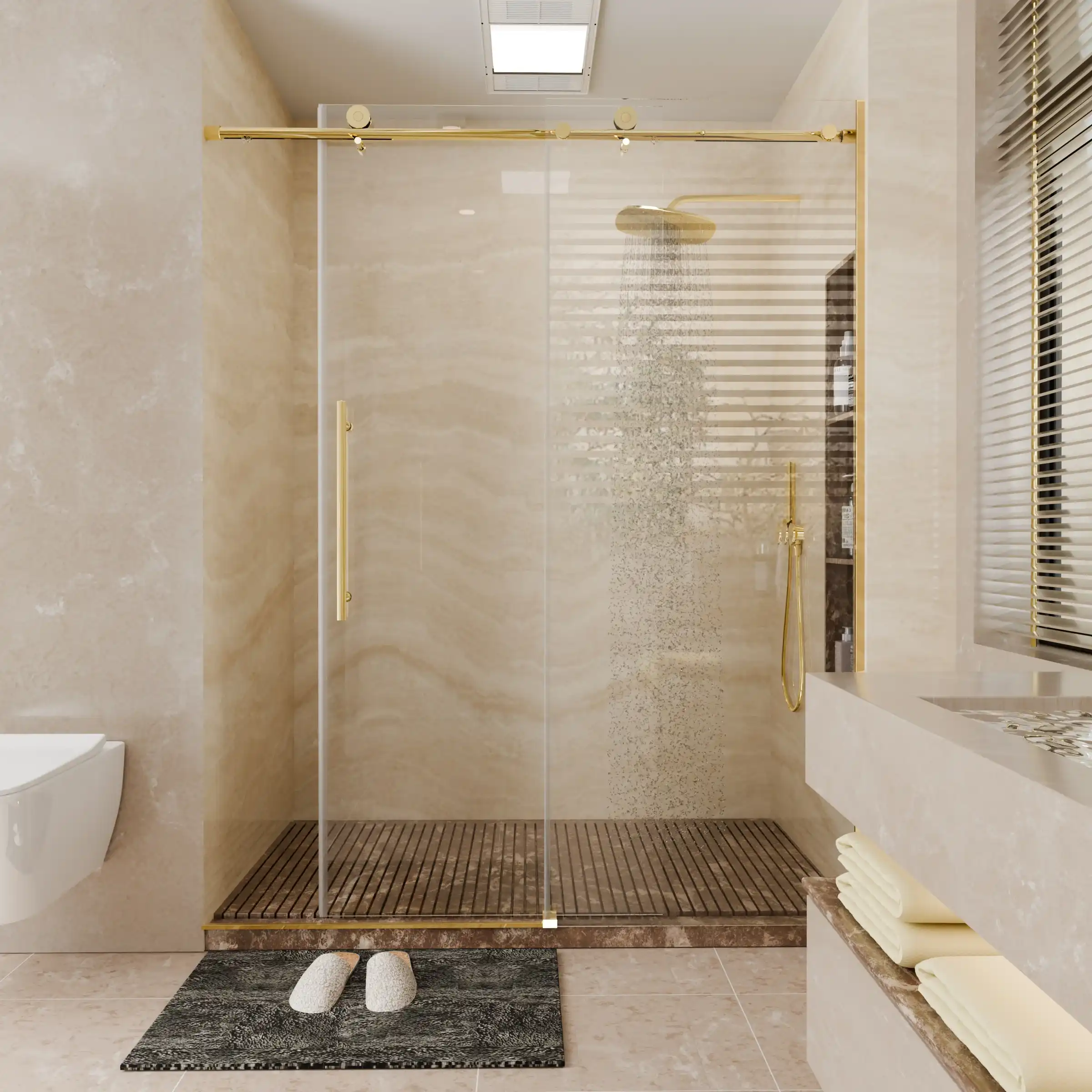
Understanding Single Sliding Frameless Shower Doors
The design of single sliding frameless shower doors is a big step forward in bathroom engineering and design. Instead of standard framed options with their bulky metal edges, these systems use structural glass panels that move horizontally along precise tracks. This method solves the space problems that come up a lot in modern building, where every square foot counts.
Core Design Characteristics
The frameless design gets rid of the visible weight of metal frames while using stronger tempered glass to keep the structure strong. The moving part slides on high-capacity roller systems that can be mounted either on top of the tracks or along the bottom ones. These systems are often designed to last for a long time. By offering two tracks, this choice makes installation possible in a range of bathroom plans, from alcoves to corners. Because these systems don't have a moving arc, they work especially well in small bathrooms where door access would otherwise make it hard to put the vanity where you want it.
Tempered Glass Safety Standards
When making safety glass, it goes through a controlled thermal process that makes it much more resistant to contact than regular tempered glass. When toughened panels break, they shatter into small, granular pieces instead of sharp bits, which makes them safer for high-traffic areas. Most commercial-grade products meet the safety glass standards set by ANSI Z97.1 and the rules set by local building codes for installations in wet areas. Hydrophobic coats can also be put on the glass surface to keep water away and stop mineral buildup, which means that deep cleaning processes can be spaced out further.
Space Optimization and Operational Efficiency
The sliding action keeps the useful floor space, which is a big plus in bathroom renovations in hotels and multi-unit housing projects. In engineering standards, there are usually anti-jump mechanisms that keep panels in place while they're working and stop them from coming off during everyday use. High-end roller assemblies use self-lubricating bearing materials that keep the action smooth and reduce the need for upkeep. The overlap design between the fixed and moving panels keeps water out without the need for big bottom seals that get clogged up with dirt.
Where to Source High-Quality Tempered Glass Single Sliding Frameless Shower Doors
When looking for bathroom enclosure systems for business projects, procurement experts use a number of different outlets. Product quality, supply chain stability, and total landed costs must all be balanced during the decision process.
Direct Manufacturer Engagement
When you work with well-known makers, you can get expert engineering help and make changes that fit your needs. Architectural glass systems factories usually have ISO-certified production facilities with supply chains that connect the steps of casting, tempering, and metal assembly, including options such as a single sliding frameless shower door. This vertical integration makes quality control more uniform and lowers variations in lead times, both of which are important when planning project schedules. Direct contact also makes it easier to talk about specifications for non-standard sizes, hardware finishes, and glass treatments that standard dealers might not have in stock.
Manufacturers who have done a lot of exporting know what the rules are for international compliance and can provide proof that their products have been approved by the codes in different countries. Their engineering teams can look at architectural plans to find problems that might come up with installation before production starts. This keeps things running smoothly on-site during the building stages.
Authorized Distribution Networks
Wholesalers of building materials and specialty sellers act as regional delivery hubs for companies that can't keep up with inventory levels in many different markets. These middle-men usually have more than one line of products, which lets specification reviews compare products side by side. Distribution partnerships help with warranty claims and replacement parts in the area, which is helpful when handling project groups that are spread out physically.
For regular setups, channel partners usually have shorter wait times, and they keep in touch with factories for custom orders. Their established transportation networks handle containerized shipments and regional delivery, which makes it easier to coordinate when materials arrive at the right time for building milestones.
B2B Trade Platforms
Digital platforms that connect buyers with confirmed sellers have grown up and are now real ways for businesses to buy things. Trade assurance and source verification platforms do the initial screening that lowers counterparty risk. During the budgeting process, these outlets are especially useful for finding prices and finding other sellers when main sources can't meet demand.
Customization and Lead Time Considerations
After an order is confirmed, standard production times are 25 to 30 days, which includes time for glass hardening and getting hardware. Custom specs, such as non-standard sizes, unique glass treatments like frosted or tinted choices, or better metal finishes, may make production windows longer. It's easier for manufacturing plans to meet project dates when there is clear information about delivery needs during the quoting phase. Setting up framework agreements that accept specs ahead of time and lock in price structures across order batches is helpful for buyers who are handling multiple projects at the same time.
Comparison and Evaluation Criteria for Procurement
When making decisions about business single sliding frameless shower doors, decision models need to take performance factors into account in addition to original unit costs. The total cost of purchase includes the work needed to install it, the cost of repairs, and how long it is expected to last.
Material Specification Benchmarks
The thickness of the glass has a direct effect on both how well the structure works and how good it looks. The 6mm choice is best for home uses with light traffic, while the 8mm option is the standard for business settings that need to balance durability with weight. Heavier 10mm glass is more rigid and is chosen in high-end hospitality setups where the look of wealth is important. For the same reason, hardware durability is very important. High-end systems use 304 or 316-grade stainless steel parts that don't rust in damp places and keep working for a long time.
Track systems warrant careful evaluation
Track systems need to be carefully looked at. Bottom-rolling designs put wear parts at floor level, where water and dirt can build up, which could mean they need to be serviced more often. Top-mounted systems hang panels from overhead tracks, keeping mechanical parts away from dirt and grime on the floor but needing to be securely attached to the building's frame. When specifying a single sliding frameless shower door, the choice between bottom-rolling and top-mounted systems affects both how to install it and how reliable it will be in the long run.
Configuration Comparison
In addition to single sliding frameless shower door models, buying teams look at double sliding systems for bigger areas and hinged options when there is room. Double-sliding designs allow for bigger openings, but they make the tools more complicated. Hinged frameless doors need enough space for the swing arc, but they don't need any upkeep on the slide track. The best configuration relies on how much room is available, how it will be used, and how much money is available.
Total Cost Analysis
The unit price changes based on the difficulty of the specification, the size of the order, and the supplier's situation. The evaluation has to include the cost of installation work, which goes up if the size is custom or the site is difficult, as well as guarantee coverage to protect the investment. Longer warranties that cover the quality of the glass and the operation of the gear protect your money, but they cost more up front. To find the real value of a purchase, you have to model these factors against the expected service life and the cost of repair in different use cases.
Performance Disclaimer: If you want to be sure about a product's performance, you should check it against maker testing records and third-party certifications. Actual resilience, water resistance, and operating life depend on how well it was installed, how it is used, and how often it is maintained.
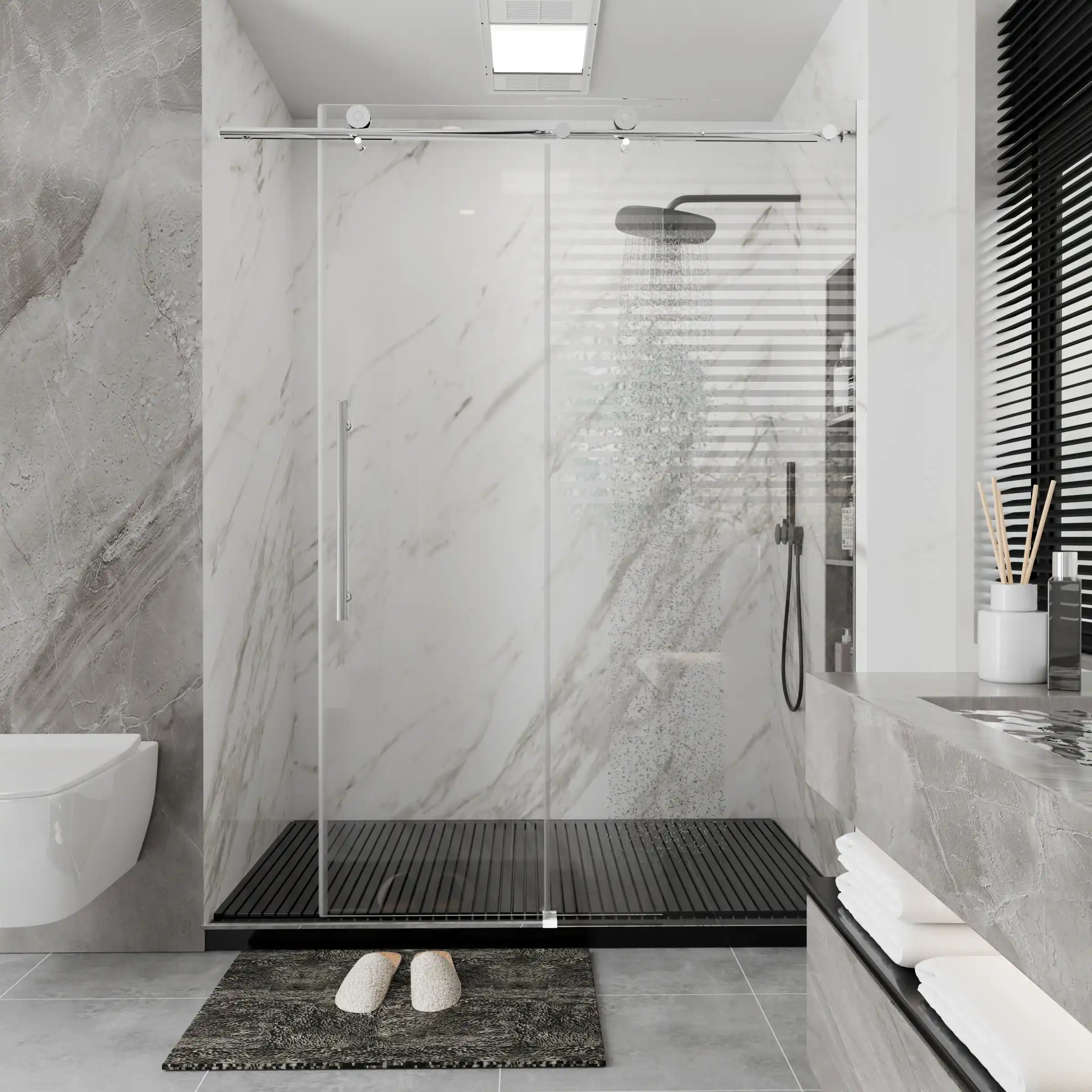
Installation, Maintenance, and Common Issues
Correct placement methods have a direct effect on how well and how happy users are with the product in the long run. When put wrong, even high-end parts don't work as well as they should.
Professional Installation Guidelines
Before any work can go well, the rough holes must be accurately measured. Wall levelness and corner squareness affect how well panels fit together and close. When installing track mounting systems, especially top-hung ones that carry a lot of glass weight, installation teams must make sure there is structural support. Adjustment mechanisms built into good hardware systems can handle small flaws in the wall, usually allowing 5mm to 10mm of horizontal adjustment during final alignment.
Maintenance Protocols
Regular maintenance protects both the way something looks and how well it works. Cleaning once a week with non-abrasive methods stops soap scum from building up, which can make sealing less effective. By checking the roller sections and guide rails every three months, wear patterns can be found before they get in the way of operation. PVC sealing strips need to be replaced every so often because the material hardens and stops closing as well. Quality roller systems with engineered polymer bearings don't need much care for a long time, but it's helpful to clear away trash from around the tracks.
Troubleshooting Common Operational Issues
Track jams are usually caused by too much dirt or worn rollers. Most moving problems can be fixed by cleaning the guide ducts and checking the wheels for flat spots. When the seal breaks down on a single sliding frameless shower door, water leaks past the shower barrier. Finding out whether gaps are caused by misaligned panels or worn sealing parts helps you figure out what to do to fix the problem. Reliable providers keep technical support staff and spare parts on hand so that problems can be fixed quickly and business setups experience as little downtime as possible.
Ensuring Purchase Confidence: Warranty and After-Sales Support
Strategies for reducing risk protect purchase investments and keep project delays to a minimum. Reliable sellers are different from transactional vendors because they offer full warranties and quick customer service after the sale.
Understanding Warranty Coverage
Standard safety usually includes gear working properly and glass not breaking on its own, which doesn't happen very often with properly tempered panels. Coverage times are different, with premium providers giving longer protection on important parts. The warranty terms should make it clear what kinds of things are not covered, how to file a claim, and what kinds of remedies are available. Figuring out whether warranties only cover parts or also cover the cost of work for repair changes the total amount of risk that is involved.
Logistics and Delivery Coordination
Shipments in containers need protective wrapping to keep the glass from breaking while it's in travel across borders. Export packages usually come in wooden boxes with shock-absorbing materials and panels that separate the items inside. Coordinating delivery times makes sure that supplies come on time, which keeps storage issues and damage from bad handling on the job site to a minimum. Suppliers who have worked in business building know how to handle the critical path and take the initiative to meet delivery windows.
Validating Supplier Credibility
Project examples from similar market groups give you more information than just marketing materials about how reliable a supplier is. Finishing similar tasks successfully shows the ability to work at the needed level of quality and scale. Third-party testing results and industry certifications are objective ways to prove success. Talking to a supplier's current customers as part of due research shows operational strengths and possible flaws before committing to large amounts of purchases.
Conclusion
Finding single sliding frameless shower doors for business projects means matching technical requirements, the dependability of the supply chain, and the overall cost. A good buying process matches the performance needs of the product with the supplier's abilities in terms of production quality, customization options, and assistance after the sale. Direct relationships with manufacturers let engineers work together and give you options for customization.
Meanwhile, established distribution networks help with regional supplies and transportation. Procurement risk can be lowered by carefully checking material specs, warranty coverage, and seller track records. The time and money spent on carefully writing specifications and checking out suppliers pays off in the end with bathroom wall systems that meet the needs of the project and work well for as long as they are intended to last.
FAQ
What tempered glass thickness provides optimal durability for commercial installations?
When it comes to commercial uses, 8 mm tempered glass is usually the standard because it strikes a good balance between strength and weight. This thickness can handle daily use in multi-unit living buildings and restaurant settings while still being easy to work with during installation. Places with a lot of foot traffic or high-end projects may choose 10mm glass because it is more rigid and looks better, but it costs more and needs more structural support for mounting systems.
Can sliding frameless shower systems accommodate non-standard dimensions for custom projects?
Reliable makers often make panels in custom sizes to fit the needs of particular buildings. To customize something, you need to take exact measures of the rough opening and work with tech teams to make sure that hardware systems can handle non-standard sizes. Custom orders usually take longer to make than standard designs, so getting involved early in the planning stages is important to keep building schedules.
What lead times should procurement teams anticipate for bulk orders?
Standard production times are 25 to 30 days after the technical specs are received and the order is confirmed. This time frame includes the steps for cutting and cooling the glass, getting the tools, and checking the quality. When shipping goods internationally, combining containers adds travel time, which changes depending on the port of arrival. Longer production windows may be needed for custom specs or large orders, so it's important to be clear about delivery needs during the discussion stages of a project.
Partner with Haolv Building Materials for Your Shower Door Requirements
Haolv Building Materials has been making tempered glass shower wall systems for 18 years and is very good at what they do. Precision CNC cutting, automatic glass tempering, and metal assembly are all done in our plant according to ISO-certified quality management standards. We sell single sliding frameless shower door systems with Xinyi-brand tempered glass that comes in 6mm, 8mm, and 10mm sizes and 304 stainless steel track systems that won't rust. Through our production skills, we can fully customize the metal finishes and glass treatments, such as making them clear, frosted, patterned, or tinted.
As a well-known company that makes single sliding frameless shower doors, we keep enough stock on hand to meet 25–30-day delivery times from the time an order is confirmed to the time it is shipped. Our engineering team offers free technical advice and solution design services. Before production starts, they look over architectural plans to make sure the standards are perfect. We help real estate developers, general contractors, and companies that sell building supplies manage jobs all over North America. Email our procurement team at kristin@haolvwindows.com to talk about your project needs and get full technical specs that will help you make a choice.
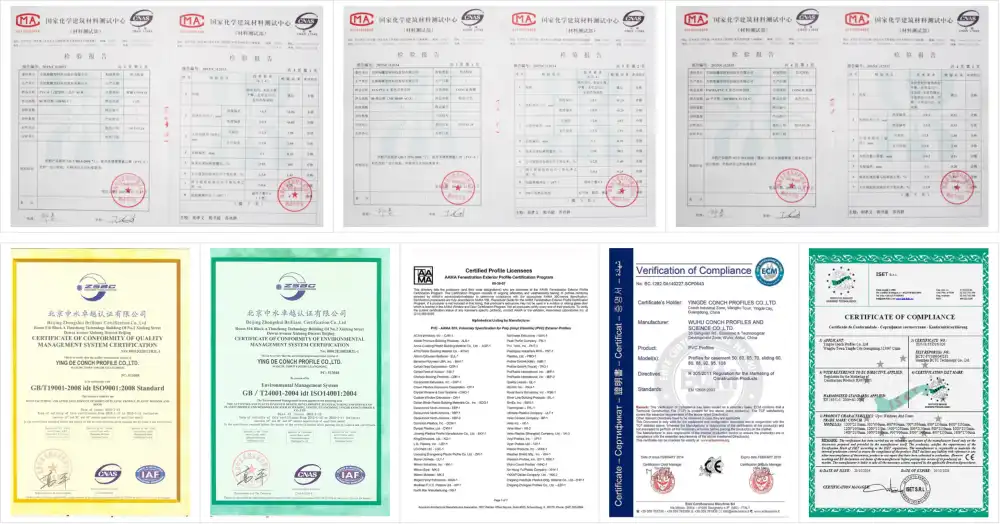
References
1. National Glass Association. (2021). Tempered Glass in Architectural Applications: Safety Standards and Performance Characteristics. Technical Publication Series.
2. Building Enclosure Technology and Environment Council. (2020). Frameless Shower Enclosure Systems: Design, Installation, and Maintenance Guidelines. Construction Specifications Institute.
3. American Architectural Manufacturers Association. (2022). AAMA 1503-18: Voluntary Test Method for Thermal Cycling of Exterior Walls with Integrated Glazing Systems.
4. Glass Association of North America. (2019). GANA Glazing Manual: Chapter 7 - Shower and Tub Enclosures. GANA Publications.
5. International Code Council. (2021). International Building Code Section 2406: Safety Glazing Requirements for Wet Locations. ICC Digital Codes.
6. Construction Specifications Institute. (2020). MasterFormat Division 08 83 29: Frameless Shower Door Assemblies - Specification Guidelines for Commercial Construction. CSI Technical Documents.
Fast simple channel to send demands lock favorable price for building window door bulk purchases.