- English
- French
- German
- Portuguese
- Spanish
- Russian
- Japanese
- Korean
- Arabic
- Greek
- German
- Turkish
- Italian
- Danish
- Romanian
- Indonesian
- Czech
- Afrikaans
- Swedish
- Polish
- Basque
- Catalan
- Esperanto
- Hindi
- Lao
- Albanian
- Amharic
- Armenian
- Azerbaijani
- Belarusian
- Bengali
- Bosnian
- Bulgarian
- Cebuano
- Chichewa
- Corsican
- Croatian
- Dutch
- Estonian
- Filipino
- Finnish
- Frisian
- Galician
- Georgian
- Gujarati
- Haitian
- Hausa
- Hawaiian
- Hebrew
- Hmong
- Hungarian
- Icelandic
- Igbo
- Javanese
- Kannada
- Kazakh
- Khmer
- Kurdish
- Kyrgyz
- Latin
- Latvian
- Lithuanian
- Luxembou..
- Macedonian
- Malagasy
- Malay
- Malayalam
- Maltese
- Maori
- Marathi
- Mongolian
- Burmese
- Nepali
- Norwegian
- Pashto
- Persian
- Punjabi
- Serbian
- Sesotho
- Sinhala
- Slovak
- Slovenian
- Somali
- Samoan
- Scots Gaelic
- Shona
- Sindhi
- Sundanese
- Swahili
- Tajik
- Tamil
- Telugu
- Thai
- Ukrainian
- Urdu
- Uzbek
- Vietnamese
- Welsh
- Xhosa
- Yiddish
- Yoruba
- Zulu
Affordable aluminum flush window options for budget-conscious homeowners
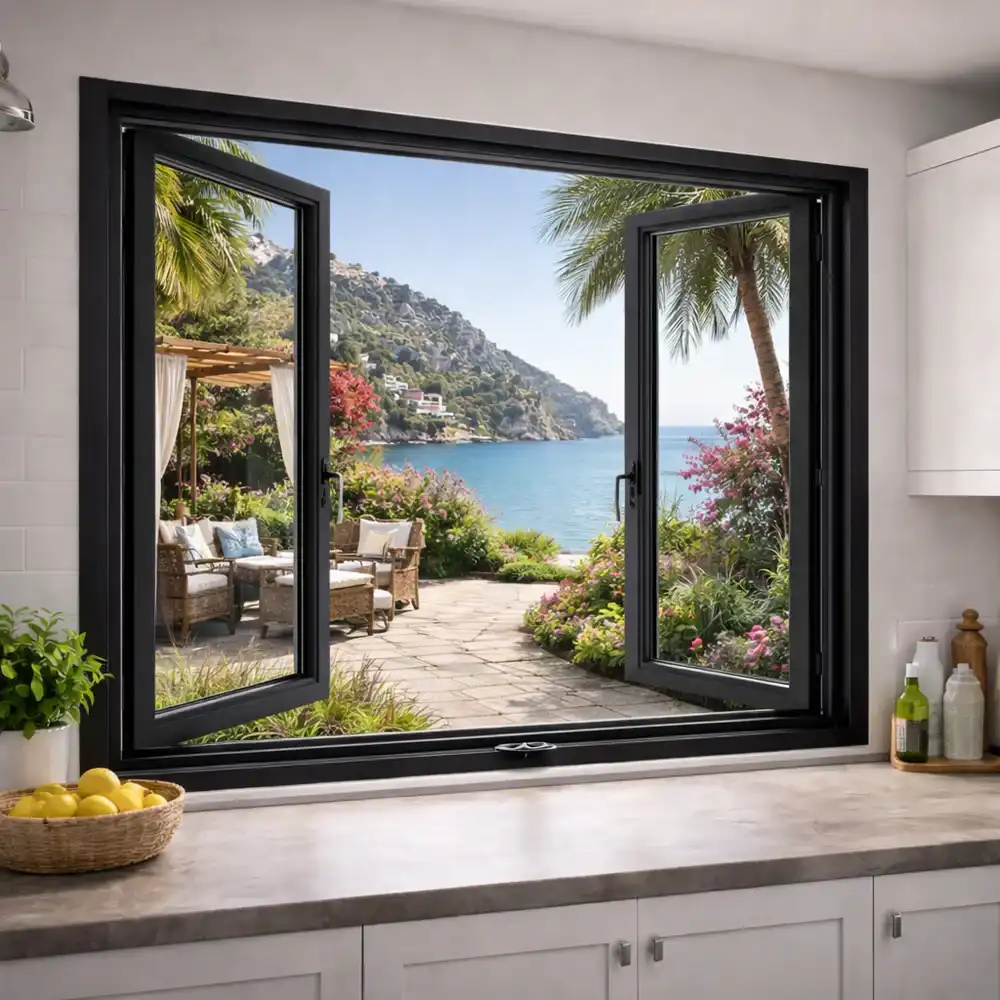
Aluminum flush windows become a sensible option that doesn't skimp on quality when project funds get tight but performance standards stay uncompromising. These well-thought-out systems blend the clean look of traditional timber flush casements with the strength and energy efficiency that today's building rules require. Unlike regular stepped-profile windows, the flush sash design sits level with the outer frame.
This makes the window look smoother and more architecturally sound while also improving performance. More and more builders, developers, and distributors who are watching their budgets are realizing that these windows are a smart purchase for both home and business uses because they save money up front and don't need as much upkeep over time.
Understanding Aluminum Flush Windows and Their Benefits
6063-T5 aluminum alloy extrusions, which usually have a profile width of 1.4mm to 2.0mm, are the building blocks of high-quality flat window systems. This particular type of alloy strikes the perfect balance between strength and workability. It also has better corrosion protection than many other materials in marine and high-humidity areas. The flush design concept gets rid of the jutting sash that is common in traditional casements. This makes it possible to have thin sightlines, often below 60mm, that maximize the amount of glass and natural light that comes in.
Superior Material Performance
The choice of materials has a direct effect on the value over time. Aluminum doesn't bend, swell, or rot like wood does, which are all common ways that wood systems fail. The high strength-to-weight ratio lets bigger glass areas go up without weakening the structure. It meets wind load protection standards up to Class CE2400 in systems that are properly designed.
Qualicoat standards are followed by surface treatments like powder coating, anodizing, and PVDF finishes. This makes sure that the material is resistant to UV light and keeps its color over time, which means that it doesn't need to be painted as often as organic materials. This means that maintenance costs will be cheaper over the life of the operation, which will balance out the higher cost of the original investment.
Thermal and Acoustic Advantages
Polyamide thermal breaks, which are usually 24mm to 34mm strips of PA66 material, stop heat from passing through the metal frame in modern flush window systems. When used with the right types of glass, this technology can make U-values as low as 1.1 W/m²K. Options for double glazing, like 5+12A+5mm (tempered glass with a 12mm argon-filled hollow), make it easier to keep heat in and noise out. EPDM rubber sealing systems make sure that the airtightness meets EN 12207 Class 4 standards and the watertightness meets EN 12208 Class 9A standards. This is important for keeping thermal performance and stopping wetness from getting in in a variety of climate zones.
When repair intervals and replacement rates are taken into account in the total ownership formulas, the lifecycle cost equation favors aluminum. At first glance, the material prices may seem higher than uPVC, but the longer service life and low maintenance needs make it a better investment for projects with 20-year performance goals.
Affordable Options in the Aluminum Flush Windows Market
There are a number of tiered buying options that can be used to meet both cost and performance needs. Being aware of which specs match the needs of the project stops both under-specification and feature overkill that drives up costs without providing any real benefit.
Series and Configuration Options
Standard product lines are divided into groups called series. The 60, 70, and 80 series all have frames that are deeper and can hold more weight. People who are watching their budgets will usually find that 60-series systems are enough for residential uses with low wind exposure. On the other hand, 70-series configurations are better for mid-rise building and retrofit projects that need better weather protection. The 80-series is usually only used in business settings that need the best heat performance and structural loads.
The choice of glass has a big effect on prices. For warm areas or non-critical uses, tempered single-pane units are the most cost-effective choice. For most household and light business projects, aluminum flush windows with double-glazed setups and tempered glass offer the best cost-performance ratio. These configurations improve thermal efficiency, which makes up for the extra cost through energy saves. Laminated glass options offer higher prices but better security and soundproofing, making them a good choice when these features are needed for a certain project.
With thermal break technology, there is now another choice to make. Non-thermally broken frames are less expensive, but they don't insulate as well, so they can't be used in places that need a lot of warmth or cooling. The price of systems with PA66 thermal break strips is higher, but they meet current energy codes and lower running costs while also improving U-values. This is a trade-off that most modern building situations favor.
Cost-Saving Procurement Strategies
By making production more efficient and combining shipping, bulk buying systems cut per-unit costs by a large amount. When looking to put a lot of windows, it's best to negotiate volume price with makers or distributors who have enough stock. Another cost factor is standard sizing versus custom dimensions. Off-the-shelf dimensions save money on manufacturing costs, while bespoke sizing meets design needs at an extra cost. The people in charge of buying things should decide if the costs of customizing are worth the freedom of the design or if standardization produces good results.
The choice of surface finish affects how much something costs. Powder painting in basic colors like white, black, and gray is the base price. Adding wood grain finishes, custom color matching, or PVDF coatings raises the cost of materials and labor. Anodized finishes last longer, but they cost more, so they're best for projects that value stability over saving money at first.
There are normal grades and premium classes of hardware. At base prices, multi-point locking systems with handles made of metal or stainless steel are safe enough for most uses. For high-security or heavy-use installations, the extra cost is worth it because the friction stays have been upgraded to withstand extended cycle testing (up to 50,000 operations) and the locking mechanisms have been improved to meet PAS 24 security standards. Instead of defaulting to the greatest specs, choices about what hardware to buy should be based on how well it meets the needs of the project.

How to Choose the Best Affordable Aluminum Flush Windows
A structured review framework keeps design mistakes from being too expensive and makes sure that the systems chosen meet the goals of the project without going over budget. To set performance baselines that can't be changed, the decision process should put technical standards ahead of price talks.
Aligning Technical Requirements
Material choices are based on the project's requirements. The minimum accepted performance envelope is made up of wind zone scores, thermal performance goals (U-values and Solar Heat Gain Coefficients), noise attenuation requirements, and security certifications. Before looking at pricing choices, technical staff should check area building codes, such as NFRC standards in the US, to make sure they are followed. Products that aren't suitable put companies at risk of liability and cost more to fix than they saved in the first place.
The type of opening (inward versus outward casement) affects how hard it is to install and how it works. Inward opening methods make cleaning the outside easier and work well for retrofits where access to the outside is limited. Designs with outward openings make the most of the room inside and make it easier to integrate with screen systems. This choice should be based on ventilation trends and user mobility needs.
Supplier Evaluation Criteria
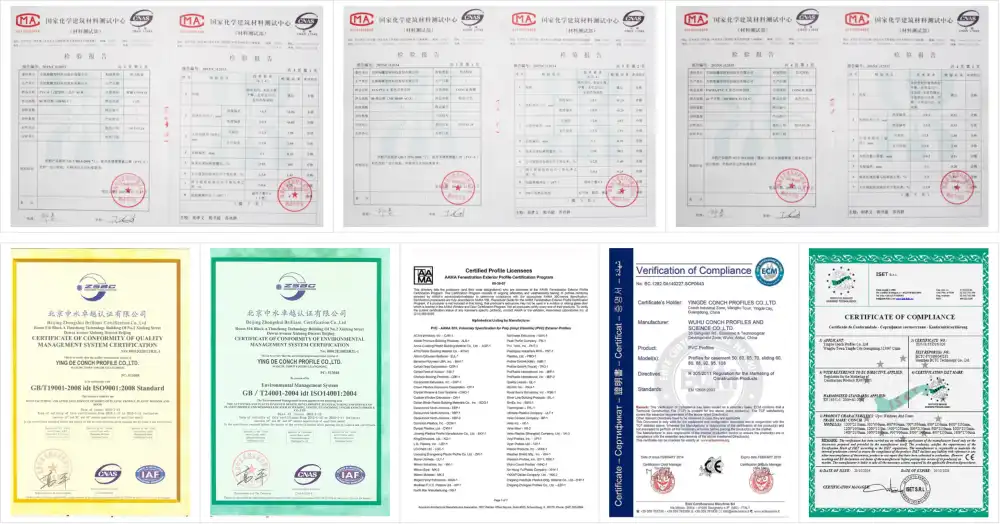
How reliable a vendor is has a direct effect on project delays and risk exposure. Managers in charge of buying things should look at how much a maker can make, how advanced their equipment is (like CNC cutting accuracy and automatic assembly systems), and if they have quality management certifications (like ISO compliance). Export knowledge and proof of completed projects that went well in similar areas lower the risk of delivery. Stable deliveries are important. Manufacturers who keep enough product on hand and offer 25-30 day lead times from order to shipment protect critical path activities by keeping schedules stable.
Warranty terms and customer service after the sale are what set good providers apart from bad ones. Full coverage for flaws in the material, the finish, and the way the hardware works for set amounts of time (usually 5 to 10 years for quality systems, such as those used in aluminum flush windows) shows that the maker trusts the product and gives customers ways to get their money back. Being able to get technical advice during the planning and installation stages adds value above and beyond the cost of the product, especially for difficult or important projects.
Disclaimer: Specific performance characteristics should be verified against product testing reports and certifications rather than relying solely on marketing materials. Independent testing documentation provides objective validation of claimed specifications.
Installation and Maintenance Tips to Maximize Value
Proper placement is the most important factor in determining whether the performance promised actually happens in real life. Poor craftsmanship can ruin even the best goods, but skilled work can get the most out of choices that are on a budget.
Professional Installation Standards
Placement should be done by licensed workers who are familiar with Aluminum flush window systems to make sure the windows are the right size and don't leak. Important steps in the construction process include making sure the rough hole is square and plumb, making sure the structure is attached properly according to the manufacturer's instructions, and using continuous weatherproofing membranes that work with building envelope systems. When joining corners, extra care needs to be taken. Hydraulic crimping and epoxy glue injection at mitered connections make sure that there are no gaps in the structure and that it stays together, which stops water from getting in and causing it to fail early.
Common installation mistakes include not shimming enough, which distorts the frame, not applying sealant correctly, which leaves heat gaps, and misaligning the hardware, which stops it from running smoothly. These risks can be lowered by laying out specific installation steps and having a third party check in at key points. Contractors who offer installation guarantees give you extra safety by taking on the risk of execution from the project owner.
Maintenance Protocols
Aluminum flush windows don't need as much upkeep as windows made of other materials, but regular care keeps them looking good and extends their life. Routine inspections should be done every 6 to 12 months and should focus on a few key areas: cleaning frame surfaces with pH-neutral soap gets rid of dirt that has built up without damaging finishes; lubricating moving hardware parts with the right products keeps them running smoothly; checking the condition of the gaskets finds damage before leaks happen; and making sure the drainage channels are clear keeps water from building up.
While keeping performance levels the same, these simple upkeep tasks take very little time and resources. Setting up service contracts with trained technicians ensures consistency, which is especially important for business setups or portfolios with multiple properties where putting off upkeep causes problems to get worse.
Case Studies and Real-World Applications
Practical examples show how smart usage of Aluminum flush windows can help projects stay within their budgets and still meet their performance goals. A new apartment building in the Southeast of the United States with 240 units asked for 70-series thermally split systems with double windows. The purchase team negotiated bulk price, which saved 22% compared to buying each unit separately while still meeting the requirements for Energy Star certification. The person in charge of the project said that the windows' heat performance cut down on the size of the HVAC systems that were needed. This led to saves in mechanical systems that helped pay for some of the windows.
Aluminum flush windows were installed in a marine setting as part of a repair job along the coast to replace old, rotting wooden casements. Marine-grade powder coating (70-micron application) on 6063-T5 metal that doesn't rust stood up to salt spray, which had destroyed earlier installations in just a few years. An inspection three years after installation showed that the finish integrity and operating performance had not changed. This proved the total cost of ownership benefits, even though the starting material costs were higher than for standard powder coating grades.
When repair intervals and replacement timing are taken into account in financial models, comparative research repeatedly shows that aluminum systems have lower lifetime costs. Despite the fact that wood is cheaper to buy, projects that look at ownership periods of 15 to 20 years find that Aluminum flush windows are more affordable overall. This fact of the economy is especially good for business property owners and developers who are in charge of long-term asset portfolios and know that operating efficiency affects investment returns.
These apps show some good ways to buy things: working with suppliers early on lets you customize and get the best prices; making sure that technical specs match up with actual performance needs stops costs from going up; and choosing a vendor based on their dependability and support abilities keeps project schedules and quality outcomes safe. When procurement workers use these lessons, they set up projects so that they can be completed successfully and within price.
Conclusion
If you choose and get the right aluminum flush window solutions, you don't have to give up on efficiency or looks because of a tight budget. These goods have real benefits in terms of durability, energy efficiency, and the cost of upkeep, which means they have lower lifecycle costs even if they cost more to buy. The important thing is to make sure that the technical standards are in line with what the project actually needs.
This way, you can avoid both under-specification and over-specification, which costs money on features that aren't needed. Strategically choosing suppliers based on their manufacturing capabilities, quality systems, and reliable shipping helps keep projects on schedule and protects the purity of the products. Return on investment is highest when installation is done correctly and upkeep is kept to a minimum. This is especially true for business uses and multi-unit residential projects where operational efficiency has a direct effect on financial performance.
FAQ
How do Aluminum flush windows compare in long-term cost-effectiveness versus timber or uPVC alternatives?
Aluminum systems usually have higher starting material costs, but they offer better lifetime value by lasting longer and needing less upkeep. Timber systems need to be refinished every so often and may need to be replaced sooner if they get damaged by water or UV light. While uPVC is about the same price at first, it is not as strong structurally, which limits the sizes of glass that can be used and could mean that it needs to be replaced sooner than aluminum if it is properly kept. When you look at ownership times of 15 to 20 years and add up the costs of upkeep, labor, and materials, aluminum often has the lowest total cost of ownership, especially in harsh environments.
What are the wait times and shipping issues for large orders for business projects?
Reliable makers who keep enough stock and enough automated production capacity can usually ship basic configurations within 25-30 days of receiving a confirmed order. Custom sizes, colors, or high-end metal choices may add two to four weeks to the delivery time. When you combine shipping for large sales, the cost of freight per unit goes down, but you need to be very good at planning your storing and logistics. Before signing the contract, procurement teams should make sure that supply dates are in line with the order of building and that suppliers can meet the necessary amounts.
What can buyers do to make sure they're getting real products at good prices?
Some ways to make sure something is real are to ask the maker for certifications (like ISO compliance or product testing reports), look at case studies that have already been done on similar situations, and get real samples to look at before buying a lot of them. Documentation from third-party tests that backs up performance claims (like temperature readings, weather resistance ratings, and hardware cycle testing) gives objective quality proof that goes beyond marketing materials. When you work with sellers who have experience exporting and ask for client references, you lower the risk of working with unknown vendors who offer unusually low prices.
Partner with Experienced Aluminum Flush Windows Manufacturers
Haolv Building Materials brings 18 years of specialized manufacturing expertise to aluminum and uPVC window and door production, serving contractors, developers, and distributors across international markets. Our state-of-the-art production facilities integrate automated assembly systems with precision CNC cutting machinery, ensuring consistent quality across both standard and customized orders.
We maintain rigorous ISO-certified quality management protocols at every production stage, from 6063-T5 aluminum extrusion through surface treatment and final assembly. Our comprehensive product line includes 60, 70, and 80 series flush window systems with flexible glazing options, thermal break configurations, and customizable finishes that address diverse project requirements.
We understand procurement challenges—balancing budget limitations against performance specifications while managing delivery schedules and technical compliance. Our engineering team provides technical consultation and solution design services at no charge, helping you optimize specifications before commitment. We stock adequate inventory enabling 25-30 day delivery windows and offer competitive bulk pricing structures that respect project economics.
Contact our team at kristin@haolvwindows.com to discuss your specific requirements, receive detailed quotations tailored to your project scope, and access the full capabilities of an Aluminum flush windows supplier committed to supporting your procurement success.
References
1. Anderson, M. & Thompson, R. (2021). Lifecycle Cost Analysis of Residential Window Systems: A Comparative Study. Journal of Building Economics and Sustainability, 15(3), 112-129.
2. Building Research Institute. (2022). Material Performance Standards for Contemporary Window Systems. Washington, DC: National Building Sciences Publications.
3. Chen, L., Davis, P., & Morrison, K. (2020). Thermal Performance Optimization in Aluminum Fenestration: Technical Guide for Specifiers. International Association of Building Envelope Consultants.
4. Henderson, J. (2023). Procurement Strategies for Construction Materials: Cost Control Without Quality Compromise. New York: Commercial Construction Press.
5. National Fenestration Rating Council. (2022). NFRC 100-2020: Procedure for Determining Fenestration Product U-factors. Silver Spring, MD: NFRC Technical Publications.
6. Williams, S. & Zhang, H. (2021). Durability Assessment of Aluminum Building Components in Coastal Environments. Corrosion Science and Materials Engineering Quarterly, 28(4), 445-462.
Fast simple channel to send demands lock favorable price for building window door bulk purchases.