- English
- French
- German
- Portuguese
- Spanish
- Russian
- Japanese
- Korean
- Arabic
- Greek
- German
- Turkish
- Italian
- Danish
- Romanian
- Indonesian
- Czech
- Afrikaans
- Swedish
- Polish
- Basque
- Catalan
- Esperanto
- Hindi
- Lao
- Albanian
- Amharic
- Armenian
- Azerbaijani
- Belarusian
- Bengali
- Bosnian
- Bulgarian
- Cebuano
- Chichewa
- Corsican
- Croatian
- Dutch
- Estonian
- Filipino
- Finnish
- Frisian
- Galician
- Georgian
- Gujarati
- Haitian
- Hausa
- Hawaiian
- Hebrew
- Hmong
- Hungarian
- Icelandic
- Igbo
- Javanese
- Kannada
- Kazakh
- Khmer
- Kurdish
- Kyrgyz
- Latin
- Latvian
- Lithuanian
- Luxembou..
- Macedonian
- Malagasy
- Malay
- Malayalam
- Maltese
- Maori
- Marathi
- Mongolian
- Burmese
- Nepali
- Norwegian
- Pashto
- Persian
- Punjabi
- Serbian
- Sesotho
- Sinhala
- Slovak
- Slovenian
- Somali
- Samoan
- Scots Gaelic
- Shona
- Sindhi
- Sundanese
- Swahili
- Tajik
- Tamil
- Telugu
- Thai
- Ukrainian
- Urdu
- Uzbek
- Vietnamese
- Welsh
- Xhosa
- Yiddish
- Yoruba
- Zulu
Energy savings from replacing old windows with thermal break casement types
When old windows are replaced with Thermal Break Casement Window systems, both business and household projects save a lot of energy. These high-tech aluminum window systems have a polyamide thermal barrier that stops heat from moving between the inside and outside profiles. This lowers U-values to between 1.0 and 1.8 W/m²K, based on the type of glass used. Studies in different climates show that buildings that have been retrofitted with thermal break technology have HVAC loads that are reduced by about 40%. This means that the buildings' running costs go down and the occupants are more comfortable during yearly temperature changes.
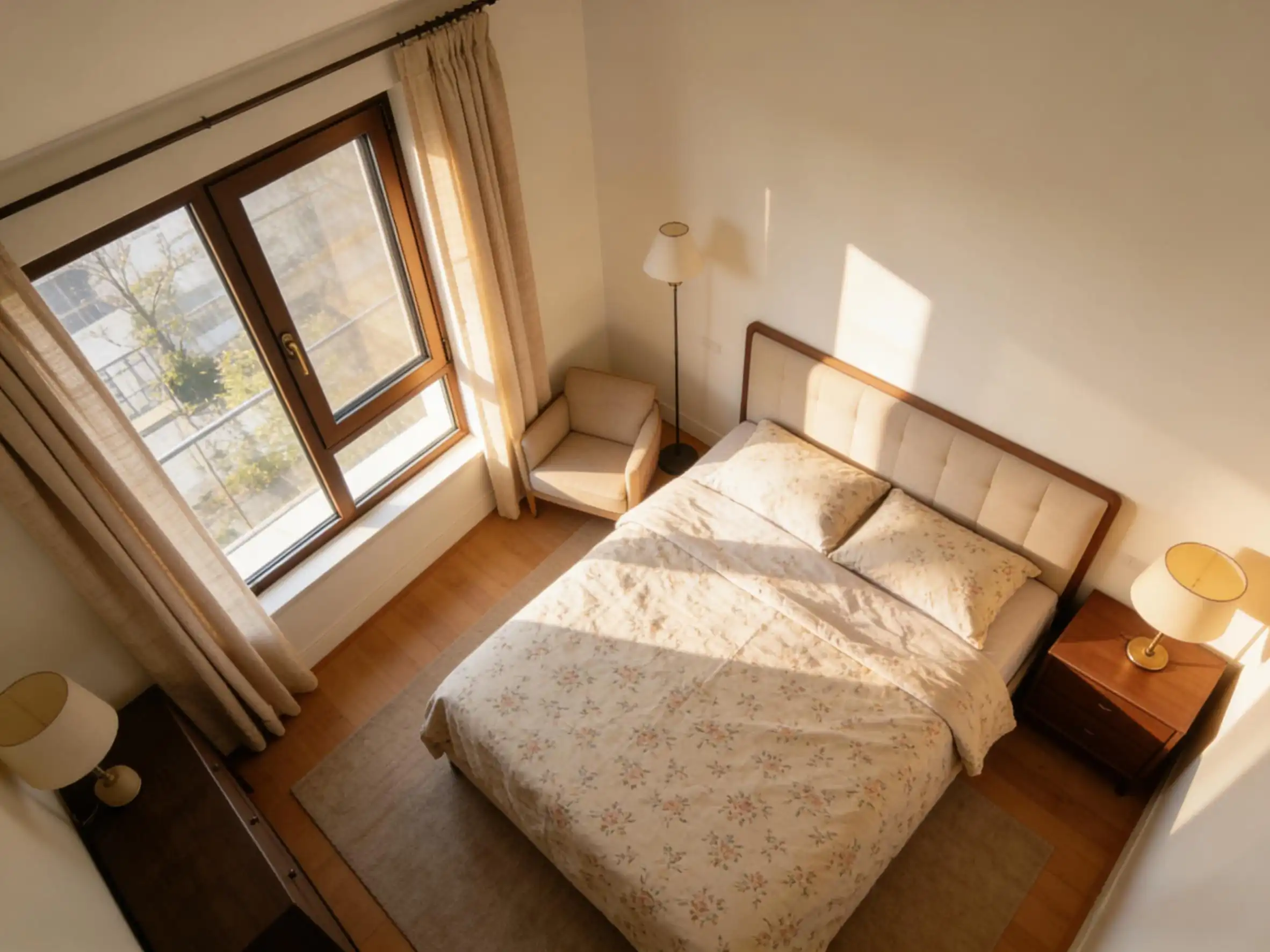
Understanding Thermal Break Casement Windows and Their Energy Efficiency
The Engineering Behind Thermal Separation
A Thermal Break Casement Window is a high-performance window system that has a reinforced polyamide bar placed between the inside and outside metal shapes. When this "broken bridge" forms, it forms a heat barrier that makes metal frames much less conductive. The polyamide strip, which is usually made of PA66GF25 material (polyamide with 25% glass fiber support), keeps the structure together and stops heat from moving.
The aluminum parts are made of 6063-T5 architectural grade metal, which is known for having the best mix of strength, resistance to rust, and extrudability. The profile thickness can be anywhere from 1.4 mm to 2 mm, based on the needs of the structure and the wind load estimates. The multi-cavity form of profiles makes more insulating air holes that make them even less thermally conductive than solid extrusions.
Measurable Performance Metrics
Standardized testing procedures determine U-values (rate of heat movement) and Solar Heat Gain Coefficient (SHGC) to figure out how thermally efficient something is. When paired with the right glass, good Thermal Break Casement Window systems get U-values between 1.0 and 1.8 W/m³K, which is much better than non-thermal break metal windows, which usually get above 3.0 W/m³K.
When tested under pressure, air permeability rates hit Class 4 levels, which means that very little air can get through. Class E1050 approval means that the watertightness is high enough to protect against wind and rain in coastal sites. The lower heating loads in the winter and the lower cooling loads in the summer are directly related to these technical specs.
Beyond Thermal Performance
Another benefit that is often ignored in the initial talks about buying something is acoustic insulation. With the right window arrangements, multi-layer EPDM sealing, and Thermal Break Casement Window building, noise levels can be lowered by up to 45dB. This feature is especially useful for urban projects that have to deal with noise from traffic or for business developments that are close to transportation hubs.
Systems that are properly set up can withstand wind loads of up to 4000Pa, which makes them good for high-rise buildings and seaside areas that are prone to typhoons. The window operating mechanism seals by compression instead of moving overlap, which is what most other designs do. This gives the better airtightness that keeps working even after longer service intervals.
Limitations of Traditional Windows vs. Advantages of Thermal Break Casement Windows
Common Failures in Legacy Window Systems
Older window systems, like single-pane glass in metal frames or early double-glazed units that don't have thermal breaks, let heat flow in a straight line, which makes the building less energy efficient. Temperatures outside are directly transferred to the inside of metal frames, which leads to humidity during cold months and heat gain during warm months. This condensation damages the wall panels around it with wetness, and in the worst cases, it can cause mold to grow. Thermal Break Casement Window addresses these issues by interrupting the heat transfer path, thereby reducing condensation and improving indoor air quality.
Air leaks caused by worn weatherstripping and poor sealing solutions are another ongoing issue. There are rates of infiltration in buildings that cause HVAC systems to treat extra air from outside, which uses a lot more energy. In seaside or industrial settings, maintenance costs rise as seals wear out, hardware comes loose, and frame rust gets worse.
Technical Superiority of Modern Thermal Break Design
Through combined engineering, Thermal Break Casement Windows address these basic problems. The polyamide barrier keeps the temperature inside the frame from falling below the dew point, so mist doesn't form even in the worst weather. Multi-layer EPDM seals make double sealing that keeps air out even when temperatures change and when the system is used mechanically over many yearly cycles.
When compared to moving contact seals, the compression seal system that comes with casements works better. When the sash is closed, it presses against continuous seals around the whole edge. This creates even pressure that keeps air and water out. This design principle explains why casement systems that are put correctly always do better in field tests than slide options.
Return on Investment Considerations
Energy models for business retrofit projects shows that payback times are usually between five and twelve years, but this depends on the temperature zone, energy rates, and how well the windows work now. Because the temperature difference between inside and outside is bigger in areas that rely on heating, buildings see faster returns. When low-SHGC glass is paired with thermal break frames, solar heat gain is lessened in areas that need to be cooled.
Not only does replacing Thermal Break Casement Window systems save energy, but they also make people more comfortable and productivity. Studies show that putting in new systems has fewer complaints about thermal pain near border zones, fewer HVAC upkeep needs, and a longer service life than keeping fixing old systems that are breaking down. These practical benefits make the whole deal more appealing to building owners and facility managers who are deciding which capital improvements to make.
Disclaimer: The exact speed qualities depend on how the system is set up and how well it was installed. For performance verification specific to a project, look at certified test results and technical standards.
Key Factors to Consider When Choosing Thermal Break Casement Windows
Energy Performance Ratings and Certifications
For purchase requirements, understanding U-values is still very important. Lower numbers mean better insulation, and values below 1.5 W/m²K mean top efficiency that is good for climates that are hard on insulation. The Solar Heat Gain Coefficient (SHGC) tells us how much solar energy gets through glass. Lower SHGC values are good for climates that tend to cool down, while higher values are better for climates that tend to heat up and want passive solar gain.
NFRC certification gives uniform performance scores that are accepted across all North American markets. This makes it possible to directly compare Thermal Break Casement Window products from different manufacturers. Clear documentation of performance data that meets legal requirements and shows care during the buying process is helpful for projects that want to get LEED certification or follow more strict energy codes.
Material Selection and Customization Capabilities
In business settings, aluminum Thermal Break Casement Window devices are clearly better than vinyl options. The material is stronger than glass, so it can be used for bigger windows. It also has narrow sightlines that make the most of the glass area and can be finished in a variety of ways to meet design needs. With frame depths running from 70mm to 120mm, the different series make it possible to optimize for different performance needs and aesthetic tastes.
Powder painting in unique colors, anodized finishes for better rust resistance, and PVDF coatings for best toughness in harsh environments are all surface treatment choices. Dual-color potential lets you use finishes on the outside that match the front of the building and colors on the inside that match the design plan inside. This adaptability is especially helpful for mixed-use developments and business sites that need to keep their branding constant. Thermal Break Casement Window complements these finishes by ensuring that despite the chosen coating, the frame itself prevents thermal transfer, thereby enhancing energy efficiency and preventing condensation.
Different types of glazing can be used to meet different performance needs. When it comes to most uses, double-glazed units with Low-E finishes and gas fills work very well. Triple-glazed panels are the most energy-efficient way to keep heat in or out of buildings in harsh areas or that want to reach net-zero energy goals. When local building rules or tenant requirements call for extra safety, laminated glass choices add security, soundproofing, and hurricane resistance.
Hardware Systems and Operating Options
High-quality multi-point locking systems keep the weatherseal compressed while providing security. The choice of hardware affects how easy it is to use, how often it needs to be maintained, and how reliable it is in the long run. Coastal installations don't rust because the parts are made of stainless steel, and lockable handle choices meet security needs for ground-floor uses or places with limited access.
In addition to the standard side-hinged casement function, tilt-and-turn action provides both inward-opening air and inward-tilting settings for safe cleaning access from inside. This adaptability is useful in high-rise settings where getting to the outside for repair is hard to do safely and poses organizational problems.
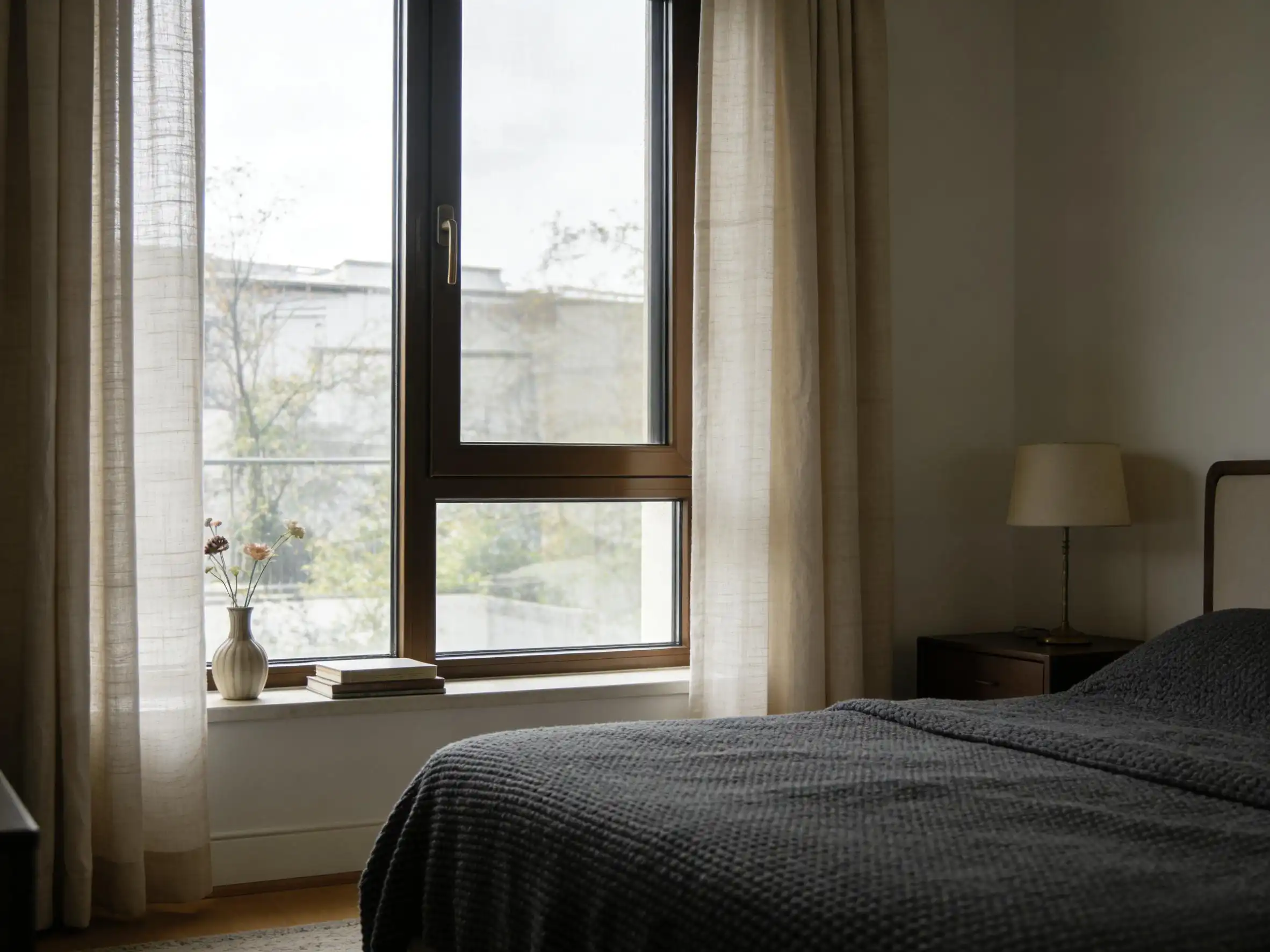
Procurement Strategies for Thermal Break Casement Windows
Supplier Evaluation and Quality Assurance
A successful buying process for a Thermal Break Casement Window starts with evaluating the maker. Facilities tours that show how production works can help you understand how quality is controlled, how much technology is used, and how many projects can be handled at once. Using metal extrusion, precise CNC cutting, automatic assembly systems, and thorough testing in the same operations shows that the infrastructure is there to make sure quality is consistent across big orders.
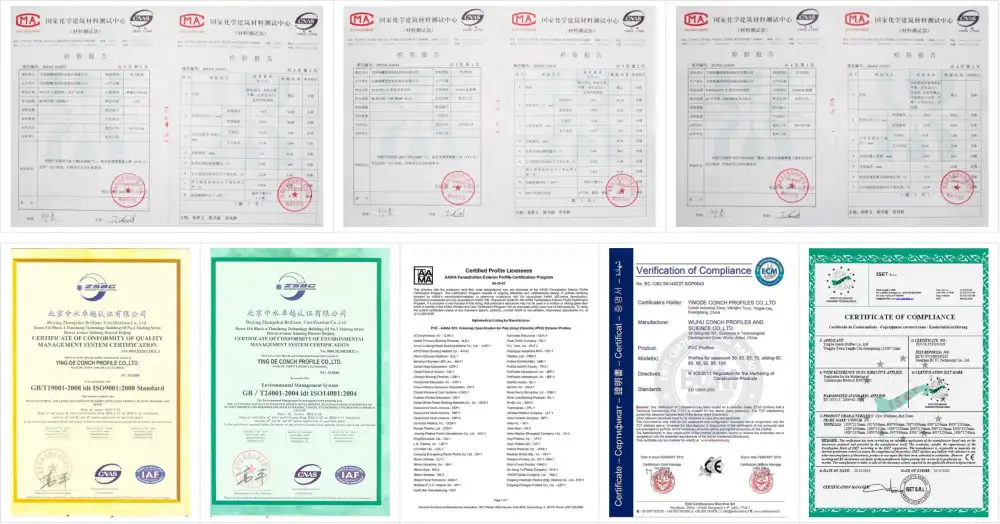
ISO approval shows that standard quality control procedures are being followed. Independent tests carried out by the AAMA certify that performance claims are true. Suppliers who have been exporting for a long time and know how to deal with foreign logistics and paperwork requirements lower the risk of buying something, this is especially true for cross-border projects where delays can affect other parts of the building plan.
Look at case studies that show how similar projects have been completed successfully in similar areas. When developers are working on multi-phase projects, they need sources who can keep up with changing requirements and finish quality over long delivery periods of months or years. Comprehensive partners are different from transactional vendors because they offer technical support services like coordinating shop drawings, training for installation, and assistance in the field.
Cost Structure Analysis
Pricing factors include more than just unit costs; they also include all project costs. Large orders can get savings based on the number of containers they hold or a common size that keeps the cost of custom fabrication to a minimum. The quality of the results and the dependability of the plan are both affected by the installation services, whether they are done by the manufacturer's certified teams or by allowed subcontractors.
Total cost of ownership estimates take into account how much energy the Thermal Break Casement Window system is expected to save, how much upkeep it needs, how long the warranty covers, and how long it is expected to last. Premium systems that cost more up front can provide better term value through longer sturdiness, fewer service calls, and consistent performance that avoids the need for early replacement costs that come with lower-grade options.
Timeline Management and Supply Chain Coordination
Lead times for custom creation of Thermal Break Casement Window are usually 25 to 30 days from the time an order is confirmed until the production is finished. This does not include the time needed for foreign shipping and customs clearance. Depending on the production queue and the supply of materials, projects that need custom finishes, non-standard sizes, or complicated configurations may take longer to complete.
Strategic shopping practices match the schedules for buying things with the schedules for building things. Value engineering can help make specs better for both performance and cost if suppliers are involved early on in the design creation process. Keeping a buffer inventory for jobs with more than one building protects against delays and gives you the freedom to make changes in the field as the work goes on.
Communication rules that make it clear what is expected for approval of shop drawings, inspection hold points, and organization of deliveries keep people from getting confused, which can throw off plans. Expert procurement teams include backup time in activities that are on the critical path and keep the pressure on suppliers to meet performance goals by keeping track of milestones and holding them accountable.
Maximizing ROI: Practical Tips for Implementation and Energy Savings
Installation Best Practices
For plan performance to be achieved, assembly must be done by trained professionals. The success of Thermal Break Casement Window technology relies on how well the frame is aligned, how well the shimming is done, and how well the sealant is applied at the outer joints. When installation isn't done right, thermal escapes happen through holes in the insulation layer. There are also air leakage paths that lower efficiency scores and water infiltration paths that damage the building over time.
Installation teams should follow the manufacturer's instructions for how to prepare the rough hole, how to install the flashing, and how to connect the panels. Thermal bridges caused by structural ties are eliminated by wrapping continuous insulation around the frame's edges. Air sealing with low-expansion foam or backer rod and caulk makes the airtight barrier that is needed to control air entering and leaving the building.
Integrated Energy Efficiency Strategies
When you update your windows along with other changes to the building envelope, you get the most out of your investment. Adding more insulation to the walls, closing up air leaks, and improving the roof assembly all work together to make a full thermal boundary that stops energy from escaping through other routes. When the envelope is improved, the HVAC system can be optimized so that equipment capacity can be lowered or distribution can be rebalanced to match lower loads.
Smart building controls that change setpoints based on occupancy patterns, daylight harvesting systems that turn down artificial lighting when natural light is enough, and automated shading that blocks summer sun but lets winter sun in all save more energy than just Thermal Break Casement Windows. This way of thinking about systems is what makes energy upgrade projects that meet strict saving goals work.
Performance Monitoring and Verification
Energy tracking after installation using utility data analysis or building automation system monitoring figures out how much energy was saved compared to how much was used at the start. Degree-day normalization takes into account changes in the weather between reference times. This separates improvements in efficiency from changes in energy use caused by changes in the climate. By submetering the HVAC zones that will be affected by replacing windows, you can get a detailed picture of how the performance has improved because of the new Thermal Break Casement Window units.
Long-term performance is kept up by following regular repair procedures. Checking the state of the weatherseal, the hardware, and the drainage weep hole function once a year keeps small problems from making the system less effective. Cleaning the glass surfaces and frame members on a regular basis keeps them looking nice and lets you see if there are any problems that need to be fixed.
Conclusion
Thermal Break Casement Window technology has been shown to save energy in ways that make the investment in capital worth it in high-end domestic, industrial, and institutional settings. Engineered thermal barriers stop heat from moving through metal profiles. When combined with advanced glazing and precise sealing systems, these make fenestration parts that lower running costs by a large amount while increasing occupant comfort.
Understanding performance requirements, choosing manufacturing partners with the right certifications and delivery capacity, and making sure professional installation that meets design purpose are all important parts of successful procurement. A lot of field data has shown that thermal break windows improve efficiency and have good payback times. This makes them a good choice for building owners who want to be environmentally friendly and run their businesses well.
FAQ
How much energy can a house save by getting Thermal Break Casement Windows instead of old ones?
Energy savings depend on where you live, how well your windows work now, and how the house is made. Commercial buildings in climates that are dominated by heating usually see 30–40% drops in their heating loads, while buildings in climates that are dominated by cooling usually see 20–30% drops in their air conditioning needs. Detailed energy modeling during the planning phase gives predictions of how much the project will save by utilizing the Thermal Break Casement Window system.
Are thermal break casement windows suitable for all climate zones?
When properly set up, these devices work well in a wide range of temperatures. Low U-values and a lower chance of condensation are good for cold climates. Low SHGC glazing choices, on the other hand, keep heat from the sun out in hot climates. Coastal setups use finishes that don't rust and stainless steel gear that is made to work in salty air.
What are typical lead times and warranty coverage?
It usually takes 25 to 30 days to make something, plus extra time for shipping internationally. Premium makers give warranties because they are sure that their products will last for a long time. The terms of the warranties vary by component and purpose. Full covering includes frame integrity, gear function, finish longevity, and thermal performance maintenance over long service periods.
Partner with Haolv Building Materials for Superior Thermal Break Casement Window Solutions
Every Thermal Break Casement Window project that Haolv Building Materials works on is backed by their 18 years of experience making specialized products. Our modern production sites have automated systems for putting things together, precise CNC cutting technology, and strict quality control methods that meet ISO and AAMA standards. We make full window systems out of 6063-T5 aluminum metal with PA66GF25 thermal breaks, multi-layer EPDM seals, and the type of glass you want—double, triple, or laminated.
Because we are a reliable Thermal Break Casement Window manufacturer, we offer unique solutions to real estate developers, general builders, curtain wall integrators, and building material dealers all over North America. Our engineering team can help you with your certification needs by giving you expert advice, coordinating shop drawings, and providing proof of performance. Different performance goals can be met with curves ranging from 70 mm to 120 mm, and powder finishing, anodizing, and PVDF finishes give your projects the precise looks they need.
We keep our production capacity and inventory levels high enough to support large-scale purchases with guaranteed shipping times of 25 to 30 days. As part of our full service, we offer free expert advice, help with designing solutions, and dedicated project follow-up to make sure everything runs smoothly from proposal to installation. Get in touch with kristin@haolvwindows.com right away to talk about your Thermal Break Casement Window needs and get personalized quotes backed by our dedication to quality, dependability, and a professional relationship.
References
1. American Architectural Manufacturers Association. Thermal Performance Standards for Fenestration Systems. AAMA Publication Series, 2021.
2. Department of Energy. Commercial Building Energy Efficiency: Window Technology Assessment. Building Technologies Office, 2020.
3. National Fenestration Rating Council. Certified Products Directory: Energy Performance Ratings for Windows and Doors. NFRC Technical Documentation, 2022.
4. International Energy Agency. Energy Efficient Building Envelopes: Technology Roadmap for Commercial Applications. IEA Publications, 2019.
5. Lawrence Berkeley National Laboratory. Thermal Bridge Analysis in Aluminum Window Systems: Field Study Results. Windows and Daylighting Research Group, 2021.
6. ASHRAE. Handbook of Fundamentals: Heat Transfer Through Building Assemblies. American Society of Heating, Refrigerating and Air-Conditioning Engineers, 2021.
Fast simple channel to send demands lock favorable price for building window door bulk purchases.