- English
- French
- German
- Portuguese
- Spanish
- Russian
- Japanese
- Korean
- Arabic
- Greek
- German
- Turkish
- Italian
- Danish
- Romanian
- Indonesian
- Czech
- Afrikaans
- Swedish
- Polish
- Basque
- Catalan
- Esperanto
- Hindi
- Lao
- Albanian
- Amharic
- Armenian
- Azerbaijani
- Belarusian
- Bengali
- Bosnian
- Bulgarian
- Cebuano
- Chichewa
- Corsican
- Croatian
- Dutch
- Estonian
- Filipino
- Finnish
- Frisian
- Galician
- Georgian
- Gujarati
- Haitian
- Hausa
- Hawaiian
- Hebrew
- Hmong
- Hungarian
- Icelandic
- Igbo
- Javanese
- Kannada
- Kazakh
- Khmer
- Kurdish
- Kyrgyz
- Latin
- Latvian
- Lithuanian
- Luxembou..
- Macedonian
- Malagasy
- Malay
- Malayalam
- Maltese
- Maori
- Marathi
- Mongolian
- Burmese
- Nepali
- Norwegian
- Pashto
- Persian
- Punjabi
- Serbian
- Sesotho
- Sinhala
- Slovak
- Slovenian
- Somali
- Samoan
- Scots Gaelic
- Shona
- Sindhi
- Sundanese
- Swahili
- Tajik
- Tamil
- Telugu
- Thai
- Ukrainian
- Urdu
- Uzbek
- Vietnamese
- Welsh
- Xhosa
- Yiddish
- Yoruba
- Zulu
Why Choose Aluminum Sliding Doors For Patio And Outdoors?
For builders, contractors, and dealers of building materials looking for long-lasting, code-compliant options for outdoor uses, aluminium sliding external doors are a smart investment. These designed fenestration systems use reinforced metal profiles, advanced thermal barriers, and multi-point locking gear to combine structural strength with aesthetic freedom. If you know about the technical specs, performance parameters, and procurement issues of the products you're buying, you can make sure that the ones you choose minimize risk while also increasing long-term value and customer satisfaction. This is true whether you're installing a patio in a home, a storefront in a business, or a renovation in a hotel.
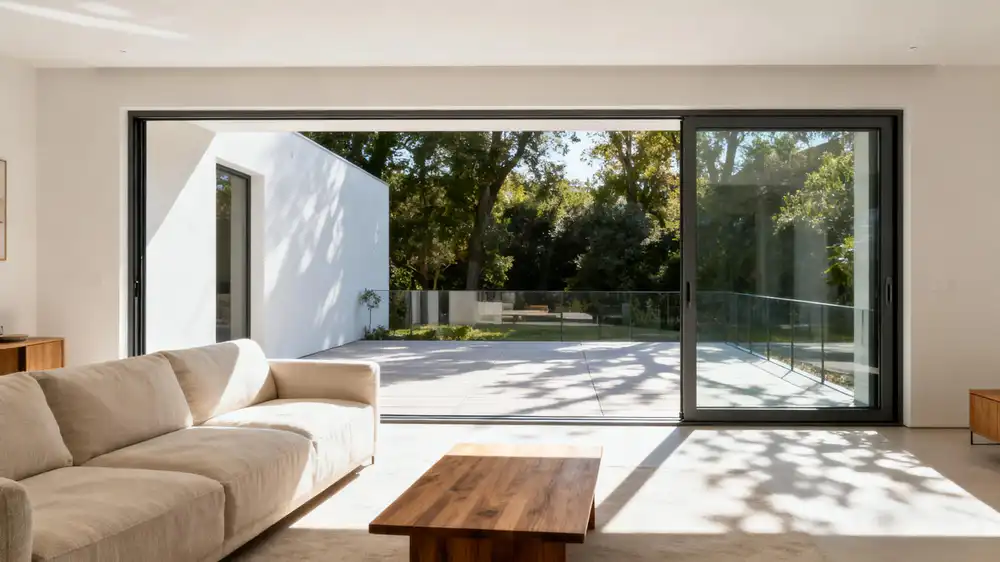
Understanding Aluminium Sliding External Doors – Features and Benefits
Precision-engineered track systems allow large-format glass to be used with aluminium sliding external doors while keeping the structure stable. The core framework is made of the high-strength 6063-T5 aluminium alloy, which was chosen because it has a good strength-to-weight ratio and doesn't rust. This choice of material is especially useful near the coast and in places with a lot of humidity, where other materials break down quickly.
Weather-Resistant Engineering for Exterior Durability
The weatherproof design solves some of the most important problems that general builders who manage multi-unit residential projects have. Surface finishes like powder coating and anodizing protect against UV damage and salt spray rust. The closing method uses EPDM gaskets and brush seals to make overlapping walls that keep water out, even when it rains hard and for a long time. The testing procedures show that these doors keep working even when the temperature changes from -40°F to 140°F. This is an important feature for serving customers in different climate zones across the United States.
Smooth Operation Through Robust Hardware Systems
High-quality stainless steel rollers with protected ball bearings make it easy to use, even when the panel weighs more than 400 pounds. This hardware's durability means that it will need less upkeep and last longer, which are both things that buying managers look at when they compare lifetime costs. The track system is flexible and can be set up in both bottom-rolling and top-hung ways. This lets builders choose flush-floor thresholds that meet ADA mobility standards and keep the look of continuity between indoor and outdoor areas.
Maximized Views Through Expansive Glazing
Aluminium shapes are very strong, so they can have very thin sightlines—often just 20 to 25 mm—between glass panels. Because of this engineering benefit, doors can have glass areas that are bigger than 80% of the whole frame. This creates the "disappearing frame" effect that is becoming more popular in current business and high-end domestic projects. You can choose from tempered, laminated, and insulated units with thicknesses ranging from 8mm to 28mm. Depending on your thermal performance needs, these units can support either double or triple glass.
Multi-Point Locking for Enhanced Security
Multi-point locking mechanisms are security features that connect at three or more points along the door frame. This spreads force across the whole structure instead of putting all the stress on one place. Anti-lift blocks stop people from removing the gates from the outside, and business buildings that need audit trails and the ability to handle things from afar can integrate them with electronic access control systems. These specs directly address the security compliance needs that project managers looked at during the buying process.
The following benefits show why these methods are useful for a wide range of business needs:
- Thermal break technology stops heat from moving through multi-chambered profiles that have polyamide barriers. When combined with Low-E glass, this can achieve U-values as low as 1.2 W/m²K, which has a direct effect on building energy certification scores.
- Acoustic insulation blocks out 35 to 45 decibels of noise, which is enough for urban infill projects where noise reduction affects people's comfort and property values.
- Customization flexibility lets you choose from single, double, or triple track setups with panel arrangements that can be up to 20 feet wide. This means that builders can choose solutions that fit almost any opening size without sacrificing structural integrity.
- Surface finish options include standard powder coating in RAL colors, anodized finishes, and wood-grain transfers. This lets wholesalers keep a collection of products that meet the needs of a wide range of customers with different artistic tastes.
The reasonable choice factors that technical staff and buying managers use to choose between vendors are covered by these performance qualities. When you combine verified performance data with the ability to customize, you lower the risk of buying while still meeting the needs of the project.
Aluminium Sliding Doors vs Alternative Materials and Designs
When choosing materials for a project, they have a big effect on not only the original costs of buying them, but also the amount of upkeep needed, how often they need to be replaced, and how well they use energy over the life of the building. Understanding comparative benefits helps procurement teams explain requirements to stakeholders who care about the total cost of ownership of aluminium sliding external doors.
Aluminum vs uPVC for Exterior Applications
While uPVC systems have lower initial material costs, aluminium is more stable in terms of its shape when exposed to heat stress. When uPVC profiles are exposed to long periods of high temperatures, like those found in patios in the south of the US, they can become soft and deformed. Aluminium stays strong even at very high or very low temperatures without bending or changing color. Because of the difference in strength, aluminium frames can hold up bigger glass panels with thinner curves, which is better when letting in as much natural light as possible. Another useful thing to think about is color uniformity. The powder-coated finish on aluminium fights fading better than pigmented vinyl, so it doesn't need to be replaced as often in high-visibility areas.
Aluminum vs Wood for Commercial Projects
Some building types look good with wood's natural look, but the material needs to be painted, sealed, and treated against damage from water and insects on a regular basis. Over the door's useful life, these upkeep needs mean higher labor costs, which is something that property managers take into account when they look at running budgets. Aluminium only needs to be cleaned and oiled every so often, which greatly lowers the cost of ongoing upkeep. The uniformity of extruded aluminium profiles also gets rid of the natural variations found in wood. This makes sure that big business orders work the same way every time, which is important for developers handling branded properties who want to make sure they meet specifications and look the same.
Aluminum vs Steel and Glass Systems
Although steel is very strong, it is also very heavy, so it needs stronger support structures and heavy-duty tools. Because the material is likely to rust, it needs protective coats that cost more and are harder to keep up. Aluminium has similar structural performance to steel but is about a third of the weight. This makes installation easier and lowers the amount of weight that needs to be put on the structure. Framed aluminium doors have better thermal performance than frameless glass systems because they have built-in thermal breaks, which frameless systems can't do. During the plan development stages, MEP engineers look at things like HVAC load estimates and energy code compliance that are directly affected by thermal efficiency.
Sliding vs Bi-Fold and Swing Door Designs
When optimizing floor space is important for projects that affect usefulness and property value, sliding doors' ability to save space becomes very important. Bi-fold door systems need clearance areas that take up room that could be used on the porch or inside, and swing doors need even bigger clearance arcs. Moving panels that slide along the wall line eliminate problems with where to put furniture or how to move around. This design efficiency works especially well for apartments with small footprints and business areas where every square foot is worth rent. Sliding systems are easier to maintain because they don't have as many hinge points and frames as bi-fold systems. This is because sliding systems have simpler mechanical function.
These comparisons help the technical evaluations that buying managers do when they look at different product specs and vendor offers.
Energy Efficiency, Maintenance, and Security for Commercial Applications
As energy codes get stricter and running costs rise, material standards are being driven more and more by how well the building works. Engineered thermal barriers, glazing specs, and weatherstripping systems in aluminium sliding external doors help reach these goals by reducing the amount of air leakage and heat transfer.
Thermal Performance and Energy Code Compliance
Modern aluminium sliding external door systems have polyamide thermal breaks that are 24-34 mm wide. These breaks make thermal paths through the frame assembly that aren't continuous. This technical feature keeps the high heat conductivity of aluminium from destroying the insulation value of glazing units. When these systems are paired with Low-E double glazing filled with argon gas, they reach U-factors that meet the standards for ENERGY STAR approval in all temperature zones in the US. For projects that want to get LEED certification or meet passive house standards, triple glazing choices make performance even better. For these types of projects, every fraction of a Btu/hr-ft²-°F improvement affects point numbers. The direct practical benefit shows up as less HVAC capacity needed and lower energy costs. These are measurable benefits that building managers can use to plan their budgets.
Maintenance Protocols for Extended Service Life
Property management companies compare window choices based on how easy they are to maintain. This lowers the total cost of ownership. As part of recommended procedures, tracks and drainage pathways should be cleaned every three months to keep waste from building up and making operation less smooth. Rollers and locking mechanisms should be oiled with silicone-based items once a year to keep gear working well. Every two years, a gasket check finds weatherstripping that might need to be replaced before water gets in. These simple steps can be added to regular building care plans without the need for special tools or workers. The powder-coated finish doesn't break down in harsh environments, so the door's look and security usually don't need to be refinished during its lifetime. This stability is very different from materials that need to be painted or sealed on a regular basis to keep them from breaking down.
Integrated Security Systems for Asset Protection
Multi-point locking hardware spreads the contact along the door frame, making it harder to break in than single-point locks. Anti-lift blocks at the top of the panels stop people from the outside from prying, and strengthened strike plates that are anchored into the structure's frame stop attempts to kick it in. If you choose to use them, mushroom-head locked cams make it even harder to jimmy. These safety features take into account the insurance and liability issues that property owners and building managers have to weigh against the need for easy entry. These doors have integration points for electronic entry control, intrusion detection sensors, and remote tracking systems. This means they can be part of a building's overall security system, which is something that is becoming more and more popular in business projects and multifamily housing developments.
Disclaimer: Note that the exact performance numbers may be different depending on the design, the type of glazing chosen, and the quality of the fitting. Check certified test results for the product setup you want to make sure it meets the needs of the project and the building rules in your area.
Understanding these operational considerations helps procurement teams judge bids based on more than just the original cost; they also look at how much value the door will provide over its lifetime.
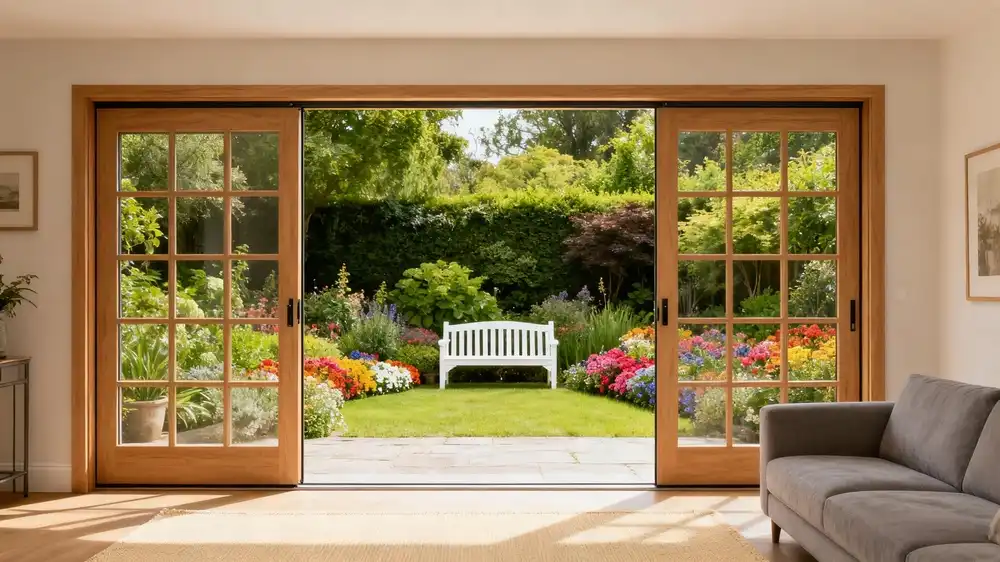
Procurement Considerations – Choosing the Right Aluminium Sliding Doors
For specification to work, product skills must be matched to project-specific needs, and the procurement process for aluminium sliding external doors must be handled quickly. Technical staff, buying managers, and project managers all use different factors to choose which vendors to work with.
Critical Specification Parameters
The opening size is the first thing that is used to choose a product. Standard patio doors for homes can fit spaces that are 5 to 12 feet wide. Commercial systems, on the other hand, can span 20 feet or more with multi-panel designs. Headroom and barrier details need to be coordinated with the structure. For example, when installing a flush floor, there are specific frame details that need to be taken care of during the base and slab work. Glass standards try to find a good mix between budget, thermal performance, and security needs. For less money, tempered glass meets safety glazing rules. Laminated choices add resistance to forced entry and retention after breaking. Most temperature zones can handle double glass. Triple glazing is only needed in extreme situations or to meet high performance building standards.
Evaluating Manufacturer Capabilities
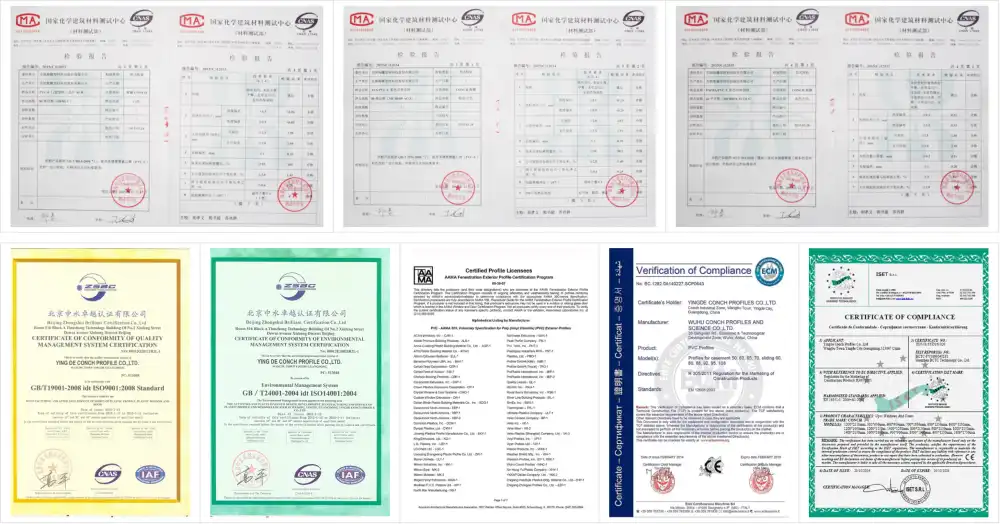
Reputable makers show what they can do by having certificates, testing records, and case studies of completed projects. Getting ISO 9001 approval means that you follow a set of steps to control quality. Products with an AAMA approval have been tested and found to meet the performance standards set by the North American Architectural Manufacturers Association. The NFRC scores give accurate U-factor and Solar Heat Gain Coefficient numbers that are needed to show that you are following energy code rules. In addition to certificates, you should also find out if the maker can meet your specific needs when it comes to customization, such as non-standard sizes, special finishes, and connecting to building control systems. Production lead times vary significantly between standard catalog products and fully customized specifications—understanding these timelines during early procurement planning prevents schedule delays.
Warranty Terms and After-Sales Support
Warranty coverage shows that the company that made the product is sure that it will last. Aluminium frames usually come with structural warranties that last between 10 and 20 years. Hardware warranties last between 2 and 5 years, and finish warranties last between 5 and 10 years, based on the covering technology. You should also look at how to file a claim and what costs are covered. For example, some warranties don't cover labor, glass, or damage that happens because of the guarantee. The availability of technical help is important during both the planning and installation stages. Manufacturers that offer engineering help can help solve design problems and provide shop plans that make it easier for trades nearby to work together. Field mistakes that hurt performance are less likely to happen with installation training programs and authorized installer networks. Clear service methods and new parts that are easy to find keep things running smoothly when maintenance or repairs need to be done.
These buying factors directly address the goals for lowering risk that affect B2B buying choices in the building materials sector.
Ordering and Logistics – Streamlining Aluminium Sliding External Door Procurement
Clear specifications, exact quotes, and reasonable schedules are some of the ways that efficient aluminium sliding external doors procurement processes keep costs low and project delays to a minimum. Distributors of building materials and general builders can benefit from knowing how the process works, from the first question to the final delivery.
Obtaining Accurate Quotes and Specifications
Asking detailed questions leads to accurate quotes and fewer rounds of changes. Give the opening's length, width, and height, as well as any non-square features that might affect the construction process. Outline the performance needs, including U-factor goals, design pressure numbers for wind load, and sound insulation values. Find out what kind of finish you want, including color and material choices. Make sure you understand the hardware needs, such as the style of the handleset, the keying requirements for business projects, and any places where electronic entry control can be integrated. List the certificates and testing records that must be included with code compliance submissions. Attaching architectural plans or photos of how things are now helps makers understand how the installation will work and spot any problems early on. To make value engineering choices easier, ask for quotes that break down the prices of materials, hardware packages, glazing options, and shipping into different items.
Understanding Customization and Lead Times
As long as the materials and parts are in stock, standard product configurations usually ship 3–4 weeks after the order is confirmed. Custom orders that need unique extrusion dies, finishes that aren't in the catalog, or custom glass can make wait times 8 to 12 weeks. When you source something from another country, there are more things that can go wrong. For example, the schedule for production, the rules for quality checks, the time it takes for ocean freight to get to US ports (usually 4 to 6 weeks), the process for clearing customs, and the transfer to the project sites in the country. To fit these deadlines into the project plan, orders need to be placed early in the building process, rather than waiting until rough openings are finished. Optimizing the number of units in a container lowers the cost of sending each one. Work with your sellers to combine orders or buy things for other projects when you can. Set clear terms of trade (usually FOB or CIF for foreign sales) that spell out who pays for shipping, insurance, and import taxes.
Budget Optimization Strategies
Informed value engineering is possible when you know what causes costs to change. Choosing the right profile series has a big effect on price. Premium systems with larger thermal breaks and multi-chambered designs are more expensive than simple extrusions but use less energy. Specifications for the glass are another important cost factor. For example, triple-glazed units cost a lot more than double-glazed units. The quality of the hardware affects both the original cost and the long-term costs of upkeep. For example, choosing proven roller and locking systems may raise the initial cost but lower the reply costs.
The price is affected by how complicated the surface finish is. Standard powder coat colors are less expensive than anodized finishes or special color matches. Ordering full systems from a single seller, which includes frames, panels, tools, and installation supplies, is usually cheaper than buying parts separately. Volume promises can unlock preferred pricing. Distributors who are in charge of multiple projects can benefit from making supply deals that offer consistent pricing and priority production scheduling. These practical concerns make the buying process easier, which lets purchasing managers fit door delivery and installation into the general schedules of projects without any problems.
Conclusion
When buying teams look at fenestration systems, they focus on longevity, thermal performance, security, and lifetime cost. Aluminium sliding external doors have clear benefits in all of these areas. The strong structure, resistance to weather, and ability to be customized make it suitable for a wide range of uses, from high-end decks in homes to busy shops in businesses. Contractors, developers, and sellers can make decisions that reduce project risk and meet performance standards if they understand technical specs, the properties of different materials, and how to buy things. The operational benefits of less upkeep, better energy economy, and longer service life directly translate to benefits in total cost of ownership that all parties are aware of.
FAQ
Q1: What certifications should I verify when sourcing aluminum sliding doors for US projects?
A: Check that the maker has an ISO 9001 certification that shows they handle quality in a structured way, an AAMA certification that shows they meet North American performance standards, and NFRC labels that show they meet the ratings for U-factor and Solar Heat Gain Coefficient that are needed to follow energy codes for aluminium sliding external doors. Ask for test results that show that the building meets or beats the standards set by the local building code for wind load resistance, water penetration resistance, and air infiltration rates. These licenses lower the risk of not getting approved during the inspection and permit processes.
Q2: How do thermal break profiles improve energy performance in aluminum doors?
A: Low-conductivity polyamide barriers are put between the inside and outside aluminium parts to make thermal breaks. These create broken thermal tracks that stop heat from moving through the metal frame. This technical feature can lower heating and cooling loads by 30 to 50 percent compared to frames that aren't thermally broken. When paired with Low-E glazing, thermally broken aluminium sliding external doors can meet strict energy code requirements in all temperature zones in the US. This helps LEED and ENERGY STAR certification goals.
Q3: What factors influence lead times for custom aluminum sliding door orders?
A: Standard setups usually take 3–4 weeks, but custom specs with non-standard sizes, specialty finishes, or unique glass arrangements can take 8–12 weeks. For international sales, you have to pay extra for ocean freight travel (4-6 weeks to US ports), clearing customs, and shipping within the country. Timelines are also affected by how the materials are scheduled to be used, when they are available, and the rules for quality checks. Scheduling problems during installation windows can be avoided by giving clear instructions early on and making orders during the first stages of building.
Partner with Haolv Building Materials – Your Trusted Aluminium Sliding External Doors Manufacturer
Haolv Building Materials has been making things for 18 years, so they can help you with your aluminium sliding external doors jobs. Precision CNC cutting, automatic assembly systems, and strict ISO-certified quality control are all part of our state-of-the-art production center. We are experts at helping general builders, developers, and building material distributors with unique solutions that include making things based on your project plans, offering flexible single, double, and triple track configurations, and giving full technical advice. Our Series 120 and 140 high-end sliding door systems come with thermal break technology, multi-point locking hardware, and AAMA/CE approval paperwork that is ready for you to send in for code compliance. We lower your buying risk by keeping enough goods on hand to meet delivery times of 25 to 30 days and keeping track of the whole project. Email kristin@haolvwindows.com for full specs, project case studies, and technical help that fits the needs of your particular application.
References
1. Aluminum Association. (2021). Aluminum Design Manual: Specifications and Guidelines for Aluminum Structures. Washington, DC: The Aluminum Association.
2. National Fenestration Rating Council. (2022). NFRC Certification Program Procedures for Fenestration Products. Silver Spring, MD: NFRC Publications.
3. American Architectural Manufacturers Association. (2020). AAMA 101/I.S.2: Voluntary Specifications for Aluminum, Vinyl and Wood Windows and Glass Doors. Schaumburg, IL: AAMA.
4. Building Science Corporation. (2019). Thermal Performance of Window and Door Assemblies in High-Performance Buildings. Westford, MA: Building Science Press.
5. Whole Building Design Guide. (2023). Fenestration Systems Selection and Specification for Commercial Buildings. National Institute of Building Sciences.
6. US Department of Energy. (2022). Energy Efficiency Standards and Testing Protocols for Residential and Commercial Fenestration Products. Washington, DC: DOE Building Technologies Office.
Fast simple channel to send demands lock favorable price for building window door bulk purchases.