- English
- French
- German
- Portuguese
- Spanish
- Russian
- Japanese
- Korean
- Arabic
- Greek
- German
- Turkish
- Italian
- Danish
- Romanian
- Indonesian
- Czech
- Afrikaans
- Swedish
- Polish
- Basque
- Catalan
- Esperanto
- Hindi
- Lao
- Albanian
- Amharic
- Armenian
- Azerbaijani
- Belarusian
- Bengali
- Bosnian
- Bulgarian
- Cebuano
- Chichewa
- Corsican
- Croatian
- Dutch
- Estonian
- Filipino
- Finnish
- Frisian
- Galician
- Georgian
- Gujarati
- Haitian
- Hausa
- Hawaiian
- Hebrew
- Hmong
- Hungarian
- Icelandic
- Igbo
- Javanese
- Kannada
- Kazakh
- Khmer
- Kurdish
- Kyrgyz
- Latin
- Latvian
- Lithuanian
- Luxembou..
- Macedonian
- Malagasy
- Malay
- Malayalam
- Maltese
- Maori
- Marathi
- Mongolian
- Burmese
- Nepali
- Norwegian
- Pashto
- Persian
- Punjabi
- Serbian
- Sesotho
- Sinhala
- Slovak
- Slovenian
- Somali
- Samoan
- Scots Gaelic
- Shona
- Sindhi
- Sundanese
- Swahili
- Tajik
- Tamil
- Telugu
- Thai
- Ukrainian
- Urdu
- Uzbek
- Vietnamese
- Welsh
- Xhosa
- Yiddish
- Yoruba
- Zulu
How to Choose the Right Sliding Shower Door for Your Bathroom Layout?
Choosing the right sliding shower door relies on knowing your plan limitations, performance standards, and the needs of the project. A single sliding frameless shower door is a simple answer. One panel stays in place while the other slides horizontally, making the most of room without sacrificing style. This design gets rid of the problem that fixed doors often have with their swing radius. This makes it perfect for small bathrooms or modern business settings where space is at a premium. When choosing doors, it's important to match the door's specs—like the thickness of the glass, the track system, and the quality of the hardware—with the room's size and how often it will be used. This is true whether you're remodeling a home or building a hotel with multiple units.
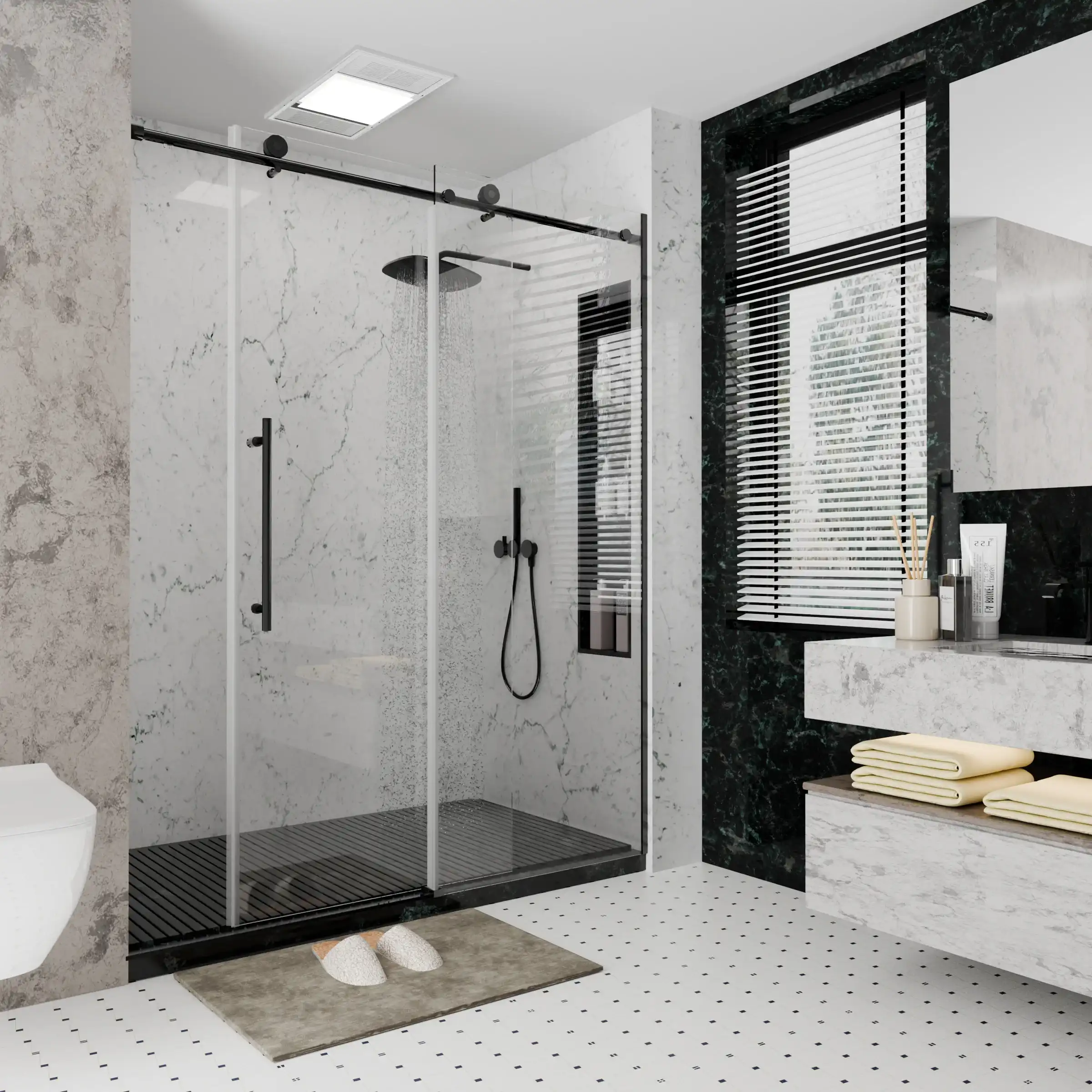
Understanding Sliding Shower Doors: Types and Key Features
These days, shower walls are a lot more advanced than simple framed units. Teams in charge of buying things for housing developments or hotel projects need to know what the main differences are between the different options that are offered.
Sliding Door Configurations: What Sets Them Apart
The sliding system works on a simple idea: the panels don't swing outward, they move along set lines. There are different versions of this core feature. Single-panel slide systems have one glass panel that stays in place and one that moves. They are perfect for installing in alcoves that are 48 to 60 inches wide. Double-sliding systems, in which both walls move, can fit bigger openings, like those found in high-end master bathrooms or business spaces that look like spas. Frameless designs have become very popular in business-to-business buying due to their simple looks.
Heavy-duty stainless steel gear (usually grade 304 or 316) and thick toughened glass (6mm to 10mm) are what these systems depend on. There isn't much framing around the edges of semi-frameless choices, so they look cleaner than fully framed options. Fully framed models offer structural support through full metal or plastic framing, but they are not as common in high-end projects. They are often chosen for builds that need to stay within a budget.
Material Specifications That Define Durability
The makeup of glass has a direct effect on how safe it is and how well it works over time. When tempered safety glass breaks, it forms small granular pieces instead of dangerous bits because of a controlled thermal process that makes the surface more compressed. This meets the safety standards set by ANSI Z97.1 that are needed by all North American building rules.
How thick you choose depends on the size of the panel and how much weight it will hold. Usually, specifications list:
- 6mm glass: This type of glass is good for areas that are less than 1200mm wide, which is common in apartment buildings.
- 8mm glass: Standard for most home and small hotel projects because it is a good balance between cost and strength.
- 10mm glass: Used for high-end projects that need extra strength and a high-end look.
The same care should be taken with hardware parts for a single sliding frameless shower door. Roller sections made of stainless steel and sealed bearings make sure that the machine runs smoothly and quietly even after a long time of use. Track systems can be placed on top or roll along the bottom. Top-mounted tracks make upkeep easier at the floor level and make cleaning easier, but they need to be securely supported from above. Bottom-rolling systems move the weight straight to the shower floor, which makes installation easier on a variety of ceiling types.
Sealing Mechanisms and Waterproof Performance
Engineered closing systems are needed to keep water inside. When panels overlap, they make natural barriers where the moving door meets the fixed panel. Along the vertical sides, PVC sealing strips slightly compress during closing, making watertight walls that don't need a lot of force. Magnetic seals are an expensive improvement that offer consistent contact pressure and better leak protection. Track drainage tunnels built into the bottom rails keep water from building up and send it back into the shower pan instead of letting it pool, which could cause mold to grow or hardware to rust.
Identifying Your Bathroom Layout Requirements and Constraints
Getting the right bathroom door starts with doing a good job of measuring the space. Mismatched measurements or problems with space that aren't noticed can lead to expensive returns, installation delays, and changes to the project schedule.
Measuring Critical Dimensions for Procurement Accuracy
To find the width, you need to take readings from the top, middle, and bottom of the hole. Especially in older buildings, differences may be seen because of settling or framing that isn't straight. To make sure the right fit, write down the smallest size as your standard. The same steps are used to measure height, taking into mind things like slanted ceilings or floors that aren't level. Depth or projection, which is how far the cage sticks out from the wall, affects both how it looks and how much space it needs for functions. Standard nook installs are 32 to 36 inches deep, but corner units may need to be set up in a way that isn't straight, which means they need to be able to be customized.
Clearance Analysis: Avoiding Installation Conflicts
Fixtures next to each other make actual boundaries that affect which door to choose. Toilets that are less than 18 inches from the shower opening might make it hard for the moving panel to work if the door goes past its frame while it's being used. Vanity cabinets with gear that sticks out can also make it hard for panels to move smoothly. Before selecting top-mounted track systems for ceiling-mounted devices like recessed lighting or air grilles, they need to be checked. When selecting frameless designs that put most of the weight on the mounting bolts instead of spreading it evenly across the full outer frames, the availability of structural support becomes very important.
Layout-Specific Recommendations for Optimal Functionality
Sliding designs are very helpful for small bathrooms. Hinged doors need 24 to 30 inches of space around them, but sliding systems don't need that much space. This clever use of space lets you put towel bars, storage units, or other features in places that you wouldn't be able to use otherwise. Single sliding frameless shower doors work best in plans with three walls that are linear or alcove-like. The fixed panel is safely attached to the sides, and the sliding part lets you get to the panel without taking up any extra space. When there are two walls next to each other in a corner, different things need to be thought about. Neo-angle or bent systems are often needed instead of straight slide panels.
Evaluating Performance and User Needs in Procurement
In addition to size compatibility, choices about what to buy must also take into account how well the product will work, how much it will cost to maintain, and the total cost of ownership over the expected duration of the product.
Performance Characteristics That Impact Project Success
Aesthetically, frameless slide systems look better, which fits with modern design tastes. Because there is no heavy framing, there is visual openness, which makes bathrooms look bigger. This is a selling point for home builders and hotel owners who want to increase perceived value. Without frame gaps that catch soap residue and mineral deposits, cleaning is much more effective.
Smooth operation depends on the quality of the rollers and how well the tracks are aligned. When high-quality roller systems with polyoxymethylene (POM) or stainless steel bearings are used, they keep working well over and over again. Soft-close buffering systems, like OPK mechanisms, stop sudden panel impacts that wear out hardware faster and make noise problems. This is especially important in hotel settings where happy guests mean more business. Water resistance depends on a lot of different things working together. Overlapping panel shape acts as the main barrier, and sealing strips fill in any holes that are left. When systems are properly defined, they show water containment that meets business building codes without needing a lot of upkeep.
Disclaimer: You should check certain performance measures against the testing results and certifications for each product that are important to your project.
Customization Capacity and Supply Chain Considerations
Standardized sizes work well for most household needs, but non-standard openings are common in business projects. Manufacturers who offer customization options, such as different widths, heights, and glass treatments, give buyers more choices, which keeps design compromises from happening. There are more kinds of glass than just clear toughened screens. For private in public spaces or multi-family homes, frosted or patterned glass can be used. Tinted glass can match with more general interior design ideas and still meet safety standards.
Surface treatments like hydrophobic coatings get rid of water spots and make care easier, so you can go longer between deep cleaning processes. Lead times vary a lot depending on how complicated the design is. Stock configurations from well-known sources usually ship within 25 to 30 days, but fully customized options may take longer. Specification goals and project schedules must be balanced by procurement managers, who sometimes choose semi-custom methods that change standard units instead of engineering completely custom solutions.
Cost Structures and Value Analysis for B2B Buyers
The way prices change when buying a sliding shower door depends on a number of factors. The price of glass directly depends on how thick it is—10 mm panels cost more than 6 mm solutions. Grades of hardware also have an effect on total costs. For example, marine-grade stainless steel and soft-close systems raise unit costs but may lower long-term upkeep costs and the number of times they need to be replaced.
When you make a volume promise for a single sliding frameless shower door, you can get better prices in B2B situations. Multi-unit housing projects or hotel groups that negotiate contracts for dozens or hundreds of units can take advantage of economies of scale that buyers of a single unit can't. Payment terms, shipping arrangements, and installation help packages are all parts of the total cost equation that go beyond the price per unit. When buying something, you should think about how easy it is to get replacement parts.
When rollers, seals, or handles need to be replaced, systems from well-known makers with large parts stores lower the risk of long periods of downtime. Because of proprietary hardware designs from less well-known sources, projects may be held up by old parts that can't be gotten through normal routes of distribution.
How to Make the Final Choice: Decision-Making Framework for Sliding Shower Doors?
Structured review procedures lower the risk of buying and make sure that the products chosen are in line with the project's goals. Teams can get the best results by using decision models that compare important factors to the specifics of a project.
Durability Assessment: Hardware and Glass Quality Indicators
How long hardware lasts relies on the materials used and how well they were designed. Salt spray tests on stainless steel parts to make sure they don't rust—specifications that use ASTM B117 and 240 hours of contact show strong marine-grade performance. Roller assemblies that are listed for a lot of cycles should last a long time, but exact numbers should be confirmed by the manufacturer's documentation instead of being taken as truth.
Quality of glass goes beyond how thick it is. The methods used for tempering must meet known safety standards and have clear records of their certifications. Whether an edge is polished, seamed, or curved, the way it is finished affects both safety and how it looks. Edges that aren't finished well can hurt you during installation and use, and they take away from the premium setting.
Maintenance Requirements and Operational Realities
Frameless systems usually need less upkeep than framed ones because there aren't as many cracks for dirt and dust to gather. But visible hardware needs to be checked every so often to make sure the rollers are lined up correctly and the track is clean. Over time, sealing strips gradually become compressed and set, and they will need to be replaced at some point to keep the water inside.
Custom Versus Standard: Navigating Trade-Offs
Standardized goods make things more predictable by having set sizes, performance data, and easier procedures. Custom solutions work around specific space limitations or design goals, but they come with extra costs, longer wait times, and the chance of problems during the planning and production stages. When projects have tight budgets or tight deadlines, they often choose standard setups and make small design changes to stay on plan and on budget. Signature projects or flagship properties that need to stand out in the market support custom methods, even though they are more complicated and cost more.
Decision Framework Application: Case Considerations
Standardized specs for a single sliding frameless shower door help a mid-range hotel makeover that needs 120 identical shower enclosures get better prices and easier installation training. Consistent units cut down on the number of care items that need to be stocked and make it easier for staff to get to know the whole property. On the other hand, an upscale condo building with different unit plans and non-standard bathroom sizes needs to be able to customize. In this case, procurement teams choose sellers based on how flexible their engineers are and how well they handle projects, not just how much the products cost.
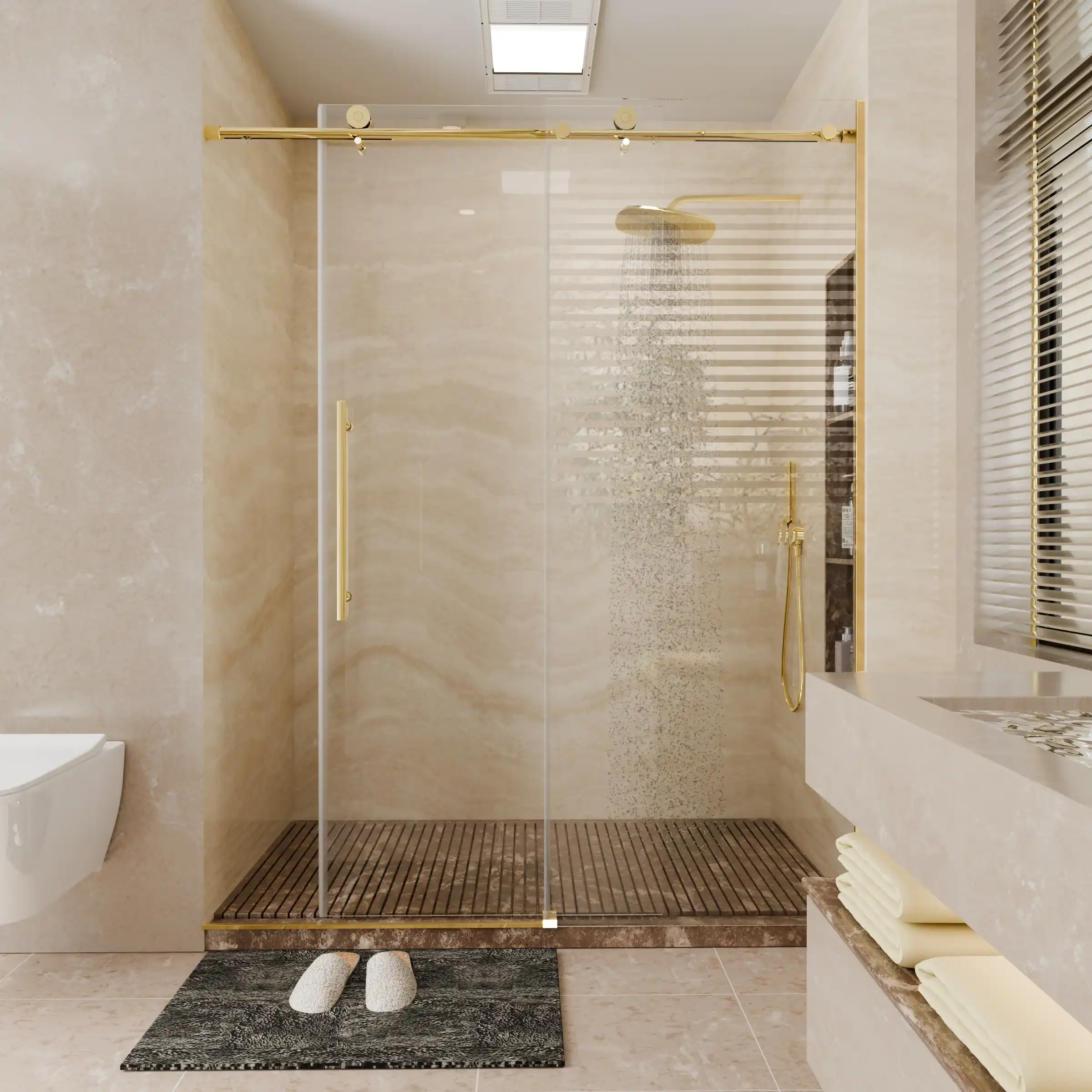
Installation and Maintenance: Ensuring Longevity and Customer Satisfaction
Proper placement has a direct effect on how well it works and how long it lasts. Even high-quality metal and glass can't fix tracks that aren't lined up right or mounting points that aren't properly held.
Installation Best Practices for Sliding Shower Systems
Aligning the tracks is the first and most important step. To keep rollers from wearing out unevenly and panels from getting stuck when they move, top-mounted tracks need to be installed level. Laser levels or computer inclinometers can be used to get accurate readings that bubble levels can't, especially for distances longer than four feet.
Wall fixing has to take into account the make-up of the base. Bracket systems can be mounted securely on solid surfaces like boards or blocks behind tiles. When installing into hollow walls, you need bolts that can handle dynamic loads as well as static weight. This is because when the door opens and closes, it puts stress on the mounting points in a cycle. Panel installation sequence matters. Fixed panels are usually put in place before moving parts. They serve as guides for adjusting the rollers and placing the sealing strips. Adjusting the height of the rollers makes sure that the system works smoothly and doesn't have too much play or binding. The panels should be able to slide along with little force while still staying in touch with the closing surfaces.
Maintenance Protocols That Extend Service Life
Cleaning the tracks on a regular basis keeps dirt from building up and getting in the way of the rollers' work. Roller bearings last longer and move more smoothly if hair, soap residue, and mineral deposits are cleaned off once a month. When cleaning, soft cloths or brushes keep finished surfaces from getting scratched. In high-use business settings, sealing strip inspections should happen every three months; in domestic settings, they should happen once a year. If seals are compressed or torn, they stop working properly, letting water get past where they were supposed to stay.
Most replacement strips can be put on without special tools, so this upkeep job can be done by anyone working in the building. Roller assemblies sometimes need to be oiled, but sealed-bearing types usually don't need any upkeep for a long time. Manufacturer specs tell you how often to lubricate and what kind of lube to use. Generic lubricants may attract dirt or break down plastic parts, which defeats the purpose of using them.
Troubleshooting Common Operational Issues
Panels that drag or don't want to move usually mean that the track isn't lined up right, a roller is blocking the path, or parts are worn out. When you look closely, you can often see hair or other trash wrapped around the roller wheels. If the resistance stays the same after cleaning, it means that the fixing mounts or roller height settings need to be adjusted. Water that leaks out of the shower pan is usually caused by broken seals or panels that don't meet properly. Replacing the sealing strip can fix many leak problems, but problems that don't go away could mean that the panels weren't lined up right or weren't installed properly at the start. Getting to the root reasons of problems stops them from happening again and makes the system last longer generally.
Conclusion
When choosing a single sliding frameless shower door for different bathroom plans, you have to think about space limitations, performance needs, and the realities of buying things. Single sliding frameless setups work well in small spaces and modern design settings because they save room and look good. A careful measurement check stops mistakes that cost a lot of money, and paying attention to the quality of the tools and the glass specs makes sure that the project will last as long as it needs to.
Customization options give you more freedom for non-standard uses, but standard choices are better when the dimensions are all the same. The success of certain systems over the course of their operational lifetimes is eventually determined by how well they are installed and maintained. Structured review frameworks help buying teams make choices that are in line with the goals of the project while also balancing costs, flexibility, and performance.
FAQ
Q1: What advantages do frameless sliding doors offer compared to framed alternatives?
A: Frameless designs don't have any heavy frames around the edges, so there are better lines of sight and the bathroom seems bigger. Less frame parts mean fewer cracks where mold and soap scum can grow, which makes cleaning easier and requires less upkeep work. The simple style fits in with modern design trends that are popular in high-end home and business projects.
Q2: Can sliding shower doors accommodate irregular or non-standard bathroom layouts?
A: Different makers offer different levels of customization. Reliable providers allow for acceptable changes in size, usually by using track systems that can be adjusted and custom glass panel sizes to accommodate differences in width. If you have a very odd plan, like walls that are at an angle or shower pans that are curved, you might need more than just normal sliding setups. You might need pivot or neo-angle systems instead.
Q3: What warranty coverage should procurement teams expect from quality suppliers?
A: Different manufacturers have different warranty terms, but most of the time, they cover metal parts and the stability of the glass. Hardware warranties that cover basic functions usually last for a few years, but coverage for broken glass may have limits that don't cover mistakes in installation or usage. During the procurement process, making it clear what the warranty covers, how to file a claim, and what parts are available saves the long-term value of the project and lowers the cost of unexpected upkeep.
Partner with Haolv Building Materials for Your Sliding Shower Door Projects
Haolv Building Materials has been making things for 18 years, so they can help sourcing workers who are looking for reliable single sliding frameless shower door suppliers. Precision CNC cutting, automatic assembly systems, and strict ISO-certified quality control at every stage are all part of our state-of-the-art production facilities. We are experts at making sliding shower systems that are completely adjustable. These systems come with quality 304 stainless steel hardware, 6mm, 8mm, and 10mm tempered safety glass, and soft-close OPK buffering mechanisms that make operation smooth and quiet.
Our ability to produce in large quantities lets us offer reasonable prices and keep delivery times of 25 to 30 days, even for big business projects. Technical advice services, free shipping of samples, and full project follow-up make sure that your exact instructions are carried out perfectly. Contact our procurement experts at kristin@haolvwindows.com to discuss custom solutions that fit the needs of your project, to ask for specific product paperwork, or to set up factory visits that show how committed we are to manufacturing excellence and long-term relationship value.

References
1. Bathroom Design Standards for Commercial and Residential Construction, National Kitchen and Bath Association, 2022.
2. Tempered Glass Safety Requirements in Building Applications, American National Standards Institute, 2021.
3. Corrosion Resistance Testing Methods for Architectural Hardware, American Society for Testing and Materials, 2020.
4. Water Management Systems in Shower Enclosures: Performance Criteria, International Code Council, 2023.
5. Procurement Best Practices for Building Material Specifications, Construction Specifications Institute, 2022.
6. Maintenance Protocols for Glass and Metal Fixtures in High-Humidity Environments, Building Owners and Managers Association, 2021.
Fast simple channel to send demands lock favorable price for building window door bulk purchases.