- English
- French
- German
- Portuguese
- Spanish
- Russian
- Japanese
- Korean
- Arabic
- Greek
- German
- Turkish
- Italian
- Danish
- Romanian
- Indonesian
- Czech
- Afrikaans
- Swedish
- Polish
- Basque
- Catalan
- Esperanto
- Hindi
- Lao
- Albanian
- Amharic
- Armenian
- Azerbaijani
- Belarusian
- Bengali
- Bosnian
- Bulgarian
- Cebuano
- Chichewa
- Corsican
- Croatian
- Dutch
- Estonian
- Filipino
- Finnish
- Frisian
- Galician
- Georgian
- Gujarati
- Haitian
- Hausa
- Hawaiian
- Hebrew
- Hmong
- Hungarian
- Icelandic
- Igbo
- Javanese
- Kannada
- Kazakh
- Khmer
- Kurdish
- Kyrgyz
- Latin
- Latvian
- Lithuanian
- Luxembou..
- Macedonian
- Malagasy
- Malay
- Malayalam
- Maltese
- Maori
- Marathi
- Mongolian
- Burmese
- Nepali
- Norwegian
- Pashto
- Persian
- Punjabi
- Serbian
- Sesotho
- Sinhala
- Slovak
- Slovenian
- Somali
- Samoan
- Scots Gaelic
- Shona
- Sindhi
- Sundanese
- Swahili
- Tajik
- Tamil
- Telugu
- Thai
- Ukrainian
- Urdu
- Uzbek
- Vietnamese
- Welsh
- Xhosa
- Yiddish
- Yoruba
- Zulu
Understanding Flush Casement Windows: Style, Function, and Benefits
Aluminum flush windows are a smart design answer. When the window is closed, the sash sits flush with the outside frame, making a smooth, flat profile that doesn't show any gaps. This well-thought-out design solves three important problems in the industry: keeping the clean, modern look without stepped profiles; getting rid of the problems with maintenance and warping that come with traditional wood systems; and making the structure stronger than uPVC can handle for bigger glass areas. These windows meet both heritage-inspired style requirements and modern high-performance building requirements for business and residential uses by combining thermal break technology with high
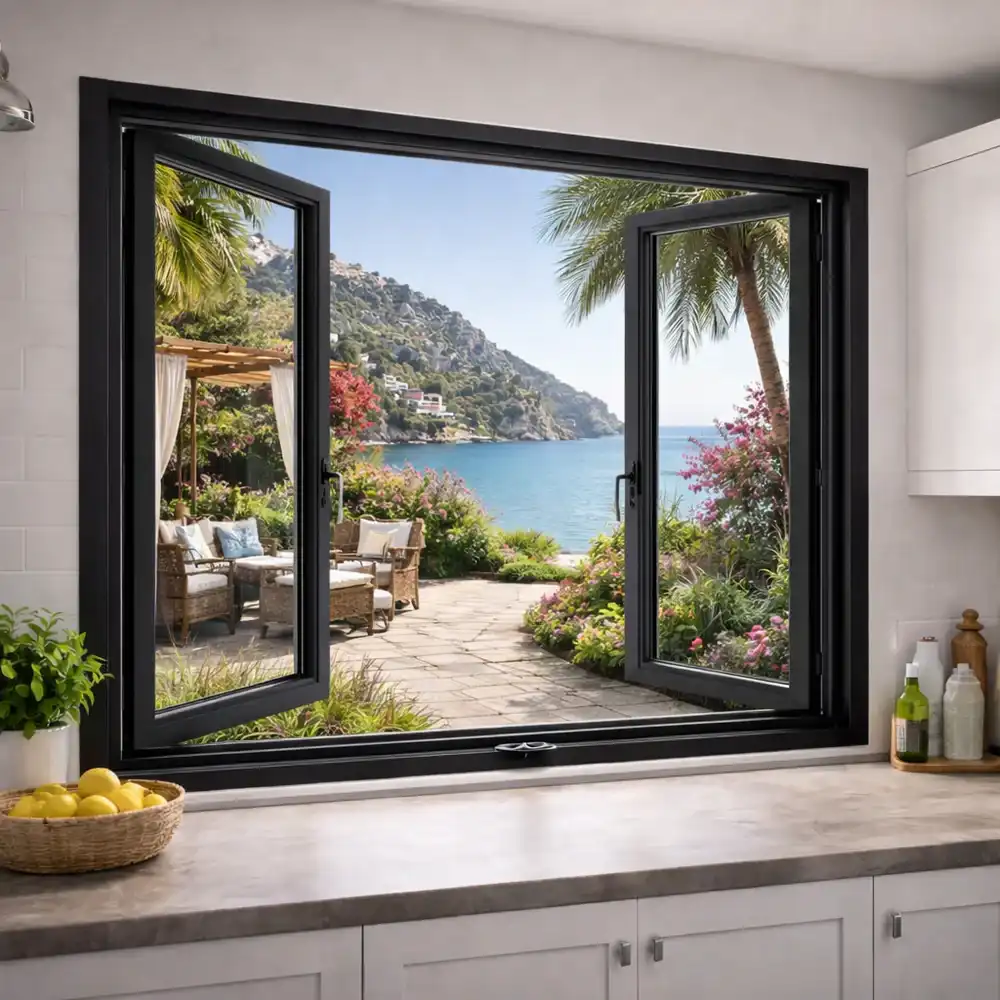
-grade 6063-T5 aluminum extrusions.
What Are Aluminum Flush Casement Windows?
Defining the Flush Casement Window System
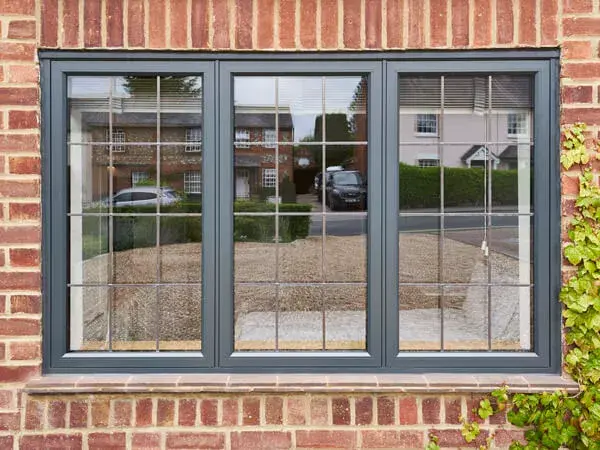
The sash of a Aluminum flush window is made with great care so that it fits perfectly around the frame's edges, creating a smooth, continuous surface on the outside. This style of architecture is very different from standard stepped casement designs, which have frame extensions that can be seen on the outside of buildings. The building is made with 6063-T5 aluminum alloy profiles that have wall widths between 1.4mm and 2.0mm. These profiles give the structure great strength while keeping the sightlines thin to make the most of the glass area. Precision CNC cutting, hydraulic pinching at corner joints with epoxy glue injection, and multiple stages of quality control to make sure that the frame assembly's dimensions are within 0.5 mm of each other are all part of the manufacturing process.
Material Advantages and Technical Specifications
The aluminum alloy's makeup makes it naturally resistant to corrosion, which is important for seaside areas and other high-exposure uses. Unlike wood options that need to be maintained on a regular basis, Aluminum flush windows stay structurally stable when temperatures change without warping, swelling, or breaking down. Surface treatments like powder coating, anodizing, wood grain finishes, and PVDF coats protect against UV rays and keep colors stable for more than 25 years under normal conditions of exposure. Thermal break technology uses polyamide PA66 strips with widths between 24 mm and 34 mm. When paired with the right glazing setups, these strips can achieve U-values as low as 1.1 W/m²K. The material's high strength-to-weight ratio allows wind load resistance values of up to Class CE2400 in tested uses. Its thermal performance meets strict energy codes.
Comparison with Alternative Window Systems
When buying teams look at window choices, Aluminum flush windows stand out as being better than other materials. When comparing aluminum systems to uPVC systems, aluminum allows for much longer spans without the need for structural support. It also has smaller profile widths that let more light through. The moment of inertia of the material stops the sash from dropping over time, which is a typical way for thinner materials to fail. When compared to wooden flush windows, metal ones don't need to be painted every five years or maintained because of moisture. They also look like traditional windows because of modern finishing methods. Casement windows can open all the way and let in a lot of fresh air better than sliding windows. This makes flat casement designs especially useful in places that need to control airflow well and meet emergency exit requirements.
Style and Design Advantages of Aluminum Flush Casement Windows
Contemporary Aesthetic Integration
Modern architecture trends that value clean lines and open building envelopes go hand in hand with the Aluminum flush windows design philosophy. When these windows are closed, they make the front of the building smooth, which goes well with the minimalist design ideas that are becoming more popular in business and high-end domestic projects. The thin profile widths—often measuring less than 60 mm for the total frame depth—keep the view clear while increasing the glass area for better daylighting. This way of designing works especially well for curtain walls, where window systems need to fit in with the surrounding glazed sections without making visual gaps that go against the architect's intentions.
Customization and Finish Options
Manufacturers offer a wide range of customization options to meet the needs of a wide range of projects. Standard building finishes include white, black, gray, and bronze. Custom RAL matching is also possible for projects that need to line with a certain brand or coordinate designs. There are more surface treatments than just basic powder coating. There are two-color choices where the inside and outside get different finishes, wood grain patterns that look like real wood, and marine-grade coatings that are 60 to 80 microns thick for harsh seaside areas. Profile series comes in 60mm, 70mm, and 80mm depths to meet a range of performance needs. For example, deeper parts can support triple glazing setups and provide better thermal performance for cold climate uses.
Glazing Flexibility for Performance Optimization
Aluminum frames are strong enough to support a wide range of glass options that are made to meet the unique performance needs of each project. As standard, there is tempered single glazing for low-risk situations, double glazing kits with a 5mm+12mm air gap+5mm glass composition that provides balanced thermal and sound performance, and triple glazing systems for projects that need to be very energy efficient. Laminated glass choices improve safety and soundproofing, with different interlayer thicknesses meeting different sound frequency needs. The Aluminum flush windows design can handle these different glass thicknesses without changing the exterior profile. This means that the windows will always look the same, no matter what their performance specs are. This is very important for projects where window performance changes depending on exposure or occupancy but facade uniformity is still needed.
Functional Benefits and Performance Metrics
Energy Efficiency and Thermal Performance
Aluminum flush windows are thermally efficient because they have polyamide thermal break technology built in. This technology stops heat from moving through metal surfaces. The PA66 material keeps the structural link between the inside and outside aluminum parts while having low heat conductivity. System U-values meet current building rules, such as U.S. energy codes and foreign standards, when low-emissivity double glass is added. When the window is closed with compression sealing against EPDM seals, air leakage is kept to a minimum. The tested performance meets Air Permeability Class 4 under EN 12207 standards. When compared to older single-glazed systems in retrofit applications, this sealing efficiency directly affects the heating and cooling loads. Energy savings of 15 to 25 percent have been recorded.
Standardized testing methods are used to confirm performance, but the exact results rely on the configuration, the quality of the installation, and the surroundings. Project teams should ask for approved test records that are exactly what they want.
Durability and Weather Resistance
The 6063-T5 aluminum alloy's structure features allow it to work well at temperatures ranging from -40°C to +80°C without breaking down. It is very helpful to have corrosion resistance in seaside areas and industrial settings where salt spray, chemical contact, and air pollutants speed up the breakdown of reactive materials. Testing using ISO 9227 salt spray methods shows that marine-grade coatings can add to the natural qualities of metal to make Aluminum flush windows last longer. The flush design cuts down on the number of horizontal surfaces where water can collect. Built-in drainage channels move water away from areas that need to be sealed properly. Testing for watertightness shows Class 9A performance according to EN 12208 standards. This means that water can't get through at forces equal to wind-driven rain during a strong storm.
Acoustic Performance and Security Features
Commercial and residential uses can be found near traffic routes, urban areas, and industrial zones thanks to the sound attenuation capabilities of Aluminum flush windows. When you use double glazing with unevenly thick glass and bigger air gaps, you can actually hear less noise. Depending on the glass standard and the quality of the frame sealing, the noise reduction can be anywhere from 30dB to 40dB. Multi-point locking systems with shoot-bolt mechanisms work at different frame points to spread the force resistance around the sash's edges. When ordered with the right glazing and fitting instructions, these hardware solutions can get PAS 24 enhanced security approval. Cycle testing with 50,000 operation sequences proves that the hardware is durable and that the exact alignment stays the same over the life of the product, which stops the speed loss that happens with some locking mechanisms.
Procurement and Installation Insights for B2B Clients
Supplier Evaluation and Certification Requirements
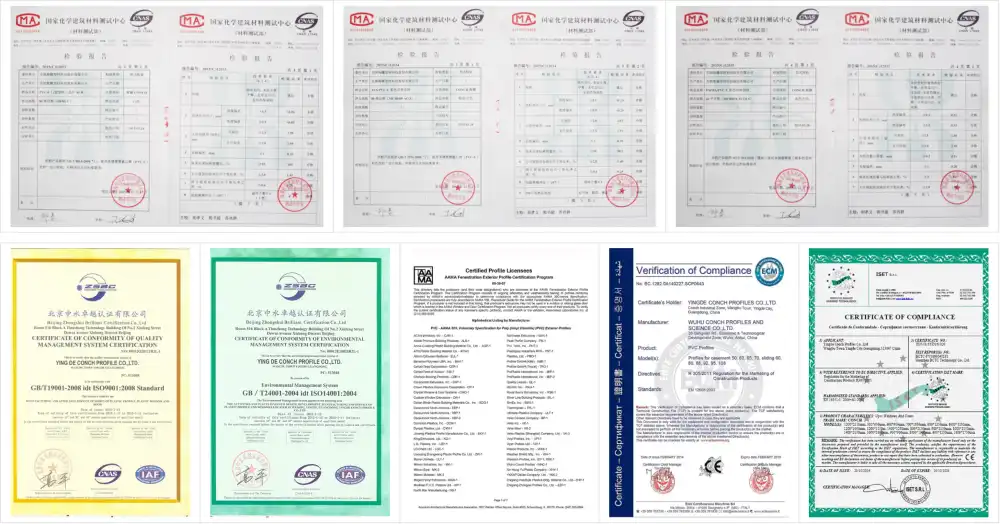
When buying Aluminum flush windows from businesses to businesses, suppliers must go through a thorough evaluation process that includes checking their manufacturing skills, quality systems, and product certifications. Systematic quality management is shown by ISO 9001 certification, and legal compliance is shown by product-specific certifications like CE marking for European markets and AAMA standards for North American uses. Purchasing managers should check that the production plant has the right extrusion capacity, surface treatment lines, and assembly systems to make sure that the quality of the output is uniform for big projects. For complicated business projects that need flexible solutions based on the conditions on the ground, technical support services like engineering help for spaces that don't follow the norm, thermal modeling to make sure energy codes are followed, and installation advice are very important.
Pricing Structure and Value Analysis
For cost evaluation of Aluminum flush windows to be complete, it looks at the whole project's value, including how hard it is to build, how much upkeep it needs, and how long it will last. Bulk order price for multi-unit developments usually offers 15–30% cost savings compared to small number purchases. This makes involving suppliers early on in the design development stages a smart move. Performance standards have a direct effect on price. For example, thermal break systems are more expensive than non-thermal designs, and premium hardware systems have longer warranties and better performance qualities, which is why they cost more. Procurement teams should ask for thorough details that show frame prices, glazing specs, hardware grades, and finish choices.
Installation Considerations and Timeline Planning
For commercial-scale Aluminum flush windows installation, you need to work with general builders, make sure that your schedule lines up with the finish of the building envelope, and protect the windows from the weather during the integration phases. Installation teams should have specific experience with aluminum flush casement systems and know the tolerances needed for proper flush alignment as well as the closing procedures needed to keep the guarantee valid. From the time an order is confirmed until it is delivered, most projects take 25 to 30 days. The exact time it takes depends on how complicated the design is and how many orders there are. Site-specific factors, such as limited access, the availability of staging areas, and weather windows, affect how long it takes to install windows. In ideal conditions, experienced workers can install 12 to 20 window units per day.
Making the Right Choice: Decision Support for B2B Buyers
Matching Specifications to Application Requirements
The best Aluminum flush windows layouts for making decisions are determined by the needs of the individual project. Different climate zones have different requirements for thermal breaks and glass types. For example, colder areas need deeper profile series and triple glazing, while moderate climates can get by with normal thermal break double glazing. Different types of buildings have different security requirements. For example, home uses on the ground floor need stronger locking mechanisms and laminated glass, while installations on higher floors may only need standard hardware. The amount of exposure, which includes wind loading, closeness to the coast, and pollution levels in cities, determines the type of surface treatment and frame reinforcement that is needed.
Long-Term Value and Return on Investment
A study of the total cost of ownership shows that Aluminum flush windows that are properly designed have big long-term value benefits. Having minimal upkeep needs gets rid of the need for regular refinishing costs that come with wood systems. All that needs to be done is basic cleaning and lubricating the tools every so often. It has been shown that top energy-efficient systems in climate-controlled buildings pay for themselves in 7 to 12 years, compared to standard efficiency options. This is because they use more energy. If the product is properly maintained, it could last longer than 40 years, which is a lot longer than most project financial analysis periods. It also has leftover value that raises the value of a building asset when it comes time to sell it.
Market Trends and Emerging Applications
Aluminum flush windows are becoming more popular in the commercial and public sectors. This is because of changing architectural tastes and stricter energy rules. Heritage repair projects are increasingly choosing metal systems that look like traditional wood but work like modern systems. Planning authorities in conservation areas are okay with these options because they look good. Multi-family housing projects use flush casement systems to get unique looks that fetch higher unit prices while taking advantage of bulk buying discounts and standard installation methods. As net-zero construction and reducing carbon emissions become more popular, window thermal performance becomes even more important. This makes modern aluminum systems with higher U-values the best choice for projects that want to meet strict energy standards.
Conclusion
When it comes to business, institutional, and household settings, Aluminum flush windows offer a great mix of good looks, good functionality, and long-term value. Their carefully planned construction with 6063-T5 aluminum metal, cutting-edge thermal break technology, and flexible options meet a wide range of project needs while keeping the clean, simple look that is becoming more popular in modern architecture. Energy savings, security, noise reduction, and weather resistance are just a few of the performance benefits that meet strict building codes and help lower running costs over longer service lifespans. Business-to-business (B2B) buying teams can make sure that projects are completed successfully and within budget by learning about technical specs, source capabilities, and installation requirements.
FAQ
Q1: How do aluminum flush casement windows perform in cold climates?
A: Aluminum flush windows work well in cold climates because they have thermal break technology built in and the right glass specs. Polyamide PA66 thermal breaks stop heat from moving through metal profiles, and low-emissivity coatings on double or triple glass keep heat from escaping. When systems are properly designed for cold places, they get U-values that meet or beat local energy rules.
Q2: What maintenance protocols ensure optimal long-term performance?
A: Compared to other materials, Aluminum flush windows still don't need much maintenance. Cleaning every three months with pH-neutral soap and water gets rid of surface dirt that could build up in sealing zones or draining canals otherwise. Every six to twelve months, use manufacturer-recommended products to lubricate hardware systems. This keeps them running smoothly and stops them from wearing out too quickly. EPDM sealing seals are checked once a year to see if they are wearing down and need to be replaced.
Q3: How does durability compare with traditional timber flush windows?
A: When it comes to longevity, Aluminum flush windows are much better than wood ones. They get rid of rot, bug damage, and damage caused by water that happens to all wood goods, no matter how well they are treated. The size of the material stays the same and doesn't expand and shrink with the seasons like wood does, which can loosen joints and make closing less effective. Aluminum's surface paints don't break down or weather like wood does, and they don't need to be repainted every five years like wood does.
Partner with Haolv Building Materials for Premium Flush Casement Solutions
Haolv Building Materials has been making specialized products for over 18 years and can help business-to-business clients who are looking for trusted Aluminum flush windows suppliers for home, industrial, and institutional projects. Our modern factories use metal extrusion, precise CNC cutting, automated assembly systems, and strict quality control methods to make sure that every window unit meets international standards and gets ISO, CE, and AAMA certifications. We offer full customization options, including choosing from different profile lines, finishes, glazing combinations, and hardware specs.
Our experienced engineering teams also offer free technical advice and solution design. Our streamlined supply chain partnerships and ample inventory allow for consistent 25–30 day delivery times from order confirmation to shipment. Competitive bulk price structures make it easier for big projects to stick to their budgets for purchases. Email our team at kristin@haolvwindows.com to talk about the specifics of your project, get technical data, or set up a sample review. We give buying managers the quality, dependability, and skilled help they need for projects to go well.
References
1. Anderson, J.M. & Roberts, K.L. (2021). Architectural Glazing Systems: Performance Specifications for Commercial Applications. Building Technology Press.
2. Chen, W. & Thompson, D. (2020). Aluminum Building Products: Engineering Properties and Application Standards. Construction Materials Institute.
3. European Committee for Standardization (2019). EN 12207-12208: Windows and Doors - Air Permeability and Watertightness Testing Standards. CEN Publications.
4. Harrison, P.T. (2022). Energy-Efficient Building Envelopes: Window Technology and Thermal Performance. Sustainable Construction Journal, Vol. 15, Issue 3, pp. 127-145.
5. National Fenestration Rating Council (2023). NFRC Certification Program: Technical Guidelines for Window Energy Performance. NFRC Standards Division.
6. Williams, S.R. & Martinez, L.F. (2020). Commercial Window Systems Procurement: Technical Evaluation Framework for B2B Buyers. Construction Management Quarterly, Vol. 28, Issue 2, pp. 89-107.
Fast simple channel to send demands lock favorable price for building window door bulk purchases.