- English
- French
- German
- Portuguese
- Spanish
- Russian
- Japanese
- Korean
- Arabic
- Greek
- German
- Turkish
- Italian
- Danish
- Romanian
- Indonesian
- Czech
- Afrikaans
- Swedish
- Polish
- Basque
- Catalan
- Esperanto
- Hindi
- Lao
- Albanian
- Amharic
- Armenian
- Azerbaijani
- Belarusian
- Bengali
- Bosnian
- Bulgarian
- Cebuano
- Chichewa
- Corsican
- Croatian
- Dutch
- Estonian
- Filipino
- Finnish
- Frisian
- Galician
- Georgian
- Gujarati
- Haitian
- Hausa
- Hawaiian
- Hebrew
- Hmong
- Hungarian
- Icelandic
- Igbo
- Javanese
- Kannada
- Kazakh
- Khmer
- Kurdish
- Kyrgyz
- Latin
- Latvian
- Lithuanian
- Luxembou..
- Macedonian
- Malagasy
- Malay
- Malayalam
- Maltese
- Maori
- Marathi
- Mongolian
- Burmese
- Nepali
- Norwegian
- Pashto
- Persian
- Punjabi
- Serbian
- Sesotho
- Sinhala
- Slovak
- Slovenian
- Somali
- Samoan
- Scots Gaelic
- Shona
- Sindhi
- Sundanese
- Swahili
- Tajik
- Tamil
- Telugu
- Thai
- Ukrainian
- Urdu
- Uzbek
- Vietnamese
- Welsh
- Xhosa
- Yiddish
- Yoruba
- Zulu
Why Choose UPVC Flush Casement Windows for Modern Homes?
To choose the best window option for modern building projects, you need to carefully look at things like performance specs, how efficient the supply chain is, and the long-term value. More and more, developers, builders, and building material sellers are choosing UPVC Windows Flush Casement systems because they offer a good mix of thermal performance, aesthetic flexibility, and cost savings. These systems have a unique design where the opening sash lines up perfectly with the outer frame.
This makes for a clean profile that looks good in both new construction and heritage renovations. The unplasticized polyvinyl chloride material is very resistant to weather and doesn't need to be maintained as often as wood-based alternatives. When properly ordered with galvanised steel reinforcement and triple EPDM sealing systems, these casement-style windows meet strict building codes, such as NFRC standards. They also offer real cost savings through improved logistics and modular assembly options that can greatly lower transportation costs.
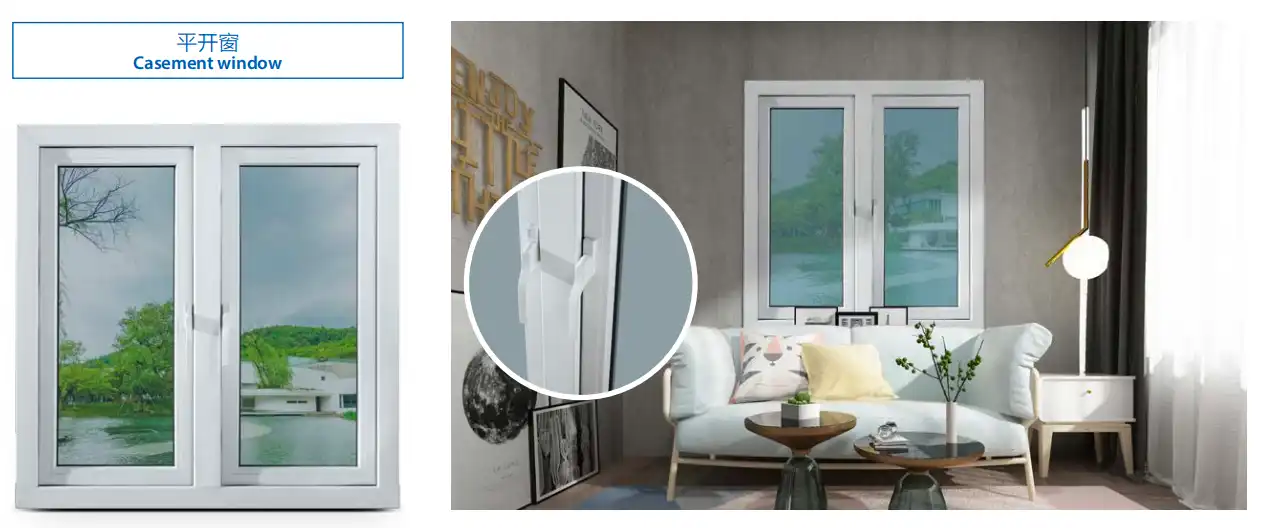
Understanding UPVC Flush Casement Windows: Definition and Core Benefits
What Defines a Flush Sash Window System
The architectural integration of UPVC Windows Flush Casement is what makes them unique. When the window is closed, the sash sits completely flush within the frame, eliminating the protruding external bead that can be seen in standard casement designs. This flush face configuration was first made to look like the traditional wood joinery found in older homes, but the engineering has been updated to meet modern performance standards.
These systems come in 60-series and 70-series shapes to meet different structural needs while keeping slim sightlines that make the most of the window area that can be seen. The frame is made of multi-chamber UPVC profiles that are strengthened with galvanised steel cores that are between 1.4 mm and 2.0 mm thick. This keeps the frame's shape even when it's exposed to wind load and changes in temperature.
Thermal and Acoustic Performance Parameters
Energy economy is an important thing for makers to think about when they are buying things because it affects how much they will spend on operations. These window systems meet Energy Star requirements for U-values in a number of technical ways. The multi-chamber profile design creates thermal breaks that block heat transfer paths, and the ability to work with either double or triple glazing configurations lets climate zones affect the specifications.
The triple EPDM sealing system, which includes gaskets at the sash edge, the frame-to-glass interface, and the glazing bead, provides excellent airtightness ratings. This architecture for sealing also reduces noise, with properly glazed units reaching sound reduction levels good for urban domestic projects near transport routes. Independent testing confirms that the watertightness works because it has built-in drainage channels that keep water out even when it rains hard because of the wind.
Durability and Maintenance Advantages
The UPVC material makeup is naturally better than other window and door materials when it comes to resistance to corrosion and stable in size. The polymer doesn't rot, warp, or need to be refinished often, which lowers the cost of upkeep over its lifetime. This is especially important for large home projects and business property portfolios. Surface finishes include standard white, wooden foils, and unique colours that are made through co-extrusion or lamination.
UV-stabilized formulas keep the colours from fading. For routine upkeep, the smooth surface doesn't collect dirt and only needs to be cleaned every so often with light detergent solutions. Hardware parts are made of stainless steel or zinc alloy and have styles that don't rust, so they will keep working properly for as long as they're supposed to.
Comparing UPVC Flush Casement Windows with Alternative Solutions
Performance Attributes Across Window Types
In building projects, different window configurations are used for different reasons. It's easier to use space with sliding windows, but they don't keep out air as well as compression-sealed casement systems. While tilt-and-turn mechanisms can do two things, they require more complicated hardware that raises the cost per unit and changes the way maintenance is done.
Casement windows with external beads offer similar air flow control, but they don't have the sleek look that UPVC Windows Flush Casement designs do, which is important for projects that need to be sensitive to the building's architecture. Testing for weather resistance shows that properly designed systems can handle being exposed to a wide range of climates, from salt spray at the coast to high temperatures in continental areas.
Material Comparison: UPVC, Aluminum, and Timber
The choice of material affects both the original cost of purchase and how well it works in the long run. Aluminium systems have better strength-to-weight ratios, which lets them have bigger openings. However, thermal bridge needs a lot of thermal break engineering to get the same level of insulation performance. Timber looks like it was made in the right time period, but it needs to be painted and treated against damage from water and insects on a regular basis. When it comes to initial unit cost, UPVC windows are in the middle.
However, they have a lower total cost of ownership because they don't need as much upkeep and save money on energy costs. Hybrid composite systems that combine materials try to get more benefits, but they make the process of making them and fixing them more complicated.
Cost-Benefit Analysis for Project Procurement
When allocating funds for fenestration systems, more than just the unit purchase price needs to be taken into account. The cost of installation labour depends on how easily the windows can be opened and closed and how heavy they are. UPVC units usually don't need as much special handling as heavy aluminium curtain wall systems. Through lower HVAC loads, energy modelling shows measurable operational savings.
Payback periods depend on local utility rates and how bad the weather is. When doing renovations or replacements, UPVC is better because it can fit through existing openings and is lighter, which makes structural factors easier. Most warranties cover profile accuracy and hardware performance for 10 to 15 years, which lowers the risk for developers and property owners.
Procurement and Supply Chain Considerations for UPVC Flush Casement Windows
Identifying Qualified Manufacturers and Certification Requirements
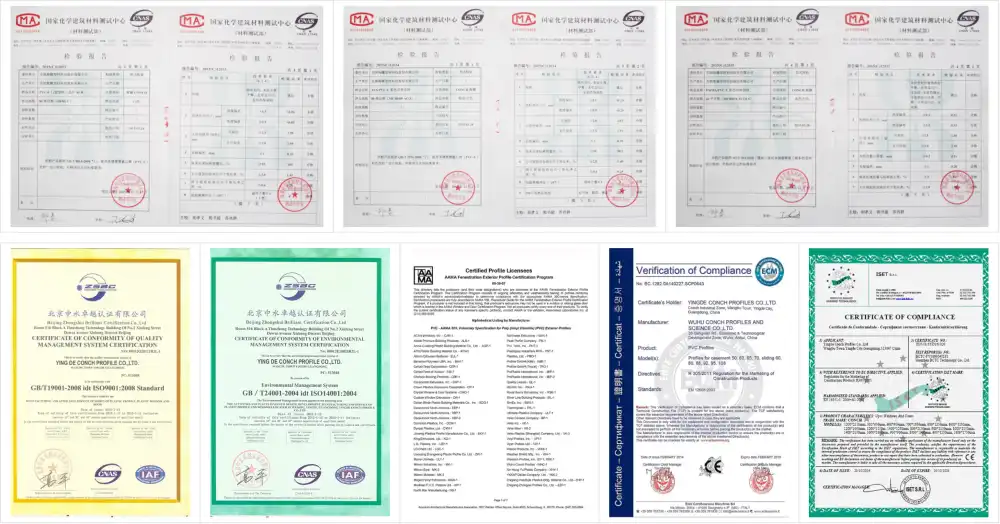
People who work in procurement need to make sure that sellers of UPVC Windows Flush Casement s keep up with the necessary quality standards and testing records. Systematic quality management methods are confirmed by ISO 9001 approval, and performance standards for the U.S. market are set by groups like the American Architectural Manufacturers Association (AAMA).
An evaluation of a manufacturing capability should look at the amount of work that can be done, how automated the equipment is, and the quality control procedures, such as the steps for in-process inspection and final testing. Suppliers who have been exporting for a long time know what paperwork is needed for foreign packages and can mark goods with the CE mark for certain markets. Factory audits, which can be done in-house or by a third-party service, are a way to make sure that stated skills and standards are being met.
Custom Fabrication and Bulk Purchasing Dynamics
For big jobs, it's common to need non-standard sizes, exact colour matches, or the ability to work with certain glass requirements. Customization-capable suppliers usually start with architectural drawings and make shop drawings for approval before starting to make the product. Lead times for special orders are usually between 25 and 30 days, from the time the order is confirmed until the product is shipped.
Shipping times depend on how well the operations are set up. When you buy in bulk, you may be able to get different prices based on how much you buy, flexible payment terms that fit your project's cash flow needs, and delivery plans that work with your building schedule. Specification of hardware names, such as locking mechanisms, hinges, and working handles, keeps installation problems from happening.
Logistics Optimization Through Knock-Down Assembly
Transportation costs make up a big part of the total landed cost of window systems, especially when they are bought from other countries. By making the best use of containers and lowering dimensional shipping charges, suppliers who offer knocked-down or disassembled shipping configurations help customers save a lot of money on goods. Frame parts, sashes, glazing units, and hardware are shipped separately. Trained fitters will put them together at the location by following the instructions that are sent with the package.
This method can cut down on shipping costs by about 30% compared to fully assembled units, while still maintaining quality standards by using carefully made parts and clear instructions for assembly. Technical support services, such as installation films, step-by-step assembly guides, and remote advice, make sure that the system is put together correctly in the field and meets performance standards.
Disclaimer: Actual performance characteristics should be verified through product-specific testing reports and engineering documentation for your particular application.
Optimizing Performance and Longevity: Maintenance and Energy Efficiency
Routine Maintenance Protocols for Extended Service Life
Setting up maintenance plans protects operating performance and increases the life of parts. Frame and sash surfaces of the UPVC Windows Flush Casement should be cleaned with soft cloths and pH-neutral solutions. Abrasive cleaners and acids should not be used because they can damage the finish coats and UPVC. Hardware that is oiled with silicone-based oils keeps joints and locking systems working smoothly.
Checking and cleaning the drainage channels keeps water from building up and damaging the weather seals. The condition of the gasket should be checked for cracks or compression set. However, EPDM materials usually keep their elasticity for 15 to 20 years under normal exposure conditions.
Energy Code Compliance and Building Certification
More and more, minimum thermal performance requirements for fenestration systems are being added to building energy codes. These systems with the right glazing configurations easily meet the requirements of the International Energy Conservation Code (IECC) in all climate zones in the United States. Insulated glass pieces with low-E coatings and inert gas fills keep visible light through while improving heat resistance.
For projects that want to get LEED approval, the performance of the windows can count toward energy optimisation points, and EPD (Environmental Product Declaration) paperwork can help with material transparency standards. Labels from the NFRC give consistent grades for U-factor, solar heat gain coefficient, and visible transmittance. This lets designers accurately model energy use during the planning process.
Security Enhancements and Soundproofing Innovations
Multi-point locking systems have contact points all around the edge of the sash. This makes them safer than single-point locks and improves the tightness of the weather seal. Multiple shoot bolt mechanisms that extend into the frame resist attempts to break in. Laminated glazing options have PVB interlayers that catch broken glass when it hits something, keeping people out and improving soundproofing at the same time.
When units are properly defined, their sound transmission class (STC) ratings hit levels that are good for noise-sensitive areas, like homes near highways or airports. Integration with smart home security systems lets you monitor and lock your home from afar, meeting the growing demand for connected building technologies in the market.
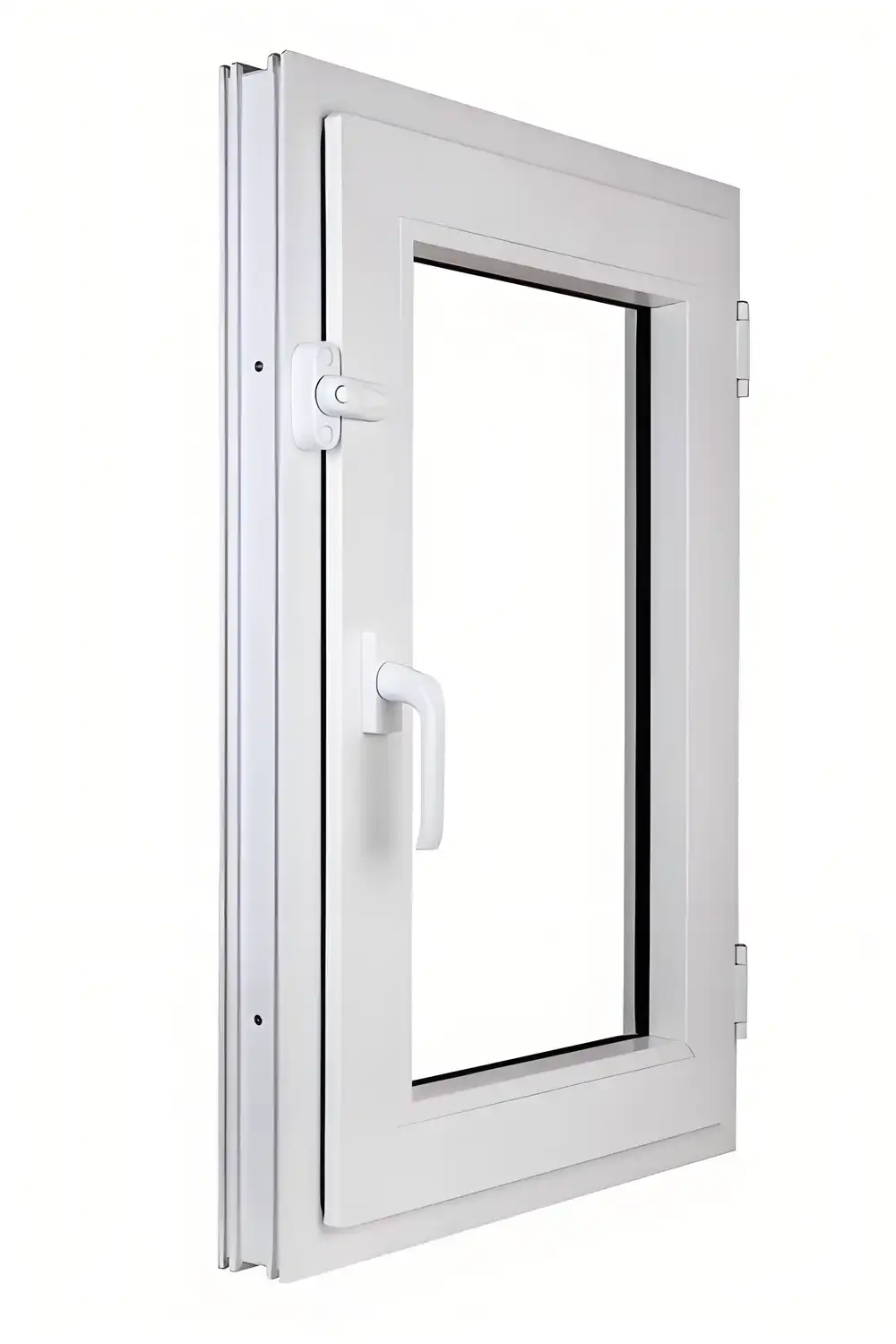
Why UPVC Flush Casement Windows Are the Smart Choice for Modern Homes
Sustainability and Environmental Considerations
UPVC Windows Flush Casement is easy to recycle, and the features that have been used can be turned into new goods or used in other ways. The energy used to make it is still less than that used to make aluminium, and since it doesn't need to be painted for upkeep, there are no VOC emissions during its service life.
Contributions to thermal efficiency lower a building's working energy consumption, which is its main environmental effect over its lifetime. When you look at how long something lasts and how much upkeep it doesn't need, product lifecycle studies show that the alternatives are better. More and more manufacturers are offering options with recycled material and taking part in industry recycling programs that get old fenestration goods back.
Technological Integration and Design Flexibility
Modern building needs to be able to react to new technologies and changing tastes in style. These systems can be connected to building control systems with gear that has sensors and motorised operators. Surface finish technologies can now very accurately copy the grain patterns of real wood, meeting the needs of historical properties while providing current performance. Customising colours through painting or foil coating makes it possible to work with a wide range of building styles. Modern design that focuses on biophilic principles and occupant wellbeing puts a lot of emphasis on slim sightline profiles that let in lots of natural light.
Project Applications and Market Adaptability
These window systems are useful for a wide range of situations, from building single-family homes to multi-unit developments and business renovations. Developers like it when the mix between looks and cost is good, while contractors like it when supply chains are stable and installation is easy. The systems can be used in both inward-opening and outward-opening designs, depending on the needs of the area and the building code.
Case versions cover a wide range of climates, from mild seaside areas to places where temperatures can drop or rise very quickly. Specifications for glazing and reinforcement are changed to fit the needs of each location. These products are now standard offerings through distribution channels like building material importers, regional wholesalers, and system integrators. This makes sure that they are available on the market and priced competitively.
Conclusion
When it comes to the complicated needs of modern construction procurement, UPVC Windows Flush Casement s are a well-thought-out solution. Their low upkeep needs, ability to keep out heat and sound, and security features make them a good choice for all stages of a project's life. The material's natural durability and resistance to weather make it suitable for a wide range of climates, and it doesn't need to be refinished like other materials do. Advantages of procurement include the ability to customise, compliance with foreign standards, and improved operations through modular assembly.
These all help keep project costs low and schedules on track. In the competitive North American market, these systems meet both performance and aesthetic goals for residential, commercial, and renovation projects thanks to their technical specifications that allow for double or triple glazing, different reinforcement configurations, and a wide range of finish options.
FAQ
What distinguishes flush casement windows from standard casement designs?
There is one main difference: in UPVC Windows Flush Casement configurations, the opening sash is level with the outside frame surface when the window is closed, giving it a slimmer look. The shutters of standard casement windows stick out past the frame face. This design was created to look like traditional wood joints while using current sealing technology and performance engineering.
Can these windows accommodate both double and triple glazing specifications?
These frame systems can work with both types of glazing. In areas with mild climates, double glazing is usually enough. However, triple glazing is better for areas with extreme temperatures or projects that want to get higher energy efficiency ratings. The frame depth must match the thickness of the insulated glass unit that is chosen. The 60-series and 70-series profiles have different glazing capacities.
How does steel reinforcement affect window performance and specifications?
Adding galvanised steel support to frame rooms makes the structure more rigid, which is needed for bigger openings and better resistance to wind loads. Different window sizes and exposure situations put different demands on the structure, so reinforcement thicknesses ranging from 1.4mm to 2.0mm are used to meet those needs. This steel core inside the frame keeps it from warping while keeping the benefits of the exterior's ability to fight rust and keep heat in.
Partner with Haolv Building Materials for Your Next Project
Haolv Building Materials can help you with your buying needs because they have been making aluminium and window systems for 18 years. As a well-known company that sells UPVC Windows Flush Casement s, we keep our ISO, CE, and AAMA certifications up to date and run high-tech factories with extrusion, CNC cutting, and automatic assembly lines. Our technical team offers full support, including custom fabrication from architectural drawings, free technical advice, and solution design services that are made to fit the needs of each project.
We offer knock-down shipping configurations that make the best use of containers. This will cut your logistics costs by a large amount while maintaining quality through precision-manufactured parts and detailed assembly documentation that includes installation videos and technical parameter sheets. Having enough merchandise means that deliveries will happen 25 to 30 days after the order is confirmed. Email kristin@haolvwindows.com to talk about the needs of your project and get samples that show how committed we are to quality and service efficiency.
References
1. American Architectural Manufacturers Association. (2021). AAMA/WDMA/CSA 101/I.S.2/A440: North American Fenestration Standard/Specification for Windows, Doors, and Skylights. Schaumburg, IL: AAMA.
2. Carmody, J., Selkowitz, S., Lee, E.S., Arasteh, D., & Willmert, T. (2004). Window Systems for High-Performance Buildings. New York: W.W. Norton & Company.
3. International Code Council. (2021). International Energy Conservation Code. Washington, DC: ICC.
4. Lstiburek, J. (2006). Builder's Guide to Cold Climates: Details for Design and Construction. Westford, MA: Building Science Press.
5. National Fenestration Rating Council. (2020). NFRC 100: Procedure for Determining Fenestration Product U-factors. Silver Spring, MD: NFRC.
6. Passive House Institute. (2018). Criteria for the Passive House, EnerPHit and PHI Low Energy Building Standard. Darmstadt, Germany: Passive House Institute.
Fast simple channel to send demands lock favorable price for building window door bulk purchases.