- English
- French
- German
- Portuguese
- Spanish
- Russian
- Japanese
- Korean
- Arabic
- Greek
- German
- Turkish
- Italian
- Danish
- Romanian
- Indonesian
- Czech
- Afrikaans
- Swedish
- Polish
- Basque
- Catalan
- Esperanto
- Hindi
- Lao
- Albanian
- Amharic
- Armenian
- Azerbaijani
- Belarusian
- Bengali
- Bosnian
- Bulgarian
- Cebuano
- Chichewa
- Corsican
- Croatian
- Dutch
- Estonian
- Filipino
- Finnish
- Frisian
- Galician
- Georgian
- Gujarati
- Haitian
- Hausa
- Hawaiian
- Hebrew
- Hmong
- Hungarian
- Icelandic
- Igbo
- Javanese
- Kannada
- Kazakh
- Khmer
- Kurdish
- Kyrgyz
- Latin
- Latvian
- Lithuanian
- Luxembou..
- Macedonian
- Malagasy
- Malay
- Malayalam
- Maltese
- Maori
- Marathi
- Mongolian
- Burmese
- Nepali
- Norwegian
- Pashto
- Persian
- Punjabi
- Serbian
- Sesotho
- Sinhala
- Slovak
- Slovenian
- Somali
- Samoan
- Scots Gaelic
- Shona
- Sindhi
- Sundanese
- Swahili
- Tajik
- Tamil
- Telugu
- Thai
- Ukrainian
- Urdu
- Uzbek
- Vietnamese
- Welsh
- Xhosa
- Yiddish
- Yoruba
- Zulu
Compare aluminum two track sliding windows with double-pane versus triple-pane glass options
When contractors and procurement managers are choosing fenestration systems for business or private projects, they have to make a big choice: which glazing configuration is best for aluminum two track sliding windows. Choosing between double-pane and triple-pane glass has a direct effect on how well the building uses energy, how much it costs, and how much it costs to run in the long run. This comparison looks at both choices using technical performance metrics, cost structures, and real-world application scenarios to help engineering teams, developers, and distributors make smart choices that meet project requirements and meet client expectations.
Understanding Aluminum Two Track Sliding Windows in Modern Construction
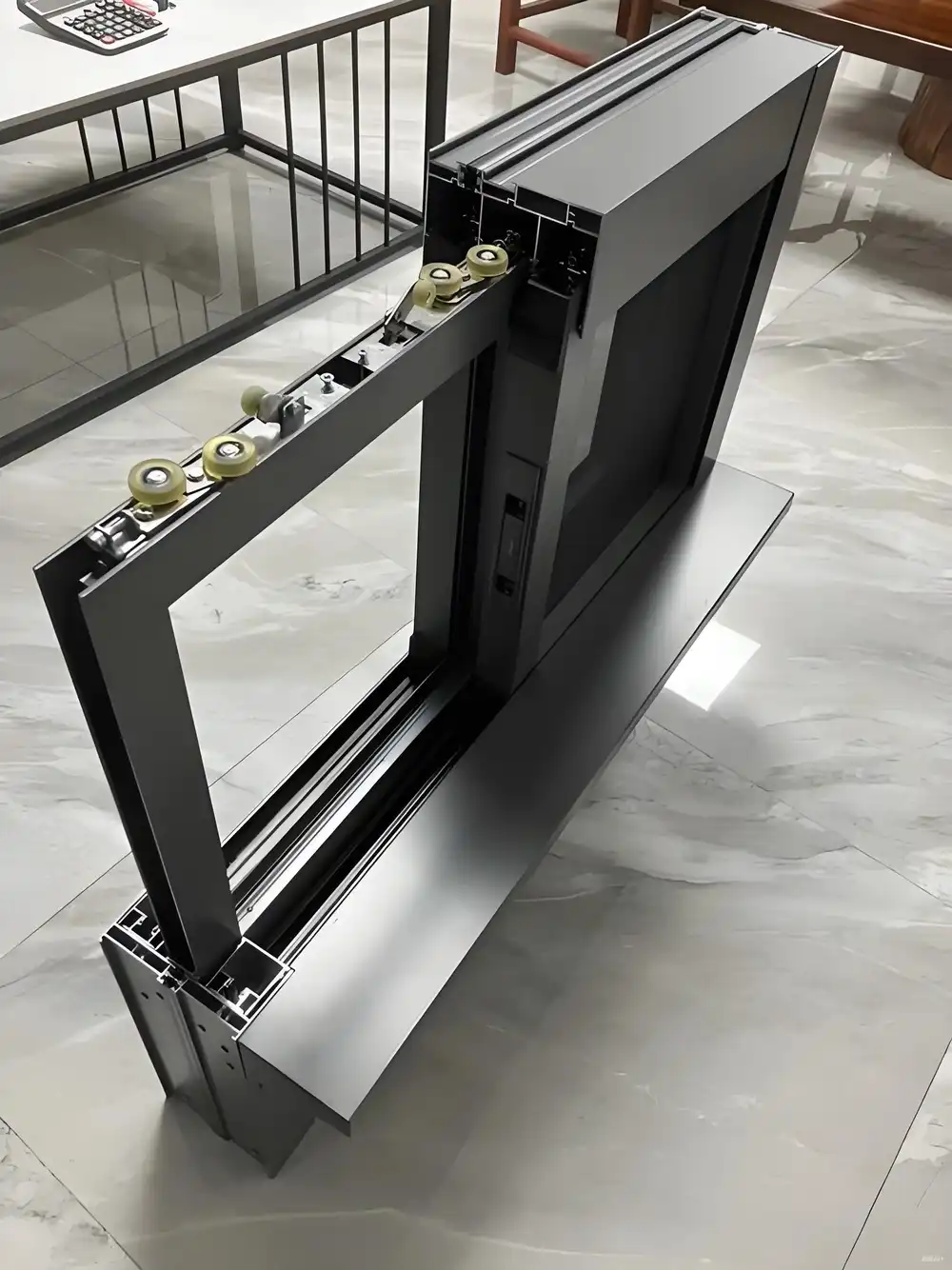
Core Design and Structural Components
The aluminum two track sliding window moves on parallel tracks that let two glass panels move independently within a single frame. These systems are made from 6063-T5 aluminum metal and have profile widths that range from 1.4mm to 2.0mm. They can meet the structural needs of a wide range of building types. The two-track layout separates the glass panels from optional screening systems. Durable nylon rollers make sure the operation runs smoothly by reducing noise and friction during daily use.
Modern designs use thin frame profiles that keep the structure strong while maximising the glazing area and natural light penetration. Multi-point locking systems make things safer, easing worries about people getting in without permission in both business and home settings. This design doesn't need the swing clearance that casement windows do, which makes it especially useful in high-density urban areas where making the best use of inner space is still very important.
Technical Specifications and Material Properties
Performance starts with choosing the right materials and making sure they are made correctly. Extruded aluminum profiles are used in high-end sliding window systems. The surfaces are treated with powder coating, anodizing, or PVDF to make them resistant to wear and tear from the environment. These finishes meet the requirements of AAMA 2604 and 2605, which means they will keep their colour and won't rust in coastal or industrial settings.
These systems come in 70, 80, and 90 series models and can handle different glass sizes and weight loads. When you choose toughened or double-glazed glass, it fits perfectly with the frame. This makes weather-tight seals that keep air and water out. Professional designs include stairwell sill shapes with hidden weep holes and check valves that let water drain naturally while stopping rain that comes in from the wind.
Operational Advantages for Project Stakeholders
Project managers like how easy it is to setup, which cuts down on the time needed for work on-site and speeds up the project timeline. The flexible design lets shipping setups be easily taken apart, which greatly lowers the cost of transportation by making the best use of container space. Distributors say that this method can lower logistics costs by around 30% compared to fully assembled units. This makes the company more competitive in price-sensitive markets.
During the service life, there aren't many maintenance needs. Tracks should be cleaned once a year to get rid of any buildup of dirt and dust, and dry silicone lubricant should be applied to roller assemblies on a regular basis to keep them running smoothly. This ease of use is appealing to site managers who are in charge of many buildings and whose budgets are directly affected by how well the buildings are maintained.
Double-Pane vs Triple-Pane Glass: Technical Performance Comparison
Thermal Insulation and Energy Efficiency Metrics
A 12mm to 16mm air or argon-filled cavity separates the two layers of glass in a double-pane construction, housed within an aluminum two track sliding window frame. With U-values ranging from 0.30 to 0.50 W/m²K, based on gas fill and Low-E coating applications, this setup provides basic thermal performance that is good for moderate temperature zones. The insulating area lowers the amount of heat that moves from the inside to the outside, which helps lower the HVAC load.
Triple-pane systems add a third piece of glass and an extra insulating cavity, making two different shields against heat. The U-values for this improved structure are between 0.18 and 0.28 W/m²K, which is a big jump in thermal resistance. Less heat movement means less need for heating and cooling. This is especially important in places with high climates where the difference in temperature between indoor and outdoor spaces stays big all year.
Test results from separate labs show that triple-pane configurations can cut thermal transmission by 40% to 50% compared to standard double-pane units. When applied to large projects, these improvements can save a lot of money over time because they use less energy over many years.
Acoustic Performance and Noise Reduction
Sound transmission class (STC) grades give accurate information about how well sound insulation works. Most double-pane assemblies get STC ratings between 28 and 32, which are good for normal business settings with moderate noise levels. The air gap stops sound waves from travelling, working especially well against mid-frequency noise that is widespread in cities.
The soundproofing of triple-pane glass is improved to STC ratings of 35 to 40, which meets the strict needs of healthcare facilities, schools and high-end housing projects near transport hubs or industrial zones. The extra glass mass and the space between the layers of air create multiple barriers that block sound energy across a wider frequency range. These barriers include low-frequency vibrations that can be annoying from traffic or heavy machinery.
When buying windows for noise-sensitive uses, procurement professionals should look at both thermal performance data and acoustic testing reports. Investing in better insulation usually pays off because happier tenants and following local noise laws that lower and lower the levels of noise that are allowed inside usually make it worth it.
Structural Considerations and Weight Implications
Adding a third glass piece makes the machine heavier by about 30% to 40%, which changes the frame's strength, the roller's capacity, and the way it is installed. To keep working smoothly throughout the product's lifecycle, aluminum two track sliding windows must have hardware parts that are reinforced and rated for higher loads. Good manufacturers make sure that their track systems and roller assemblies can handle the weight of triple-pane windows without making them harder to use.
During handling and placement, installation teams need to be aware of these differences in weight. When using heavier glazing units, it's even more important to make sure the frame is properly anchored to keep the structure stable and stop frame distortion that could compromise the seal's integrity. These things affect the cost of labour and the time it takes to put things, and procurement managers need to take these things into account when planning projects and making budget predictions.
Cost-Benefit Analysis for Strategic Procurement Decisions
Initial Investment and Budget Planning
The initial costs of double-pane configurations are usually 15% to 25% less than those of similar triple-pane configurations. This price difference is caused by using less material and making the production process easier. When projects have limited funds or want to meet standard building performance levels, double-pane solutions provide enough functionality without charging more.
Triple-pane systems cost more to buy at first because they need more glass layers, special gap systems, and better frame building to support the extra weight. When looking at this option, procurement teams should ask for detailed quotes that list the specifications of the materials, the quality of the hardware, and the length of the warranty. This way, they can make sure that they get accurate cost comparisons between suppliers.
The cost of buying something must be included in the budget analysis, along with the details of shipping. The option for knocked-down assembly has a big effect on the total cost of delivery, especially for international projects where ocean freight costs a lot. Container optimisation through disassembled shipments lets distributors and large-scale developers ship more items per container, which lowers the cost per unit.
Long-Term Operational Savings and ROI Calculations
Lifecycle cost analysis starts with estimating how much energy will cost. Triple-pane windows lower the amount of heat and cool air that needs to be carried around, which saves money on utilities over the life of the building. Accurate payback period calculations are made using detailed energy modelling that takes into account the project's climate zone, building orientation, and the efficiency of the HVAC system.
In places where it gets cold and there are more than 5,000 heating degree days a year, triple-pane systems usually pay for themselves in seven to twelve years just by saving energy. In temperate areas with mild weather changes, payback times may last fifteen years or longer, which makes double-pane options more financially appealing if there aren't any other important performance needs.
In addition to saving energy, better glazing helps earn LEED points and meets the requirements of stricter energy codes like IECC and ASHRAE 90.1. These regulatory issues have financial effects through faster permits, energy refunds, and market differentiation for developers who want to attract buyers or renters who care about the environment.
Maintenance Economics and Service Life Expectations
Under normal operating conditions, both types of glazing need about the same amount of maintenance. Quality manufacturing and proper installation are more important than pane count when it comes to long-term performance. Seal integrity is the most important factor. Reliable sellers offer guarantees that cover seal failure for ten to twenty years, lowering the risk of early wear and tear for procurement teams.
The quality of the hardware at the start has a stronger effect on its life than the type of glass. Stainless steel roller assemblies and multi-point locking mechanisms from well-known brands have been used every day for decades and have been shown to work reliably. Hardware quality standards should be required by procurement specs so that operations don't break down too soon, causing tenants to complain and repair calls.
Disclaimer: The actual performance characteristics depend on the testing reports for each product, the quality of the installation, and the conditions in the environment. Teams in charge of buying things should ask sellers for certified test data that shows how well suggested window systems work in terms of thermal, structural, and acoustic performance.
Application Scenarios and Project Suitability Analysis
Climate-Specific Performance Requirements
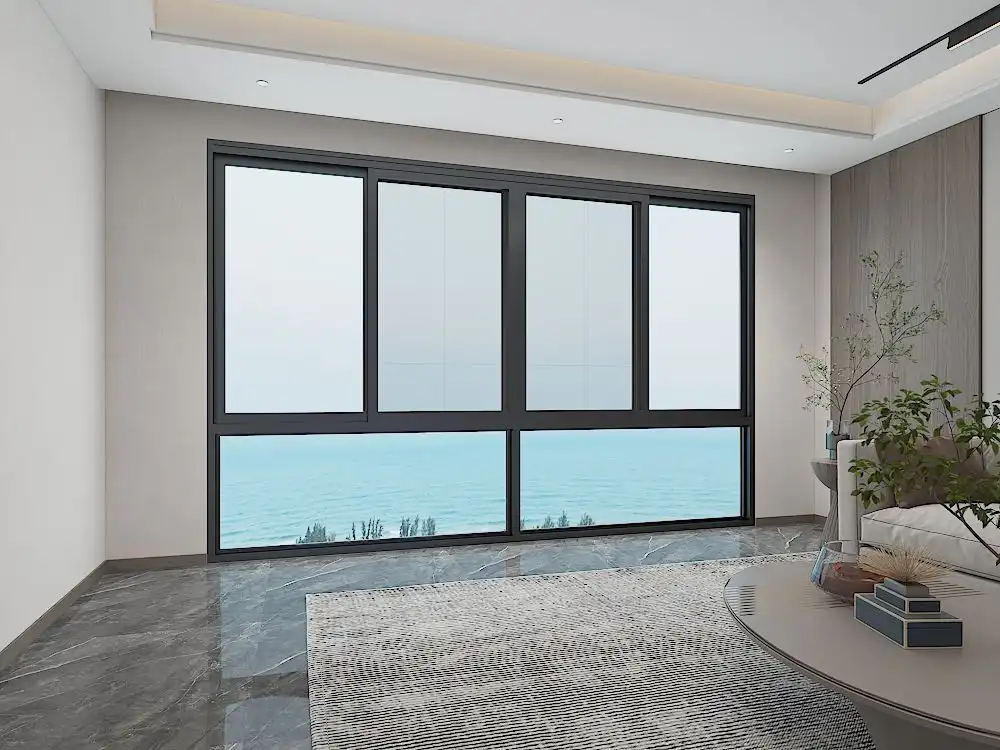
Temperate temperature zones, which are found in USDA hardiness zones 6 through 9, are good places for double-pane aluminum two track sliding windows. The temperatures in these areas are reasonable, so basic protection works well without making too much of an effort to heat or cool. Cost-effectiveness and normal performance are more important to these projects than high-end thermal traits.
Triple-pane glazing is very helpful for cold climate applications in zones 3 through 5, which have long heating seasons and big changes in temperature. During the winter, the improved thermal barrier cuts down on heat loss, which directly lowers the costs of heating with natural gas or electricity, which are major operating costs in these areas. More and more, building rules in northern states require levels of thermal performance that can only be met by triple-pane construction or similar advanced glass technologies.
Building Type and Occupancy Considerations
Natural daylighting and keeping costs low are important for office buildings and business retail areas that are used during the day. The thin frame design of aluminum sliding systems makes the most of the window area. This supports daylighting strategies that lower electric lighting loads while making people healthier and more productive. In these situations, double-pane windows usually work fine because the HVAC systems are mostly used during business hours and gain heat from people and equipment inside.
Superior soundproofing and temperature control are needed in healthcare facilities, schools, and high-end residential developments. The better performance of triple-pane glass meets the needs of patient recovery rooms, classrooms where speech needs to be clear, and homes where people expect minimal noise from outside to be heard. These types of buildings can afford high-quality glazing because they need it for practical reasons and to place themselves in the market, not because it saves money on energy costs.
Project Scale and Supply Chain Logistics
Large developments with hundreds of window units benefit the most from logistics and installation workflows that work well. Developers can get the best freight rates and storage space by shipping parts that have been taken apart. Assembly capabilities on-site, along with detailed installation videos and technical documentation, help local workers complete installations quickly while still meeting quality standards.
Distributors that serve regional markets find that keeping knocked-down parts in stock gives them more inventory options for a range of product configurations. Customising sizes, colours, and hardware specs from stock of base components cuts down on lead times and makes it easier to respond to customer needs. This approach to the supply chain works especially well for markets where project timelines change and specifications need to be updated often, like in renovation and retrofit projects.
Installation Excellence and Maintenance Best Practices
Installation Quality as Performance Foundation
Aligning and anchoring the frame correctly sets the stage for long-term performance, no matter what kind of glazing is used. To make sure that weathertight systems work as planned, installation teams must follow the manufacturer's instructions for anchor spacing, shimming, and sealant application. If you don't follow the instructions for installation, the thermal performance, water resistance, and smooth operation will be affected.
It is important to make sure that the sealant materials are compatible with the aluminum substrates so that the glass units and frame assemblies stay sealed. For quality setups, certain sealants are used that stay flexible at high and low temperatures and stick forever to both metal and glass surfaces. If you choose or apply sealant incorrectly, it can let air and moisture in, which lowers its insulating properties and could lead to visible condensation between glass panes.
Professional installation teams value full technical support that includes detailed drawings, step-by-step instructions for assembly, and advice on how to fix problems. When suppliers send products along with these resources, installation mistakes and the costs of calling back to fix them are less likely to happen, which helps the project make more money.
Operational Maintenance and Performance Preservation
Regular maintenance plans focus on keeping the track clean and making sure the rollers work properly. Aluminum tracks should be inspected and cleaned every three months to get rid of dust, dirt, and other environmental pollutants that make them harder to slide and speed up roller wear. This easy maintenance task keeps the smooth operation that is typical of sliding window systems that work well.
Roller assemblies work better when they are oiled once a year with dry silicone-based items that lower friction without letting dirt build up. Stay away from lubricants made from gasoline, as they leave behind sticky remains that make operation less smooth. When you check the condition of the rollers during maintenance intervals, you can find early signs of wear patterns that point to alignment problems or too much load that may need to be fixed or the part replaced.
Periodically check weather sealing parts like exterior seals and pile weatherstripping for compression set, tearing or coming loose from frame channels. These parts are the main defences against air and water getting in, so keeping them in good shape is very important for long-term performance. Quality replacement parts that are made to the same specs as the originals make sure that the seals fit and work properly during repair or replacement.
Conclusion
When choosing between double-pane and triple-pane glass for aluminum two track sliding windows, you need to carefully think about the needs of the project, your budget, and how well you want the windows to work. For moderate climates and standard performance applications, double-pane systems are a cost-effective choice. Triple-pane configurations, on the other hand, meet strict thermal, acoustic, and energy efficiency standards, which makes their higher price tag worthwhile.
To get the most value for money, procurement professionals look at initial pricing along with lifecycle costs, climate conditions, and building occupancy patterns. Access to technical documentation, help with installation, and the ability to make changes all play a role in choosing a supplier, which ensures the success of the project from the specifications to the operational performance.
FAQ
Which glazing option provides better energy efficiency for commercial projects?
The thermal efficiency of triple-pane glass is better than that of double-pane glass, with U-values that are about 40% lower. This means that less energy is used by the HVAC system. The amount of money saved relies on the temperature zone, the direction of the building, and how it is used. This is why project-specific energy modelling is helpful for figuring out ROI.
Can aluminum two track sliding windows accommodate custom sizing for non-standard openings?
It is possible for manufacturers that offer full customisation to make units that meet specific size needs, architectural details, and hardware preferences. Custom sizing lets you work with remodelling projects, unique architectural designs, and local building codes, all while keeping the structural integrity and consistent look of all building faces.
What delivery timeframes should procurement teams anticipate for large orders?
Lead times are usually between 25 and 30 days, from the time an order is confirmed until the product is shipped. Production schedules may be pushed back if customers want complex customisations, unique finishes, or hardware that isn't standard. Suppliers with enough raw materials on hand and efficient production processes keep delays to a minimum, which helps business building projects meet their tight deadlines.
How does knocked-down shipping impact installation complexity?
Shipping parts that aren't put together cuts down on freight costs by a lot, but they need to be able to be put together on-site. When suppliers offer detailed installation videos, step-by-step instructions, and technical parameter sheets, local installation teams can put things together quickly and easily. This method works especially well for international projects where the cost of shipping has a big effect on the overall cost of the project.
Partner With Haolv Building Materials for Your Next Project
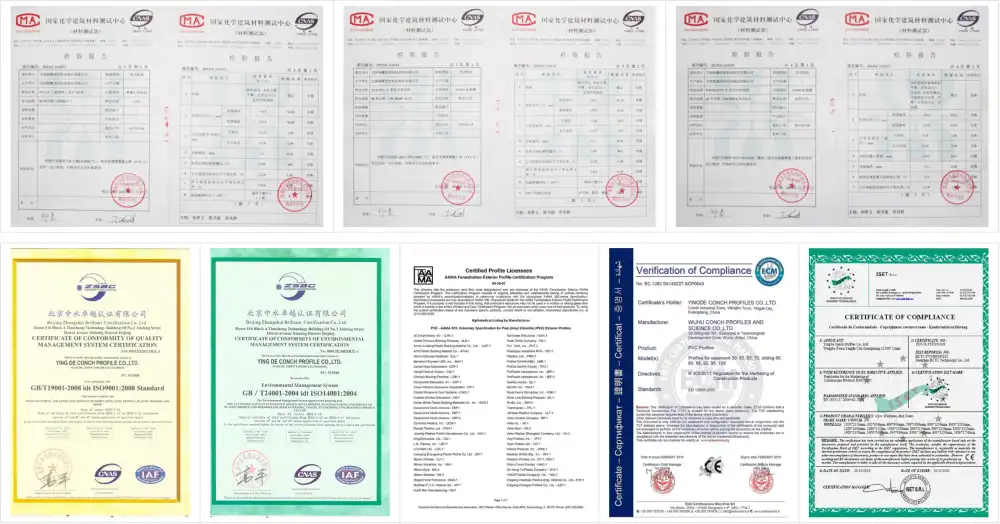
Aluminum window and door systems are what Haolv Building Materials has been making for 18 years. They serve contractors, developers, and distributors all over North America. Our state-of-the-art factories use precise CNC cutting, automated assembly lines, and strict ISO-certified quality standards to make sure that every aluminum two track sliding window manufacturer meets international standards for performance.
We offer full technical support for all of our 70, 80, and 90 series products, including customisable specs, detailed installation instructions with video clips, and full technical parameter sheets to help you make smart specification choices. Our knocked-down assembly choices make the best use of shipping containers, which cuts down on logistics costs, and our 25- to 30-day production cycles work with tight project plans. Email our engineering team at kristin@haolvwindows.com to talk about your specific project needs, get certified test reports, or get detailed quotes for aluminum two track sliding window supplier partnerships that provide measurable value for the life of your building.
References
1. Anderson, J.M. (2021). Fenestration Systems in Commercial Construction: Performance Metrics and Specification Guidelines. Building Science Press.
2. International Energy Agency (2022). Energy Efficient Building Envelopes: Technical Review of Glazing Systems. IEA Publications.
3. National Fenestration Rating Council (2023). Certified Products Directory: Thermal and Optical Performance Data. NFRC Technical Bulletin Series.
4. Patterson, R.L. & Chen, W. (2020). Aluminum Extrusion Technology for Architectural Applications. Materials Engineering Journal, 45(3), 178-195.
5. Straube, J.F. & Burnett, E. (2022). Building Science for Building Enclosures: Window System Integration and Performance. Building Science Corporation.
6. Wilson, A.G. (2021). Acoustic Performance of Glazing Systems: Testing Protocols and Field Applications. Journal of Architectural Acoustics, 38(2), 88-104.
Fast simple channel to send demands lock favorable price for building window door bulk purchases.