- English
- French
- German
- Portuguese
- Spanish
- Russian
- Japanese
- Korean
- Arabic
- Greek
- German
- Turkish
- Italian
- Danish
- Romanian
- Indonesian
- Czech
- Afrikaans
- Swedish
- Polish
- Basque
- Catalan
- Esperanto
- Hindi
- Lao
- Albanian
- Amharic
- Armenian
- Azerbaijani
- Belarusian
- Bengali
- Bosnian
- Bulgarian
- Cebuano
- Chichewa
- Corsican
- Croatian
- Dutch
- Estonian
- Filipino
- Finnish
- Frisian
- Galician
- Georgian
- Gujarati
- Haitian
- Hausa
- Hawaiian
- Hebrew
- Hmong
- Hungarian
- Icelandic
- Igbo
- Javanese
- Kannada
- Kazakh
- Khmer
- Kurdish
- Kyrgyz
- Latin
- Latvian
- Lithuanian
- Luxembou..
- Macedonian
- Malagasy
- Malay
- Malayalam
- Maltese
- Maori
- Marathi
- Mongolian
- Burmese
- Nepali
- Norwegian
- Pashto
- Persian
- Punjabi
- Serbian
- Sesotho
- Sinhala
- Slovak
- Slovenian
- Somali
- Samoan
- Scots Gaelic
- Shona
- Sindhi
- Sundanese
- Swahili
- Tajik
- Tamil
- Telugu
- Thai
- Ukrainian
- Urdu
- Uzbek
- Vietnamese
- Welsh
- Xhosa
- Yiddish
- Yoruba
- Zulu
UPVC Door Style Guide: What One Should I Choose
Choosing the right door system for a business or private building project in the United States affects everything from how well the building uses energy to how quickly it is installed and how happy the people who live or work there are. It has become clear that UPVC Swing Doors are the best choice for general builders, real estate developers, and curtain wall system designers who want to find a balance between performance, cost-effectiveness, and long-term durability.
This engineered hinged door system, which is made from Unplasticized Polyvinyl Chloride, solves important problems like thermal loss, high maintenance costs, and failures caused by weather that happen with traditional materials. Knowing the technical benefits and best ways to buy these door systems can greatly lower project risk and improve the performance of the building envelope, whether you're selecting them for multi-family housing, business retrofits or mixed-use developments.
Understanding UPVC Swing Doors: Features and Benefits
These hinged door systems have a standard swing mechanism and come in both single and double versions. They can move inward or outward. The core is made up of a multi-chambered UPVC profile, usually from Series 70 to 80 systems, and galvanised steel cores that are 1.5 mm to 2 mm thick reinforce it from the inside. This hybrid construction gives heavy glazing loads the torsional rigidity they need while keeping the thermal and acoustic benefits of polymer-based materials.
Key Technical Advantages
The tech that went into these systems solves a number of problems that B2B buyers have. U-values can get as low as 1.0 to 1.4 W/m²K, based on the profile depth and glazing standard. This makes the thermal performance stand out. This amount of insulation directly leads to lower HVAC loads and compliance with North American energy rules that are getting stricter all the time. The multi-point locking system, which has mushroom-head bolts that engage at five to seven places around the frame's edge, meets or beats RC2 security standards, which is important for developers working in cities or business spaces with a lot of foot traffic.
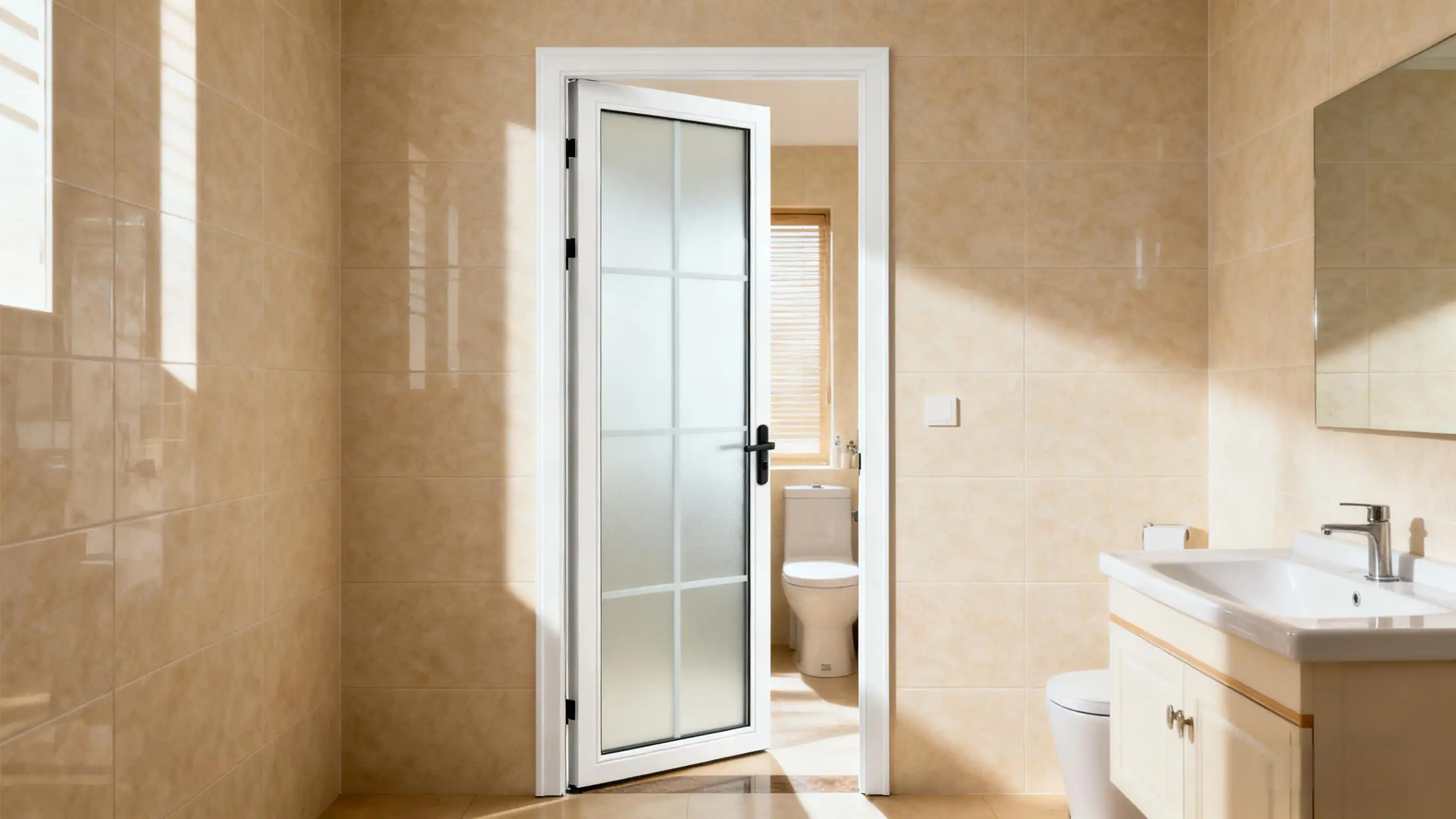
Precision-engineered EPDM rubber covers that stay flexible in all temperatures make the weather protection possible. Instead of traditional compression seals that can harden or crack, these gaskets make continuous contact zones that stop air and water from getting in. When installed correctly, they achieve the air tightness ratings needed for Passive House or LEED certification. These systems can reduce noise by 30 to 40 decibels, which means they can be used in hospitality projects, medical facilities, or residential buildings next to busy roads.
Design Flexibility and Customization
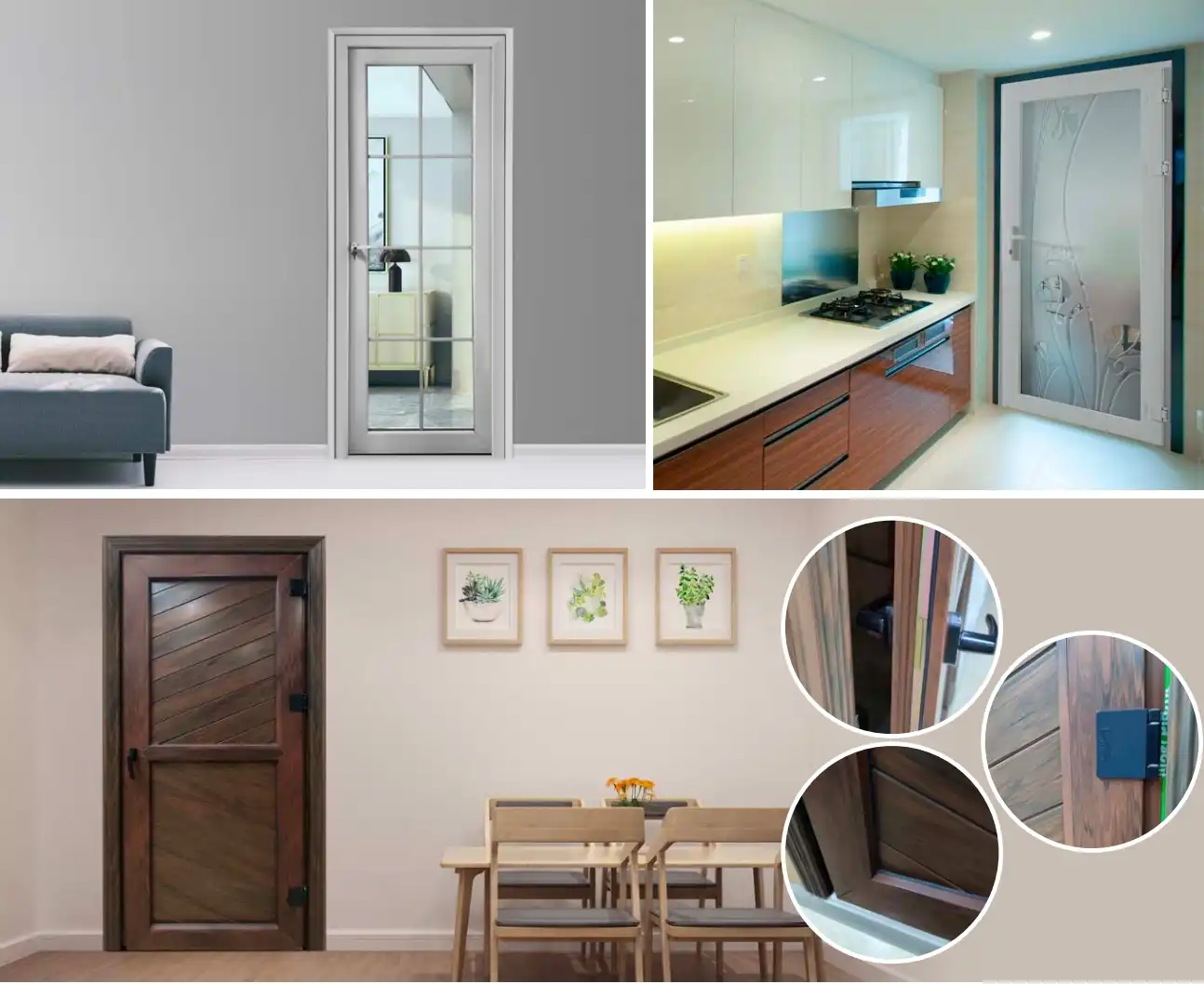
Procurement teams value the adaptability built into these tools. For the most privacy and insulation, door panels can be made of solid UPVC. They can also be fitted with tempered, laminated, or double-glazed units to let in light while keeping the temperature down. Surface finishes go beyond standard white and include wood-grain patterns and custom RAL colours. This lets buildings match up without affecting performance. Different building codes and use cases can be met with different threshold options, such as low-profile for accessibility reasons or standard for better weather protection.
Because these systems are modular, they can be used with both standard and non-standard openings. Manufacturers who can make doors from architectural plans can handle custom sizes, odd shapes, and details for integrating with certain wall assembly details. When working on retrofit projects where existing rough openings don't match stock dimensions, this ability to be customised comes in very handy.
Comparing UPVC Swing Doors with Alternative Door Types
When specifying materials for business doors, you have to weigh a lot of performance factors against budget limits and costs over the life of the door. When you know where UPVC Swing Doors work best and where other options might be better, you can make smart choices about what to buy.
Material Performance Analysis
Traditional wooden doors look nice and keep your home warm, but they need regular upkeep to avoid rot, warping, and bug damage, especially in wet areas or near the coast. Wood systems usually need to be refinished every three to five years as part of their care cycle. This means that the building will have ongoing labour and material costs that add up over time. UPVC Swing Doors, on the other hand, keep their shape without protective coatings, and because the material is resistant to water and biological attack, these maintenance periods are not needed.
Aluminium door systems have thin sightlines and a high strength-to-weight ratio, which makes them good for areas with a lot of wind or large areas. But aluminum's natural ability to conduct heat makes it hard to use in energy-efficient projects unless thermal breaks are specified, which are more expensive and harder to make. The multi-chambered UPVC profile naturally blocks heat without any extra parts, which makes design easier and improves basic performance.
While steel doors are the safest and most durable option, they are also the heaviest, which changes the requirements for framing and hinges. Because the material is easily corroded in coastal or industrial settings, it needs protective finishes that raise the cost of purchase and maintenance. Because UPVC is chemically neutral, it can't be damaged by salt spray, industrial pollutants, or corrosion caused by wetness. It can keep looking good and working well in harsh conditions.
Operational Considerations
Sliding door systems save space inside for swinging, but they are more complicated because the track mechanisms can get clogged and need to be adjusted every so often. In moving situations, the fine fit of weather seals also tends to break down faster than that of hinged compression seals, which could affect their thermal performance over time. With simpler hardware that can handle wider operational tolerances, swing door systems keep the seal compression constant.
Composite door systems try to combine the best of different materials, but they often cause problems where the materials meet, and they can make recycling more difficult when they're no longer useful. UPVC Swing Doors offer 100% recyclability through established collection networks, supporting sustainability goals and circular economy concepts that increasingly influence buying choices.
Procurement Guide: How to Buy UPVC Swing Doors for Your Business
To properly specify these systems, you need to think about more than just the unit price. Total cost of ownership, supplier capability, and project-specific needs all affect the procurement strategy in ways that have a direct effect on the results of the project.
Evaluating Supplier Capabilities
When buying things for a project, the ability to make them matters. Check to see if the potential suppliers have integrated production facilities that handle the extrusion of materials, the fabrication of profiles, the assembly of hardware, and quality control. This kind of vertical integration usually means consistent quality and reliable delivery, which are very important when working with construction schedules.
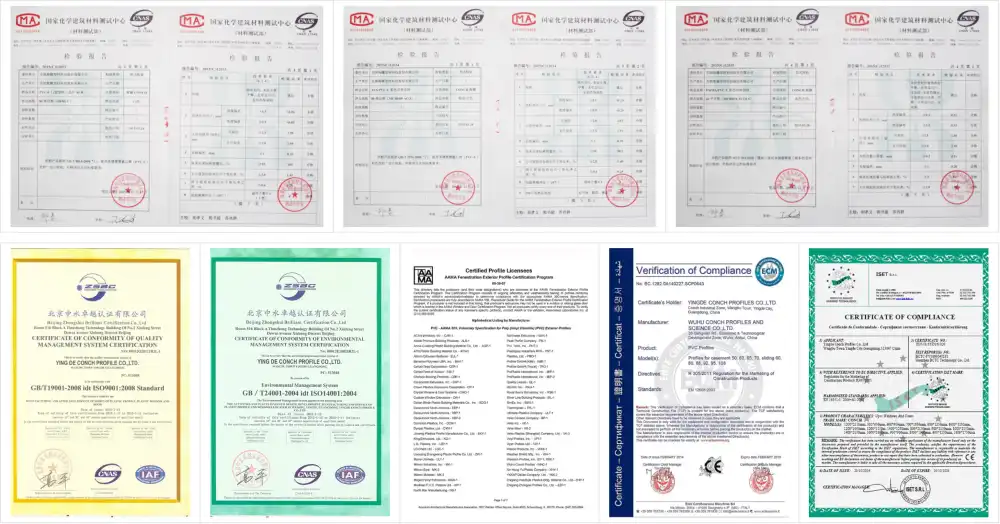
Export knowledge and a list of certifications show how sophisticated a seller is. Look for companies that have both ISO quality management standards and market-specific approvals, like CE marking or NFRC scores for the US market. These certifications show that quality systems and testing procedures for products have been created, which lowers the risk of buying something.
Ask for records of projects that were similar, preferably ones that happened in similar climates or with similar building types. Case studies that show how big orders with specific requirements were successfully delivered give buyers faith in the supplier's ability to carry out orders. During the whole process of buying and installing, technical support tools like engineering staff who can look over building drawings and suggest the right specs are very helpful.
Strategic Procurement Considerations
When buying doors for businesses, the way prices are set up often depends on how much is being bought and how it needs to be customised. Most of the time, standard designs are more cost-effective per unit than unique sizes, finishes, or hardware specs. To get the most out of your budget, you should weigh the needs of the project against the standard options that are available.
Delivery methods have a big effect on landed costs, especially when buying from other countries. If a supplier knows how to ship knocked-down parts that need to be put together on-site, they can cut freight costs by 30% or more compared to pre-assembled units and keep the packaging from getting damaged during transit. This method needs to be coordinated with installation workers, but it saves a lot of money on big jobs.
Professional suppliers are different from commodity vendors in terms of warranty terms and after-sales support. Comprehensive warranties that cover material defects, hardware performance, and the integrity of the finish lower the risk. It's also important that providers give replacement parts and expert assistance throughout the lifecycle of a product. This meets the long-term needs of facility management.
Documentation and Support Resources
Professional suppliers offer technical data packages that include performance test reports, installation guides, and product specifications that are in line with the CSI MasterFormat divisions. These tools make it easier to write specifications, get submittals ready, and work with contractors. Access to installation videos and assembly guides cuts down on mistakes in the field and speeds up the building process. This is especially helpful when working with crews that aren't familiar with UPVC Swing Doors.
Options for hardware, glazing, and finishes are all part of the customisation process. Suppliers who offer advice services can suggest designs that are best for certain performance needs, such as reducing noise for hospitality projects or improving thermal performance for homes in cold climates.
Maintenance and Performance Optimization for UPVC Swing Doors
The long-term performance of any building part depends on how well it is maintained. Compared to other materials, these UPVC Swing Doors don't need much maintenance. However, regular attention to certain parts increases their service life and keeps them performing at the same level.
Routine Maintenance Protocols
UPVC profiles don't stain or change colour, but they should be cleaned every so often to get rid of surface dirt that can build up in industrial or high-traffic areas. Most dirt can be removed with warm water and light soap without hurting the material or finish. Do not use rough cleaners or solvents that can damage surfaces or break down plasticisers in the material.
Hardware parts like hinges, locking mechanisms, and operating hardware need to be oiled at regular intervals that depend on how often they are used and how much they are exposed to the environment. Using the right oils on moving parts once a year keeps them running smoothly and stops them from wearing out too quickly. As part of regular building upkeep, multi-point locking systems should have their multiple engagement points checked for alignment and change.
Compression set resistance keeps weather seals working well, but regular inspections find any problems before they affect the structure of the building shell. When you look at EPDM gaskets closely, you can see that they are wearing down, getting damaged, or moving around. You can fix this by replacing them strategically before problems with infiltration happen.
Troubleshooting Common Issues
Problems with door alignment are usually caused by hinges that need to be adjusted or structures that are settling around the door. Most commercial hinge systems have three-dimensional adjustment features that let you fix problems in the field without taking the frame off. If you fix alignment problems right away, you can avoid faster hardware wear and seal compression problems.
A lot of the time, locking mechanisms break because of dirt building up in the latch mechanism or moving parts not being oiled enough. Cleaning and lubricating on a regular basis can help prevent most operational problems. Having the manufacturer's contact information and part numbers on hand can also help solve problems quickly when replacement parts are needed.
Loss of thermal performance is usually caused by a broken glazing seal, not a problem with the profile. Modern shielding glass units have dual seals and gaps filled with desiccant, but these can fail in some situations. If condensation between the glass panes is found early, the IGU can be replaced before the moisture gets into the surrounding assembly and damages it.
Performance Enhancement Options
The performance needs of buildings change over time, and these UPVC Swing Doors can be updated to keep up. Standard windows can be replaced with high-performance Low-E coatings or laminated acoustic glass to improve sound or temperature control without having to change the frame. In commercial settings, advanced locking hardware that includes electronic entry control or tracking can work with building automation systems.
Disclaimer: Actual performance characteristics depend on specific product configurations, installation quality, and operating conditions. Consult manufacturer test reports and technical specifications for project-specific performance validation.
Making the Right Choice: Tailored Recommendations for Different B2B Needs
Door specifications are based on the type of job and the needs of the building. Figuring out how the features of UPVC Swing Doors fit with the most important use cases helps choose the best system for each application.
Application-Specific Recommendations
These UPVC Swing Doors work well for multi-family home developments because they are quiet, don't need much upkeep, and can look good in a variety of ways. Sound-reducing features help keep tenants comfortable in crowded cities, and not having to repair floors as often cuts down on property management costs. Customisable finishes let units stand out without making it harder to keep track of spare parts.
When commercial offices are retrofitted, they often have to deal with problems like existing conditions and tenants being upset. Being able to get doors as knock-down kits that need to be put together on-site saves money on crane costs because they can be delivered through normal openings and lifts. Quick installation times keep tenants from being affected, and improvements to thermal performance help lower energy use across the whole building, which supports green building recertification.
For light industry and warehouse uses, materials need to be able to withstand high-cycle use and the odd hit. The reinforced steel core construction can handle operational stresses, and the chemical resistance of the material makes it suitable for places that work with lubricants, cleaning agents, and other industrial materials. The best way to separate conditioned and unconditioned spaces for privacy and climate control is with solid panel configurations.
In order for hospitality projects to be successful, the soundproofing between guest rooms and hallways must be matched to the overall style of the building. The ability to cut down on noise by 30 to 40 dB makes guests more comfortable, and the wood-grain finishes and custom colours match the design purpose without having to pay extra for custom construction. Electronic entry control systems are common in modern hotels, and there are hardware choices that can work with them.
Scalability for Large Projects
When you buy things on a project-scale, you have to think about things like production capacity, delivery planning, and installation logistics. If a manufacturer has enough production capacity, they can keep delivery schedules stable even when construction takes longer than planned. This keeps project schedules from getting pushed back. With phased delivery, materials can be sent out at the right time for building, so there is less need for storage on-site and less chance of damage.
Throughout the lifecycle of a building, modular design makes it easier to keep track of inventory and get replacement parts. Standardising UPVC Swing Doors across multiple projects saves money on purchases and makes running the building easier by allowing for a shared inventory of hardware and parts.
Conclusion
When choosing door systems for both commercial and residential projects, you have to think about how they will work in the long term, how much they cost, and how well they meet performance requirements. When compared to traditional options, these designed UPVC Swing Doors offer measurable benefits in controlling temperature, sound, security, and lowering upkeep costs.
Because the material is naturally resistant to water, corrosion, and biological attack, it can be used in harsh settings like seaside areas and industrial parks. Customisation lets you meet the specific needs of a project without having to wait for and pay for fully custom fabrication. If B2B buyers care about lifecycle value, specification flexibility, and supplier reliability, these systems will help them meet their goals across a wide range of project types and building applications.
FAQ
How do these UPVC Swing Doors help make a building more energy efficient?
The multi-chambered profile design makes thermal barriers that stop heat from moving through the door assembly. When paired with the right glazing specs, these systems achieve U-values that meet or go beyond the current energy code requirements in most temperature zones in North America. This performance lowers the loads on the HVAC system and helps with modelling the energy use of the whole building for LEED or other certification programs.
What affects the cost of business installation?
The main things that affect the cost are the labour rates, the ease of entry to the spot, and the preparation of the existing opening. Door systems that come as knocked-down parts that need to be put together in the field may cost less in materials but more in labour. On the other hand, pre-assembled parts make installation faster but cost more to ship. Custom sizes or shapes that need frame fabrication raise the cost of both the materials and the installation.
Are there options that are good for the environment?
Calcium-zinc stabilisers have replaced lead-based chemicals in modern UPVC production, which is better for the climate. The fact that the material can be recycled over and over again through established pickup networks supports the ideas of the circular economy. Some companies keep third-party environmental certifications or put out Environmental Product Declarations that list the effects over the product's whole life, which helps meet the requirements for sustainable building certification.
Partner with Haolv Building Materials for Your UPVC Swing Door Requirements
Haolv Building Materials has been specialised in making door systems for over 18 years and works with general builders, developers, and system integrators all over North America. Our fully integrated production facility oversees each step, from the extrusion of UPVC to the final assembly. This makes sure that the quality is the same for both standard and custom orders. We keep a large inventory to support shipping times of 25 to 30 days, and our expert team is available to help you with specifications, drawings, and engineering throughout the entire lifecycle of your project.
Our full service package includes the ability to customise to fit non-standard sizes and shapes, the ability to ship parts "knocked down," which saves money on shipping, and full documentation packages that include performance test reports, installation videos, and assembly instructions. As a maker of UPVC Swing Doors that is ISO and CE certified, we are a trusted supply chain partner for big projects that need to make sure quality and on-time delivery.
Contact our team at kristin@haolvwindows.com or visit haolvbuilding.com to discuss your specific requirements, request technical specifications, or arrange sample evaluation. We welcome the opportunity to demonstrate how our door systems and support capabilities can contribute to your project success.
References
1. American Architectural Manufacturers Association (AAMA). Fenestration Product Performance Standards and Testing Protocols. Schaumburg: AAMA Publications, 2021.
2. BuildingGreen, Inc. Material Selection for High-Performance Building Envelopes: A Comparative Analysis. Brattleboro: BuildingGreen Research, 2020.
3. National Fenestration Rating Council. Technical Guidelines for Door System Energy Performance Rating and Certification. Silver Spring: NFRC Technical Committee, 2022.
4. Straube, John and Burnett, Eric. Building Science for Building Enclosures. Westford: Building Science Press, 2019.
5. United States Department of Energy. Commercial Building Energy Performance and Door System Specifications. Washington: Office of Energy Efficiency & Renewable Energy, 2021.
6. Whole Building Design Guide. Door Selection Criteria for Commercial and Institutional Buildings. National Institute of Building Sciences, 2023.
Fast simple channel to send demands lock favorable price for building window door bulk purchases.