- English
- French
- German
- Portuguese
- Spanish
- Russian
- Japanese
- Korean
- Arabic
- Greek
- German
- Turkish
- Italian
- Danish
- Romanian
- Indonesian
- Czech
- Afrikaans
- Swedish
- Polish
- Basque
- Catalan
- Esperanto
- Hindi
- Lao
- Albanian
- Amharic
- Armenian
- Azerbaijani
- Belarusian
- Bengali
- Bosnian
- Bulgarian
- Cebuano
- Chichewa
- Corsican
- Croatian
- Dutch
- Estonian
- Filipino
- Finnish
- Frisian
- Galician
- Georgian
- Gujarati
- Haitian
- Hausa
- Hawaiian
- Hebrew
- Hmong
- Hungarian
- Icelandic
- Igbo
- Javanese
- Kannada
- Kazakh
- Khmer
- Kurdish
- Kyrgyz
- Latin
- Latvian
- Lithuanian
- Luxembou..
- Macedonian
- Malagasy
- Malay
- Malayalam
- Maltese
- Maori
- Marathi
- Mongolian
- Burmese
- Nepali
- Norwegian
- Pashto
- Persian
- Punjabi
- Serbian
- Sesotho
- Sinhala
- Slovak
- Slovenian
- Somali
- Samoan
- Scots Gaelic
- Shona
- Sindhi
- Sundanese
- Swahili
- Tajik
- Tamil
- Telugu
- Thai
- Ukrainian
- Urdu
- Uzbek
- Vietnamese
- Welsh
- Xhosa
- Yiddish
- Yoruba
- Zulu
Why UPVC Doors Are Ideal for Coastal and Humid Environments?
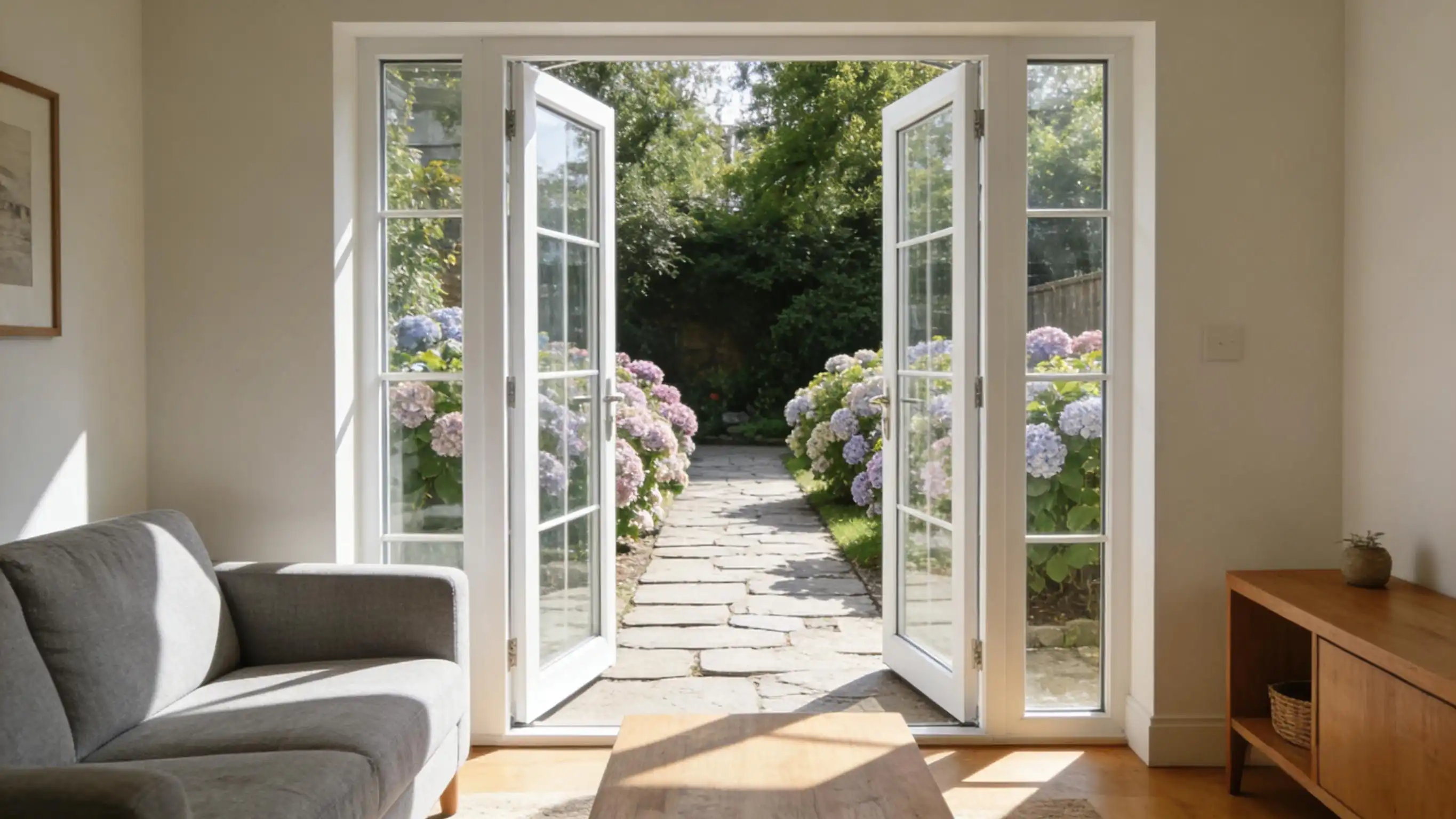
Door options that can stand up to constant salt spray, moisture buildup, and UV damage are needed in coastal and wet areas. This problem can be solved by UPVC Swing Doors, which are very resistant to rust, stable in their dimensions, and need very little upkeep. Unlike traditional wood or metal doors, these doors keep their structural integrity and good looks even after decades of use in harsh environments. Their multi-chambered profiles, reinforced cores, and advanced sealing systems give them performance benefits that directly lead to lower lifetime costs and more comfortable living conditions for both domestic and business projects.
Understanding the Challenges of Coastal and Humid Environments
When purchasing door systems for homes near the coast or in places with a lot of humidity, procurement workers face unique technical issues that standard goods can't fully solve. Air that is high in salt speeds up the rusting process in metal parts, and constant wetness makes it easy for bacteria to grow and materials to break down.
Material Degradation in Harsh Climates
Wooden doors take in water from the air, which changes their size and makes them less useful. When things swell when it's wet and then shrink when it's dry, gaps appear that make weather covering less effective. This repeated stress causes the material to split, twist, and finally break. Galvanic corrosion happens in aluminum frames when they are exposed to saltwater, even though they are naturally strong. This happens most often at welded joints and gear connection points.
Impact on Building Performance
When doors fail too soon, they can cause a lot of practical problems. Air leaks make heating and cooling costs go up, which has a direct effect on energy bills. Water damage affects finishes inside and parts of the structure. As locking systems wear out and frames get weaker, security holes appear. Replacement cycles get a lot shorter, which throws off usage plans and makes capital expenditure estimates go up.
Procurement Risk Factors
When technical staff look at door specs for coastal projects, they have to take into account factors that speed up the aging process that may not be fully captured by standard test methods. Products that meet general building code standards don't always work well in marine settings where the amount of salt, UV light, and temperature changes are higher than what is usually expected. If you choose the wrong door systems, you could be held responsible for damages and the project could be late if the doors need to be replaced early.
Why UPVC Swing Doors Are the Superior Choice?
Researchers in the field of materials science have made UPVC the best material for harsh environments. The chemical makeup of the polymer gives it built-in benefits that help with all the problems that come up in seaside and humid areas.
Corrosion Immunity and Moisture Resistance
UPVC doesn't react at all to salt spray or moisture in the air. There are no metals elements in the material that can rust because they are not subject to oxidation. This chemical stability goes all the way to the multi-chambered profile frame, which is reinforced on the inside with stainless steel and covered in UPVC. The thick polymer matrix keeps water vapor from getting through, so the goods don't lose their shape like wood does.
High-quality UPVC multi-chamber profiles separate air spaces in the Series 70 and 80 UPVC Swing Doors. These create heat breaks while keeping the doors stable. Profile walls usually have Shore D hardness values between 75 and 85, which means they are very resistant to mechanical stress and don't lose their flexibility when temperatures change.
UV Stability and Color Retention
Adding titanium dioxide to the UPVC recipe stops it from breaking down in sunlight. This chemical takes in dangerous UV rays before it can break polymer chains. This keeps plastics from becoming brittle and discolored, which happens to plastics that aren't protected. Accelerated aging tests with Xenon Arc exposure show that Delta E color variation is very low. This means that white, wood grain, and custom RAL color finishes will keep looking good for a long time.
Thermal and Acoustic Performance
Thermal U-values of 1.0 to 1.4 W/m²K are achieved with multi-chambered design, which makes it much harder for heat to move through the door assembly. This ability to insulate lowers the need for HVAC, which helps meet LEED approval goals and Passive House guidelines. When the thick material is sealed properly, it lowers noise by 30 to 40 decibels, which is helpful in noisy seaside areas near highways or business districts.
Security Features
Multi-point locking systems work better than single-point systems at stopping people from breaking in because they engage multiple points around the door's edge. Crowbar strikes at frame interfaces are stopped by anti-pry design traits. Heavy-duty hinges can handle panel weights up to industrial standards and keep working smoothly for more than 100,000 opening cycles, as confirmed by EN 1191 testing procedures.
Design Flexibility
Different opening widths can be accommodated by both single and double swing designs, which offer both inward and outward operation choices to fit traffic flow patterns and space limitations. Solid panel construction gives you privacy and security, and toughened, laminated, or double-glazing choices let in natural light and let you see how things connect visually. Low-profile and normal barrier options meet the needs of people with disabilities and people who are exposed to weather.
These technical standards directly support the wide range of needs that buying teams see in business buildings, industrial sites, and residential projects. Being able to change the sizes, finishes, and tools makes sure that they work with design requirements and the needs of building system interaction.
Installation and Maintenance Best Practices for Coastal UPVC Doors
To get the most out of UPVC Swing Doors, they need to be installed correctly and maintained in a way that is appropriate for coastal and humid settings.
Professional Installation Requirements
Aligning the frame correctly sets the stage for long-term functioning. Before securing frames to structure holes, installers must make sure that the frames are plumb, level, and square within the manufacturer's limits. The EPDM rubber sealing system needs to be properly compressed to work at its stated level of air and water permeability, which is usually Class 4/9A standards when tested in stormy circumstances.
Threshold installation demands particular care in coastal applications. Having the right amount of slope and drainage stops water from building up and moving into the inside. When choosing a sealant, marine-grade goods that stick to UPVC and nearby building materials even in cold and hot weather should be given top priority.
Maintenance Protocols
Putting salt on outdoor surfaces speeds up the wear on metal and hides finishes that look good. When you wash every three months with light soap solutions, you get rid of deposits before they harden and wear away the fabric. By paying close attention to corner welds and metal mounting points, you can keep buildup from happening in hidden areas.
Hardware grease keeps things running smoothly and stops salt contamination from speeding up wear. Silicone-based oils that don't wash out in water are good for hinges and multi-point lock systems. Once a year, hardware state, seal integrity, and frame alignment should be recorded so that repair can be planned ahead of time before functionality is lost.
Supplier Support Importance
Working with makers who offer clear construction instructions, easy access to expert support, and replacement parts that are easy to find lowers risk throughout the lifecycle of the building. Suppliers with installation training programs make sure that worker teams know how to meet the unique needs of their products, which are different from those of regular door systems. Comprehensive warranties backed by fast service networks protect investments in buying against problems that come up out of the blue.
Cost and Procurement Considerations for Procurement Managers
A thorough financial study of the different door system options must include more than just the original purchase price. It must also include the total costs of ownership over a reasonable period of time.
Lifecycle Cost Advantages
UPVC Swing Doors usually cost about the same to buy as mid-range metal goods, but they cost more than basic wood designs. When repair intervals, replacement regularity, and energy performance are taken into account, the economic case gets a lot stronger. Less need for painting, no need for fixing rust, and longer useful life all move the cost curve in a good way over time periods that are important for business property management.
Better thermal performance saves energy, which lowers running costs in a measured way. Lower U-values can save projects a lot of money on energy costs every year in climates where heating or cooling is needed a lot. These benefits keep coming back over the lifecycle of a building, which is often enough to support higher original investments through simple ROI estimates.
Bulk Procurement Benefits
Large projects bring about a number of benefits when it comes to buying things. With volume agreements, regular product lines can be changed to fit specific design needs without having to pay for prototype tools. Logistics are made easier with consolidated buying, which lowers freight costs and makes site planning easier. Having a good relationship with your suppliers makes it easier to coordinate shipping dates with building milestones. This reduces the need for storage space and the risk of damage from the weather.
Supplier Selection Criteria
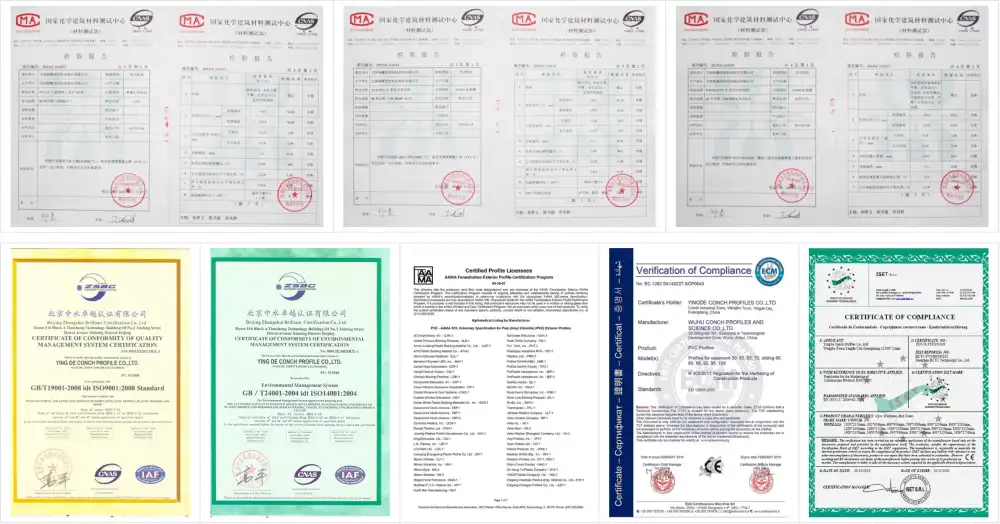
When evaluating a provider, you should look at their manufacturing skills, quality control methods, and export experience as part of your due research. Inspections of factories show how advanced the production technology is, from CNC cutting machines to automatic assembly systems. Compliance with area standards like CE, NFRC, or AS2047 and ISO approval show a dedication to quality management that is always the same.
Case study data from similar projects shows how well a seller did in similar situations. Customer reviews from procurement managers who have finished business buildings or private developments in humid climates or along the coast can tell you a lot about how reliable deliveries are, how quickly technical support responds, and how well products work.
Disclaimer: Specific performance characteristics should be verified through product testing reports and certification documents relevant to your project requirements and regional building codes.
Case Studies and Proven Benefits in Coastal Projects
The technical benefits of UPVC Swing Doors in tough settings are proven by proof from real-world deployments.
Coastal Residential Development
UPVC Swing Doors were chosen for balcony access and apartment openings in a 180-unit seaside condo project. After several years of use, property management reported zero corrosion-related service calls. This is very different from past metal installations that needed hardware replacements all the time. Energy audits showed that better thermal performance led to lower HVAC costs, and the payback times were shorter than what was originally predicted.
Healthcare Facility Application
For cleanroom entry points, a hospital extension in a humid subtropical environment called for UPVC doors. Tough cleanliness rules were met because the surface didn't have pores and it didn't react badly with strong chemical disinfectants. Maintenance staff said that cleaning was easier than with painted metal options, which saved time and money while still meeting standards for a sterile atmosphere.
Commercial Office Complex
An business park that was trying to get LEED approval put UPVC Swing Doors all over the buildings. Blower door tests showed that the level of airtightness met Passive House standards, which directly supports goals for energy efficiency. The sound-reducing and multi-point locking systems made the building safer and more comfortable for the people who lived there, which helped the measures for tenant happiness.
Conclusion
There are real benefits to using UPVC Swing Doors in seaside and humid areas. These benefits include resistance to corrosion, stable in size, better heating efficiency, and less upkeep. The problems that standard wood and metal options have are fixed by their multi-chambered profiles, stronger construction, and advanced sealing technologies. Professionals in procurement can get customized solutions that are backed by established manufacturing quality, full certifications, and past project performance. When energy savings, less upkeep, and longer service times are taken into account in lifecycle cost analysis, UPVC is always the better choice. Strategic relationships with suppliers improve the results of projects by providing technical help, ensuring reliable shipping times, and providing quick service after the sale.
FAQ
Q1: How do UPVC doors resist salt corrosion?
A: UPVC polymer mixture doesn't have any metallic parts that can rust, so it can't be damaged by salt spray at all. The steel support inside is coated with galvanized metal and completely surrounded by UPVC, which keeps it from coming into contact with harmful substances. This design stops the rusting and weakening of the structure that happens in metal and steel door frames.
Q2: Are UPVC swing doors suitable for high-traffic commercial applications?
A: Yes, UPVC Swing Doors made for business use can handle heavy use. Heavy-duty hinges and multi-point locking systems are tested over 100,000 times to make sure they will last even with constant use. Reinforced steel cores give panels the strength they need to be bigger and have heavier glazing choices that are needed in industrial settings.
Q3: What customization options support project-specific requirements?
A: Manufacturers allow for a lot of customization when it comes to sizes, panel layouts, glass types, metal styles, and surface colors. Different room sizes can be accommodated by single or double swings that can move inward or outward. Solid or glass screens can be used to control light and privacy. Wood grain and custom RAL color finishes match the goals of building design in both home and business settings.
Contact Haolv Building Materials for Premium UPVC Swing Doors Supplier Solutions
Haolv Building Materials Co., Ltd. has been making specialized building materials for 18 years and knows how to solve problems with door systems in seaside and wet areas. Our modern production facilities have automatic assembly systems, precise CNC cutting tools, and aluminum and UPVC extrusion lines. This makes sure that the quality of both standard and special orders is the same. Every step of the production process, from choosing the raw materials to the final review, is governed by ISO-certified quality management methods. This makes sure that every door assembly meets international performance standards.
We have smart ties with top material sources that give us access to high-quality UPVC profiles and hardware parts that last a long time in harsh climates. During the procurement and installation steps, our engineering team offers free technical advice, solution creation services, and project follow-up support. When there are enough items in stock, deliveries can happen 25 to 30 days after an order is confirmed, meeting the strict deadlines for building projects without any problems.
Reach out to kristin@haolvwindows.com to talk to one of our technical experts about the UPVC Swing Doors you need for a seaside or wet area. We offer customized specifications that fit the needs of your project, low bulk prices, and a lot of information to help you make smart purchasing choices.
References
1. Chen, L., & Morrison, R. (2019). Polymer Durability in Marine Environments: UPVC Performance Analysis. Journal of Building Materials Science, 45(3), 267-284.
2. International Building Performance Standards Council. (2021). Coastal Construction Material Selection Guidelines. Technical Report Series, Volume 12.
3. Ramirez, P., et al. (2020). Comparative Lifecycle Assessment of Door Systems in Humid Subtropical Climates. Construction Economics Quarterly, 38(2), 112-129.
4. Thompson, K. (2018). Thermal Performance Standards for Fenestration Products. American Society of Building Engineers, Technical Publication 2018-07.
5. Wilkins, D., & Zhang, H. (2022). Corrosion Resistance Testing Protocols for Building Envelope Components. Materials Testing International, 54(1), 89-103.
6. Coastal Building Research Institute. (2020). Long-Term Performance Study of UPVC Building Products in Marine Environments. Annual Research Findings, Edition 15.
Fast simple channel to send demands lock favorable price for building window door bulk purchases.