- English
- French
- German
- Portuguese
- Spanish
- Russian
- Japanese
- Korean
- Arabic
- Greek
- German
- Turkish
- Italian
- Danish
- Romanian
- Indonesian
- Czech
- Afrikaans
- Swedish
- Polish
- Basque
- Catalan
- Esperanto
- Hindi
- Lao
- Albanian
- Amharic
- Armenian
- Azerbaijani
- Belarusian
- Bengali
- Bosnian
- Bulgarian
- Cebuano
- Chichewa
- Corsican
- Croatian
- Dutch
- Estonian
- Filipino
- Finnish
- Frisian
- Galician
- Georgian
- Gujarati
- Haitian
- Hausa
- Hawaiian
- Hebrew
- Hmong
- Hungarian
- Icelandic
- Igbo
- Javanese
- Kannada
- Kazakh
- Khmer
- Kurdish
- Kyrgyz
- Latin
- Latvian
- Lithuanian
- Luxembou..
- Macedonian
- Malagasy
- Malay
- Malayalam
- Maltese
- Maori
- Marathi
- Mongolian
- Burmese
- Nepali
- Norwegian
- Pashto
- Persian
- Punjabi
- Serbian
- Sesotho
- Sinhala
- Slovak
- Slovenian
- Somali
- Samoan
- Scots Gaelic
- Shona
- Sindhi
- Sundanese
- Swahili
- Tajik
- Tamil
- Telugu
- Thai
- Ukrainian
- Urdu
- Uzbek
- Vietnamese
- Welsh
- Xhosa
- Yiddish
- Yoruba
- Zulu
Top Hung Windows: A Buyers Guide Benefits and Features
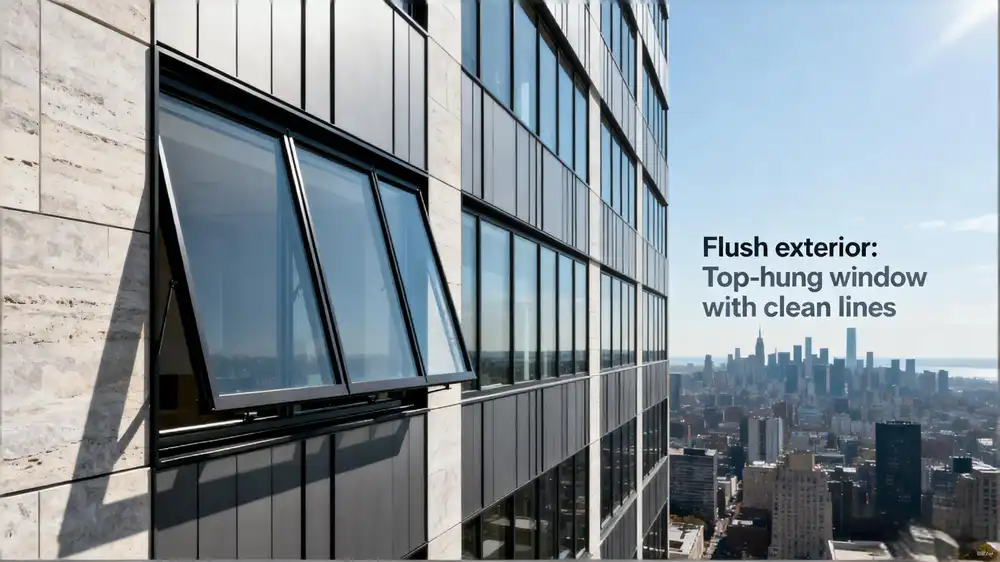
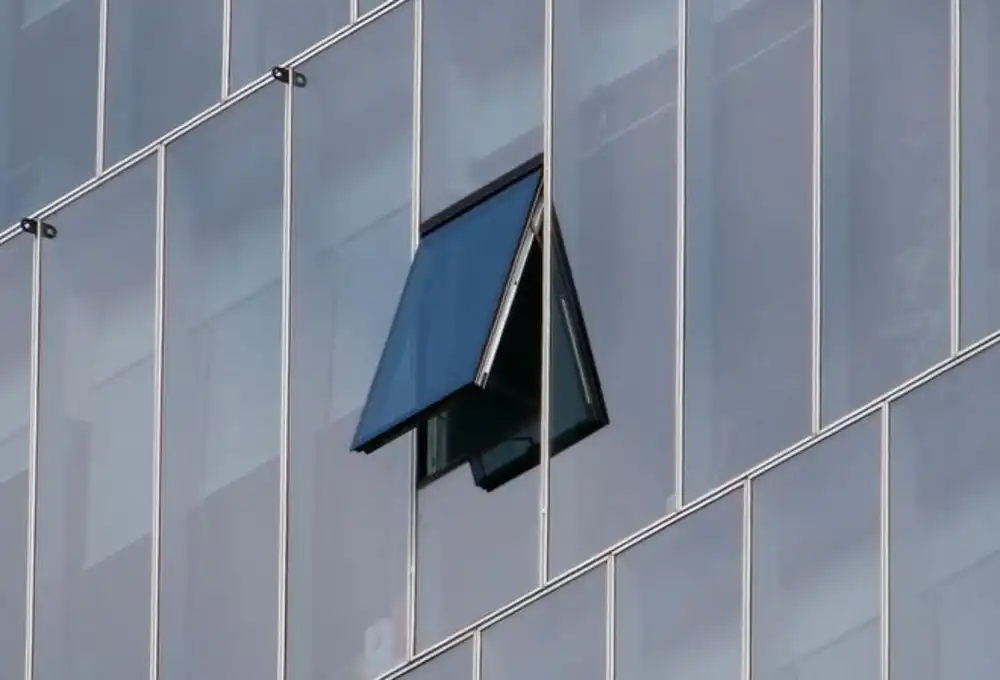
An aluminum top hung window is a high-performance fenestration system where the sash hinges at the top of the frame and opens outward from the bottom. Engineered using architectural-grade aluminum alloys, this window type addresses critical industry pain points such as the need for continuous ventilation during inclement weather, superior space optimization in narrow corridors, and enhanced safety for high-rise occupants. The outward opening mechanism creates a natural 'awning' effect, preventing rainwater ingress while maintaining airflow—balancing structural integrity with high-visibility glazing. This makes it a staple in modern envelope design across commercial, industrial, and institutional buildings.
Understanding Aluminum Top Hung Windows
An aluminum top hung window is a high-performance window design. The sash moves outward from the bottom and is hinged at the top of the frame. This type of window is made from architectural-grade aluminum alloys and solves important problems in the industry, like the need for constant air during bad weather, better space optimization in tight hallways, and higher safety standards for people living in high-rise buildings. The outward opening system makes a natural "awning" effect that keeps rainwater out and air flow going, while still allowing high-visibility glass to be used. Because of this, it is an important part of current exterior design in business, factory, and school buildings.
What Defines Top Hung Window Design?
When you open an aluminum top hung window, the screen springs at the top and swings outward from the bottom. Casement windows, which open lengthwise, and slide units, which move horizontally, are very different from this arrangement. The hole on the outside makes a secure cover that keeps the inside dry in the rain while still letting air flow, which is especially useful in places where the weather is hard to predict. The design limits the width of the openings by default, which makes them safer in accessible ground-floor installs or public buildings that need controlled airflow without putting people's safety at risk.
Core Construction Components
The frames of these windows are made of 6063-T5 aluminum alloy shapes that have walls that are between 1.4mm and 2.0mm thick. This metal has the best mix of weight, strength, and resistance to rust, which is important for long-term use in seaside or industrial settings. Frame systems usually come in 60, 70, or 80 series shapes. Deeper profiles can fit bigger glass units or better insulation needs. With the extrusion process, multi-chamber shapes are made that keep the slim sightlines that builders like in modern designs while improving thermal performance.
Another important part is the combination of hardware. Stainless steel friction stay hinges control the angle of opening and support the weight of the sash. The right size is chosen based on the size of the window and the wind load needs. These hinges have friction sets that can be changed to keep them from swinging out of control when the wind blows. The manual locking handles trigger multi-point locking systems that are spread out along the frame's edge. This makes the window much safer than older windows that only had single-point locks.
Sealing and Drainage Systems
Dual-sealing systems that use both EPDM gaskets and brush seals are needed to keep out the weather. The main way that EPDM rubber keeps water and air out is through compression seals that keep their flexibility even when the temperature changes. Brush seals add extra security at moving joints, keeping dust out and reducing air loss when the door is only partially open. This complex method meets high standards for success in business settings.
Any water that gets inside is safely directed to the outside by hidden draining lines built into the frame profile. There are weep holes in these lines that stop back-siphoning when it rains a lot or when buildings have pressure differences. When draining is done right, water doesn't build up and damage seals or cause frame rust over time.
Buying Considerations for Aluminum Top Hung Windows
Setting project-specific performance standards is the first step in making procurement choices. Ratings for wind resistance are especially important for big buildings or buildings that are open to the elements. When aluminum top hung windows are closed, their compression seal design makes them good at handling wind loads. However, opening limits during high winds should be taken into account when planning venting strategies. Different temperature zones and building codes have different needs for thermal performance. To make sure energy goals are met, the right glass units (single, double, or triple-pane) and thermal breaks within aluminum shapes must be specified.
Performance Requirements Assessment
Buildings in cities or near industrial areas need to have good acoustic shielding. When properly sealed frames are used with laminated glass choices, sound reduction rates can go over 40dB. However, the real performance will depend on the thickness of the glass, the number of air holes, and the quality of the seal. Instead of depending only on what the maker says, testing certificates from well-known agencies provide concrete proof of success.
Material Comparisons and Trade-offs
In some situations, aluminum window systems are clearly better than uPVC and wood options. Because the material is naturally strong, it's possible for frame shapes to be thinner while still providing the same level of structural support. This lets more glass area and natural light through. Surface treatments like powder coating, anodizing, PVDF finishes, or wood grain effects let you make a lot of changes to how something looks while still keeping it durable. Aluminum's physical stability keeps it from bending or expanding like wood systems do, which means less upkeep is needed over the span of the product.
But aluminum moves heat around more easily than uPVC or wood, which is why thermal break technology is so important in designs for cold regions. Good thermal breaks cost more in materials, but they are needed to meet today's energy rules. Comparative pricing should look at the total costs over the product's entire life, not just the original purchase price. This means taking into account how often it needs to be maintained and replaced.
Supplier Evaluation Criteria
To find trusted providers, you need to look at more than just unit price. The ability to meet project deadlines for big orders depends on the factory's production capacity. Consistency is usually better and wait times are faster at factories with modern extrusion lines and automatic assembly systems. When projects need non-standard sizes, colors, or gear combinations, the ability to customize is important. Suppliers with in-house technical support can help with coordinating drawings and writing specifications, which makes the buying process easier for project teams.
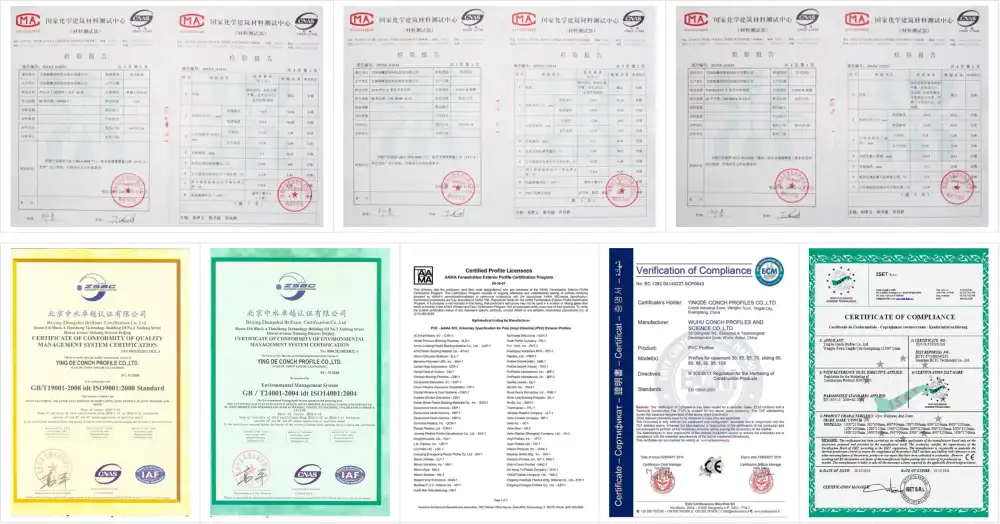
Another important measure is certification compliance. Products that meet NFRC standards for the U.S. market, CE labels for sale in Europe, or ISO quality management badges show that they meet well-known standards for performance and making. If you've exported before with similar projects or markets, you know the rules and how to handle shipping, which keeps delays from being too expensive.
Installation and Maintenance Guide
Accurate site measures and preparation of the hole are the first steps to a successful installation. The frame's measurements need to take thermal expansion joints and the right amount of space around the edges for applying sealant into account. Long-term performance is affected by the state of the substrate. Making sure that the surrounding walls are structurally sound and fixing any moisture problems before installation stops problems from happening in the future. When window providers and installation teams work together to plan transport times and site access, storage risks and project delays are kept to a minimum.
Pre-Installation Preparation
The steps for mounting are based on what the maker says about the types of fasteners, their spacing, and how to integrate flashing. To make sure the sash works right and the seals are compressed, frames must be lined up square, level, and straight within the acceptable ranges in the industry. Weather protection is finished by covering the edges with the right seals, which are usually polyurethane or silicone mixtures that work with metal and materials next to it. Before final acceptance, hardware adjustments and practical tests make sure that the door opens and closes smoothly.
Installation Protocol
Installation times for an aluminum top hung window depend on the size and complexity of the job. From the time an order is placed until it is finished, standard installations in made areas usually take 25 to 30 days. However, this timeframe may be longer if the installation needs to be customized or if it needs to be shipped internationally. Critical path delays can be avoided by building these breaks into project plans.
Maintenance Requirements
Regular care keeps a product working well and extends its life. Mild soap solutions and soft cloths are recommended for cleaning. Abrasive cleaners that hurt surface finishes should not be used. Lubricating friction hinge systems once a year with lithium-based grease or items suggested by the maker is helpful. When you check the seal, you can see if it's breaking down before water gets in. Depending on the conditions of exposure and the quality of the product, you may need to change the seal every 10 to 15 years.
Hardware adjustments can fix problems caused by building movement or wear and tear over time. Alignment of the locking mechanism and tightness of the friction stay need to be checked on a regular basis to keep things safe and under control. Debris that has built up in drainage pathways needs to be cleared out so that water can flow freely. Setting up regular maintenance plans with building management teams saves the investments in window systems and keeps them from needing expensive fixes in an emergency.
Cost & Procurement Insights for B2B Buyers
Understanding the parts of costs helps make buying budgets work better. Base prices depend on the profile series you choose. For example, deeper 80-series frames cost more than normal 60-series choices because they have more material and better performance. Specifications for the glass have a big effect on the total cost. For example, switching from single glazing to double glazing or adding low-E coatings and inert gas fills costs more, but it saves energy and lowers running costs, which more than cover the initial investment.
Pricing Structure Analysis
When you customize something, the price changes depending on how complicated it is. Standard color choices like white, black, and gray usually don't cost extra. However, custom RAL colors or special finishes like wood grain textures do cost extra. Manufacturers may need to make special extrusion dies for sizes that aren't standard or are outside their normal production ranges. This can make unit costs much higher for small amounts. At certain break points, volume prices become available. Knowing these levels lets you strategically combine orders.
Supplier Engagement Strategies
For procurement to work well, suppliers' skills must be used for more than just buying products. Manufacturers that offer technical consulting services add value by helping with performance specifications and making suggestions for how to improve designs. Free sample programs, even though the customer pays for the shipping, let customers see the product in person before placing a full order. This is especially helpful when checking the quality of the finish and how well the hardware works.
For lead time management to work, there needs to be clear information about shipping processes and production plans. When suppliers keep enough standard parts in stock, shipping times can be shortened, but production windows for special orders need to be longer. When you buy things from other countries, you have to think about things like shipping methods (like sea freight vs. air freight), how to clear customs, and changes in currency exchange rates that affect the total landing costs.
Risk Mitigation Approaches
Thoroughly checking out suppliers lowers the risk of procurement. Inspections of the factory or checks by a third party make sure that the methods for quality control and output can work. Looking at case studies from projects that are similar shows that the method works in similar situations. If problems happen after the product has been installed, warranty terms and after-sales help systems give you options. Building ties with several qualified providers creates a backup supply chain for projects that are already underway or that will be started in the future.
Payment terms and order contracts should include delivery dates, performance requirements, quality standards, and ways to settle disagreements. Clear paperwork keeps everyone safe and makes deals go more smoothly. For big orders, scheduled delivery plans that are coordinated with the progress of the building project avoid problems with on-site storage and make sure that materials are available when they are needed.
Enhancing Building Performance with Aluminum Top Hung Windows
Aluminum top hung windows can improve the performance of a building. When properly designed, aluminum top hung windows make a real difference in how well a building uses energy. Double-glazed units with low-emissivity coatings stop heat from escaping through the glass, and thermally broken metal frames stop heat from escaping through the profile. In most temperature zones, the mixture can get U-values that meet or beat the standards of the energy code. Controlled airflow lowers the load on mechanical HVAC systems by using natural air flow in mild weather, which lowers the amount of energy used for operations.
Energy Efficiency Contributions
The outward opening system lets the door open partially, letting air flow through without making big, clear holes that make it harder to keep the conditioned air inside. This adaptability helps mixed-mode air techniques, which are being used more and more in green building design. Proper placement and maintenance of seals stop air from leaking in without being meant to, which lowers the insulation performance in other parts of the building environment.
Security and Safety Features
Aluminum top hung windows are more secure because they can't be opened all the way and have special gear that makes them that way. The narrow opening width keeps people out even when it's fully open, which is good for safety in schools, hospitals, and business spaces on the ground floor. Multiple frame points are used by multi-point locking systems to spread forced entry resistance around the whole edge instead of putting all the stress on one point. Stainless steel gear is hard to mess with and keeps working in places with a lot of use.
Architectural Integration
Laminated glass choices add another level of security because even if the glass breaks, it can't let anything through. This type of glass protects against UV rays and improves soundproofing, so it gives you more than one benefit from a single standard update. When limited air is needed but the door can't open all the way, safety restrictors can limit the opening position.
Modern metal systems have a thin shape that helps architects reach their goals of having as much glass as possible and as few sight obstructions as possible. Almost any color can be used for powder painting finishes, so they can be coordinated with a building's name or style. Wood grain finishes give metal a traditional look while keeping its performance benefits. This makes them a good choice for remodeling projects in historic areas that need to go through a design review process.
Aluminum top hung windows fit seamlessly into curtain wall systems because they have vents that can be opened and closed inside fixed glass panels. This application meets the requirements for air and emergency exits while maintaining the modern business building style of continuous glass. Working together with wall consultants makes sure that the details and weather sealing at the point where the moveable units meet the set panels around them are done right.
Performance Disclaimer: Specific performance characteristics including thermal, acoustic, and structural ratings depend on complete system configuration and should be verified through product testing reports and certifications relevant to your project requirements and local building codes.
Conclusion
Aluminum top hung windows have been used for a long time to solve problems with airflow, weather protection, and security in business and educational settings. Their outward opening function is useful in setups with limited room, and the strong metal construction means they will last for a long time with little upkeep. To make buying go well, you need to make sure that the product specs meet the performance needs of the project, that you evaluate sellers based on their skills and support services, and that you plan installation so that you use the right methods and stick to the deadlines. If you choose and install these windows correctly, they will help your building meet its energy efficiency, comfort, and design goals for many years to come. Aluminum top hung windows are a good choice for many types of projects because they are made of a durable material that can be easily customized and don't cost a lot of money.
FAQ
Can top hung aluminum windows withstand extreme weather conditions?
When properly defined, these aluminum top hung windows work successfully in a wide range of temperatures. Stainless steel tools and powder-coated finishes that don't rust in salty air are good for installs near the coast. In places where temperatures are very different, thermally broken shapes keep the inside of a building comfortable and stop fog from forming. The wind resistance scores should meet the project's exposure category.
How do maintenance requirements compare across window materials?
Most of the time, aluminum systems are easier to keep up than wood options, which need to be refinished every so often to keep them from rotting. Aluminum is better than uPVC at keeping its shape in a wide range of temperatures and keeping its finish quality longer after being exposed to UV light. Cleaning and lubricating the gear once a year is usually enough for metal windows.
What customization options support large-scale projects?
Manufacturers can meet specific needs for projects by offering unique sizes, a wide range of colors through RAL matching, different types of glass (tempered, laminated, and insulated units), and a range of specialized hardware. Smart building applications work well with screen interaction, automatic operation, and sensor support. Suppliers who offer technical support can help with performance models and developing specifications for complicated projects that need to coordinate many building systems.
Partner with Haolv Building Materials for Your Next Project
Haolv Building Materials has been making specialized windows for 18 years and can meet your needs for industrial and residential windows. As a well-known aluminum top hung window provider, we have state-of-the-art production facilities with automatic assembly systems and precise CNC machinery. This way, we can make sure that the quality of both standard and special orders is consistent. Our ISO-certified quality management covers every step of the production process, from extruding 6063-T5 metal to final testing, making sure that goods meet the highest performance standards around the world.
We help B2B buyers by offering a wide range of services, such as the ability to make deep customizations, expert advice, help with solution creation, and full project follow-up. We can send finished orders within 25 to 30 days because we keep enough supplies on hand and streamline production. Our goods are certified by CE, ISO, and AAMA, and they are used in projects in North America, Europe, and other places. Email kristin@haolvwindows.com to talk about your needs, get detailed information, or set up a free review.
References
1. American Architectural Manufacturers Association (AAMA). Fenestration Performance Standards for Commercial Buildings. 2022.
2. Aluminum Association. Aluminum Design Manual: Specifications and Guidelines for Aluminum Structures. 2020 Edition.
3. National Fenestration Rating Council (NFRC). Energy Performance Certification Procedures for Fenestration Products. 2021.
4. International Organization for Standardization. ISO 12567: Thermal Performance of Windows and Doors – Determination of Thermal Transmittance. 2019.
5. Building Envelope Design Guide. Metal Window Systems: Design, Specification, and Performance Considerations. 2023.
6. Journal of Architectural Engineering. "Comparative Life-Cycle Assessment of Commercial Window Systems: Performance and Durability Analysis." Volume 28, Issue 3, 2022.
Fast simple channel to send demands lock favorable price for building window door bulk purchases.