- English
- French
- German
- Portuguese
- Spanish
- Russian
- Japanese
- Korean
- Arabic
- Greek
- German
- Turkish
- Italian
- Danish
- Romanian
- Indonesian
- Czech
- Afrikaans
- Swedish
- Polish
- Basque
- Catalan
- Esperanto
- Hindi
- Lao
- Albanian
- Amharic
- Armenian
- Azerbaijani
- Belarusian
- Bengali
- Bosnian
- Bulgarian
- Cebuano
- Chichewa
- Corsican
- Croatian
- Dutch
- Estonian
- Filipino
- Finnish
- Frisian
- Galician
- Georgian
- Gujarati
- Haitian
- Hausa
- Hawaiian
- Hebrew
- Hmong
- Hungarian
- Icelandic
- Igbo
- Javanese
- Kannada
- Kazakh
- Khmer
- Kurdish
- Kyrgyz
- Latin
- Latvian
- Lithuanian
- Luxembou..
- Macedonian
- Malagasy
- Malay
- Malayalam
- Maltese
- Maori
- Marathi
- Mongolian
- Burmese
- Nepali
- Norwegian
- Pashto
- Persian
- Punjabi
- Serbian
- Sesotho
- Sinhala
- Slovak
- Slovenian
- Somali
- Samoan
- Scots Gaelic
- Shona
- Sindhi
- Sundanese
- Swahili
- Tajik
- Tamil
- Telugu
- Thai
- Ukrainian
- Urdu
- Uzbek
- Vietnamese
- Welsh
- Xhosa
- Yiddish
- Yoruba
- Zulu
What Are the Features of Aluminum Top Hung Windows?
Aluminum top hung windows are high-performance fenestration systems hinged at the top frame, opening outward from the bottom to create a protective awning effect. Engineered from architectural-grade 6063-T5 aluminum alloy with profile thickness ranging from 1.4 to 2.0mm, these windows address critical challenges in modern construction: maintaining ventilation during rain, optimizing space in tight areas, and enhancing occupant safety in high-rise buildings. The outward-opening design prevents rainwater ingress while ensuring continuous airflow, making them indispensable in hospitals, schools, commercial towers, and residential developments across challenging climates.
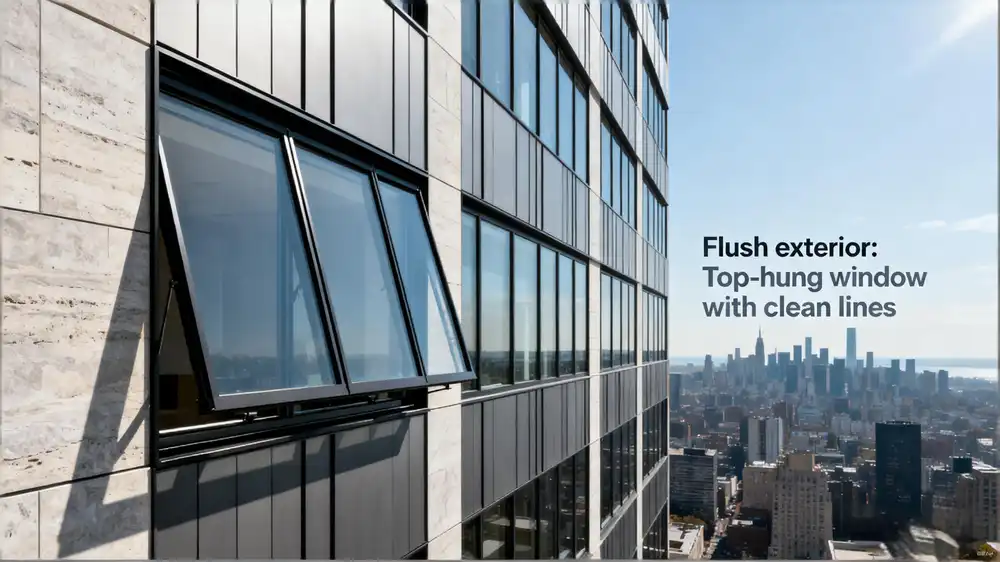
Introducing Aluminum Top Hung Windows: Structure and Functionality
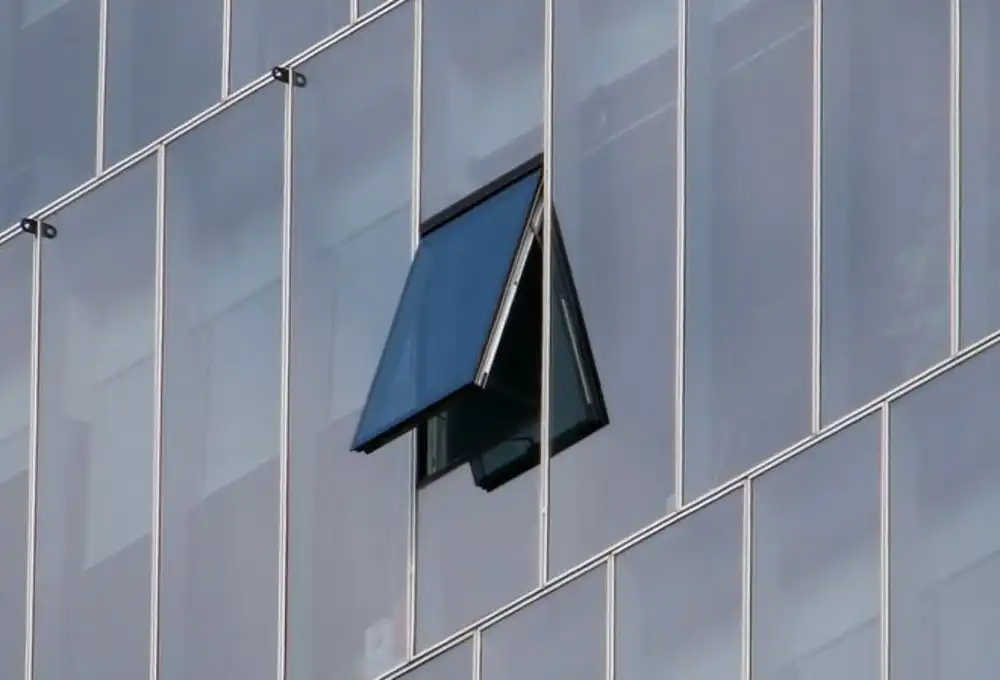
These window systems are unique because they have a top-hinge device that lets the sash pivot outward from the bottom edge while staying firmly attached to the top frame rail. The aluminum top hung window is basically different from casement or sliding options because of this design, which gives them unique operating benefits in places that need constant ventilation without losing security.
Operational Mechanics and Design Principles
When the manual locking handle is used, friction stay hinges, which are usually made of 304-grade stainless steel, control the angle of opening and keep the door from closing all of a sudden when the wind blows. The hinge mechanism properly spreads the weight of the sash across the top frame, which can hold panels up to 1500 mm wide and 1800 mm high in standard setups. This engineering makes sure that the window stays in place even when there is a lot of wind, which is very important for seaside projects and high-rise installations.
Core Components and Material Specifications
Depending on the load needs and heat performance goals, the frame is built with 60/70/80 series aluminum profiles. The 6063-T5 metal makeup strikes the perfect mix between being able to extrude, weld, and have tensile strength. It meets AAMA and ISO standards for use in architecture. Surface treatments like anodizing, powder coating, PVDF, and wood grain finishes make things less likely to rust in a wide range of environments.
Glazing options include different types such as tempered single-pane, double-glazed units (DGU), and fused glass systems. To get U-values that meet the NFRC energy codes used in North American markets, double glass setups usually have low-E coatings and argon fills. The EPDM and brush sealing method makes overlapped compression zones where the sash meets the frame. This stops air from getting in and water from getting in during storms.
Hidden Drainage Architecture
Along the bottom frame rail is a drainage duct system that was carefully planned to keep condensation and other water from getting on the inside surfaces. Unlike older systems with visible weep holes, hidden drainage exits keep the look of the system consistent while stopping debris buildup, which is a common problem in industrial and urban areas. Each of these structural parts works together to provide reliable performance in a wide range of temperature and humidity conditions, as well as wind-driven rain that is common in business and educational projects.
Core Features and Benefits of Aluminum Top Hung Windows
For engineering clients, general builders, and curtain wall integrators, the value offer is based on performance factors that can be measured, not just looks. When procurement teams know about the technical benefits of the aluminum top hung window, they can make sure that product details are in line with building rules and project needs.
Weather Protection During Ventilation
The open top-hung form makes a shield over the roof, which lets air flow even when it rains lightly to moderately. This practical benefit solves a common problem in places like schools, hospitals, and apartment buildings where keeping the air quality inside while avoiding exposure to the weather is necessary. Testing according to GB/T 8478-2020 standards shows that units that are placed correctly stay watertight even when there are long-term 3.5 kPa pressure differences.
Space Optimization and Safety Compliance
The exterior swing path means that there is no need for inner clearance, which makes these windows perfect for bathrooms, kitchens, stairwells, and small hallways. The limited opening angle—usually limited to 15 to 20 degrees by friction stays—prevents falls in high-rise settings and meets building safety standards without the need for extra restrictors. This feature makes it much less likely for developers and site managers of multifamily and educational projects to be sued.
Wind Resistance and Structural Integrity
Compared to side-hinged options, the continuous hinge line at the top spreads wind loads across the largest frame member, making the structure less stressed. This structural benefit leads to higher design pressure (DP) ratings, which are usually higher than 40 psf in normal setups. This makes them suitable for mid-rise buildings in hurricane-prone or high-wind coastal areas.
Thermal and Acoustic Performance
Multi-chamber metal shapes have thermal break sections that stop heat from transferring through conductors and make the envelope more efficient overall. When combined with insulated glazing units that have warm-edge spacers, the assembly gets U-factors that meet strict standards for energy saving. Acoustic reduction can reach Rw 40dB with toughened glass and better sealing, which helps with noise pollution in cities and factories.
Lifecycle Durability and Maintenance Economy
Aluminum's natural resistance to rust makes it last longer than ferrous materials, especially in seaside or chemically-rich environments. The straightforward mechanical design lowers the number of places where something could go wrong, and the ease of access to friction joints and seals makes preventative maintenance simpler. Hardware components usually only need to be inspected and oiled every six months to keep working well over multi-decade lifecycles, keeping total cost of ownership low for channel clients.
These operating benefits make the product a cost-effective choice for real-world situations where performance reliability is more important than the original cost of acquisition, which is what B2B buyers look for.
Comparison Insights: Aluminum Top Hung Windows vs Alternatives
When procurement teams look at fenestration systems, they have to compare the different technologies based on how they work, how much they cost over their whole life, and how they affect the supply chain. This comparison looks at factors that are important for project-based decision chains involving the aluminum top hung window.
Top Hung vs. Casement Windows
Casement windows open outward on side hinges, which makes the opening bigger but requires more space on the inside or outside for the window to pull open. For uses that need the most air flow, casements work great, but they can be hard to use in high-density areas or places with limited space. The aluminum top hung window keeps working in smaller spaces and protects better from rain when only partially open, which is very important in school settings that need continuous ventilation.
Aluminum vs. uPVC Frame Materials
uPVC systems don't conduct heat as well, but they lose their shape when the temperature changes, which is especially noticeable in large-format installs. Long-term UV exposure weakens the color's stability, which limits how long it looks good in open uses. Aluminum profiles keep their shape and appearance over a wider range of temperatures, which makes them better for business curtain wall integration and projects that prioritize facade consistency.
Aluminum vs. Steel Fenestration
Steel frames offer better security and smaller viewing areas, but they need ongoing rust protection when they are not stainless steel. The difference in weight makes it harder to choose the right gear and figure out installation. Aluminum systems offer similar structural performance at a lower weight, making them easier to move during building and putting less stress on outer components, which is helpful for retrofit projects.
Leading Manufacturer Considerations
European and North American markets are dominated by well-known suppliers like Aluprof, Schüco, Rehau, and YKK AP. These companies offer detailed technical documents, tested parts, and support networks. These names have been used in large-scale business deployments before, which lowers the risk of buying. However, buying from companies that are ISO certified and follow AAMA rules, even if the name isn't well known, ensures that quality is sufficient for most projects.
This comparison approach helps technical staff evaluate parameter alignment and gives buying managers the information they need to discuss cost-performance choices.
Installation, Repair, and After-Sales Considerations
The results of a project rely on both the product specification and the quality of the performance. Knowing how to setup the aluminum top hung window, what kinds of problems usually happen, and how suppliers support their products can help reduce downtime and warranty conflicts.
Installation Best Practices for Commercial Projects
For a proper fitting to happen, the rough hole must be prepared correctly, with dimensions kept within ±3mm to protect weatherproofing. Shimming around the edges at quarter points stops the frame from warping while it's being fastened, and continuous sealant beads along the outside flange-to-wall contact keep water out. At most 450 mm intervals, structural fasteners must go through the backing structure and must be corrosion-resistant.
Glazing installation comes after securing the frame. Setting blocks are put in place to hold the weight of the glass without putting any stress on the edges. When the bite depth and edge clearance are right, thermal stress breaking doesn't happen during seasonal temperature changes. In facade integration situations, window installers and curtain wall builders must work together, requiring thorough shop drawings and mock-up testing.
Common Issues and Troubleshooting Protocols
Observations made in the field across multiple projects show problems that keep happening: hinges that won't move because they aren't oiled enough, seals that get compressed because the sashes aren't adjusted correctly, and building waste blocking the drains. To fix hinge function, silicone-based oils must be applied once a year. Restoring seal performance usually only requires realigning the sash, which cuts down on service call costs.
Drainage system blockages respond to simple flushing methods using compressed air or wire clearing tools. This shows how important it is to follow cleaning practices after building. Setting up preventive maintenance plans that are based on these common types of failure increases the time between services and decreases emergency repair frequency.
Evaluating Supplier Warranty and Support
Hardware parts usually come with a full protection that lasts for five to ten years. Aluminum shapes and finishes are covered separately based on environmental exposure. Look closely at warranty exclusions to see seller confidence; broad exclusions for "improper installation" may show quality issues. Superior providers offer expert help in the field during installation and keep regional parts inventories full, which cuts down repair time.
After-sales service sets strategic partners apart from commodity providers. Procurement managers should check that response time promises are kept, that technical paperwork is available in project-relevant languages, and that training programs exist for local installation workers. These things have a big effect on project risk profiles in markets with limited expertise.
Procurement Strategy and Bulk Order Considerations
When choosing where to get an aluminum top hung window system, you need to think about unit cost, supply chain stability, and the ability to customize throughout the lifetime of the project. Strategic methods used for single projects versus forming a partnership for the whole business are very different.
Identifying Qualified Suppliers
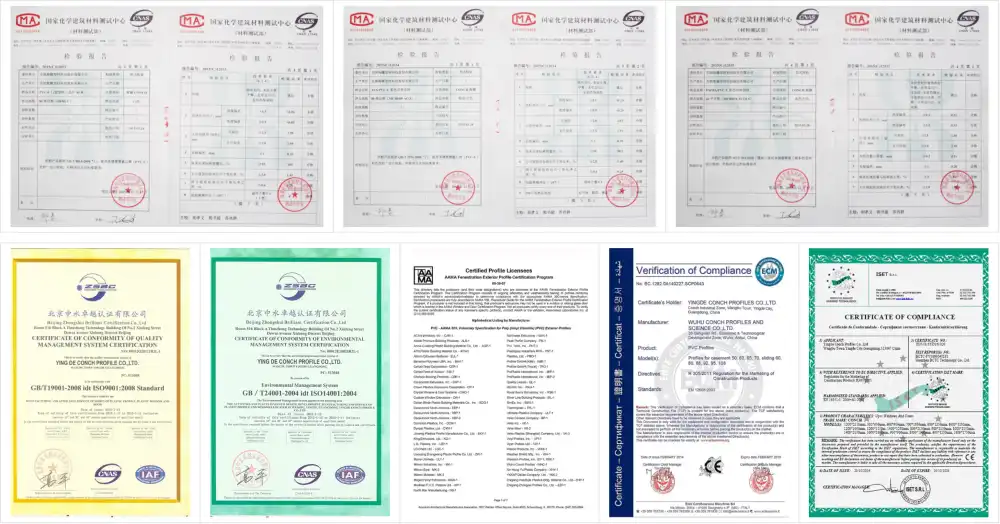
B2B buying methods include online marketplaces like Alibaba and Made-in-China, trade shows like GlassBuild America, and direct communication via LinkedIn. As part of the qualification process, focus on checking the factory's output capacity, looking over certifications (CE, NFRC, and AAMA compliance), and looking at similar climate-zone reference projects.
Suppliers who can do everything themselves—from extruding metal to making windows and putting hardware together—are better than middlemen. When figuring out production capacity, look at more than just the daily output amount. You also need to know if the manufacturer can meet specific customer needs without missing delivery dates.
Bulk Ordering Economics and Negotiation Leverage
When you commit to buying more than 500 units per order, you can usually get lower prices per unit compared to small-lot rates, with price cuts ranging from 8 to 15%. Negotiating payment terms often leads to longer net terms or delayed milestone payments that are in line with project cash flows. This helps general contractors and developers make better use of working capital.
Customization needs, like non-standard sizes, unique color matching, or better hardware specs, lead to higher costs for tools and minimum order amounts. By making these limits clear during the RFQ process, price overruns can be avoided. Some suppliers cover the costs of tools for promises that go over certain volume levels, representing a big chance for value capture.
Long-Term Partnership Benefits
Working with the same chosen provider over and over again gets benefits like simplified specification processes, priority production during times of high demand, and the ability to work together to find the best cost-performance balance. Case studies from commercial real estate companies show that standardizing product specs and consolidating vendor relationships can cut lifecycle costs by 12 to 18%.
Strategic value goes beyond the economic value of each unit. Dependable delivery saves key path schedules, and consistent product quality lowers the costs of fixing things on the punch list. These practical benefits make small price increases worth it when comparing against cheapest options that haven't been shown to work in the past.
Conclusion
In conclusion, when it comes to controlling ventilation, saving space, and keeping out the weather, the aluminum top hung window is a clear winner. They meet the needs of industrial, educational, and high-rise residential projects. Due to their simple structure, strong material requirements, and ability to meet foreign standards, they are reliable options for buying teams that care more about performance than appearance. Knowing how they work and how to evaluate suppliers lets you make smart choices that balance investment with long-term value.
Disclaimer: Specific performance characteristics may vary by manufacturer and configuration. Always verify product capabilities through independent testing reports and certification documentation relevant to your project's jurisdiction and environmental exposure classification before finalizing specifications.
FAQ
Q1: How does energy efficiency compare with uPVC alternatives?
A: When paired with protected glass units, aluminum top hung window systems with thermal breaks have U-factors that are about the same as uPVC. While uPVC has lower conductivity by nature, aluminum's structural benefits let it have bigger glass areas with smaller frames, which often leads to better energy performance across the whole window depending on profile and glazing specs.
Q2: Can these windows withstand hurricane-force winds and salt spray?
A: Units designed to meet the Florida Building Code usually get DP scores above 50 psf, which makes them suitable for high-rise buildings along the coast. Corrosion resistance depends on the surface treatment; PVDF and anodized finishes are better than normal powder coating in marine settings. Grades 304 or 316 stainless steel parts don't break down in salty environments.
Q3: What certifications confirm compliance with North American standards?
A: AAMA approval proves that the structure works, and NFRC scores show how well it keeps heat in. Products with these marks have been tested by a third party following established guidelines, giving building officials and buying teams peace of mind. Adding CE marking makes it easier for projects to use European parts or standards.
Partner with Haolv Building Materials for Reliable Aluminum Window Solutions
Haolv Building Materials has been making things for 18 years and helps business clients around the world find reliable aluminum top hung window providers. Our ISO-certified factories use CNC machines for precise cutting, automatic assembly systems, and strict quality control methods to make sure that every order meets the standards set by GB/T 8478-2020, CE, and AAMA. We can support unique specs, from choosing the profile to finishing the surface and setting up the hardware, backed by full expert support and project-specific solution design.
Our one-stop service model makes it easier for general builders, developers, and distributors to buy things. Coordinated delivery plans work with building goals, and we keep enough inventory on hand to support 25–30 day wait times from order approval to shipment. Our engineering team works directly with your technical staff to make sure that performance factors are optimized and costs are kept as low as possible. You can email us at kristin@haolvwindows.com to get full specs, project case studies, and volume price structures that are made to fit your needs.
References
1. American Architectural Manufacturers Association. (2021). AAMA 101: Voluntary Standard for Aluminum Prime Windows and Sliding Glass Doors. Schaumburg, IL: AAMA Publications.
2. National Fenestration Rating Council. (2020). NFRC 100-2020: Procedure for Determining Fenestration Product U-factors. Greenbelt, MD: NFRC Technical Documents.
3. Aluminum Association. (2019). Aluminum Design Manual: Specifications and Guidelines for Aluminum Structures. Arlington, VA: The Aluminum Association Press.
4. ASTM International. (2018). ASTM E283-04: Standard Test Method for Determining Rate of Air Leakage Through Exterior Windows. West Conshohocken, PA: ASTM Standards.
5. International Code Council. (2021). International Building Code Chapter 24: Glass and Glazing. Washington, DC: ICC Publications.
6. Canadian Standards Association. (2017). CSA A440.2-17: Fenestration Energy Performance Standard. Toronto, ON: CSA Group.
Fast simple channel to send demands lock favorable price for building window door bulk purchases.