- English
- French
- German
- Portuguese
- Spanish
- Russian
- Japanese
- Korean
- Arabic
- Greek
- German
- Turkish
- Italian
- Danish
- Romanian
- Indonesian
- Czech
- Afrikaans
- Swedish
- Polish
- Basque
- Catalan
- Esperanto
- Hindi
- Lao
- Albanian
- Amharic
- Armenian
- Azerbaijani
- Belarusian
- Bengali
- Bosnian
- Bulgarian
- Cebuano
- Chichewa
- Corsican
- Croatian
- Dutch
- Estonian
- Filipino
- Finnish
- Frisian
- Galician
- Georgian
- Gujarati
- Haitian
- Hausa
- Hawaiian
- Hebrew
- Hmong
- Hungarian
- Icelandic
- Igbo
- Javanese
- Kannada
- Kazakh
- Khmer
- Kurdish
- Kyrgyz
- Latin
- Latvian
- Lithuanian
- Luxembou..
- Macedonian
- Malagasy
- Malay
- Malayalam
- Maltese
- Maori
- Marathi
- Mongolian
- Burmese
- Nepali
- Norwegian
- Pashto
- Persian
- Punjabi
- Serbian
- Sesotho
- Sinhala
- Slovak
- Slovenian
- Somali
- Samoan
- Scots Gaelic
- Shona
- Sindhi
- Sundanese
- Swahili
- Tajik
- Tamil
- Telugu
- Thai
- Ukrainian
- Urdu
- Uzbek
- Vietnamese
- Welsh
- Xhosa
- Yiddish
- Yoruba
- Zulu
Why UPVC Windows & Doors Are the Smart Upgrade?
When procurement and project managers look at fenestration options for business or residential developments, they're not just picking out building parts; they're making choices that will have long-lasting effects on energy costs, upkeep budgets, and the happiness of building occupants. UPVC windows and doors, especially UPVC Swing Doors, have become the smart choice for projects that need to last, keep heat in, and keep costs stable. Traditional materials break down when exposed to harsh environments, but unplasticized polyvinyl chloride stays strong in all kinds of weather, making it a good choice for porches, front doors, and business openings. This choice of materials directly answers the main concerns of developers, builders, and system designers who want long-term value without sacrificing security or design freedom.
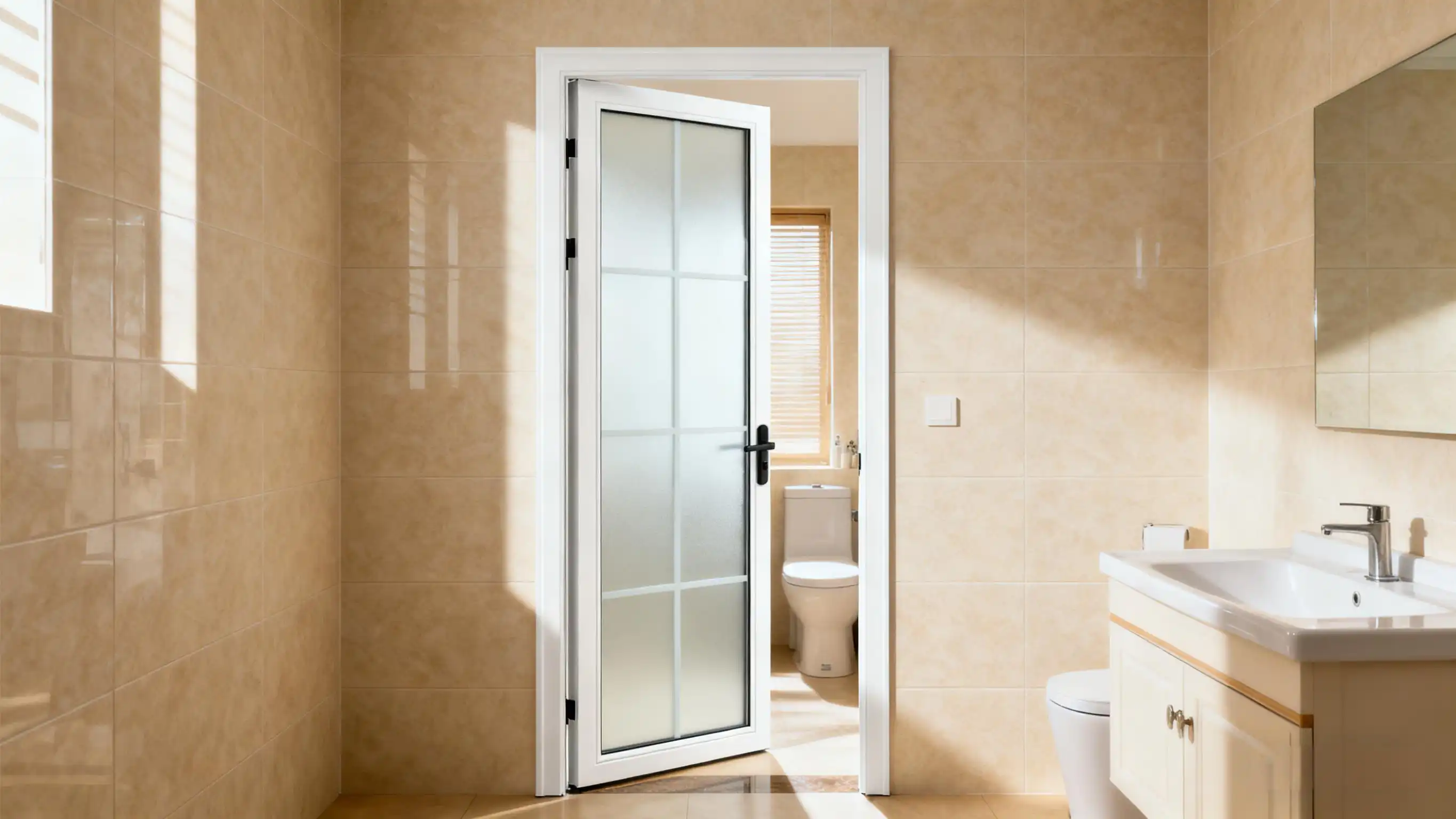
Understanding UPVC Windows & Doors and Their Advantages
What Makes UPVC Different from Traditional Materials?
Unplasticized polyvinyl chloride is basically different from its plasticized cousin because it doesn't have any ingredients that lighten it. This makes it a hard polymer matrix that doesn't break down in UV light and keeps its shape. The multi-chambered profile structure makes separate air areas that stop thermal bridging, which is a process that makes metal systems lose a lot of heat. With this building method, the material can achieve U-values that are usually between 0.8 and 1.2 W/m²K in double-glazed setups. This is a lot lower than similar metal shapes that don't have thermal breaks.
Because of how it is made, this polymer doesn't fail in a number of ways that other fenestration materials do. Wood-based systems need to be refinished on a regular basis to stop wetness from getting in and causing rot and bug damage. These are called maintenance cycles, and they take a lot of work and cause problems with operations. Aluminum moves heat around 1,000 times faster than UPVC, which can lead to condensation and higher energy costs if expensive thermal break technology is not used. The polymer's ability to fight galvanic rust makes it very useful near the coast, where salty air speeds up the breakdown of metals.
Core Performance Benefits for Commercial Applications
Acoustic comfort is becoming more and more important in project requirements, especially for mixed-use buildings and urban infill projects. When placed correctly, the material's sound-dampening properties work with EPDM rubber closing systems to cut noise levels by 30 to 40 decibels. This is a noticeable improvement over regular metal parts. This performance has a direct effect on the health and happiness of people who live or work in apartment towers near traffic routes or office buildings near industrial zones.
It is possible to save money on operations by insulating against heat loss. When the right glass choices are made, buildings in climates where heating is predominant have lower HVAC loads, and buildings in climates where cooling is predominant have less sun heat gain. In contrast to metal systems, where thermal break materials can shrink or break down over long service periods, the stable thermal performance stays the same throughout the lifecycle of the product.
Modern UPVC systems have security features that protect against both physical access and operating safety needs. Multi-point locking systems spread the force of locking across several contact places, making it harder to break in. These assemblies can meet the high security standards needed for businesses, hospitals, and government buildings if they are made with strengthened steel bases and toughened glass.
Design Flexibility for Project-Specific Requirements
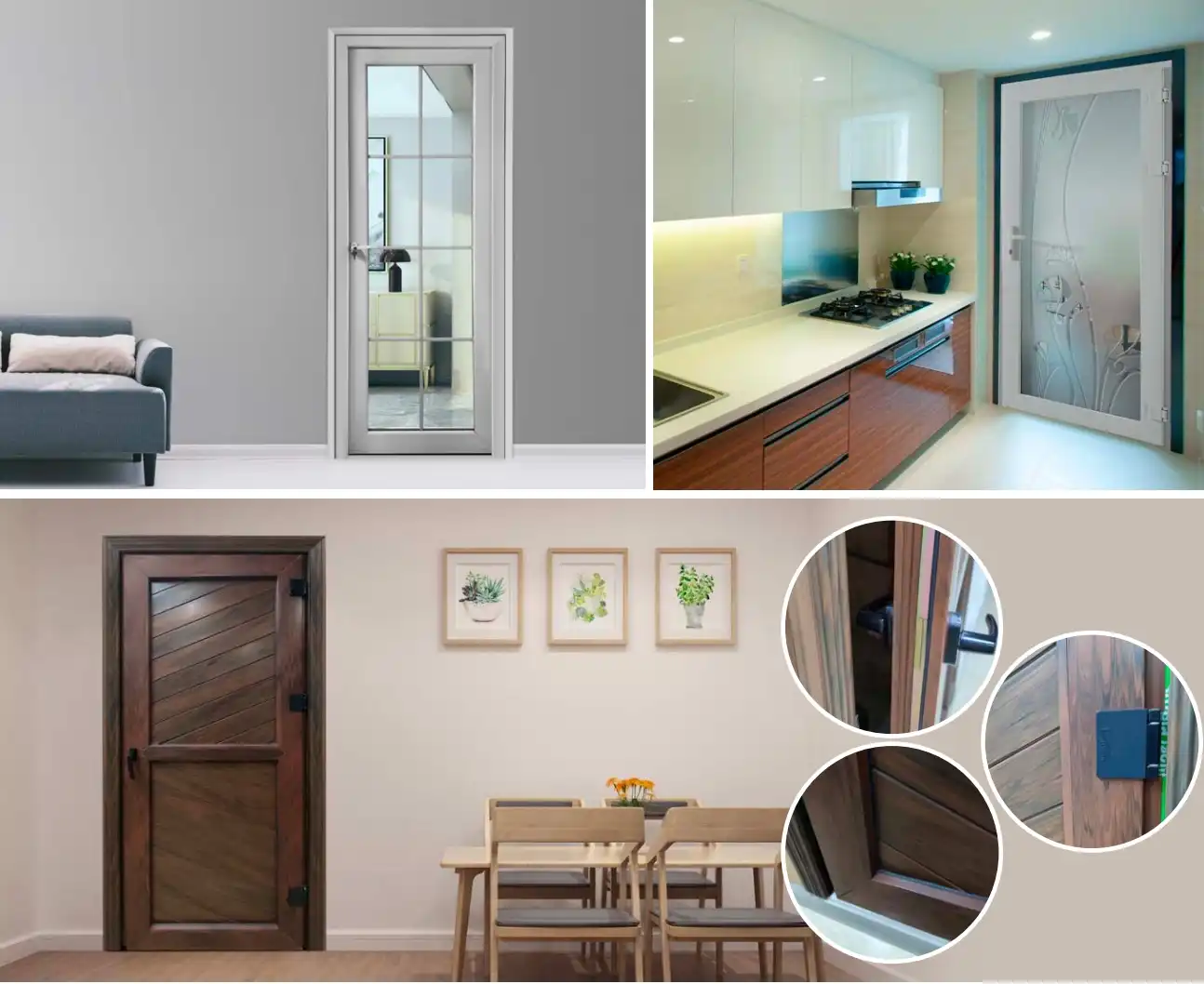
Different people have different tastes in how things look, so the production process for UPVC Swing Doors gives them several surface treatment choices. Standard white finishes go well with clinical or simple design schemes. Wood-grain laminates look like real wood but don't require as much upkeep. Custom RAL color matching lets architects work with company branding rules or heritage building repair projects that need to keep the building's look consistent.
Disclaimer: The actual performance qualities rely on how the product is configured, how well it is installed, and how it is tested. When making a purchase choice, you should look at approved test results and third-party verifications that are in line with the building rules in your area.
Comparing UPVC Swing Doors with Traditional Alternatives
Operational and Performance Differences
When it comes to planning room and controlling the environment, hinged door systems are much better than moving ones. When the swing action is stopped, it makes a full compression seal around the whole edge. This gets rid of the moving track gaps that let air in and make bypass systems less airtight. This way of closing is especially useful for projects that want to get high-performance building standards, since the results of blower door tests determine the stability of the shell.
Unlike wooden doors, polymer doors don't change size when the moisture inside them changes. Different types of wood naturally expand and contract with changes in temperature, which can cause problems with how they work and cause the seal to fail in the end. Because UPVC profiles have a stable shape, they work the same way in all kinds of environments without needing to be adjusted or planed on a regular basis. Resistance to biological decline makes things last longer in wet places where insects and fungi grow quickly and break down wood.
It is true that aluminum door systems are stronger in big groups, but they also lose some of their heat performance and cost more to make. The polymer option has the required structural strength because it incorporates a strengthened steel core. This is a combination method that combines the strength of metal with the thermal qualities of polymers. Profile chambers can be made with different strengthening plans so they can meet the wind load needs of a particular job without having to rethink the whole system.
Customization Options for Diverse Project Types
Panel arrangement freedom lets designers find a mix between the need for privacy, the need for natural light, and the need for good looks within a single product base. Solid panel construction is best for safe entrances or places where privacy is important, while glass choices let more light into internal spaces or provide covered access to balconies. Asymmetric design options for business shops or dining places are made possible by the ability to mix panel types within double-door layouts.
The glazing specs change based on the temperature and sound needs of the area. For high-traffic areas, tempered glass meets safety window standards. Laminated designs offer better protection and better breaking retention. To get the best thermal performance in certain temperature zones, double-glazing units can have low-emissivity coats, argon gas fills, or warm-edge gap systems added. Triple-glazing choices improve performance in very cold places or for projects that want to use no energy at all.
The hardware you choose affects both how it looks and how long it lasts. Heavy-duty hinge systems spread the weight of the door across several fixing points, which keeps the frame from warping in areas that are often used. Accessibility needs can be met by threshold designs, which offer low-profile choices that meet ADA rules while still keeping water out. You can choose from brushed silver, matte black, or custom powder-coated colors for the metal parts that you can see. These finishes go well with the rest of the architecture.
Procurement Considerations for B2B Buyers
Supplier Evaluation and Risk Mitigation
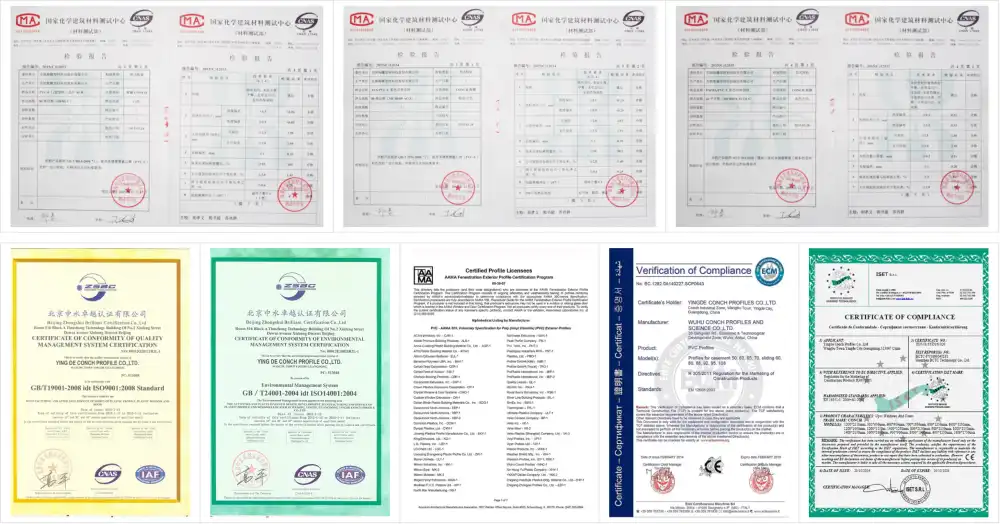
When technical staff are looking at fenestration providers for UPVC Swing Doors, they should give more weight to makers that can show they have complete quality control systems. ISO 9001 certification means that processes are controlled in an organized way, and ISO 14001 certification means that environmental management is a top priority. Independent testing backs up performance claims with product-specific certificates, such as CE marking for European markets, NFRC marks for U.S. projects, or AS2047 compliance for Australian developments.
To figure out how much manufacturing capacity there is, you need to know both how to handle normal orders and how to handle unique orders. Facilities with automatic corner welding tools make joints that are more uniform than those made by hand. CNC cutting centers make it possible to precisely prepare parts and place drainage slots, which makes installation easier. The range of colors and profiles that can be used depend on the extrusion capabilities, especially for projects that need non-standard setups or custom system designs.
Verification of reference projects gives you more information about a supplier's delivery skills than what's in their marketing materials. By asking for the contact information of procurement managers from similar projects, you can talk directly about how well deliveries went, how quickly technical support responded, and how problems were fixed after installation. If your reference projects are close to your target market in terms of geography, it means that you have experience with similar weather conditions, building rules, and transportation problems.
Commercial Terms and Project Planning
When setting prices for fenestration projects, many factors are taken into account besides just the cost of materials. Choosing the right profile series affects the price. For example, 70mm systems are cheaper for areas with mild climates, while 80mm setups cost more because they work better in cold climates. Specifications for glass have a big effect on unit costs. For example, triple-glazing systems and special finishes raise material costs by amounts that can be measured.
Unit prices and payment terms are affected by promises to buy a certain amount. Tiered discount systems often apply to projects that have more than a certain number of units, which lowers the cost per unit for bigger developments. Some makers offer contract plans for projects that are broken up into more than one part. They organize product deliveries to fit building deadlines and protect prices from changes in the market. Payment terms depend on the supplier's financial policies and the creditworthiness of the project. They can be anything from normal net-30 terms to organized milestone-based payment plans for big contracts.
Planning for lead times needs to take into account things like production schedules, quality testing processes, and, if necessary, foreign operations. Standard white profiles in popular sizes may be able to ship faster, but profiles in unique colors or sizes that aren't standard take longer to make. When you send containers, there are more things that can go wrong. For example, port overcrowding, the process of clearing customs, and the logistics of interior transportation can all make delivery times longer. Setting realistic schedule gaps stops building delays and keeps the project moving forward.
Installation and Maintenance for Long-Term Performance
Critical Installation Procedures
To get the performance qualities that are needed, the placement stages must be carefully watched. The first step in preparing a rough hole is to check the dimensions and make sure they are straight and plumb within the allowed range. When shimming, the support for the frame must be spread out evenly while keeping it in line. Point loads that cause stress peaks and possible frame warping must be avoided. Choose the right fasteners and space them out according to the manufacturer's instructions. For long-term structure stability, use materials that don't rust.
The perimeter closure is an important part of both the performance of the openings and the general stability of the envelope. Controlling the rate at which polyurethane foam expands is important to keep the frame from warping, and backer rods help set the right sealant shape at the outside edges. To make sure the fenestration unit fits perfectly with nearby wall systems, it needs to be made of compatible membrane materials and have the right finishing at the frame flanges. Flashing placement steps are based on water management ideas, which keep water away from areas that could be damaged.
Small frame flaws can be fixed by adjusting the hardware after installation. This makes sure that everything works smoothly. When you tighten hinge screws, too much force can make them hard to move, and not enough contact can make them less secure. All of the contact points on a multi-point lock need to be adjusted at the same time so that the locking force is spread evenly around the door's edge. The placement of the strike plate affects both how easy it is to use and how it wears over time, so it needs to be perfectly aligned when it is first set up.
Routine Maintenance Protocols
The life of an operation relies on regular upkeep that takes care of worn parts and external pollution. When cleaning, pH-neutral soaps are used instead of harsh chemicals that wear down sealants or damage surface finishes. Frame drainage pathways need to be checked on a regular basis to remove any debris that is blocking the flow of water and creating standing water. Coastal sites should be cleaned more often so that salt layers are removed before they build up and speed up the breakdown of materials.
Lubricating moving parts with the right materials that don't collect too much dust or break down in high temperatures is important. Putting a little machine oil on hinge pins makes them work more smoothly and quietly. Multi-point lock systems have a lot of contact points that need to be carefully tended to in order to work smoothly and keep the parts from wearing out too quickly. Over time, weather-stripping parts gradually lose their shape, and areas that need to be replaced before the sealing performance drops significantly can be found through regular inspections.
Hardware tightening checks for UPVC Swing Doors keep them from coming loose after a lot of use. The fasteners that hold doors and lock keeps in place should be checked every so often and retightened as needed. Glass retention systems need to be checked for broken sealants and places where adhesion loss could make glass less secure. In high-traffic areas, threshold parts wear out faster, but replacing them before they break can extend the system's life and keep people from tripping.
Case Studies & Future Trends in UPVC Windows & Doors
Performance Validation in Real-World Applications
Polymer fenestration methods have been shown to have measurable effects in multi-family home buildings. A 200-unit project in a warm climate zone had lower heating costs than standard buildings with metal windows. This was because the windows improved thermal performance and let less air in. The maintenance staff noticed fewer calls for help with practical problems. This was because the polymer systems kept working the same way, without binding or sticking that can happen with wood parts that are exposed to changes in humidity.
Commercial office makeovers show that the material can be used for renter improvement projects that need to be finished quickly. A company offices upgrade replaced old steel-frame windows with new UPVC panels. The work was done at night to avoid interrupting business. After the buildings were moved in, soundproofing was improved, and polls of office workers showed that they were happier with how much road noise they had to deal with. Monitoring energy use showed that the HVAC system ran for less time, proving that the thermal upgrade helped lower running costs.
Polymer fenestration is being used more and more in healthcare facilities because it is easy to clean and doesn't need much upkeep. The surface doesn't have pores, so microbes can't grow on it, and it can handle the harsh cleaning methods used in hospital settings. A mental health center reported better patient results, which they said were partly due to high-performance fenestration panels that blocked out noise from the outside, making healing settings with less outside noise.
Emerging Technologies and Market Evolution
Innovations in manufacturing keep making products better by improving production processes and making progress in material science. Nanoparticle chemicals make the material more resistant to UV light and harder on the surface without making it less recyclable. Co-extrusion methods make it possible to make multi-layer profiles with different qualities. For example, the outside layers are designed to be resistant to weather, while the inside layers are designed to be better at keeping heat in or supporting weight.
In business settings, automation integration is becoming more popular. Actuator systems allow for remote control and interaction with building management platforms. Motorized multi-point locks are connected to access control systems and automatically provide security for buildings that need to limit who can enter at certain times. Sensor integration checks the operating state and alerts facility managers when doors are left open or when someone tries to break in. This makes standard fenestration forms smart buildings.
Sustainability factors are becoming more important in buying choices, and life-cycle assessment data shows how products affect the world over their entire lives. Today, calcium-zinc binder systems are used to make polymers instead of old lead-based chemicals. This makes them easier to recycle and raises safety issues. End-of-life recovery programs keep fenestration trash out of landfills. Used profiles are turned into new products or used in other ways through mechanical recycling processes. This supports the cycle economy ideas that are becoming more popular in building material standards.
Conclusion
Purchasing UPVC Swing Doors is a smart move that will pay off in the long run, both in terms of performance and cost. The material's natural qualities—insulation against heat, resistance to rust, and steadiness in shape—directly address common ways that traditional fenestration materials fail. Swing door designs offer better closing performance and operating dependability in a wide range of settings, from porches to business building entrances. For a project to be successful, it needs to be carefully evaluated by the provider, installed correctly, and have reasonable upkeep plans in place to make sure that the performance qualities that were agreed upon lead to real operating benefits over longer service lives.
FAQ
Can UPVC Swing Doors Meet Commercial Security Requirements?
When the right reinforcements and metal systems are added to modern polymer door parts, they offer good protection. Steel core supports protect the structure against attempts to break in, and multi-point locking systems spread the force of locking across several contact spots. When paired with toughened glass and high-security cylinder locks, these systems can meet standards that are good for business buildings, schools, and hospitals that need to prove they are resistant to entry.
How Do These Systems Perform Compared to Aluminum in Energy Efficiency?
The multi-chambered profile structure makes separate air areas that make the heat conductivity much lower than in metal systems. Even systems made of metal that have thermal breaks usually have higher U-values than similar polymer structures. This difference in thermal efficiency means that less heating and cooling is needed. This is especially important in buildings with a lot of windows or places where the weather changes a lot from season to season. The performance measures are different depending on the profile shape, the glass requirements, and the quality of the fitting.
What Customization Options Are Available for Large-Scale Projects?
Flexible design choices let manufacturing skills meet the needs of a wide range of projects. Profile systems can handle both single and double door panels that swing inward or outward. Panel options include strong builds for safe entrances and fully open designs that let in as much natural light as possible. In addition to normal white, surface treatments can be wood-grain laminates and unique RAL colors, which makes it possible to coordinate with the architecture. You can choose hardware based on your personal taste and the needs of the project. The finish choices will match the overall design plan.
Partner with Experienced UPVC Swing Doors Manufacturers
Haolv Building Materials has 18 years of experience making polymer and metal fenestration, which helps procurement workers figure out how to meet the complicated needs of projects. Our ISO-certified factories use both automatic assembly systems and precise CNC equipment to make sure that the quality of both standard and special orders is the same. Our relationship with top profile providers like CONCH ensures material stability, and our technical advice services help design teams choose the best products for different temperature zones and performance goals.
The full range of products, including frames, glass choices, and gear systems, makes coordinating with more than one source easier. Our established supply chain ensures 25–30 day wait times from order approval to shipment, and we keep enough product on hand to support tight plans. Contact kristin@haolvwindows.com to talk about the details of your project with our engineering team or to get approved test results that prove our UPVC Swing Doors meet all the necessary standards. We make custom solutions for builders, developers, and system designers who need to work with a trusted UPVC Swing Doors provider.
References
1. Anderson, B.R., & Chapman, P.F. (2019). Thermal Performance of Low-Energy Fenestration Systems: A Comparative Analysis. Building Research Institute Technical Paper Series.
2. Carter, M.J. (2021). "Life-Cycle Assessment of Residential Fenestration Materials: Environmental Impact Comparison." Journal of Sustainable Building Technology, 15(3), 187-204.
3. International Energy Agency. (2020). Energy Efficient Building Envelopes: Best Practices in Fenestration Specification. OECD Publishing.
4. Peterson, R.L., & Zhang, W. (2022). "Acoustic Performance Characteristics of Multi-Chamber Polymer Window Systems." Building Acoustics Quarterly, 29(2), 145-162.
5. Thompson, D.K. (2018). Commercial Building Fenestration Procurement Guide: Technical and Economic Considerations. Construction Specifications Institute.
6. Williams, S.E., & Martinez, H. (2023). "Security Performance Testing of Residential Entry Door Systems: Comparative Analysis of Materials and Hardware Configurations." Journal of Building Security Engineering, 8(1), 72-89.
Fast simple channel to send demands lock favorable price for building window door bulk purchases.