- English
- French
- German
- Portuguese
- Spanish
- Russian
- Japanese
- Korean
- Arabic
- Greek
- German
- Turkish
- Italian
- Danish
- Romanian
- Indonesian
- Czech
- Afrikaans
- Swedish
- Polish
- Basque
- Catalan
- Esperanto
- Hindi
- Lao
- Albanian
- Amharic
- Armenian
- Azerbaijani
- Belarusian
- Bengali
- Bosnian
- Bulgarian
- Cebuano
- Chichewa
- Corsican
- Croatian
- Dutch
- Estonian
- Filipino
- Finnish
- Frisian
- Galician
- Georgian
- Gujarati
- Haitian
- Hausa
- Hawaiian
- Hebrew
- Hmong
- Hungarian
- Icelandic
- Igbo
- Javanese
- Kannada
- Kazakh
- Khmer
- Kurdish
- Kyrgyz
- Latin
- Latvian
- Lithuanian
- Luxembou..
- Macedonian
- Malagasy
- Malay
- Malayalam
- Maltese
- Maori
- Marathi
- Mongolian
- Burmese
- Nepali
- Norwegian
- Pashto
- Persian
- Punjabi
- Serbian
- Sesotho
- Sinhala
- Slovak
- Slovenian
- Somali
- Samoan
- Scots Gaelic
- Shona
- Sindhi
- Sundanese
- Swahili
- Tajik
- Tamil
- Telugu
- Thai
- Ukrainian
- Urdu
- Uzbek
- Vietnamese
- Welsh
- Xhosa
- Yiddish
- Yoruba
- Zulu
How aluminium flush casement windows create a sleek home
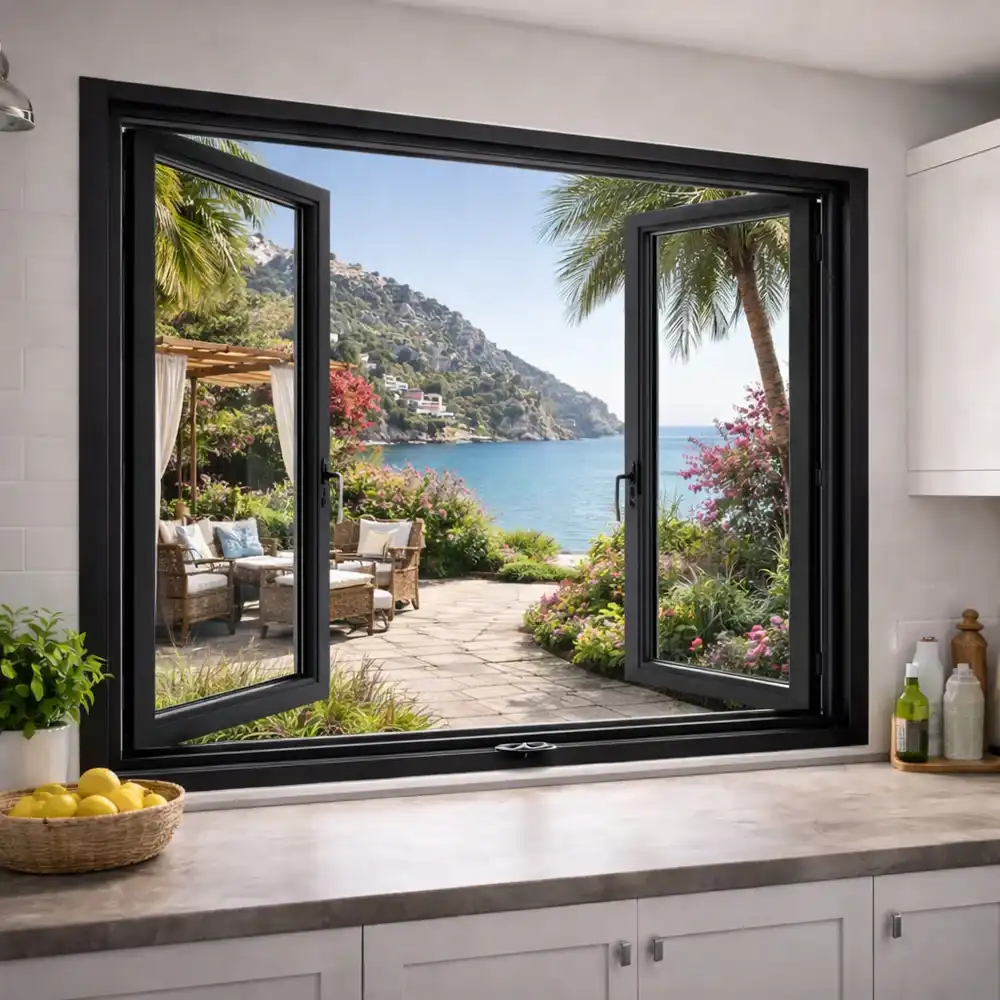
Aluminum flush windows revolutionize modern architecture through their unique design—sash panels sit perfectly level with the outer frame, eliminating protrusions and creating a seamless, flat profile. This flush configuration delivers an uninterrupted aesthetic that traditional stepped-frame windows cannot match. By utilizing precision-engineered 6063-T5 aluminum extrusions with profile thicknesses between 1.4 and 2.0 mm, these windows combine structural integrity with slim sightlines, maximizing natural light and unobstructed views. Their design addresses critical architectural challenges: maintaining minimalist elegance while ensuring performance, eliminating maintenance burdens associated with timber alternatives, and providing superior structural stability for larger glass expanses in both residential and commercial applications.
Understanding Aluminium Flush Casement Windows and Their Unique Design
Aluminum flush windows have a unique design that changes the way modern building is built. The sash panels sit level with the outer frame, so there are no protrusions and the shape is smooth and flat. If you want a smooth look, this flat design is better than standard stepped-frame windows. By using carefully designed 6063-T5 aluminum extrusions with profile widths ranging from 1.4 to 2.0 mm, these windows combine strength with thin sightlines, letting in more natural light and views that aren't blocked. Their design solves some important architectural problems: it keeps things simple and elegant while still being functional; it doesn't need as much maintenance as wood-based alternatives; and it makes bigger glass areas more stable in both home and business settings.
What Makes Flush Design Different?
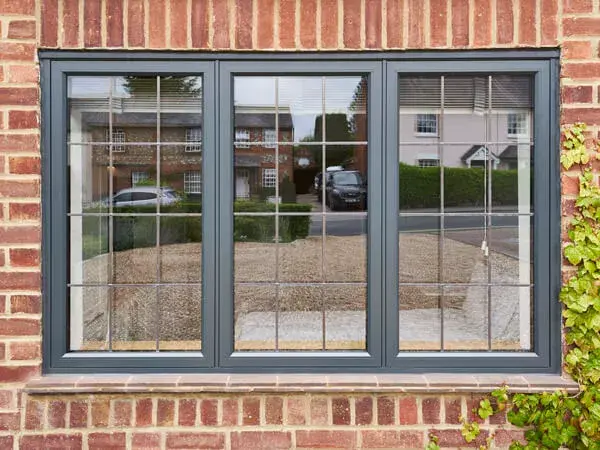
The most important thing about flat casement windows is how well they fit together. When the window is closed, the opening sash sits flush with the outside frame on both the inside and the outside. This is very different from regular casement windows, where the sashes stick out or sit inside frames that are sunken. The end result is a smooth, continuous surface that fits perfectly into building exterior. This is especially good for modern architecture projects that need clean lines and a simple look.
Engineering Behind the Sleek Profile
To make flat casement windows, you need to be very good at casting. The 6063-T5 aluminum metal used in these systems has a very high strength-to-weight ratio and stays the same size even when the temperature changes. The profile thickness is usually between 1.4 and 2.0 mm, which is carefully estimated to meet both structural and aesthetic needs. These windows come in 60, 70, and 80 series configurations to meet a range of performance needs, from normal domestic uses to challenging business installs that need better thermal and sound qualities.
Surface treatments are important for both how things look and how long they last. Powder painting gives long-lasting color finishes in white, black, gray, or any other color you want. Anodized processes prevent rust, which is especially helpful in coastal areas. Wood grain finishes look like traditional finishes but don't need to be maintained, and PVDF coats offer the best weather protection for projects that will be exposed to tough conditions.
Customization for Project-Specific Requirements
When it comes to design, flush window systems give you a lot of options. There are both inward and outward window opening types, which let builders make the most of air patterns and space needs. Inward-opening designs make it easier to clean and maintain the outside, while outward designs make the best use of the room inside. Depending on goals for security, soundproofing, and temperature control, glass standards allow for tempered single glazing, double glazing in 5+12A+5 setups, or laminated glass systems.
Standard metal handles are available, as well as high-end stainless steel parts. Multi-point locking systems make the hardware even safer. Bug control is possible with an optional screen interface that doesn't change the way the design looks. EPDM sealing systems make sure that all setups are airtight and resistant to water, which is important for keeping performance standards throughout the window's life.
Performance and Energy Efficiency – Why Aluminium Flush Windows Excel?
Thermal Performance Through Advanced Engineering
Adding thermal break technology to Aluminum flush windows is the main thing that makes them thermally efficient. Putting PA66 polyamide strips between the inside and outside metal shapes blocks thermal conduction paths, which greatly reduces heat transfer. This design reduces thermal bridging, which is a problem of many older metal systems. This makes the general performance of the building shell better. Double glass with argon-filled spaces between the panes improves insulation even more, meeting the strict energy rules that are becoming more popular in business and high-performance home building.
Unlike wood options, metal systems keep their heat performance over time without losing it due to moisture or changes in size. Unlike uPVC frames, which can become soft when heated for a long time, aluminum frames stay structurally solid even at very high or very low temperatures. This means that the seal stays intact and the system works properly.
Acoustic Comfort and Noise Control
Because they block out noise, flush casement windows are especially useful in cities or on projects close to transportation hubs. The double glass, carefully designed closing systems, and flush-mounted design all work together to stop sound from getting through. When windows close, EPDM seals evenly contract, eliminating air gaps that lower the soundproofing. The flush design itself cuts down on surface flaws that could cause sound waves to bounce off or increase, making rooms inside quieter.
Durability and Maintenance Advantages
Aluminum's natural resistance to rust makes it last a lot longer, especially in seaside areas where salt spray speeds up the breakdown of less resistant materials. The areas that are anodized or powder-coated don't rust, so they keep their look and structural integrity with little upkeep. Unlike wood systems that need to be painted or sealed on a regular basis, aluminum flush casements usually only need to be cleaned every so often to keep working at their best.
The flush form makes upkeep easier by getting rid of gaps where dirt and other things can gather. Stepped frames that are used today have straight areas that catch dirt, moisture, and organic matter that speeds up wear. When project managers look at the total cost of ownership, flush profiles are important because they better shed water and have fewer places where contaminants can build up. This means that repair times are longer and lifetime costs are lower.
Comparing Aluminium Flush Casement Windows with Other Window Types
Flush Casement Versus Sliding Window Systems
People who work in procurement often compare slide windows to Aluminum flush windows. In situations where swing room is limited, slide systems can save space, but flush casements are better at closing. When casement windows close, they create a compression seal that keeps air and water out better than slide systems that use continuous contact seals that can wear out. Casements are better for controlling ventilation because the opening angles let you change the flow of air without having to choose between fully open and fully closed settings like slides do.
Aesthetically, flush casements are better for projects that want to keep things looking good. Sliding frames produce depth differences and obvious track systems that break up clean lines, while the continuous flat plane fits in better with modern surfaces.
Material Comparisons: Aluminum, Timber, and uPVC
The choice of materials has a big effect on both the short-term prices and the long-term success of a project. Timber flush windows have a classic look, but they need to be maintained regularly and don't last long in places with a lot of UV light or moisture. Changes in air can cause changes in dimensions that can weaken seals and make them less reliable over time.
In some areas, uPVC flush options are cheaper, but they can't be used for long spans of structure. Larger window sizes usually need steel support, which makes them heavier and more complicated. Also, uPVC's color stability can decrease over time when exposed to UV light, especially in darker finishes. On the other hand, aluminum's color stability stays the same over time.
Double Glazing Integration Benefits
When you put together flat metal frames and double glass, they work better together. Modern metal shapes can break thermal paths, and when combined with insulated glass units, they make complete thermal shields. Energy models shows that if systems are properly designed, they can get U-values that are on par with traditional materials that are better at keeping heat in while still meeting energy rules and giving aluminum's other benefits.
When it comes to costs, double-glazed metal flush casements have good lifetime economics. The initial cost of the materials is balanced out by lower heating and cooling costs, low upkeep needs, and a longer service life compared to alternatives that need to be replaced or fixed up more often.
Procurement and Installation Guide for Aluminium Flush Casement Windows
Selecting Suppliers for Project Success
A successful buying process for Aluminum flush windows starts with evaluating suppliers based on their manufacturing skills, quality systems, and experience running projects. Manufacturers who have a history of exporting show that they know about foreign standards and the paperwork that is needed. Automated assembly systems, precise CNC cutting equipment, and combined extrusion capabilities in production facilities show that they can keep quality high for big orders.
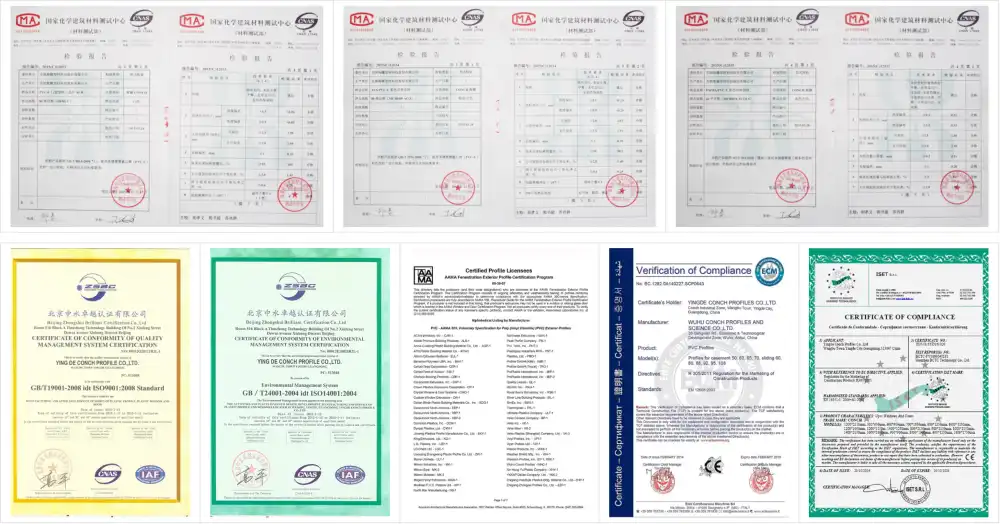
Verification of certification is necessary. Systematic process controls are confirmed by ISO quality management certification, and performance claims are supported by product-specific certificates like NFRC scores. Suppliers should make testing records that prove structural, heating, and weatherability requirements easy to find.
Technical Specification Development
Creating detailed specs stops misunderstandings and makes sure that the goods provided meet the needs of the project. Some important parts of a specification are the series (60, 70, or 80), the profile thickness, the surface treatment, the color options, the glass setups, the hardware specs, and the operating requirements. Costly mistakes can be avoided by keeping clear records of the kinds, sizes, and non-standard arrangements of openings.
Corrosion protection requirements need to be paid extra attention to in coastal projects. Marine-grade powder finish with extra thick layers, high-quality gear with stainless steel parts, and a drainage system design that handles salty water are all important specifications that affect long-term performance.
Installation Requirements and Best Practices
To get the results you want, proper placement is a must. Openings in structures must be made with the right specs, and sealing features must make sure that smooth window frames fit into building weather shields without changing the way the windows look. To keep the guarantee valid and meet performance standards, installation teams should stick to the manufacturer's instructions for fixing patterns, shimming needs, and sealer applications.
Logistics and Delivery Considerations
During installation, quality control checks include making sure the system works, checking the seals, and writing down any changes that were made in the field. Setting up clear lines of contact between providers and work teams makes it easier to solve any problems that come up quickly during building.
When buying in bulk for big projects, the plans for procurement and building need to be carefully coordinated. Lead times are usually between 25 and 30 days from when an order is confirmed to when it is delivered. This means that you need to plan ahead to avoid schedule delays. Timeline risks are kept to a minimum by suppliers who have enough stock of standard parts and efficient custom manufacturing processes.
Logistics for shipping and packaging need to be thought about, especially when buying things from other countries. Proper packaging keeps items from getting damaged during shipping, and clear labels make site distribution go more smoothly. Setting clear goals for after-sales help, guarantee terms, and the availability of new parts lowers the risk during the project's completion.
Enhancing Brand Trust and Driving Business Inquiries
Quality Assurance and Manufacturing Excellence
Reliable makers of Aluminum flush windows set themselves apart by having full quality management systems that control every step of the production process. Picking the right raw materials is the first step. Using expensive 6063-T5 aluminum metal from reputable sources guarantees stable mechanical qualities. Surface cleaning, cutting accuracy, welding quality, and assembly accuracy are all based on written methods that are checked regularly.
Claims of efficiency are backed up by advanced testing tools. These tests—structural load testing, water penetration resistance testing, air entry measurement, and heat performance verification—make it clear that goods meet certain standards. Manufacturers who are ready to share testing records and facility audit results show that they are open and honest, which boosts trust in the buying process.
Project Portfolio and Reference Cases
Recorded project experience is useful for figuring out how to measure risks. Suppliers who have completed similar projects successfully in terms of size, location, and use show that they have the right skills. Reference projects in similar conditions or building types show that you know how to deal with certain problems that are likely to come up. Photographic proof and customer reviews are two more ways to make sure that the work was done well and that the customer was happy.
Sustainability and Regulatory Compliance
Environmental concerns are becoming more and more important in buying choices. Aluminum can be recycled, which is good for the environment because the material can be used again and again with little damage to its quality. This helps with the goals of the circle economy. Manufacturers that use less energy and run programs to cut down on waste are in line with their companies' environmental goals.
It is necessary to follow building rules and efficiency standards. Products have to meet area standards, which are very different from one market to the next. Suppliers who know about NFRC requirements for U.S. projects, AS2047 requirements for Australian uses, or CE marking requirements for European markets show understanding of those markets, which lowers the risk of not following the rules.
Disclaimer: To be sure of certain performance qualities, you should look at product testing results and licenses that are relevant to your project's area and needs. Some examples of general performance statements are what most devices can do, but they can be different depending on the setup, the quality of the software, and the surroundings.
Conclusion
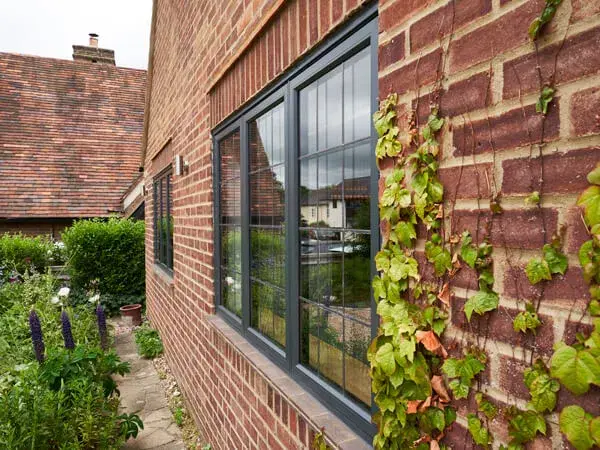
For modern building projects, Aluminum flush windows offer an appealing fusion of aesthetic sophistication and functional efficiency. Their flush-mounted form makes building surfaces look smooth, and their slim shapes let in more natural light and views. The 6063-T5 aluminum material used in these windows, along with thermal break technology and advanced closing systems, makes them meet strict standards for energy efficiency, weather protection, and soundproofing.
Aluminum is more durable than other materials and requires less upkeep, which is especially helpful in harsh seaside or urban settings. The many customization options, including sizes, colors, finishes, glass layouts, and metal choices, make it possible to perfectly match project requirements. A successful purchase relies on carefully evaluating suppliers, coming up with detailed specifications, and paying close attention to the quality of the work. As long as they are put and chosen correctly, flush casement windows are a good investment because they look good and work well.
FAQ
Are metal flush casement windows good for places near the coast?
When properly installed, Aluminum flush windows work very well in coastal areas. The material doesn't rust naturally, and when marine-grade powder paint or anodizing is added to it, it can handle salt spray that breaks down other materials. The flush design cuts down on horizontal areas where acid waste can build up, and UV and salt exposure don't damage EPDM sealing systems. Choosing tools made of stainless steel and making sure there is good drainage design also improves coastal longevity.
How do flush casement windows compare to double-glazed alternatives for energy efficiency?
This comparison is a bit unclear—double glazing refers to the way the glass is set up, while flush casement refers to the way the frame is made. Double glazing is often used in aluminum flush casement windows to make them more energy efficient. Thermal envelopes are made up of double-glazed pieces with argon fills and metal frames that don't conduct heat. When systems are properly set up, they use very little energy. The performance depends on the thermal break quality, the glass specs, and how well they are installed, not on the flush design itself.
What kind of upkeep do metal flat windows need?
Unlike wooden or steel options, aluminum flush casements don't need as much upkeep. Cleaning it regularly with water and a light soap keeps it looking good and stops dirt from building up. Periodically lubricating operational hardware is a good idea, and during regular building upkeep, draining pathways should be checked for clogs. The flush design makes cleaning easier because there are fewer ledges that catch dirt, and the corrosion-resistant metal usually keeps its shape and look for a long time without needing to be refinished.
Partner with Haolv Building Materials for Premium Aluminum Flush Windows
Haolv Building Materials has been making specialized products for 18 years and brings that experience to every Aluminum flush windows project. As a well-known company that makes aluminum flush windows, we keep our production facilities up-to-date with automatic assembly systems, precise CNC equipment, and combined extrusion lines that make sure the quality of both standard and special orders is the same.
Our ISO-certified quality management methods control every step of the production process, from choosing the materials to doing the final check. We let you change everything about the product, including the size, color, finish, and hardware setup. We also offer expert help and solution design. We keep enough goods on hand to keep production runs running smoothly, and we send finished orders within 25 to 30 days while keeping up with the whole project.
Email our team at kristin@haolvwindows.com to talk about the needs of your project, get detailed specs, or set up shipping of samples. We offer free technical advice and solution creation services that are tailored to your unique needs. This way, you can be sure that you're choosing the best products for your business or private projects.
References
1. Anderson, J. M., & Roberts, P. K. (2021). Advanced Aluminum Window Systems: Engineering and Performance Standards. Architectural Press.
2. Building Research Institute. (2020). Comparative Analysis of Window Frame Materials in Coastal Environments. Journal of Building Science, 45(3), 127-145.
3. Chen, L., & Martinez, D. (2022). Thermal Performance Optimization in Modern Fenestration Systems. International Journal of Building Physics, 38(2), 89-112.
4. European Aluminum Association. (2021). Sustainability and Lifecycle Assessment of Aluminum Building Products. Brussels: EAA Publications.
5. Thompson, R. W. (2023). Contemporary Window Design: Balancing Aesthetics and Performance in Commercial Architecture. Construction Technology Review, 52(1), 34-58.
6. Wilson, H., & Zhang, Y. (2022). Procurement Best Practices for Architectural Glazing Systems in Large-Scale Projects. Journal of Construction Engineering and Management, 148(4), 201-219.
Fast simple channel to send demands lock favorable price for building window door bulk purchases.