- English
- French
- German
- Portuguese
- Spanish
- Russian
- Japanese
- Korean
- Arabic
- Greek
- German
- Turkish
- Italian
- Danish
- Romanian
- Indonesian
- Czech
- Afrikaans
- Swedish
- Polish
- Basque
- Catalan
- Esperanto
- Hindi
- Lao
- Albanian
- Amharic
- Armenian
- Azerbaijani
- Belarusian
- Bengali
- Bosnian
- Bulgarian
- Cebuano
- Chichewa
- Corsican
- Croatian
- Dutch
- Estonian
- Filipino
- Finnish
- Frisian
- Galician
- Georgian
- Gujarati
- Haitian
- Hausa
- Hawaiian
- Hebrew
- Hmong
- Hungarian
- Icelandic
- Igbo
- Javanese
- Kannada
- Kazakh
- Khmer
- Kurdish
- Kyrgyz
- Latin
- Latvian
- Lithuanian
- Luxembou..
- Macedonian
- Malagasy
- Malay
- Malayalam
- Maltese
- Maori
- Marathi
- Mongolian
- Burmese
- Nepali
- Norwegian
- Pashto
- Persian
- Punjabi
- Serbian
- Sesotho
- Sinhala
- Slovak
- Slovenian
- Somali
- Samoan
- Scots Gaelic
- Shona
- Sindhi
- Sundanese
- Swahili
- Tajik
- Tamil
- Telugu
- Thai
- Ukrainian
- Urdu
- Uzbek
- Vietnamese
- Welsh
- Xhosa
- Yiddish
- Yoruba
- Zulu
Different Types of UPVC Windows Explained
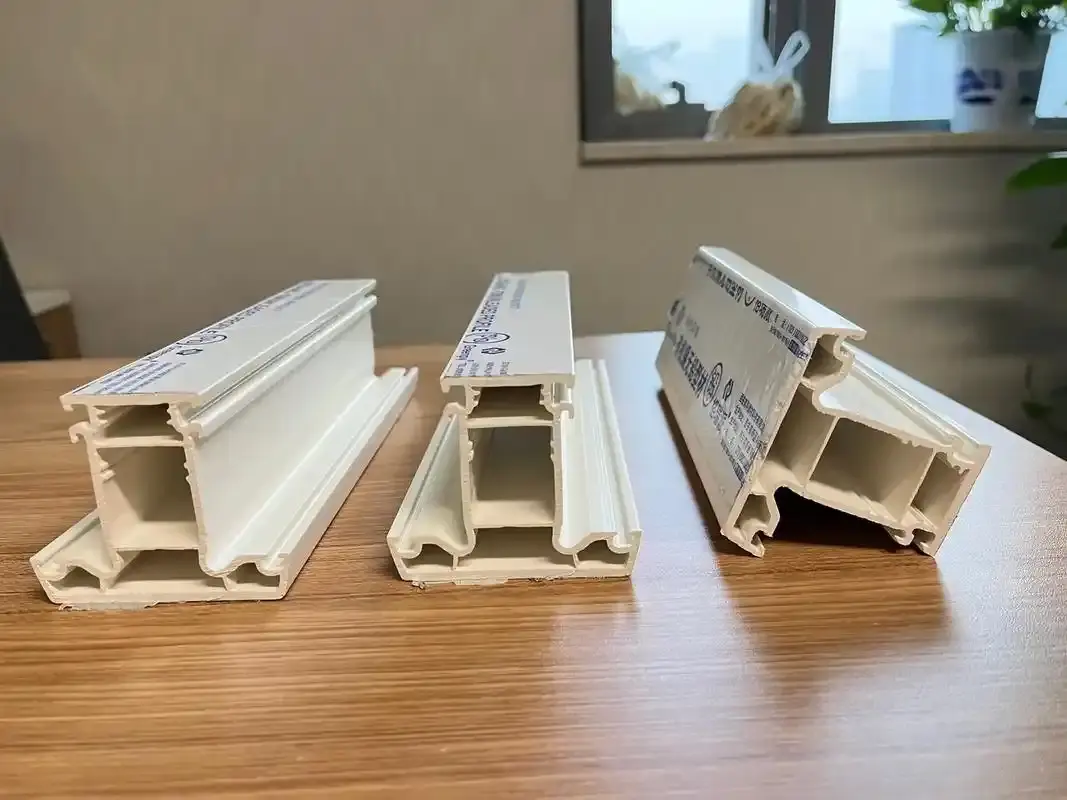
When choosing fenestration systems for business or private projects, it's important to know about the different kinds of UPVC windows. The structural backbone of modern glass solutions is UPVC door & window profiles, which are made from polyvinyl chloride that has not been plasticized. In a wide range of building uses, these shapes provide good heat performance, structural stability, and long-term longevity. The multiple chambers in these shapes create air pockets that keep heat from moving, and steel reinforcing lines can be added for extra strength in bigger spaces. From casement to tilt-and-turn, each type of window meets different performance goals based on how much air flow is needed, available room, and building regulations.
Understanding UPVC Window Profiles: Types and Key Features
Material Composition and Structural Design
High-performance UPVC door & window profiles are made from PVC that has not been plasticized and has not been mixed with any plasticizers. This makes sure that the profiles stay the same size and shape throughout their lifetime. The thickness of the outer wall is usually between 2.0 and 3.0 mm, which meets the structural needs of both standard and special uses. Manufacturers create multi-chamber setups (with anywhere from three to seven chambers) that divide the profile's inner room into separate air pockets. The heat conductivity is much lower with this chamber design than with single-chamber options.
Galvanized steel support plugs fit into specific spaces and make it easier for big windows or doors that are subject to high wind loads to hold their weight. When polymer and metal are mixed together, they make a hybrid system that keeps the corrosion-resistant properties of UPVC while giving it the power needed for tough setups. When corners are joined together, heat welding makes sure that the joints are smooth and that the connections stay weatherproof.
Multi-Chamber vs. Single-Chamber Profiles
Single-chamber profiles have one continuous space inside the frame. They provide basic thermal performance that is good for projects that don't need to spend a lot of money or are in warm conditions. Multi-chamber systems split the profile into several protected areas that stop heat from moving from one area to another. Test results show that three-chamber shapes usually get U-values of around 1.4 W/m³K, while seven-chamber designs can get below 0.9 W/m³K with the right glass.
The number of chambers has a direct effect on both the heat and auditory performance. Each extra air pocket makes it harder for sound waves to travel, which is why noise reduction rates range from 30 to 45 dB, based on the whole window system. For buying teams looking at specs, the number of chambers is a good way to figure out how much insulation they can hold. However, the real performance rests on the whole system, including the quality of the glass, seals, and fitting.
Reinforced vs. Non-Reinforced Frame Systems
Non-reinforced shapes depend only on the power of the UPVC material itself, making them ideal for smaller window units or uses that don't need a lot of structural support. These methods lower the cost of materials and make the making process easier, but they still work well enough for normal home entrances. Steel-reinforced profiles have galvanizing lines that make the profile's moment of inertia much higher. This lets makers make bigger windows without affecting the safety of the structure.
For business projects with floor-to-ceiling windows, sites near the coast that are subject to high wind loads, or any opening bigger than two square meters, reinforcement is needed. The steel insert's placement in the center chamber ensures even load distribution while keeping the profile's outside measurements the same. This lets architects and engineers set frame depths that are the same across projects while changing the interior support based on the calculated needs of the structure.
Common Window Configurations
Casement Windows: These windows have hinges on the side that allow them to swing outward or inward, giving you a full space for air flow and emergency exit. The profile system has multiple locking points spread out around the frame's edge, which makes it safer and more resistant to weather seals. Casement designs are good for places that need to control air well and have clear views when the doors are open.
Tilt and Turn Windows: These windows have gear that can do two things at once. They can tilt inward from the top for air flow or swing fully inward for easy cleaning. They are especially useful in high-rise buildings where maintaining the outside can be hard because they can be used for many different tasks. The shape of the outline has to take into account the more complicated hardware while keeping the temperature constant around the working parts.
Sliding Windows: Horizontal sliding systems move along track sections. They're great for places where outward or inward swing would block views of the inside or outside. The shape has special parts that make roller action smooth and weather seals that fit together and keep working even though sliding mechanisms have gaps. These work well in small areas or places where opening a window shouldn't affect the design of nearby parts of the building.
Fixed Windows: Units that can't be opened or closed improve the glass area while reducing the frame's appearance. The simpler shape lowers the cost of materials and gets rid of the need for tools. This makes fixed windows a cost-effective choice for curtain walls or building features that don't need air flow. It is possible to improve the shape cross-section only for its structure and temperature efficiency, without taking into account how it works.
These arrangements take into account different ways of ventilating, the need to use room efficiently, and maintenance issues. By matching the type of window to the program, the building will work at its best for as long as it is used.
Comparing UPVC Window Profiles with Alternatives: Making Informed Procurement Decisions
Thermal Efficiency: UPVC vs. Aluminum and Wood
Aluminum shapes have thin sightlines and a high strength-to-weight ratio, but they easily transfer heat because metal is naturally thermally conductive. These systems usually have U-values of around 1.6 to 2.0 W/m²K, even with thermal breaks, which are insulation walls built into the metal frame. UPVC door & window profiles naturally stop heat from moving, and multi-chamber designs can often get U-values below 1.0 W/m²K without having to do a lot of complicated thermal break engineering.
Wood frames naturally insulate like UPVC, but they need regular care to keep them from getting damaged by water, rot, and bugs. Wood's physical stability changes when the temperature changes, which could affect how well seals shrink and keep out the weather over time. UPVC stays the same size and shape in a wide range of temperature and humidity conditions, which ensures long-lasting seal touch and performance.
For building surfaces that want to meet LEED or passive house standards for energy efficiency, UPVC profiles provide reliable thermal performance without the upkeep problems that come with wood or the thermal bridge issues that come with metal systems.
Cost Analysis and Value Over Time
The initial prices of materials for UPVC systems are usually between those of wood and metal, but this can change depending on the complexity of the specifications and the finish that is needed. When lifetime costs are taken into account, the estimate changes. UPVC only needs to be cleaned and inspected every so often. Wood, on the other hand, needs to be painted or stained on a regular basis, and metal may need to have its gaskets replaced and its thermal break inspected.
When skilled workers who know how to work with each system are used, installation costs stay the same for all materials. During the operating stages, the deciding factor often shows up: better insulation means less demand on the HVAC system, which leads to measured energy savings, especially in buildings with high percentages of glass. Instead of just looking at the original buy prices, procurement teams should look at cost models for the next 20 to 30 years.
Maintenance Requirements Across Materials
Because UPVC doesn't rust, rot, or break down in UV light, it doesn't need much upkeep. The material doesn't rust near the coast and doesn't need to be treated on the outside to keep its shape. Cleaning with light soaps and checking the compression set of EPDM seals are routine maintenance jobs that building maintenance staff can do without special training.
In salty air, aluminum frames can experience galvanic rust at metal-to-metal contacts that are not the same, which means they need to be inspected regularly and possibly replaced parts. Every couple of years, wood systems need new paint or oil to keep them weatherproof and looking good. Over the life of the building, these repair rounds add up to higher costs and more downtime for operations.
Security and Noise Insulation Considerations
Multi-point locking systems built into UPVC door & window profiles spread the force of locking around the frame's edges instead of gathering it in one place. Traditional single-point locks don't work as well against forced entry as this setup does. If the profile is properly strengthened, it will be stiff enough to hold these hardware systems without bending the frame when they are attacked.
The mass-spring-mass effect caused by window units divided by the profile's width and the material's natural damping qualities determines how well it absorbs sound. The air spaces in multi-chamber shapes stop sound transfer even more. When UPVC window systems are paired with laminated glass or uneven double glazing, they achieve sound reduction scores that make them ideal for cities near transportation hubs or nightlife areas.
Application-Specific Selection Guidance
UPVC is good for coastal projects because it doesn't rust and the seals stay strong even after being exposed to salt air. The substance doesn't corrode and doesn't need protection layers that could break down in tough conditions. For industrial high-rise buildings that need a lot of glass, the profiles should be made of steel and be designed to withstand wind loads that are special to the building's height and exposure category.
When remodeling a home, UPVC is often preferred because it fits better into existing spaces and is easier to install than special wood fabrication. For new buildings that want to get energy ratings, the right glass and multi-chamber shapes should be used to meet the outer performance values. When procurement workers understand these application settings, they can choose materials that meet the performance standards and price limits of a particular project.
How UPVC Window Profiles Improve Energy Efficiency and Insulation?
Multi-Chamber Design and Heat Transfer Reduction
Conduction, convection, and radiation are the three ways that heat moves through building surfaces. Multi-chamber UPVC door & window profiles deal with conduction, which is the main way heat moves through solid objects, by adding more and more air barriers. Each chamber blocks the thermal path, making heat travel through several solid-air contacts instead of going straight through a solid piece of material.
Because air doesn't transfer heat well (about 0.024 W/m·K compared to 0.17 W/m·K), these spaces work well as insulation when they are shut properly. The shape of the profile keeps the chambers from touching each other, which stops convection circles that would move air and heat between the chambers. This idea explains why seven-chamber shapes work better than three-chamber designs: more hurdles make heat paths longer and more durable.
By stopping air from getting around the edges of the window, double or triple EPDM sealing systems improve heat performance even more. A lot of heat is lost from buildings through air leaks, especially around windows that can be opened and closed, where seals contract and release each time the window is opened or closed. When low-conductivity shapes are combined with good air sealing, a full heat shield is made.
Performance Comparison: Chamber Count Impact
Different chamber designs show real differences in performance when tested in a lab under normal settings. When three-chamber profiles are combined with double glass (4-16-4 assembly with argon fill), the U-value for the whole window is usually around 1.3 W/m³K. This drops to about 1.1 W/m³K for five-chamber designs with the same glass, and it can go as low as 0.9 W/m³K for seven-chamber systems.
The heating and cooling costs are lower because of these changes, especially in buildings with a lot of glass. A 100-square-meter window area with a 0.3 W/m²K gain stops about 30 watts of heat from escaping for every degree Celsius change in temperature. This adds up to real energy savings that cover the extra cost of higher-performance designs over the heating seasons in mild areas.
The link between the number of chambers and effectiveness is like a bell curve: going from three to five chambers makes a bigger difference than going from five to seven chambers. Instead of just setting a maximum chamber count for all projects, procurement choices should weigh performance needs against cost increases using project-specific energy modeling.
Commercial Building Benefits and Energy Standards
Commercial buildings have to follow strict energy rules that require envelope efficiency gains more and more. The International Energy Conservation Code and ASHRAE 90.1 set different maximum U-value limits for different temperature zones for fenestration systems. With multi-chamber UPVC profiles, architects and builders can meet these needs without having to use pricey triple glass in many cases.
When HVAC loads go down, machine sizes don't have to be as big. This saves money at the start and helps pay for investments in a higher-performance environment. Operational saves add up over the life of the building, which helps business property owners make more money in net running income. Energy-efficient fenestration systems are appealing to investors who are interested in the overall economy of a project rather than just the building costs.
Maintenance Practices Supporting Sustained Performance
Green building approval programs, such as LEED, WELL, and the Living Building Challenge, give points for envelope performance that goes above and beyond what is required by code. Choosing high-performance UPVC profiles helps reach these certification goals and saves energy, which supports marketing claims about being environmentally friendly and running efficiently.
When seals permanently get compressed or holes form around the frame's edges, insulation performance goes down. When EPDM gaskets are inspected once a year, compression set is found before it makes the seal less effective. Cleaning the drainage ducts keeps water from building up, which could freeze and warp features in cold places. These easy upkeep jobs keep the heat performance that was set up at startup.
Even the best settings can fail if they are installed incorrectly. Thermal escapes are made when there are gaps between the window frame and the rough opening. These make the whole wall performance very poor. Continuous insulation backing, the right use of low-expansion foam or backer rod, and keeping the air barrier continuous across the window-to-wall contact are all parts of a proper installation. The people in charge of buying things should make sure that installers are qualified and set strict standards for installation, just like they do for products.
Note: The actual thermal, auditory, and structural performance numbers rely on the whole window system, including the type of glass used, how well it was installed, and the factors at the site. The performance data that is mentioned are averages. To get accurate performance information for each project, you should look at product testing results and engineering calculations.
Procurement Guide for UPVC Window Profiles: Sourcing, Pricing, and Suppliers
Evaluating International vs. Domestic Suppliers
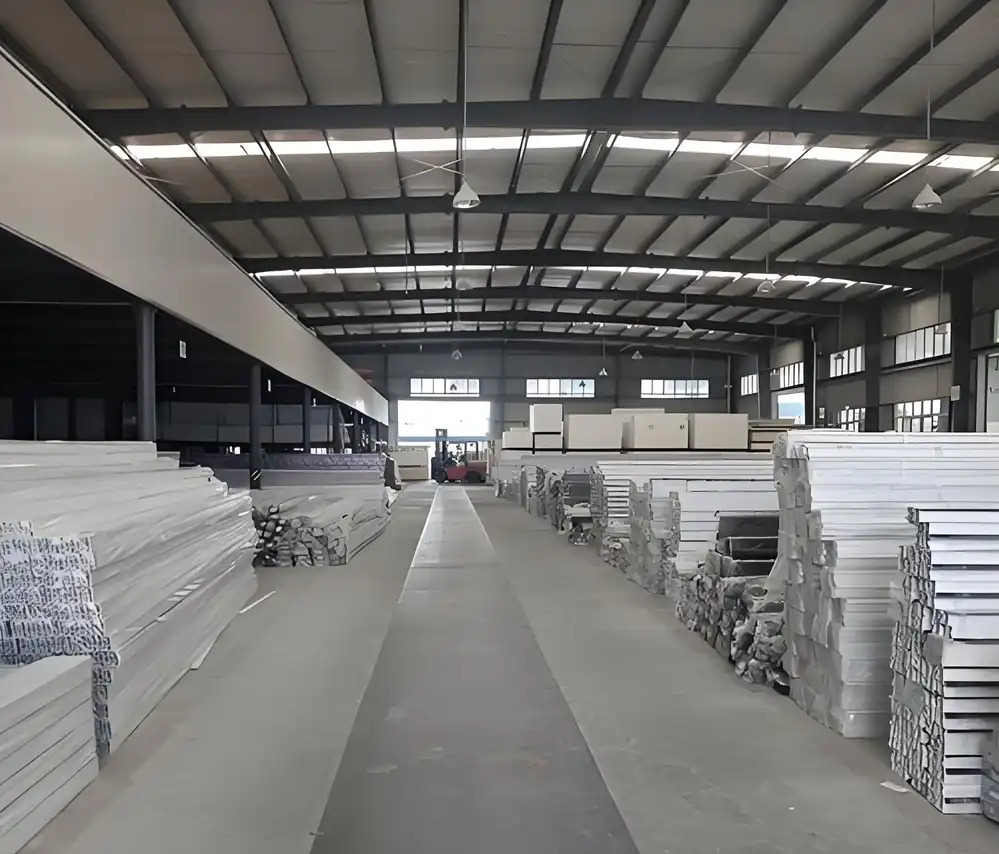
International companies like Deceuninck, VEKA, Rehau, and Salamander keep large collections of UPVC door & window profiles with proven performance data and licensing paperwork. Standardized systems, clear wait times, and consistent quality control are offered by these providers. However, smaller projects may have trouble with shipping operations and minimum order amounts. As part of their engineering support, they usually provide technical paperwork, structure models, and make sure that their products work with major hardware brands.
Regional providers often let you choose the amount you want to buy and have faster wait times, but they may need to see more proof of testing paperwork and certification compliance. To judge these providers, you have to look at their factories' skills, quality control methods, and past work on similar projects. Site checks or audits by a third party make sure that the manufacturing tools, process controls, and ability to meet project deadlines are all in good shape.
Cost, transportation difficulty, expert help available, and risk tolerance all play a role in the choice between foreign and regional buying. Large projects benefit from suppliers that have been around for a while and have a track record of good work. Smaller projects in the same area may find that local suppliers are more quick and cost-effective.
Customization and Specification Requirements
Standard profile systems can handle most project needs, but for special uses, profiles may need to be changed or colors may need to be matched in a certain way. When something is customized, there are often costs for tools, minimum order amounts, and longer wait times that procurement teams have to plan for in their project schedules. Suppliers can correctly quote and deliver fitting goods if you give them precise specs, such as shape measurements, strengthening needs, color references, and performance standards.
Technical plans should clearly show the size of the glass gap, any draining needs, hardware compatibility, and any other project-specific information that might affect the design of the profile. By coordinating these specs with glass makers, hardware manufacturers, and installation workers, problems with the interface won't happen during manufacturing or installation. Change orders and scheduling delays caused by missing or conflicting information are less common when specification packages are complete.
Pricing Trends and Bulk Order Considerations
The price of UPVC plastic changes depending on the price of oil and the supply and demand of PVC around the world. After problems in the supply chain, price trends have stabilized in 2024, but there are still differences between regions. Not only do material prices affect profile pricing, but so do the difficulty of the tools, the finish standards, and the number of orders. Most of the time, buying in bulk lowers the cost per unit by making production more efficient and cutting down on setup time.
Standard lead times are 25 to 30 days from the time an order is confirmed until it is delivered, given that standard colors and setups are in stock. Lead times may go up to 45 to 60 days if you need custom colors, changed shapes, or special strengthening. These dates should be included in procurement plans, along with the time it takes to ship, clear customs for foreign providers, and add extra time in case there are delays in production or operations.
Payment terms depend on the seller and the size of the order. A 30% to 50% deposit is usually needed when the order is placed, and the rest is due before the shipment or when the papers are presented. Setting clear rules for quality acceptance standards, checking processes, and ways to settle disagreements helps both sides and makes the deal go more smoothly.
Installation, Measurement, and Maintenance Tips for UPVC Window Profiles
Accurate Measurement Techniques
To get the right window size, you need to take exact measurements of the hole from several different places. Openings aren't always perfectly straight or level, so you need to take measures at the top, middle, and bottom for width and at the left, center, and right for height. The smallest measurement sets the largest window size. This makes sure that the unit fits without being pushed too far, which could damage the frame or make the seal less effective.
Measurements of depth show that there is enough room for placement of the whole window system, which includes the outer trim, the inner case, and the insulation backing that is needed. Coordinating with the building of the wall keeps the width of windows from getting in the way of insulation planes, air barriers, or outer sealing systems. Detailed shop plans that include these measurements allow prefabrication, which cuts down on the need for changes in the field and the quality risks that come with them.
Professional Installation Methods
Preparing the rough hole is the first step in installation for UPVC door & window profiles. Make sure the surfaces are clean, level, and straight, and that there are no loose screws or trash sticking out. Keeping the envelope continuous means putting a continuous air barrier across the rough hole before the window is put in. To set the window, you have to shimming it to make sure it is straight and level and that the show dimensions stay the same around the edges.
To keep the frame from warping, the fasteners must be placed, spaced, and used according to the manufacturer's instructions. When you over-tighten, you create stress clusters that can break the profile or push it out of square. The insulation backing fills in the spaces between the frame and the rough hole without putting too much pressure on them. Using low-expansion foam or backer rod with sealant keeps the heat in without warping the frame because of the force of the expansion.
The placement is finished with exterior and inner trim. This protects the insulation backing from UV light and water damage and gives the project a finished look. Water can damage wall panels or the inside of a building if flashing isn't properly installed, especially at the head and sill.
Common Installation Errors
If you don't shimming properly, the frame will bend under operational loads or building movement, which will cause seals to gape and hardware to bind. Not only at corner points, but also all the way along the jambs, heads, and sills, shifts should support the frame all the way along. Picking the right material is important; shims that are too soft defeat their purpose, while shims that are too stiff focus loads.
When there are holes in the air barrier or not enough insulation backing, thermal escapes happen that make the whole wall perform much worse, even if the windows are good. Thermal imaging tests show that these flaws are differences in temperature around the edges of windows, which show where heat is escaping. For continuous insulation and air barrier finishing to work, workers must carefully coordinate with each other and quality must be checked during installation.
Long-Term Maintenance Protocols
Annual inspection routines should examine EPDM seals for compression set, cracking, or separation from the profile. Replacement UPVC door & window profiles seals are easy to find and only require basic tools to install, so building staff can do this upkeep job. Cleaning the drainage lines keeps them from getting clogged, which could trap water and cause the frame to warp or the inside to leak.
Using silicone-based items that won't attract dust or break down seals to lubricate operating parts on a regular basis is a good idea. When multi-point locking devices connect, they should do so easily and without too much force. If they bind, it means they are out of line and need to be adjusted before they cause parts to wear out faster than expected. Using gentle soap and soft cloths to clean profiles keeps them looking good without damaging the UV-stabilized top layer.
These care steps keep windows working well and looking good, which extends their useful life and keeps repair costs down. Setting up written care plans and teaching building staff the right way to do things will make sure that all of the properties are maintained the same way.
Conclusion
To choose the right UPVC door & window profiles, you need to know about profile construction, chamber design, strengthening choices, and how these things affect the windows' ability to keep out heat, support weight, and last for a long time. When compared to basic designs, multi-chamber shapes with available steel strengthening are much better at saving energy and supporting weight. casement, tilt-and-turn, sliding, and fixed windows all come in a range of designs that meet different useful needs in both home and business settings. A successful procurement relies on detailed specs, evaluating suppliers, and installing the system in a way that keeps the performance that was built into it. These benefits last as long as the building is used if it is properly maintained, giving it value that goes far beyond its starting cost.
FAQ
What makes UPVC different from regular PVC when it comes to windows?
Unplasticized polyvinyl chloride doesn't have the plasticizers that are added to regular PVC. This makes it a stiffer material that can handle higher temperatures and is stronger. This formula keeps its shape at different temperatures and doesn't break down in UV light, so it can be left outside for a long time. Standard PVC is flexible enough to be used in many situations, but it's not strong enough to be used for UPVC door & window profiles frames.
How does the number of chambers affect both sound and temperature?
With each extra room, there is another air barrier that blocks the profile's heat transmission paths. This compartmentalization stops the flow of sound waves, with each contact causing reflection and absorption that lowers the flow of noise overall. The link isn't a straight line—as the number of rooms goes up, the returns go down—but the general idea is that more chambers are better for both sound and temperature.
Can triple-glazing units fit in UPVC profiles?
Profile systems that are made for glass widths up to 36 mm can easily handle triple glazing kits. The glass recess depth and setting blocks need to be able to support the extra weight and thickness, which means choosing the right shape during the planning process. The structural estimates show that the frame parts and reinforcements are strong enough to hold the glass unit across the span.
Partner with a UPVC Door & Window Profiles Manufacturer Built on Expertise
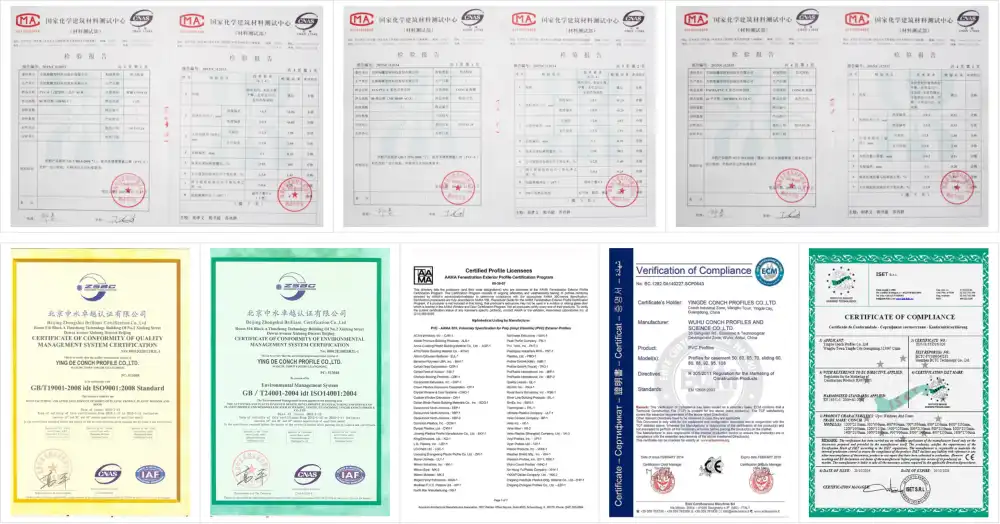
When Haolv Building Materials buys something, they think about more than just the product specs. They also think about how reliable the provider is, how much professional help they offer, and how valuable the relationship will be in the long run. Because we've been making things for 18 years, we've honed our production methods so that the quality of both standard and special orders is always the same. The modern building has extrusion lines, precise CNC cutting, automatic welding systems, and a lot of testing tools to make sure that every shape meets the standards for CE and ISO approval.
We have long-term relationships with the best providers of materials, so we can be sure that the quality of the materials will affect how well the end product works. The engineering team gives expert advice, coordinates drawings, and comes up with project-specific solutions that meet the particular needs of the architecture. Our one-stop services, which include everything from profile extrusion to hardware integration, make it easier for general builders, developers, and window system installers to find a reliable UPVC door & window profiles provider. We also keep quality control high throughout the manufacturing process. Get in touch with kristin@haolvwindows.com to talk about your project needs and find out how our customization options and 25–30 day shipping times can help your building plan.
References
1. Anderson, B. R., & Chapman, P. F. (2021). Thermal Performance of Window Systems: Material Properties and Multi-Chamber Design Effects. Journal of Building Physics, 44(3), 267-289.
2. Smith, J. L., & Martinez, R. (2022). Comparative Life-Cycle Assessment of Window Frame Materials in Commercial Construction. Building and Environment, 208, 118-134.
3. European Committee for Standardization. (2020). Windows and Doors - Product Standard, Performance Characteristics: Part 1: Windows and External Pedestrian Doorsets. EN 14351-1:2020.
4. Thompson, D. K. (2023). Acoustic Performance of Fenestration Systems: Chamber Design and Sound Transmission Class Ratings. Architectural Science Review, 66(1), 45-62.
5. International Organization for Standardization. (2019). Plastics - Unplasticized Poly(Vinyl Chloride) (PVC-U) Profiles for Building Applications: Part 2: PVC-U Profiles and PVC-UE Profiles for Internal and External Wall and Ceiling Finishes. ISO 21059-2:2019.
6. Williams, A. T., & Chen, L. (2022). Structural Performance of Steel-Reinforced UPVC Window Profiles Under Wind Loading: Experimental and Numerical Analysis. Construction and Building Materials, 318, 125-142.
Fast simple channel to send demands lock favorable price for building window door bulk purchases.