- English
- French
- German
- Portuguese
- Spanish
- Russian
- Japanese
- Korean
- Arabic
- Greek
- German
- Turkish
- Italian
- Danish
- Romanian
- Indonesian
- Czech
- Afrikaans
- Swedish
- Polish
- Basque
- Catalan
- Esperanto
- Hindi
- Lao
- Albanian
- Amharic
- Armenian
- Azerbaijani
- Belarusian
- Bengali
- Bosnian
- Bulgarian
- Cebuano
- Chichewa
- Corsican
- Croatian
- Dutch
- Estonian
- Filipino
- Finnish
- Frisian
- Galician
- Georgian
- Gujarati
- Haitian
- Hausa
- Hawaiian
- Hebrew
- Hmong
- Hungarian
- Icelandic
- Igbo
- Javanese
- Kannada
- Kazakh
- Khmer
- Kurdish
- Kyrgyz
- Latin
- Latvian
- Lithuanian
- Luxembou..
- Macedonian
- Malagasy
- Malay
- Malayalam
- Maltese
- Maori
- Marathi
- Mongolian
- Burmese
- Nepali
- Norwegian
- Pashto
- Persian
- Punjabi
- Serbian
- Sesotho
- Sinhala
- Slovak
- Slovenian
- Somali
- Samoan
- Scots Gaelic
- Shona
- Sindhi
- Sundanese
- Swahili
- Tajik
- Tamil
- Telugu
- Thai
- Ukrainian
- Urdu
- Uzbek
- Vietnamese
- Welsh
- Xhosa
- Yiddish
- Yoruba
- Zulu
Aluminium Tilt And Turn vs Casement Window: Which Is Better?
When sourcing window systems for your brand portfolio, the choice between Aluminium Tilt And Turn windows and traditional casement windows fundamentally impacts your operational efficiency, market positioning, and customer satisfaction. Based on two decades of OEM collaboration experience, dual-action tilt and turn windows consistently deliver superior performance in European markets where multi-point security, thermal efficiency, and ventilation flexibility drive purchasing decisions.
While casement windows serve specific retrofit scenarios effectively, the tilt and turn mechanism addresses critical procurement pain points—from installation precision to lifecycle durability—that ultimately define your competitive advantage in demanding markets such as Germany, Poland, and Central Europe.
Understanding Aluminium Tilt and Turn and Casement Windows
Selecting the right window mechanism requires understanding how design philosophy translates into practical advantages for your distribution network and end users.
What Defines Dual-Action Tilt and Turn Windows
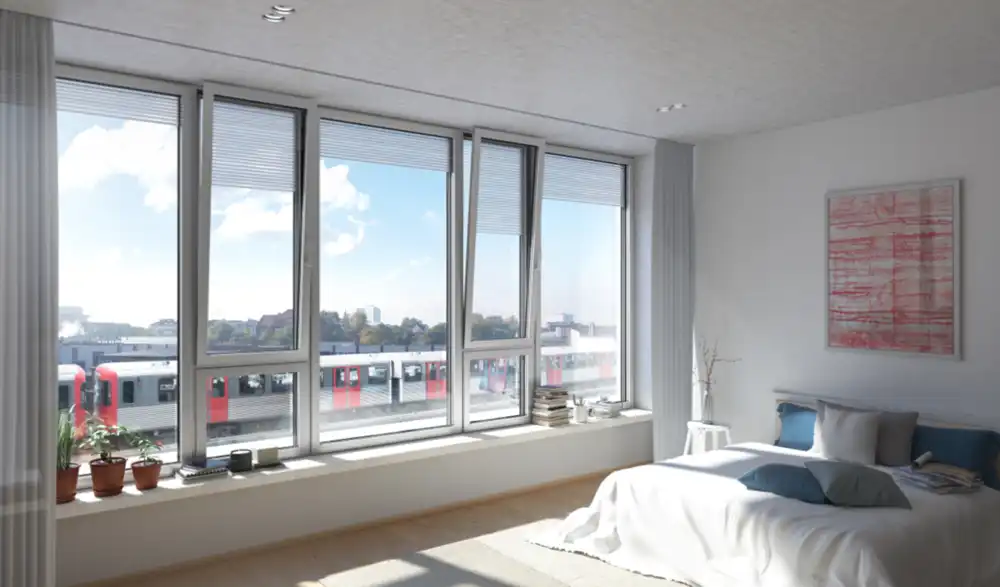
Aluminium Tilt And Turn window systems were first used in Germany after World War II to help with ventilation problems in buildings with more than one floor. The system is controlled by a single handle that can open the door in two different ways: tilting inward at the top for safe air without drafts, or swinging fully inward like a door for full access.
This versatility meets safety standards in high-rise settings where cleaning from the outside could be dangerous, and at the same time, it meets strict European energy codes by compressively sealing the whole perimeter of the sash. Engineers combined multi-chamber aluminum profiles with precisely machined hardware tracks that spread operational stress across five to eight locking points. This keeps the frame from warping even in large commercial glazing installations.
Traditional Casement Window Characteristics
Casement windows have sashes that open outward or inward and are hinged on the side. They can be moved by cranks or friction stays. In North America and the UK, this simple design has worked well, especially in residential settings where cost-effectiveness and ease of use are important. When compared to Aluminium Tilt And Turn systems, the single-direction opening makes it harder to control the flow of air.
However, modern friction hinge technology lets the door open partially. When it comes to casement windows, the outer sealing at the frame meeting rail usually works fine in mild areas but might let air in when the wind is strong. The outward-opening design can get in the way of exterior shutters, window boxes, or foot traffic in cities, which is something that is often forgotten until installation problems happen.
Operational Differences That Impact Your Supply Chain
From the point of view of procurement, the mechanical complexity is very different. Aluminium Tilt And Turn gear needs to be perfectly aligned when it is put together—usually within a 1mm tolerance—so that it works smoothly for the 25 years that your clients expect it to last. Higher production standards are needed for this level of accuracy, but it means fewer changes in the field and warranty claims.
Because casement gear is easier, it can handle small differences in installation, but the hinges may need to be adjusted every so often as they settle. When looking at OEM partners, it's important to check their calibration protocols for Aluminium Tilt And Turn production lines. Even small misalignments can cause functional problems that hurt a brand's reputation in quality-conscious markets like the DACH region.
Performance Comparison: Aluminium Tilt and Turn vs Casement Windows
Performance characteristics directly influence your brand's market positioning and long-term partnership value with installation networks.
Structural Durability and Frame Integrity
Modern Aluminium Tilt And Turn systems are made of 6063-T5 aluminum metal, which has walls that are between 1.4 and 2.0 mm thick. This gives the systems great strength, even for sashes that weigh up to 130 kg. The extruded profiles have reinforcement pockets that keep them from twisting while they're in use. This is especially important when selecting triple glazing for passive house projects.
With thermal break cavities ranging from 14.8 to 24 mm, heat transfer pathways are blocked, and U-values are met that meet Germany's EnEV standards and similar rules across Continental Europe. The multiple-point locking system evenly spreads the closing force, keeping consistent gasket compression that keeps air and water out for the entire window's useful life.
Casement windows made from similar metal shapes work well in situations that aren't too demanding. But the side-hinge design puts most of the stress on two mounting places instead of spreading the load around the whole edge. This can cause hinges to sag on bigger units over long periods of time, especially if they are ordered with heavier glazing kits. Good window hardware has friction stays that can be adjusted to account for settling. However, this requires upkeep that Aluminium Tilt And Turn systems don't have to do as much of because they evenly distribute the load.
Energy Efficiency and Thermal Performance
Aluminium Tilt And Turn windows are better at keeping air out than casement windows because they use compression binding. When tested in the lab, Aluminium Tilt And Turn assemblies always get Class 4 air permeability ratings, while casement windows usually get Class 3 ratings under the same test conditions. This seemingly small difference leads to measurable drops in heating costs. This is especially important when marketing to commercial clients who care about energy efficiency or residential developers who want to get green building certifications. The triple EPDM plus brush sealing system used in high-end Aluminium Tilt And Turn standards makes extra hurdles against infiltration. This protects against gasket degradation and increases the service life.
Thermal break technology works best when the shape of the frame allows for a wide enough opening. Because they are made up of multiple chambers, Aluminium Tilt And Turn profiles can naturally accommodate wider thermal breaks. Casement frame sections, on the other hand, often limit thermal break dimensions to keep the structure's proportions. This difference in design becomes a deciding factor in specification compliance when buying for markets with strict energy codes.
Security and Multi-Point Locking Systems
Security is a big factor in both commercial purchasing decisions and insurance underwriting. Five to eight locking points on Aluminium Tilt And Turn windows work together when the handle is in the closed position, making it hard to get in from different directions. This spread locking meets the RC2 burglar resistance standards that are common in business projects in Europe and are becoming more common in college projects in North America. The inward-opening design keeps outsiders from getting to the hardware, which gets rid of the weaknesses that come with outward-opening casement designs where hinges may be visible.
Casement windows usually have two or three closing points on the side with the latch. This makes the side with the hinges more open to strikes by levering. Even though there is aftermarket security hardware that can get around this problem, the extra parts make it more expensive and harder to install. Aluminium Tilt And Turn mechanisms offer strong differentiation when placing your brand in security-conscious market segments, such as healthcare facilities, ground-floor business areas, or high-value residential projects.
Maintenance Requirements and Lifecycle Costs
Total cost of ownership estimates that smart buyers want are affected by how much maintenance is expected. Aside from putting acid-free grease on the metal contact points once a year, which takes 15 minutes per unit, Aluminium Tilt And Turn windows don't need much regular care. The design that opens inward lets you clean the outside glass from the inside, so you don't need expensive lifts or outside access in multi-story buildings. This operational advantage saves money over the life of the building, which is a value proposition that facility managers and building operators really like.
Casement windows need to have their hardware checked and adjusted more often, especially the friction stays that are constantly under stress while the window is open and closed. For outward-opening designs, cleaning the glass requires entry from the outside, which can be expensive in high-rise or hard-to-reach installations. When making lifecycle cost analyses for procurement presentations, these operating differences show that Aluminium Tilt And Turn systems are worth the higher original investment because they require less upkeep over their usual 25–30 year service lives.
Disclaimer: Actual performance characteristics depend on specific product configurations, installation quality, and environmental conditions. Consult certified test reports for project-specific specifications.
Cost Analysis and Procurement Considerations
Transparent cost modeling enables procurement teams to make defensible decisions aligned with project economics and risk management protocols.
Initial Investment and Pricing Structure
Because they have more complex gear systems and are made to tighter standards, Aluminium Tilt And Turn windows usually cost 15 to 25 percent more than similar casement windows. When you compare high-performance casement windows with extra security features and good hardware to standard Aluminium Tilt And Turn windows, this difference gets smaller. When looking at quotes from OEM providers, it's important to know where the hardware came from.
Systems that use Roto, Siegenia, or GU mechanisms keep their value because they work reliably and parts are easy to find, but systems that use unique hardware may have service problems in the future. By asking for detailed breakdowns of the bill of materials, you can see which manufacturing partners really add value and which ones cut corners on performance to save money.
Installation Costs and Labor Considerations
In European markets, installation work makes up 25–35% of the total cost of window systems. This makes installation speed a very important thing to think about when buying. Aluminium Tilt And Turn mechanisms need skilled installers who know how to adjust the hardware. However, once they are properly trained, installation teams can be just as productive as when installing casement windows. The main difference is how much adjustment is needed after installation. Aluminium Tilt And Turn windows that were made correctly don't need much adjustment in the field, but casement installations often need to be fixed again after a while to make sure the friction stay tension and latch contact are just right as the building lowers.
Long-Term Operational Economics
Better airtightness saves energy and gives measurable results. In a normal business installation, replacing Class 2 casement windows with Class 4 Aluminium Tilt And Turn units cuts infiltration losses by about 40%. This means that heating costs go down by 8–12%, based on the temperature zone and how well the HVAC system works. When selling to energy-conscious customers, showing project-specific payback calculations based on local energy rates makes your value offers stronger and sets your product apart from competitors who only show the initial cost.
Another big lifetime benefit is that you don't have to pay for maintenance. For regular maintenance and adjustments, commercial buildings usually set aside $15 to $25 per window per year. Casement windows usually need to have their hardware adjusted every 3 to 5 years, but Aluminium Tilt And Turn systems can work reliably for 10 to 15 years with only basic maintenance. When added up over 20 years for a business installation with 100 windows, this difference in upkeep costs gets close to $30,000. This is a very important number for facility managers who are working with limited operating funds.
Supplier Reliability and Regional Availability
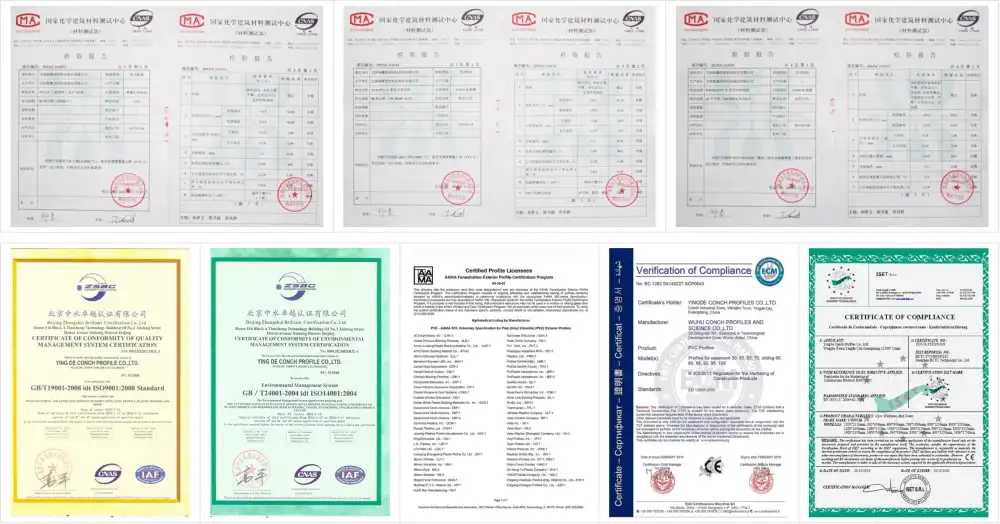
When evaluating a supplier, it's not just the specs of the product that are looked at; shipping reliability, expert support, and intellectual property protection procedures are also taken into account. Experienced OEM partners keep committed engineering resources to help with custom profile development, provide DIN-compliant technical paperwork for regulatory approvals, and uphold secrecy agreements to keep your secret designs from getting out without your permission. When looking for a supplier, making sure they have ISO 9001 certification, asking for customer examples from similar market groups, and checking their production capacity against your volume needs can help you find partners who can help your business grow in the long run.
In mature markets, specification decisions are affected by how easy it is to get replacement parts and service support in the area. Aluminium Tilt And Turn gear from well-known brands keeps parts available through long-established distribution networks for decades. On the other hand, proprietary systems might leave your customers stuck when parts break outside of guarantee terms. This long-term service thought makes customers more loyal and protects your brand from damage claims.
Application Scenarios and Suitability for B2B Clients
Matching window specifications to application requirements ensures optimal performance and customer satisfaction across diverse project types.
Commercial Office and High-Rise Buildings
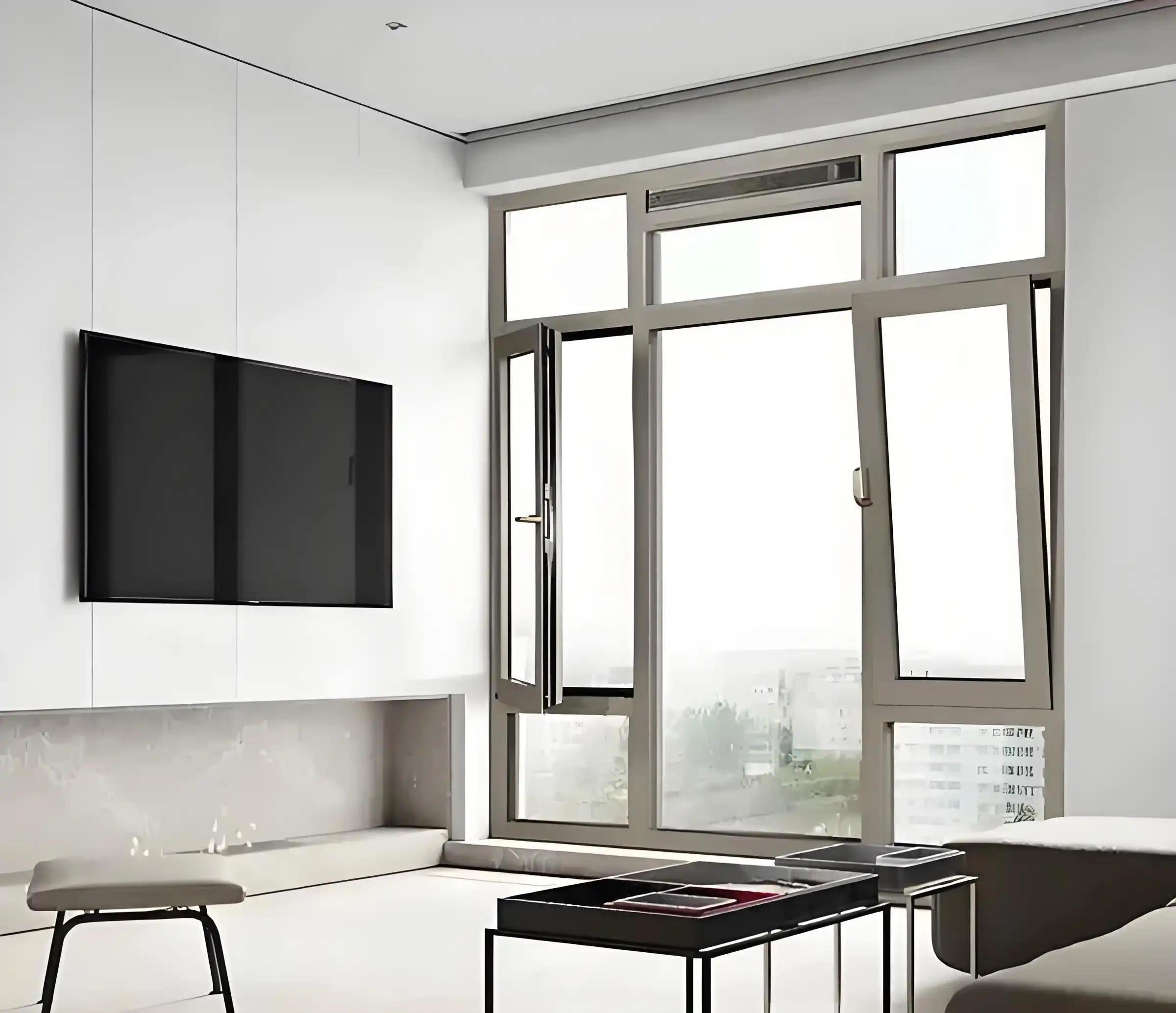
In modern business buildings, comfort, energy efficiency, and the look of the building are all given high priority. This means that Aluminium Tilt And Turn standards are preferred. The safe tilt ventilation mode lets you use night purge cooling techniques without worrying about safety, which lowers the load on your HVAC system during summer seasons. Full inward opening makes it easier to clean the glass inside of high-rise buildings, which gets rid of the need for dangerous exterior maintenance and the insurance problems that come with it. When aiming for commercial developers and corporate real estate portfolios, highlighting these operational benefits speaks to decision-makers who care about lifecycle performance as well as initial costs.
Industrial Facilities and Manufacturing Environments
For industrial uses, things need to last in harsh conditions and be easy for facility staff to maintain. The strong metal construction and multiple locking points of Aluminium Tilt And Turn windows make them suitable for use in industrial settings where vibrations, changing temperatures, and flying contaminants can shorten the life of parts. The design that opens inward keeps it from getting in the way of external piping, conduit runs, and equipment installations that are common in industrial settings. It also lets you quickly change the ventilation to control process heat without having to use complicated control systems.
Residential and Mixed-Use Developments
Developers of homes weigh the initial costs of building against the ability to sell the homes and stand out in competitive markets. More and more high-end home projects in Europe include Aluminium Tilt And Turn windows as standard features. This is because the market has been around for decades and customers have come to expect them. Because Aluminium Tilt And Turn systems are thought to be of higher quality and have roots in European engineering, they come with higher prices that help developers make more money while giving people real useful benefits.
Sustainability Certifications and Building Codes
In markets that care about the environment, third-party certifications are becoming more and more important. Because they keep out air and heat better, Aluminium Tilt And Turn windows easily get ENERGY STAR, Passive House, and other energy performance certifications. The metal frames are naturally long-lasting and can be recycled completely when they're no longer useful. This supports the circular economy principles that are important in European buying. Legal market access across EU member states is made possible by CE marking and Declaration of Performance paperwork prepared to EN 14351-1 standards. This is a must-have requirement that new importers often forget about.
Making the Decision: Which Window Type Fits Your Needs?
Strategic window selection aligns product characteristics with market positioning, customer expectations, and operational capabilities.
Evaluating Critical Selection Factors
When making a procurement choice, many factors are put together to make clear specifications that match the needs of the project and the skills of the company. The climate has a big effect on the thermal performance standards. For example, markets in continental Europe need strong thermal breaks and triple windows, while regions in the Mediterranean value sun control and ventilation over high insulation values.
Different types of applications have different security needs. For example, commercial installations need to be more resistant to burglary than most residential installations. Regional tastes in style are different. For example, in Northern Europe, people like simple, modern designs, while in heritage conservation districts, people still like traditional shapes and sizes.
Regional Market Preferences and Regulations
European markets have strong regional tastes that come from decades of building custom and changes in regulations. German-speaking markets strongly prefer Aluminium Tilt And Turn specifications, with more than 85% of new homes built using these specifications. The tastes of the Polish and Czech markets are similar, though not as strong. This is because the architecture is in line with the general building practices in Central Europe. Understanding these regional factors helps set priorities for spending in market growth and strategies for design.
Case Evidence from Successful Implementations
A 150-unit apartment building in the suburbs of Munich chose expensive Aluminium Tilt And Turn windows with triple glazing and Roto hardware throughout. This earned the building Passive House approval and led to a 12% price increase compared to similar buildings with standard windows. The developer said that the market's success was due to features that made people more comfortable and lower running costs, which allowed for higher prices. This proves that good window specs create measured value in picky markets.
Conclusion
When it comes to competitive building materials markets, the choice between Aluminium Tilt And Turn and casement windows has a big impact on how your brand is perceived, how happy your customers are, and how much money you make in the long run. Aluminium Tilt And Turn specifications offer real benefits in terms of energy efficiency, security, operating freedom, and lifecycle costs that appeal to buyers in European markets who care about quality, whether they are buying a home or a business.
Even though they require a bigger initial investment and more complex manufacturing partnerships, these systems give customers more value and lower warranty exposure, which is good for the brand's reputation. Casement windows are still useful in places where cost is important and where installers are familiar with the product and there are established supply lines that favor traditional specs. Strategic procurement aligns window selection with the needs of the target market, the organization's strengths, and its position in the market to get the best return on investments in product development.
FAQ
How do tilt and turn windows compare to casement windows in energy efficiency?
Aluminium Tilt And Turn windows usually save more energy than casement windows because they have compression sealing, which makes them Class 4 airtight compared to Class 3 ratings that casement windows usually have. The multi-chamber aluminum shapes allow for bigger thermal breaks, which lowers U-values and makes sure that strict European energy rules are met. It is possible for business setups to cut their energy costs by 8–12% by switching from standard casement windows to premium Aluminium Tilt And Turn windows.
Can tilt and turn windows be customized for large commercial projects?
Full customization meets a wide range of project needs, such as custom sizes, powder coat finishes that match architectural color palettes, anodized or wood-grain surface treatments, and hardware choices that match the needs of interior design. OEM manufacturing partnerships make it possible to change profile dimensions, add custom glazing systems, and change the size of the thermal break. Engineers who work on a specific project provide stamped drawings and performance documentation that meet the needs of the building department.
What installation challenges are unique to each window type?
For Aluminium Tilt And Turn installs to work smoothly, the frame must be perfectly aligned and the hardware must be adjusted within a 1mm range. This can only be done by trained fitters who know how to make the adjustments. Casement windows can handle small differences in how they were installed, but the hardware may need to be adjusted every so often as buildings settle. When Aluminium Tilt And Turn systems are shipped in knocked-down configurations, local glazing is possible. This makes logistics easier and reduces damage during transit, which balances out the difficulty of installation by making the supply chain more efficient.
Partner with a Trusted Aluminium Tilt And Turn Window Manufacturer
Over the past 19 years, Haolv Building Materials has been making precision-engineered Aluminium Tilt And Turn window systems to strict European standards as an OEM. Our factory combines high-quality German standards with efficient Chinese production to make 6063-T5 aluminum frames with walls that are 1.4 to 2.0 mm thick, thermal breaks that can be added up to 24 mm, and triple EPDM plus brush closing that makes them very airtight. We have ISO, CE, and AAMA certifications that help us follow the rules in international markets. We also offer full OEM/ODM services, which include custom finishes, branded packaging, and strict non-disclosure protocols for project documentation.
Knocked-down component shipping cuts your logistics costs by 30–40% by making better use of containers. It also allows for local glazing, which prevents damage in transit and supports just-in-time project delivery. Our engineering team gives you full technical parameter paperwork, installation videos, and illustrated assembly directions that are made just for you. These tools help installers learn faster and have fewer problems in the field. Usually, production cycles are finished in 25 to 30 days, and deliveries are made 95% of the time, which meets your project's scheduling needs.
Email our OEM solutions team at kristin@haolvwindows.com to talk about the specifics of your project. We offer private quotes, technical evaluations, and sample shipments that show how precise our production is and how committed we are to the success of our long-term partnerships. Explore how our services as an Aluminium Tilt And Turn window provider can help you improve the positioning of your business and the efficiency of your operations in the markets you want to reach.
References
1. Passive House Institute (2021). "Window Component Performance Requirements for Passive House Certification in Central European Climate Zones." Darmstadt: Passive House Institute Press.
2. German Window and Facade Association (VFF). (2020). "Technical Directive for Tilt-Turn Window Hardware Systems HE.01/1." Frankfurt: Bundesverband Flachglas.
3. European Committee for Standardization. (2019). "EN 14351-1: Windows and Doors - Product Standard, Performance Characteristics - Part 1: Windows and External Pedestrian Doorsets." Brussels: CEN-CENELEC Management Centre.
4. Carmody, J., Selkowitz, S., Lee, E., Arasteh, D., and Willmert, T. (2018). "Window Systems for High-Performance Commercial Buildings." New York: W.W. Norton & Company.
5. Baker, P. (2022). "Technical Performance of Aluminum Window Systems in Northern European Climates: A Comparative Study." Journal of Building Envelope Design, Vol 18(3), pp. 145-167.
6. International Energy Agency. (2020). "Energy Efficient Window Systems: Technology Roadmap for Building Envelope Components." Paris: OECD/IEA Publications.
Fast simple channel to send demands lock favorable price for building window door bulk purchases.