- English
- French
- German
- Portuguese
- Spanish
- Russian
- Japanese
- Korean
- Arabic
- Greek
- German
- Turkish
- Italian
- Danish
- Romanian
- Indonesian
- Czech
- Afrikaans
- Swedish
- Polish
- Basque
- Catalan
- Esperanto
- Hindi
- Lao
- Albanian
- Amharic
- Armenian
- Azerbaijani
- Belarusian
- Bengali
- Bosnian
- Bulgarian
- Cebuano
- Chichewa
- Corsican
- Croatian
- Dutch
- Estonian
- Filipino
- Finnish
- Frisian
- Galician
- Georgian
- Gujarati
- Haitian
- Hausa
- Hawaiian
- Hebrew
- Hmong
- Hungarian
- Icelandic
- Igbo
- Javanese
- Kannada
- Kazakh
- Khmer
- Kurdish
- Kyrgyz
- Latin
- Latvian
- Lithuanian
- Luxembou..
- Macedonian
- Malagasy
- Malay
- Malayalam
- Maltese
- Maori
- Marathi
- Mongolian
- Burmese
- Nepali
- Norwegian
- Pashto
- Persian
- Punjabi
- Serbian
- Sesotho
- Sinhala
- Slovak
- Slovenian
- Somali
- Samoan
- Scots Gaelic
- Shona
- Sindhi
- Sundanese
- Swahili
- Tajik
- Tamil
- Telugu
- Thai
- Ukrainian
- Urdu
- Uzbek
- Vietnamese
- Welsh
- Xhosa
- Yiddish
- Yoruba
- Zulu
How to Install Aluminum French Casement Door Correctly?
Installing an aluminum French casement door requires precision and technical knowledge to achieve optimal performance. Proper installation ensures the double-swing design operates smoothly, seals effectively, and delivers long-term durability for residential and commercial applications. This comprehensive guide walks through each critical phase—from pre-installation planning to final adjustments—helping procurement professionals, contractors, and installation teams execute flawless setups that maximize thermal efficiency, security, and aesthetic appeal while minimizing project delays and rework costs.
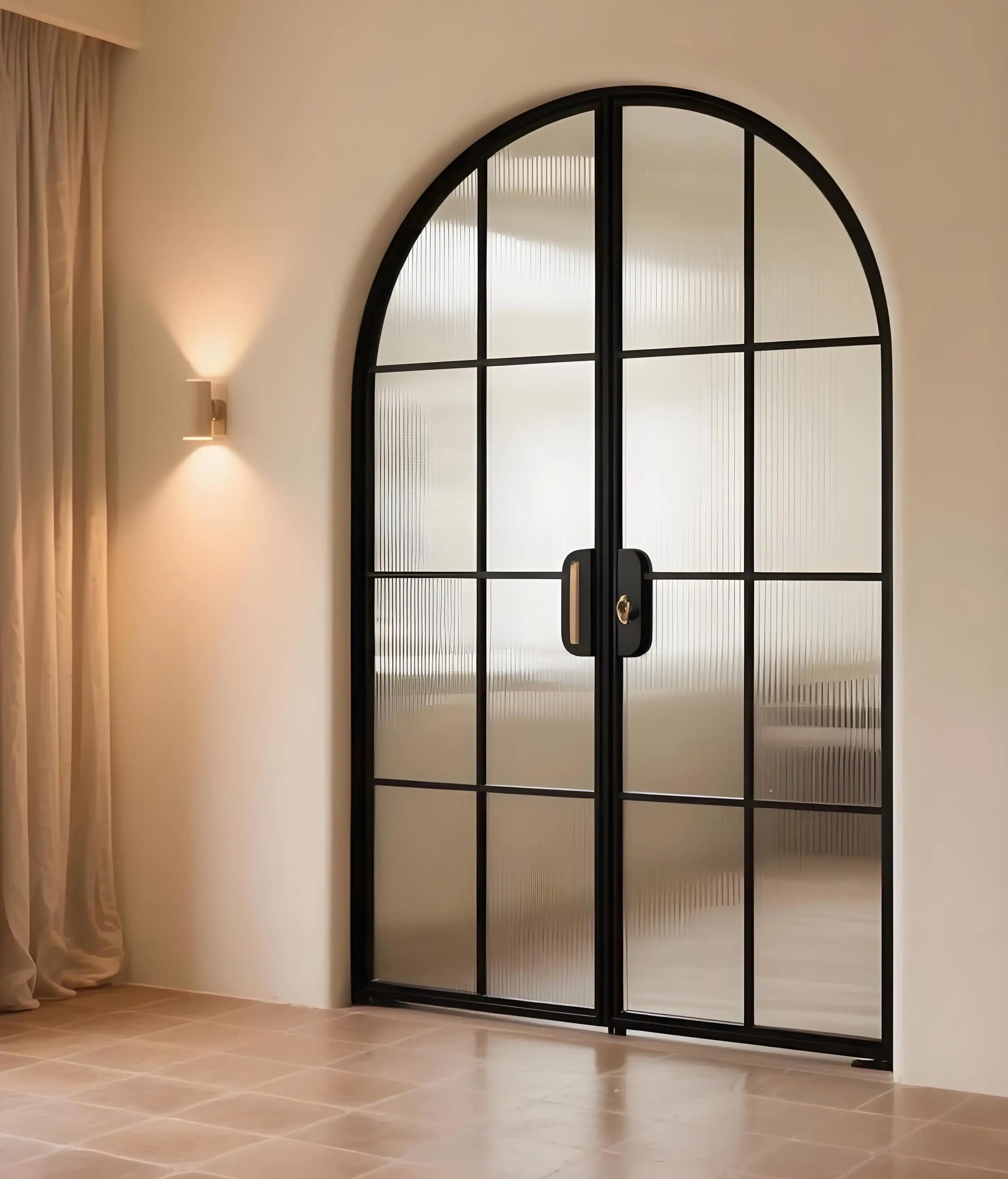
Understanding Aluminum French Casement Doors
Casement doors in the French style are the only ones that have a double-swing design. The frame of the door has hinges on two different sides, so the door panels can open either outward or inward to make a wide gate. People in Europe and other places like this building feature because it looks good and can be used in different ways. You can get to the whole area with this type of door, not just the folding or single-panel doors. This makes it perfect for storefronts, patio doors, and front doors.
Key Structural Components
The main part of the system is the frames, which are made of 6063-T5 aluminum metal and come in forms like 70, 80, or 110. Polyamide 66 (PA66) thermal breaks in these frames are between 14.8 mm and 34 mm wide. It is much harder for heat to move from inside to outside because of them. Glass comes in a range of forms, from single 5mm panes to double-glazed units such as 5+12A+5 or 5+15A+5. It is possible to temper, fuse, or coat the glass with Low-E, depending on the temperature and sound needs.
Heavy-duty multi-point locking systems usually have five locking positions. The center rail and top and bottom points are where they engage. This makes the force spread out evenly across the frame so it doesn't bend and let people in who aren't supposed to. Some hardware has hinges that won't rust and can hold panels up to 1200mm x 2400mm securely, even when they're used a lot. It is possible to change the look of something and protect it from damage from the environment by powder painting it in white, champagne, gray, or one-of-a-kind RAL colors.
Advantages for B2B Procurement
Aluminum frames don't rust like steel frames do, so they can be used near the coast or in wet places without weakening the structure. Putting aluminum together is easy because it is light. This speeds up the work and lowers the chance of getting hurt. Doors with thermal break technology use less energy, which means that over the door's useful life, HVAC costs will be lower. For big business projects, this is something you should think about. Builders can meet many architectural standards and local building codes without having to buy different lines of products because they can be customized in ways such as threshold heights, glass specifications, and locking configurations.
Pre-Installation Planning and Preparation
If you plan ahead, you won't make mistakes that cost a lot of money and cause the job to be late. Before you start working, check that all the parts match the plans and the orders that you placed for them. Check the job information against the frame sizes, types of glass, tool kits, and numbers of screws and bolts.
Accurate Measurement and Site Assessment
To find out what's wrong with the wall, you should measure the hole three times: once at the top, once in the middle, and once at the bottom. Shimmying the frame is what you need to do if the width changes by more than 3 mm. You should think about the type of standard you choose when you measure height. If you need to make something more accessible, low-barrier options take away about 20 mm of the height of the standard threshold.
Pay attention to the base. For a concrete, brick, or wood frame, you need different ways to anchor the building. For concrete, you need masonry anchors or expansion bolts. For wooden frames, only need wood screws and good sealing. For steel substrates, you need self-drilling screws or welded brackets. Mark on a piece of paper any weatherproofing or flashing that is already there and needs to be added to the new installation.
Essential Tools and Safety Equipment
You will need a laser level to line up the frames, an electric drill with metal and brick bits, a silicone caulking gun, shims of different thicknesses, a tape measure, a spirit level, and an angle grinder to make changes to the profiles. Aluminum French Casement Door installation follows the same framing and alignment steps, so these tools apply directly. Protection for your eyes, work gloves, dust masks, and steel-toed boots are all types of safety tools. If you need to work at a height, make sure the ladder or scaffolding is properly supported.
Common Installation Challenges
It's hard to close double-swing doors properly where the two sides meet in the middle. The way this is set up lets air and water in. Bigger panels are more likely to get bigger when the temperature changes, and frames that aren't spaced out enough may get stuck when the temperature changes. Even a 1-2 mm misalignment of gear can make it not work right and wear out moving parts faster. Follow the manufacturer's advice and test the fit before the final fixing to take care of these issues ahead of time.
Step-by-Step Guide to Installing Aluminum French Casement Door Correctly
With a careful building process, you can be sure that the structure will be stable and work as planned. The best ways to do things in this field have been worked out over many years and are shown below.
Frame Inspection and Positioning
Look for damage on the frame when you take it out of the box. Watch out for the corners and the continuation of the thermal break. Protect finished areas with film if it's not already there. In the rough hole, put the frame so that it is in the middle both across and down. Use a laser level to make sure that both of the vertical jambs are straight and that the head jamb is also level. If the difference is more than 2 mm, the door will not close properly and will be harder to use.
Put shims around the edge in six to eight places where the hinges and locks are. They keep the frame straight while it's being attached and stop it from bowing when it's full of weight. Make sure that the reveal measures are the same on all sides, and remember to account for any space needed for heat expansion calculations.
Anchoring and Securing the Frame
Drill test holes in the base through the anchoring slots in the frame. Leave 300–400 mm of space between each bolt. Anchor points must go at least 50 mm into rocks or 40 mm into wood frames. Do this one screw at a time, and make sure to check the frame's position each time. If you use too much force, the frame might bend, so make sure you check the sizes several times.
Once the piece is in place, check the readings for the diagonal, the plumb, and the level one more time. The diagonals should match up to 3 mm to make sure the squareness. If anything goes wrong at this point, the screws need to be loosened, moved around, and then tightened again.
Sealing and Waterproofing
Put a strip of high-modulus silicone glue all the way around the outside, where the frame meets the rough hole. Make a smooth, curved shape with the glue that keeps water away from the joint. Watch out for water that doesn't move in the bottom area more than anywhere else.
In thermal break designs, make sure that insulation fills in any holes between the frame and the wall. When you use expanding foam seals, cut them straight across once they're dry so they don't bend the frame. Follow the building plans when putting up outdoor trim or cladding, and make sure that the weatherproofing layers fit together correctly.
Hanging Casement Panels and Hardware Installation
Put the hinges on the door panels before you move them into place. The hinges should line up with the frame's stronger parts so that the weight is spread out properly. Be careful as you lift the panels, and hold the bottom edge to keep the hinge screws from getting strained. When you put the hinges on the frame, make sure the fingers stay straight along the vertical line.
To set up hardware with multiple locking points for an Aluminum French Casement Door, put the lock mechanism into the channel that has already been cut along the meeting stile. The striker plates on the other panel should be changed so that all five locking points are hit evenly. Close and open the door a few times to make sure it works. Listen for sounds like binding or scraping that could mean the door isn't lined up right.
Final Adjustments and Quality Checks
Turn the hinge screws to fine-tune where the panel is placed. You can fix sagging panels by adjusting them vertically, center them in the frame by adjusting them laterally, and change how much they press against the seals by adjusting them vertically. When doors are set correctly, they close easily and the weatherstripping is pressed to the edge all the way around.
Fold a piece of paper in half and place it between the panel and the frame. Next, shut the door and lock it to check the gasket contact. When you pull on the paper, it should always stick back. The seal isn't tight enough if the paper can easily move around in some places.
Double-check the multi-point locking system to make sure all the bolts can go all the way into the strike plates without getting stuck. Spray lube made from silicone on parts that move to make sure they work well. Making sure the thermal break sections stay whole and don't get squished is important.
Maintenance Tips for Aluminum French Casement Doors to Prolong Lifespan
Something looks good and works well as long as it gets fixed regularly. Aluminum naturally lasts longer than other materials, so it doesn't need to be taken care of as often. But if you take care of small problems on a regular basis, they won't get worse and need more expensive repairs.
Cleaning and Surface Care
Use a soft cloth and a mild soap solution to clean metal frames every three months. To keep the base from rusting, don't use steel wool or rough cleaners. They will scratch the protective layers. Rinse well with clean water and dry with a towel that doesn't have lint on it to avoid getting water spots. It is best to clean powder-coated surfaces with cleaners made for painting surfaces so that the color and gloss stay the same.
Standard glass cleaners and microfiber cloths can be used to clean glass panels. Pay extra attention to the corners, which are where dirt tends to gather, when you clean the inside and outside. Look for cracks or separations in the seals around the windows. These can make the energy economy worse and should be fixed by a professional.
Hardware Lubrication and Adjustment
Clean and grease doors, locking systems, and moving parts every six months with PTFE or silicone-based lubricants. Stay away from oil-based items because they gather dust and damage rubber seals. Put a small amount of grease on the pivot points and wipe off the rest so that it doesn't get on finished surfaces.
Make sure all the gear is tight every year. Moving parts and changes in temperature can loosen screws over time. Tighten the hinge screws and lock the attachment hardware if you need to. But be careful not to tighten them too much, as that could damage the threads or cause the aluminum extrusions to crack.
Troubleshooting Common Issues
Leaks in the air around the center meeting rail are often caused by panels that aren't lined up properly or weatherstripping that is worn down. It will work again if you either line up the panels or replace the seals. If water gets into the floor, it's likely because the sealing didn't work or the weep holes are blocked. Make sure the drainage paths are clear and the joints are sealed again to fix the problem.
If locks are hard to open, it's likely because the hardware isn't lined up properly or the inside is worn down. Move the striker plate so that it lines up with the locking bolts. Loosen the screws that hold it in place. It's best to fix worn-out parts right away so they don't break. If the panels sag, it means that the hinges are broken or the frame is twisted. Hinges can be made stronger by adding more fasteners or the frame can be shimmed to move the weight around.
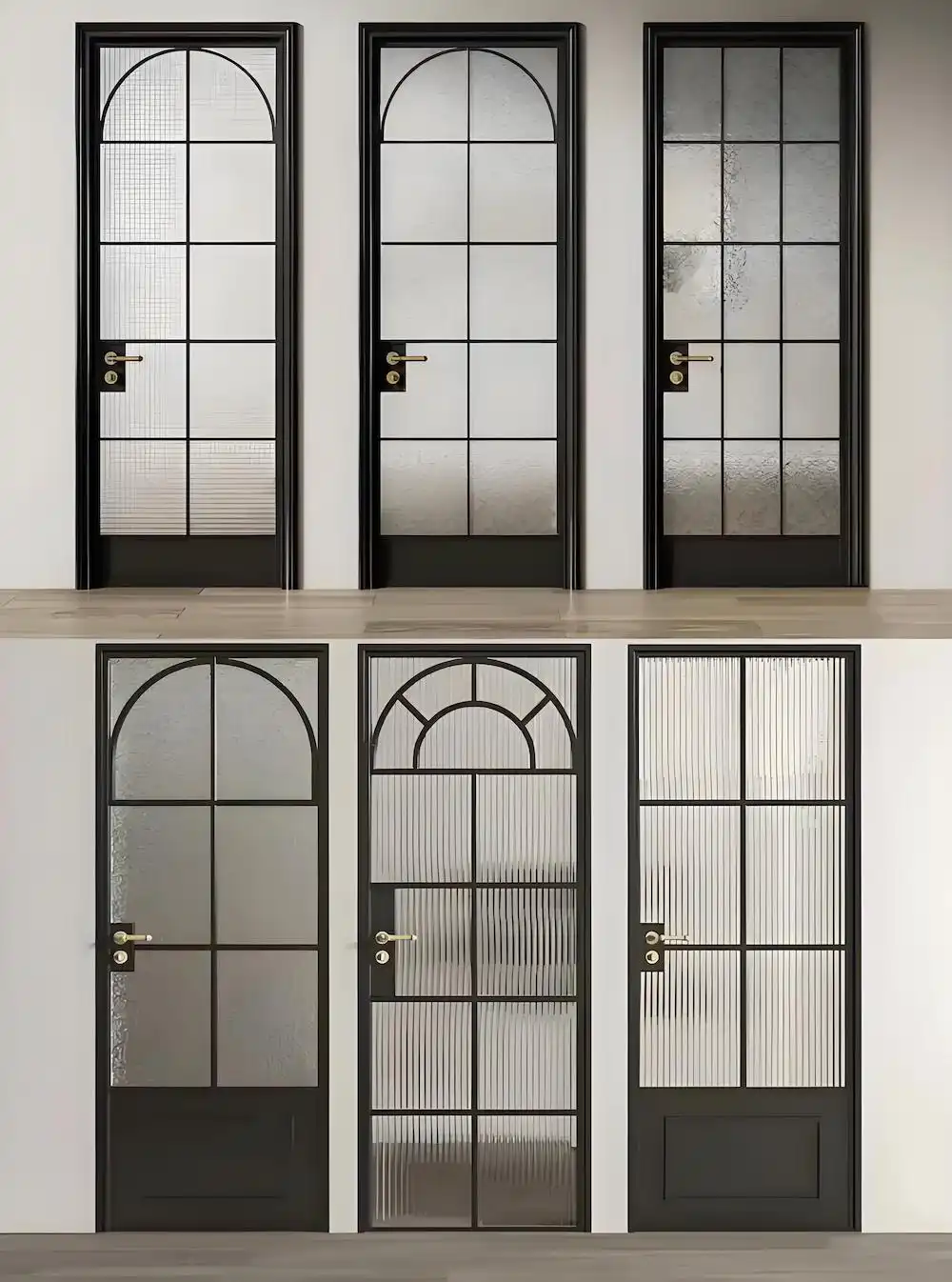
Comparing Aluminum French Casement Doors with Other Materials and Types for Informed Procurement
Choice of material affects how much it costs, how much maintenance it needs, and how well it works over time. When you know these trade-offs, you can buy things that are good for the project and meet its goals.
Aluminum vs. Wood and uPVC
Aluminum is easy to take care of and doesn't break down in nature, so it doesn't need any surface treatments. By contrast, it's traditional to paint or color wood, but it needs to be done often to keep it from rotting and bugs damaging it. The cost goes up over the life of the product because it needs to be maintained every three to five years. For an Aluminum French Casement Door, this low-maintenance advantage is even more significant, as the large moving panels would otherwise require frequent refinishing if made of wood.
Plus, UPVC doesn't cost as much at first and keeps heat in. But it's not strong enough for large panels. UV light can make uPVC frames break easily or change color over time. In normal situations, metal can last for many decades. During that time, its size and color don't change.
French Casement vs. Sliding and Steel Doors
When you slide doors open half way, they don't let in as much air, but they do save space inside. French window designs let you get to all areas and let in more natural air, which is useful for uses that like to connect the inside and outside.
When it comes to safety and impact resistance, steel doors are the best. However, they are also much heavier than metal doors, which makes installation harder and increases the load requirements for the structure. Steel also rusts if it doesn't have a covering to protect it, so it needs to be maintained often in wet or coastal places. Aluminum is a better choice for most business and household uses because it doesn't rust and isn't heavy.
Glazing Options and Performance Impact
When the weather is mild, single-glazed units work fine, but they don't do much to keep heat or noise out. Double-glazed units, such as 5+12A+5 designs, keep heat in and noise out. This makes them good for cities and other places where it gets very hot or very cold. Because they stop infrared light but let visible light through, low-E coats make things even more energy efficient.
When you put a piece of plastic between the glass panes, you make them safer and better at blocking sound. This form makes it less likely that someone will get hurt if pieces break. Because tempered glass is stronger when hit, it can be used in places where people walk a lot or where it could be broken by wind or theft.
Enhancing Project Efficiency Through Knock-Down Assembly and Technical Support
When people buy things today, they put speed of delivery and quality of the goods at the top of their lists. Knock-down (KD) assembly methods bring door parts that are already broken down, which greatly reduces the number of items that need to be shipped. Frames, panels, and hardware that are shipped flat-packed take up to 30% less space in containers than units that are fully put together. Shipping costs are lower this way, and you can place bigger items without going over your shipping budget.
On the job site, people put things together by following specific instructions from Haolv Building Materials and other companies. There are exploded-view diagrams, step-by-step directions, and torque specs for all fasteners in these guides. Along with written instructions, video lessons show important steps like how to place a gasket, put together a thermal break, and set up hardware. These tools help managers set up things at more than one place or with contractor teams that have people from different backgrounds because they cut down on teaching time and mistakes.
Customization is more than just picking out the way something looks. There are different types of loads, heat transfer values (U-factors), air entry rates, and structural test data on technical parameter sheets. Engineers can then check to see if the goods follow local building rules before they are bought. Manufacturers offer a range of sizes to fit spaces that aren't normal. This stops changes in the field that would void the warranty from taking place. When an order is confirmed, it usually takes 25 to 30 days to get to the customer. This gives you the ability to plan a job.
Conclusion
For proper installation of Aluminum French Casement Doors, you need to be able to combine technical know-how with real-life experience. From the first visit to the site to the last change to the hardware, each step makes the system work better, use less energy, and make users happy in the long run. High-tech heat break systems and multi-point locking systems work together with the double-swing design to make doors safe and comfortable in both home and business settings.
These benefits are kept safe by regular maintenance, and picking the right materials for the job saves cash. Procurement workers can get an edge over their competitors by working with manufacturers that offer knock-down assembly options, clear technical paperwork, and quick response support teams that can handle problems that only happen at one spot.
FAQ
What is the typical installation timeline for aluminum French casement doors?
Installs that are up to code take four to six hours per door unit when done by expert teams. This could take up to eight hours for bigger jobs that need to change the structure, make flashing that isn't found anywhere else, or work with other trades. Field-assembled frames take longer to set up than pre-assembled frames, but knock-down shipping is better for operations. The weather changes the way you work when you're outside. When it's raining or the temperature drops below what the manufacturer says is safe, don't put on sealants.
Can installation be completed without professional assistance?
To make sure the guarantee is followed and for the best performance, it is best to have a professional install it. The work can also be done by skilled do-it-yourselfers. Misalignment, bad seals, or making the wrong hardware changes can go wrong, which makes installing it yourself less useful than just saving money. For business jobs, approved contractors must always meet the requirements for building code checks. It's best to get help with home projects, especially when you're adding new doors to systems that already keep the weather out.
What installation errors occur most frequently?
Frame support that isn't strong enough is the biggest problem. This lets the frame move and seals fail when wind loads hit them. When you skip level and plumb checks, the hardware and binding wear out before they should. If the sealer isn't enough or isn't put on right, water can get in. Things can move when screws are too loose or too tight. When fasteners are too tight, frames curve. When temperature expansion gaps are not taken into account, seasonal binding can happen. Hardware that isn't lined up right makes the lock not work right and wears out the parts faster.
Partner with Haolv Building Materials for Superior Aluminum French Casement Door Solutions
Haolv Building Materials has been making specialized building materials for 19 years. They use what they've learned in all of their Aluminum French Casement Door projects. Our 6063-T5 thermal break shapes come in series 70, 80, and 110, and they can support glass thicknesses from 5 mm to 28 mm. You can pick from tempered, laminated, and double-glazed choices based on the needs of your job. Multi-point locking systems with five contact points make the door very safe, and heavy-duty hinges make sure it works well for a long time.
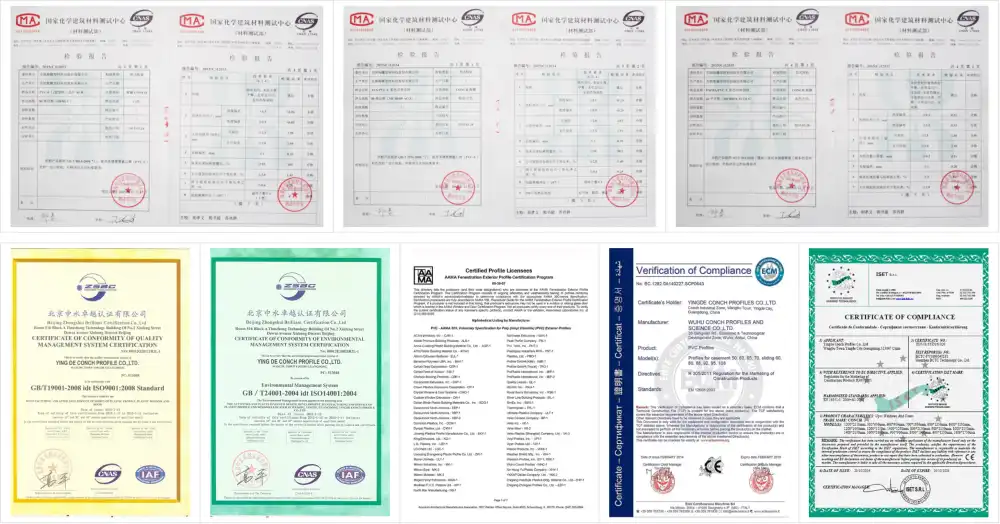
We have ISO, CE, and AAMA certifications that back up our quality control processes and the performance of our products. We can fill orders in 25 to 30 days as long as we have enough product on hand. This means we can easily meet tight project deadlines. Large amounts of money are saved on shipping costs with our knock-down assembly method. Also, our expert team provides parameter sheets, installation videos, and full instructions to make things go more smoothly on-site. Frame sizes, color finishes, hardware options, and glass specs can all be changed to make the window fit the needs of the building perfectly.
Whether you're a company that makes Aluminum French Casement Doors looking for OEM partnerships or a contractor looking for trusted parts for business projects, we can help. Send us an email at kristin@haolvwindows.com to get a full price and talk about what your project needs. At haolvbuilding.com, you can see all of our products and get technical hints.
References
1. National Fenestration Rating Council. (2021). Technical Guidelines for Door Installation and Thermal Performance Testing. Washington, DC: NFRC Publications.
2. Aluminum Association. (2020). Architectural Aluminum Manual: Design and Installation Standards. Arlington, VA: Aluminum Association Press.
3. Building Science Corporation. (2019). Water Management in Building Envelope Systems: Sealing and Flashing Best Practices. Somerville, MA: BSC Technical Reports.
4. International Code Council. (2022). International Building Code Chapter 14: Exterior Walls and Opening Protections. Country Club Hills, IL: ICC Publications.
5. European Committee for Standardization. (2018). EN 14351-1: Windows and Doors — Product Standard, Performance Characteristics. Brussels: CEN Technical Committee.
6. American Architectural Manufacturers Association. (2020). AAMA Installation Masters Manual for Fenestration Products. Schaumburg, IL: AAMA Educational Foundation.
Fast simple channel to send demands lock favorable price for building window door bulk purchases.