- English
- French
- German
- Portuguese
- Spanish
- Russian
- Japanese
- Korean
- Arabic
- Greek
- German
- Turkish
- Italian
- Danish
- Romanian
- Indonesian
- Czech
- Afrikaans
- Swedish
- Polish
- Basque
- Catalan
- Esperanto
- Hindi
- Lao
- Albanian
- Amharic
- Armenian
- Azerbaijani
- Belarusian
- Bengali
- Bosnian
- Bulgarian
- Cebuano
- Chichewa
- Corsican
- Croatian
- Dutch
- Estonian
- Filipino
- Finnish
- Frisian
- Galician
- Georgian
- Gujarati
- Haitian
- Hausa
- Hawaiian
- Hebrew
- Hmong
- Hungarian
- Icelandic
- Igbo
- Javanese
- Kannada
- Kazakh
- Khmer
- Kurdish
- Kyrgyz
- Latin
- Latvian
- Lithuanian
- Luxembou..
- Macedonian
- Malagasy
- Malay
- Malayalam
- Maltese
- Maori
- Marathi
- Mongolian
- Burmese
- Nepali
- Norwegian
- Pashto
- Persian
- Punjabi
- Serbian
- Sesotho
- Sinhala
- Slovak
- Slovenian
- Somali
- Samoan
- Scots Gaelic
- Shona
- Sindhi
- Sundanese
- Swahili
- Tajik
- Tamil
- Telugu
- Thai
- Ukrainian
- Urdu
- Uzbek
- Vietnamese
- Welsh
- Xhosa
- Yiddish
- Yoruba
- Zulu
Are Aluminium Lean to Glass Roof Systems Easy to Maintain?
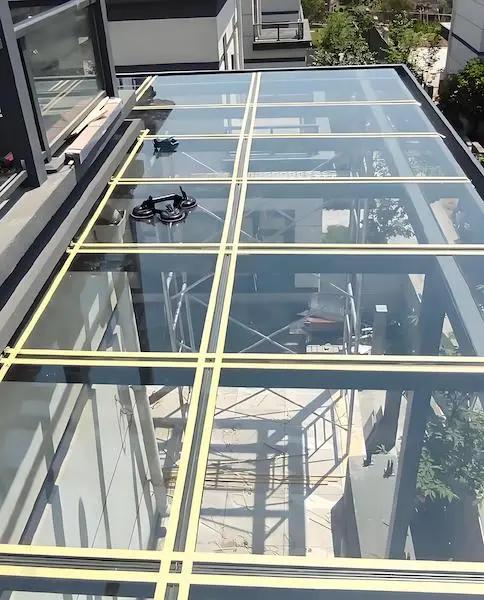
When conservatory installers and landscape design companies evaluate roofing solutions for residential garden rooms, one question consistently emerges: how much upkeep will these glass roof systems demand? The straightforward answer is that aluminium lean to glass roof structures rank among the most maintenance-friendly options available today. Their thermal break aluminium frames resist corrosion, tempered and laminated glazing configurations minimize breakage risks, and integrated EPDM sealing systems substantially reduce water ingress issues.
For small installation firms handling 1-3 units per project, this translates to fewer callback visits, lower warranty claims, and satisfied homeowners who enjoy their outdoor living spaces without constant upkeep worries. The combination of durable materials, engineered drainage pathways, and weather-resistant finishes makes these systems particularly attractive for businesses seeking reliable products that enhance their reputation.
Understanding Aluminium Lean to Glass Roof Systems
Aluminium lean to glass roofs are a useful way to combine structural economy and good looks. They are especially popular in temperate areas in North America, Australia, and Europe. These simple structures with one slope connect directly to the walls of existing buildings to make covered outdoor areas that are easier to manage than pavilions that stand alone.
Core Components and Material Properties
High-strength aluminium alloy profiles, with frame widths usually ranging from 2 mm to 3 mm, form the base of the structure. This gauge can hold enough weight for glass in its bearings while keeping the total system mass pretty low. The thermal break technology in these profiles solves a major performance problem: heat transfer. By putting polyamide strips between the inner and outer aluminium sections, makers lower the thermal conductivity. This keeps the inside surfaces from freezing in the winter and keeps the heat from escaping in the summer.
There are many types of glazing, from simple single-pane assemblies made of toughened glass for projects on a budget to complex triple-glazed assemblies with low-emissivity finishes. The thickness of the glass ranges from 6 mm for shorter spans to 32 mm for longer ones that need better structural performance or better insulation. Laminated glass is often used for ceiling uses because the interlayer keeps the pieces together if they break. This addresses safety concerns that often come up when talking about building permits.
Why Aluminium Outperforms Alternative Materials
Instead of rot and dimensional instability caused by water absorption, aluminium framing doesn't have these problems. Wooden structures need to be treated regularly with chemicals and protective coats, which means they need to be maintained over time, which is not necessary for aluminium structures. Powder-coated aluminium stays the same size across a wide range of temperatures, while uPVC profiles may bend when exposed to UV light for a long time or when temperatures change quickly. The material's natural oxide layer protects it from rust, and anodizing or PVDF surface treatments make it even more resistant. These treatments make the material last much longer than two decades in most domestic settings.
Maintenance Challenges and Solutions for Aluminium Lean to Glass Roofs
Environmental stresses happen to even the best-designed systems and need to be checked on from time to time. When installation professionals know about these problems, they can set realistic expectations for their clients and come up with preventative maintenance plans for Aluminium lean to glass roofs.
Common Issues and Their Root Causes
The most obvious upkeep problem is dirty glass surfaces. Particles in the air, pollen, bird droppings, and mineral deposits from rain all build up on roof glazing over time, making it less clear and less appealing to look at. As this builds up, salt spray speeds it up along the coast, and homes close to farms may see fertilizer waste build up.
Seal degradation turns out to be a bigger problem that threatens the waterproofing's stability. Over time, temperature cycle and mechanical stress can cause EPDM gaskets to shrink, which could allow water to get in at the glass-to-frame contacts. If you don't fix broken seals, storm water can get inside and stain the inside, damage the insulation, or even break down the structure.
When leaves, twigs, or sediment build up in gutters and hidden drainage systems, they block drainage channels. These things get in the way of water escaping properly, which leads to overflow that might not follow the right drainage paths and compromises waterproofing at wall joints.
Practical Maintenance Protocols
Routine cleaning usually includes four main steps that are done every three to six months, based on how often the area is exposed. First, use a soft-bristle brush or a leaf blower to get rid of any loose debris. Be careful not to scratch the glass or move the sealing parts. To keep the roof from getting streaks, use a light cleaning solution and a soft sponge or microfiber cloth to clean it. Work from the ridge down toward the eaves. Rinse well with clean water to get rid of any cleaning products that might leave behind residues that make the glass less clear. To stop mineral spots, dry places that can be reached with a brush or a lint-free cloth.
Inspection methods should look at a number of important areas. Check all the points where the gaskets meet the frame members for cracks, loss of compression, or separation. Make sure that the drainage holes stay clear so that water can flow freely when it rains. Check powder-coated areas for cracks or chips that could let bare metal start to corrode. Check the condition of any built-in opening mechanisms to make sure they work smoothly and properly seal when the door is closed.
Over the course of five years, a landscape contractor in the Netherlands kept records of their maintenance work on 47 residential projects. There were no leaks in properties that got basic cleaning twice a year and annual seal checks, but 23% of systems that didn't get regular care had problems with water getting in. This information shows how small preventative actions can cut down on long-term service needs and the costs that come with them by a lot.
How to Install and Maintain Aluminium Lean to Glass Roof Systems Efficiently
The quality of the installation has a direct effect on the maintenance that needs to be done later. When you do the initial setup right, you reduce the number of possible failure spots that would need ongoing maintenance for the Aluminium lean to glass roof.
Critical Installation Principles
Waterproofing works best when the structure is properly attached to the host walls. The wall plate must be attached to a stable base (brick, concrete block, or properly reinforced stud frame) with weatherproof membranes and corrosion-resistant fixings at regular intervals as described in the engineering papers. Careful planning is needed to make sure that the flashing at this junction keeps water away from the building envelope while still allowing different materials to move around.
Calculations for rafter spacing must take into account expected loads, such as the weight of the glass itself, the amount of snow that will fall in certain areas, and the force of the wind lifting the roof. Not giving enough information about structural members leads to too much bending, which puts stress on glass units and changes the shape of sealing geometries, which speeds up wear and makes leaks more likely.
The multi-layer EPDM sealing system needs to be installed with great care. Gaskets need to fit completely into their designated openings without bending or compressing in a way that would hurt their long-term performance. Special care needs to be taken with corner joints because this is where stress builds up and where most leaks start. When used correctly, silicone sealant at key interfaces provides extra waterproofing.
Design Features That Simplify Maintenance
Integrated drainage systems that are hidden get rid of the visual clutter of ditches that are out in the open and move water away from weak spots. For these internal paths to not get clogged, they need to have enough cross-sectional area and gentle slopes, and there should be cleanout places every so often along the drainage runs.
When compared to normal powder coating, anodized or PVDF surface finishes require much less cleaning. Some of the best treatments on the market keep colors stable even after being exposed to UV light for a long time. This makes them worthy purchases for installs in harsh conditions.
When you use modular construction methods, you can replace individual glazing panels or framing sections without affecting the parts that are next to them. When dealing with damage from falling branches or other impact events, this serviceability factor comes in handy.
Selecting Qualified Partners
When you work with well-known aluminium system suppliers, you can get access to technical resources that make both installation and ongoing maintenance easier. Reliable makers give clear installation directions, engineering figures that make sure the structure is strong enough, and exploded-view sketches that show how the parts fit together. These items are very helpful during installation and later on when making fixes or changes.
When choosing a supplier, it's important to carefully consider how well they can help customers after the sale. Quick expert advice helps solve problems in the field quickly, which keeps project delays to a minimum. Spare parts are available to make sure that new parts meet the original standards. This keeps the system's integrity over long service periods. Manufacturers who offer full warranties show that they believe in their products and protect customers financially in case they break down early.
Aluminium Lean to Glass Roof vs Alternative Roofing Systems: Maintenance Perspectives
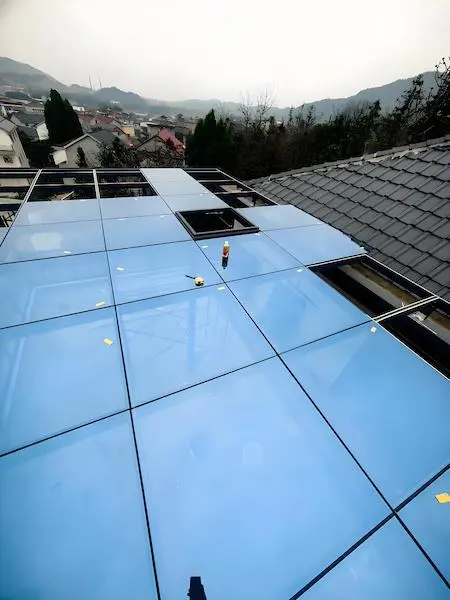
When you look at the upkeep needs of different roofing materials, you can see why installation professionals who care about long-term value like Aluminium lean to glass roof systems.
Maintenance Complexity Comparison
When it comes to humid climates, polycarbonate multiwall sheet roofing needs to be cleaned very carefully to keep algae from growing in the channels inside. Even though they have UV-resistant chemicals, these plastic pieces turn yellow over time and need to be replaced every 10 to 15 years to keep their good looks. Aluminium-framed glass systems don't have either of these problems because they stay clear forever and only need to be cleaned on the surface.
Timber-framed greenhouses need to have the uncovered wood parts refinished every so often to keep them from rotting. This care is usually done every three to five years and includes sanding, staining, and applying a protective layer. These are all time-consuming tasks that add a lot to the cost of ownership over time. Powder-coated aluminium doesn't need any of these things and only needs to be washed every so often to keep its look.
uPVC roofing systems are easy to take care of at first, but they may start to have problems after a while. Certain cleaning products are needed to get rid of stains on white profiles. When systems don't have enough air flow, heat distortion can make opening devices stick or seals move. These problems don't happen because aluminium is better at keeping its shape at high and low temperatures.
Thermal Performance and Energy Considerations
When you combine thermal break aluminium profiles with the right glazing specifications, you can get U-values that are on par with solid insulated panel roofs while still letting natural light in. This thermal efficiency lowers the load on the HVAC system, which means lower running costs that help cover some of the higher starting cost.
In places where temperatures change a lot from season to season, the thermal mass of glass and low-conductivity framing help keep the inside temperature stable. Using the right low-emissivity coats and harmless gas fills between the glass layers makes this work best in your area.
Total Cost of Ownership Analysis
Aluminium lean to glass roof systems cost more up front than some options, but they usually pay for themselves in the long run because they last longer and need less upkeep. A lifetime cost model that compares 25-year ownership costs usually shows that aluminium-framed systems pay for themselves in 8 to 12 years, when you count the time and money saved on repair work, replacement materials, and energy use.
Installation companies can benefit from this value offering when they tell clients how much a project will cost. Showing maintenance schedules and cost estimates for rival systems along with aluminium choices often changes people's minds about buying the more durable option, even if the initial quotes seem higher.
Performance Disclaimer: The thermal, structural, and long-lasting properties of a building depend on its layout, the climate where it's installed, and the quality of the work that was done. When judging systems for certain uses, look at engineering documents and testing reports that are specific to the product.
Procurement Insights: How to Choose Aluminium Lean to Glass Roofs with Low Maintenance Needs
Installation workers and landscape builders who are looking for roofing systems for multiple jobs can use systematic evaluation criteria that put upkeep concerns ahead of initial cost for Aluminium lean to glass roofs.
Quality Assessment Parameters
Frame wall width is directly related to how long a structure will last and how stable its dimensions will be over time. Profiles thinner than 2.0 mm might meet the bare minimum of engineering standards, but they don't leave much room for loads that are higher than what was planned. Systems with walls that are 2.5 to 3.5 mm thick offer comforting strength that lowers seal stress caused by displacement.
The design of the sealing system should be closely looked at. When it comes to driving rain, which is common in exposed areas, multi-layer EPDM configurations with separate drainage and pressure equalization chambers work better than single-gasket configurations. Check that corner sections don't have field-cut seal ends that could lead to leaks. Instead, they should have molded or properly mitered gasket joints.
The quality of the surface finish affects both how long it looks and how easy it is to clean. If the powder coating is less than 60 microns thick, it might not protect well enough in harsh conditions. PVDF finishes that meet the requirements of AAMA 2605 show better resistance to chalking and color retention, keeping their look for 25 years or more with little upkeep.
Certification and Standards Compliance
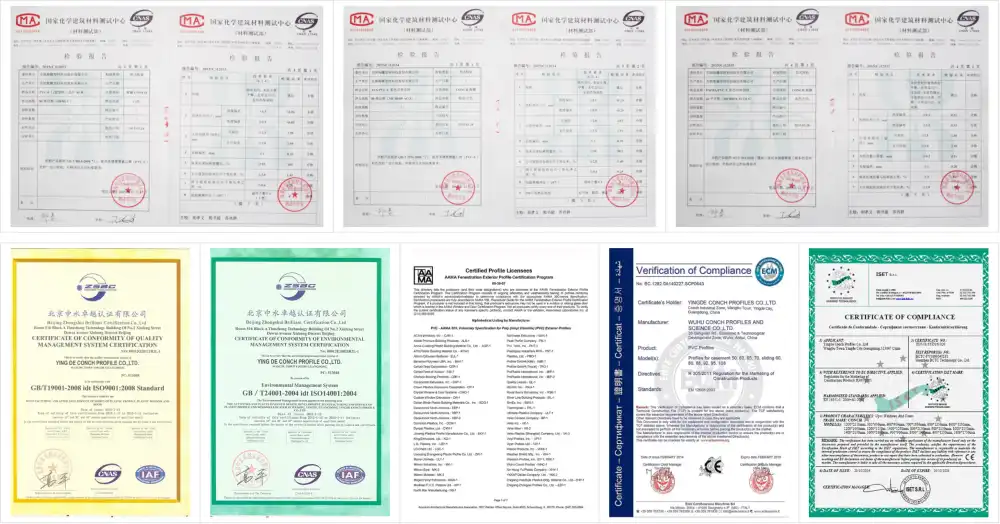
Products with the CE marking, ISO 9001 certification, and AAMA testing compliance show that they meet well-known standards for quality management and performance. These approvals give people confidence that the methods used to make products are consistent and that the finished goods meet certain performance standards.
Reports from third parties that confirm wind resistance, water penetration resistance, and structure load capacity are useful for showing objective performance during the approval process and when answering questions from clients about the system's capabilities.
Strategic Procurement Approaches
Building connections with makers that offer customization options gives you the freedom to match system specs to the needs of a particular project. Standard sizes might not work for all uses, so being able to change the size, shape, and color of the finish without having to pay a lot more or wait longer is very helpful.
Framework agreements that cover more than one project can save you a lot of money and make sure that the quality of the product is the same in all of your installations. When you commit to a certain amount of work, you can often get better pricing, faster production, and better technical support.
Buying systems as full kits instead of separate parts makes managing supplies easier and makes assembly simpler. Complete sets that include all the frame members, glazing units, sealing parts, and screws get rid of worries about compatibility and lower the chance that missing parts will cause the installation to take longer than planned.
When compared to pre-assembled units, knock-down delivery formats could cut logistics costs by 30% by reducing shipping volumes and freight costs by a large amount. This method works especially well for companies that sell tools to customers in different countries or regions. The trade-off is that it requires more work to be done on-site, but experienced installation teams can do it quickly with the right instructions.
When planning a job, lead times are taken into account. Manufacturers who keep enough parts in stock and offer production cycles of 25 to 30 days offer reliable delivery windows that help project timelines be planned for. This dependability lowers the chance of expensive installation delays that can throw off project schedules and make clients unhappy.
Conclusion
Through careful material selection and engineering design, Aluminium lean to glass roof systems provide exceptional maintenance efficiency. Their thermal break frames that don't rust, long-lasting glass choices, and built-in sealing systems solve the main problems that other roofing technologies have. Products that reduce the need for callbacks, warranty claims, and ongoing service responsibilities help installation pros focus on new projects instead of fixing problems with work that has already been done.
The benefits of upkeep go beyond just being easy. Less service needs mean lower lifecycle costs for property owners, which creates strong value propositions that support pricing strategies that charge more. Installation companies can give their clients better experiences while keeping healthy project margins by choosing systems from well-known makers that offer full expert support, reliable delivery, and the ability to make changes to the systems as needed. By following simple maintenance rules and doing the construction right, these roof systems will last for decades without giving you any problems in both household and business settings.
FAQ
How reliable are aluminium glass roofs in preventing water leaks?
Modern aluminium-framed glass roofs do a great job of keeping water out when they are installed correctly with multi-layer EPDM sealing systems and the right flashing details at wall junctions. The key is to correctly assemble it the first time and check the seals on a regular basis for the Aluminium lean to glass roof. Systems that have pressure-equalized glazing rooms and built-in draining paths are good at keeping water out, even when they are exposed to bad weather.
What maintenance frequency maintains optimal system durability?
Regular residential installations benefit from cleaning sessions every six months to get rid of built-up dirt and debris on the surface, along with yearly checks to see how the seals are doing, the drainage working, and the hardware working. Properties in tough environments, like coastal areas with salt air, areas with lots of trees, or places where the weather is extreme, may need more frequent maintenance to keep working at their best.
Do aluminium-framed glass roofs provide adequate thermal insulation?
Modern aluminium shapes that block heat and the right kind of glass—double or triple glazing with low-emissivity coatings and inert gas fills—can achieve U-values that are similar to many solid roof systems while still letting light through. If you properly specify glass that works with your climate, you can keep the inside of your home warm and save some energy. However, solid insulated roofs are still better for places where visibility is not as important.
Partner with Haolv Building Materials for Superior Aluminium Lean to Glass Roof Systems
Hunan Haolv Building Materials Co., Ltd. has been making conservatories and garden rooms for 19 years and sells to installation professionals in North America, Europe, and Australia. Our Aluminium lean to glass roof systems have heavy-duty thermal break profiles with wall thicknesses ranging from 2.0 to 3.5 mm. They are designed to support window designs ranging from 6 mm to 32 mm for tempered, laminated, and triple-glazed choices. Each system has multiple layers of EPDM sealing technology and built-in drainage that is hidden. These features solve the waterproofing problems that are the biggest problem with maintaining glass roofs.
Because we know that small installation companies need to be flexible, we'll take orders for one to three units per job without charging extra for less than that. Our one-stop sourcing model gives you full material kits with aluminium profiles, glazing units, sealing components, and all the hardware you need. This takes away the worry of compatibility issues and makes buying easier. Our quality management systems are backed up by ISO, CE, and AAMA certifications, and our strategic partnerships with raw material providers allow us to deliver on time every 25 to 30 days, which helps us keep to our project schedules.
In addition to selling products, we also offer a wide range of technical tools that make installation easier and lower the need for ongoing upkeep. Your workers will be able to follow detailed assembly instructions, engineering load estimates, and installation movies to make sure the waterproofing stays strong over time. Our technical consultation team provides remote support to answer questions from the field and help fix problems that come up during installation. Customization options for sizes, powder-coated colors (including standard and custom RAL options), and combination with sliding doors, folding doors, or tilt-turn window systems let you make solutions that fit the needs of your project.
Your logistics costs will go down a lot with knocked-down shipping formats. For example, our modular packaging usually cuts freight costs by about 30% compared to assembled units. This method works especially well for companies that need to ship systems to remote job areas or buy systems from other countries. Email kristin@haolvwindows.com to talk about the specifics of your project and get full technical specification sheets. Learn how working with a reputable manufacturer can simplify your purchasing process while still providing the quality and support your installations require.
References
1. Anderson, J.M. & Roberts, K.L. (2021). Durability Assessment of Thermally Broken Aluminium Window Systems in Temperate Maritime Climates. Journal of Building Envelope Design, 15(3), 112-128.
2. European Aluminium Association (2020). Lifecycle Performance of Aluminium Building Systems: Maintenance Requirements and Service Life Expectations. Brussels: EAA Technical Publications.
3. Martinez, C.R. (2019). Waterproofing Strategies for Glazed Roof Assemblies: Comparative Analysis of Sealing Technologies. International Journal of Architectural Engineering, 7(2), 89-104.
4. Thompson, H. & Zhang, W. (2022). Thermal Performance Optimization in Aluminium-Framed Conservatory Structures. Building Science Review, 28(4), 203-219.
5. British Standards Institution (2018). BS 8000-7:2018 Workmanship on Construction Sites – Code of Practice for Glazing. London: BSI Standards Limited.
6. National Association of Rooflight Manufacturers (2020). Best Practice Guide for the Specification, Installation and Maintenance of Aluminium-Framed Roof Glazing Systems. Warwickshire: NARM Industry Publications.
Fast simple channel to send demands lock favorable price for building window door bulk purchases.