- English
- French
- German
- Portuguese
- Spanish
- Russian
- Japanese
- Korean
- Arabic
- Greek
- German
- Turkish
- Italian
- Danish
- Romanian
- Indonesian
- Czech
- Afrikaans
- Swedish
- Polish
- Basque
- Catalan
- Esperanto
- Hindi
- Lao
- Albanian
- Amharic
- Armenian
- Azerbaijani
- Belarusian
- Bengali
- Bosnian
- Bulgarian
- Cebuano
- Chichewa
- Corsican
- Croatian
- Dutch
- Estonian
- Filipino
- Finnish
- Frisian
- Galician
- Georgian
- Gujarati
- Haitian
- Hausa
- Hawaiian
- Hebrew
- Hmong
- Hungarian
- Icelandic
- Igbo
- Javanese
- Kannada
- Kazakh
- Khmer
- Kurdish
- Kyrgyz
- Latin
- Latvian
- Lithuanian
- Luxembou..
- Macedonian
- Malagasy
- Malay
- Malayalam
- Maltese
- Maori
- Marathi
- Mongolian
- Burmese
- Nepali
- Norwegian
- Pashto
- Persian
- Punjabi
- Serbian
- Sesotho
- Sinhala
- Slovak
- Slovenian
- Somali
- Samoan
- Scots Gaelic
- Shona
- Sindhi
- Sundanese
- Swahili
- Tajik
- Tamil
- Telugu
- Thai
- Ukrainian
- Urdu
- Uzbek
- Vietnamese
- Welsh
- Xhosa
- Yiddish
- Yoruba
- Zulu
Best Thermal Break Aluminum Sliding Door for Energy Efficiency
When brand managers and supply chain directors search for energy-efficient sliding door solutions, the Thermal Break Aluminum Sliding Door stands out as the optimal choice for balancing thermal performance with structural integrity. This aluminum sliding system with thermal break technology integrates polyamide PA66 GF25 strips into 6063-T5 aluminum profiles, reducing heat transmission by up to 40% compared to standard frames. With U-values reaching 1.8 W/m²K when paired with double glazing, these doors meet stringent energy codes across European and North American markets while offering OEM partners flexible customization options that preserve brand identity and lower shipping expenses through knock-down packaging.
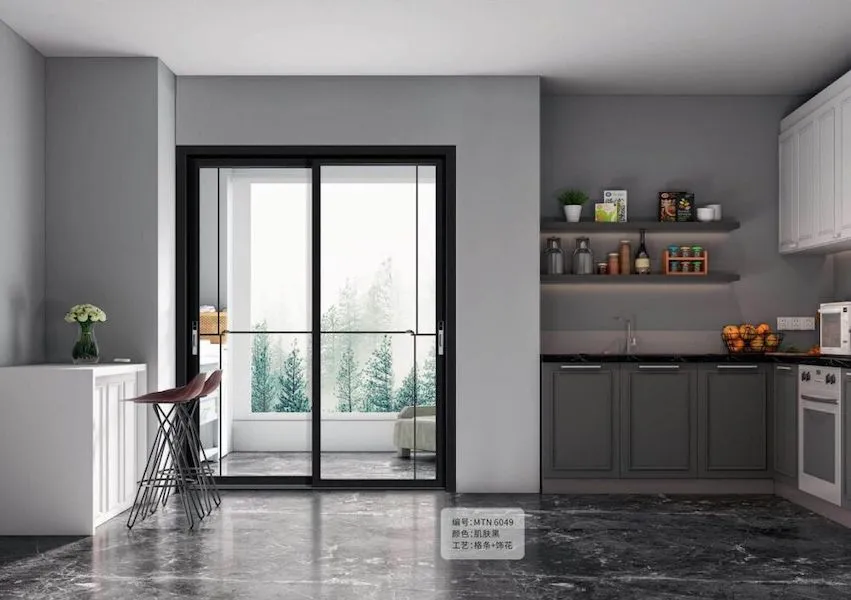
Understanding Thermal Break Aluminum Sliding Doors
The thermal break barrier is a non-metallic insert that stops the conductive path through the metal frame. It is the main idea behind energy-efficient Thermal Break Aluminum Sliding Doors. At Haolv Building Materials, we use polyamide PA66 GF25 strips placed between the inner and outer aluminum chambers to make a profile depth of 85–120mm that can handle glazing thicknesses ranging from 5mm to 28mm. This design changes the way heat moves through the door system in a big way. Aluminum is a very good conductor of heat, so without a thermal break, heat from inside can leave quickly in the winter and heat from outside can come in during the summer. This makes HVAC systems work harder.
The polyamide barrier doesn't conduct heat well—about 0.3 W/mK compared to 160 W/mK for aluminum—so it separates the frame into thermally separate areas. Independent lab tests show that our thermal break profiles achieve U-values of between 1.8 and 2.2 W/m³K when paired with the right glazing. This is much lower than the 5.0 to 6.0 W/m²K U-values for aluminum frames that don't have thermal breaks. This leads to measured drops in energy use: when buildings in mild areas switch to insulated Thermal Break Aluminum Sliding Door systems, their heating and cooling loads tend to drop by 25–35%.
In addition to improving thermal performance, the break also reduces the risk of condensation. These doors keep the inside frame surface closer to room temperature, which keeps wetness from building up and causing mold to grow and materials to break down. Our partnership with CONCH guarantees consistent extrusion quality, keeping tight tolerances across production batches. This is very important for OEM clients who need the same performance across multiple shipments. Precision CNC cutting and automatic assembly are used on every shape to make sure that the thermal break stays perfectly aligned and solidly bonded for the life of the door.
Comparison of Thermal Break Aluminum Sliding Doors with Other Sliding Door Types
Before placing big orders, procurement managers often look at more than one choice for a material. Standard Thermal Break Aluminum Sliding Doors that don't have thermal breaks are very strong and don't get damaged by the weather, but they don't insulate well, so they can't be used in climate-controlled spaces where low U-values are required by law. uPVC sliding doors are better at keeping out heat and cold, but they don't have the clear sightlines and load-bearing capacity of large glass panels. This can be a problem in places where architects want to maximize natural light and views.
Wooden sliding doors look real and provide some protection, but they need a lot of upkeep to keep them from warping, rotting, and getting damaged by insects, especially in humid or seaside areas. Their average life span is between 10 and 20 years, based on how they are treated and how well they are maintained. On the other hand, Thermal Break Aluminum Sliding Door systems usually last longer than 30 years with little maintenance other than lubricating the rollers and seals every so often.
When you put together advanced glass choices and thermal break technology, you get a better result than with any other material. Our 3-track sliding system can handle triple-pane setups without adding too much weight to the frame. This lets buying teams choose insulated glass units that meet passive house standards while still running smoothly. Different performance goals can be met with tempered, laminated, and Low-E coated glass, such as noise insulation above 35 dB or solar heat gain rates below 0.30 for surfaces that are open to the sun.
A study of lifecycle costs shows that buying Thermal Break Aluminum Sliding Doors costs more at first, but they pay for themselves in lower energy bills and less maintenance costs over time. Payback times for projects in Germany and Australia have been recorded as 4 to 7 years. After that, the saves keep adding up. Aluminum is also good for the environment because it can be recycled over and over again without losing any of its performance. This supports the circular economy ideas that are becoming more and more important to business sustainability efforts.
Selecting the Best Thermal Break Aluminum Sliding Door: Key Factors & Considerations
Aligning specifications is the key to successful procurement. The material used for the frame should meet the standards for 6063-T5 aluminum alloy, which guarantees a constant tensile strength above 205 MPa and elongation qualities that prevent stress fractures. Profile depth has a direct effect on thermal performance. Chambers that are deeper (100–120 mm) can hold thicker glazing and provide better insulation, but they cost more in materials. To keep prices low, brand owners who are adding more products to their lines have to balance performance goals with manufacturing funds.
The choice of hardware has a big effect on how happy and long-lasting users are. Heavy-duty twin rollers made of stainless steel or nylon that have been tested to last more than a million rounds make the machine run very quietly, even when it's being used a lot. Anti-lift systems built into sliding locks stop people from breaking in, which is good for ground-floor installations that need to be safe. When you combine brush seals with optional EPDM gaskets, you get multi-stage weatherproofing that keeps water out during wind-driven rain, which is important for coastal projects that are exposed to the elements.
The glass configuration should be carefully thought out based on the climate in the area and the way the building is oriented. In moderate conditions, double glazing with a design of 6mm+12A+6mm works best, while 6mm+16A+6mm Low-E units work best in areas with high temperatures. In hurricane-prone areas, laminated glass makes it more resistant to impact, and in cities, acoustic interlayers cut down on traffic noise. Our engineering team offers thermal modeling services that find the exact U-values and solar heat gain coefficients for any glass-frame combo. This lets you make choices based on facts instead of guesses.
OEM-ready manufacturers are different from standard suppliers because they can customize their products. Powder coating and 25-micron anodizing are two surface finishes that can match colors to brand themes. Matte blacks, bronze tones, and custom RAL codes keep the design of all product lines consistent. Profile sizes change based on regional tastes. For example, narrow frames that maximize glass area are popular in Europe, while North American standards often call for strengthened mullions to withstand wind loads. Technical changes don't have to mess up delivery schedules when production is flexible, which is a huge benefit when managing multi-phase construction projects.
Procurement and Installation Guide for B2B Clients
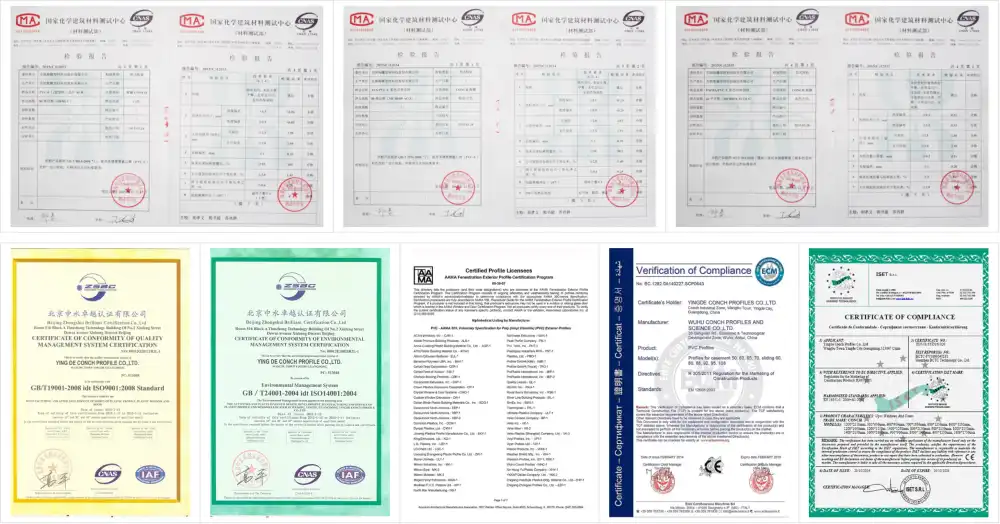
Factory audits are the first step in qualifying a vendor. They check the factory's output capacity and quality processes. Standardized process controls are confirmed by ISO 9001 certification, and product performance against international standards is confirmed by CE and AAMA testing. Automated extrusion lines and CNC fabrication centers show that the company can handle large orders with consistent accuracy, which is important when sending thousands of units of Thermal Break Aluminum Sliding Door systems to distributors in many areas every year.
When setting prices for Thermal Break Aluminum Sliding Doors, FOB or CIF terms are often used, depending on how the goods are shipped. When you make a volume promise, you can get tiered savings. For example, orders of 500 or more units often get 8–12% off of small-batch prices. For OEM partnerships, payment freedom is important. The fact that we accept both LC and phased T/T plans fits different financial processes and makes contract talks smoother. Instead of just comparing top prices, procurement teams can figure out what the product is worth by looking at clear cost breakdowns that list the materials, fabrication, finishing, and packing.
Knock-down packaging changes the economics and logistics of shipping goods across borders. By sending frames, sashes, glass, and hardware as separate parts that can be put together on-site, container utilization goes up by a huge 30%, allowing for more units to be shipped at once compared to fully assembled doors. This flexible method not only cuts down on freight costs, but it also lowers the chance of damage during shipping. Our detailed installation videos, step-by-step guides, and dimensional drawings make it easy for local contractors to put our products together, even if they haven't worked with our products before.
Whether Thermal Break Aluminum Sliding Door systems work as well as they're supposed to depends on how well they were installed. To keep air from leaking around the edges, frames must line up within a 2 mm tolerance. Shim placement should also spread weight evenly to keep things from warping over time. Installer training programs teach important things like how to use sealant correctly, how to fix rollers, and how to set glass in a way that stops thermal bridges from happening because of bad contact. Inspections after installation using thermal imaging cameras make sure that there are no ways for heat to escape that could weaken the insulation plan.
Maintenance schedules keep warranties valid and extend the life of equipment. Every three months, the rollers, seals, and lock should be checked to make sure they are in good shape. Using silicone-based items to grease moving parts stops rust and keeps the sliding action smooth. When you clean glass with non-abrasive solutions, you protect the Low-E coatings that get damaged by harsh chemicals. Keeping records of maintenance tasks helps with guarantee claims and shows that you did your research during building performance certifications.
Disclaimer: Actual thermal performance, structural load rates, and hardware life depend on how it is set up and the location it is in. Before making a purchase decision, you should always look at certified test reports and technical datasheets that match the model and glazing specifications you've chosen.
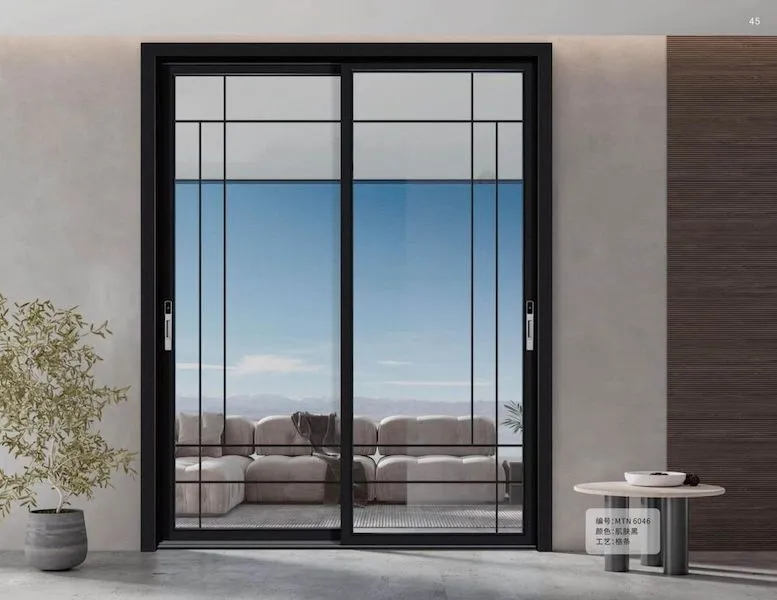
Case Studies & Real-World Performance Verification
Our 3-track Thermal Break Aluminum Sliding Door system with double Low-E glass was used to replace single-glazed aluminum sliding doors in a business office makeover in Melbourne. Over the course of 18 months, energy monitoring showed that the HVAC system used 32% less electricity, which saved the 2,400 m² building more than AUD 18,000 a year. The weather steadiness inside got a lot better, with differences between zones dropping from ±3.5°C to ±1.2°C. This made people more comfortable and productive.
Floor-to-ceiling sliding doors that let in the most natural light without sacrificing insulation were needed for a Hamburg industrial building makeover. The job called for our 120mm profile depth with triple glass that has a U-value of 1.6 W/m²K. Interior noise levels were measured after the building was occupied and found to be below 38 dB, even though it was close to a busy freight corridor. This confirmed the acoustic performance that was important for the client's hybrid office-warehouse operations.
A small hotel company in California made all 12 of its buildings use the same Thermal Break Aluminum Sliding Doors for patio access. Lifecycle cost estimates showed that the 18% price premium over normal metal would be cancelled out in 5.2 years by saves in energy costs and lower upkeep costs. Guest satisfaction surveys pointed out that the doors were quiet and had great views, which led to higher online ratings and more bookings. According to studies of the project's environmental effects, it saved 240 tons of CO2 emissions every year compared to normal HVAC loads.
When you take into account rising utility rates, return on investment calculations become even more convincing. Assuming a conservative yearly rise in power costs, better insulation will save a lot of money over the life of a building, which is 25 years. Aluminum framing can help projects get LEED or BREEAM approval because it reduces energy use and can be recycled. This helps with sustainability goals and raises property values and renter appeal.
Conclusion
Thermal Break Aluminum Sliding Door systems provide an effective solution for modern buildings that require high energy efficiency, durability, and design flexibility. By combining advanced thermal break technology, premium aluminum profiles, and customizable glazing options, these doors help reduce energy consumption while maintaining long-term structural performance. For architects, distributors, and OEM partners, selecting a reliable manufacturer is essential to achieving consistent quality, smooth installation, and competitive lifecycle costs. With professional engineering support, flexible customization, and proven production capabilities, Haolv Building Materials delivers Thermal Break Aluminum Sliding Door solutions that meet the evolving demands of global construction projects.
FAQ
How much energy can thermal break aluminum sliding doors save compared to standard frames?
Independent tests show that switching from metal profiles that don't block heat to insulated profiles with double glazing can cut heat flow by 50–65%, based on the climate zone and the features of the building shell. Actual saves depend on how well insulated the home is now, how efficient the HVAC system is, and how often people live there. However, in milder temperatures, heating and cooling energy use is often cut by 25–35%.
What maintenance tasks preserve optimal door performance?
Every three months, the tracks should be cleaned of debris, the rollers should be checked for wear every year, and every six months, silicone spray should be used to lubricate the moving parts. Checks for seal integrity find compression set or tearing that weakens weatherproofing so that replacements can be made quickly before leaks happen. If you take care of your hardware, it can last up to 15 years or more. This is a lot longer than systems that aren't maintained, which may need to be replaced every 7 to 10 years.
Can these doors accommodate complex architectural requirements?
You can make it your own by choosing from curved track configurations, corner sliding systems, and blinds that are built right into the glass. The profile depth can be changed from 85 mm to 120 mm to find the best mix between thermal performance and sightline choices. Matching colors with powder coating or anodizing makes sure that the brand stays consistent, and the finishes on the hardware—polished chrome, brushed nickel, and matte black—go with the style of the room. As part of engineering support, wind load estimates and suggestions for strengthening structures are made for panels that are too big or too small compared to normal sizes.
Partner with Haolv Building Materials for Your Thermal Break Aluminum Sliding Door Needs
Hunan Haolv Building Materials Co., Ltd. has been making doors for 19 years and works with OEMs that need a reliable source for Thermal Break Aluminum Sliding Doors. Our automated production facilities include extrusion, CNC fabrication, and multiple quality checking stages. This makes sure that each batch is the same, which is important for maintaining the brand's image. Our commitment to foreign standards is shown by our ISO, CE, and AAMA certifications. Working directly with CONCH ensures that all of our profiles are made of high-quality 6063-T5 aluminum.
We understand that brand owners care about privacy. Our NDA rules protect secret designs, and OEM products are never shown in marketing materials that are available to the public. Different financial arrangements can use flexible payment terms like LC and delayed T/T, which makes transactions smoother. With 95% on-time shipment rates and delivery cycles that are always finished within 25–30 days, you can be sure that your project will stay on schedule even during busy building times.
We offer more technical support than just selling products. For example, we can do thermal modeling, U-value calculations, and structural load assessments exactly the way you want them. Local workers can easily put the units together on-site with the help of installation videos, assembly instructions, and dimensional drawings. Knock-down packing also cuts transportation costs by about 30% compared to fully completed units. We can change the powder coating colors, hardware finishes, glazing configurations, and profile depths for every order, making sure that it fits perfectly with your brand's image.
Email our purchasing team at kristin@haolvwindows.com to talk about what Thermal Break Aluminum Sliding Door you need. You can get examples of our work to see for yourself how well we do it, look through our extensive product catalogs at haolvbuilding.com, and learn how smart OEM partnerships can help you save money and improve your product line. Haolv Building Materials gives your brand the quality, flexibility, and dependability it deserves, whether you're looking to add more energy-efficient building solutions or make the most of your current supply chains.
References
1. Building Research Establishment (2021). "Thermal Performance of Metal Framing Systems in Fenestration Applications." BRE Technical Report Series, Volume 14, pp. 78-92.
2. National Fenestration Rating Council (2022). "Comparative Analysis of U-Value Performance in Aluminum Window and Door Systems." NFRC Annual Technical Bulletin, Issue 38, pp. 112-128.
3. European Aluminium Association (2020). "Lifecycle Assessment and Sustainability of Thermally Improved Aluminium Building Products." EAA Environmental Report, pp. 45-61.
4. American Architectural Manufacturers Association (2023). "Performance Standards for Thermally Broken Sliding Door Systems." AAMA Technical Standard 507, Revision C, pp. 22-39.
5. Passive House Institute (2021). "Glazing and Frame Optimization for Ultra-Low Energy Buildings." PHI Research Compendium, Volume 9, pp. 134-157.
6. International Energy Agency (2022). "Energy Efficiency in Commercial Building Envelopes: The Role of Advanced Fenestration." IEA Technology Roadmap Series, pp. 89-103.
Fast simple channel to send demands lock favorable price for building window door bulk purchases.