- English
- French
- German
- Portuguese
- Spanish
- Russian
- Japanese
- Korean
- Arabic
- Greek
- German
- Turkish
- Italian
- Danish
- Romanian
- Indonesian
- Czech
- Afrikaans
- Swedish
- Polish
- Basque
- Catalan
- Esperanto
- Hindi
- Lao
- Albanian
- Amharic
- Armenian
- Azerbaijani
- Belarusian
- Bengali
- Bosnian
- Bulgarian
- Cebuano
- Chichewa
- Corsican
- Croatian
- Dutch
- Estonian
- Filipino
- Finnish
- Frisian
- Galician
- Georgian
- Gujarati
- Haitian
- Hausa
- Hawaiian
- Hebrew
- Hmong
- Hungarian
- Icelandic
- Igbo
- Javanese
- Kannada
- Kazakh
- Khmer
- Kurdish
- Kyrgyz
- Latin
- Latvian
- Lithuanian
- Luxembou..
- Macedonian
- Malagasy
- Malay
- Malayalam
- Maltese
- Maori
- Marathi
- Mongolian
- Burmese
- Nepali
- Norwegian
- Pashto
- Persian
- Punjabi
- Serbian
- Sesotho
- Sinhala
- Slovak
- Slovenian
- Somali
- Samoan
- Scots Gaelic
- Shona
- Sindhi
- Sundanese
- Swahili
- Tajik
- Tamil
- Telugu
- Thai
- Ukrainian
- Urdu
- Uzbek
- Vietnamese
- Welsh
- Xhosa
- Yiddish
- Yoruba
- Zulu
Best Windows for Villas, Apartments and Commercial Buildings
Procurement managers often have to find the right balance between performance requirements, budget limits, and delivery schedules when choosing windows for commercial or multi-unit residential developments. The Aluminum 3 Track Sliding Window has become one of the most useful window systems on the market today. It meets the needs for ventilation, looks good in a variety of settings, and is easy to install in homes, flats, and businesses. This system has three parallel tracks that let different panels slide separately.
Compared to traditional two-track designs, this system can open up to 66% more. Aside from providing more air flow, the tri-track design makes it possible for one track to include an integrated bug screen, which means that no extra parts are needed. For B2B buyers in charge of big projects, knowing how this type of window affects energy efficiency, structure compatibility, and the overall cost of the project is key to making smart buying choices.
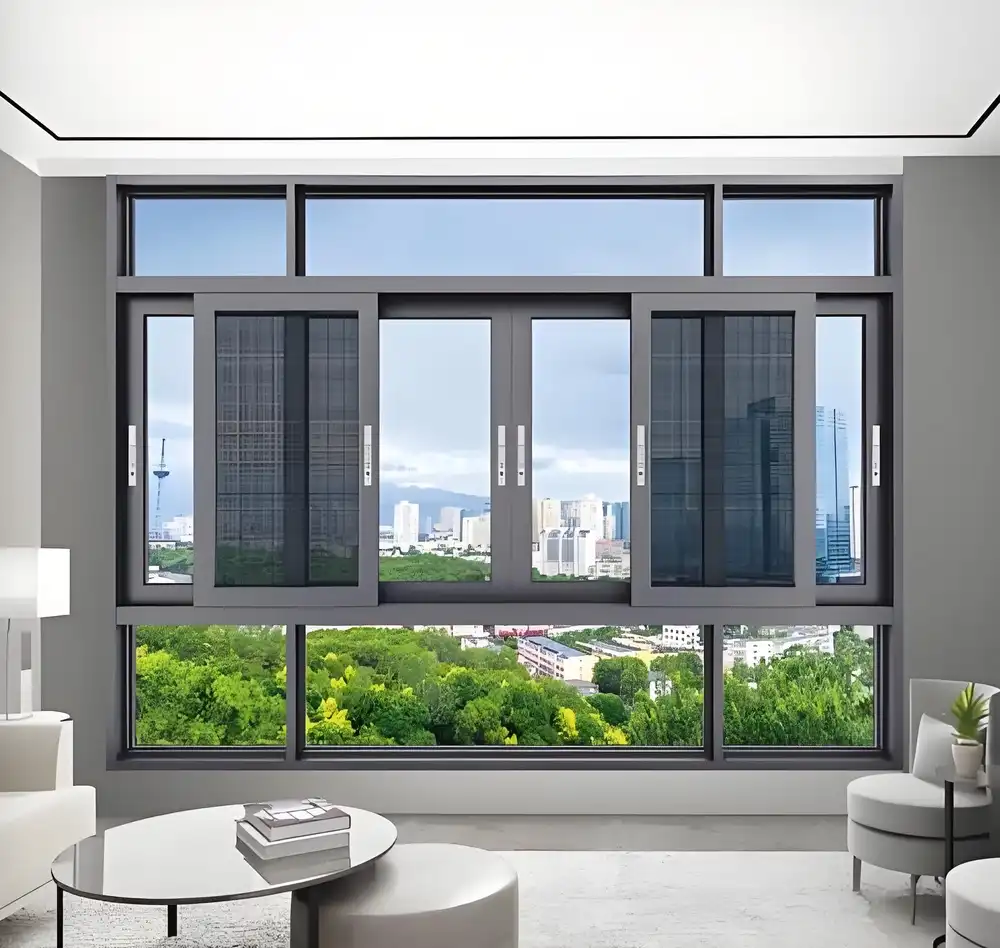
Understanding Aluminum 3 Track Sliding Windows: Features and Benefits
What Defines a Three-Track Sliding System
An Aluminum 3 Track Sliding Window has three tracks that run parallel to each other inside a single frame. Usually, two tracks hold glass sashes that can be moved, and the third track holds a retractable mesh screen or an extra panel that can be moved. In normal two-track systems, the biggest space is only 50% of the whole frame width. This setup is different. The tri-track design makes the clear opening about 66% bigger, which greatly improves natural airflow without needing more wall room or swing clearance.
The frame extrusions are made from 6063-T5 aluminum alloy and have a profile width that ranges from 1.4 mm to 2.0 mm. This gives the structure enough power to hold large glass units. Each sash has two stainless steel twin rollers that allow it to move smoothly along the tracks and can hold up to 250 kg of panels. EPDM weather seals built into the frame's edges keep out air and water, meeting or exceeding ASTM E283 standards for air entry resistance.
Core Performance Attributes
The high strength-to-weight ratio and resistance to corrosion in aluminum make frames last a long time. Powder-coating or anodizing the surface makes it more resistant to weather, especially in seaside or high-humidity areas where regular materials may break down. Putting reinforced polyamide strips between the inner and outer frame parts creates thermal break technology. This technology lowers the total U-value and stops heat from moving, which leads to better energy ratings.
Glass options improve efficiency even more. Tempered glass can withstand impacts, double-glazed units insulate against heat and sound, and laminated glass improves safety and reduces noise. Choosing the right glazing design can be very important during the buying process, depending on the temperature zone and building rules. Sound Transmission Class (STC) scores for properly designed systems can go as high as 35 dB, which is good for residential projects in cities where noise reduction directly affects the happiness of the people living there.
Operational Advantages
Less work means less money over the life of a building for project managers in charge of apartment complexes or commercial developments. The open track design makes it easier to clean up dirt, and the rollers can be adjusted so that the window looks its best for as long as it lasts. With its one-way weep holes and EPDM check valves, the raised drainage sub-sill keeps water from flowing backwards into the inner tracks. This lowers the risk of water getting in and the frame rusting.
When it comes to construction, modular assembly and knock-down shipping can cut freight volumes by up to 30% compared to fully assembled units. This method cuts down on transportation costs and speeds up installation on-site because parts can be put together with common tools and bolts right on the job site. Reliable providers offer technical parameter sheets, installation videos, and step-by-step guides that make handing over to installation teams easier and reduce the chance of mistakes and extra work.
Performance and Design Considerations for Different Building Types
Customization for Villas
Villas often have large openings that connect the living areas inside to gardens, patios, or decks. The Aluminum 3 Track Sliding Window system supports configurations with three to six panels and wider spans while keeping the structure strong. You can change the frame's color and finish to match any style of architecture, from modern simple designs to classic shapes. Powder-coated matte black or white frames go with modern styles, while anodized finishes in bronze or champagne tones look good with classic styles.
When high-end residential projects are trying to get green building certifications, thermal performance becomes important for reasons other than looks. Optional thermal break shapes help buildings meet LEED or ENERGY STAR standards by reducing heat gain in warmer areas and heat loss in cooler climates. Marine-grade aluminum with increased anodization thickness is recommended for villas near the coast because it lasts longer in salty environments.
Space Optimization in Apartments
Window systems that make the most of usable floor space are needed in high-density residential buildings. With sliding windows, you can put your furniture closer to the holes because they don't need the swing radius that casement or awning windows do. The tri-track method makes this benefit even better by adding more work space without making the body bigger.
In apartment buildings in cities, acoustic insulation is very important. You can get STC ratings that lower traffic noise and make residents happier by choosing double-glazed or laminated glass units with the right air gaps and low-E finishes. Buildings with more than one floor may also have to follow certain window rules for fire safety, like using fire-rated glass in some units. Coordinating these needs early on in the buying process makes sure they are met and keeps you from having to pay for expensive changes.
Durability Requirements for Commercial Buildings
Long-term dependability and low upkeep are important for commercial projects like office buildings, restaurants, and shopping malls. Aluminum tri-track systems are built to last, and their finishes are resistant to rust, so they don't need to be serviced as often. Heavy-duty stainless steel gear and stronger locking systems meet security standards and can handle being used a lot in public or semi-public areas.
The way commercial buildings use energy has a direct effect on their operating costs. When thermal break technology and high-performance glazing are combined, HVAC costs are reduced. This lowers energy use and increases return on investment. As part of the evaluation process for buildings that want to get BREEAM or other environmental approvals, the U-values, air leakage rates, and embodied carbon of window systems must be recorded.
Comparative Analysis: Aluminum 3 Track Sliding Windows vs Other Window Solutions
Three Tracks vs Two Tracks
In a tri-track system, the extra track actually makes the system work better. For two-track windows, the widest space is half the frame width. For three-track windows, this is increased to about two-thirds of the frame width. This rise makes cross-ventilation better, which is especially helpful for passive cooling plans in homes and hotels.
Putting a dedicated screen track inside the frame gets rid of the visible mess and upkeep that comes with screens that are attached to the surface or can be taken off and put back on. The integrated method speeds up the installation process and makes the building surfaces look more connected.
Aluminum vs Alternative Frame Materials
Vinyl frames are cheaper to buy at first, but they can warp or change color after being exposed to UV light for a long time, which makes them less useful in hot climates. Wood frames look classic, but they need to be sealed, painted, or stained on a regular basis to keep them from getting damaged by water and bugs. Fiberglass frames are very good at keeping heat in, but they don't have the slim profile that aluminum frames do. This can be a design consideration for projects that want to emphasize clear views and large glass areas.
Because aluminum is strong, it can hold bigger glass panels without needing extra support mullions. This lets more natural light and views through. The fact that the material can be recycled is also in line with policies for sustainable buying, since recycled aluminum still has a high value.
Sliding vs Casement and Double-Hung Systems
When fully open, casement windows let in more air than other windows, but they need room to swing outward, which can be a problem in small spaces or along walkways. When compared to slide systems, double-hung windows have smaller opening areas but let air flow through from both the top and bottom sashes.
When room is limited, sliding windows, especially the Aluminum 3 Track Sliding Window types, are the best choice. They are also easy to use because they move horizontally. Not having any hinges or wheels makes the mechanism simpler, which could mean lower upkeep costs over the building's lifetime.
These comparisons show how important it is to match the window type to the efficiency goals and limits of the project. When procurement teams look at something, they should not only look at the initial cost, but also how hard it is to install, how often it needs to be maintained, and the total cost of ownership.
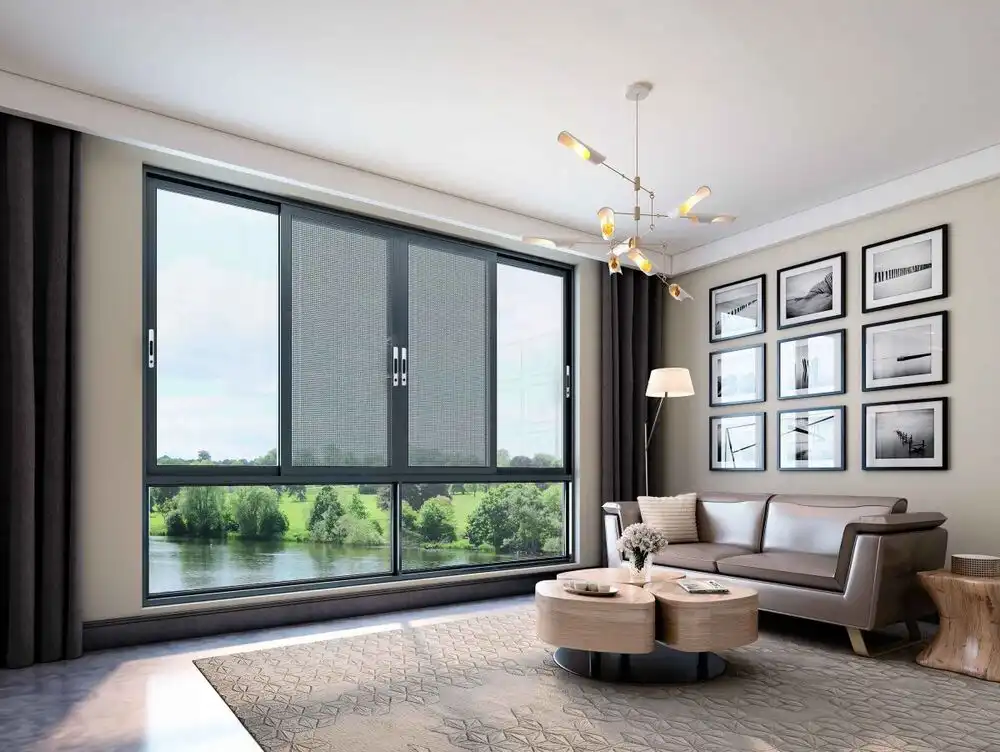
Procurement and Installation: What B2B Buyers Should Know
Order Processes and Lead Times
After an order is confirmed, it usually takes 25 to 30 days to make a custom window system. Lead times depend on how customized the product is. Standard sizes and finishes ship faster, while non-standard sizes, special coatings, or custom glazing configurations need more steps in the manufacturing process. Minimum order amounts varies from supplier to supplier, but they are usually the same as container loads to save money on freight.
Asking for specific technical parameter sheets early on in the quotation process lets you get a good idea of how much something will cost and makes sure it works with architectural plans. Frame sizes, profile thicknesses, glass types, hardware standards, and finish options should all be listed in the specifications. Making it clear whether parts will be shipped fully built or as knock-down kits helps with planning transportation and coordinating on the job site.
Cost Factors and Volume Pricing
Frame size, glass choice, and hardware quality are the main factors that affect cost. Double-glazed units with low-E finishes and argon gas fills cost more to make, but they save you money on energy costs over time. Heavy-duty hinges and multi-point locking systems cost more, but they make the door safer and last longer.
When you buy a lot, you can use tiered pricing. Suppliers may offer discounts for orders that go over certain limits. This means that consolidating purchases across multiple project phases or sites can save you money. Buyers are protected against problems they didn't expect when they negotiate payment terms, insurance coverage, and after-sales help as part of the contract.
Installation Considerations
Professional placement is still necessary to get the efficiency levels that are needed. Air and water tightness can be compromised by bad alignment, poor sealing, or wrong fastening, which could cancel warranties. Suppliers who offer thorough instructions, installation videos, and on-site expert help lower the risks of installation and speed up the project finish.
Knock-down shipping plans let you put things together on-site, which can cut down on freight costs and numbers by a large amount. This method lessens the effects of high container rates and port delays on projects that are being done overseas. Training local installation teams with written and video tutorials makes sure that the quality of work is the same on all job sites.
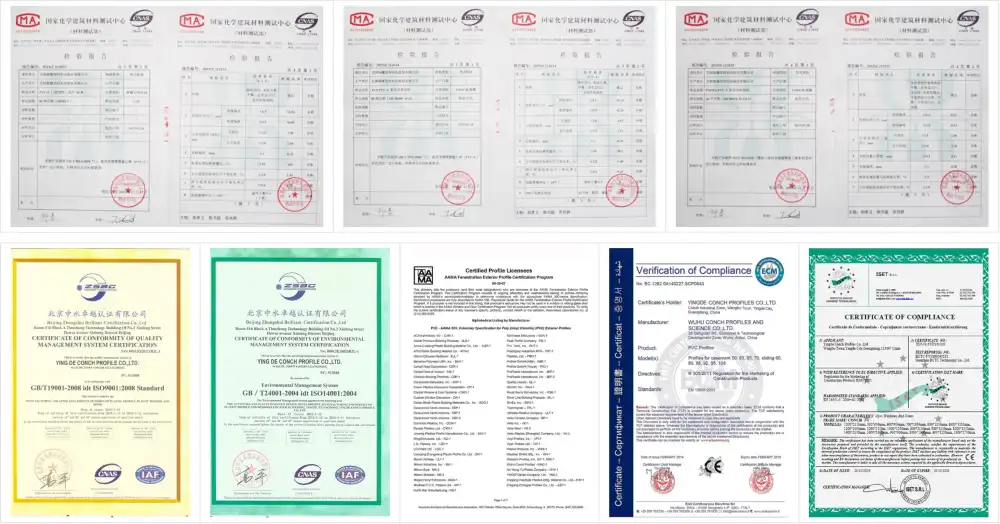
Making sure that sellers have the right certifications, like ISO, CE, and AAMA, gives you peace of mind about the quality of the products and how they were made. You can find out how good a supplier is at meeting performance standards and delivering on time by asking for references from similar projects or reading case studies.
Case Studies and Application Scenarios
Villa Projects: Enhancing Indoor-Outdoor Living
A new villa development on a mild coastal area asked for Aluminum 3 Track Sliding Window units in the main living areas that open up to terraces. The 66% clear opening made it easy to move from inside to outside without any problems, adding to the room's sense of space and letting in natural light. The built-in insect screen track got rid of the need for different mesh installs, which kept the view clear and cut down on installation time.
Choosing marine-grade anodized finishes with a 25-micron thickness made the expected service life longer in salty air. The energy efficiency goals of the project were met with double-glazed units with low-E finishes, which helped the developer reach their green building goals.
Apartment Complexes: Balancing Cost and Performance
A 200-unit apartment block in the city chose tri-track sliding windows to make the most of the limited floor space in the living rooms. The thin aluminum shapes made it possible for bigger glazing areas, which let more natural light in and made the units easier to sell. Being able to ship parts in a "knocked-down" state cut the number of containers needed by about 30%. This meant lower freight costs and faster response times on-site.
A big selling point for homes facing busy streets was how well they blocked noise. Laminated glass with the right interlayers got STC ratings that met local noise laws, which helped residents be happy and stay in their homes. Having easy-to-reach tracks and rollers that can be adjusted cut down on property management costs in the first five years of operation.
Commercial Buildings: Durability and Energy Efficiency
A mid-rise office block chose aluminum tri-track systems for the break rooms and shared areas, putting speedy air flow and ease of use first. The system could handle a lot of weight, so it had big glass screens that let in more light and improved views. This meant that less artificial lighting was needed.
The building's overall U-value went down thanks to thermal break technology and double-glazed units, which helped it get LEED certification. The building owner's management plan, which focused on low lifecycle costs and high tenant comfort, was in line with the low upkeep needs.
Aluminum tri-track sliding windows can be used in a wide range of project types, as shown by these examples. The system's mix of good functionality, adaptable looks, and easy installation makes it suitable for a wide range of residential and business projects.
Disclaimer: Specific performance characteristics depend on product configuration, installation quality, and environmental conditions. Buyers should review certified test reports and consult with suppliers to verify compliance with project requirements and local building codes.
Conclusion
Finding the right window system for a villa, an apartment building, or a business building means balancing performance, cost, and how easy it is to install. Aluminum 3 Track Sliding Windows are a great choice because they let in a lot of air, are strong, and can be designed in a variety of ways. The tri-track design makes openings bigger, includes insect screens, and lets you choose your own glazing and finishes. For people who work in B2B procurement, being able to ship parts in "knocked-down" form cuts down on freight costs and speeds up project timelines.
A successful project outcome is guaranteed by evaluating suppliers based on their manufacturing certifications, technical support offerings, and track records. Project managers can get the most out of both initial investments and long-term performance by making sure that window specs are in line with the type of building, the climate zone, and the operating goals.
FAQ
Does the aluminum 3 track sliding window provide better security than a 2-track system?
Most of the time, the extra track can hold a separate security mesh or multi-point locking systems that keep the sash safe at multiple points along the frame. When compared to standard two-track systems with single-point locks, this arrangement makes it harder to break in.
Can I install triple-pane glass in an aluminum 3 track sliding window?
It is possible to install triple-pane insulated glass units as long as the track width is wide enough to handle the bigger glazing pocket, which is usually between 24 mm and 32 mm. Including this requirement in the quote process makes sure that the frame extrusions are made to handle the extra weight and thickness.
How is runoff handled when there are three tracks?
EPDM check valves and one-way weep holes are part of a stepped drainage sub-sill system. This setup lets water leave the outer track but not return into the inner tracks. This keeps the frame strong and stops moisture from building up.
What is the maximum sash weight these windows can support?
Heavy-duty, adjustable stainless steel rollers in high-quality systems can hold up to 250 kg of sashes each. Making sure the load capacity with the seller makes sure it works with the glass units and panel sizes that were given.
Is maintenance different from standard windows?
The maintenance steps stay the same, but it's important to keep all three tracks clear of dirt so that they work smoothly and water can drain away. Rollers last longer and work better if they are inspected and adjusted on a regular basis.
Partner with Haolv Building Materials for Your Next Project
Haolv Building Materials brings 19 years of experience in manufacturing to every relationship we make with an Aluminum 3 Track Sliding Window supplier. Our production facilities are ISO, CE, and AAMA-certified and use precise CNC cutting, automatic assembly, and strict quality control to make sure that both standard and special orders get the same level of quality. We help business-to-business buyers by giving them full technical parameter sheets, installation videos, and step-by-step guides that make putting things together on-site easier and lower the risk of mistakes.
Our knock-down shipping choices cut transportation costs by up to 30%, which speeds up project timelines and makes budgeting easier. Our frame sizes, glass configurations and finish choices can be changed to fit a wide range of architectural needs, whether your project is for high-density apartment buildings, commercial office buildings or luxury villas. We provide all the products you need in one place, from frame extrusions to glass and hardware. This makes it easier to coordinate and buy things.
Email kristin@haolvwindows.com to Haolv Building Materials to talk about your project's needs, ask for scientific information, or set up sample orders. Our engineering team can help you find the best window specifications for performance, compliance, and cost-effectiveness through free consultations and solution design services. Visit haolvbuilding.com to see all of our products and learn how choosing the right windows for your next project can make it better.
References
1. American Architectural Manufacturers Association. AAMA 101: Voluntary Standard for Aluminum, Vinyl (PVC) and Wood Windows and Glass Doors. Schaumburg: AAMA, 2020.
2. National Fenestration Rating Council. NFRC 100: Procedure for Determining Fenestration Product U-factors. Silver Spring: NFRC, 2019.
3. ASTM International. ASTM E283: Standard Test Method for Determining Rate of Air Leakage Through Exterior Windows, Skylights, Doors, and Curtain Walls Under Specified Pressure Differences Across the Specimen. West Conshohocken: ASTM, 2018.
4. Carmody, John, Stephen Selkowitz, Eleanor S. Lee, Dariush Arasteh, and Todd Willmert. Window Systems for High-Performance Buildings. New York: W. W. Norton & Company, 2004.
5. U.S. Green Building Council. LEED v4.1 Building Design and Construction Guide. Washington, D.C.: USGBC, 2021.
6. Straube, John, and Eric Burnett. Building Science for Building Enclosures. Westford: Building Science Press, 2005.
Fast simple channel to send demands lock favorable price for building window door bulk purchases.