- English
- French
- German
- Portuguese
- Spanish
- Russian
- Japanese
- Korean
- Arabic
- Greek
- German
- Turkish
- Italian
- Danish
- Romanian
- Indonesian
- Czech
- Afrikaans
- Swedish
- Polish
- Basque
- Catalan
- Esperanto
- Hindi
- Lao
- Albanian
- Amharic
- Armenian
- Azerbaijani
- Belarusian
- Bengali
- Bosnian
- Bulgarian
- Cebuano
- Chichewa
- Corsican
- Croatian
- Dutch
- Estonian
- Filipino
- Finnish
- Frisian
- Galician
- Georgian
- Gujarati
- Haitian
- Hausa
- Hawaiian
- Hebrew
- Hmong
- Hungarian
- Icelandic
- Igbo
- Javanese
- Kannada
- Kazakh
- Khmer
- Kurdish
- Kyrgyz
- Latin
- Latvian
- Lithuanian
- Luxembou..
- Macedonian
- Malagasy
- Malay
- Malayalam
- Maltese
- Maori
- Marathi
- Mongolian
- Burmese
- Nepali
- Norwegian
- Pashto
- Persian
- Punjabi
- Serbian
- Sesotho
- Sinhala
- Slovak
- Slovenian
- Somali
- Samoan
- Scots Gaelic
- Shona
- Sindhi
- Sundanese
- Swahili
- Tajik
- Tamil
- Telugu
- Thai
- Ukrainian
- Urdu
- Uzbek
- Vietnamese
- Welsh
- Xhosa
- Yiddish
- Yoruba
- Zulu
Top Benefits of Flush Sash Aluminium Windows Explained
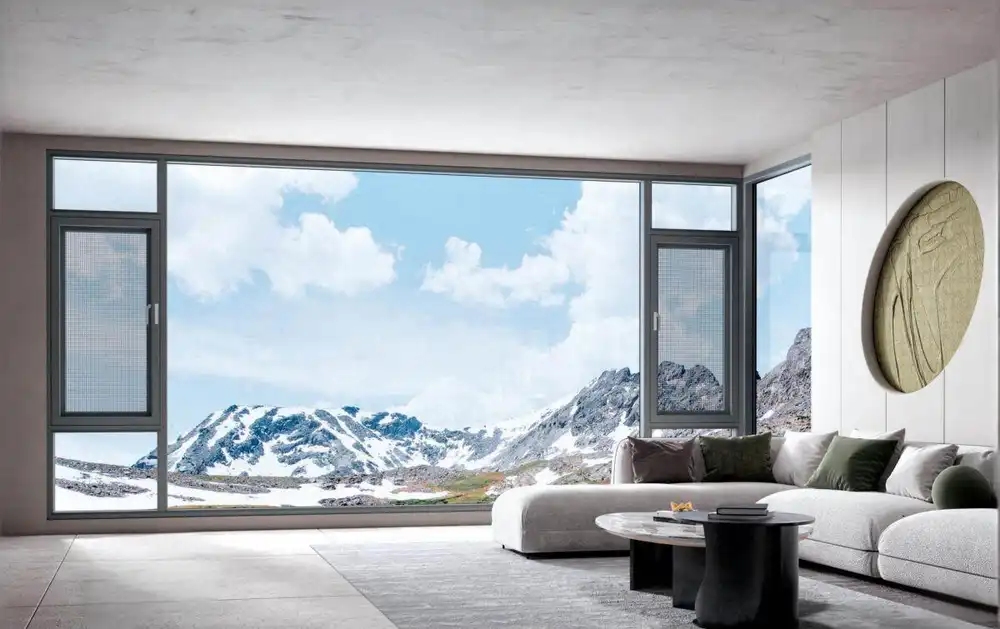
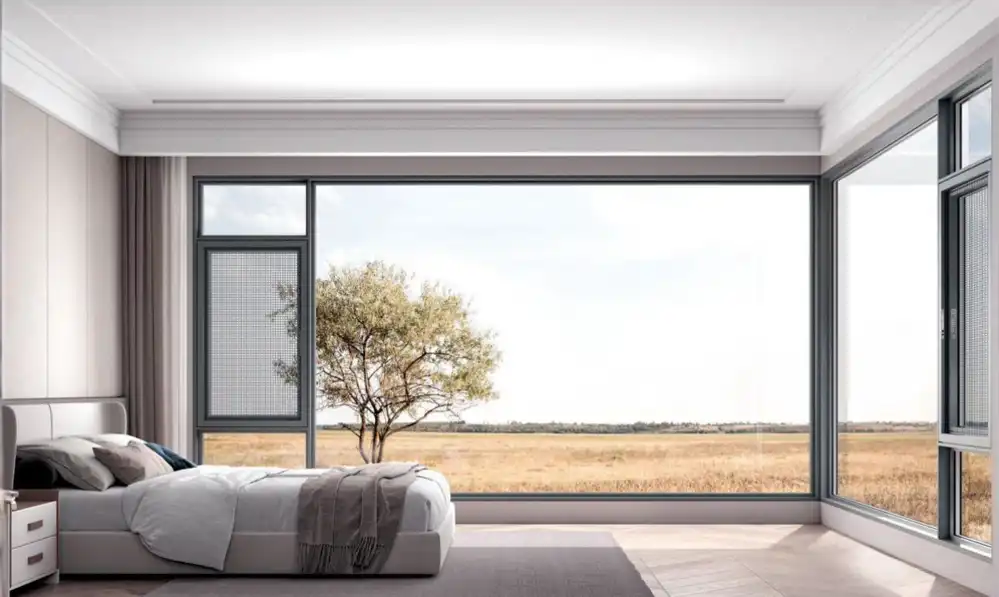
In commercial, residential, and mixed-use construction projects, flush sash aluminium windows are a cutting-edge engineering choice. These window systems have a clean, simple look because the screen is level with the outside frame. They are also strong, use little energy, and last a long time. The flush design gives you a clear view and fits both current design trends and standards for heritage protection. It's different from the traditional lipped casement windows.
People who work in the U.S. market for building materials, procurement managers, and builders need to know a lot about flush sash systems, including their technical benefits, safety standards, and supply chain problems. This article talks about how these windows deal with significant B2B selection issues, including performance standards, certification needs, customisation choices, delivery dependability, and lifetime costs. This helps you make smart choices about where to source things that lower the risk of the project and make users happier.
Understanding Flush Sash Aluminium Windows: Design and Functionality
What Defines the Flush Sash Profile
While the window is shut, the sash surface lies flat against the outside frame face. This makes the window look smooth and flat. Flush sash aluminium windows are special. The screen of a regular casement window sticks out past the frame, but this one doesn't. Special hinges must be used, and manufacturing tolerances must be very tight—usually within 4 mm shadow gaps—to make sure the door works smoothly and doesn't let water in. This is how the frame recess is carefully engineered.
Material Composition and Structural Integrity
Flush sash systems that work well use 6063-T5 aluminium alloy. The reason this architectural-grade material was chosen is that it is strong, doesn't rust, and can be made well. The profile is usually between 1.4 mm and 2.0 mm thick, which makes it stiff enough to hold big holes for windows without bowing or bending. The structures are even more stable when they have multi-chambered frame designs. These designs also let polyamide thermal breaks work, which stop conductive heat transfer and lower overall U-values.
Opening Mechanisms and Hardware Integration
When casement windows can open either inward or outward, they give architects and designers more options for how to place them. This is useful when there are limits on the facade, balconies, or paths. These days, doors are safe and easy to use because they have friction-stay springs and multi-point locking systems. Hardware that is made to last, like handles made of marine-grade metal or stainless steel, is very important for large business projects because it needs less maintenance and lasts longer.
Thermal Performance and Energy Efficiency
Flush sash aluminium windows can get U-values as low as 1.2 W/m²K when double or triple glass units (up to 44 mm thick) are used. In other words, they meet strict energy codes in the United States, such as ASHRAE 90.1 and IECC. Modern EPDM sealing systems, which are often triple-sealed, keep air out. This makes HVAC systems work better and keeps people more comfortable. The measured energy savings mean lower running costs over the life of the building. This is a strong case for investors and site managers who are thinking about the investment's return over the long term.
Top 5 Benefits of Flush Sash Aluminium Windows for Businesses
There are real benefits to choosing flush sash aluminium windows that meet the needs of building clients, channel sellers, and system builders. These are the main benefits that make adoption so important for many types of projects.
Benefit 1: Superior Energy Performance and Operational Cost Reduction
Window systems that use less energy can make a big difference in how much it costs to run a business. Studies that the U.S. If you compare high-performance windows to regular single-glazed units, the Department of Energy says they can cut your heating and cooling costs by 15 to 25 percent. When it comes to avoiding frame-to-glass thermal bridges, flush sash designs with polyamide thermal breaks work better.
Double or tempered glazing choices also make the insulation better. Commercial buildings like office towers and hotel complexes can make more money and increase the value of their assets by cutting down on their utility costs. Buying teams always use lifecycle cost models to show that putting money into thermally broken metal systems up front pays off in lower energy costs, especially in places that are mostly hot or partly cold.
Benefit 2: Enhanced Security and Compliance with Building Codes
These doors have strong frames and multi-point locking systems that meet or go beyond PAS 24 and ASTM F588 standards for security. When compared to casement designs that stick out, the flush profile has fewer external pry points. This makes it harder for someone to break in. If you follow U.S. building rules, like getting NFRC certification for energy efficiency and AAMA tests for structural safety, it's easier to get your project approved and takes less time. It is easier for general builders and developers to get permits, and end users can be sure that the systems they install are safe because they meet strict safety standards.
Benefit 3: Minimal Maintenance and Long-Term Durability
Even after many years of use, metal doesn't need much maintenance because it doesn't rust, rot, or get damaged by bugs. Most powder coatings and anodised surface treatments are 60–80 microns thick and meet Qualicoat standards. They protect against UV damage, salt spray, and industrial pollutants and keep colours from fading.
To keep metal parts in good shape, you should clean them with mild agents and oil them every so often. Aluminium systems need less work and upkeep over time than wooden sash windows that need to be painted often or uPVC frames that can change colour. It is very important for property managers who are in charge of big companies or sites that are far away to remember this.
Benefit 4: Design Flexibility and Customization for Diverse Applications
It is possible for history conservation projects that want to look like old wood profiles to use flush sash windows. They can also be used in very modern business buildings that need to have very thin sightlines. It is possible to change the frame size, colour finishes (RAL, Pantone), glass needs, screen integration, and hardware options.
Architects and specifiers can make solutions that fit the needs of each project because it's flexible. This is true whether the goal is to meet standards for historic districts, ocean wind loads, or noise reduction in cities. Engineers save time and don't have to make as many changes to the job site when they work with suppliers that offer design-to-order services and CAD plan coordination.
Benefit 5: Superior Acoustic Insulation for Urban and Industrial Sites
Noise is blocked well by modern types of glass, such as laminated or asymmetric double glazing, and flush profiles that fit together exactly. It has been shown in tests to cut noise by 35 to 45 decibels, which is helpful in noisy places like factories, cities with lots of people, and hotels near transportation hubs. Managers who buy windows for healthcare facilities or mixed-use developments put soundproofing first to protect the health of the people who will live or work there and to follow zoning laws. Less air holes and vibration points are made with the flush door design. This helps control noise in a way that can be measured and has a direct effect on rent rates and renter happiness.
Performance outcomes depend on specific project conditions, glazing specifications, and installation quality. Consult certified test reports and manufacturer documentation for precise data applicable to your application.
Flush Sash Aluminium Windows vs. Alternatives: Making the Right Choice
Comparative Analysis with uPVC Systems
Because they are made with multiple chambers, uPVC windows are cheaper to buy and keep heat in. But the structure of flush sash aluminium windows is stronger than that of uPVC systems. This means that they can support longer spans and have thinner sightlines, which is important for modern architecture that wants to use as much glass as possible. Al doesn't change shape when temperatures rise or fall, so it doesn't bow or bend in harsh places like uPVC does. uPVC fades quickly and only comes in a few colours. Iron, on the other hand, can be powder coated in almost any colour to make it last longer and keep its look.
Traditional Timber Sash Windows: Heritage vs. Performance
For antique restoration projects, timber sash windows are the best choice because they look like they were made in the right time period. It does cost more to own wood over time, though, because it needs to be painted, sealed, and treated for rot and bugs on a frequent basis. Aluminium flush sash systems have the same views as older systems, but they are easier to keep up and can handle bad weather. Hybrid designs are in the middle because they use both metal and wood. However, they are more expensive and need more work.
Standard Casement and Tilt-Turn Configurations
Traditional casement windows with bars that stick out are easier to make and cost less, but they don't have the clean, modern look that companies and homes want. It's easier to work with tilt-turn devices, but they cost more and have more complicated hardware. Flush casement designs are a good choice for projects that want to keep the look consistent without adding too much technical complexity. They look good and are easy to use.
Cost-Benefit Considerations for Procurement Teams
Materials for aluminium systems usually cost 20–40% more at the start than materials for uPVC systems. However, the higher cost at first is more than made up for by the longer service life (often over 40 years with little upkeep) and energy saves. Bid managers always discover that aluminium systems have a better net present value when they do lifetime cost analysis (LCCA). This is very important for projects that will take a long time or plan to last for a long time. In detailed cost modelling, including energy forecasts, repair schedules, and replacement cycles helps make sourcing suggestions that make sense and help the client reach their financial goals.
Procurement and Installation Insights for B2B Clients
Selecting Reliable Suppliers: Key Evaluation Criteria
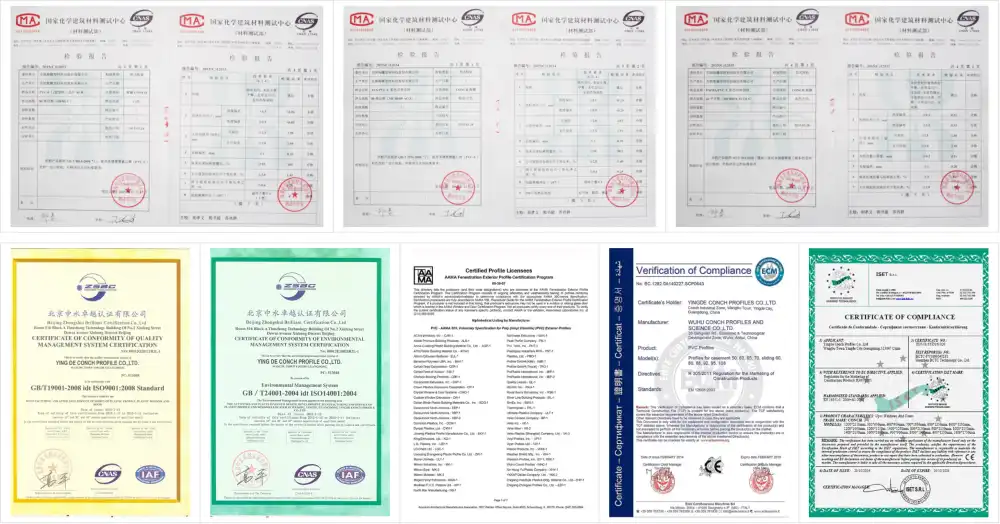
- Certifications and Testing Documentation: Look at the product's NFRC results, ISO 9001 quality management, and AAMA license for use in North America. You should get test reports for heat performance (U-values, SHGC), structural load capacity (ASTM E330), water penetration resistance (ASTM E547), and air infiltration (ASTM E283).
- Manufacturing Capacity and Equipment: Take a look at the production skills, like how accurate the CNC cutting is, how many automatic assembly lines there are, and if there are facilities for surface treatment. Factories with extrusion lines and powder coating or anodizing plants built in can keep quality high and keep an eye on the supply chain.
- Project Experience and References: Look at case studies that show how similar projects of the same size, area, and technology needs were finished successfully. Talk to the references to make sure you can trust the service, help, and delivery after the sale.
- Customization and Engineering Support: Make sure the seller can make plans based on your design needs, work with sizes that aren't standard, and talk to general builders or curtain wall integrators. Having engineering teams that know U.S. codes and are ready to give stamped figures is very helpful.
- Warranty Terms and After-Sales Service: Check out the warranty terms and after-sales service. The guarantee covers frames for 5 to 10 years and gear for 1 to 2 years. Also, see what it doesn't cover and how the service answer works. Make it easy for people to get expert help and new parts.
Managing Lead Times and Logistics for Large-Scale Orders
Usually, it takes 25 to 30 days to make and ship an order, but this can change based on how involved the order is and how much customisation is needed. For jobs with more than one building, large orders can be sent out in stages that are timed to match important work dates. This means there is less need to store things on-site and less chance of damage. One way to keep providers safe and control cash flow is to talk to them about flexible payment terms. For example, you could tie deposits to output goals and only pay in full after review.
Installation Best Practices and Quality Assurance
For things to work well, they need to be installed properly. It is important to hire trained glass professionals who know how to set up flush sash aluminium windows so that the windows are level, the weatherproofing is good, and the hardware is ready to go. Mistakes like not shimming enough, not putting sealant properly, or misaligning hardware can damage how well the building works and how well it keeps out the weather, which can lead to warranty disputes and callbacks.
Pre-installation site studies done before installation check the opening's size, the building's strength, and the worker's ability to get along with nearby tradespeople. Less mistakes are made and the process goes faster with installation guides, how-to videos, and technical help from the manufacturer. By writing down the steps for installation and then checking the work (for example, with water spray), you can show that the steps were followed and avoid future risk.
Maintenance Tips and Maximizing the Lifecycle of Flush Sash Aluminium Windows
Routine Care and Cleaning Protocols
Simple ways to clean and take care of flush sash aluminium windows include using light soaps and soft cloths to clean the finish once a year or every six months. This will keep it in good shape and get rid of any dirt, salt, or industrial waste that has built up. If you clean or work on powder coats that are rough, you could damage the rust protection. Check the seals for cracks or compression set, and if they need to be replaced to keep the weather out, do so.
Hardware Inspection and Lubrication
Silicone-based or lithium grease should be used regularly to grease friction stays, hinges, and locking mechanisms to keep things running smoothly and stop them from wearing out too quickly. If you find any rust, misaligned parts, or loose bolts, especially near the coast or in places with a lot of humidity, fix them right away to keep things running smoothly.
Troubleshooting Common Issues
Dirt that builds up in hinge lines or gear that isn't well oiled can make something stiff to move. If water gets in, it's likely because the gasket is worn out or the sealant wasn't put on properly when the part was put together. In this case, the cover needs to be fixed or changed. If there is condensation between the panes of glass, the seal has broken, and the warranty covers replacing the glass unit.
Leveraging Manufacturer Support Programs
Suppliers with a good name offer service contracts, maintenance training for building management teams, and new parts that are sent out quickly. Getting to know makers over time is the best way to make sure you get help in the future, especially for hardware parts or styles that aren't normally available.
These protective steps protect the original investment, keep performance levels high, and make the machine last longer. Flush sash aluminium windows are now even more valuable because of this.
Performance durability depends on site-specific environmental conditions, installation quality, and adherence to recommended maintenance schedules. Consult manufacturer guidelines and certified test reports for detailed specifications.
Conclusion
Flush sash aluminium windows have a classy appearance and real performance advantages like low energy use, long life, low upkeep, design freedom, and soundproofing that are important for B2B purchases. Knowing the technical specs, licensing needs, and long-term cost effects helps procurement managers, contractors, and distributors make smart purchases that lower project risk and boost long-term value.
To make sure the implementation goes smoothly, pick reputable suppliers, check that the installations are done right, and stick to strict service rules. Standards for buildings are moving toward being more environmentally friendly and efficient. To match the vision of builders with the need to stay within budget and follow the rules, flush sash systems are a smart investment.
FAQ
What energy efficiency advantages do flush sash aluminium windows offer over traditional options?
As low as 1.2 W/m²K can be achieved with polyamide thermal breaks and double or triple glass in flush sash aluminium windows. This is much better than standard aluminium frames that only have one pane of glass or no thermal breaks. Often, 15–25% less energy is used by HVAC systems than with traditional systems because of this. This cuts down on costs and helps you reach your LEED or ENERGY STAR certification goals. People can get a good idea of how much money they will save by using thermal modelling and energy simulations that are tuned to different temperature zones. This information helps them make smart buying decisions.
How do I evaluate suppliers for bulk orders and ensure certification compliance?
Pick service providers with checked ISO 9001 quality certifications, AAMA tests for North American markets, and NFRC scores for energy efficiency. Request written test reports that cover the safety of the structure (ASTM E330), its ability to keep water out (ASTM E547), and its ability to keep air out (ASTM E283). Check out their project profiles to see if they've done similar-sized and more difficult projects before, and call their contacts to make sure you can trust them. In the contract, make it clear when things will be shipped, how they can be customised, what the guarantee covers, and how to get help from a professional.
What customization options are available for unique architectural requirements?
Companies that make screens are used to being able to change frame sizes, colour finishes (RAL, Pantone), glass types (laminated, low-E, tinted), screen integration, and hardware updates. Building plans are used to make shop drawings, curtain wall systems are coordinated, and shapes are changed to meet specific goals for sound performance or wind load. Suppliers that offer fast development and CAD collaboration make the specification process easier and more accurate. They also make sure that the product fits the purpose of the design and the site conditions.
Partner with Haolv Building Materials for High-Performance Flush Sash Aluminium Window Solutions
Getting flush sash aluminium windows from a reputable company makes sure the project will go well by delivering high-quality goods on time and offering full expert support. For 19 years, Haolv Building Materials has been making high-quality window systems out of metal and uPVC. In North America and around the world, they work with real estate owners, general builders, curtain wall installers, and business that sell building materials.
For better weather resistance, our flush sash systems have 6063-T5 alloy frames with 1.4–2.0mm profile thickness. They also have EPDM multi-chamber sealing and can be set up in any way that suits your project's needs, such as with an inward or outward casement, tempered or double glazing, powder coating or anodised finishes. We are made to meet foreign standards thanks to our ISO, CE, and AAMA certifications. Our cutting-edge production facilities also make sure that the quality of both standard and special orders is always the same.
People who buy in bulk can take advantage of our flexible delivery times (the normal lead time is 25–30 days), knock-down packaging options that save up to 30% on shipping costs, and detailed technical documentation like parameter datasheets, installation videos, and step-by-step assembly guides. This makes things easier on the job site. We give free technical support, solution design, and CAD planning to architects to help them solve specific issues and speed up the approval process.
When B2B clients need performance, dependability, and excellent service, Haolv Building Materials is there for them. This is true whether they need a lot of supplies for multiple building projects, custom profiles for heritage restoration projects, or reliable inventory support for channels of distribution. Send us an email at kristin@haolvwindows.com right away to talk about your requirements for flush sash aluminium windows, get samples, or find out how we can work together as a reliable source for flush sash aluminium windows for your next project.
References
1. American Architectural Manufacturers Association (AAMA). Performance Standards for Aluminum Windows and Doors. AAMA 101/I.S.2-97. Schaumburg, IL, 2020.
2. U.S. Department of Energy, Office of Energy Efficiency & Renewable Energy. Energy Performance Ratings for Windows, Doors, and Skylights. Washington, DC, 2021.
3. National Fenestration Rating Council (NFRC). Technical Procedures for NFRC Certification and Labeling of Fenestration Products. Silver Spring, MD, 2022.
4. British Standards Institution. Windows and Doors—Product Standard, Performance Characteristics—Part 1: Windows and External Pedestrian Doorsets. BS EN 14351-1:2006+A2:2016. London, UK, 2016.
5. Carmody, John, Stephen Selkowitz, Eleanor S. Lee, Dariush Arasteh, and Todd Willmert. Window Systems for High-Performance Buildings. New York: W.W. Norton & Company, 2004.
6. Glass and Glazing Federation. Guide to the Specification and Installation of Aluminium Windows. London: GGF Publications, 2019.
Fast simple channel to send demands lock favorable price for building window door bulk purchases.