- English
- French
- German
- Portuguese
- Spanish
- Russian
- Japanese
- Korean
- Arabic
- Greek
- German
- Turkish
- Italian
- Danish
- Romanian
- Indonesian
- Czech
- Afrikaans
- Swedish
- Polish
- Basque
- Catalan
- Esperanto
- Hindi
- Lao
- Albanian
- Amharic
- Armenian
- Azerbaijani
- Belarusian
- Bengali
- Bosnian
- Bulgarian
- Cebuano
- Chichewa
- Corsican
- Croatian
- Dutch
- Estonian
- Filipino
- Finnish
- Frisian
- Galician
- Georgian
- Gujarati
- Haitian
- Hausa
- Hawaiian
- Hebrew
- Hmong
- Hungarian
- Icelandic
- Igbo
- Javanese
- Kannada
- Kazakh
- Khmer
- Kurdish
- Kyrgyz
- Latin
- Latvian
- Lithuanian
- Luxembou..
- Macedonian
- Malagasy
- Malay
- Malayalam
- Maltese
- Maori
- Marathi
- Mongolian
- Burmese
- Nepali
- Norwegian
- Pashto
- Persian
- Punjabi
- Serbian
- Sesotho
- Sinhala
- Slovak
- Slovenian
- Somali
- Samoan
- Scots Gaelic
- Shona
- Sindhi
- Sundanese
- Swahili
- Tajik
- Tamil
- Telugu
- Thai
- Ukrainian
- Urdu
- Uzbek
- Vietnamese
- Welsh
- Xhosa
- Yiddish
- Yoruba
- Zulu
German Style Aluminum Windows for Energy Efficient Homes
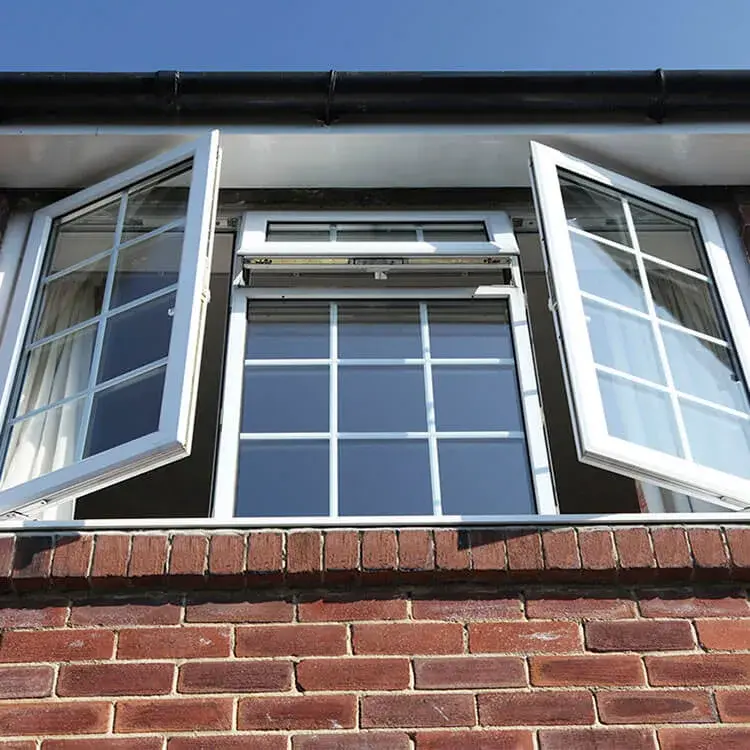
The German Style Casement Window is a tried-and-true choice for your next home or business project that needs to be both energy-efficient and architecturally precise. These inward-opening aluminum systems are based on European engineering standards. They have tilt-and-turn features, multi-point locking hardware, and thermal break technology that makes U-values often less than 1.3 W/m²K. This fenestration system is a good choice for energy-conscious construction because it has helped real estate developers and general builders across the US meet stricter building codes while lowering heating and cooling loads by measured percentages.
Understanding German Style Aluminum Windows
Engineering Principles Behind the Design
The frame of these aluminum casement systems is made up of multiple extrusions that are divided by PA66 nylon thermal break strips. This way of building structures breaks the electrical path between the inside and outside surfaces, which fixes the problem of thermal bridging that happens a lot in single-cavity aluminum profiles. The inward-opening system lets the sash press EPDM gaskets against the frame when the wind blows, making a better seal than when the sash swings outward or slides.
When purchasing managers look at these windows, they should know that the three-layer gasket system has a direct effect on the rates of air leakage, which are measured in labs using ASTM E283 guidelines. This design works well for projects that need Class 4 air flow, especially for tall buildings that are subject to steady wind loads.
Hardware and Operation Mechanics
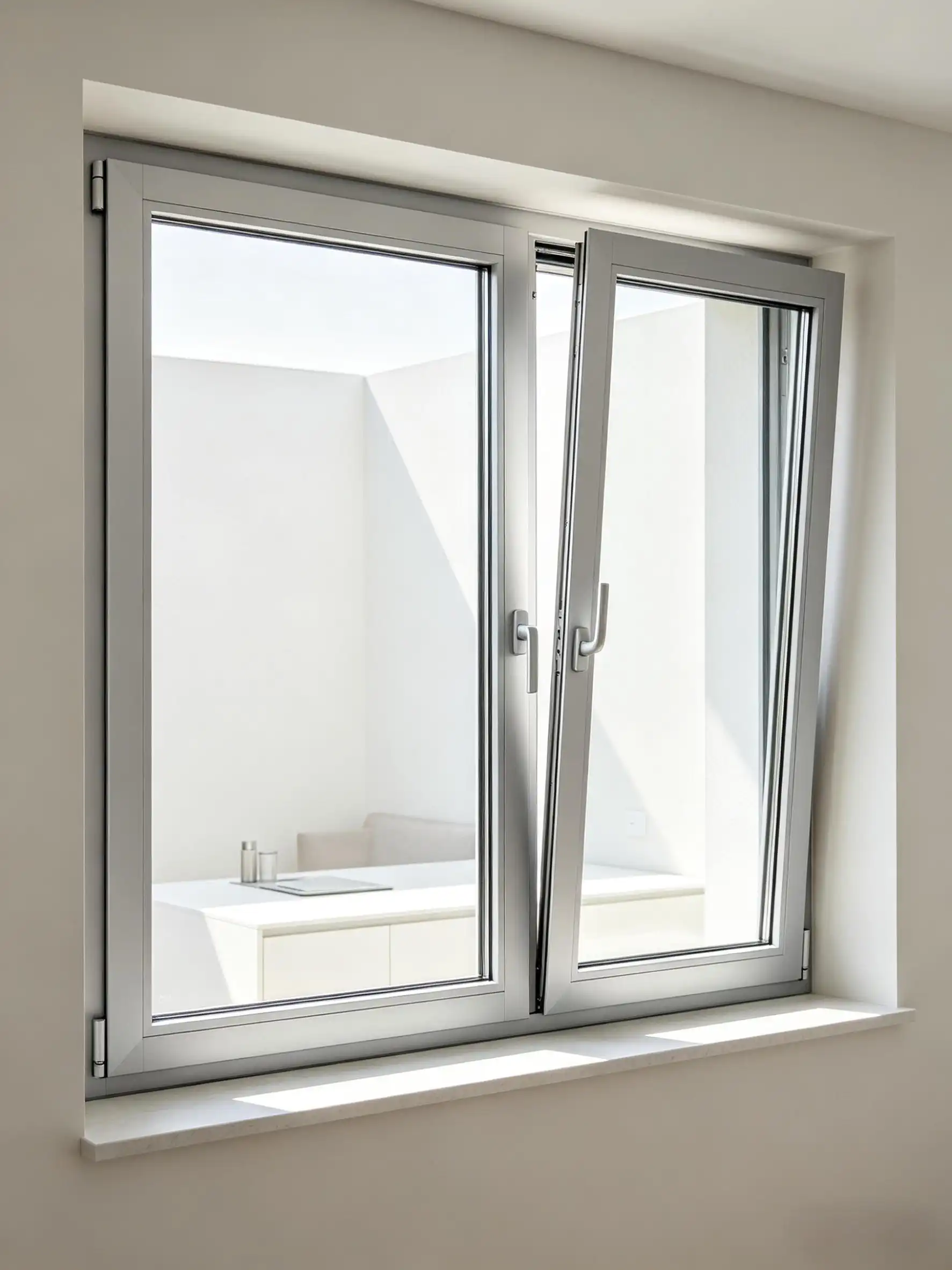
Multi-point locking methods spread the binding force around the edge of the sash to several places. Unlike most single-point latches, this hardware engages at the lock side, the top, and the bottom all at the same time, making sure that all gasket interfaces stay compressed. The tilt feature allows for controlled air flow, and the turn feature allows for full access. This is made possible by a rotating hinge that changes the axis of movement.
When technical staff look at window specs, they should know that EN 1191-rated hardware that can be used 25,000 times usually only needs to be oiled once a year, which makes maintenance easier for property managers. The tilt position also keeps some of the locking points engaged, which keeps things safe during ventilation. This is good for ground-floor installations in business buildings where safety is a worry.
Energy Efficiency Benefits of German Style Aluminum Windows
Quantifiable Thermal Performance
When you put together thermal break shapes with double or triple glass units, you can get thermal transmittance values in the range of 0.9 to 1.5 W/m²K. The 5+12A+5 mm glass configuration, which has two 5 mm panes separated by a 12 mm cavity filled with argon, lowers both conductive and convective heat transfer compared to single-glazed options. When purchasing managers compare lifecycle costs, they should find out how many heating degree days their climate zone has. Buildings in colder areas see a higher return on investment.
According to energy audit data gathered over two heating seasons, a mid-rise domestic project in Chicago saw a 22% drop in its need for heating during the winter after replacing builder-grade plastic windows with thermal break aluminum casements. When making proposals to owners or top management that focus on cutting business costs, these measurable results make the starting cost difference worth it.
Condensation Control and Indoor Air Quality
The higher surface temperature inside thermally broken frames lowers the chance of condensation at the glass edge. This is a common problem in cold places that can cause mold to grow and finishes to wear down. At 50 Pa test pressure, air tightness ratings of 0.3 m³/(h·m²) stop uncontrolled infiltration. This lets HVAC systems keep up the intended ventilation rates without having to make up for leaks.
When architects choose these windows for LEED-certified projects, they can show that they managed moisture and controlled ventilation, which earns them credits in the Indoor Environmental Quality category. The tilt mode lets you control the flow of air without fully opening the sash. This lets people control the flow of fresh air while keeping the temperature stable during shoulder seasons.
Procurement Considerations for German Style Aluminum Windows
Material Specifications and Durability Metrics
The choice of aluminum metal affects both how well the structure works and how well it resists rust. Profiles made from 6063-T5 aluminum have enough tensile strength to hold heavy triple-glazing units in place while keeping sightlines narrow. Surface treatments like powder painting, anodizing, or wood-grain finishes protect against UV light and chemicals, making them suitable for use in industrial or seaside settings. Salt spray testing according to ISO 9227, which is usually done for 480 hours, makes sure that hardware won't rust when marine-grade stainless steel parts are specified.
To keep hinge pins, locking mechanisms, and fasteners from breaking too soon, distributors who work with marine areas should make sure that they meet the requirements for 316-grade stainless steel. German Style Casement Window hardware, in particular, benefits from this specification, as these technical details are important when writing specs for projects that will last 30 years, after which it will be too expensive to repair any parts.
Customization Capabilities and Lead Time Planning
Standard shapes come in depths of 60 mm, 70 mm, and 80 mm to fit different glass sizes and heat performance goals. Deep customization includes matching RAL colors to frame colors, making openings in buildings that don't follow standard sizes, and adding automated opening systems for high-performance buildings. Non-standard profiles can be made by manufacturers with in-house extrusion lines and CNC machining tools in a reasonable amount of time.
However, buyers should send shop drawings early in the buying process. Knock-down kits, which are pre-cut frames and screens that are shipped unassembled, reduce the volume of containers by about 40%, which lowers the cost of shipping goods across international borders. This logistics plan works especially well for importers who are combining several projects into one. This is because assembled units take up a lot more space and carriers charge extra for their size.
Performance Disclaimer: The actual thermal, acoustic, and structural performance will rest on how well the glass is installed, how well the assembly is done, and the quality of the finished product. Buyers should ask for certified test results from recognized labs to make sure that what the maker says matches the needs of the project.
Certification Requirements for the U.S. Market
North American building officials use NFRC (National Fenestration Rating Council) marks to check the thermal performance of a building and AAMA (American Architectural Manufacturers Association) guidelines to check the structure. When windows are used in business buildings, they usually have to meet AAMA 101 standards for water protection and AAMA 502 standards for optional requirements.
Procurement teams should make sure that makers send paperwork packages with test reports, installation directions, and structure estimates that have been signed off by a qualified engineer. This administrative preparation speeds up the process of getting permits and cuts down on project delays, which is very important for general contractors who have set due dates for finishing jobs. In places like Florida's Product Approval system, pre-approved product listings make compliance even easier for areas that are prone to hurricanes.
Installation, Maintenance, and Longevity
Best Practices for Installation Teams
To get the rated performance, you need to pay attention to how you prepare the rough opening and where you put the fasteners. Any flaws in the substrate that are bigger than 3 mm need to be fixed before the frame can be set. This is because uneven bearing surfaces cause frame distortion that makes it harder for the gasket to contact the frame. Installers should fill in holes around the edges with low-expansion polyurethane foam so that the foam doesn't expand too much and bend the frame.
Anchoring every 12 inches around the outside of the building spreads out the weight and keeps the structure straight even when it moves. Water management features like sill pans, head flashing and jamb seals are based on the rules in ASTM E2112, which is the standard for installing windows and doors on the outside of a building. Curtain wall contractors who are familiar with commercial glazing systems may find it easy to use these techniques, but residential crews may need some training to meet expectations.
Routine Maintenance Protocols
Lithium-based grease applied to pivot points and locking mechanisms in hardware extends its useful life and keeps it running smoothly. EPDM gaskets should be checked once a year, and any parts that are broken or compressed should be changed right away to keep the air and water tightness.
Drainage lines built into the sill shape need to be cleared out every so often to keep water from building up and freezing, which can bend the frame in cold places. Instead of waiting for tenants to complain, property managers who are in charge of large groups of apartments should set up preventative maintenance plans that include these items in regular checks. German Style Casement Window systems, with their precision-engineered drainage and sealing details, are especially well-suited to such maintenance routines. Because good aluminum doesn't rust, frames don't need much maintenance other than being cleaned. This means that they last longer and cost less to maintain than wood or steel frames.
Weatherproofing Strategies for Diverse Climates
When working on projects in the Southwest, it's important to pay close attention to thermal expansion. Because aluminum has a high coefficient of thermal expansion, the rough opening needs to have enough space to allow for changes in size when temperatures go above 100°F. In the north, installations need continuous insulation around the frame perimeter to stop thermal bridging through structural links.
This is a very important feature for passive house projects that aim for 0.6 air changes per hour. Weep system improvements that speed up draining and keep water from standing in the sill track are good for coastal areas. Knowing about these adaptations for different climates helps project managers include the right installation details during the bidding process. This way, changes that need to be made in the field don't have to be made at the end, which delays completion and costs more money.
We know that technical complexity can make things hard for procurement teams that have done this before. Haolv Building Materials offers complete support packages that make projects easier to carry out. For example, detailed technical parameter sheets list the exact U-values, air infiltration rates, and structural load capacities for each profile series. Installation video tutorials show the right way to shimming, fastening, and sealing in multiple languages. And assembly manuals with exploded-view diagrams help field teams install knock-down kits, which cuts down on mistakes and callbacks.
Custom engineering support makes sure that standard shapes fit non-standard openings, so that the building purpose becomes a useful reality. The benefits of buying in bulk go beyond lower unit prices. For example, consolidated shipping schedules and pre-staged inventory cut down on on-site storage needs, which can shorten project timelines by weeks in fast-track construction situations.
Comparing German Style Aluminum Windows with Alternative Window Types
Performance Relative to uPVC and Vinyl Systems
Aluminum is naturally stronger than uPVC, so it can have thinner frame profiles and bigger glass areas. This is a benefit that is valued in modern home designs that focus on views and lighting. German Style Casement Window construction, which typically uses high-grade aluminum extrusions, fully leverages this strength advantage. The material's ability to keep its shape across a wide range of temperatures keeps vinyl windows with wide sashes from sliding over time, keeping them weathertight for decades.
Without thermal breaks, uPVC has lower conductivity. Adding PA66 nylon strips to aluminum profiles closes this performance gap by a large amount. When it comes to structural issues, aluminum is better for high-rise buildings where wind loads and building movement need a stiffer frame. On the other hand, uPVC windows usually need steel reinforcement in sashes that are too big, which takes away their thermal advantage.
Operational Differences Compared to Sliding and Double-Hung Configurations
Because they use brush seals and compression weatherstripping along horizontal tracks, sliding windows let air in less well than casement systems because the weatherstripping and seals wear out faster. Casement gear has a mechanical edge that makes clamping pressure much higher. This makes it harder for air to get in. Double-hung windows have two movable sashes with different weatherseal interfaces, which increases the number of possible leaky paths.
The German Style Casement Window, on the other hand, seals at a single sash perimeter, which makes quality control easier during production and installation. Awning and hopper windows both have the benefit of a compression seal, but they don't have the two-mode freedom that tilt-and-turn systems do, which lets them adapt to different air needs throughout the day.
Conclusion
Aluminum casement systems made to European standards solve the main problems that procurement managers face today, like making sure that energy performance can be checked, supply chains are reliable, and the systems can be set up in a variety of ways to fit different types of projects. When you combine thermal break technology, multi-point locking, and triple-seal construction, you can see a real drop in energy use while still meeting the security and durability needs of both home and business uses.
Logistics flexibility that lowers total shipped cost is made possible by knock-down shipping choices and customizable profiles. This is especially true for projects that span multiple buildings or stages. German Style Casement Window systems, with their modular design and adaptable configurations, fit seamlessly into such supply-chain strategies. By specifying these windows, builders and developers can keep up with changing building codes and meet owner standards for working efficiency without sacrificing the building's architectural vision or schedule.
FAQ
How do German style casement windows perform in extreme climates?
In cold places, multi-chamber thermal break shapes keep the surface temperatures inside above the dew point, which stops condensation from forming. In hot places, low-emissivity glass coatings stop solar heat gain, and the tight seal stops air from getting in and putting stress on cooling systems. By choosing the right type of glazing and thermal break depth, the system can be made to work in different climate zones.
What warranty coverage should B2B buyers expect?
Reputable manufacturers offer 10-year warranties on the functionality and finish integrity of their hardware, with longer warranties available for structural components. The warranty should cover metal rust and seal failure in insulating glass units, especially in coastal installs. To keep the guarantee current, proof of proper installation according to the manufacturer's instructions is still needed.
Can these windows meet hurricane impact requirements?
When these systems are put together with strengthened frame parts and laminated or tempered glass that meets ASTM E1996 standards, they can handle design pressures that are good for hurricane zones with high winds. Impact-resistant designs add weight that needs to be taken into account when choosing hardware and anchoring features. This means that structure engineers need to be involved in the planning process.
Partner with Haolv Building Materials for Your Next Project
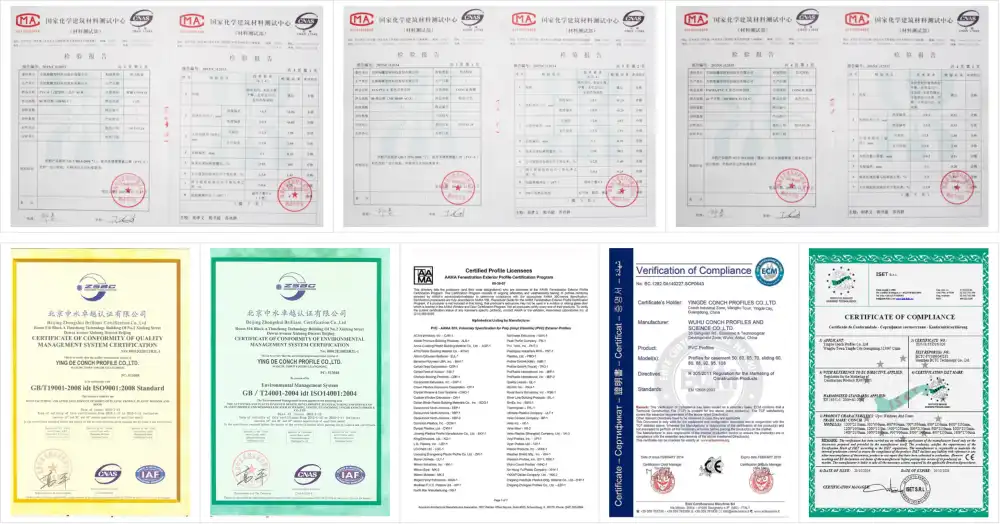
For 19 years, Haolv Building Materials has been making precision-engineered aluminum and UPVC fenestration systems for general builders, curtain wall companies and building material dealers all over North America. Our factory in Hunan Province is ISO, CE, and AAMA-certified, and it has combined extrusion, manufacturing, and assembly lines that can handle orders for everything from single-building projects to multi-phase developments.
As a direct German Style Casement Window manufacturer, we don't have to pay markups to middlemen and have full control over quality at every stage of production, from choosing the alloy to doing the final inspection. When compared to assembled units, knock-down kit setups can cut your landed costs by up to 30%. This is a big business benefit for buyers on the West Coast who have to manage container capacity. For no extra charge, technical support teams provide stamped engineering estimates, installation training, and project-specific customization.
This makes sure that your field crews meet the performance standards on the first try. You can email our sales team at kristin@haolvwindows.com to get detailed parameter sheets, CAD information, and project-based pricing for the specs you're planning. Go to haolvbuilding.com to see all of our products and download helpful guides that will help you make decisions about what to buy.
References
1. American Architectural Manufacturers Association. AAMA 101: Voluntary Specification for Aluminum, Vinyl (PVC) and Wood Windows and Glass Doors. 2020.
2. National Fenestration Rating Council. NFRC 100: Procedure for Determining Fenestration Product U-factors. 2020 Edition.
3. ASTM International. ASTM E2112: Standard Practice for Installation of Exterior Windows, Doors and Skylights. 2019.
4. Passive House Institute. Criteria for the Passive House, EnerPHit and PHI Low Energy Building Standard. 2016 Revision.
5. Efficient Windows Collaborative. The Efficient Windows Collaborative Fenestration Energy Performance Guide. University of Minnesota, 2021.
6. Straube, John and Burnett, Eric. Building Science for Building Enclosures. Building Science Press, 2005.
Fast simple channel to send demands lock favorable price for building window door bulk purchases.