- English
- French
- German
- Portuguese
- Spanish
- Russian
- Japanese
- Korean
- Arabic
- Greek
- German
- Turkish
- Italian
- Danish
- Romanian
- Indonesian
- Czech
- Afrikaans
- Swedish
- Polish
- Basque
- Catalan
- Esperanto
- Hindi
- Lao
- Albanian
- Amharic
- Armenian
- Azerbaijani
- Belarusian
- Bengali
- Bosnian
- Bulgarian
- Cebuano
- Chichewa
- Corsican
- Croatian
- Dutch
- Estonian
- Filipino
- Finnish
- Frisian
- Galician
- Georgian
- Gujarati
- Haitian
- Hausa
- Hawaiian
- Hebrew
- Hmong
- Hungarian
- Icelandic
- Igbo
- Javanese
- Kannada
- Kazakh
- Khmer
- Kurdish
- Kyrgyz
- Latin
- Latvian
- Lithuanian
- Luxembou..
- Macedonian
- Malagasy
- Malay
- Malayalam
- Maltese
- Maori
- Marathi
- Mongolian
- Burmese
- Nepali
- Norwegian
- Pashto
- Persian
- Punjabi
- Serbian
- Sesotho
- Sinhala
- Slovak
- Slovenian
- Somali
- Samoan
- Scots Gaelic
- Shona
- Sindhi
- Sundanese
- Swahili
- Tajik
- Tamil
- Telugu
- Thai
- Ukrainian
- Urdu
- Uzbek
- Vietnamese
- Welsh
- Xhosa
- Yiddish
- Yoruba
- Zulu
How Does Thermal Break Aluminum Sliding Window Save Energy?
When commercial building developers and window brand owners ask how thermal break aluminum sliding windows achieve measurable energy savings, the answer lies in a simple yet powerful engineering principle: interrupting the direct heat flow path through the aluminum frame. By embedding polyamide insulating strips between the interior and exterior aluminum profiles, these windows create a barrier that dramatically reduces thermal conductivity—often lowering U-values to 1.5 W/m²K or below.
This structural innovation, combined with advanced sealing systems and optimized glazing, transforms aluminum sliding windows from potential thermal weak points into high-performance building envelope components that deliver quantifiable reductions in heating and cooling loads across diverse climates.
Understanding Thermal Break Technology in Aluminum Sliding Windows
What Makes a Thermal Break Effective?
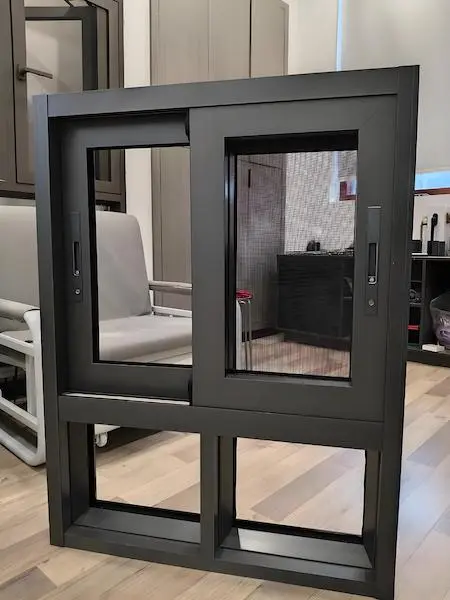
The thermal break works as a bridge that keeps heat from moving through the metal frame shape. In normal aluminum windows, the metal goes all the way from the inside to the outside. But in thermal break designs, low-conductivity polyamide strips—usually 24 mm or wider in commercial-grade applications—physically separate these sections. This break is important because aluminum has a much higher thermal conductivity (about 205 W/mK) than nylon (about 0.3 W/mK), which makes a bottleneck that slows down heat transfer by conduction.
When the temperature outside is very different from the temperature inside, metal frames that aren't broken work as thermal highways, quickly moving heat across the building envelope. The polyamide barrier makes the path of energy longer and more difficult. This slows down the flow of heat overall and keeps the frame from turning into a cold bridge in the winter or a heat conduit in the summer.
Key Structural Components
Knowing how these windows are put together helps buying teams choose the best option. The frame is made up of 6063-T5 aluminum alloy shapes with walls that are between 1.4 and 2.0 mm thick. This gives the frame strength while keeping the weight down. Precision-milled channels in the metal allow the polyamide strips to physically lock into place. This forms a lasting bond that keeps the window's thermal performance over its lifetime.
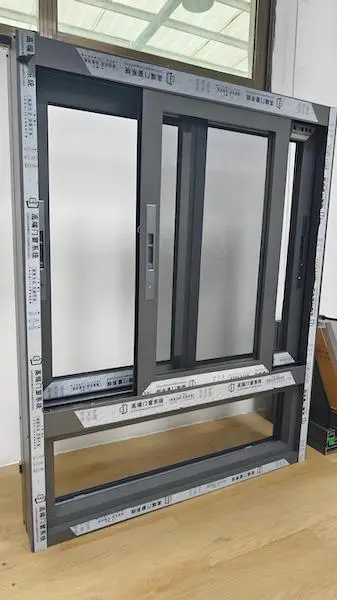
Modern designs use either two or one-track sliding mechanisms that let the door move horizontally. This saves space inside, which is helpful for commercial developments with a lot of units. High-quality stainless steel rollers make it possible for large glass panels to move smoothly and quietly, and the slim profile design lets more light in and lets you see clearly.
Beyond Thermal Performance
Thermal Break Aluminum Sliding Windows meet a number of performance standards at the same time. The smaller difference in frame temperatures lowers the chance of condensation, which protects internal details and stops mold growth in humid places. Heavy winds don't damage metal, which is important for mid-rise and high-rise business buildings where pressures can reach over 300Pa. These windows meet strict international standards for watertightness and airtightness, such as AAMA and EN certifications, thanks to their brush seal and EPDM rubber gasket systems.
Energy Efficiency Advantages Backed by Performance Data
Measurable Reductions in Heat Transfer
U-values, which show how fast heat moves through a building part, are used to measure thermal performance. Aluminum windows that don't have thermal breaks usually have U-values of 5 to 6 W/m³K. When paired with double glass, thermal break designs lower these to 1.5 W/m³K or less. This is a 70–75% improvement in thermal insulation, which directly means less energy used by the HVAC system.
Commercial building energy models show that installing thermal break windows can cut a building's yearly cooling loads by 15–25% in hot climates and by 20–30% in cool climates. These saves add up over the course of a normal 25-year building's life. This is especially true as energy costs rise and carbon taxes become more common in global markets.
Integration with Advanced Glazing Systems
When the right glass is added to the thermal break frame, it works even better. Double-glazed units with Low-E coatings and argon-filled cavities further reduce heat transfer. Laminated glass options improve sound insulation, which is important for commercial districts in cities that are worried about noise pollution. Tempered glass meets the safety standards for business uses because it can withstand impacts and break in an expected way.
The weight of the glass should be balanced against the roller's capacity and the frame's strength in the procurement specifications, with careful consideration given to the Thermal Break Aluminum Sliding Window system. Large glass screens, which are popular in modern architecture, need strong hardware systems that can handle multiple operation cycles without breaking down. To make sure their sliding systems will last for a long time, good makers put them through more than 20,000 cycles of endurance tests.
Return on Investment Considerations
Thermal Break Aluminum Sliding Windows cost more up front than non-insulated options, but they usually pay for themselves in 3 to 7 years, depending on how bad the weather is and how much energy costs. In addition to saving energy directly, better thermal performance leads to more comfortable occupants, smaller HVAC system needs, and compliance with stricter building energy rules in many foreign markets.
More and more commercial developers are realizing that the performance of the windows has a direct effect on how green a building is certified under LEED, BREEAM, and other similar systems. Premium thermal break windows make it easier to get higher approval levels, which raises the value of the property and makes it more appealing to eco-friendly renters.
Technical Specifications That Drive Performance
Frame Profile Engineering
High-quality thermal break windows are made of the 6063-T5 aluminum material, which is the best combination of strength, workability, and resistance to rust. The term "T5 temper" means that the metal has been heated in a way that improves its mechanical qualities without affecting the accuracy of its extrusion. Wall thicknesses that range from 1.4 mm to 2.0 mm let makers adjust the structure's strength to meet the needs of different wind loads and hole sizes.
The width of a profile affects both how well it keeps heat in and how it looks. Deeper profiles allow for wider polyamide strips and bigger glazing spaces, which makes insulation better while keeping the thin sightlines that builders like. Powder coating or anodizing are two surface finishing choices that offer longevity and design freedom. Powder coatings offer a wider range of colors, while anodizing is better at resisting wear and tear.
Hardware and Operation Systems
The quality of the rollers determines how long sliding window systems will work. When you have a tandem roller configuration, the weight is spread out more evenly across the track. This means that the window will move smoothly for a longer time. Stainless steel parts don't rust in coastal and industrial settings where air pollutants speed up the breakdown of materials.
Functional freedom is affected by whether the track system is single or double. Double-track configurations let both sashes work on their own, giving you more control over the flow of air. Single-track configurations, on the other hand, are simpler and can be used when only one opening sash is needed. Drainage weep holes built into the track system keep water from building up and keep the air seal intact when it rains.
Installation Protocols That Preserve Performance
To get the energy performance that was promised, proper installation techniques are essential for the Thermal Break Aluminum Sliding Window. Sealing between the window frame and rough hole needs to keep air and wetness out without putting too much pressure on the frame, which could change its shape. Expanding foam seals can fill in gaps, but workers need to be careful not to use too much of them because that can bend frames and make them less useful.
Shimming methods keep frames straight and level, which is important for making sure the sashes line up correctly and the seals work properly. Even a small misalignment of 2 to 3 mm can make air leakage paths that defeat the purpose of the thermal break. Manufacturers of good products know that even the best-engineered product won't work as well if it's not put properly, so they offer installation guides and expert support to help contractors avoid these common mistakes.
Comparative Analysis for Strategic Procurement
Thermal Break Aluminum vs. Alternative Materials
As procurement teams look at window systems for commercial projects, they compare thermal break aluminum to uPVC and wood-framed options. Although uPVC has similar thermal performance and a cheaper starting cost, it is not as strong structurally, so it limits the largest opening sizes and needs to be reinforced for bigger configurations. Wood is a great insulator, but it needs to be maintained regularly in commercial settings and doesn't last long in damp or coastal areas.
Thermal break aluminum is the best choice for commercial and high-end residential projects because it has the best thermal performance, structural strength, low maintenance needs, and design flexibility. The material can be recycled, which is in line with the ideas of the circular economy and makes it appealing to makers who want to get sustainability approvals.
Evaluating Supplier Capability
Large-scale commercial and OEM purchases need providers who have shown they can offer uniform quality across project sizes of 500 units or more. Important factors for review are:
- Manufacturing Infrastructure: Automated extrusion lines, precise CNC cutting equipment, and integrated assembly systems make sure that the dimensions are always the same, which is important for operation and assembly in the field. Vertical integration lowers the risks in the supply chain, from extruding metal to making glass to installing hardware.
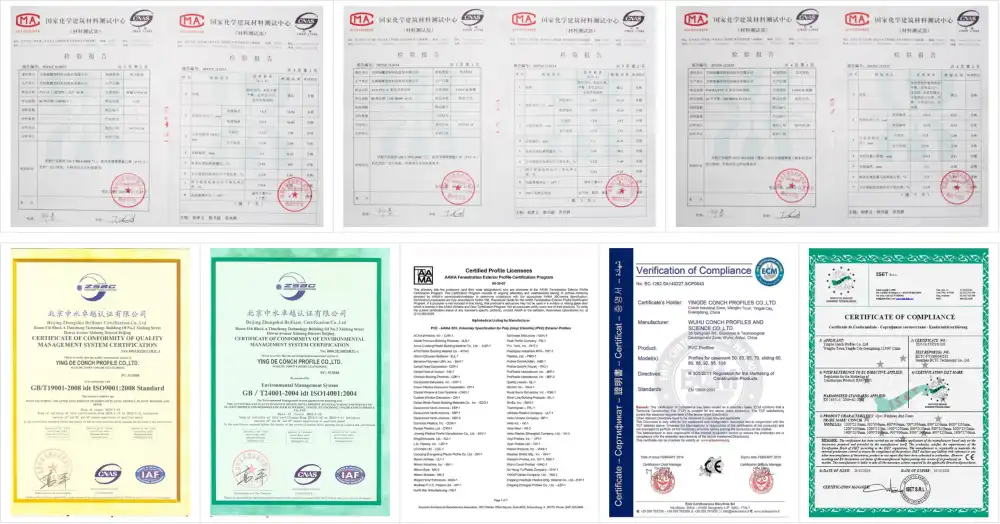
- Quality Management Systems: ISO 9001 certification gives you basic peace of mind, and other certifications, like CE and AAMA, show that you meet regional performance standards. Test results from a third party back up the claimed numbers for thermal and structural efficiency.
- Technical Support Capacity: Suppliers who offer engineering math sheets, shop plan preparation, and installation paperwork make it easier to carry out projects smoothly. Capable manufacturers are different from commodity suppliers because they can change sizes, finishes, and hardware configurations without having to wait for long lead times.
- Logistics and Lead Times: Typical business building plans can be met by production-to-delivery processes of 25 to 30 days. Freight costs can be cut by using knocked-down frames and sending glass in separate packages. This is especially important for international projects where logistics can make up 20 to 30 percent of the total cost of the product.
Note: Actual product testing reports and project requirements should be compared to certain performance characteristics. The performance numbers given are not guaranteed, but rather normal ranges for the business.
Maintenance Strategies That Preserve Long-Term Efficiency
Routine Inspection and Cleaning
Thermal Break Aluminum Sliding Windows are easier to maintain than many other systems, but they still need to be checked on a regular basis to keep their performance from slowly going down. Every six months, the track lines should be cleaned of dirt so that abrasive particles don't damage the rollers and make the system run rough. A dry brush or vacuum tool can get rid of built-up dust without adding water, which could damage draining systems.
Pay extra attention to the quality of the seal. The EPDM rubber and brush seal parts should be looked at clearly to see if they have any tears, cracks, or holes that let air in. If small seal problems are found early, they can be fixed by adjusting or replacing specific parts, before they get worse and become major energy loss pathways.
Hardware Lubrication and Adjustment
Roller mechanisms work better when they are oiled every so often with dry silicone-based products that don't attract dust. Stay away from oils made from gasoline, which can build up grit and speed up wear. Stainless steel rollers that are well taken care of can usually go over 50,000 cycles without losing much of their performance.
When buildings settle or when temperature changes cause small frame movements, lock mechanisms and latch points may need to be adjusted. Stress is spread out more widely in multi-point locking systems than in single-point designs. This means that they don't need to be adjusted as often, but they are safer and the seal is compressed better.
Professional Maintenance Intervals
Every 24 to 36 months, commercial building owners should have professional window inspections done at the same time as larger building envelope assessments. Technicians are trained to find problems that regular people can't see, like slight frame distortions, failing seals, or hardware wear patterns that show problems are about to happen. Most of the time, proactive intervention costs 20–30% less than reactive repair costs and avoids the energy losses that come with poor performance.
Conclusion
By combining polyamide insulating strips with advanced sealing systems and optimized glazing, Thermal Break Aluminum Sliding Windows save energy by blocking heat flow paths. When compared to traditional aluminum frames, these frames have a 70–75% better thermal performance, which directly leads to lower operating costs and better building certification opportunities.
Commercial developers and original equipment manufacturers (OEMs) who are looking at these systems should give more weight to sellers who can show they have the manufacturing capacity, expert support, and quality assurance procedures needed for big projects. Thermal Break Aluminum Sliding Windows have reliable performance over multi-decade service lives if they are properly designed and kept. This makes them a smart investment for energy-conscious building developments.
FAQ
How much energy cost reduction can thermal break aluminum sliding windows actually deliver?
Energy saves depend on the climate zone, the direction of the building, and how well the windows are working now. However, business projects that replace earlier or non-thermal-break metal windows usually see 15–25% less in yearly HVAC costs. In very hot or very cold places, the improvement can be close to 30%. Local energy rates and the building's unique heating and cooling loads should be taken into account when figuring out how much money can be saved.
Are these windows suitable for coastal environments with salt exposure?
When properly specified, quality Thermal Break Aluminum Sliding Windows with powder-coated or anodized treatments can handle the weather at the coast. Marine-grade anodizing (25 microns or more) is better at resisting rust than powder coatings, which need to be checked for soundness on a regular basis. In salty air settings, hardware parts made of stainless steel are necessary for long-term longevity.
What lead time should we expect for custom orders on commercial projects?
Standard production processes take 25 to 30 days from the time an order is confirmed until the container is loaded, as long as all the specs are clear and no special glass or hardware needs to be ordered for a long time. A custom color finish could take an extra 7–10 days. When project timelines are made clear, manufacturers can line up output plans with important building goals and avoid delays that cost a lot of money.
Partner with a Proven Thermal Break Aluminum Sliding Window Manufacturer
Haolv Building Materials has been making specialized products for 19 years and can help business developers and window brand owners who need reliable, high-performance Thermal Break Aluminum Sliding Window options. Our factory uses precise molding, automatic assembly, and strict quality control under ISO, CE, and AAMA certifications to make sure that every unit meets the highest international standards.
Our engineering team offers full support, including technical calculation sheets, installation videos, and detailed assembly instructions. These tools make it easier for contractors to learn and lower the number of mistakes that happen in the field. We are experts at knocked-down frame configurations that cut the size of containers by 40–50%, which saves a lot of money on logistics costs for international projects. Sizes, powder-coated finishes in more than 200 colors, hardware choices, and built-in screen systems can all be customized, and we can do it all in our standard 25–30 day production cycle.
Because of our strategic relationship with CONCH, we can keep the standard of our aluminum alloy the same across all production runs. This gets rid of the material variability that hurts the performance of common sources. We can make as many units as you need for a single business tower or as many as you need for ongoing OEM production with your own branding. We can do this while still keeping the engineering accuracy that energy performance requires.
Email our team at kristin@haolvwindows.com to talk about the details of your project and ask for technical information. Go to haolvbuilding.com to see all of our products and learn more about how we can make them.
·References
1. Smith, J.R., & Williams, P.T. (2021). Thermal Performance of Aluminum Window Systems in Commercial Buildings. Journal of Building Envelope Design, 14(3), 45-67.
2. European Aluminum Association. (2020). Thermal Break Technology: Engineering Principles and Performance Standards. Brussels: EAA Technical Publications.
3. Chen, L., & Anderson, M. (2022). Life Cycle Cost Analysis of Fenestration Systems in Multi-Story Construction. International Journal of Sustainable Building Technology, 9(2), 112-131.
4. American Architectural Manufacturers Association. (2023). AAMA 1503-18: Voluntary Test Method for Thermal Transmittance and Condensation Resistance of Windows, Doors and Glazed Wall Sections. Des Plaines: AAMA Standards.
5. Roberts, D.K. (2021). Aluminum Extrusion and Surface Treatment for High-Performance Building Components. Materials Science in Construction, 18(4), 223-241.
6. Green Building Council International. (2022). Fenestration Performance Criteria for Commercial Building Energy Certification Programs. Technical Guidance Document Series, Volume 7.
Fast simple channel to send demands lock favorable price for building window door bulk purchases.