- English
- French
- German
- Portuguese
- Spanish
- Russian
- Japanese
- Korean
- Arabic
- Greek
- German
- Turkish
- Italian
- Danish
- Romanian
- Indonesian
- Czech
- Afrikaans
- Swedish
- Polish
- Basque
- Catalan
- Esperanto
- Hindi
- Lao
- Albanian
- Amharic
- Armenian
- Azerbaijani
- Belarusian
- Bengali
- Bosnian
- Bulgarian
- Cebuano
- Chichewa
- Corsican
- Croatian
- Dutch
- Estonian
- Filipino
- Finnish
- Frisian
- Galician
- Georgian
- Gujarati
- Haitian
- Hausa
- Hawaiian
- Hebrew
- Hmong
- Hungarian
- Icelandic
- Igbo
- Javanese
- Kannada
- Kazakh
- Khmer
- Kurdish
- Kyrgyz
- Latin
- Latvian
- Lithuanian
- Luxembou..
- Macedonian
- Malagasy
- Malay
- Malayalam
- Maltese
- Maori
- Marathi
- Mongolian
- Burmese
- Nepali
- Norwegian
- Pashto
- Persian
- Punjabi
- Serbian
- Sesotho
- Sinhala
- Slovak
- Slovenian
- Somali
- Samoan
- Scots Gaelic
- Shona
- Sindhi
- Sundanese
- Swahili
- Tajik
- Tamil
- Telugu
- Thai
- Ukrainian
- Urdu
- Uzbek
- Vietnamese
- Welsh
- Xhosa
- Yiddish
- Yoruba
- Zulu
Are Aluminum Sliding Doors Good for Overseas Projects & Cost Efficiency?
Aluminium sliding external doors provide exceptional value for foreign building projects thanks to their lightweight design, weatherproof construction, and adaptable shipping options. The strong thermal break aluminium shapes and advanced sealing technologies in these precision-manufactured systems work reliably in a wide range of temperatures while lowering the overall cost of the project. Their modular design lets them be shipped 'knocked down', which significantly lowers freight costs compared to fully completed units. This is a huge benefit for contractors who are trying to stick to tight installation schedules and limited budgets for foreign purchases.
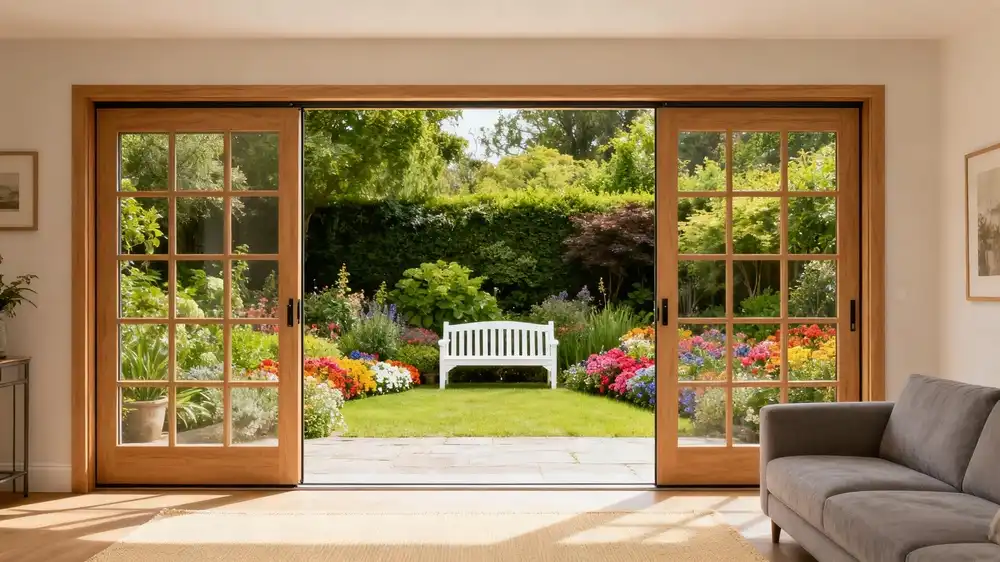
Understanding Aluminum Sliding External Doors for Overseas Projects
Lightweight Yet Robust Construction for Global Shipping
The main reason people like aluminium sliding external doors is that they are very strong for how light they are. Because they are made from 6063-T5 or T6 grade aluminium metal, these profiles keep their structural integrity while being much lighter than steel options. This feature directly solves the problems of sending goods across international borders—a single crate can hold more units, which lowers the cost of freight by 20–35% per unit compared to heavier materials. The frames are made of extruded aluminium, which can handle the vibrations and handling loads of foreign shipping without warping or losing their structural integrity.
Climate Adaptability Across Diverse Markets
Because it is used outside, corrosion resistance is an important performance trait. When powder coated or anodised, aluminum's natural oxide layer is strengthened. This layer protects better against salt spray at the coast, UV damage at high elevations, and water entry in humid areas. Acetic Acid Salt Spray (AASS) tests show that properly handled aluminium keeps its looks and functionality for decades. This means that these systems can be used for projects in the Middle East, along the coasts of North America, and in warm Southeast Asia.
Thermal Performance Through Advanced Engineering
Modern sliding door systems have thermal breaks made of polyamide that are 24mm to 34mm thick and are built into shapes with multiple chambers. With double or triple Low-E glazing and this form, U-values can be as low as 1.2 W/m²K because the metal doesn't have a natural heat conductivity route. The thermal barrier technology makes sure that strict energy codes are followed in North America and Europe while lowering the loads on HVAC systems. This has a measured effect on operational costs that developers who are interested in lifecycle value rather than initial spending alone like.
Cost Efficiency Analysis of Aluminum Sliding Doors in Overseas Procurement
Pricing Structure and Volume Advantages
Prices for commercial aluminium sliding external doors are usually between $180 and $420 per square metre. The exact price depends on the profile series (120mm vs. 140mm systems), the type of glass used, and the quality of the hardware. Tiered prices can be used when you buy in bulk. For example, orders over 500 square meters often get 15–22% discounts compared to small-lot purchases.
This economies of scale is especially helpful for multi-phase housing projects or hotel groups that want to make sure that all of their properties have the same window systems. Payment terms like 30% deposit with balance due against bill of lading give general contractors who are handling multiple project accounts at the same time more cash flow freedom.
The following things affect the total cost of a job besides unit pricing:
Shipping configurations significantly impact landed costs. The way the goods are shipped has a big effect on the landing costs. When compared to pre-assembled units, knock-down frame systems lower the volume of containers by 40–60%. This means that normal 40-foot containers can hold 25–30% more door sets. This means big savings on ocean freight, especially when going to places in the middle of the country that need more ground travel. Disassembled parts are also less likely to get damaged while being handled, which lowers the cost of insurance and replacements.
Installation complexity varies by system design. When compared to field-fabricated systems, pre-notched and pre-drilled profiles speed up assembly on-site and cut labour hours by about 35%. Manufacturers provide detailed installation instructions and assembly videos that make working with local companies easier. This makes sure that the quality is the same no matter how skilled the workers are in different areas. When you are in charge of several job sites in different areas, these tools are very helpful.
After-sales support and warranty coverage influence long-term value. Long-term worth is affected by insurance coverage and customer service after the sale. Manufacturers with a good reputation will guarantee aluminium profiles for 5 to 10 years and metal parts for 2 to 3 years. Getting things with clear guarantee terms that cover flaws, rust, and malfunctions lowers the risk of buying them. When problems appear after installation, quick expert help, such as the availability of replacement parts and troubleshooting advice, keeps projects from being held up, which can be very expensive.
Lifecycle Value Comparison
When looking at the total cost of ownership over 25 years, aluminium does better than other materials in a number of ways that can be measured. Unlike wood systems that need to be refinished and fixed when they get wet, aluminium systems only need to be cleaned and oiled regularly. UPVC options are originally less expensive, but in high-exposure areas, UV light causes discolouration and seal degradation, which means they need to be replaced too soon. Aluminum's dimensional stability—it doesn't grow or shrink much when the temperature changes—ensures consistent operation and closing performance, which lowers energy losses caused by air leaks.
Disclaimer: The actual performance characteristics rely on the testing results for each product and the quality of the installation. For project-specific proof, look at the manufacturer's documents.
Selecting the Right Aluminum Sliding Door Solution for Overseas Projects
Customization Capabilities for Diverse Requirements
For international jobs, it's common to need custom specs that aren't available in a catalogue. When EPDM gaskets are combined with brush seals to improve weather sealing, air leakage rates drop to less than 0.3 cfm/ft² and water penetration resistance rises above 10 psf. This is very important for high-rise buildings or areas that are prone to hurricanes. Commercial shopfronts and high-end home developments that are worried about security have locking systems that are stronger and have anti-lift mechanisms and multiple points of contact.
Aluminium sliding external doors often benefit from the same sealing and locking upgrades, especially when project specifications demand both weather resistance and forced-entry protection. With custom RAL colour matching, surfaces made of different materials look like they were designed by the same person.
The flexibility extends to track configurations. Single-track systems are best for porches that don't have a lot of room, while double- and triple-track systems can handle spaces up to 16 feet wide with little structural support. Top-hung roller choices work well with flush-floor thresholds that are needed for accessibility, while bottom-rolling systems are better at withstanding wind loads for installations that will be open to the elements at the coast.
Regulatory Compliance and Certification
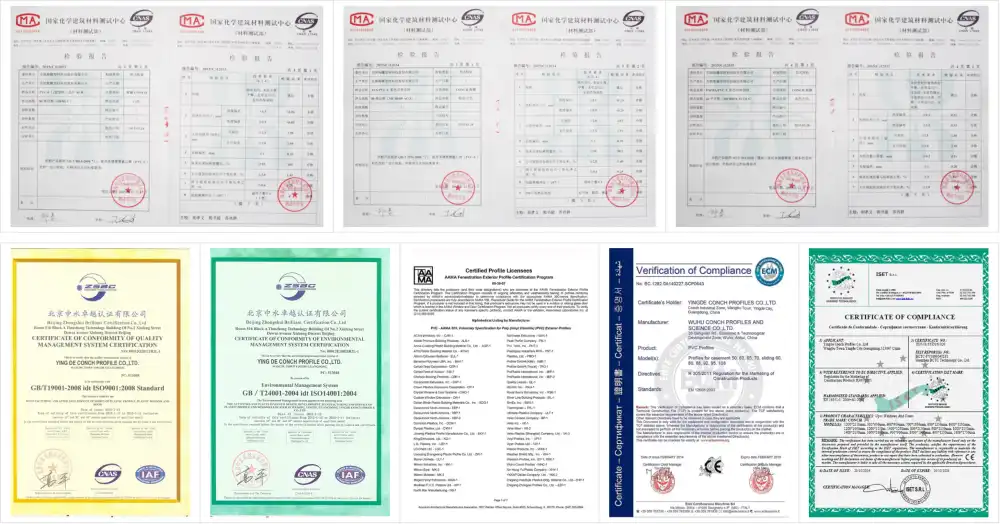
Meeting area building rules is a requirement that can't be skipped when buying something. For European projects, CE marking makes sure that the product meets safety and performance standards, and for U.S. projects, NFRC approval backs up claims about thermal performance. The AAMA testing procedures look at things like structural stability, water penetration, and forced-entry resistance.
Architects and building officials need to see proof of these things in order to approve specifications. Manufacturers who keep their ISO 9001 quality management certification show that they have structured process controls that make sure stability from batch to batch, which lowers the number of defects in the field.
Glazing Selection Impact on Total Project Cost
Choosing between double and triple windows has a big effect on both the initial prices and how well they work over time. For mild areas, double-glazed units (20–24 mm thick overall) are enough to provide good thermal and acoustic protection at a cost 18–25% lower than triple-pane options. In harsh areas where heating degree days reach 5,000 per year or where 40+ dB noise reduction is needed for sound insulation reasons, triple glazing (26–28 mm thickness) becomes economically viable.
Tempered glass and laminated glass both meet safety standards for installs on the ground level and address security issues. Aluminium sliding external doors share similar performance considerations, as their frame material and glazing choices directly affect thermal efficiency, noise control, and overall durability in the same climatic conditions.
Installation and Maintenance Best Practices for Overseas Aluminum Sliding Doors
Installation Workflow and Quality Assurance
Preparing the foundation is the first step in a proper installation. This includes making sure that the frame holes are within ±3mm of their intended size and that the structure is strong enough to hold up to 400 kg of sash weight. Shimming and leveling processes stop the action from binding and seals from wearing out too quickly.
Long-term weather resistance depends on how well the waterproofing is integrated, which includes installing the flashing correctly and using sealer at the outer joints. Before final acceptance, quality assurance checks should make sure that the machine works smoothly across its entire motion range, that the seals are compressed evenly, and that the locks are properly engaged.
Coordination with local workers means giving them clear advice on how to put things together, such as how much torque to use for fasteners and how to fix roller systems. Video demos make difficult steps easier to understand, which lowers the chance of installation mistakes that hurt performance. By planning setups for times when the weather isn't too hot or too cold, thermal expansion problems during frame setting can be avoided.
Climate-Specific Maintenance Protocols
Regular care keeps things looking good and makes them last longer. In seaside areas, rinsing with fresh water every three months gets rid of salt layers before corrosion starts. Roller systems work better when they are oiled every six months with silicone-based items that keep dust from building up. Cleaning the track by removing debris and checking the draining weep holes keeps water from building up and causes less operating resistance. Once a year, seal checks find early signs of wear and tear so that they can be replaced before air or water get in.
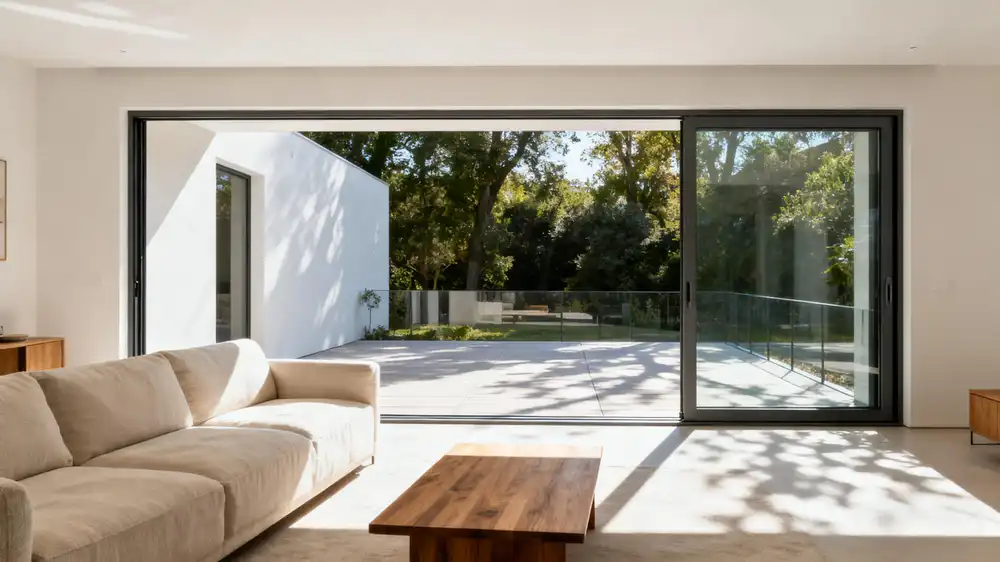
Leading Global Aluminum Sliding Door Suppliers and Selection Criteria
Industry Benchmark Manufacturers
A number of foreign manufacturers have built names for consistent quality and working on projects all over the world. Reynaers Aluminium, which is based in Belgium, offers systems that have been thoroughly tried and come with detailed technical documents. Schuco International offers high-quality products made in Germany and has strong marketing networks in North America. These companies have approvals for more than one market and can show that their products have been installed successfully in places as different as the cold winters of Scandinavia and the hot summers of the Middle East.
Supplier Evaluation Framework
Procurement managers should look at possible partners in more than one way, not just based on the specs of the products they offer. If a provider can meet project deadlines for big orders, it depends on how much manufacturing capacity they have. Facilities with automated extrusion lines and CNC fabrication equipment tend to be more consistent and scalable.
Export experience, shown by established transportation relationships and knowledge of paperwork, cuts down on customs delays and shipping problems. During the quote phase, responsiveness is often a good indicator of the quality of after-sales support. Suppliers who provide thorough technical answers and alternative solutions show engineering depth that is useful during project difficulties.
Customization flexibility separates commodity suppliers from strategic partners. Architects can achieve their design goals without sacrificing efficiency by being able to change profiles, add project-specific hardware, and work with non-standard measurements. Ask for example units to be checked out physically. Looking at the quality of the welds, the uniformity of the surface finish, and how smoothly the machine runs are all real-world quality signs that go beyond specification sheets.
Conclusion
Aluminium sliding external doors are great for buying building materials from other countries because they are strong, can be used in a variety of climates, and are easy to ship. The material is naturally resistant to rust, and its thermal break engineering makes it work reliably for a long time in a wide range of environments while still meeting strict energy codes. Cost effectiveness includes more than just competitive unit pricing.
It also includes lower shipping costs through knock-down configurations, lower upkeep needs, and longer service life compared to other materials. Strategically choosing suppliers by giving weight to their manufacturing skills, certification portfolios, and ability to accommodate customisations lowers the buying risks that come with working on foreign projects. Because of these things, aluminium sliding external door systems are a good choice for builders, contractors, and distributors around the world who are in charge of business and domestic projects.
FAQ
Can aluminum sliding doors withstand extreme weather conditions?
When premium aluminium sliding external doors are made with reinforced profiles and improved sealing, they can withstand wind speeds strong enough for storm zones and high-altitude exposure. Powder-coating or anodising the surface protects against UV damage and rust in salt-spray areas near the coast. Thermal break technology works in temperatures as low as -40°F and as high as 140°F without breaking down or losing its functionality.
What are typical lead times for customized orders?
Standard production times are between 25 and 30 days after the order is confirmed and approved by engineering. Custom colour finishes can add 7–10 days to the lead time, and non-standard sizes that need special tools can make the lead time 35–40 days. For ocean freight to get to ports in North America, it usually takes an extra 25 to 35 days. For rural freight, it can take an extra 5 to 10 days, based on where it's going. Manufacturers can set output priorities based on clear information about project schedules during the quotation phase.
How does energy efficiency compare to UPVC alternatives?
Modern aluminium systems with polyamide thermal breaks have U-values that are about the same as UPVC multi-chambered profiles, which is 1.2 to 1.6 W/m²K based on the glazing specs. Because aluminium is stronger than glass, it is possible to have bigger glass areas with thinner sightlines, which increases passive solar gain. In some setups, UPVC may be slightly better at shielding, but aluminum's dimensional stability stops the seal gaps that form over time in plastic systems, so it keeps its long-term energy performance.
Partner with Haolv Building Materials for Your Aluminum Sliding Door Projects
Haolv Building Materials has been making specialised products for 18 years and can help you with your foreign window and door projects by providing high-quality aluminium sliding external doors. Our ISO, CE, and AAMA-certified factories use both automatic assembly systems and precise CNC fabrication to make sure that the quality of all big orders is the same. We offer full technical support, which includes thorough parameter specs, installation videos, and assembly manuals that make working with local contractors easier no matter where the project is located.
Our knock-down frame configurations cut shipping amounts by up to 50%, which directly lowers your transportation costs. Our 25–30 day production timelines also allow for tight project deadlines. We meet the specific needs of developers, general builders, and building material importers as a maker of aluminium sliding external doors with a large enough inventory and the ability to make a lot of changes, such as matching RAL colours to project-specific hardware integration. You can reach our engineering team at kristin@haolvwindows.com or haolvbuilding.com to get technical information, ask for samples, and talk about how our all-in-one product support and solution design services can make your next project abroad go more smoothly.
References
1. Aluminum Association, "Design Manual: Aluminum Structures," 8th Edition, 2020. Engineering guidelines for aluminum building systems including thermal performance and structural calculations.
2. ASTM International, "Standard Specification for Aluminum-Alloy Extruded Bars, Rods, Wire, Profiles, and Tubes (ASTM B221)," 2019. Material property standards for architectural aluminum applications.
3. National Fenestration Rating Council, "NFRC 100: Procedure for Determining Fenestration Product U-factors," 2020. Thermal performance testing protocols for window and door systems.
4. American Architectural Manufacturers Association, "AAMA 101: Voluntary Standard for Aluminum Prime Windows and Sliding Glass Doors," 2017. Performance specifications for residential and commercial fenestration.
5. European Committee for Standardization, "EN 14351-1: Windows and Doors – Product Standard, Performance Characteristics," 2016. CE marking requirements for external door systems.
6. Building Research Establishment, "Aluminium Window and Door Systems: Durability, Maintenance, and Whole Life Costs," 2018. Lifecycle analysis of fenestration materials in various climatic conditions.
Fast simple channel to send demands lock favorable price for building window door bulk purchases.