- English
- French
- German
- Portuguese
- Spanish
- Russian
- Japanese
- Korean
- Arabic
- Greek
- German
- Turkish
- Italian
- Danish
- Romanian
- Indonesian
- Czech
- Afrikaans
- Swedish
- Polish
- Basque
- Catalan
- Esperanto
- Hindi
- Lao
- Albanian
- Amharic
- Armenian
- Azerbaijani
- Belarusian
- Bengali
- Bosnian
- Bulgarian
- Cebuano
- Chichewa
- Corsican
- Croatian
- Dutch
- Estonian
- Filipino
- Finnish
- Frisian
- Galician
- Georgian
- Gujarati
- Haitian
- Hausa
- Hawaiian
- Hebrew
- Hmong
- Hungarian
- Icelandic
- Igbo
- Javanese
- Kannada
- Kazakh
- Khmer
- Kurdish
- Kyrgyz
- Latin
- Latvian
- Lithuanian
- Luxembou..
- Macedonian
- Malagasy
- Malay
- Malayalam
- Maltese
- Maori
- Marathi
- Mongolian
- Burmese
- Nepali
- Norwegian
- Pashto
- Persian
- Punjabi
- Serbian
- Sesotho
- Sinhala
- Slovak
- Slovenian
- Somali
- Samoan
- Scots Gaelic
- Shona
- Sindhi
- Sundanese
- Swahili
- Tajik
- Tamil
- Telugu
- Thai
- Ukrainian
- Urdu
- Uzbek
- Vietnamese
- Welsh
- Xhosa
- Yiddish
- Yoruba
- Zulu
Are sliding windows less efficient?
People still don't believe that sliding windows are very efficient, but new aluminum two track sliding windows disprove these old ideas. When designed with thermal break technology, multi-point locking hardware, and precise EPDM sealing gaskets, these systems offer thermal performance similar to casement designs while providing important operational benefits for high-density construction.
The question of how efficient a window is rests less on the type of window and more on its structure, including the profile thickness, the way the glass is arranged, and how well it seals. For procurement teams in charge of business projects, knowing these technical differences is what separates cost-effective solutions from purchases that don't meet standards. Our guide looks at how modern two-track sliding systems deal with old problems while still meeting strict energy standards and project deadlines.
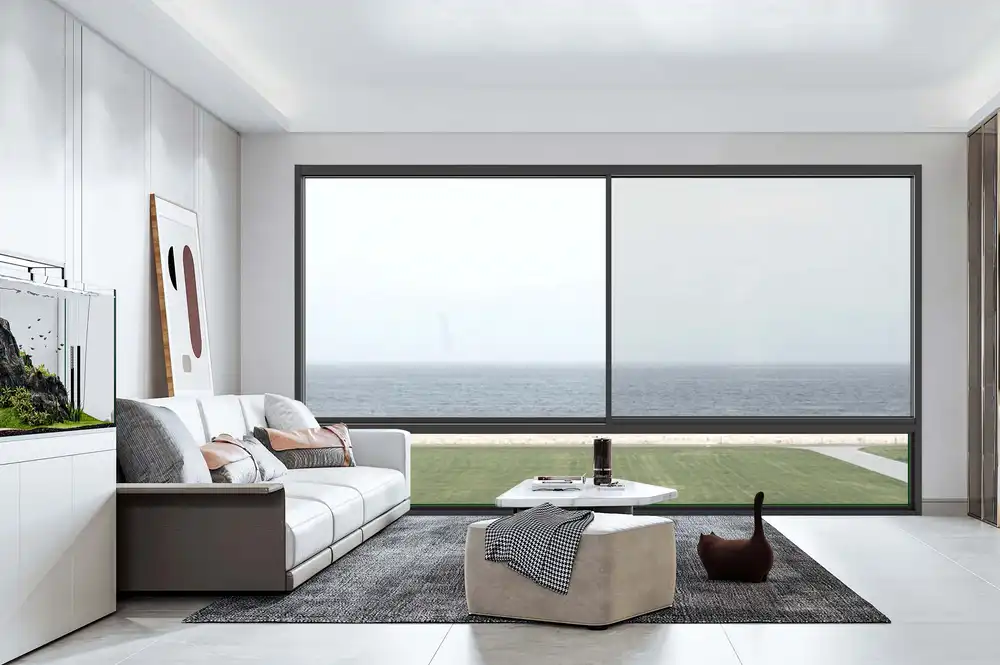
Understanding Sliding Window Efficiency
In business construction, window efficiency is more than just U-values. It also includes things like how long the windows last, how well they block noise, and how predictable the upkeep is. The people who work in procurement look at fenestration systems based on a number of factors, including thermal transmittance rates that affect the size of the HVAC system, air entry rates that affect the comfort of the people who live or work in the building, and structural wind load ratings that protect the building shell.
Traditional Efficiency Concerns with Sliding Windows
Because of some technical flaws, older slide window designs got a bad name for not being energy efficient. In the past, single-track systems used brush seals that broke down quickly, aluminum extrusions that didn't have thermal boundaries, which let water condense, and roller units that would often become stuck after only a few uses. People think that all sliding configurations give up efficiency for ease because these old goods don't meet current building codes.
How Modern Two-Track Systems Address Performance Gaps
Modern two-track sliding windows have architectural-level improvements that make a big difference in how well they work. The separate track configuration keeps the moving sash from touching the fixed panel. This lets the window seal around the whole edge instead of just using brush contact. When polyamide thermal breaks are added to 6063-T5 aluminum extrusions, which are usually 1.4–2.0 mm thick, they stop thermal bridging that happened in older designs. Because of this change in structure, new sliding systems are now real choices for projects that want to save energy and money.
Hardware interaction is another area where technology has improved. Stainless steel tandem rollers with sealed bearings keep running smoothly for more than 50,000 cycles, which gets rid of the operational degradation that used to make sealing less effective. The two-track design lets you add bug screens without affecting the main weather seal. This way, you can get the air flow you need without losing safety or temperature control.
Key Efficiency Dimensions of Aluminum Two-Track Sliding Windows
When buying teams are trying to find the best balance between starting cost and lifetime value, modern two-track sliding systems offer performance that can be measured across the most important criteria. Knowing these factors helps writers of specifications match the choice of product with the needs of the project.
Thermal Performance and Energy Savings
Sliding windows' thermal efficiency is based on three built-in parts: how well the frame conducts heat, how well the glass is assembled, and how well the edges are sealed. It is possible to get U-factors between 0.30 and 0.45 with double-glazed low-E glass units and aluminum two-track systems that are designed with continuous thermal breaks. Most of the United States falls within this performance range, which meets the needs of IECC temperature zones. It lowers cooling loads in the summer and heat loss in the winter.
The dual-track design helps control temperature because the profiles fit together. When the door is shut, the active panel pushes against EPDM seals on all four sides, making a barrier against air flow that doesn't break. The layout of the staggered tracks stops direct airflow between the inside and outside, which acts as an extra thermal buffer. Choosing tempered or double-glazed glass with 12–20 mm air gaps improves insulation even more, which has a real effect on how much energy building owners use over time.
Acoustic Insulation for Commercial Environments
Controlling sound transmission is very important in mixed-use developments, hotel projects and urban office towers where people's comfort has a direct effect on happiness scores. Sound Transmission Class (STC) scores for aluminum sliding windows with the right glazing are between 28 and 35, which are good for moderate noise settings. Because the frame is structurally stiff, it doesn't have vibration problems that can happen with lighter materials, and the compression sealing stops sound from travelling to the sides.
The choice of glass has a huge effect on how the sound sounds. Asymmetrical double-glazed units, which have 5mm and 6mm glass panes paired with a 12mm air gap, are better at stopping sound waves from travelling through than symmetrical units. Instead of depending on material assumptions alone, procurement teams should ask for lab-tested acoustic data when selecting windows for properties near transport routes or leisure areas.
Structural Durability and Maintenance Requirements
The natural resistance to corrosion in aluminum makes aluminum two track sliding windows low-maintenance options for coastal and industrial settings where chemicals and moisture speed up the deterioration process. The 6063-T5 alloy specification gives it a tensile strength of more than 190 MPa, which makes sure that the frame stays strong under the wind loads that are typical of mid-rise buildings. Surface treatments, like powder coating or anodizing, offer extra security. If they are done right, finishes will keep their look for 15 years or more of work without needing to be repainted.
When systems use high-quality parts, they don't need much maintenance. Hardware made of stainless steel doesn't rust, nylon rollers don't need to be oiled, and drainage weep systems clear themselves when things are normal. This ease of use makes facility management easier, which is important for developers who are in charge of large residential or business portfolios where the costs of coordinating upkeep quickly add up.
Performance Disclaimer: The exact thermal, acoustic, and structural values will rely on the profile series, the glazing specs, and how well the windows were installed. To make sure that performance claims match project needs, procurement teams should ask for product-specific test reports that are certified to ASTM E283 (air leakage), ASTM E331 (water penetration), and NFRC standards.
Comparing Aluminum Two-Track Sliding Windows with Other Sliding Window Options
To choose the best sliding window setup, you need to know how aluminum two-track systems work compared to other materials and styles. This comparison shows how trade-offs affect the total cost of ownership.
Two-Track vs. Single-Track Sliding Systems
With single-track sliding windows, both panels are on the same horizontal plane, and one sash can't move. This limitation lowers the cost of production but limits operating freedom and the effectiveness of sealing. Two-track designs let both panels move freely on their own channels. This lets air flow across the whole width and improves weather resistance by using overlapping compression seals.
The multi-point locking feature of the dual-track system makes it safer. When both doors can engage deadbolts into the frame wall, the resistance to forced entry is much higher than with single-track designs that only use cam locks. When choosing windows for retail or private uses on the ground floor, procurement professionals should weigh this difference in security against small price rises.
Aluminum vs. Vinyl and UPVC Sliding Windows
The choice of material has a big impact on how well something will hold up and how long it will look good. Vinyl and UPVC profiles are better for keeping heat in because they don't conduct electricity very well, but they aren't strong enough to span big openings like those found in industrial construction. Aluminum extrusions allow sash lengths to be greater than 1500 mm while keeping sightlines small to make the most of the glass area, which is an important design goal for curtain wall integration and shopfronts.
Stability of color is another difference. Powder-coated aluminum finishes stay strong even when exposed to UV light, but vinyl finishes can chalk and fade over time, especially in darker colors that are popular in modern building. When projects want to look good for a long time and need few replacements, the longer service gaps of aluminum often make up for its higher starting cost.
Lifecycle Value Considerations
When figuring out the total cost of ownership, you should think about how often you need to repair something, how much energy it uses, and how to get rid of it. Aluminum can be recycled, which means that almost all of the material can be recovered at the end of its useful life. This helps companies meet LEED certification goals and keep their environmental promises. Because the material is so durable, it can be used for longer than vinyl alternatives. This means that whole units don't have to be replaced as often, which can cause problems in occupied spaces and create waste during construction.
Energy modelling shows that well-designed aluminum two track sliding windows with thermal breaks perform within 5–10% of UPVC versions in areas that are mostly heated. This difference is often made up for by aluminum's better resistance to air leakage over time as seals wear down. Instead of relying on broad statements, procurement teams should ask for a lifecycle energy analysis that is specific to their climate zone.
Practical Considerations for Selecting Aluminum Two-Track Sliding Windows
Specification choices include more than just performance measures. They also include processes for buying, the ability to customize, and help after installation. All of these things have a big effect on the success of the project.
Evaluating Price, Quality, and Warranty Structures
The cost of sliding window systems depends on the thickness of the profile series, the grade of the hardware, and the type of glass used. The 70 series profiles are affordable and good for normal domestic uses. The 80 and 90 series profiles, on the other hand, have better structural strength for bigger openings or high-rise installations. To make true comparisons, purchasing managers should ask for quotes that break down base unit prices into hardware upgrades, custom finishes, and glazing choices.
The terms of a warranty show how confident and experienced the maker is with their business. Comprehensive covering for 5–10 years on mechanical parts and surface finishes shows that quality control was invested in, while limited guarantees could mean that the product won't last as long. Looking over the warranty exclusions, especially those that have to do with problems during installation, helps procurement teams figure out how to divide the risk between the manufacturer and the contractor.
Customization Options for OEMs and Distributors
When people buy in bulk, they can make a lot of changes that standard catalogue goods can't handle. Manufacturers who have their own extrusion and manufacturing tools can change the frame measurements as needed. This lets them make exact sizes that don't need to be changed in the field, which saves time and effort during installation. Custom powder coating can be made to match specific building styles, and hardware choices can be made to meet security or accessible standards.
Most residential uses use a two-panel layout, but business areas needing wider clear openings can change it to a three- or four-panel layout. Early on in the design process, procurement teams should talk to suppliers to find out how long it takes to customize products (usually an extra 3–5 weeks on top of standard production plans) and how many items need to be ordered in order for custom requirements to be cost-effective.
Installation Support and After-Sales Service
Installing the product correctly is very important for its performance, so supplier expert help should be considered along with unit specifications when buying. Manufacturers who offer thorough assembly guides, video lessons, and on-site advice lower the chance of mistakes being made in the field that affect the product's ability to withstand weather or run smoothly. Long-term maintainability depends on being able to get replacement parts through established distribution networks. This is especially important for projects in secondary markets that are far from manufacturing centers.
Some suppliers offer pre-assembled units that make installation easier but also increase the amount that needs to be shipped. Other suppliers offer knockdown packing that lowers handling costs by 30% by making the best use of containers. This "kit assembly" method works especially well for foreign purchases, where freight costs have a big effect on landing costs. Looking at different packaging options along with product details can help you get the best total delivered price. This is especially true for big projects where volume discounts and efficient shipping can add up to big savings.
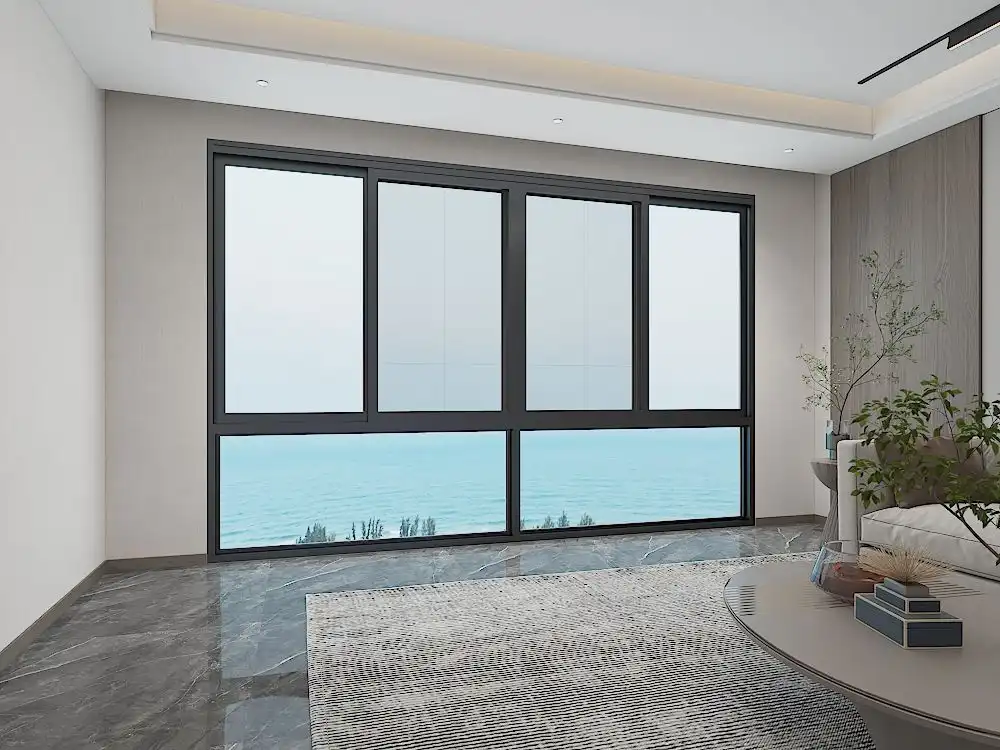
Enhancing Sliding Window Efficiency: Tips and Best Practices
To get the most out of sliding window installations, you need to pay close attention to the details of how they are installed and follow maintenance rules that stay true to the design intent.
Installation Best Practices for Optimal Performance
The right way to put something starts with making a rough hole. Frame squareness and plumbness directly affect how the sashes line up and how well the seals compress. Even 3 mm of frame racking can stop the weatherstripping from engaging properly. Using shims at the manufacturer-recommended intervals keeps the frame's shape while it's being fastened, and aluminum two track sliding window installations specifically demand extra attention to track alignment, because any side-to-side deviation will cause the sashes to bind or tilt; low-expansion foam applied after the frame is mechanically attached fills in any holes around the edges without warping the frame.
When it comes to two-track sliding windows, flashing integration needs extra care. The stairs drainage design in the sill profile only works right if the outer head and jamb flashings keep water away from the frame and into the track channels. Following the installation guidelines set out in ASTM E2112 makes sure that the weatherproofing layers are put on in the right order. This stops callbacks caused by water getting in and damaging the finishes inside and making the owner lose faith in the building.
Maintenance Protocols Extending Service Life
Regular repair keeps things working well and looking good. Cleaning the tracks every three months gets rid of the buildup of dirt that clogs the rollers and stops water from draining properly. It works better to use compressed air or vacuum extraction than to rinse, which can push particles into weep holes without meaning to. By checking the tightness of weatherstripping every six months, you can find seal damage before it becomes obvious that air is getting in. This way, you can replace the seal before it gets bad and fix it later.
Lubricating moving parts keeps things running smoothly and cuts down on wear. Applying a dry silicone lubricant to stainless steel tracks and roller assemblies once a year keeps them from binding without causing the dust buildup that liquid lubricants do. Graphite should be used on multi-point locks every so often to keep the engagement crisp. This makes sure that the security hardware works as it should for the life of the window.
Retrofit Opportunities for Existing Installations
Buildings with older slide windows can become much more energy efficient by making certain changes. Most of the time, replacing single-pane glass with insulated units can be done with existing frames. This saves energy right away without having to pay for a whole new window. Modern EPDM weatherstripping does a better job of sealing air leaks, and replacing worn roller assemblies makes the system run smoothly again, which encourages people to use natural ventilation.
Before specifying retrofits, facilities managers should do thorough evaluations of present performance that include blower door tests and thermal imaging. This data-driven method finds specific problems so that targeted fixes can be made that get the best return on investment instead of full replacements that might not be worth the money.
Conclusion
The effectiveness of a sliding window rests more on how it is used than on how well it is engineered and what materials are used. Modern aluminum two track sliding windows with thermal breaks, high-quality hardware, and good sealing work just as well as traditional casement designs, but they take up less room and are easier to use, which are both important in business building. Instead of using old ideas, people who work in procurement should compare these systems using U-factors, air leakage rates, and structure test data. When properly specified and installed, dual-track sliding configurations offer cost-effective solutions that meet today's energy codes and durability standards for a wide range of building types.
FAQ
Are aluminum two-track sliding windows energy efficient?
When thermal break frames and low-E glazing are added to modern aluminum two-track sliding windows, they perform very well in terms of energy efficiency. Systems that use polyamide thermal barriers in 6063-T5 extrusions slow down the transfer of heat, while double-glazed units with 12–20 mm air gaps slow down the transfer of heat. Because of these design choices, U-factors can be between 0.30 and 0.45, which meets IECC requirements for most climate zones and helps keep HVAC loads down during both heating and cooling seasons.
How do two-track systems keep water from getting in?
Well-designed two-track sliding windows have staircase sill shapes that have built-in weep systems that let water drain away naturally. Hidden weep holes on the outside of the sill let water leave, and check valves stop rain from coming in from the wind. Around the active sash border, compression seals act as main water barriers. The track geometry acts as secondary protection against infiltration during severe weather events.
Can these windows accommodate insect screens?
Most two-track aluminum slide systems have built-in third rails or frame systems that can be clipped on to add bug screens. The separate track design lets screens slide separately from glass panels, giving you more control over air flow without sacrificing safety or weather protection. When placing the original order, procurement teams should make sure that the screen is included to ensure proper track spacing and hardware compatibility.
Partner with Haolv Building Materials for Superior Aluminum Two-Track Sliding Windows
When you need to buy fenestration, Haolv Building Materials can help. They have 18 years of experience making specialised products and can give you aluminum two-track sliding window systems that are built to last and save you money. Our automated production facilities combine extrusion, surface treatment, and precise assembly. This makes sure that the quality of all orders, whether they are standard or custom, is the same. Our 70, 80, and 90 series sliding windows are all made from 6063-T5 aluminum alloy and have profile thicknesses of 1.4 to 2.0 mm. They can all be made with tempered or double-glazed glass.
Our expert team offers full project support, including thorough specification sheets, installation video tutorials, and assembly instructions that make execution easier in the field. We know that foreign sourcing can be hard when it comes to logistics, so we offer knockdown packing choices that cut shipping amounts by 30%. This makes landing costs for big projects much lower. Customization options include frame sizes, powder-coat finishes, and hardware choices. Lead times are set up to work with project plans without compromising delivery promises.
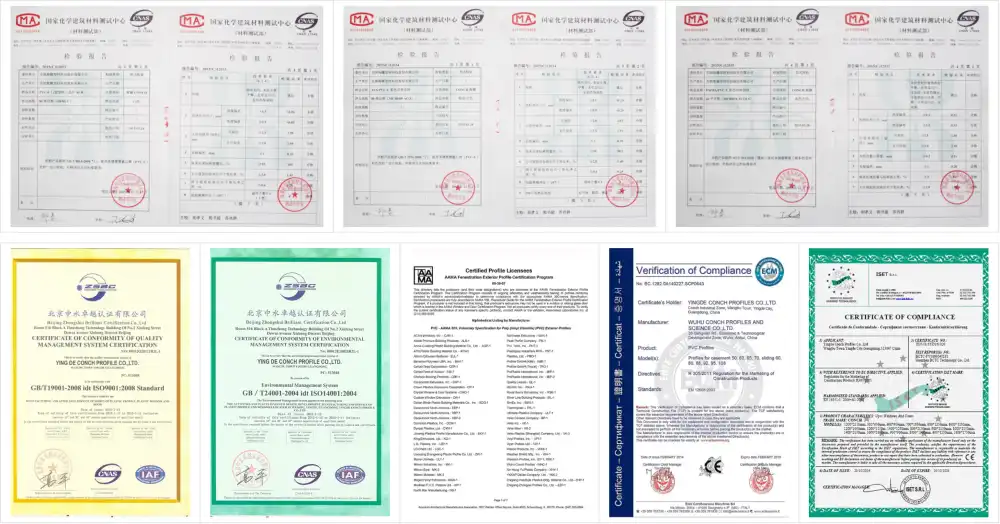
As an ISO-certified company that makes aluminum two-track sliding windows, we follow strict quality standards from choosing the raw materials to the final check to make sure that every unit meets ASTM testing standards. Email our experienced team at kristin@haolvwindows.com to talk about the needs of your specific project, get technical documentation, or get bulk pricing for your upcoming project. You can look at our whole line of products at haolvbuilding.com and learn how our production skills, ability to make changes, and efficient operations give contractors, developers, and distributors real value. Let us help your project succeed by providing options that are designed to work well and save you money on purchases.
References
1. Carmody, J., Selkowitz, S., & Heschong, L. (2004). Residential Windows: A Guide to New Technologies and Energy Performance. W.W. Norton & Company.
2. American Architectural Manufacturers Association. (2017). AAMA/WDMA/CSA 101/I.S.2/A440: North American Fenestration Standard/Specification for Windows, Doors, and Skylights. AAMA Publication.
3. Straube, J., & Burnett, E. (2005). Building Science for Building Enclosures. Building Science Press.
4. National Fenestration Rating Council. (2020). NFRC 100: Procedure for Determining Fenestration Product U-factors. NFRC Technical Document.
5. Lstiburek, J. (2010). Builder's Guide to Cold Climates: Details for Design and Construction. Building Science Press.
6. Hutcheon, N.B., & Handegord, G.O.P. (1995). Building Science for a Cold Climate. National Research Council of Canada, Institute for Research in Construction.
Fast simple channel to send demands lock favorable price for building window door bulk purchases.