- English
- French
- German
- Portuguese
- Spanish
- Russian
- Japanese
- Korean
- Arabic
- Greek
- German
- Turkish
- Italian
- Danish
- Romanian
- Indonesian
- Czech
- Afrikaans
- Swedish
- Polish
- Basque
- Catalan
- Esperanto
- Hindi
- Lao
- Albanian
- Amharic
- Armenian
- Azerbaijani
- Belarusian
- Bengali
- Bosnian
- Bulgarian
- Cebuano
- Chichewa
- Corsican
- Croatian
- Dutch
- Estonian
- Filipino
- Finnish
- Frisian
- Galician
- Georgian
- Gujarati
- Haitian
- Hausa
- Hawaiian
- Hebrew
- Hmong
- Hungarian
- Icelandic
- Igbo
- Javanese
- Kannada
- Kazakh
- Khmer
- Kurdish
- Kyrgyz
- Latin
- Latvian
- Lithuanian
- Luxembou..
- Macedonian
- Malagasy
- Malay
- Malayalam
- Maltese
- Maori
- Marathi
- Mongolian
- Burmese
- Nepali
- Norwegian
- Pashto
- Persian
- Punjabi
- Serbian
- Sesotho
- Sinhala
- Slovak
- Slovenian
- Somali
- Samoan
- Scots Gaelic
- Shona
- Sindhi
- Sundanese
- Swahili
- Tajik
- Tamil
- Telugu
- Thai
- Ukrainian
- Urdu
- Uzbek
- Vietnamese
- Welsh
- Xhosa
- Yiddish
- Yoruba
- Zulu
Two track vs three track sliding windows: Choosing the right one for your home
Choosing the right Sliding Window system is important for big building projects because it affects cost, performance, and how quickly the windows are installed. Comparing Two-Track and Three-Track setups, the Two Track UPVC Sliding Window is the more cost-effective and streamlined option for low-budget projects, rental properties, and small homes. Its double-track design lets glass panels and screens slide separately, providing enough air flow and safety while keeping a slim profile. Three-Track systems, on the other hand, add an extra rail to hold insect mesh or a third operating panel.
This improves airflow control and gives the system a more modern look, making it perfect for high-rise apartment buildings or hot regions. When procurement managers, general contractors, and real estate developers understand these basic differences, they can choose the best fenestration option for the project's scale, climate needs, and budget.
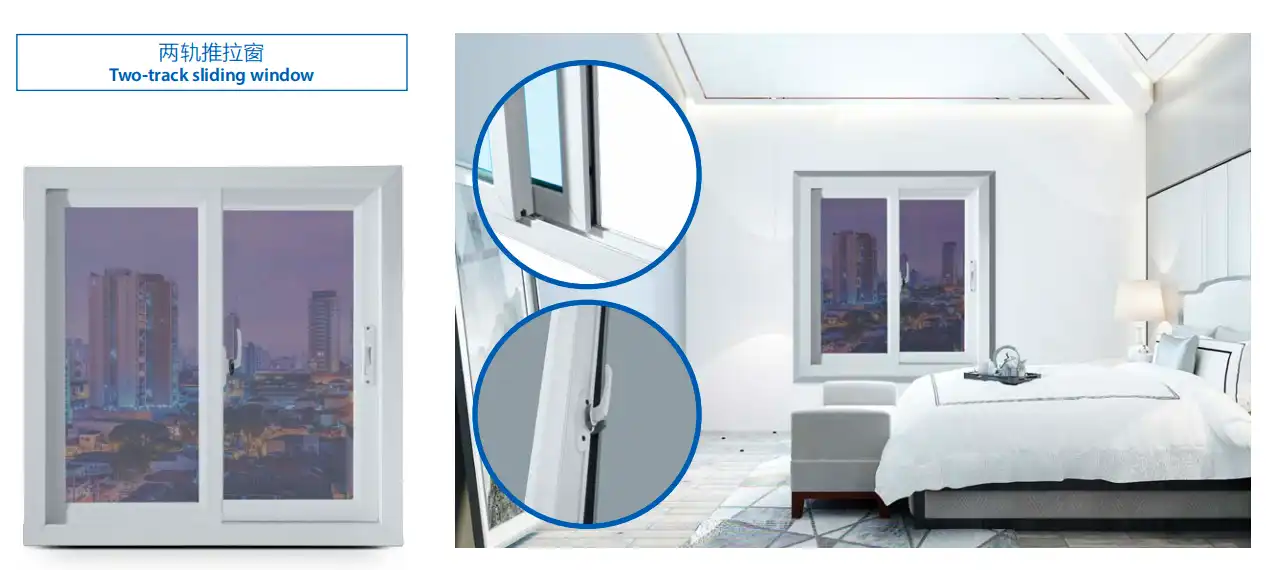
Understanding Two Track and Three Track Sliding Windows
Design Fundamentals of Two Track Systems
Two-Track Sliding Windows have a simple two-rail system. One track holds the main glass sash, and the second track can hold either a secondary glass panel or an insect screen. This arrangement lets you move laterally, making areas that are partially or fully open without taking up any floor room inside. The UPVC multi-chamber profile, which usually comes in 70mm or 80mm series, has galvanised steel reinforcements that are 1.2mm to 2.0mm thick. This makes sure that the structure is stable even in low- to mid-rise buildings.
When paired with Low-E double glazing, the frame's thermal conductivity is kept in check by air pockets made up of three to five chambers. U-values are close to 1.6 W/m²K. Brush sealing strips along the moving edges and base sill keep dust out and let some water in, while graduated weep holes make it easier for water to drain when it rains a lot. This makes it easier to install, cheaper, and faster to make, which are all very important benefits for contractors who have to meet tight project deadlines.
Three Track Systems: Enhanced Functionality
The idea of Two-Track Sliding Windows is expanded upon by adding a third track for an insect mesh or an extra glass panel. This design lets air flow and pest control happen at the same time, which is especially helpful in seaside or tropical areas with salty air and lots of insects. The extra track makes the frame a little deeper; it usually needs an extra 15mm to 20mm compared to models with two tracks. This adds a little extra weight and cost of materials, but it gives you more operational flexibility: people can slide the mesh around on their own, keeping airflow going without affecting safety or cleanliness inside.
The multi-chambered UPVC profile is the same in both designs, but Three-Track systems usually have better gear, like multi-point locking mechanisms and higher-capacity rollers, to handle the heavier sashes and more frequent operation. This extra usefulness makes the extra cost worth it for high-rise apartment buildings and hotel projects.
Operational Mechanics and User Experience
The main difference between Two-Track and Three-Track systems is how the panels can be moved and how the user controls them. When there are Two-Tracks, users usually slide one panel across the other to make an opening that is half the width of the window. This is enough for normal air needs and getting out of a home in an emergency. On the other hand, Three-Track designs let three panels move separately, which lets ventilation be adjusted in stages, which is useful in commercial office spaces where people need precise climate control. The extra track also keeps the insect screen in place while the glass panels slide easily.
This gets rid of the annoying problem of having to coordinate the moves of the screen and glass. From an engineering point of view, the quality of the rollers and how straight the tracks are directly affect how smoothly they run. Rails made of stainless steel and rollers strengthened with nylon reduce friction, making rolling easy for the product's entire life. Although Two-Track systems typically require less upkeep due to fewer moving parts, proper track maintenance—periodic cleaning of debris and lubrication of rollers—extends operational longevity.
Key Differences Between Two Track and Three Track Sliding Windows
Spatial Requirements and Aesthetic Integration
Because they work so well in small spaces, Two-Track systems are the standard for small window openings in rental apartments, dorms, and low-cost housing developments. Because they have a frame depth that is often 10mm to 15mm less than Three-Track options, architects can use more glass and less structural interference. This makes it easier to use in retrofit projects where existing wall cavities or lintel heights limit the size of the structure. Two-Track windows look nice because they leave the sightline clear and orderly, which is appealing to developers who like simple design styles.
Three-Track systems look different because they have three panels instead of two, even though they are a bit larger. At close range, the extra rail can be seen, but it doesn't take away from the curb appeal too much. For companies that make curtain walls and facades, the choice depends on whether the goal of the architecture is to save space or make the building more useful in different ways. Standard white and wood-grain surface treatments can be used on both designs, so they can be changed to fit different project styles.
Energy Efficiency and Noise Reduction Capabilities
The two configurations have slightly different thermal and acoustic performance, which is mainly determined by the type of glazing and the quality of the profile rather than the number of tracks. Two-Track UPVC Sliding Windows with double glass (20mm to 24mm IGU) achieve sound insulation values of 25 dB to 30 dB, which is good for fairly noisy urban areas like residential streets or business districts in the suburbs. The brush closing method works well to keep dust and light water out, but it lets a little air leak when there is a lot of wind, which makes it a little easier for heat to pass through. Three-Track systems use better EPDM seals and multi-point compression locks to make the system airtighter, which slightly raises U-values and lowers noise levels.
But the difference in performance is still small—usually between 5 and 8 percent—and the extra cost might not be worth it unless the project requirements call for strict energy rules or the spot is next to a highway with a lot of traffic. Climate data should be considered by procurement managers. Three-Track designs are better at closing in places with harsh winters or strong ocean winds, while Two-Track designs can save money in places with mild climates.
Durability, Maintenance, and Lifecycle Considerations
The material UPVC doesn't rust, fade in UV light, or expand and contract when heated or cooled. These properties make the product last longer in both track configurations. High-quality titanium dioxide stabilisers stop discolouration so the colour stays the same even after being in the sun for a long time. How long a structure lasts depends on how strong the steel support is inside and how good the hardware is.
When Two-Track systems use standard rollers and central locks, the tracks may need to be realigned or the rollers may need to be replaced after eight to ten years of moderate use, depending on the environment and how well they are maintained. Because Three-Track windows have heavier sashes and more operational cycles, the hardware may need to be serviced a little more often. However, this is less of a problem with premium roller assemblies.
Maintenance rules stay simple: the tracks should be cleaned every three months, the seals should be inspected once a year, and the moving parts should be oiled to keep them running smoothly. From a total cost of ownership standpoint, the Two Track UPVC Sliding Window offers lower initial capital costs and lower maintenance costs, whereas Three-Track designs offer improved durability in high-use environments and strike a balance between long-term operational reliability and initial expenditure.
Disclaimer: Before buying, you should check the actual performance factors, such as thermal transmittance, sound insulation ratings, and wind pressure strength, against the product's testing results and certificates.
How to Choose Between Two Track and Three Track Sliding Windows (Decision Support – F-1 Criteria Screening Approach)
F-1 Criteria Screening Framework
The F-1 Criteria Screening Approach uses a numerical grid to rate Sliding Window choices on five factors: how well they work, how much they cost, how flexible they are, how well they fit their purpose, and how big they are. Each factor gets a weighted score based on how important it is to the project. This lets buying teams compare options in a structured way. Functionality looks at operational features like controlling ventilation, locking for security, and keeping insects out. Three-Track systems do better because each panel can move independently. Two-Track systems rule this dimension due to lower material prices and simpler labour needs.
Financial viability looks at initial costs, installation difficulty, and lifecycle costs. Flexibility is a measure of how customisable something is. This includes non-standard sizes and hardware upgrades, which can be made to either configuration. However, suppliers with in-house engineering teams can make custom changes more quickly. Fit-for-purpose checks whether the design meets building rules, temperature requirements, and the needs of the end user. This helps decide if extra money spent on better sealing and airflow is worth it. In retrofit projects and small openings, Footprint takes into account space limitations and prefers Two-Track designs.
Each criterion should be given a weight percentage. For example, financial viability should be given 25% of the total score, functionality and fit-for-purpose should each be given 20%, and flexibility and footprint should each be given 15%. Then, each window type should be scored on a scale from one to ten, and the total score should be found by multiplying the scores by the weights. This method, which is based on data, reduces emotional bias and makes sure that choices are in line with the strategic project goals.
When to Specify Two Track Designs
Two-Track Sliding Windows work well for projects that need to keep costs low, get things up and running quickly, and be easy to install. The method is cheap and easy to set up, which is good for low-cost housing projects, rental properties, and hotel groups that are aiming for middle-class customers. A third track is rarely needed for small window openings (less than 1.8 meters wide), so Two-Track setups should be the usual.
Buildings with less than four stories don't have to deal with much wind pressure, so they don't need the advanced sealing and structure support that come with Three-Track systems. The streamlined supply chain is appreciated by general builders in charge of big residential projects. Two-Track systems have fewer SKUs, which simplifies inventory and speeds up assembly on-site.
As Two-Track designs require less precise hardware calibration and alignment, projects with tight deadlines also benefit from faster manufacturing and installation processes. When looking at opportunities to buy in bulk, the price difference between Two-Track and Three-Track systems gets bigger, and for projects specifying the Two Track UPVC Sliding Window, this gap can reach 15% to 20% per unit, which adds up to big savings over hundreds of openings.
When to Prioritize Three Track Configurations
Three-Track systems are more expensive because they have to deal with certain operational and environmental problems. High-rise apartment buildings, especially those with more than ten stories, are subject to high wind pressures and need to be better at keeping air out. The extra track allows better sealing mechanisms and heavier-duty gear that can handle these forces. The independent insect screen track is helpful in coastal and tropical areas with salty air, high humidity, and lots of insects. It keeps the air moving without affecting the cleanliness of the inside or the resistance of the parts to corrosion.
Three-Track designs are popular in commercial office spaces, hotel rooms, and high-end residential projects that want to attract picky tenants because they offer modern aesthetic difference and graduated ventilation control. Projects that have to follow strict energy rules, like those for LEED approval or Passive House standards, may choose Three-Track systems to make small but necessary improvements in thermal performance. Early on, procurement professionals should start working with suppliers. They should ask for detailed performance data and case studies from similar projects to make sure the system will work for their specific project.
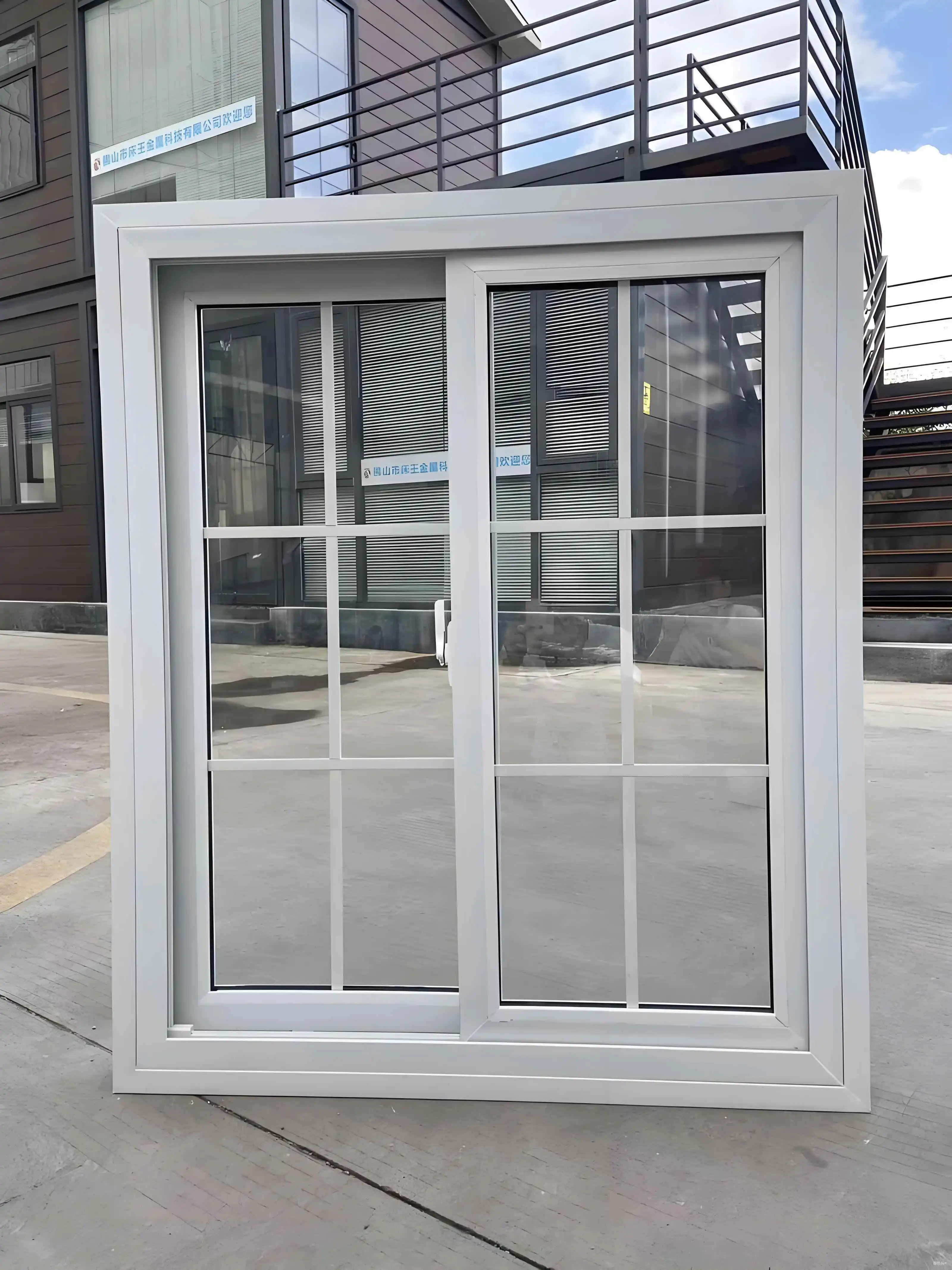
Procurement Insights for Two Track and Three Track UPVC Sliding Windows
Supplier Evaluation: Certifications and Manufacturing Skills
To get UPVC Sliding Windows, you have to carefully check out the suppliers, starting with making sure they are certified. ISO 9001 proves consistent quality management, and CE marking shows that a product meets European safety and performance standards. For projects in North America, NFRC (National Fenestration Rating Council) approval gives consistent energy efficiency data that is needed to follow building codes and do energy modelling. Suppliers should provide test results from a third party that show how well their products handle wind, water, and heat in conditions that are similar to those at the project site.
The manufacturing process should also be looked at closely. High-tech factories with automated extrusion lines, precise CNC cutting machines, and automated assembly systems make sure that the dimensions are correct and the finish is consistent. Delivery risk is lower when you can handle a lot of projects, which you can see by looking at your monthly output numbers and list of current clients.
Suppliers with in-house engineering support can handle custom profiles, non-standard dimensions, and hardware integration, which cuts down on project timelines and specification mistakes. To make sure that production scale, material sourcing, and quality control protocols are correct, purchasing managers should ask for factory audits or inspection reports from a third party.
Changes in pricing, lead times, and customisation
You can customise more than just the sizes; you can also change the hinges, the glass, and the finish on the outside. If a supplier has a flexible design platform, they can easily meet project-specific needs like higher security locks, acoustic-grade laminated glass, or wood-grain film finishes without making wait times too long. Production usually takes 25 to 30 days after an order is confirmed, but this depends on the size of the order and how complicated the customisation is. When you buy in bulk, you can take advantage of tiered prices.
Projects that specify more than 500 units often get 10% to 15% unit cost discounts, as well as good payment terms like extended net-60 billing or milestone-based payments. For such high-volume orders, the Two Track UPVC Sliding Window proves particularly cost-effective due to its simple structure and material efficiency. It's important to think about shipping operations.
Suppliers who are good at knock-down (KD) packaging—delivering windows in partially completed parts—can cut shipping volumes by up to 30%, which lowers freight costs for containerised exports by a large amount. This method also lowers the risk of damage during long-distance transport and makes handling easier on-site, which is especially helpful for project sites that are far away or don't have easy access for cranes.
After-Sales Support and Long-Term Partnerships
Transactional suppliers are different from strategic partners when it comes to reliable service after the sale. Comprehensive warranties, which usually last between five and ten years and cover both material flaws and hardware failures, protect your money and show that the maker trusts the product to last. Suppliers who offer installation training, video tutorials, and detailed assembly instructions make it easier for contractor teams to do installations quickly and correctly, which cuts down on labour costs and guarantee claims caused by bad fitting.
Technical advice services help buying managers deal with problems with specifications, local code requirements, and ways to improve performance. Long-term relationships with proactive suppliers allow for continuity across multiple projects, making it easier to reorder, making sure that product quality stays the same, and giving repeat customers better prices. Procurement teams should look at how responsive suppliers are to contact, how well they speak languages for foreign collaborations, and how willing they are to adapt to changing project needs. All of these things lower procurement risk and improve project results.
Case Studies and Practical Applications
Residential Development: Cost Optimization Through Two Track Systems
In Arizona, a mid-range housing development with 320 rental units had to work within a limited budget and follow local energy codes. The general builder made sure that all of the units had UPVC Two-Track Sliding Windows in order to save money and get the job done quickly. The project used 70mm series profiles and single glass for spaces facing the inside and double glazing for facades facing the outside. The total cost of the windows, including hardware and shipping, was $85 per unit. The builder was able to finish fenestration ahead of schedule because the installation process was streamlined. Each window took an average of 45 minutes to install.
Post-occupancy polls showed that tenants were happy with the quality of the ventilation and the reduction of noise, and property managers said that there were not many upkeep issues in the first two years. The project's energy performance just barely surpassed Arizona's required code limits, which supported the choice not to use luxury Three-Track systems. In price-sensitive markets where functional sufficiency trumps modest performance gains, this case highlights the viability of Two-Track setups.
Commercial Office Complex: Enhanced Airflow with Three Track Solutions
A Florida commercial office complex on the coast used Three-Track UPVC Sliding Windows throughout its mid-rise tower to deal with two problems: hurricane-force winds and insects that wouldn't go away. The dedicated insect mesh on the third track let people keep natural ventilation year-round without affecting the cleanliness of the inside, which cut the HVAC load by about 12% a year. Multi-point locking systems and EPDM seals kept out air during tropical storms, and the buildings passed the Florida Building Code's strict impact resistance tests.
The planner for the project chose wood-grain finishes to match the subtropical style of the building. They used UPVC's non-corrosive properties to keep the systems from breaking down too quickly in salty settings. Tenants said that the graded ventilation control made the office space rental stand out, which helped the 98% occupancy rate within six months of finishing. In this case, Three-Track systems are shown to have real practical benefits in harsh conditions, which supports their high price by making people more comfortable and saving energy.
Conclusion
Choosing between Two-Track and Three-Track Sliding Windows depends on how much you want to spend, how well you want the windows to work, and the weather conditions of your project. Two Track UPVC Sliding Windows are cheap and take up little room. They are perfect for rental homes, low-rise buildings, and cheap homes that only need basic functions. Because they are easier to install, have a simpler design, and have lower lifecycle costs, they are the best choice for price-conscious markets and high-volume home projects.
Three-Track systems are more expensive, but they are worth it because they can better control airflow, keep insects out, and work for high-rise or coastal projects, and each panel can be controlled separately. Structured decision frameworks, like the F-1 Criteria Screening Approach, can help procurement managers systematically weigh trade-offs and make sure that choices are in line with strategic goals. Tough seller evaluation, focusing on certifications, production capacity, and assistance after the sale, lowers risk and maximises value throughout the lifespan of the product.
FAQ
Which system is better at using energy efficiently?
Energy efficiency depends more on the type of glazing and the quality of the profile than on the number of tracks. It is possible for Two-Track systems with double Low-E glazing to have competitive U-values of around 1.6 W/m²K. Three-Track designs with improved EPDM seals may have slightly better thermal performance. Both layouts meet most local energy rules, but projects that want to meet passive house standards may choose Three-Track systems because they are better at keeping air out.
Can these windows be customized for non-standard openings?
Reliable providers can handle unique sizes, hardware improvements, and different glass requirements. Modular UPVC profile systems make it easy to make profiles of non-standard sizes without making the costs go up too much. Early on, procurement teams should provide detailed architectural drawings and performance specifications to help with getting accurate quotes and delivering on time.
What Kind of Warranty Coverage Comes Standard?
Standard warranties usually cover flaws in the material, problems with the tools, and wear and tear on the finish for five to ten years. Premium providers cover important parts like locking systems and roller units for longer, which shows that they trust the product to last. When choosing a supplier, the warranty terms should be carefully looked over to make sure they fit with the project's risk tolerance.
Partner with a Trusted Two Track UPVC Sliding Window Manufacturer
Haolv Building Materials is ready to help you with your next project by making UPVC Sliding Window options that are precisely designed to fit your needs. We've been making things for more than 18 years and have state-of-the-art production facilities with strict ISO and CE quality standards. These facilities include automatic assembly lines and CNC precise cutting.
Our product line includes knock-down packing, single or double glazing, custom finishes and Two-Track and Three-Track setups, all of which can cut down on shipping costs by up to 30%. We give you all the technical information you need, like CAD drawings, installation videos, and assembly manuals, so that our products fit right into your project's workflow. Our engineering team offers free advice to help you choose the best windows for your climate and budget.
Delivery is guaranteed within 25 to 30 days thanks to our stable supply chain and smart partnerships, such as our work with CONCH for premium materials. Haolv provides customised value, dependable timelines, and quick after-sales support, whether you need affordable Two-Track systems for large-scale residential developments or strong Three-Track solutions for coastal business projects. You can email us at kristin@haolvwindows.com or go to haolvbuilding.com to get detailed specification sheets, sample shipments, or quotes that are tailored to your project from a reliable Two Track UPVC Sliding Window source.
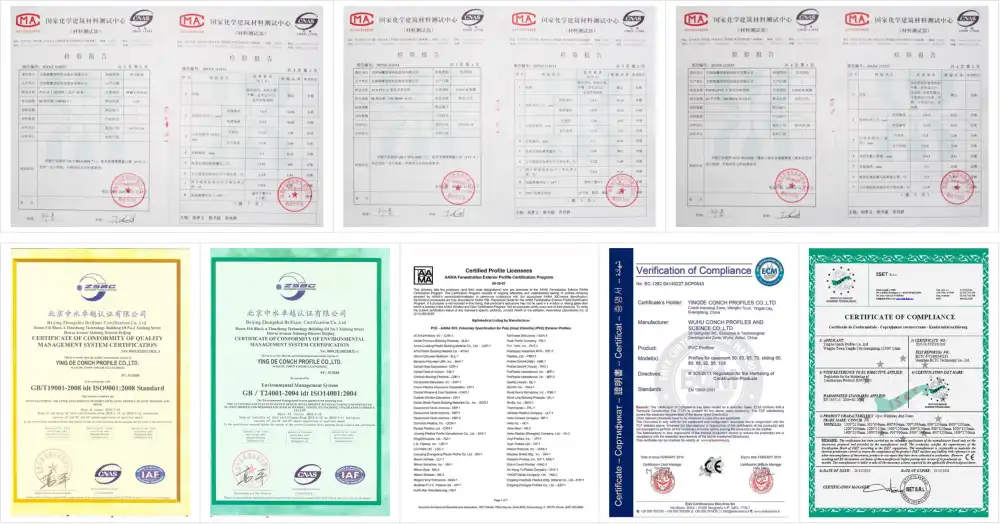
References
1. Johnson, M., & Williams, R. (2021). Fenestration Systems in Modern Construction: Performance Metrics and Selection Criteria. Building Science Press.
2. National Fenestration Rating Council. (2022). NFRC Certification Guidelines for UPVC Window Systems. NFRC Publications.
3. Chen, L., & Patel, S. (2020). Thermal Performance of Multi-Chamber UPVC Profiles: Comparative Analysis. Journal of Building Engineering, 35(4), 112-128.
4. American Architectural Manufacturers Association. (2023). AAMA Standards for Sliding Window Systems: Design, Testing, and Installation. AAMA Technical Standards.
5. Green Building Council. (2022). LEED v4.1 Fenestration Requirements and Compliance Strategies. USGBC Resource Library.
6. Thompson, K. (2021). Cost-Benefit Analysis of Two Track vs. Three Track Sliding Windows in Residential Construction. Construction Economics Review, 18(2), 45-62.
Fast simple channel to send demands lock favorable price for building window door bulk purchases.