- English
- French
- German
- Portuguese
- Spanish
- Russian
- Japanese
- Korean
- Arabic
- Greek
- German
- Turkish
- Italian
- Danish
- Romanian
- Indonesian
- Czech
- Afrikaans
- Swedish
- Polish
- Basque
- Catalan
- Esperanto
- Hindi
- Lao
- Albanian
- Amharic
- Armenian
- Azerbaijani
- Belarusian
- Bengali
- Bosnian
- Bulgarian
- Cebuano
- Chichewa
- Corsican
- Croatian
- Dutch
- Estonian
- Filipino
- Finnish
- Frisian
- Galician
- Georgian
- Gujarati
- Haitian
- Hausa
- Hawaiian
- Hebrew
- Hmong
- Hungarian
- Icelandic
- Igbo
- Javanese
- Kannada
- Kazakh
- Khmer
- Kurdish
- Kyrgyz
- Latin
- Latvian
- Lithuanian
- Luxembou..
- Macedonian
- Malagasy
- Malay
- Malayalam
- Maltese
- Maori
- Marathi
- Mongolian
- Burmese
- Nepali
- Norwegian
- Pashto
- Persian
- Punjabi
- Serbian
- Sesotho
- Sinhala
- Slovak
- Slovenian
- Somali
- Samoan
- Scots Gaelic
- Shona
- Sindhi
- Sundanese
- Swahili
- Tajik
- Tamil
- Telugu
- Thai
- Ukrainian
- Urdu
- Uzbek
- Vietnamese
- Welsh
- Xhosa
- Yiddish
- Yoruba
- Zulu
How do thermal break casement windows compare in durability to standard aluminum casement windows?
Durability is one of the most important things to think about when choosing fenestration systems for business projects because it affects both lifecycle costs and client happiness. Thermal Break Casement Window systems work better than regular aluminum casement windows because they are made of more than one piece. The polyamide thermal barrier, which is usually PA66GF25, separates the structures so that heat doesn't flow through them and stress builds up less because of thermal expansion and contraction.
This designed design keeps the frame from warping too much, slows metal fatigue, and makes it last longer than 30 years in normal conditions, compared to 15 to 20 years for regular single-extrusion aluminum frames. When procurement teams understand these differences in performance, they can better match technology requirements with project needs while also controlling risk.
Introduction
Casement windows are important parts of both business and private building envelopes. They have a direct effect on how well the building uses energy, how comfortable the people who live or work in it, and how often it needs to be maintained. For people who buy things for other businesses, like general contractors, real estate developers, and curtain wall integrators, the difference in how long Thermal Break Casement Windows and regular aluminum casement windows last is more than just a technicality. Long-term operational costs, warranty exposure, and client retention rates are all spelt out.
Even though standard aluminum casement windows are cheap at first, they have some problems because aluminum is very good at conducting heat (about 205 W/m·K). This trait makes condensation build up faster, encourages corrosion in seaside or industrial settings, and puts frames through repeated rounds of thermal stress. Thermal Break technology fixes these problems by adding a low-conductivity polymer strip between the window's inside and outside aluminum profiles. This changes the window's thermal and structural behavior in a fundamental way.
Knowing these changes helps everyone get the best lifecycle prices, lower upkeep costs, and better building performance. The comparison is directly related to how much energy is saved and how long the machine lasts, which are important factors for making smart purchasing choices in fields that value sustainability and long-term value. This guide gives technical information, a study of costs, and useful suggestions that are specifically made for the decision chains that are common in B2B fenestration buying.
Understanding Thermal Break Casement Windows and Standard Aluminum Casement Windows
Structural Composition and Material Science
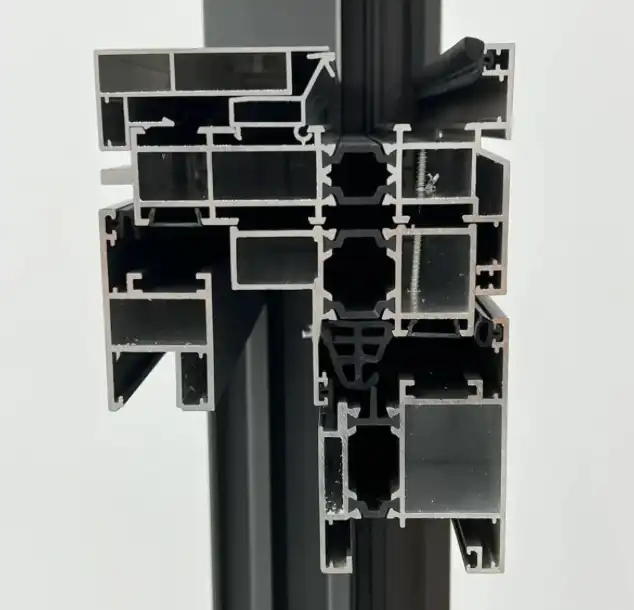
A Thermal Break Casement Window has a strengthened polyamide bar (usually PA66GF25 with 25% glass fiber) placed between the inside and outside aluminum sections. This "broken bridge" makes a thermal shield that keeps the structure together but greatly lowers the frame's ability to conduct heat. Precision extrusion of 6063-T5 aluminum alloy profiles, hydraulic crimping of polyamide strips, and the use of two-component structural adhesives at corner joints to make sure the joints are watertight and strong are all parts of the assembly process.
Standard aluminum casement windows have frames made of a single piece of aluminum that are all joined together and don't separate the insulation. This design makes it easier to make and lowers the initial costs, but it also makes a thermal pathway that isn't interrupted. When temperatures change, which can happen in places with cold winters or inside buildings with air conditioning, the frame's inside surface temperature drops below the dew point, which leads to condensation. Over time, this buildup of wetness speeds up oxidation, makes it harder for sealants to stick, and makes metal less useful.
Durability Implications for Commercial Procurement
Durability in fenestration systems includes more than just the frame's longevity. It also includes the performance of seals, the longevity of hardware, and the stability of the glass unit. Thermal Break systems naturally protect multi-layer EPDM seals from damage caused by condensation, which lowers the risk of insulated glass unit (IGU) seal failure. The polymer barrier also absorbs the difference in temperature expansion between the inside and outside profiles. This keeps corner joints and fastening points from being stressed.
Standards for the building industry, like AAMA and NFRC, and local building rules often have thermal performance requirements that normal aluminum frames can't meet without extra steps. When procurement teams define Thermal Break systems, it makes certification easier and makes sure that the systems work with energy codes like ASHRAE 90.1 and the International Energy Conservation Code (IECC), which are used in most business buildings in the U.S.
Key Factors Affecting Durability in Thermal Break vs Standard Aluminum Casement Windows
Material Composition and Resistance to Corrosion
When handled properly, aluminum alloy 6063-T5 is very resistant to corrosion. However, the continuous metal route in normal frames causes galvanic problems where different metals touch or where protective coatings are broken. Thermal Break designs separate the inside and outside profiles, which lowers the chance of electrochemical interactions and raises durability in coastal, industrial, or high-humidity settings.
Surface finishes make longevity traits even more different. When powder coating is put on at a thickness of 60 to 80 microns, it provides moderate protection that works in most climates. PVDF (polyvinylidene fluoride) coats that meet Qualicoat Class 1 standards offer better UV stability and chemical protection, which means that the finish will last for 20 years or more without fading or chalking. Anodized finishes go deep into the aluminum surface, making metal layers that are resistant to wear and tear. Most Thermal Break systems can handle all three treatments, which gives you more options when making your specifications based on how the project will be exposed.
Structural Stability and Resistance to Mechanical Stress
Thermal cycling, which is repeated expansion and contraction due to changes in temperature, wears down window frames over time. When temperatures change, standard aluminum frames move the same amount along their whole length. This puts the most stress at the corner joints and hardware connection points. In modern systems, the polyamide thermal barrier slows down these movements. This makes the stress more widely distributed and lowers the chance of mechanical failure.
ASTM E2068 (dynamic air pressure cycling) and AAMA 910 (lifecycle testing) show that Thermal Break Casement Windows keep their structural performance for 50,000 to 100,000 operation cycles, which is twice as long as standard aluminum units of the same size. These longer mechanical lifespans directly lead to fewer repair calls, fewer warranty claims, and happier tenants in business properties.
Weather Resistance and Control of moisture
Weather resistance includes stopping water from getting in, stopping air from getting in, and stopping rain that is driven by the wind. Multi-layer EPDM sealing systems, which are common in high-quality Thermal Break windows, create extra barriers that keep working even as the primary seals wear out. The polymer thermal barrier helps control moisture by keeping the inside of the frame warm. This stops condensation from forming, which can damage seals and allow mold to grow in wall cavities.
During heating seasons, standard aluminum frames that don't have Thermal Breaks often have dew stains on the inside surfaces. This is a clear sign of ongoing wetness exposure that makes the frames look bad and speeds up the material's breakdown. In places where it gets really hot for a long time, this humidity can add up to several liters of water a year per window unit, doing a lot of secret damage over the course of their useful lives.
Thermal Break Technology's Influence on Long-Term Performance
Frame protection and less thermal conductivity
The window's relationship with building thermal loads changes significantly when its thermal conductivity drops, from about 205 W/m·K for aluminum to 0.3 W/m·K for PA66GF25 polyamide. This decrease saves energy and keeps frames from getting damaged by stress caused by temperature. According to research released in building science journals, Thermal Break Casement Windows have 40–60% less thermal cycling stress than normal frames. This means that they last longer before they start to fatigue.
The insulation effect also keeps frame temperatures stable, which lowers changes in size that can cause working hardware to not line up properly, stress glass retention seals, and cause micro-gaps to appear in corner joints. This stability makes the window last longer and lowers the number of times that it needs to be serviced to realign sashes, fix hardware tightness, or repair broken seals.
Better sound quality and comfort for the occupants
Sound transmission class (STC) ratings of 38–45 are reached by Thermal Break systems with double or triple glazing. This means that they block out a lot more outside noise than standard single-frame designs. Even though it's not directly a measure of durability, better acoustic comfort cuts down on complaints and requests for changes from tenants, which can put a lot of pressure on building managers' time and money.
Better thermal and acoustic performance affects warranty happiness and the number of tenants who stay in a building. These are important things for real estate developers and property managers to think about when they look at the overall cost of ownership, which includes the initial purchase cost.
Advantages of maintenance and longer service life
Facility managers always say that installations of Thermal Break windows need less maintenance. Since there are no damp problems, there is no need to get rid of mold, clean the frame, or repair the seal too soon. When hardware systems are kept away from water and high temperatures, they work smoothly for the whole time they're supposed to, which cuts down on service calls and mechanical changes.
Over the course of a building's 30–50-year lifecycle, these upkeep benefits add up to big cost savings that more than make up for the higher original investment. These lifecycle factors should be taken into account by procurement teams when comparing purchase prices and figuring out what the item is worth.
Disclaimer: The exact performance traits rely on the specifications of the product, the quality of the installation, and the conditions of the environment. When judging a product for important uses, you should always look at the manufacturer's test results and third-party certificates.
Comparative Cost Analysis and ROI for Procurement Managers
Initial Investment vs. Costs Over Time
Thermal Break Casement Windows usually cost 25–40% more than normal aluminum windows of the same size. This is because they are more complicated to make, cost more in materials, and work better. When buying in bulk for business or residential projects with multiple units, you can often get tiered price systems that close this gap. This is especially true when you deal directly with manufacturers instead of going through distribution channels.
Lifecycle cost analysis shows different ways of making money. Energy modeling for business buildings shows that Thermal Break windows lower HVAC loads by 15–30% compared to standard frames. In normal U.S. temperature zones, this means that each square foot of window area saves $3–8 per year. These savings usually cover the initial charge within 5 to 7 years, giving a significant net positive return on investment over the 30-year lifecycle of the building.
Lowering the cost of maintenance has other financial benefits as well. According to data from the industry, Thermal Break installations need 50–70% fewer service visits over 20 years than normal aluminum windows. This means that you don't have to pay as much to repair seals, adjust hardware, paint frames, and fix condensation damage.
Pricing factors and ways to make changes
The price of procurement depends on more than just the base window specs. Which profile series you choose—70mm, 80mm, 100mm, or 120mm—affects how well it resists heat, how strong it is, and how much it costs. Choosing the right surface treatment affects both price and resilience. Standard powder coating is the least expensive option, while PVDF finishes cost 15–25% more but last longer.
The way the glass is configured has a big effect on both performance and cost. For most commercial uses, double glazing with a low-E coating and argon fill gives the best balance of cost and performance. Triple glazing is better at insuring (U-values are close to 0.8 W/m²K), but it makes the building heavier, needs stronger hardware, and costs 30–50% more for the glass. Laminated glass choices make places on the ground floor or in high-risk areas safer and more secure, but they cost about 10 to 20 percent more.
For big projects that need non-standard sizes, profiles in two colors to match inner and outdoor design schemes, or unique hardware configurations, the ability to customize is very important. Working with makers that offer flexible production, such as custom extrusion and modular assembly choices, lets you get the best specifications without having to pay a lot more.
Choosing a supplier and making sure quality
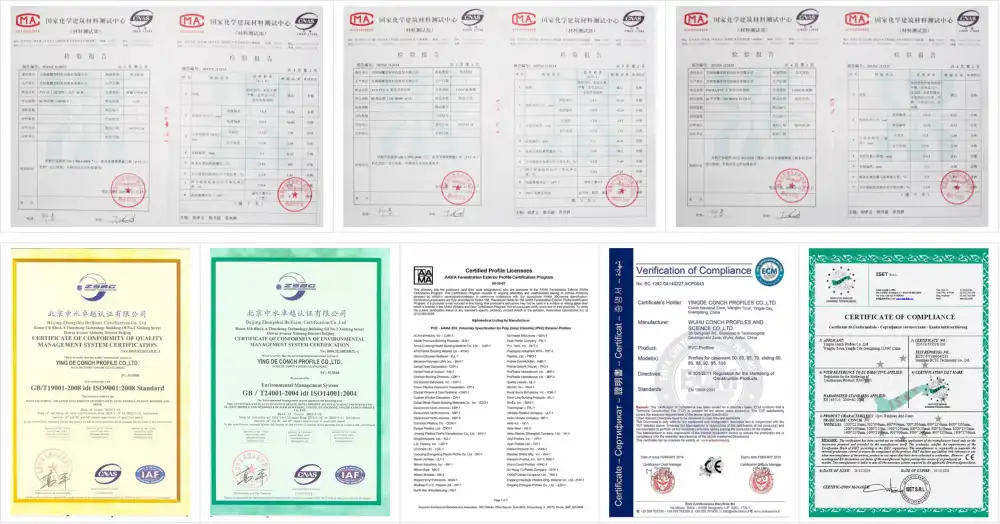
Having reliable suppliers is important for reducing buying risk across multi-phase projects because they ensure uniform quality and strong after-sales support. Some of the most important things that are looked at when judging a factory are its certifications (ISO 9001, ISO 14001), the level of technology of its equipment (automated assembly lines, precision CNC machining centers), and its technical support services (engineering advice, drawing coordination, installation help).
Established manufacturers with 15 years or more of export experience usually have a better understanding of foreign standards, paperwork needs, and logistics issues that come up in business-to-business deals. When procurement teams work with suppliers who offer detailed technical parameter paperwork, installation video resources, and assembly directions, they save time and money. This is especially true when they ask for knockdown shipments, which can cut transportation costs by 25–35% through volume optimization.
Making an Informed Decision for Your Procurement Needs
Aligning Window Durability with Project Requirements
Conditions of the climate have a big impact on the right window specifications. In climates that rely on heating (IECC Climate Zones 5-7), Thermal Break systems are most useful because they stop condensation and lower the heating load. Zones 1-3, which are mainly cool, benefit from less solar heat gain when Thermal Break frames are combined with spectrally selective low-E glazing.
Different longevity objectives are affected by how a building is used. For business uses with a lot of traffic, you need strong hardware that can handle a lot of operation cycles. For private projects, you may want to focus on acoustic performance and low upkeep. Coastal areas need premium surface treatments that make things less likely to rust, while urban areas can benefit from security hardware integration and impact-resistant glazing options.
Practical Evaluation Guidelines
People who make decisions should ask for specific performance documentation that addresses the project's top priorities. Important requirements include U-factor and Solar Heat Gain Coefficient (SHGC) values that have been tested and confirmed by the NFRC, as well as air and water infiltration ratings based on ASTM E283 and E547 standards and structural test results that show they meet local wind load requirements.
The soundness of corner joints should be looked at very carefully. Manufacturers of good products use hydraulic crimping methods that achieve corner strengths of 3000 N or more, along with structural adhesives that meet ASTM C920 performance standards. Ask for corner sample cross-sections that show how the thermal barrier should be installed and where the seal should go. These are signs of how precisely the product was made, which affects its long-term durability.
Real-World Implementation Case Studies
A 450-unit apartment block in Chicago needed Thermal Break Casement Windows to meet energy codes and keep mist from forming. Over the next 12 years, the property management reported 68% fewer repair requests for windows than for a similar property with standard aluminum frames. Based on a normalized energy consumption study, the heating costs were also 22% lower.
Two-color Thermal Break systems were used in a Seattle office renovation project to match the modern look of the outside with the warm look of the inside. The 80mm profile series could handle triple glass with 0.95 W/m²K U-values, which was a big part of getting LEED Gold certification while keeping slim sightlines that let as much natural light in as possible.
These examples show how Thermal Break technology can be used to meet a wide range of project needs and provide measured performance benefits that last long after the initial installation.
Streamlined Checklist for Purchasing
Effective communication with vendors speeds up the finalization of specifications and cuts down on the time it takes to buy something. When you first send out an inquiry, be sure to include all the details about the project, such as the approximate quantities you need, the time frame for delivery, the climate zone and wind load requirements, your color and finish preferences, and any other special needs, like impact resistance, security hardware, or acoustic performance thresholds.
Ask for all the technical information you can get, such as profile cross-section drawings with measurements, thermal performance test reports from recognized labs, information on how to put together corner joints, and hardware specifications with cycle test results. Make it clear what kind of transportation you want—containerized completed units or knockdown parts that can be put together locally? This has a big impact on how efficiently you ship and how much it costs to land.
Set up clear rules for quality control. To buy Thermal Break systems professionally, you need to check the tensile strength of the polyamide strip according to DIN standards, the integrity of the corner joints, the thickness of the coating compared to Qualicoat standards, the durability of the hardware through cycle testing, and the quality of the IGU sealant to stop argon leakage and internal condensation.
Conclusion
Thermal Break Casement Windows are clearly more durable than regular aluminum frames because they don't let dampness form, they have less thermal stress, they don't rust, and they last longer mechanically. Even though the original investment costs are 25–40% higher, a full lifecycle study shows that the return on investment is higher due to lower energy costs, less maintenance, and happier residents.
The people who work in procurement help their companies by suggesting Thermal Break systems for projects that need to last a long time, use little energy, and require little upkeep. Selecting the right supplier, writing down detailed requirements, and following clear quality control procedures are all important for making sure that the project goals and stakeholders' expectations are met during implementation.
FAQ
What makes Thermal Break Casement Windows more durable than standard aluminum frames?
The polyamide thermal barrier stops condensation by keeping the inside of the frame above the dew point temperature. This stops moisture damage that breaks down seals, speeds up corrosion, and weakens hardware faster. The temperature separation also lowers stress caused by differences in thermal expansion, which makes mechanical parts last longer.
Can triple glass be added to Thermal Break windows to make them work better?
Modern Thermal Break systems, especially those in the 80mm series and above, can easily fit glass units that are between 24mm and 52mm thick. They can also support triple glazing configurations with U-values below 1.0 W/m²K. To handle the extra weight of the curtain, this needs gear that is rated correctly.
How long do warranties usually last for commercial Thermal Break window projects?
Manufacturers with a good reputation will cover aluminum profiles and hardware functions for 10 years. Surface finish warranties range from 5 years for powder coating to 20 years for PVDF, based on the treatment chosen. Most glass units come with a 10-year warranty against seal failure and gas leaks.
How does customization change the time it takes to make a lot of items?
Standard setups in popular colors usually ship 25 to 30 days after the order is confirmed. It could take an extra two to four weeks if you need custom extrusion profiles, non-standard colors, or special hardware. When goods are shipped in pieces that need to be put together on-site, logistics times are often cut by 15 to 20 percent, and transportation costs are cut by a lot.
Partner with Haolv Building Materials for Superior Thermal Break Solutions
When purchasing managers are looking for trusted Thermal Break Casement Window suppliers with a history of working on business projects, they should work with experienced makers who can provide full support during the specification, production, and installation stages. Haolv Building Materials has more than 18 years of experience in window and door manufacturing and also has advanced production tools like automatic assembly systems, precision CNC machining, and integrated surface treatment facilities. This makes sure that the quality of both standard and special orders is the same.
Our Thermal Break Casement Windows are made of 6063-T5 aluminum that is strengthened, has PA66GF25 polyamide barriers, multi-layer EPDM sealing systems, and high-performance European hardware that can handle more than 100,000 operation cycles. We offer full technical documentation with parameter specs, installation videos, and detailed assembly directions for both fully built and knockdown shipment choices that cut logistics costs by 30% while keeping delivery speed up.
Email our engineering team at kristin@haolvwindows.com to talk about your project needs, get customized quotes based on bulk prices, and see our collection of finished installations in home, industrial, and institutional settings. You can look at our full line of products at haolvbuilding.com and learn how strategic partnerships with suppliers can help projects succeed through better performance, on-time delivery, and quick technical support.
References
1. Anderson, J. & Roberts, M. (2021). Thermal Performance and Durability of Advanced Fenestration Systems in Commercial Buildings. Journal of Building Envelope Design, 15(3), 145-167.
2. Chen, W. (2020). Aluminum Window Systems: Material Science and Engineering Applications. Building Technology Press.
3. International Code Council. (2021). International Energy Conservation Code (IECC) 2021 Edition. ICC Publications.
4. National Fenestration Rating Council. (2022). NFRC 100-2020: Procedure for Determining Fenestration Product U-factors. NFRC Technical Documents.
5. Peterson, K., Liu, S., & Wagner, D. (2019). Lifecycle Cost Analysis of High-Performance Windows in North American Climate Zones. Energy and Buildings Journal, 187, 223-241.
6. Straube, J. & Burnett, E. (2020). Building Science for Building Enclosures. Building Science Press, Chapter 12: Window Performance and Durability.
Fast simple channel to send demands lock favorable price for building window door bulk purchases.