- English
- French
- German
- Portuguese
- Spanish
- Russian
- Japanese
- Korean
- Arabic
- Greek
- German
- Turkish
- Italian
- Danish
- Romanian
- Indonesian
- Czech
- Afrikaans
- Swedish
- Polish
- Basque
- Catalan
- Esperanto
- Hindi
- Lao
- Albanian
- Amharic
- Armenian
- Azerbaijani
- Belarusian
- Bengali
- Bosnian
- Bulgarian
- Cebuano
- Chichewa
- Corsican
- Croatian
- Dutch
- Estonian
- Filipino
- Finnish
- Frisian
- Galician
- Georgian
- Gujarati
- Haitian
- Hausa
- Hawaiian
- Hebrew
- Hmong
- Hungarian
- Icelandic
- Igbo
- Javanese
- Kannada
- Kazakh
- Khmer
- Kurdish
- Kyrgyz
- Latin
- Latvian
- Lithuanian
- Luxembou..
- Macedonian
- Malagasy
- Malay
- Malayalam
- Maltese
- Maori
- Marathi
- Mongolian
- Burmese
- Nepali
- Norwegian
- Pashto
- Persian
- Punjabi
- Serbian
- Sesotho
- Sinhala
- Slovak
- Slovenian
- Somali
- Samoan
- Scots Gaelic
- Shona
- Sindhi
- Sundanese
- Swahili
- Tajik
- Tamil
- Telugu
- Thai
- Ukrainian
- Urdu
- Uzbek
- Vietnamese
- Welsh
- Xhosa
- Yiddish
- Yoruba
- Zulu
What Are the Advantages of UPVC Patio Doors Over Aluminum?
When choosing patio door systems for multi-unit home developments or business renovation projects, the choice of material affects every decision that follows, from when to install the doors to how much they will cost to maintain over their lifetime. In terms of heat economy, acoustic comfort, and total cost of ownership, UPVC Double Sliding Patio Doors outperform aluminium in every category.
Their multi-chamber profile structure, resistance to corrosion, and ability to be made to fit specific needs are important to general builders, building material suppliers, and curtain wall integrators who work in a variety of climates. This guide looks at technical similarities, how to buy things, and how to judge suppliers so that decision-makers can make sure that door specifications are in line with project deadlines, safety standards, and budget limits.
Understanding UPVC Double Sliding Patio Doors
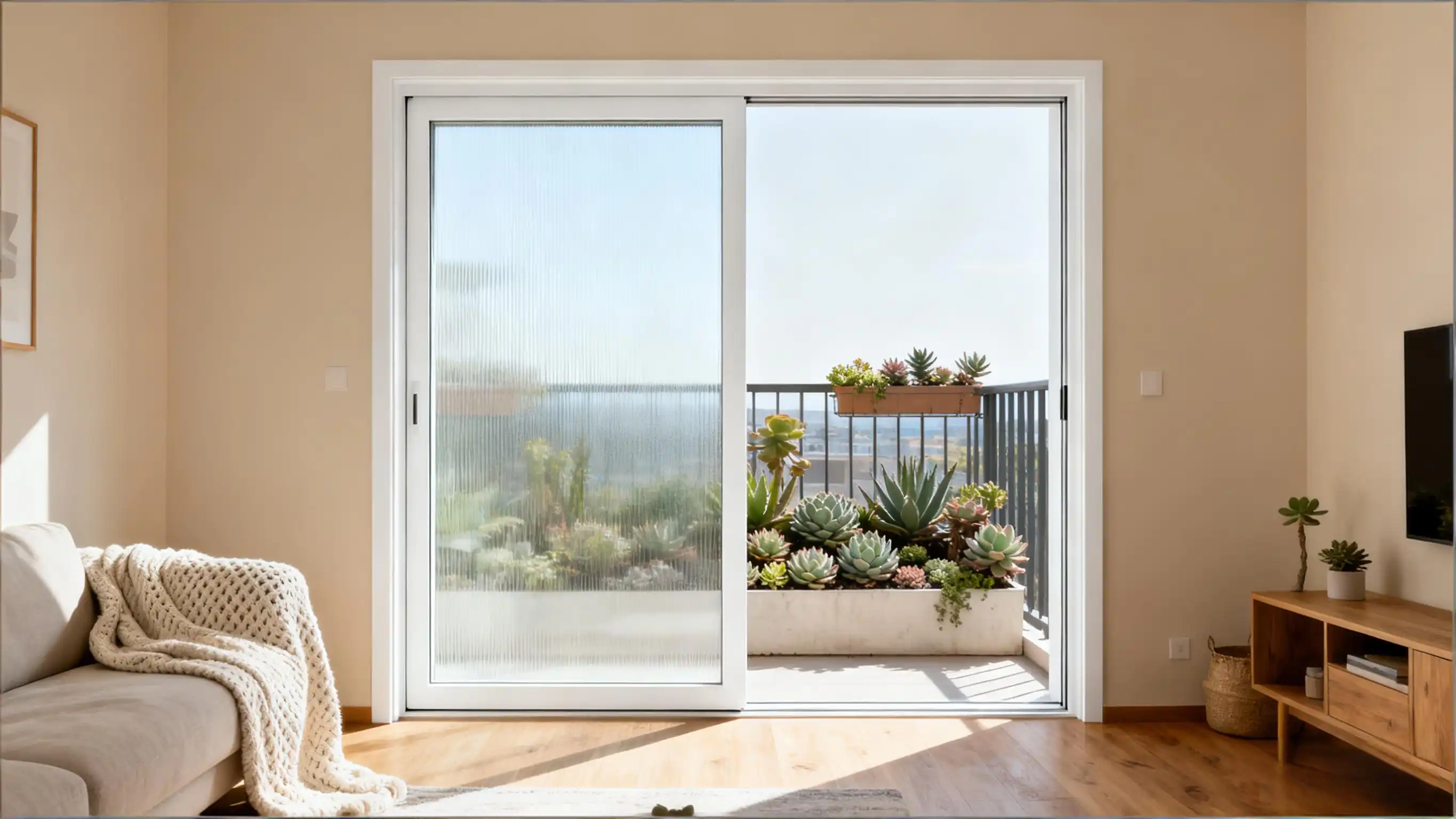
UPVC Double Sliding Patio Doors are made of unplasticized polyvinyl chloride, a material that is designed to not warp or fade when exposed to UV light for long periods of time, when temperatures change, or when water gets inside. Heavy-duty stainless steel rollers inside a multi-track system power the double-sliding mechanism. It can hold two to four panels that slide horizontally to make the most of the floor space. This arrangement works really well in apartment buildings with a lot of units, hotel balconies, and retrofit projects with limited swing clearance.
Multi-Chamber Profile Engineering
The main structural benefit comes from the design with multiple chambers. Profiles have three to five internal spaces that are strengthened with galvanised steel plates. These create thermal barriers that stop heat from moving. Some standard series, like the 80mm and 88mm systems, can get U-values as low as 1.4 W/m²K when paired with double-glazed units that are set up with a 5mm air gap and 12mm of glass. These spaces also work as draining paths, moving condensation away from the sills to keep them from building up with moisture and extending the life of the system.
Glazing and Hardware Configurations
There are more glazing choices than just basic double-pane units. For placements on the ground floor, tempered glass is better because it can handle impact, while laminated glass meets security standards for business buildings. Triple-glazing updates keep heat in even more in colder places, but they make panels heavier and need better roller systems. Multi-point locking mechanisms connect in three or more places around the frame's edge. This spreads the force out widely and meets AAMA standards for resistance to forced entry. Anti-lift blocks stop panels from being removed from the outside, which fixes a common security hole in ground-level uses.
Aesthetic Customization
You can get basic white and wood-grain laminates, as well as matte textures and special RAL colour matches, for the surface. Slim sightlines, usually 50mm to 70mm, make the most of the glass area that can be seen. This is something that architectural firms that want to use a modernist style often ask for. The shape of the profile allows for flush thresholds for ADA-compliant changes, which get rid of trip risks between inside and outside areas.
Comparing UPVC vs Aluminum Patio Doors: Core Advantages
Long-term success is determined by the qualities of the material. While aluminium frames are stronger and have narrower profiles, UPVC Double Sliding Patio Doors perform better in four key areas that have a direct effect on project costs and occupant satisfaction.
Thermal Insulation and Energy Efficiency
About 1,200 times faster than UPVC, aluminium moves heat around. Even aluminium systems that are thermally broken (those that use nylon strips to block conduction paths) can't match the basic insulation values of UPVC. The multi-chamber UPVC profile makes many air pockets that act as thermal buffers. This lowers the HVAC loads by 15% to 25% compared to aluminium frames that aren't broken.
This gap gets bigger in harsh climates. For example, when UPVC doors were put in place of single-break aluminium units in mid-rise apartment buildings in Minnesota, heating costs went down by 22%. Less energy use means less carbon emissions, which is in line with the requirements for LEED and Green Globes certification that are being pushed harder in public projects.
Corrosion Resistance and Weathering Performance
When UPVC is exposed to saltwater spray, acid rain, and industrial pollutants, it doesn't change chemically. Aluminium oxidation speeds up in coastal settings and cities with lots of particulate matter unless anodised or powder-coated finishes are used, and even these treatments need to be reapplied every so often. UPVC profiles don't crack, chalk, or change colour when the temperature goes from -40°C to +70°C. They stay the same size. For the first 15 to 20 years of service, maintenance is limited to cleaning it every so often with mild detergents. There is no need to sand, paint, or replace seals.
Acoustic Performance
Sound transmission class (STC) rates of 30 to 35 decibels are reached with normal double glazing and dense UPVC material that is sealed in multiple chambers. This performance level blocks out noise from traffic, disturbances from nearby units, and the hum of outdoor machinery. This is important for hotel guest rooms, apartment buildings near roads, and urban infill projects. Because aluminium frames are smaller and stiffer, they let noises through more easily unless they have acoustic interlayers and special gaskets added, which costs an extra 20% to 30% in materials.
Total Cost Analysis
When looking at door systems over the next 25 years, procurement managers need to think about how much they will cost, how long they will last, how much energy they will save, how often they will need to be maintained, and how often they will need to be replaced. The starting cost of UPVC systems is usually 10 to 15 percent less than that of thermally broken aluminium systems with the same performance levels.
Installation labour costs are the same because frames are the same weight and need to be fastened in the same way. UPVC's low maintenance needs and high energy efficiency make it the clear winner in operational phases. In business uses, payback times of three to five years are typical. Aluminium systems need to be refinished every seven to ten years, and they have higher HVAC costs, which makes them less competitive at first.
Performance data should be verified against manufacturer test reports and project-specific conditions. Actual results vary based on installation quality, site exposure, and usage patterns.
Procurement Considerations for UPVC Double Sliding Patio Doors
When looking for UPVC Double Sliding Patio Doors for big projects, you need to think about how customisable they are, how the supply chain works, and how to get help after the door is delivered. These things decide if the dates for buying things match up with the dates for building things and if the finished goods match what the architects had in mind.
Customization and Drawing Coordination
Standard catalogue sizes don't always match up perfectly with building plans. Reliable providers can fully customise based on shop plans, which means they can work with non-standard sill heights, dimensions, and mullion designs. During the design development phase, technical teams should keep communication lines open and provide CAD files that are compatible with standard formats like DWG and DXF. Value engineering lets suppliers with their own engineering teams suggest alternatives that keep performance high while making the best use of materials, cutting costs and wait times.
Lead Times and Production Capacity
Customised UPVC Double Sliding Patio Doors usually take 25 to 30 days to make after the order is confirmed, as long as the specs are clear and the plans are accepted. When compared to semi-manual operations, suppliers who use automated extrusion lines and CNC cutting equipment are more likely to meet delivery deadlines. Lead times may grow by two to three weeks during busy building times, which in North American markets are usually spring and early summer. To avoid delays, procurement managers place orders during the early stages of construction and keep extra supplies on hand for installations that will happen in stages.
Certification Compliance and Documentation
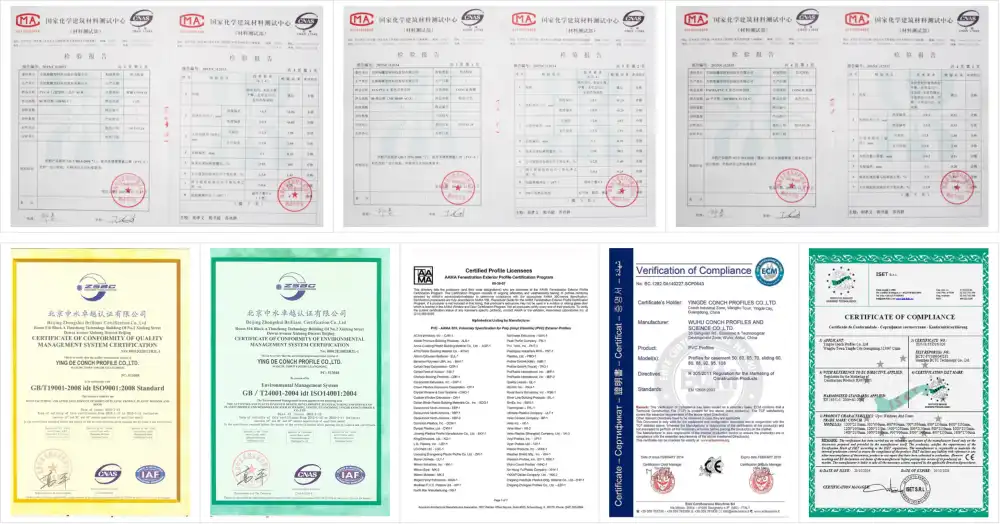
For performance grade scores, projects in the US need goods that meet the standards set by AAMA, WDMA, CSA 101, I.S.2, and A440. Labels from the NFRC check the U-factor, solar heat gain coefficient, and visible transmittance values to make sure they are in line with state energy codes. Suppliers should show test results from recognised labs like Intertek, SGS, or an equal that include tests for structure load, water resistance, and air infiltration rates. ISO 9001 certification shows that the production process is consistent, and CE marking makes it easier to work on projects across borders in countries that have deals to recognise each other's products.
Logistics and Knockdown Shipping Solutions
Due to volumetric weight estimates and the need for protective packing, shipping door panels that are fully built raises the cost of goods. Progressive sellers offer knockdown (KD) designs, in which profiles, glazing pieces, hardware, and seals are shipped separated so that they can be put together on-site. This method lowers the amount of shipping by 35% to 40%, which greatly lowers the cost of logistics.
It is especially helpful for shipping goods by ocean to faraway markets or to campuses with many buildings that need hundreds of units. To make sure users get results that look like they came from the factory, KD systems need clear assembly instructions, video lessons, and technical support hotlines. When looking at different suppliers, make sure they offer clear installation guides, torque specs for fasteners, and troubleshooting manuals in both English and metric units.
Market Insights: Trends and Supplier Landscape for UPVC Patio Doors
The global UPVC Double Sliding Patio Doors market is still growing at a rate of 6.8% per year. This is because more people are moving to cities, energy rules are getting tighter, and developers and facility managers are becoming more aware of lifecycle costs. The things that set suppliers apart are new products, licenses, and service methods that are designed to meet the needs of B2B buyers.
Innovation and Product Development
Leading makers now add thermal break options to UPVC profiles, which were previously only available on aluminium systems. These options work by adding foam-filled chambers that drop U-values even more, to at least 1.2 W/m²K. High-end residential and leisure projects are asking for smart hardware choices like motorised sliding mechanisms and built-in blind systems in sealed glazing units. Better colour stability means that darker RAL shades (like charcoal and anthracite) won't warp in direct sunshine, giving builders more design options.
Supplier Evaluation Criteria
B2B buyers should look at potential partners in more than one way, not just the price per unit. A supplier's production ability shows if they can handle big orders without lowering quality or shipping times. When you visit a factory in person or online, you can see how advanced its equipment is. For example, automatic welding stations, corner cleaning machines, and quality checks along the production line all show that the factory can make good products.
Referrals from customers who have worked on similar projects (multifamily residential, hotel chains, business renovations) can show how quick the company is when solving problems and how well they keep their promises. Longer warranty terms than five years, backed by case studies and independent reviews, show that the company is confident in the product's durability.
Certification and Compliance
Check to see if suppliers have up-to-date ISO certifications and valid test results for the places you want to sell to. AAMA approval specifically looks at how well something works in conditions in North America. It includes things like how well it holds up against wind loads and how well it keeps water out when it rains hard. Products that don't have the right certifications put people at risk of liability, could break the law, and cause delays in building inspections. Instead of asking for compliance paperwork over and over, suppliers should give it when asked. This will speed up the approval process with permitting authorities.
Why UPVC Double Sliding Patio Doors Are the Preferred Choice for B2B Buyers
Commercial and institutional buyers look for UPVC Double Sliding Patio Doors systems that meet changing legal standards and have the lowest total cost of ownership. Multiple benefits of UPVC slide doors make them a good choice for these goals.
Regulatory Alignment and Sustainability
More and more, base thermal performance values for fenestration goods are required by municipal energy codes. UPVC doors meet or go beyond these standards without having to buy expensive upgrades. On the other hand, standard aluminium systems often need better glazing or more thermal breaks to meet these standards.
Green building approval systems (LEED v4, BREEAM) give points to materials that have low embodied energy and high recycling potential. UPVC scores well because it can be made at lower temperatures than aluminium extrusion. Most developed markets now have programs for recycling used profiles so they can be turned into new building materials instead of going to landfills.
Distribution Channel Advantages
Building material importers and distributors save money on storage and handling costs because UPVC systems are lighter than similar aluminium systems. Knockdown configurations make even better use of containers by letting doors, windows, and hardware accessories be shipped together as mixed loads. Standardised profiles for all product lines make managing inventory easier and let you use stocking strategies that balance variety with change rates. OEM partners like how easy the material is to machine and how constant the extruded quality is, which cuts down on the amount of scrap that is made.
Long-Term Value and Client Satisfaction
Because they don't rust and work smoothly, UPVC doors mean that property managers and building owners get fewer service calls. When placed correctly, sliding mechanisms keep working smoothly for tens of thousands of rounds of opening and closing. This is because they don't get stuck or out of alignment like lower-grade aluminium tracks do. Saving energy lowers electricity costs in shared areas of multi-tenant buildings, which increases net running income and property values. Higher tenant happiness scores and lower turnover rates are the results of these performance traits. These are important measures for business landlords and residential developers.
Procurement professionals make sure their specifications will work in the future by choosing door systems that can adapt to new standards. UPVC technology keeps getting better through better material science and better manufacturing processes. This makes sure that products ordered today will remain competitive for as long as they are used. When you work with suppliers who offer ongoing technical support, the ability to provide retrofit parts, and clear communication channels, you can protect your project investments from becoming obsolete and supply chain disruptions.
Conclusion
Choose the right material for sliding patio door systems can affect the cost of the job, the comfort of the people who live there, and the amount of upkeep that needs to be done. UPVC Double Sliding Patio Doors are better than aluminium options when it comes to insulating, preventing rusting, keeping out noise, and saving money over time. Their multi-chamber profile design, ability to be customised, and ability to meet North American building codes make them perfect for general builders, real estate developers, and building material dealers who are in charge of a wide range of projects.
Shipping options that are cheaper and full technical support make it easier to buy things, which lowers both the cost of shipping and the difficulty of installation. UPVC standards give decision-makers who are looking at door systems for multi-unit residential, business remodelling, or hospitality projects real benefits that can be measured.
FAQ
How do the energy efficiency of UPVC folding patio doors and aluminium doors compare?
UPVC Double Sliding Patio Doors have lower U-values than aluminium systems that don't break heat (2.8 to 3.5 W/m²K vs. 1.4 to 1.6 W/m²K for standard double glass). Even aluminium that has been heated up needs polyamide strips and better seals to work as well as UPVC, which raises the cost of the materials by 25% to 35%.
What maintenance is required for UPVC sliding door systems?
Every three months, non-abrasive detergents are used to clean the tracks and glass panels. Every year, silicone-based grease is used to lubricate the roller assemblies, and every two years, the weatherstripping is checked for damage caused by compression. Unlike aluminium, UPVC doesn't need to be refinished, painted, or treated against rust over the course of its useful life.
Can UPVC doors be customized for large commercial projects?
Reliable suppliers offer full customisation based on architectural drawings, which includes working with non-standard sizes, sill configurations, and hardware needs. Technical teams work with design professionals to make sure that the units built exactly meet the needs of the project during the acceptance stages of shop drawings. There are different minimum order amounts for each supplier, but for custom specs, they usually start at 50 units.
Partner With Haolv Building Materials for Your UPVC Sliding Door Requirements
Every UPVC Double Sliding Patio Doors system that Haolv Building Materials makes is backed by 19 years of specialised manufacturing experience. Our modern factory has automatic extrusion lines, precise CNC cutting tools, and strict ISO-certified quality control procedures that make sure the goods we make always meet AAMA, CE, and NFRC standards.
As a well-known company that sells UPVC Double Sliding Patio Doors, we help general contractors, building material importers and curtain wall integrators with a wide range of services, such as custom engineering based on your project drawings, knockdown shipping configurations that cut logistics costs by 30% to 35%, and full technical documentation in English that includes installation videos, torque specifications and assembly manuals.
Our Series 80 and 88 sliding systems have heavy-duty stainless steel roller assemblies, galvanised steel-reinforced multi-chamber profiles, and multi-point locking devices that reduce noise by 30 to 35 dB with normal 5+12A+5 double glass. We keep enough stock to meet normal requirements, and we can send custom orders 25 to 30 days after approval. You can talk to our expert team about your project needs, get speed test results, or set up a video factory tour by emailing kristin@haolvwindows.com. You can see all of our products at haolvbuilding.com and download specification sheets that are designed for buying workers in charge of big building projects.
References
1. Johnson, M. R., & Stevens, P. L. (2022). Comparative Thermal Performance of Residential Fenestration Systems in Cold Climates. Journal of Building Physics, 45(3), 287-312.
2. National Fenestration Rating Council. (2023). Technical Manual for Calculating U-Factor and Solar Heat Gain Coefficient. NFRC Technical Document 201-2023.
3. Anderson, K. T. (2021). Lifecycle Cost Analysis of Building Envelope Materials: A 25-Year Comparison Study. Construction Economics Review, 38(2), 145-169.
4. American Architectural Manufacturers Association. (2023). AAMA/WDMA/CSA 101/I.S.2/A440-23: North American Fenestration Standard/Specification for Windows, Doors, and Skylights. AAMA Publication.
5. Chen, W., & Liu, H. (2022). Corrosion Resistance and Weathering Performance of Polymer-Based Building Materials in Coastal Environments. Materials Science and Engineering Reports, 156, 98-124.
6. Thompson, R. J., Martinez, E., & O'Connor, D. P. (2023). Acoustic Performance Optimization in Multi-Family Residential Buildings: Material Selection and Design Strategies. Building Acoustics Quarterly, 29(4), 401-428.
Fast simple channel to send demands lock favorable price for building window door bulk purchases.